

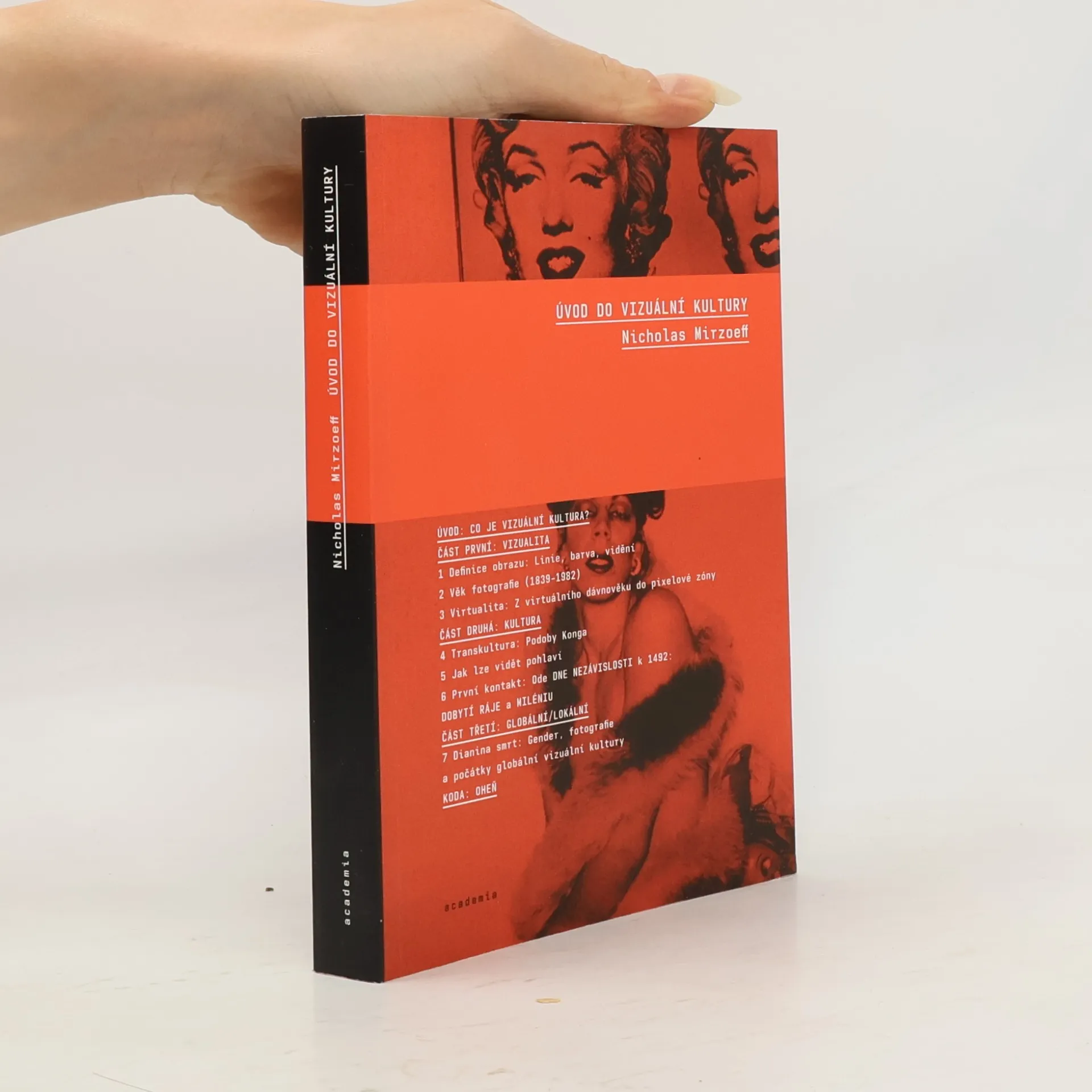
Kniha pomáhá čtenáři porozumět proměnám funkce obrazu v moderní společnosti, především pak ukazuje její transformaci po nástupu nových zobrazovacích médií, jako je fotografie, film a televize či nejnověji počítačová prostředí a internet. Mirzoeffova široká analýza kultury obrazu začíná definicí klasického perspektivního zobrazování a směřuje k technologickým způsobům tvorby obrazů, přičemž se zastavuje u zásadních témat – např. zkoumá otázku reprezentace, vizualizace, tělesnosti, kolonizace obrazu a obrazem, simulaci (alternativní) skutečnosti, možnosti vytvoření obrazové (mediální) ikony či počátky globalizace kultury obrazu. Kniha je psaná velmi vstřícnou formou a je vhodná jak pro studenty vizuální kultury a médií, tak také pro každého čtenáře, který chce dnešní mediální a obrazovou společnost lépe chápat.
Nicholas Mirzoeff Knihy



Jak vidět svět
- 374 stránek
- 14 hodin čtení
Jaké jsou obrazy, které tvoří svět okolo nás, a jak je utváříme my sami? V knize známého britského teoretika kultury, umění a aktivisty se čtenáři učí, jak zodpovědně a kriticky tvořit, šířit a interpretovat obrazy. Tento srozumitelný a svižně psaný průvodce vizuální kulturou 21. století pomáhá orientovat se v současném obrazovém světě. Kniha obsahuje rozsáhlý rozhovor s autorem a tematické ilustrace. Autor v sedmi kapitolách nabízí kritický pohled na obrazové fenomény v našem každodenním životě. Touha po zachycení lepšího já, vyjádřená miliony selfie na sociálních sítích, se prolíná s historií autoportrétu od Velásqueze po Duchampa a s objevem tanečního stylu vogue. Dějiny používání map se zde střetávají s kolonizací a rasismem. Vojenské technologie se stávají součástí každodenní komunikace, ať už prostřednictvím internetu, fotografií a filmů na chytrých telefonech, nebo dohledu kamerových systémů. Digitální obrazy a sociální média však také umožňují aktivně měnit svět 21. století. Politický a ekologický aktivismus díky novým nástrojům vizualizace a sociálním sítím získává příležitost postavit se velkým institucím a poukázat na dlouho opomíjené problémy a skupiny.
This sweeping comparative decolonial framework for visual culture studies, a field the author helped shape, casts modernity as a contest between visuality and countervisuality, or the right to look.
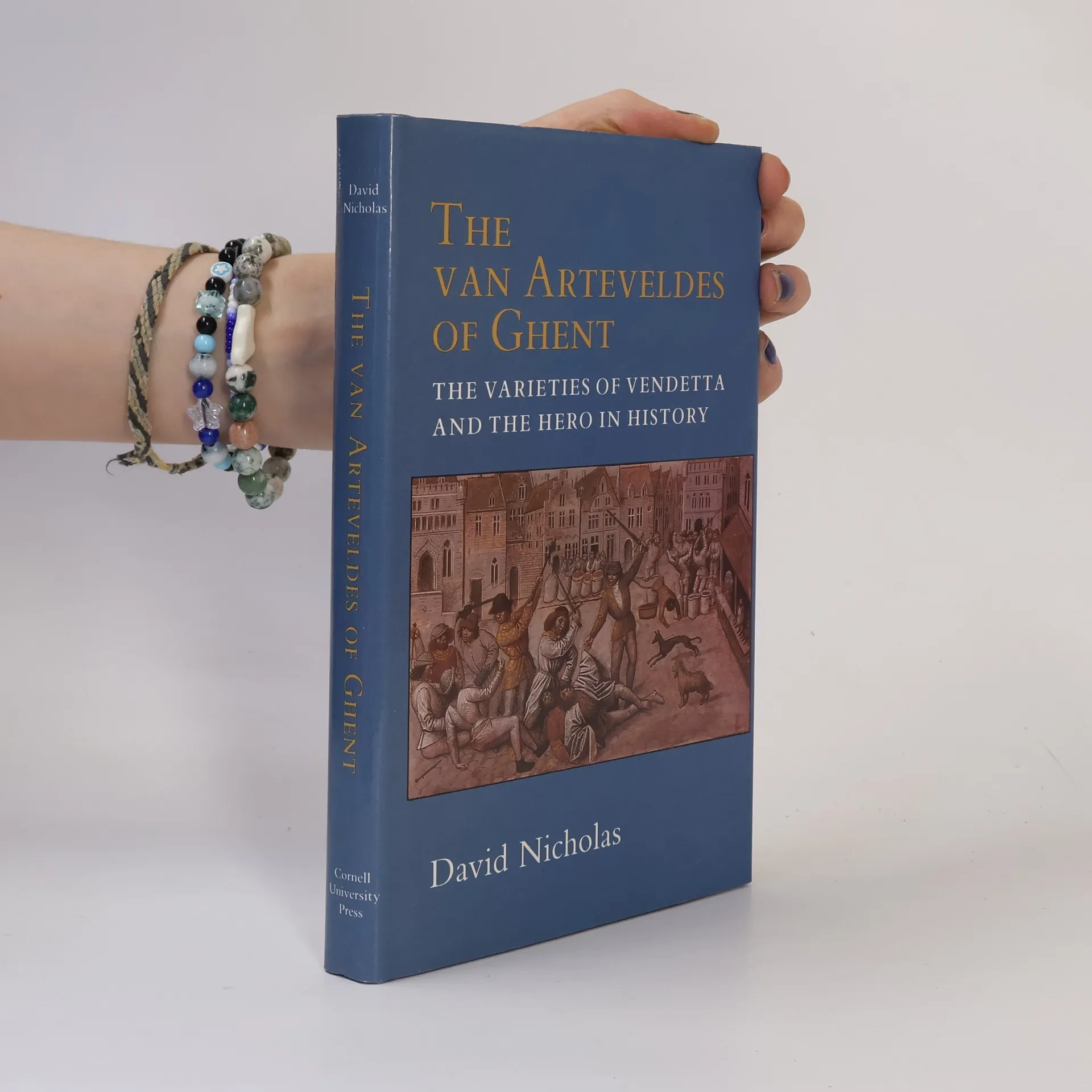
The Van Arteveldes of Ghent
The Varieties of Vendetta and the Hero in History
- 212 stránek
- 8 hodin čtení
Traditionally enshrined in the pantheon of Flemish national heroes, James van Artevelde and his son Philip assumed extraordinary powers at Ghent in 1338 and in 1382, respectively, when they led the city in bold but futile battles against the Flemish counts and their overlords, the kings of France. David Nicholas, drawing on a rich fund of archival and printed sources, offers a vivid--and startling--resconstruction of the lives of the van Arteveldes. Nicholas' detailed analysis not only revises the heroic image of the van Arteveldes but forces us to rethink the very concept of the hero in history.The van Arteveldes of Ghent offers the excitement of a good murder mystery, featuring the documents themselves as active and often conflicting participants in the pursuit of a faithful account of the van Arteveldes' careers. Tracing the marriage alliances and family relationships of this aristocratic lineage and its rivals, Nicholas demonstrates that James and particularly Philip van Artevelde used the captaincy of Ghent primarily to settle old scores with family enemies. Nicholas re-enacts the homicidal infighting among the city's great families and analyzes the complex interaction between these clan wars and the intense social struggles of this revolutionary period.
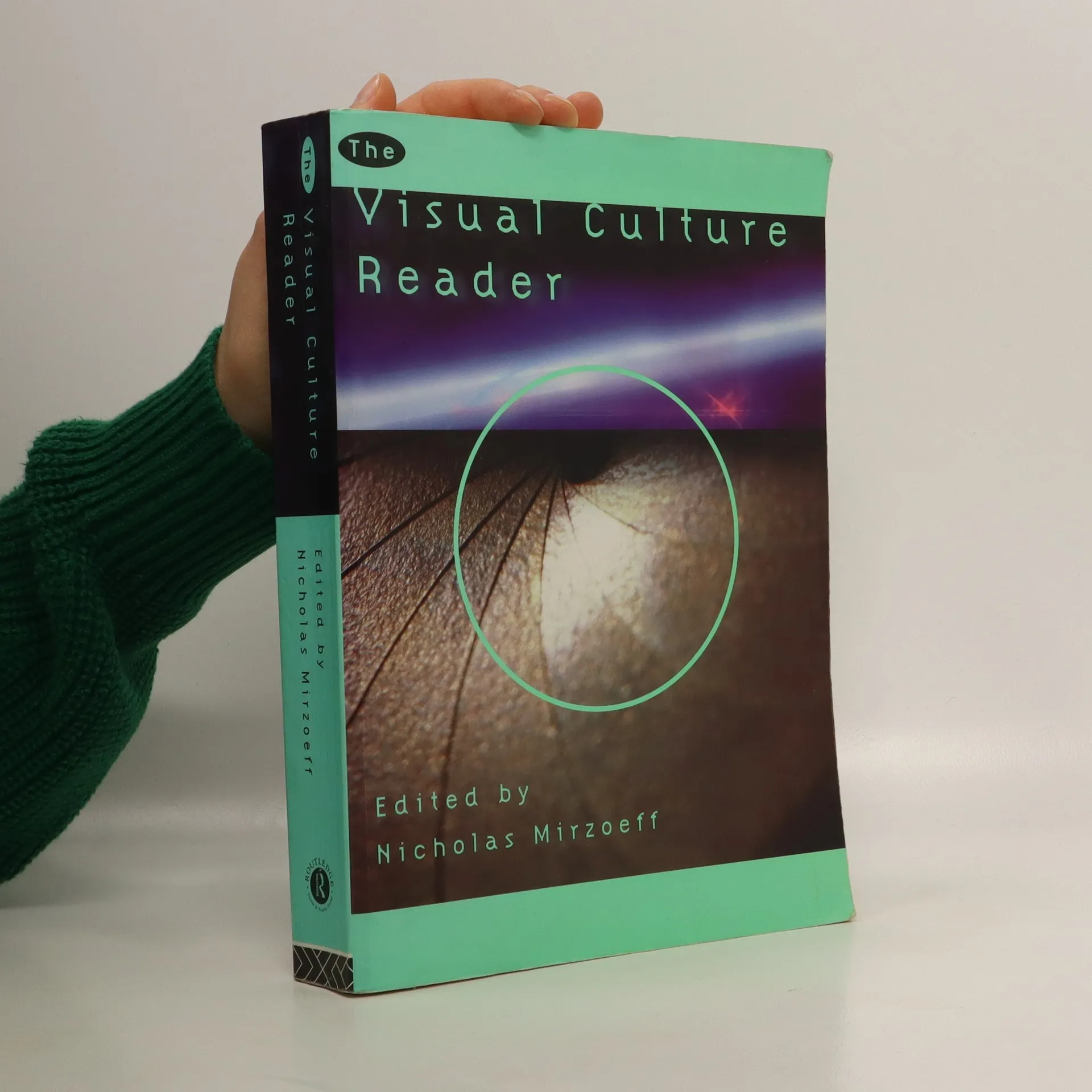
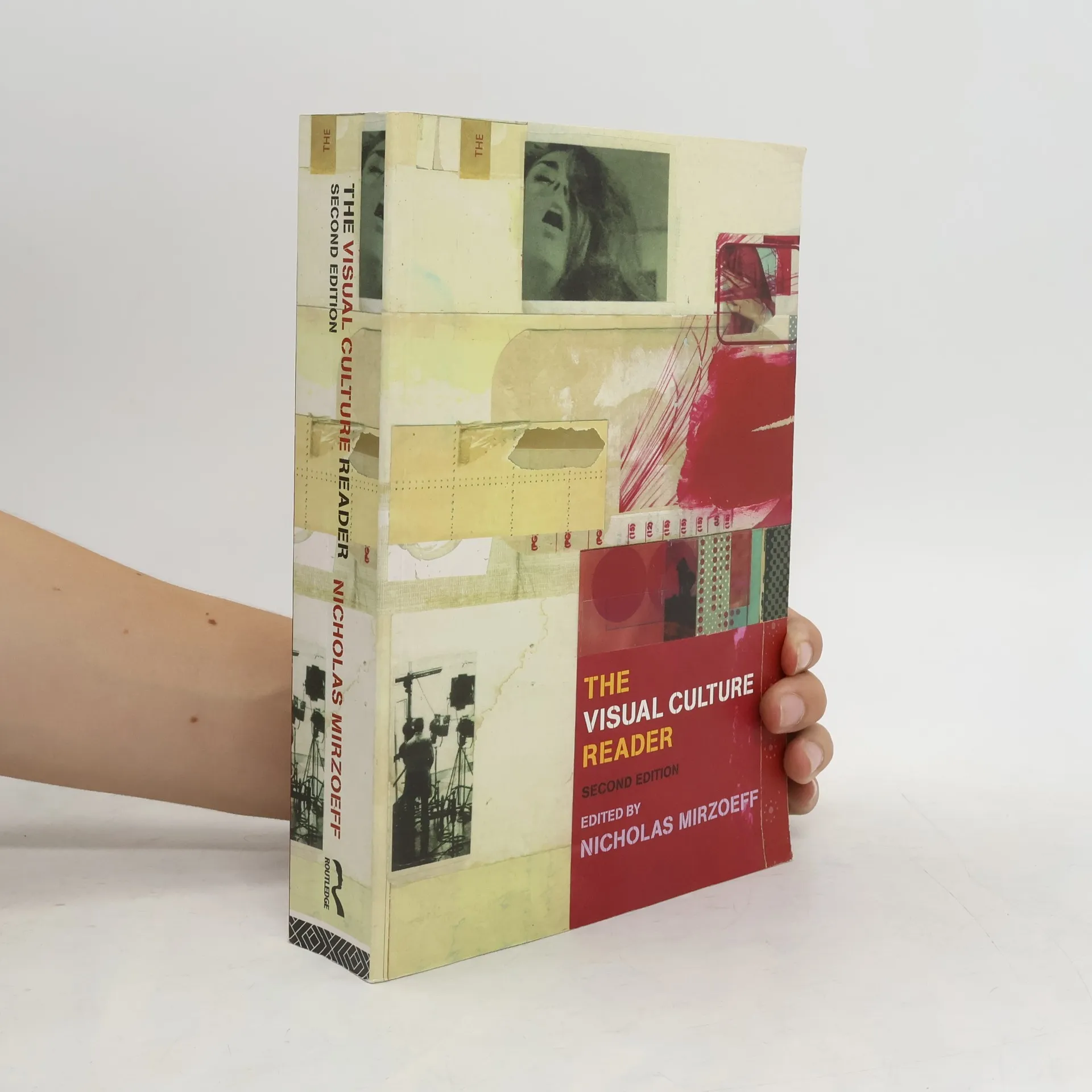
This thoroughly revised and updated second edition of The Visual Culture Reader brings together key writings as well as specially commissioned articles covering a wealth of visual forms including photography, painting, sculpture, fashion, advertising, television, cinema and digital culture.The Reader features an introductory section tracing the development of visual culture studies in response to globalization and digital culture, and articles grouped into thematic sections, each prefaced by an introduction by the editor and conclude with suggestions for further reading.
Visual culture is concerned with visual events in which information, meaning or pleasure is sought by the consumer in the encounter with visual artefacts, from oil paintings to the internet. The diverse essays collected here constitute a comprehensive exploration of the emerging interdisciplinary field of visual culture, and examine why modern and postmodern culture place such a premium on rendering experience in visual form.