
Knihobot

C. Edson Armi

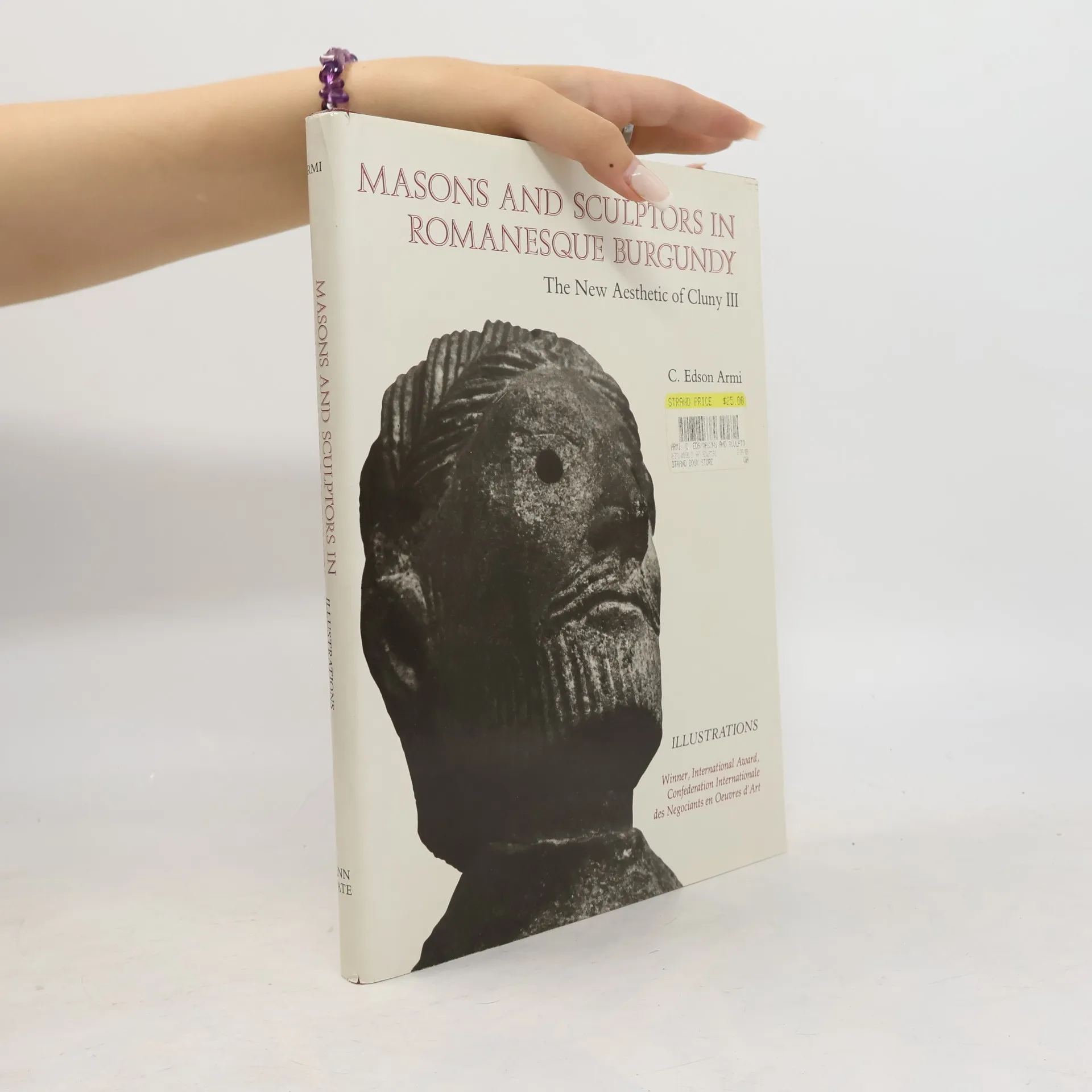
    Masons and Sculptors in Romanesque Burgundy
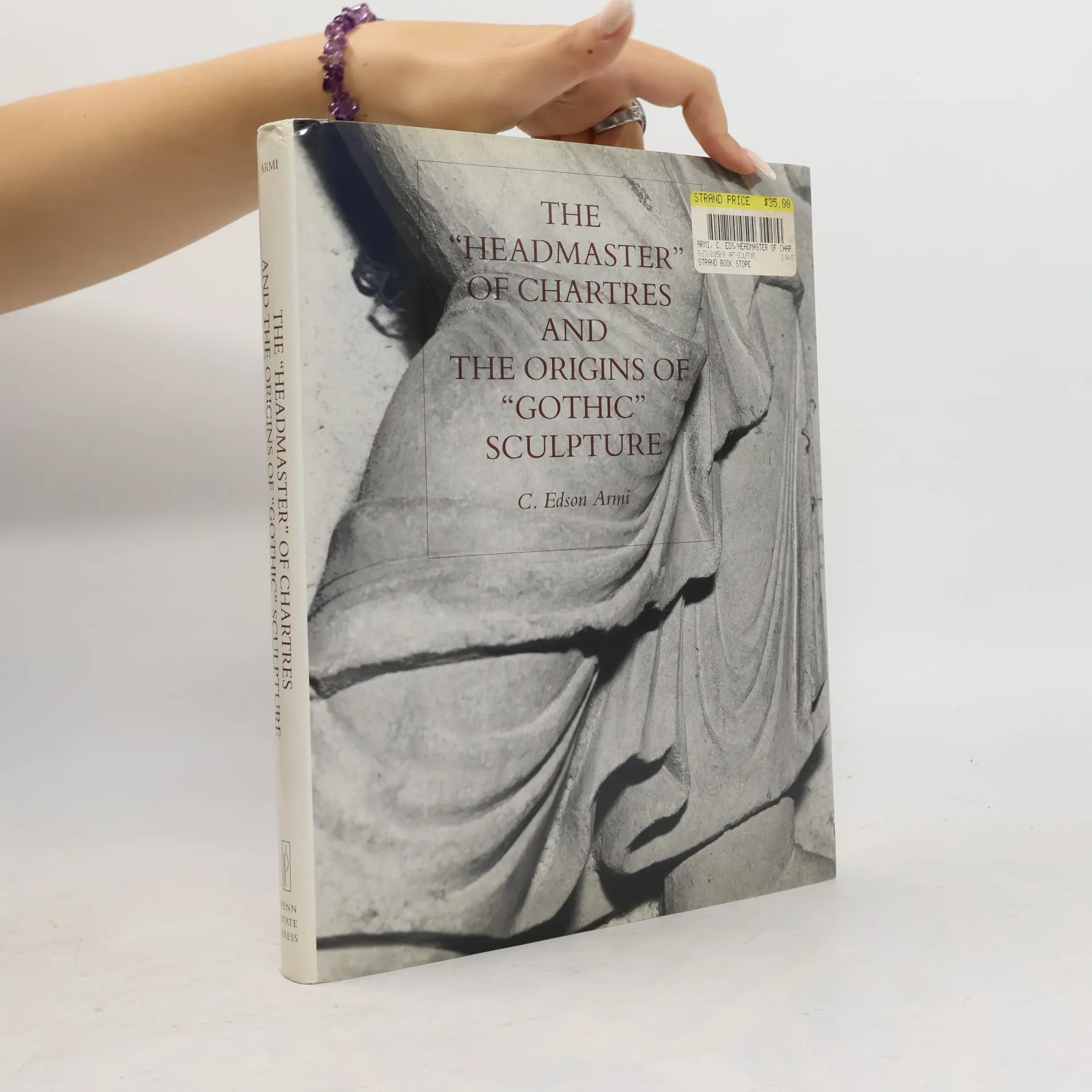
    The “Headmaster” of Chartres and the Origins of “Gothic” Sculpture
    • Professor Armi's study represents a dramatic reconsideration of the origins of Gothic sculpture by employing new methodology and refuting previously accepted theories. Despite the aesthetic and historical significance of the Royal Portal, no documentation of its design and construction exists. Nevertheless, over the last century a set of truths about the facade have become accepted. Employing a new methodology that overcomes the lack of documents with a revised form of connoisseurship, Edson Armi proposes a radically different biography of the Headmaster that has far-reaching implications for the study of Gothic sculpture. With a new perspective on the most important mid-twelfth-century portal, the book concludes that the style and cultural context of Île-de-France sculpture is less defined and more diverse than previously imagined. More importantly, the book argues that the forms of art, as well as the design and working procedures in the Paris basin, can no longer be seen as unique or separate from the practices of provincial French art in the period before 1140.

      The “Headmaster” of Chartres and the Origins of “Gothic” Sculpture1993
    • Masons and Sculptors in Romanesque Burgundy

      The New Aesthetic of Cluny III

      • 204 stránek
      • 8 hodin čtení

      For nearly a century, scholars have viewed the third abbey at Cluny (Cluny III) through a lens of abstract principles, often attributing its design to a singular genius. This book challenges that perspective, proposing instead that Cluny III represents a collaborative effort among regional masons from diverse traditions, who came together to forge a new architectural style. The author, Professor Armi, supports this thesis through meticulous analysis of archaeological evidence, including masons' marks, and a detailed "hand analysis" of the site's sculpture. This approach reveals significant design changes, stylistic trends, and turning points in the masonry and sculpture of Cluny III. By examining major Burgundian structures of the era, such as Vézelay and Paray-le-Monial, he establishes a new chronology for the region's architecture and identifies key artists involved in the portal and capital sculptures. His findings challenge the long-held belief that sculpture was created on-site, demonstrating instead that finished pieces were integrated into the masonry at Cluny III and other sites. By focusing on individual masons and architectural details, Armi departs from traditional methodologies, supported by 400 illustrations, including innovative macrophotography. His work highlights the collaborative efforts of local masons, resulting in the creation of the Cluniac High Romanesque style.

      Masons and Sculptors in Romanesque Burgundy1983