The World We Have Lost
- 392 stránek
- 14 hodin čtení
The World We Have Lost is a seminal work in the study of family and class, kinship and community in England after the Middle Ages and before the changes brought about by the Industrial Revolution.


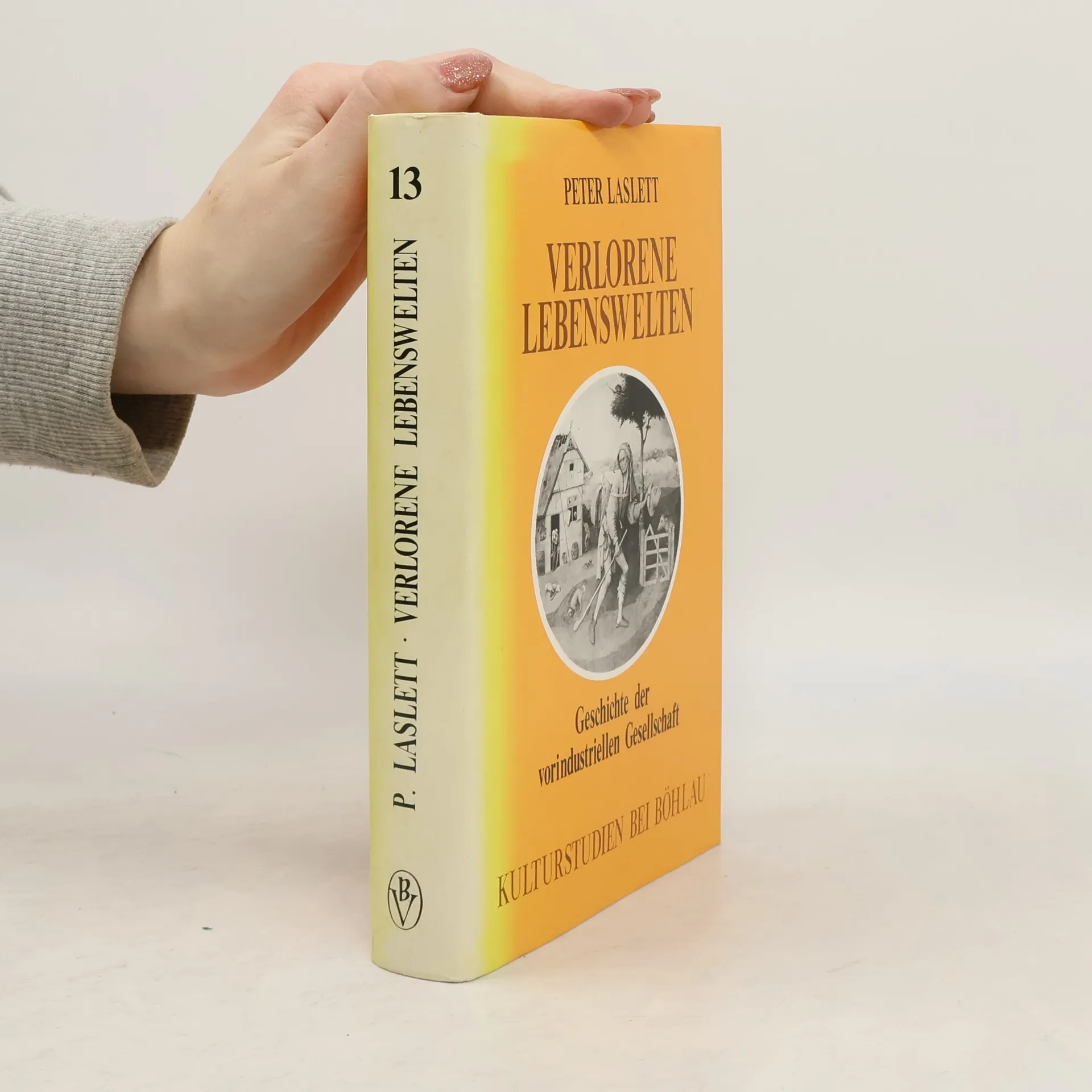

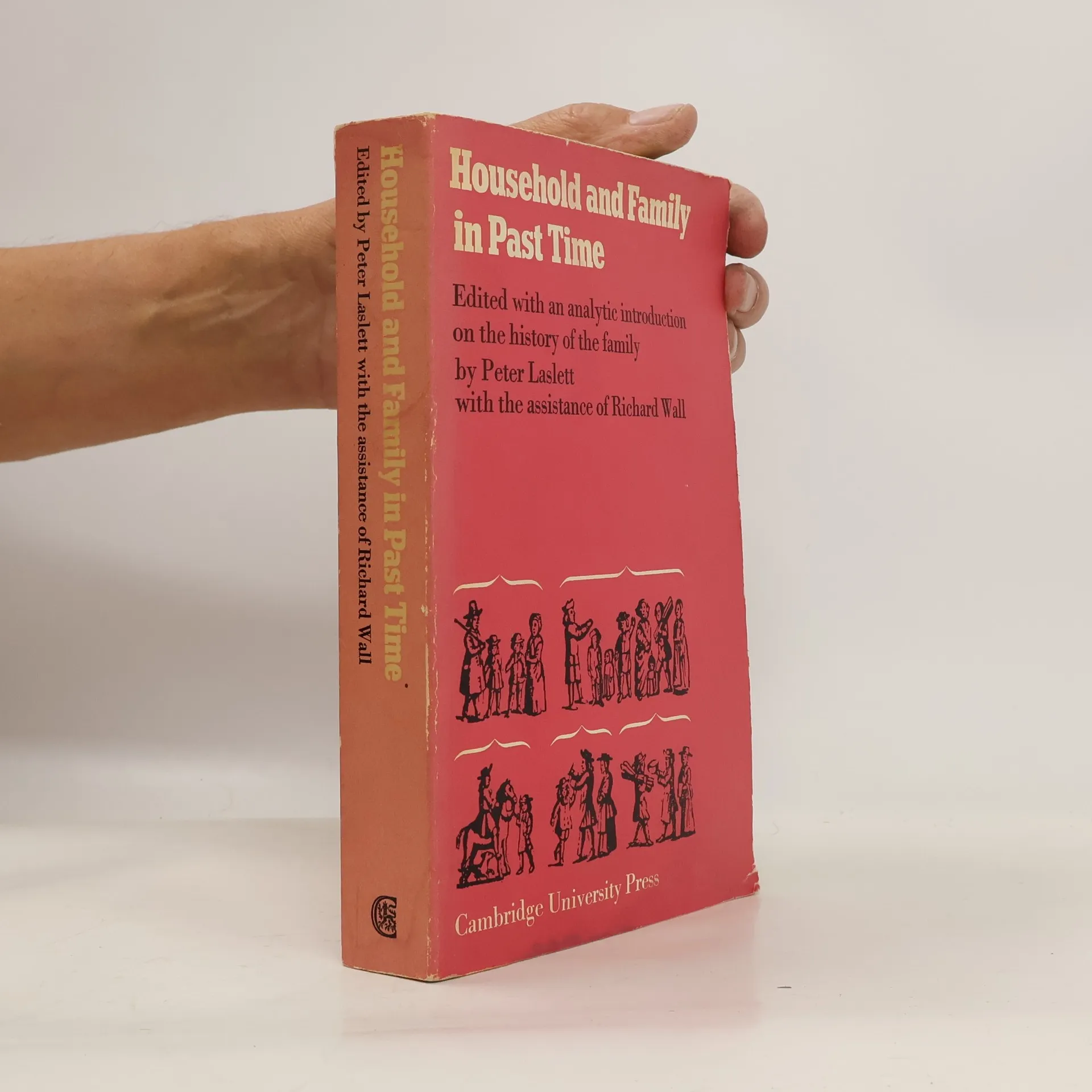

The World We Have Lost is a seminal work in the study of family and class, kinship and community in England after the Middle Ages and before the changes brought about by the Industrial Revolution.
Essays in Historical Sociology
Focusing on the history of family life, the author explores the distinct differences in European family structures compared to other regions, particularly in economic and social contexts. Key topics include the roles of servants, the plight of orphans and the elderly, and the complex family dynamics of American slaves. The book also analyzes population turnover in pre-industrial England, trends in illegitimacy since Shakespeare, and variations in the age of sexual maturity over time, showcasing significant findings from early historical sociology research.
The prospect of spending long years in reasonable health and scarcely impaired activity, far beyond the convenient landmark of retirement, has already become the norm―without anybody really noticing it, let alone appreciating the implications. In this highly original and perhaps controversial book, Peter Laslett urges us to plan ahead for personal enrichment―before retirement and before the children leave home―before we reach the Third Age.
Klasické dílo politické literatury anglického myslitele. V prvé části v důkladném rozboru polemizuje Locke se spisem R. Filmera Patriarcha čili o přirozené moci králů, obhajujícím absolutismus královské moci. Tato polemikavyjadřuje vyhrocené rozpory dvou tříd, feudální a buržoazní, a dvou epoch. V druhé části formuluje autor své názory na původ, rozsah a účel občanské vlády. Lockovo dílo působilo převratně nejen v Anglii, ale i Francii a USA.Pomáhalo překonávat fanatismus církve, absolutismus vlády, scholastickou výchovu a sterilitu metafyziky.
This is an extremely important collection of essays in historical social structure. The volume represents the first attempt to examine in historical and comparative terms the general belief that in the past all families were larger than they are today; that the nuclear family of man, wife and children living alone is particularly characteristic of the present time and came into being with the arrival of industry.