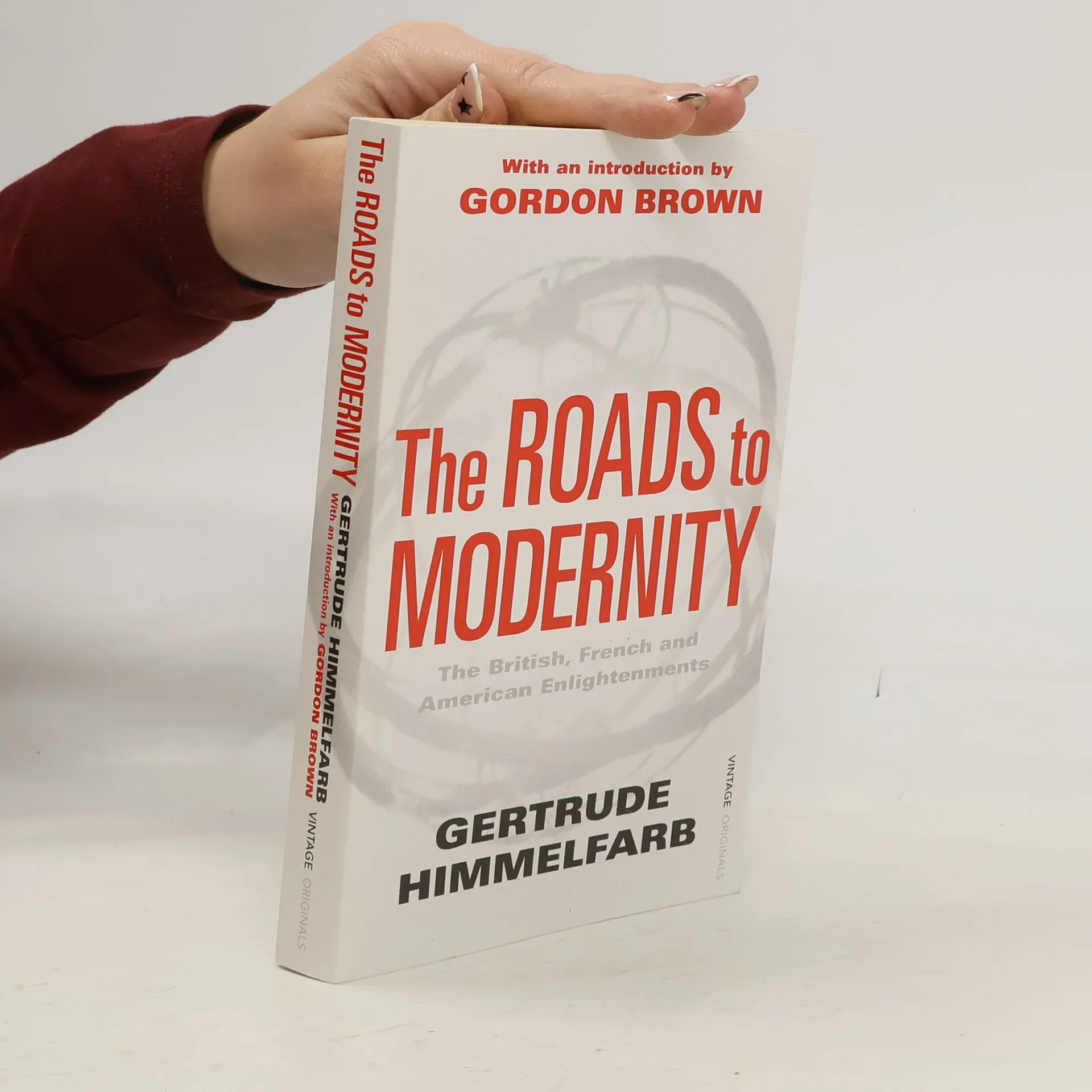
Gertrude Himmelfarb byla americká historička, která se proslavila svými konzervativními interpretacemi dějin a historiografie. Hluboce se zabývala intelektuálními dějinami, se zvláštním zaměřením na Británii a viktoriánskou éru. Její práce se dotýkaly i současné společnosti a kultury, kde analyzovala její vývoj a společenské trendy. Himmelfarb byla uznávanou myslitelkou, jejíž díla přinášejí hluboký vhled do historických a kulturních souvislostí.
John Stuart Mill (1806-1873) je nejvlivnějším anglicky mluvícím filozofem 19. století. V anglosaském světě patří mezi nejznámější Millovy texty jeho spis O svobodě, který vyšel v roce 1859 a z kterého vám předkládáme druhou kapitolu O svobodě myšlení a slova. Toto nově přeložené vydání chce dostát Millovu původnímu úmyslu a předložit jeho myšlenky modernímu čtenáři tak, aby byly přístupné a srozumitelné. Text je citlivě upravený, aby logika a smysl Millovy argumentace zůstaly zachovány a zároveň čtenáře nezatěžovaly příklady z dobového kontextu.
One of America's most distinguished intellectual historians explores the minds and lives of some of the most brilliant and provocative thinkers of modern times, including John Stuart Mill, Benjamin Disraeli, Winston Churchill, Jane Austen, Charles Dickens and Michael Oakeshott.
The collection showcases Milton Himmelfarb's insightful essays that traverse social, political, and theological themes. His unique perspectives range from discussions on influential thinkers like Leo Strauss and Spinoza to reflections on significant historical events, including the Holocaust and the role of religion in society. Compiled by his sister, historian Gertrude Himmelfarb, these sixteen essays provide a rich blend of literary enjoyment, intellectual stimulation, and political insight, highlighting Himmelfarb's relevance and depth as an essayist.
Gertrude Himmelfarb's elegant and wonderfully readable work, The Roads to
Modernity, reclaims the Enlightenment from historians who have downgraded its
importance and from scholars who have given preeminence to the Enlightenment
in France over concurrent movements in England and in America.
From one of today's most respected historians and cultural critics comes a new book examining the gulf in American society--a division that cuts across class, racial, ethnic, political and sexual lines.One side originated in the tradition of republican virtue, the other in the counterculture of the late 1960s. Himmelfarb argues that, while the latter generated the dominant culture of today-particularly in universities, journalism, television, and film--a "dissident culture" continues to promote the values of family, a civil society, sexual morality, privacy, and patriotism. Proposing democratic remedies for our moral and cultural diseases, Himmelfarb concludes that it is a tribute to Americans that we remain "one nation" even as we are divided into "two cultures."
Exploring the influence of Darwinism on the intellectual landscape of the nineteenth century, this work presents a biographical, historical, and philosophical analysis that questions the traditional perception of Darwin's significance. It delves into the broader implications of his theories, offering a critical examination of their impact on contemporary thought. The book is praised for its comprehensive and insightful approach, making it a valuable resource for understanding the complexities surrounding Darwin's legacy.
As the debate over values grows ever more divisive, one of the most eminent historians of the Victorian era reminds readers that values are no substitute for virtues--and that the Victorian considered hard work, thrift, respectability, and charity virtues essential to a worthwhile life. "An elegant, literate defense of ninteenth-century English mores and morals."--New York.
Exploring the shared moral passion of influential modern thinkers across various traditions and genres, this book delves into their unique responses to contemporary issues. The second edition enhances the original content with a revised introduction and includes three new essays focusing on the contributions of Adam Smith, Lord Acton, and Alfred Marshall, enriching the discussion of moral imagination in their works.
In One Nation, Two Cultures , one of today's most respected and articulate cultural critics gives us a penetrating examination of the gulf between the two sides of American society -- a divide that cuts across class, racial, ethnic, political, and sexual lines. While one side originated in the traditional idea of republican virtue, the other emerged from the counterculture of the late 1960s and has become the dominant culture of today. In clear and vigorous prose, Himmelfarb argues that while the dominant culture pervades journalism, academia, television, and film, a "dissident culture" continues to promote the values of family, a civil society, sexual morality, privacy, and patriotism. The clash between these two cultures affects all areas of American society. Despite her forceful critique, Himmelfarb sees encouraging signs for the future of American culture. She explores the place of religion, family, and the law in American life and proposes democratic remedies for the nation's moral and cultural diseases. Though there are many legitimate grievances against government, she contends, our citizenry cannot afford to delegitimize it. And she concludes that it is a tribute to Americans that, without serious social strife, we remain one nation even as we are divided into two cultures. One Nation, Two Cultures is a stimulating work, one sure to provoke lively discussion and controversy.