Byl to demonstrativní zločin. Jednoho listopadového dne zavraždil mladý rozhněvaný muslim výstřelem z pistole holandského filmového režiséra Theo van Gogha za to, že se spolu s černou imigrantkou a političkou Aján Hirsí Alíovou odvážil natočit ostrý protiislámský snímek promítnutý v nizozemské televizi. Zavraždění známého kulturního provokatéra z ideově-náboženských důvodů rukou marockého přistěhovalce otřásla poklidným a tradičně tolerantním Holandskem a vyvolala vlnu hněvivých protestů po celém světě.
Ian Buruma Knihy
28. prosinec 1951
Britsko-nizozemský spisovatel a akademik Ian Buruma se ve své tvorbě často zaměřuje na Asii, zejména na Japonsko 20. století. Jeho psaní proniká do kulturních specifik a historických souvislostí, které formovaly tuto oblast. Buruma zkoumá složitosti identity a střetávání kultur s bystrou analitičností. Jeho perspektiva nabízí čtenářům hluboký vhled do dynamického vztahu mezi Východem a Západem.


Okcidentalismus. Západ očima nepřátel
- 180 stránek
- 7 hodin čtení
Okcidentalismus coby odpor vůči Západu představuje nadčasový a globální fenomén, jenž se projevuje během různých období v odlišných částech světa. Nejedná se však o nenávist vůči Západu ve smyslu geografické entity, ale spíše o reakci na Západem definovanou modernitu. Autoři sledují okcidentalismus coby kulturní fenomén odporu vůči hlavnímu proudu modernity napříč prostorem a časem.
Novinář a profesor na Bard University Ian Buruma (Vražda v Amsterodamu) přispívá v této knize do diskuse o místu organizovaného náboženství ve veřejné sféře politickými a kulturními analýzami ze Spojených států, Evropy a Asie. Zkoumá dějiny vztahů církve a státu v USA a Evropě, úlohu náboženství v politice Číny a Japonska a rostoucí vliv islámu v současné Evropě a pokouší se rozřešit, jak byla v různých kulturách demokracie tímto napětím (mezi náboženskou a světskou autoritou) zasažena. V jednom ze svých provokativních výzkumů se dotýká sekulárních, liberálních Evropanů, z nichž někteří dnes nacházejí v boji proti islámu společnou řeč s konzervativci z obavy, že kvůli němu dojde ke snížení progresivních zisků posledních desetiletí. Buruma se rozchází s teokraty i striktními sekularisty a na příkladu Martina Luthera Kinga mladšího místo toho dokazuje, že projevy náboženských názorů v politice jsou legitimní, pokud tyto názory utvářejí postoje, jež podléhají rozumu. Díky Burumově bystrosti a umírněnosti se jedná o nejvíce informativní úvod do systému oteplování vztahů mezi náboženstvím a státem v moderní době.
The Collaborators
- 320 stránek
- 12 hodin čtení
Did Friedrich Weinreb help his fellow Jews to escape occupied Holland, or did he defraud them of their money before betraying them to the Nazis? The historian Ian Buruma investigates the disputed legacy of this plausible chancer, along with that of Himmlerâ€s Finnish masseur Felix Kersten, and cross-dressing Kawashima Yoshiko, who spied for the Japanese in China and, less fortunate than the others, was executed after the war.
Travel, politics and society all meet in this account of Chinese rebels, written by a leading authority on Asia.
Original research and new translations highlight a crucial era in the life and artistic journey of a renowned German Expressionist. The book features previously unpublished artworks that provide insight into the complexities and challenges faced by the artist during this significant period.
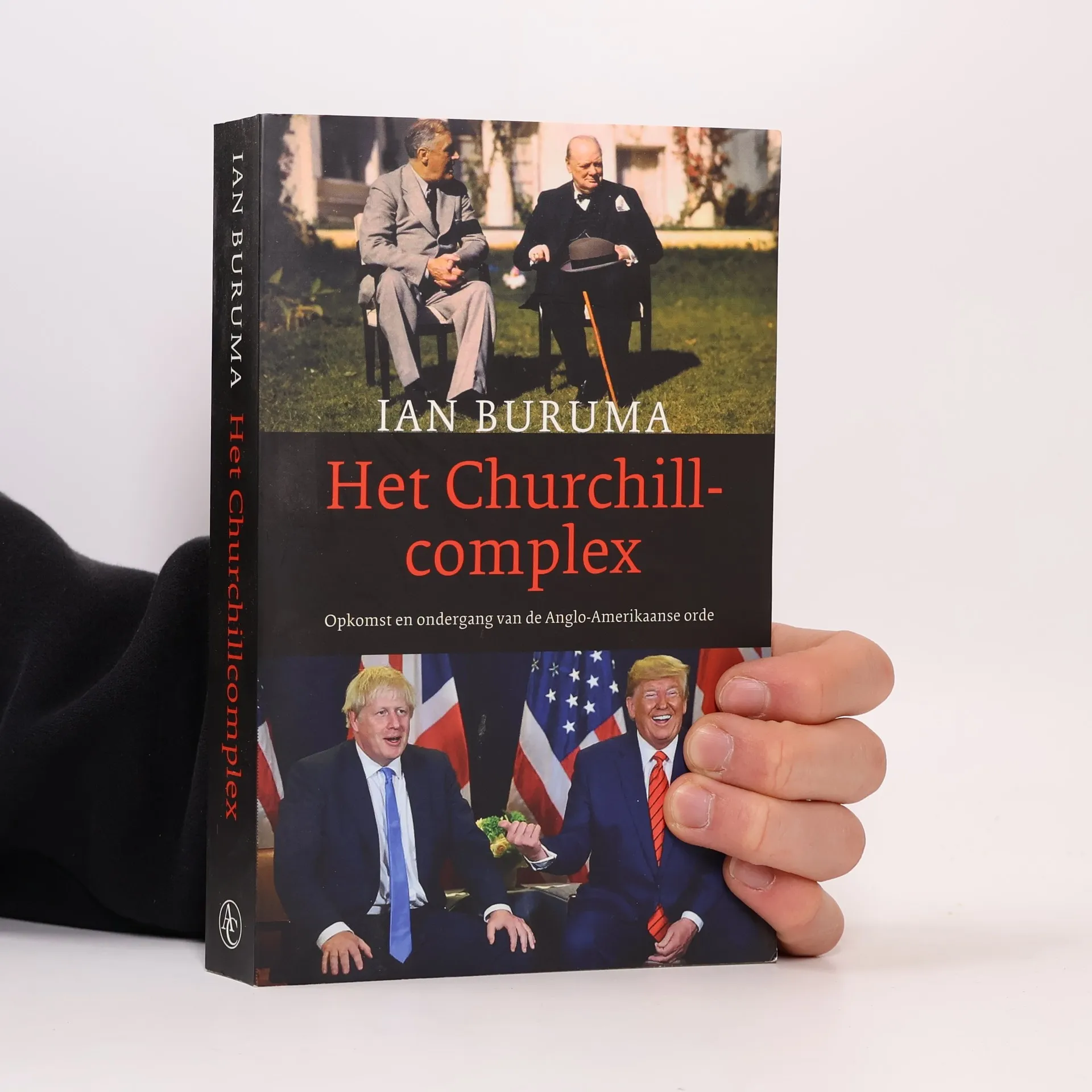
The Churchill Complex
- 320 stránek
- 12 hodin čtení
A brilliant and insightful history of the special relationship between the UK and the USA, which Ian Buruma argues is now under threat with the election of Donald Trump and Brexit.
The story of modern Japan, from first 'opening' to the West with Admiral Perry's Black Ships in 1853, through World War II, to Japan's emergence as a Western-style democracy and economic power at the 1964 Tokyo Olympics.
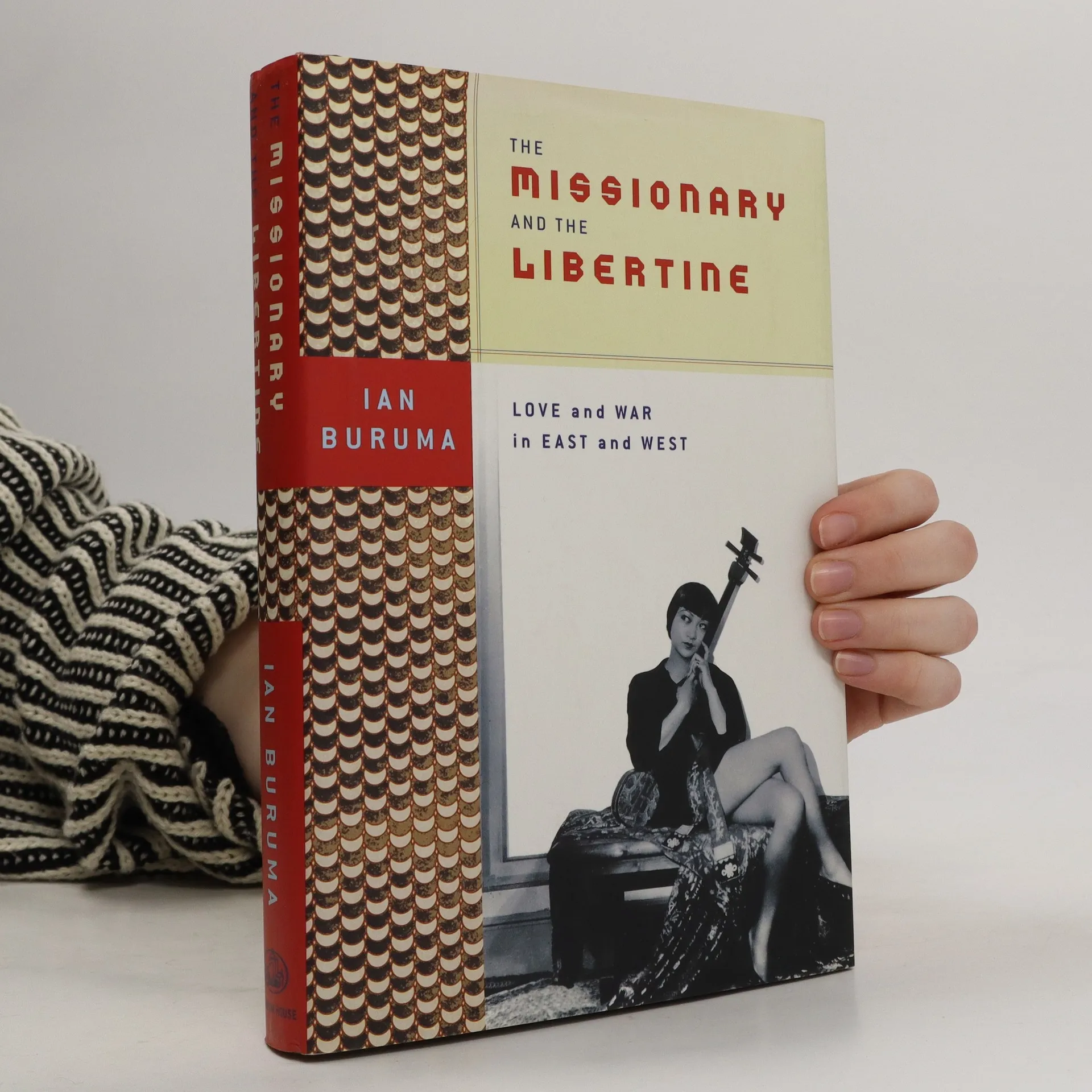
For centuries Westerners have projected fan-tasies of a decadent, voluptuous East in contrast to the puritanism of their own cultures. A Japanese theatrical troupe performing in his native Holland in 1971 exposed the young Ian Buruma to these temptations, and soon he was off to Tokyo, a would-be libertine. The essays collected in The Missionary and the Libertine chronicle Buruma's sobering discovery that Asians often have equally distorted visions of the West. In these humorous and enlightening essays, Buruma describes the last days of Hong Kong, the showbiz politics of the Philippines, the chauvinism of the Seoul Olympics, the sinister genius of Lee Kuan Yew, the intricacies of Japanese sexuality, and much more. His portraits of Benazir Bhutto, Imelda Marcos, Satyajit Ray, and Corazón Aquino are classics of the journalist's art. Buruma shows that the cultural gap between East and West is not as wide as either missionaries or libertines, in East or West, might think. At home in both worlds, he has provided a splendid counterblast to fashionable theories of clashing civilizations and uniquely Asian values. By stripping away our fantasies, Buruma reveals a world that is all too recognizably human.
Ian Buruma explores the life and death of Baruch Spinoza, the Enlightenment thinker whose belief in freedom of thought and speech resonates in our own time
Penguin Classics: A House for Mr. Biswas
- 608 stránek
- 22 hodin čtení
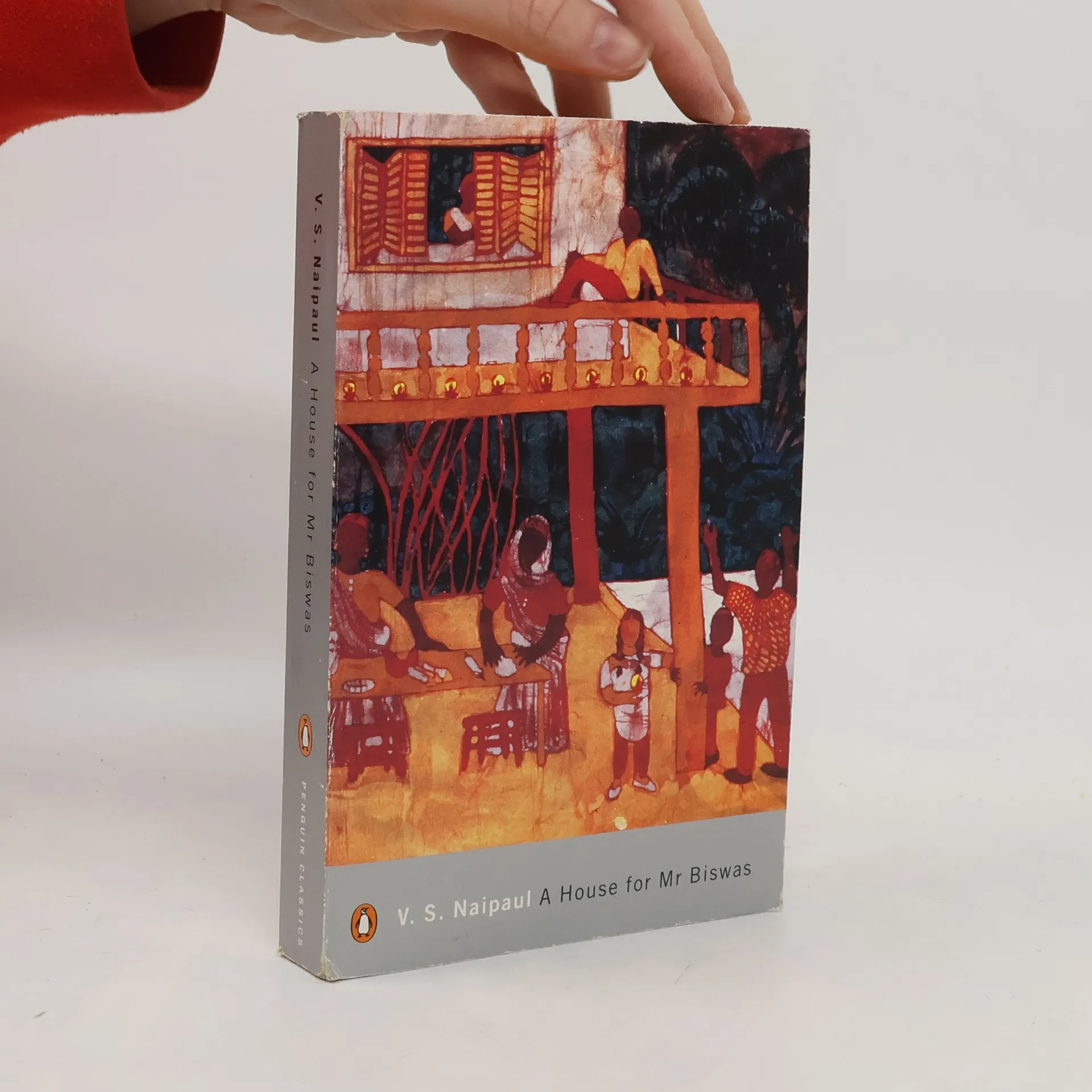
The early masterpiece of V. S. Naipaul’s brilliant career, A House for Mr. Biswas is an unforgettable story inspired by Naipaul's father that has been hailed as one of the twentieth century's finest novels. In his forty-six short years, Mr. Mohun Biswas has been fighting against destiny to achieve some semblance of independence, only to face a lifetime of calamity. Shuttled from one residence to another after the drowning death of his father, for which he is inadvertently responsible, Mr. Biswas yearns for a place he can call home. But when he marries into the domineering Tulsi family on whom he indignantly becomes dependent, Mr. Biswas embarks on an arduous–and endless–struggle to weaken their hold over him and purchase a house of his own. A heartrending, dark comedy of manners, A House for Mr. Biswas masterfully evokes a man’s quest for autonomy against an emblematic post-colonial canvas.
Voltaire's Coconuts
Or Anglomania in Europe
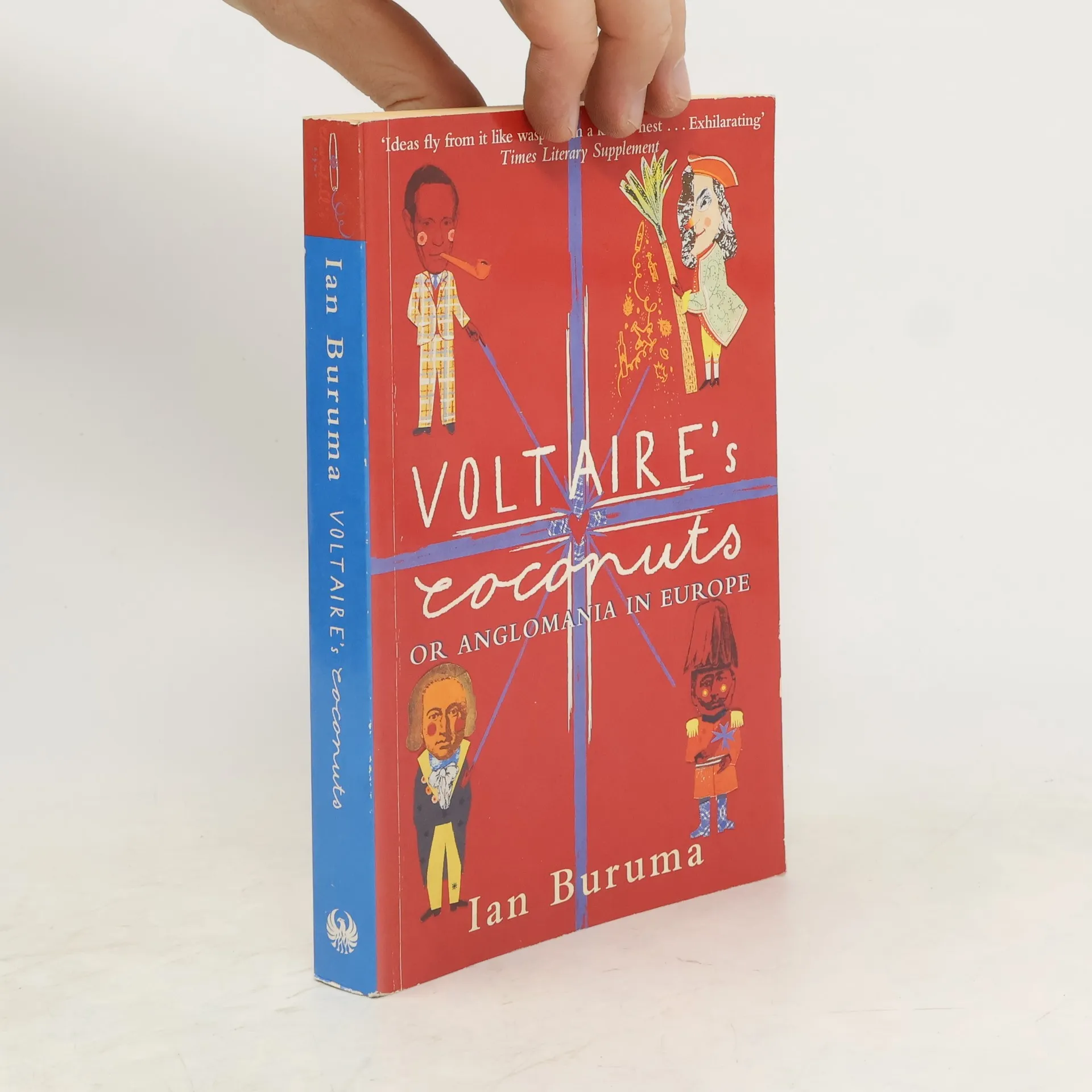
Combining history and biography, this book examines the theme of Englishness, looking at European Anglophiles and Anglophobes, from Voltaire to Isaiah Berlin.
The Collaborators: Three Stories of Deception and Survival in World War II
- 320 stránek
- 12 hodin čtení
The book delves into the complexities of collaboration during World War II, examining the moral ambiguities that exist between heroism and opportunism. It interweaves the narratives of three distinct figures—Kawashima Yoshiko, Felix Kersten, and Friedrich Weinreb—who navigated the challenges of living under Nazi and Japanese control. Through their stories, the text invites readers to reflect on the choices made in dire circumstances and the varying motivations behind collaboration.
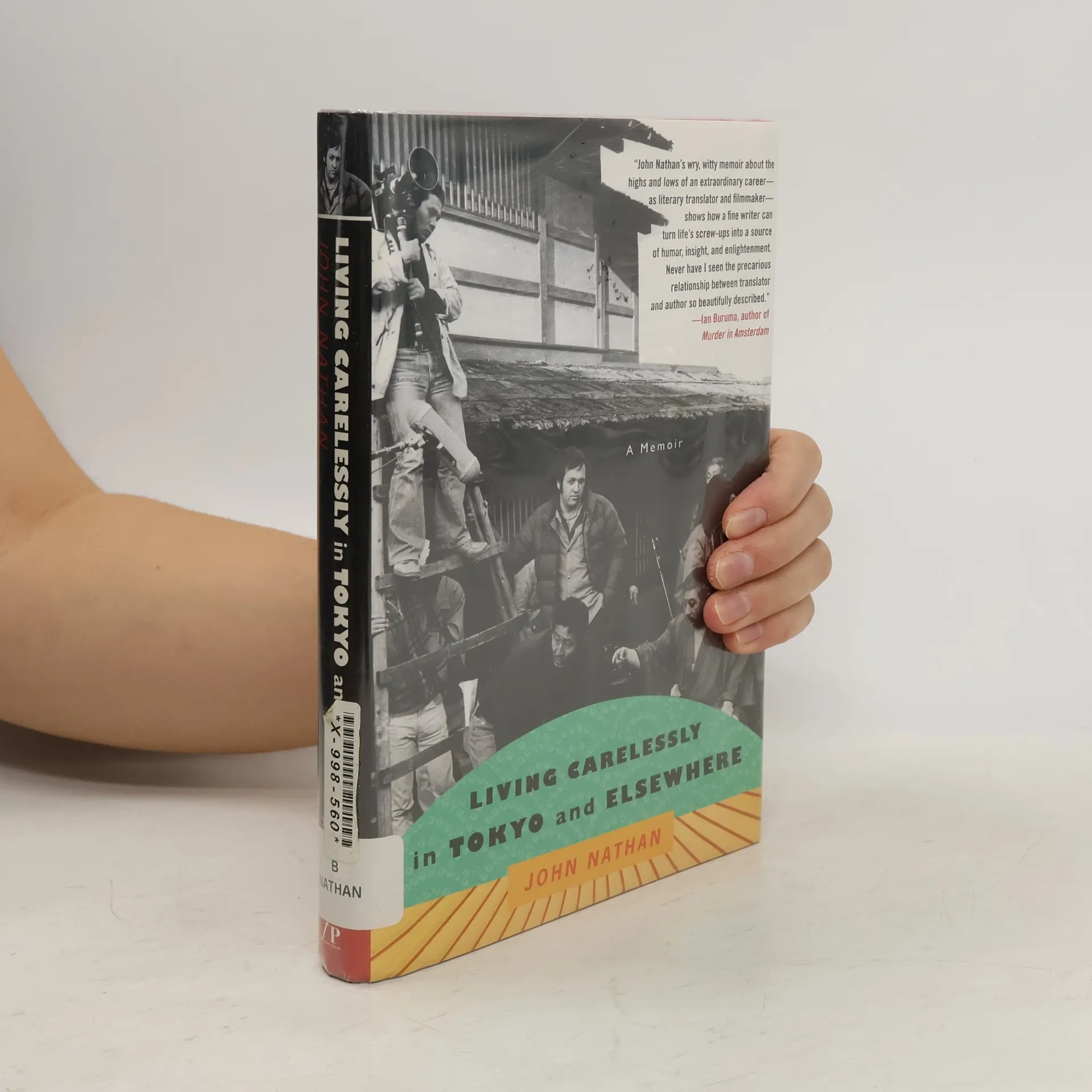
In 1961, John Nathan arrived in Tokyo, armed only with determination and minimal connections. At that time, Japan was still influenced by the Occupation, and few foreigners were studying the country in depth. Within two years, Nathan became the first American to pass the entrance exams for the prestigious University of Tokyo. He went on to translate works by renowned authors Yukio Mishima and Kenzaburō Ōe, direct films in collaboration with notable directors, and earn advanced degrees at Harvard and Princeton. His book, The Private Life, provided unprecedented access to Sony's inner workings, while Japan Unbound examined the psyche of post-bubble Japan. Throughout his journey, Nathan formed close friendships with influential figures across various fields, gaining insights into aspects of Japanese life typically closed to outsiders. In his memoir, Living Carelessly in Tokyo and Elsewhere, he recounts his adventures—both sublime and chaotic—during a transformative era in Japan. With humor and insight, Nathan shares his unique experiences, highlighting the richness of understanding Japan and the importance of exploring both external and internal landscapes. His narrative stands as a deeply personal and extraordinary account of a life engaged with Japan.
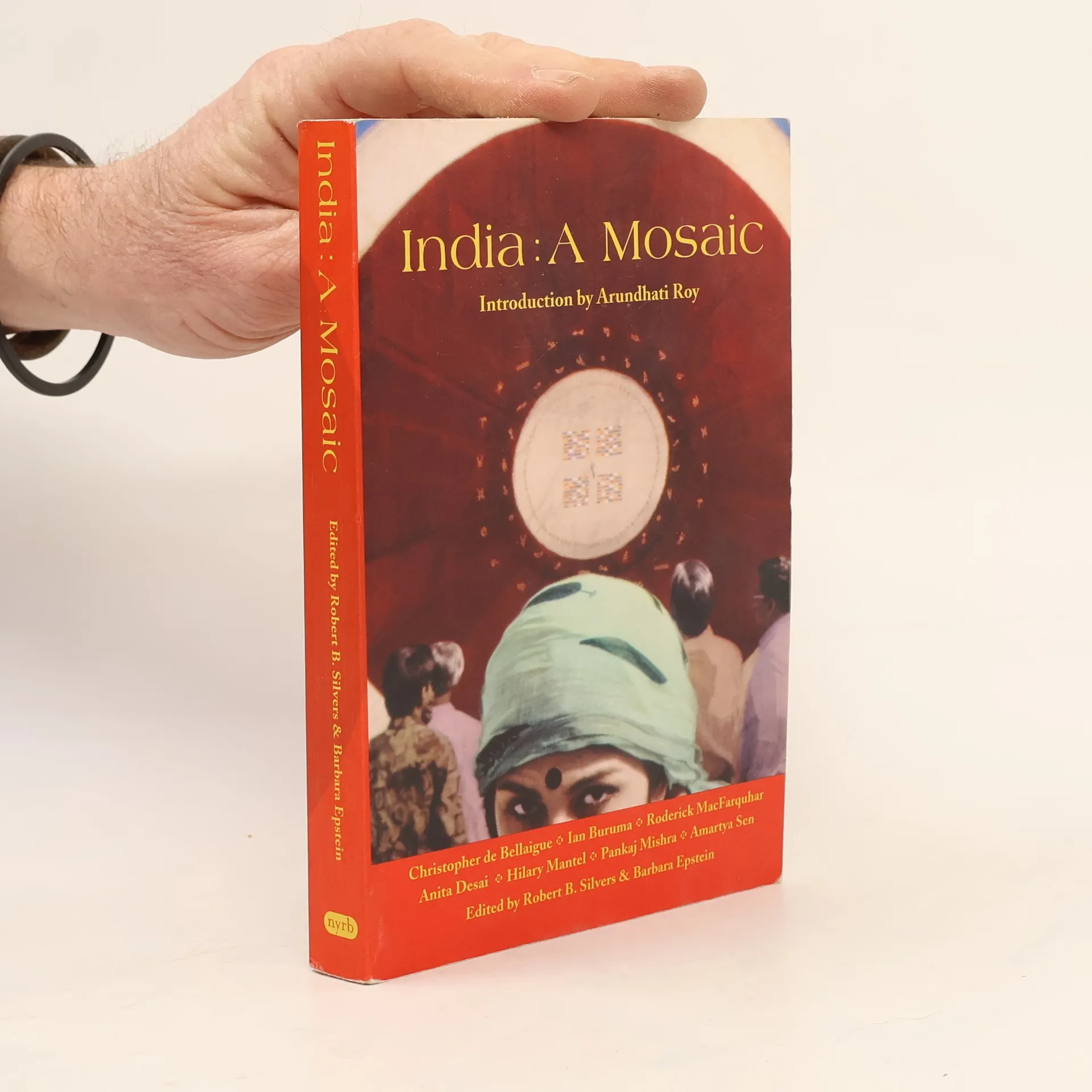
How can we understand India today, fifty years after Independence and only months after its nuclear tests outraged the world? The novelist Arundhati Roy has written, specially for this collection, a fierce denunciation of the Indian nuclear program, which serves as an introduction to nine essays on India, all originally published in The New York Review of Books . In this volume, seven distinguished writers offer penetrating insights into the complexities of the subcontinent. Roderick MacFarquhar reflects on the legacy of Empire and Partition, Ian Buruma considers secularism and Indian democracy, Pankaj Mishra remembers life in Benares, and Christopher de Bellaigue writes on a violent Bombay. But the volatile intersections of history, politics, and culture on which they focus haunt Indian literature too, as shown in essays by Nobel Prize-winner Amartya Sen on Rabindranath Tagore, Hilary Mantel on Rohinton Mistry, and Anita Desai on Indian women's writing.
The China Lover
- 392 stránek
- 14 hodin čtení
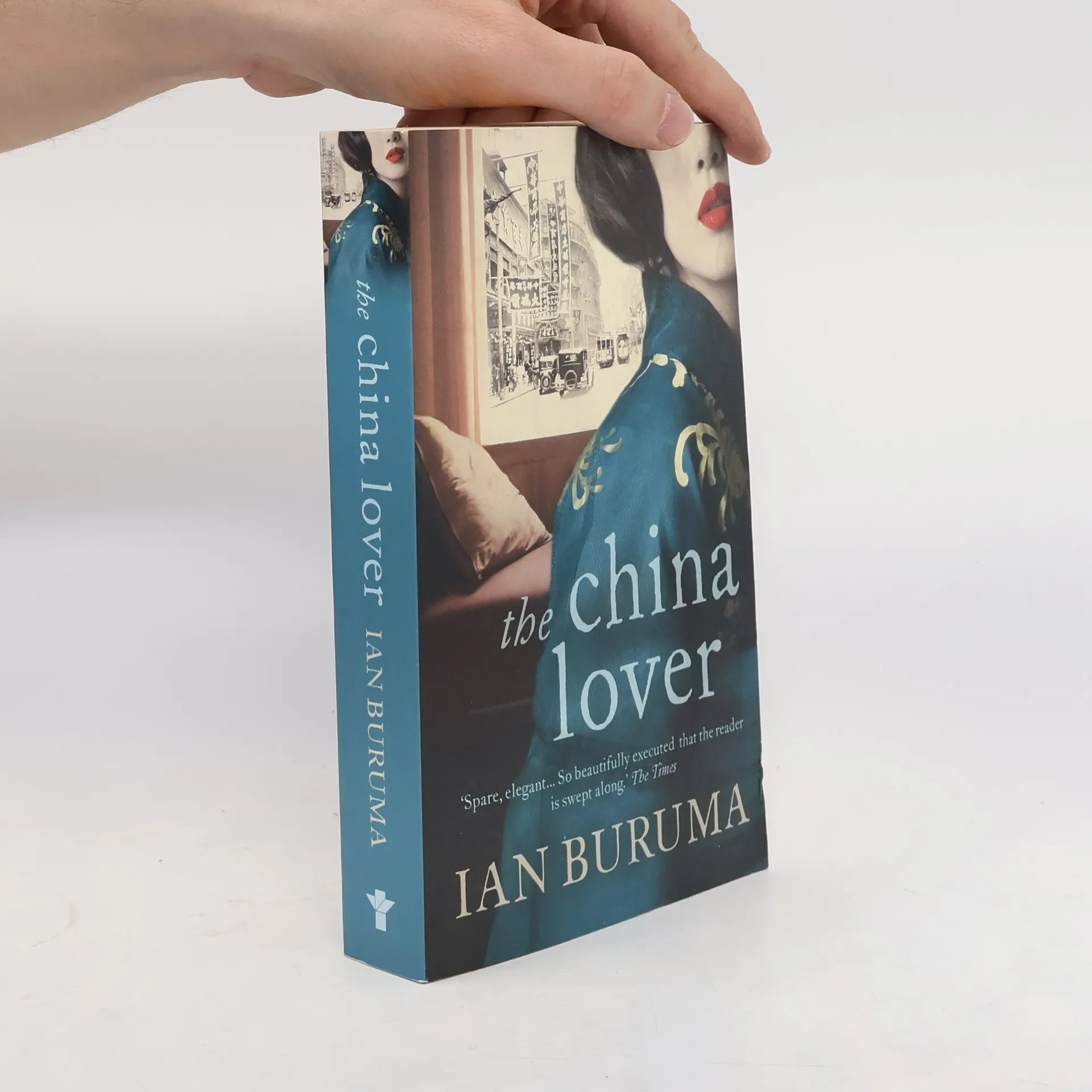
Ian Buruma's epic novel is the richly imagined story of one woman's struggle to survive in the face of war and occupation in the Far East during the Second World War. It should appeal to anyone who loved Memoirs of a Geisha. 'Spare, elegant... Buruma's writing is wonderful... So beautifully executed that the reader is swept along.' Vanora Bennett, The Times
Der Zweite Weltkrieg trennte das Ehepaar Schlesinger für viele Jahre. Bernard versorgte als Arzt britische Truppen, Winifred blieb in London. Täglich schrieben sie sich Briefe. Sie sind Zeugnis einer besonderen Familiengeschichte. Denn Bernard und Winifred entstammten deutschen Familien, die im 19. Jahrhundert als Juden nach England emigriert waren. Dennoch fühlten sie sich mit ihrer früheren Heimat tief verbunden. Erst Hitler zerriss diese innere Bindung. Der Krieg konnte ihrer menschlichen Haltung jedoch nichts anhaben: Den Weihnachtsabend 1945 feierten sie mit einem deutschen Kriegsgefangenen. Ian Buruma hat die Briefe seiner Großeltern zu einer wunderbaren Geschichte verwoben, die von einem anderen, besseren Europa erzählt.
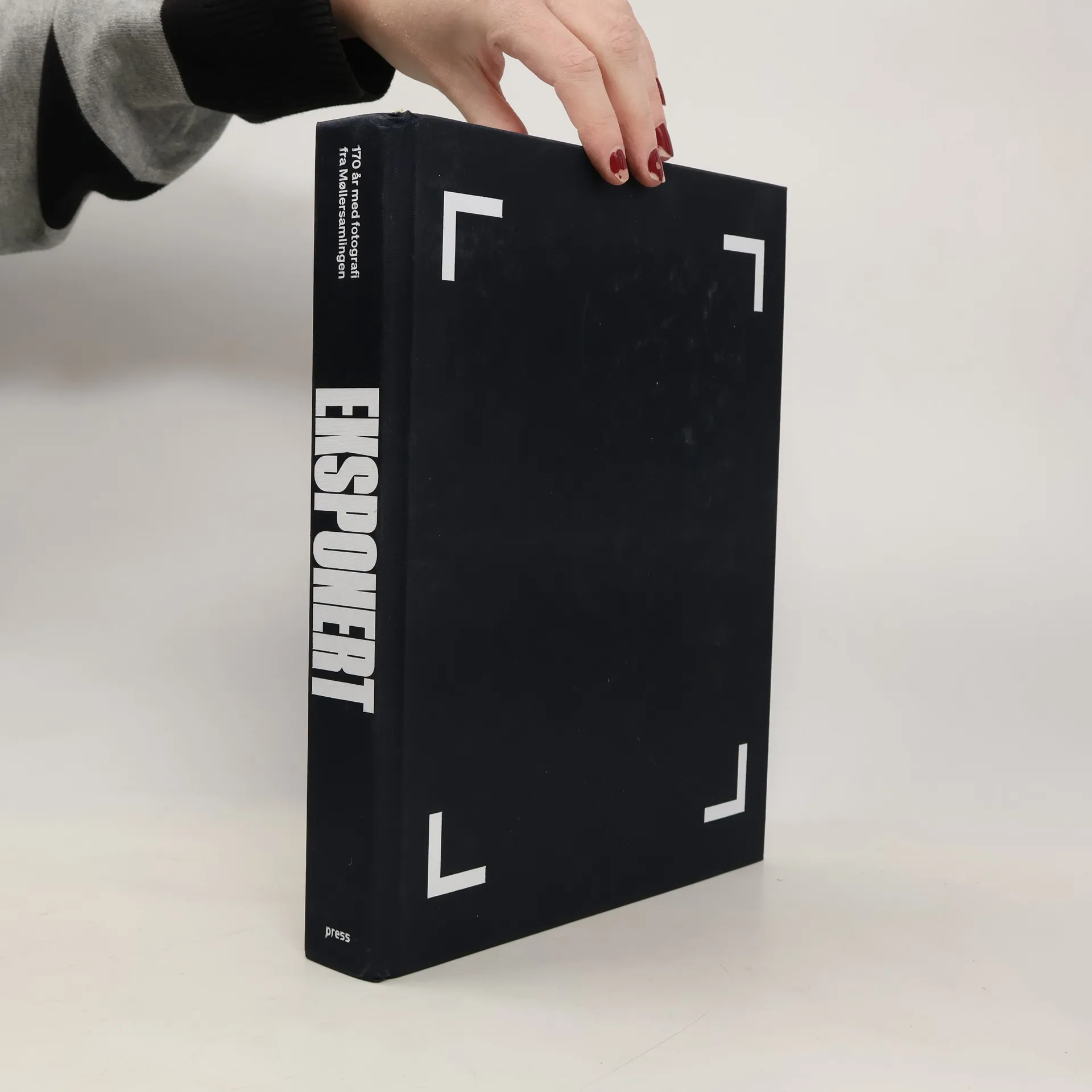
Eksponert: 170 år med fotografi fra Møllersamlingen presenterer for første gang en av Norges største private fotosamlinger for offentligheten. Møllersamlingen består av ikoniske bilder og ukjente verk av norske og internasjonale fotografer, og forteller historier om de store hendelsene og personene som har formet vår tid, men også om glemte øyeblikk, anonyme forbipasserende og naturens stillferdige endring. Følgende forfattere har bidratt med tekster i boken: Suzanne Brøgger om Nan Goldin og Imogen Cunningham Ian Buruma om Christer Strömholm og Shomei Tomatsu Lars Saabye Christensen om Bjørn Falch Andersen Carsten Jensen om Edward Burtynsky og Steve McCurry Anne Lise Marstrand-Jørgensen om Fay Godwin og Helmut Newton Jon Fosse om Dag Alveng Hisham Matar om Ray K. Metzker Daniel Mendelsohn om Leni Riefenstahl og Robert Doisneau James Rebanks om Damien Hirst Philippe Sands om Henri Cartier-Bresson Judith Schalansky om bilde av atomprøvesprengning og Pixy Liao Jón Kalman Stefánsson om Bert Hardy og Dan Young Linn Ullmann om Clarence Sinclair Bull Edmund de Waal om Shirin Neshat Benedict Wells om Daido Moriyama og Mick RockSidelengs Natur Portrett Dokumentar I marginen Arkitektur Mote Eksperiment Samtidskunst
'45
- 432 stránek
- 16 hodin čtení
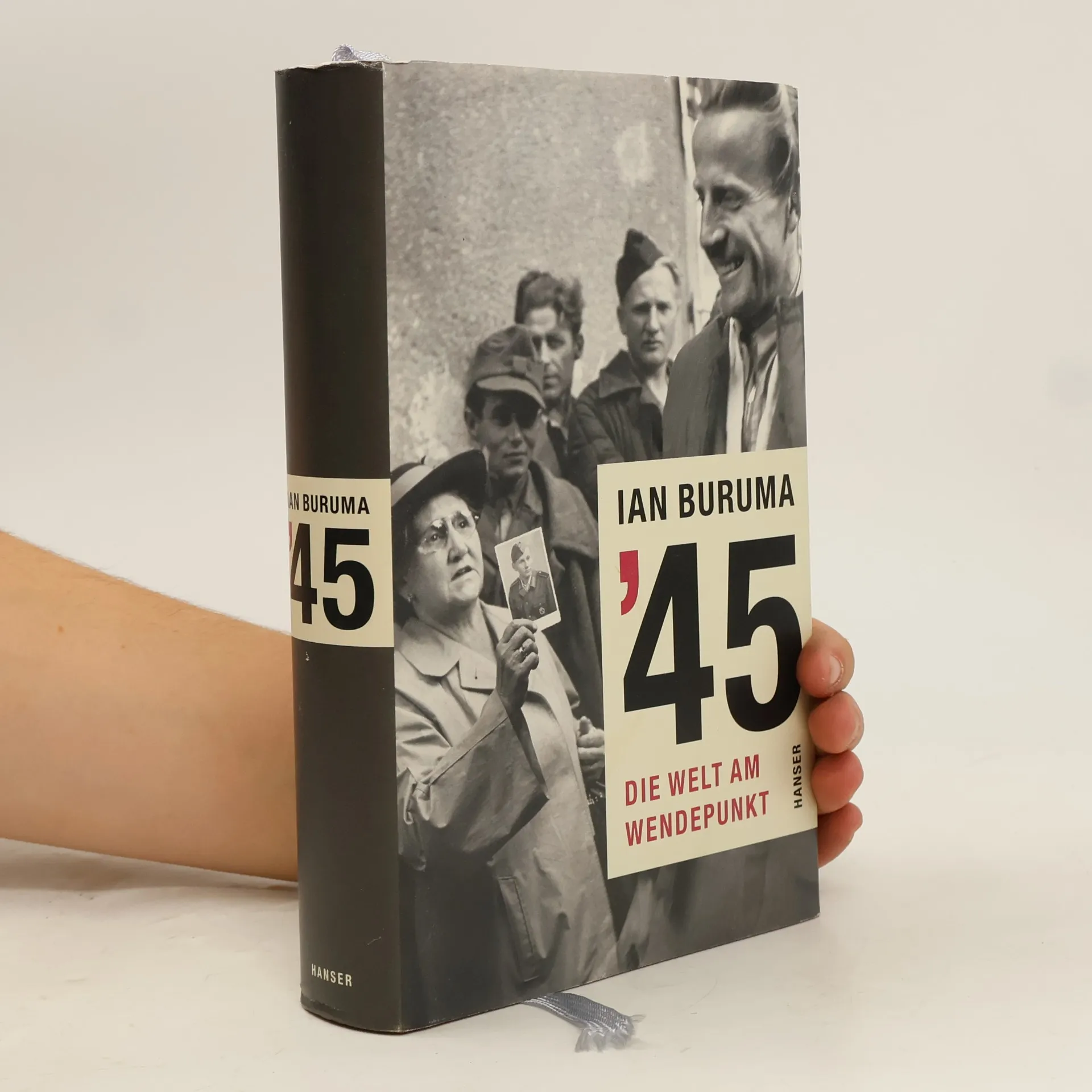
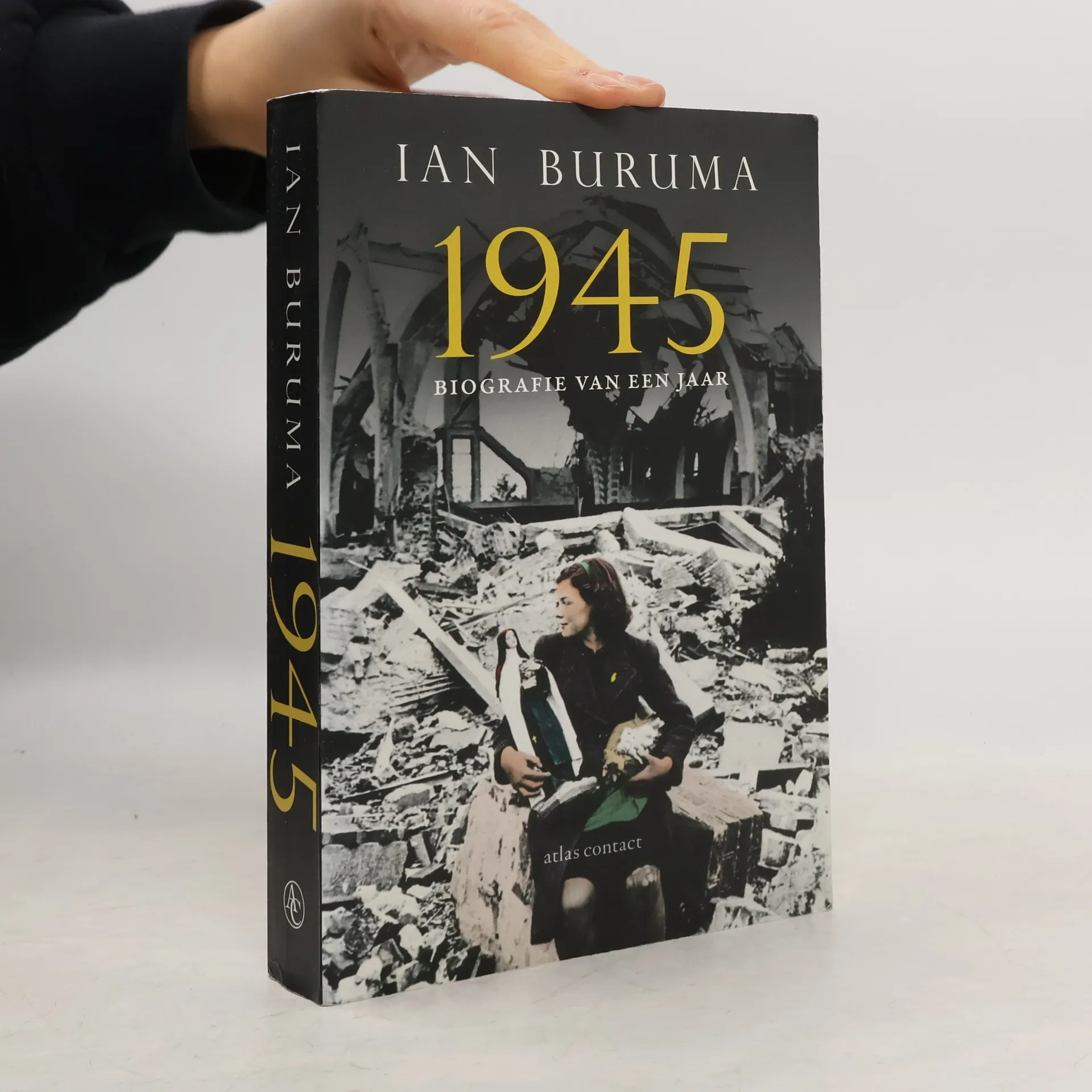
Das Ende des Zweiten Weltkriegs setzte die bis heute letzte globale Zäsur - Ende und Anfang, die in unzählige einzelne Bilder und Geschichten zerfallen. Der niederländisch-amerikanische Historiker Ian Buruma hat Hunderte persönlicher Erinnerungen und Berichte aus Europa und Asien zu einer großen Geschichte der Welt zur Stunde Null zusammengefügt. Er erzählt von Feinden, die zu Befreiern wurden, blühenden Schwarzmärkten, Militärgerichten und Lynchjustiz, von Siegern und Besiegten, von Trauer, Angst und grenzenloser Freude. So anschaulich und vielstimmig war noch nie über den dramatischen Sommer 1945 zu lesen, in dem das Fundament für unsere Gegenwart gelegt wurde
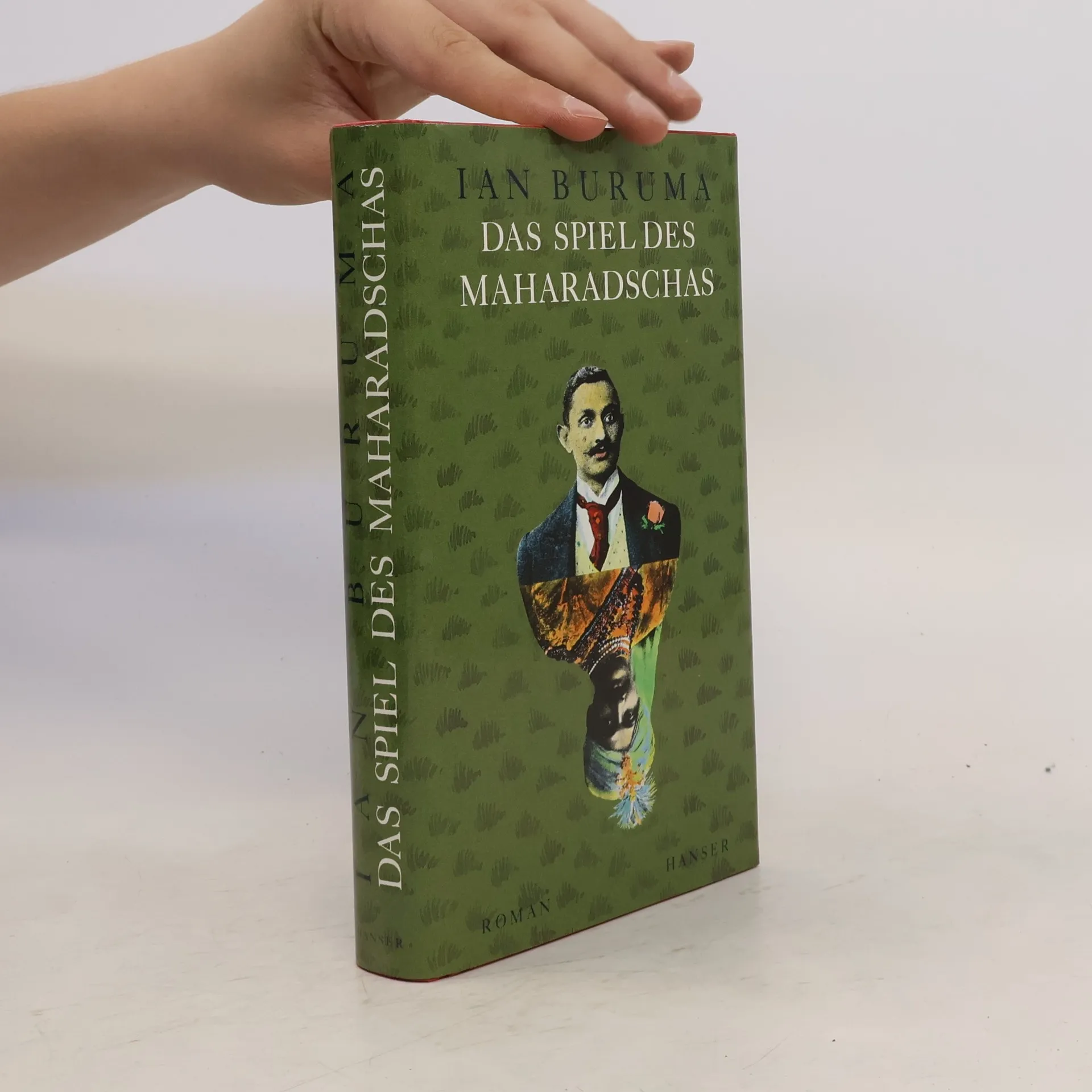
Um die Jahrhundertwende wird er zum englischen Nationalhelden, bis heute ist er als Kricketspieler eine Legende geblieben: der indische Märchenprinz Shri Ranjitsinhij. Englischer als die Engländer, wurde er ein perfekter Dandy. Der Autor, selbst ein Wanderer zwischen den Welten, spürt der Frage der kulturellen Identität nach, um zu entdecken, wer sich hinter der Maske des Dandys versteckt.
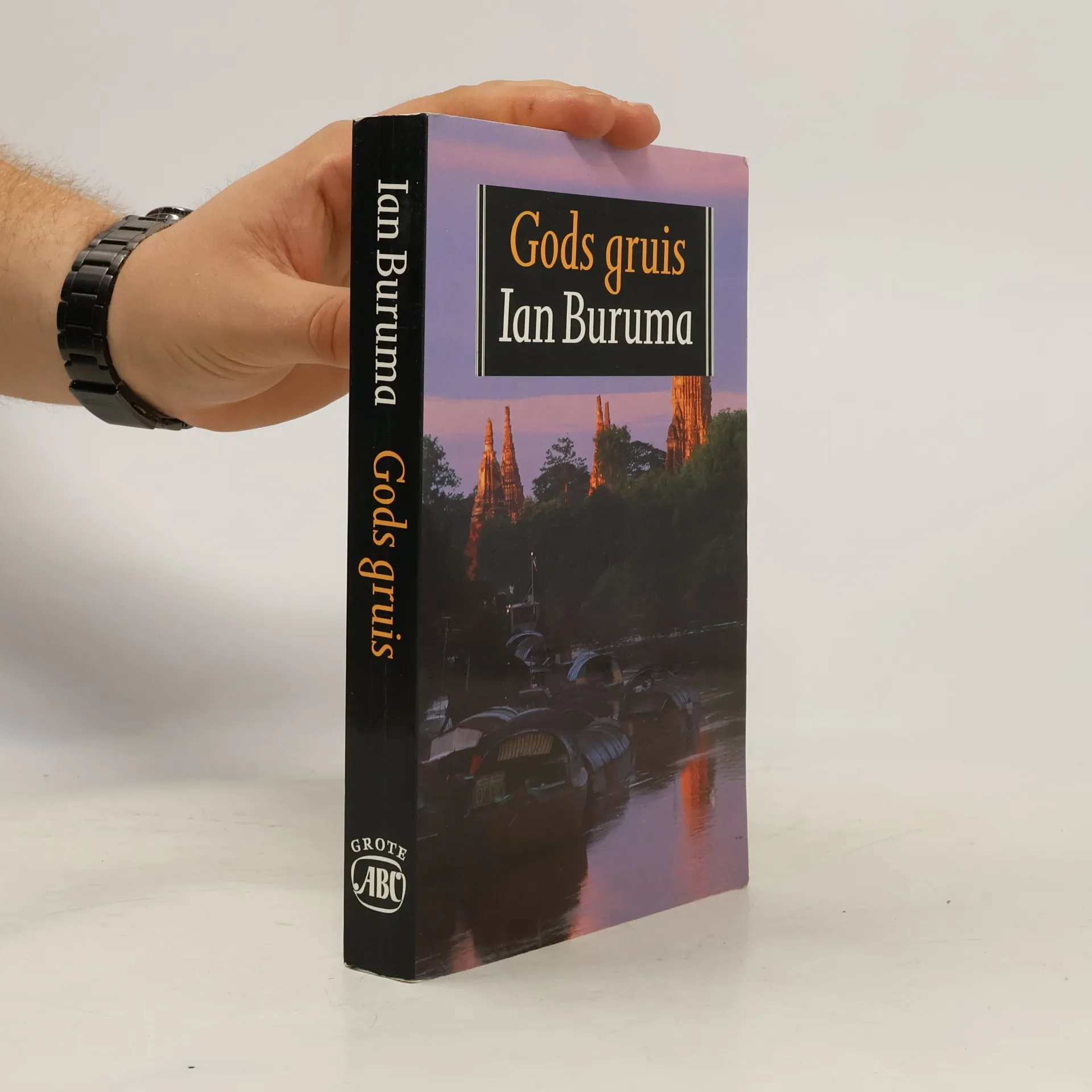
Gods gruis
- 244 stránek
- 9 hodin čtení
Verslag van een speurtocht door Zuid-Oost Azië naar de manier waarop de landen daar een evenwicht proberen te vinden tussen westerse invloeden van buitenaf en hun eigen culturele waarden.
In 1945 werd West-Europa bevrijd door de Engelsen en de Noord-Amerikanen. Het VK en de VS waren toonbeelden van vrijheid, openheid en democratie. Na brexit en de verkiezing van Donald Trump is weinig meer over van dat beeld. Hoe is het zover gekomen? Waarom worden beide landen nu bestuurd door leiders die alles waar Churchill en Roosevelt voor hebben gestreden met voeten treden? Vanuit de onverwachte wending die de politiek van beide landen genomen heeft, vraagt Ian Buruma zich af of dit iets te maken heeft met de glorie van weleer. Hij gaat de relatie tussen de beide landen na, maar vooral ook de persoonlijke verhouding tussen de Britse premiers en de Amerikaanse presidenten, te beginnen bij Churchill en Roosevelt. Maar ook tussen Kennedy en Macmillan, Reagan en Thatcher, Bush en Blair, en tenslotte Johnson en Trump. Dit resulteert in een serie prikkelende karakterschetsen en veelzeggende anekdotes. Buruma tekent een fascinerend beeld van de Anglo-Amerikaanse wereld in verval, en hoe een roemrijk verleden kan leiden tot de problemen van vandaag.
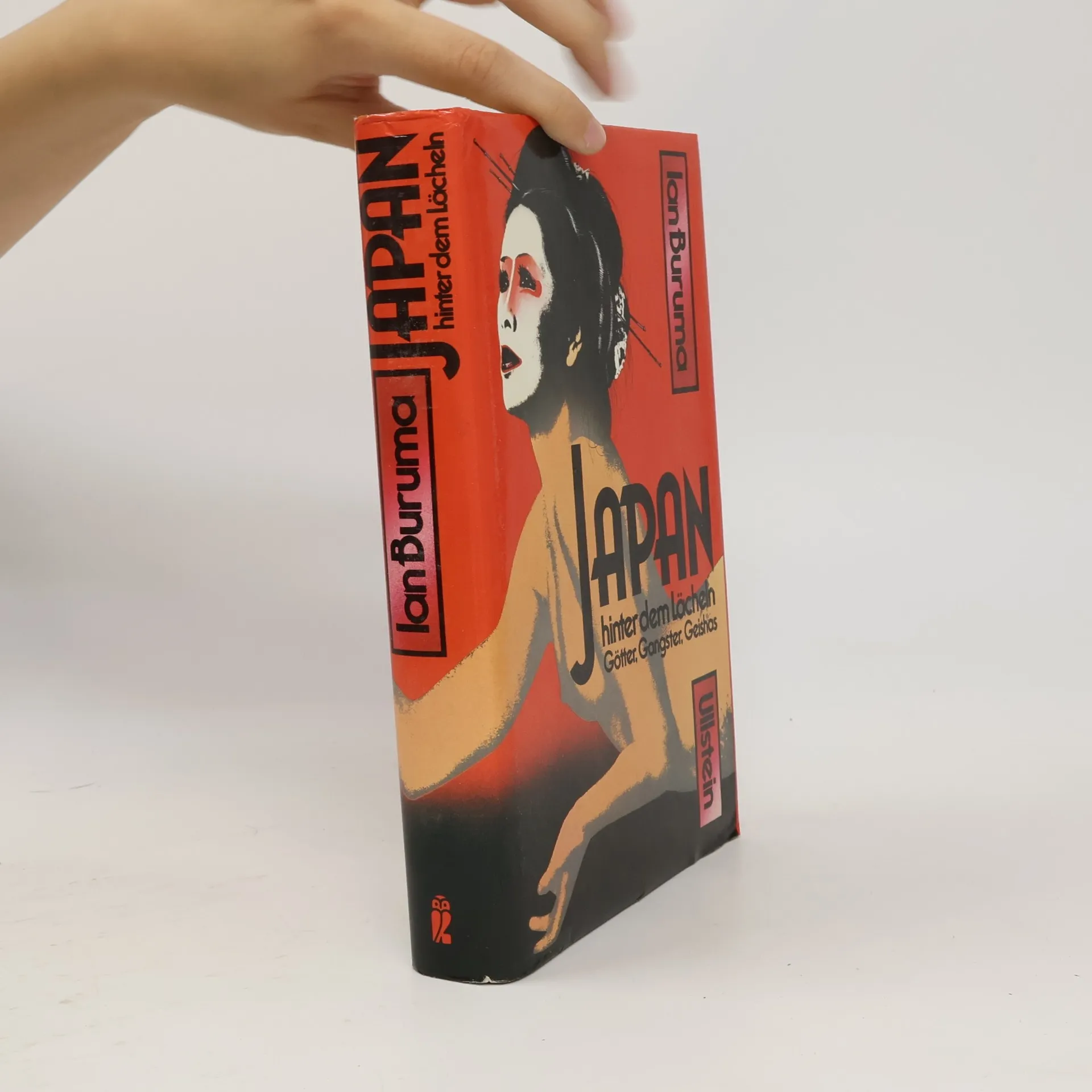
In diesem faszinierenden Buch entblößt Ian Buruma die Mythen, die die japanische Kultur umgeben. Mit scharfer Analyse von Kino, Theater, Fernsehen, Kunst und Legende zeigt er die Japaner sowohl „wie sie sich selbst vorstellen, als auch wie sie gerne wären“. Das Buch untersucht Samurai und Gangster, Transvestiten und Göttinnen und malt ein eloquentes Bild des Lebens in Japan. Dies ist ein Land, das lange im Rätsel verborgen war, und in seinem fesselnden Buch enthüllt Buruma eine Kultur, die reich ist an Poesie, Schönheit und Wunder.
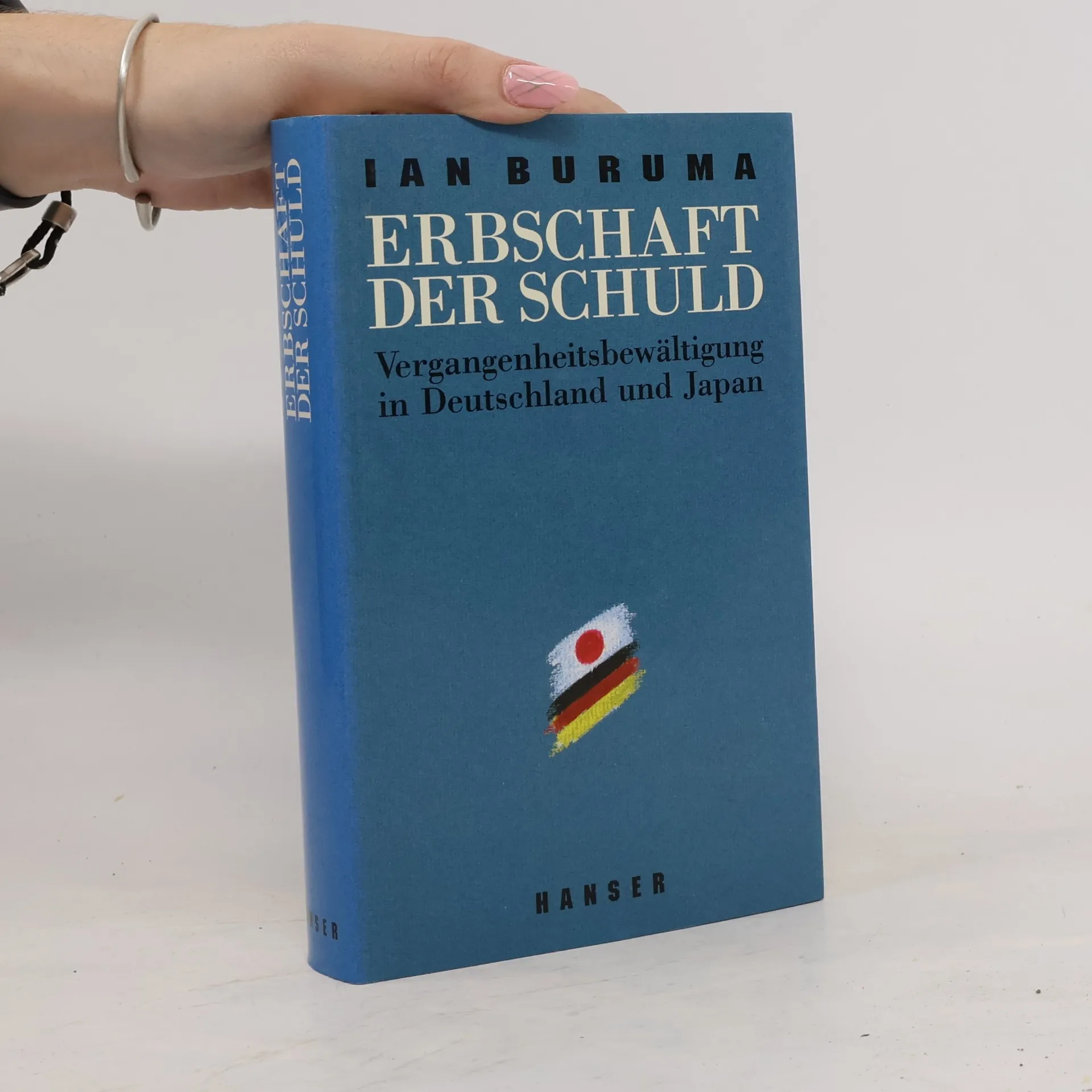
Ian Buruma bereiste zwei Länder, die den Zweiten Weltkrieg zwar verloren haben, wirtschaftlich inzwischen jedoch Führungsmächte der Welt sind - Deutschland und Japan. Er interviewte Prominente und den Mann auf der Straße, studierte Literatur und Filme und analysierte die großen politischen Prozesse ebenso wie die offizielle politische Selbstdarstellung der Länder. Entstanden ist dabei ein höchst aktuelles politisches Buch, die Berichterstattung über zwei grundverschiedene Zivilisationen, die sich unablässig mit ihrer Vergangenheit auseinandersetzen.
Van jongs af aan hoorde Ian Buruma de verhalen van zijn vader over `de oorlog . Er waren ernstiger verhalen, al was het zijne erg genoeg. Hij zat ondergedoken, werd opgepakt, tewerkgesteld in Berlijn, overleefde bombardementen en ontsnapte aan de hongerdood. Maar wat Buruma het meest intrigeerde: na de oorlog pro beerde zijn vader met vele anderen zijn leven voort te zetten alsof er niets was gebeurd. Hij vroeg zich af: wat gebeurde er precies vlak na de meest verwoestende oorlog in de geschiedenis? Hoe richtte de wereld zich op uit de puinhopen? In een mozaïek van persoonlijke verhalen, brieven, dagboeken en films geeft Buruma een schets van de onmiddellijke nasleep van de oorlog, in Europa, Amerika, Azië en de SovjetUnie.
In het essay Grenzen aan de vrijheid. Van de Sade tot Wilders probeert Ian Buruma licht te werpen op actuele politiek- maatschappelijke vragen over vrijheid. Er is immers nauwelijks een begrip dat ons tegenwoordig meer bezighoudt. Steeds weer laaien de discussies op over godsdienstvrijheid, seksuele vrijheid, vrijheid van onderdrukking, enzovoort. Betekent vrijheid van meningsuiting dat we zomaar iedereen kunnen beledigen? Weinigen zullen dat beamen. Wilders heeft zich opgeworpen voor 'onze vrijheid', in een gewiekste vlaag van opportunisme. Maar wat is vrijheid dan precies? Ian Buruma plaatst deze vraag in een historisch en internationaal perspectief. Vrijheid is nooit absoluut, betoogt Buruma. Dat geldt niet alleen voor De Sade en diens pleidooi voor seksuele vrijheid, maar ook voor het universele vrijheidsideaal dat de Amerikanen gewapenderhand proberen te verspreiden.
Zrod moderného Japonska
- 164 stránek
- 6 hodin čtení
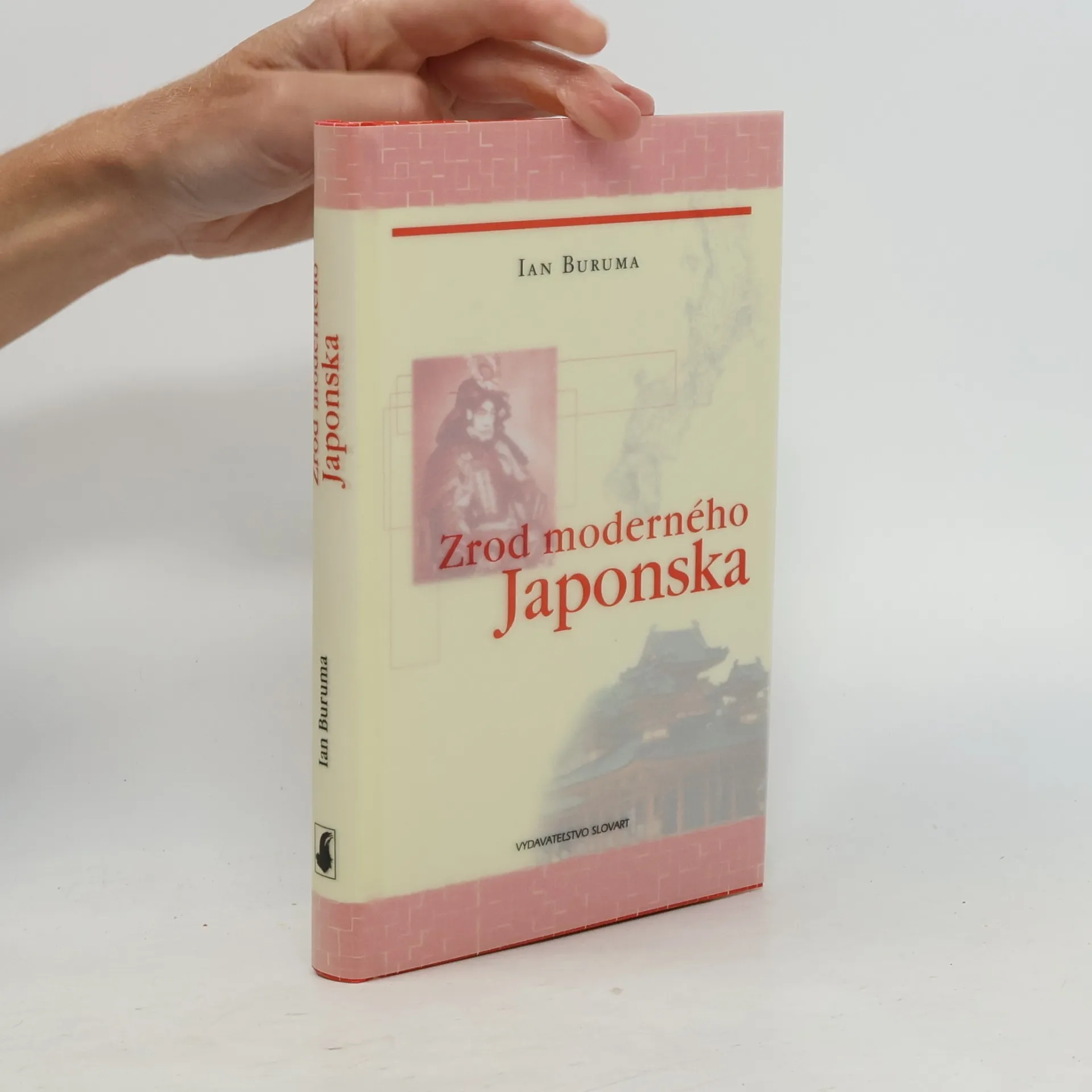
V tejto elegantnej a múdrej knižke rozoberá Ian Buruma najosudovejšie roky japonskej histórie, obdobie takých dramatických premien, aké prežila máloktorá krajina. V priebehu len niečo vyše 100 rokov – odo dňa, keď komodor Matthew Perry priplával na svojich čiernych lodiach – sa toto ostrovné cisárstvo z doby pred industriálnou revolúciou pretransformovalo na expanzívnu, militaristickú diktatúru, ktorá v podstate vytlačila z Ázie britskú, francúzsku, holandskú aj americkú nadvládu – a potom klesalo do úplného úpadku, aby sa napokon vynorilo ako demokracia pseudozápadného štýlu a ekonomické dynamo pod silným americkým vplyvom. Čo vysvetľuje búrlivé seizmické zmeny, ktoré tak násilne vrhli tento malý ostrovný národ na javisko sveta? Ian Buruma vidí príčiny čiastočne v tom, že ide o históriu novo zjednoteného národa, ktorý mal pocit, že musí dobehnúť tradičné západné mocnosti ako Nemecko a Taliansko: proces, ktorý predstavoval okrem kolonizačnej expanzie navonok aj vnútornú kultúrnu konsolidáciu a prepracovanie spoločného dedičstva. Japonsko bolo zároveň vždy veľmi otvorené importu dobrých myšlienok a súčasne veľmi citlivé na to, aby ich vplyv prešiel karanténou. Táto bipolárna zmätenosť mala dramatické následky, ktoré pretrvávajú až dodnes.
Hun beloofde land. Mijn grootouders in tijden van liefde en oorlog - druk 1
- 280 stránek
- 10 hodin čtení
In Hun beloofde land vertelt Ian Buruma het verhaal van zijn grootouders Bernard Schlesinger en Winifred Regensburg, de in Londen geboren kinderen van Duits-Joodse immigranten. Hun liefde hield zestig jaar stand, hoewel de geliefden jaren van elkaar gescheiden waren. Want tijdens de Eerste Wereldoorlog diende Schlesinger in Frankrijk en het Midden-Oosten, in de Tweede in India. Ze schreven elkaar brieven, bijkans dagelijks, waarin ze vertelden over hun leven, maar ook over kunst, muziek en hoop. De brieven vormen de basis van Buruma’s verhaal. Hun beloofde land is een eerbetoon van Ian Buruma aan zijn grootouders, die erin geslaagd zijn hun gezin met toewijding en liefde door twee wereldoorlogen te loodsen
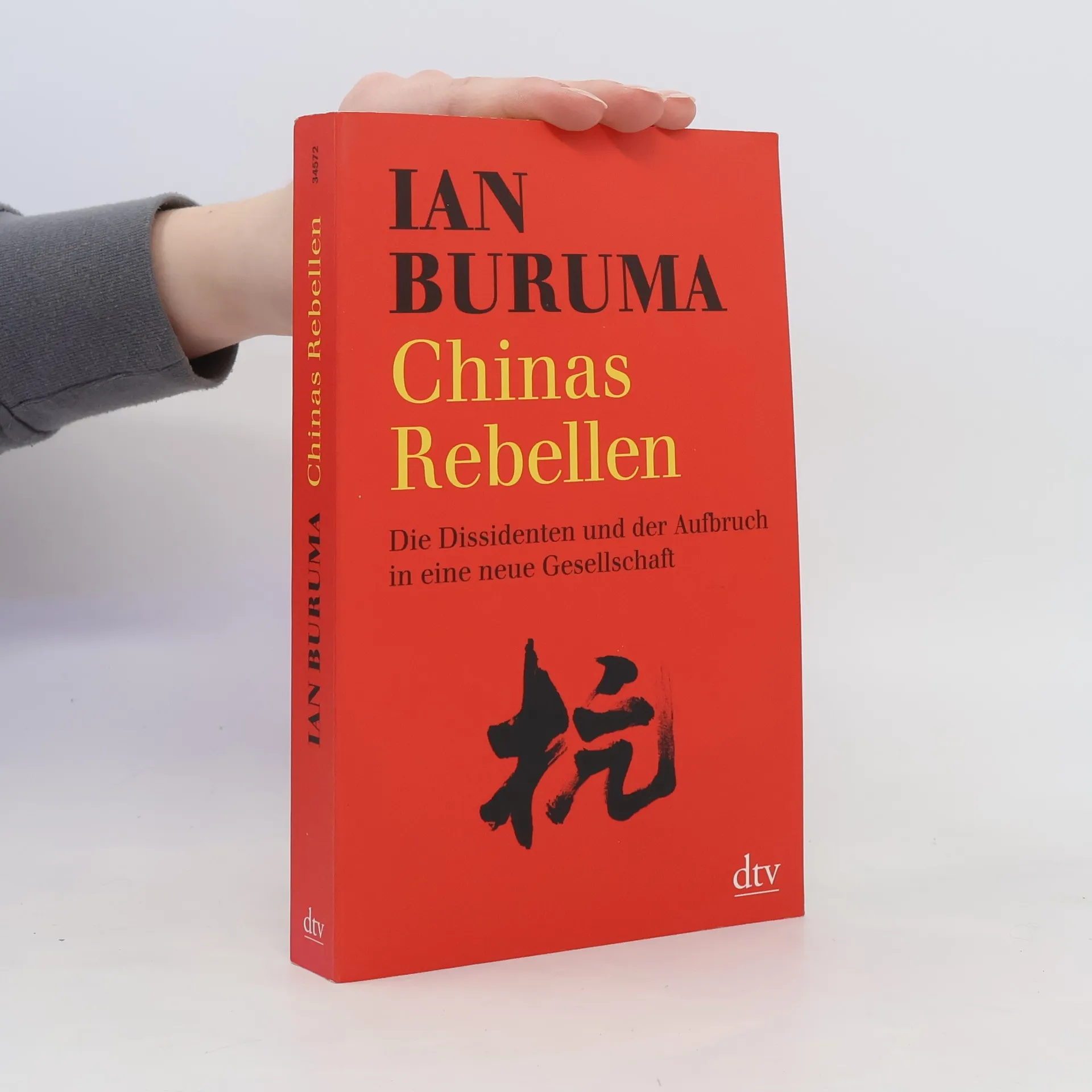
Couragierte Menschen, die gegen das chinesische System aufbegehren: Buruma suchte sie in Los Angeles ebenso auf wie in Taiwan und Singapur oder in China selbst. (Exil-) Chinesen wie Harry Wu, Kritiker der chinesischen Zwangsarbeitslager, fordern in ihrer Heimat Demokratie und Menschenrechte ein. Einzelschicksale veranschaulichen die Bestrebungen verschiedener Gruppen, in China einen Wandel herbeizuführen. Buruma schildert, wie sie diesen Kampf führen und welche Zukunftsmöglichkeiten sich daraus für China ergeben.
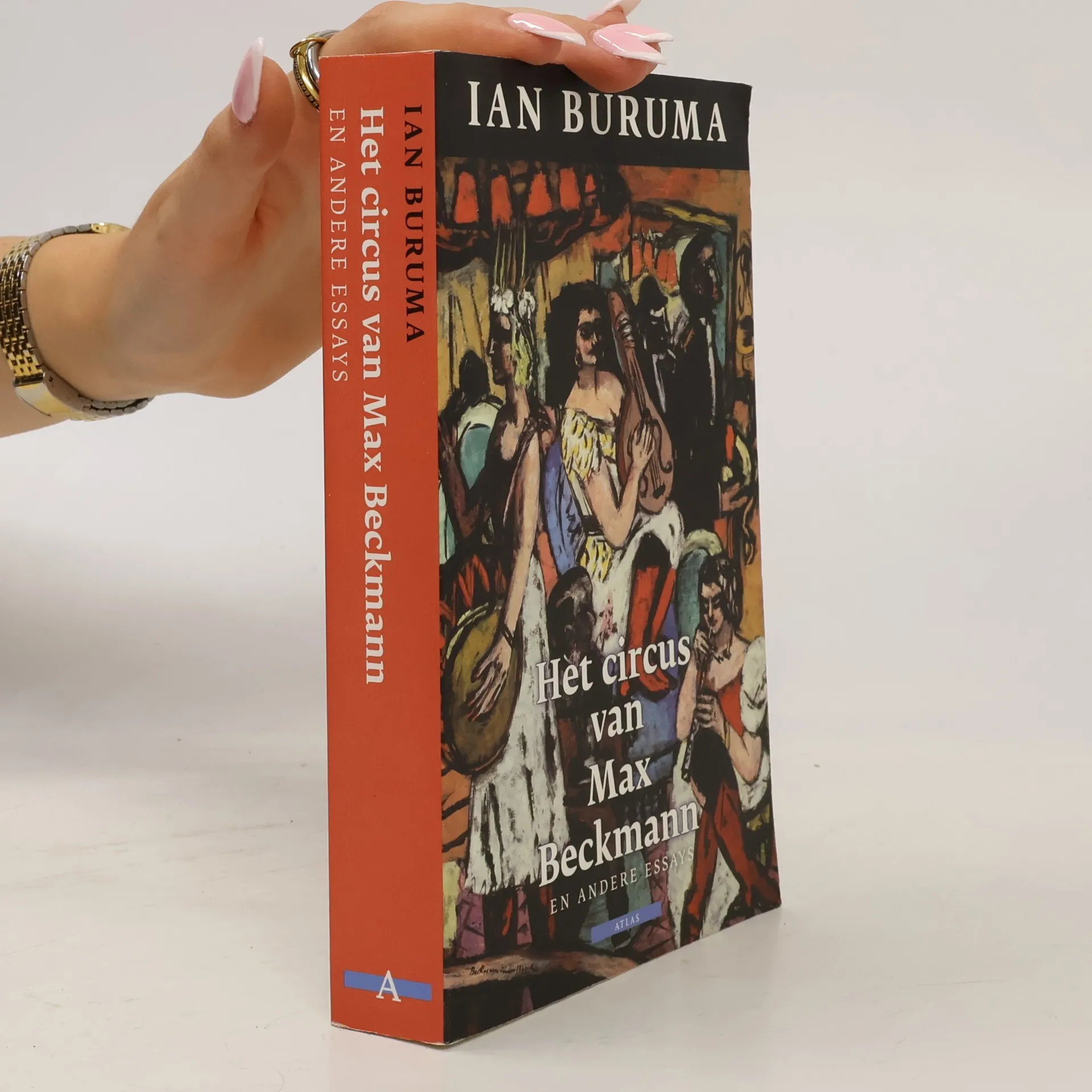
Het circus van Max Beckmann en andere essays / druk 1
- 383 stránek
- 14 hodin čtení
Scherpzinnige essays over kunst, politiek en maatschappij van de Erasmusprijswinnaar van 2008Beckmann was dol op verkleedpartijen en circusvoorstellingen, eigenlijk op alle soorten voorstellingen. Hij hing graag rond in dancings, voornamelijk in zijn eentje, om de menselijke maskerade te observeren. Het leven wordt in zijn schilderijen vaak uitgebeeld als een cabaret, al is het soms van een nogal gruwelijke soort, met beulen en circusdirecteuren, en moordenaars als clowns. Bij een reeks prachtige prenten van acrobaten, dansers en een vrouwelijke slangenbezweerder uit 1921 zien we Beckmann op de titelpagina een bel luiden. Circus Beckmann staat op een banier boven zijn hoofd. Op 7 november 2008 ontvangt Ian Buruma de Erasmusprijs, die wordt toegekend aan 'een persoon of instelling, die binnen het kader van de culturele tradities van Europa een buitengewoon belangrijke bijdrage heeft geleverd op cultureel, sociaal of sociaal-wetenschappelijk gebied'. Het circus van Max Beckmann en andere essays bevat een selectie van eerder verschenen essays waarin Buruma met scherpe pen schrijft over kunst, politieken maatschappij.
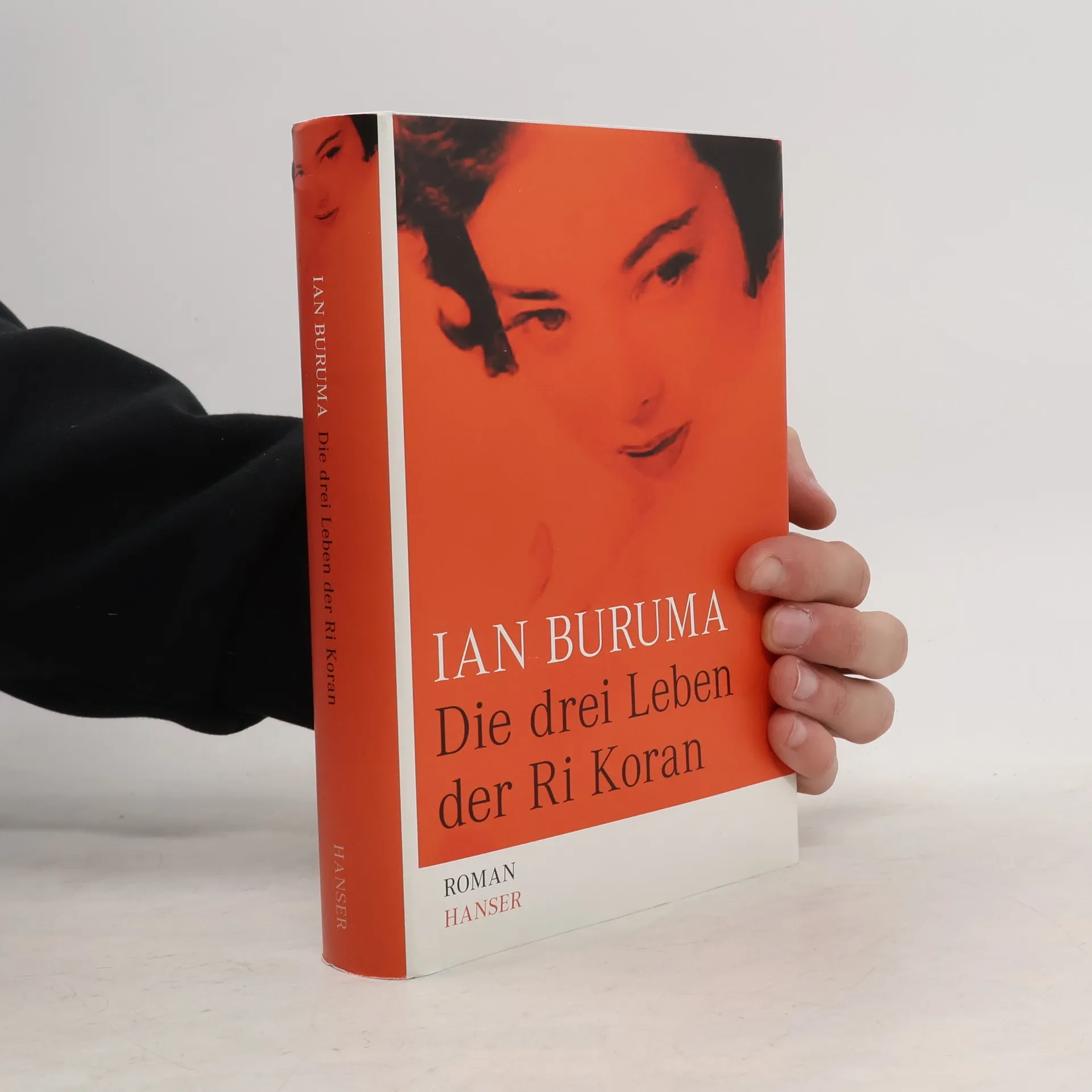
Die drei Leben der Ri Koran
- 397 stránek
- 14 hodin čtení
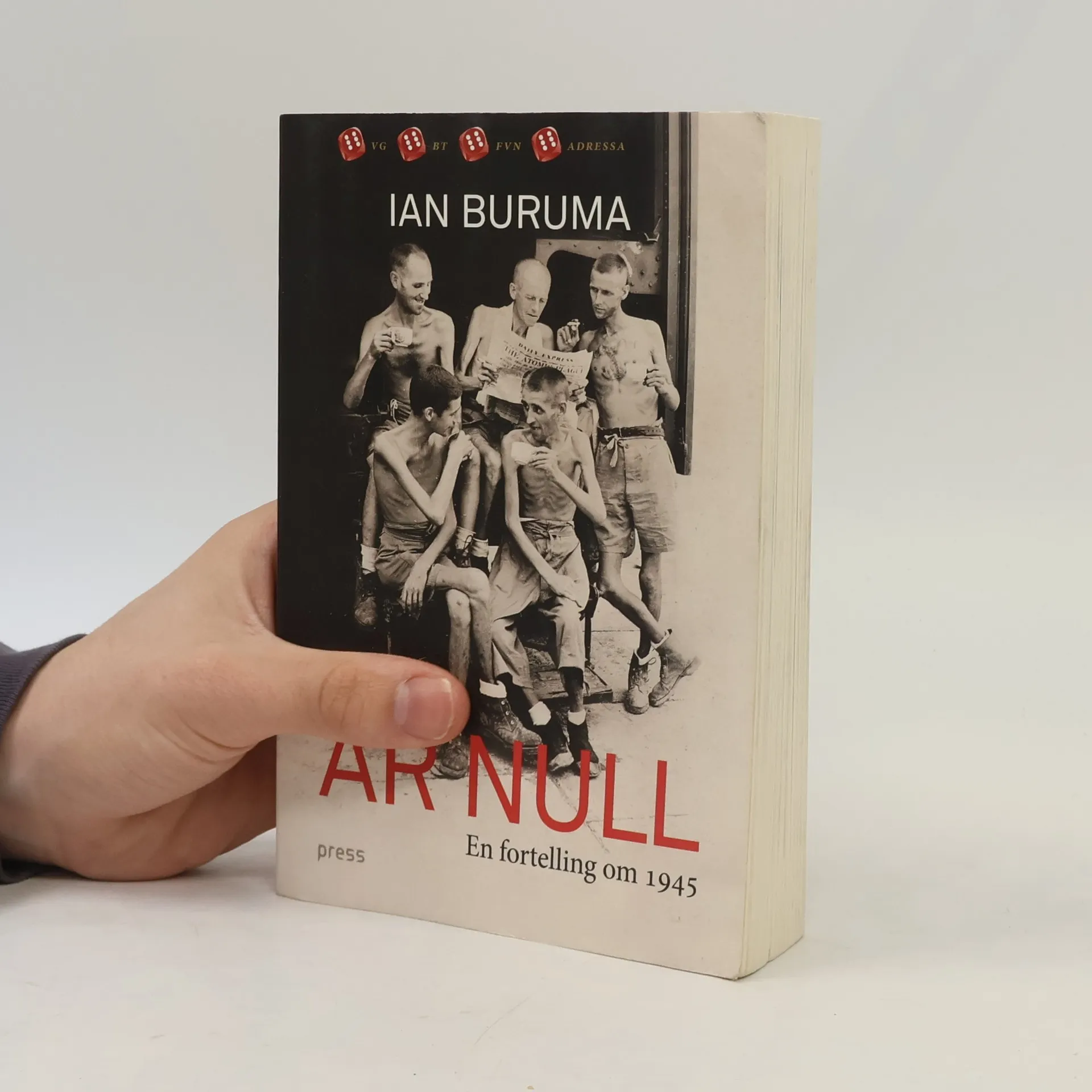
År null
- 432 stránek
- 16 hodin čtení
1945 var mer enn fredstanker og fremtidsvisjoner. Store ødeleggelser preget Europa, Asia og Nord-Afrika. Millioner av mennesker var døde eller skadede, hatet mot krigsforbrytere, overløpere og okkupantmakten skulle få utløp. Lov, rett og sivilisasjon måtte gjenoppbygges fra grunnen. Samtidig som 1945 var en tid for optimisme, var utfallet uvisst for dem som skulle starte på nytt. Hva ventet dem? Ville fellesskap og fremskritt vinne frem, eller mer kaos og destruksjon? Gjennom vanlige menneskers fortellinger har historiker Ian Buruma skrevet beretningen om året da verden ble født på ny.
Augenzeugen der Geschichte
- 301 stránek
- 11 hodin čtení