
Exploring painted portraiture, this interdisciplinary study reveals how it served as a crucial metaphor for elite self-representation in early modern culture. It delves into the interplay between art and identity, shedding light on the cultural significance of portraits in expressing social status and personal narratives during this transformative period.
The large, but rather ancient, interstellar freighter, the Star Maiden, is kept in service by the brilliance of her captain, Girt Brek, and his chief engineer, Fens Martin. The ship loads three cargoes on the mining planet of Kilmarshies. Two of these contain large quantities of valuable metal ingots. Having secured her flying permit, the Star Maiden departs from the planet and disappears. Most people believe that she has finally broken down and been sucked into some star system. On Davvos 7, Space Police Inspector Fontin Vandorcet examines the case and finds some anomalies. He is sent to Kilmarshies to begin an investigation. Here, he teams up with Space Police Officer Lippa Zindon. They discover that a criminal gang have committed some very large robberies without alerting the authorities. Their success has seen them expand into illegal drugs, money laundering and even to infiltrating the Space Police. One last robbery sees pressure placed on the Space Police. Then the race begins to unmask the leaders of this enterprise before they disappear into a distant part of the galaxy taking their ill-gotten gains with them.
Povídka Siddhárta napsaná v letech 1919 až 1922 nese podtitul „indická báseň“. Vskutku básnickým jazykem se v ní vypráví příběh bráhmanského syna Siddhárthy, který hledá pravdu a smysl života. Hermann Hesse (1877–1962) si při hledání cesty z myšlenkových a společenských krizí své doby i z krizí vlastních bere na pomoc myšlení Východu. Vedle čínské moudrosti jsou to především prvky hinduismu a zejména buddhismu, k němuž autor dlouhá léta inklinoval. Buddhismus však naprosto nebyl nějakým jeho „vyznáním“ a povídka Siddhártha je dle Hesseho vyjádření výrazem osvobození od svázanosti indickým myšlením. V podstatě zde jde o velmi německé hledání svébytné osobní existence, vlastního já. Nikoli skrze nějakou nauku, ale osobním úsilím. Lidské moudrosti se nelze naučit pomocí doktriny, je nutno k ní dospět vlastním životem.
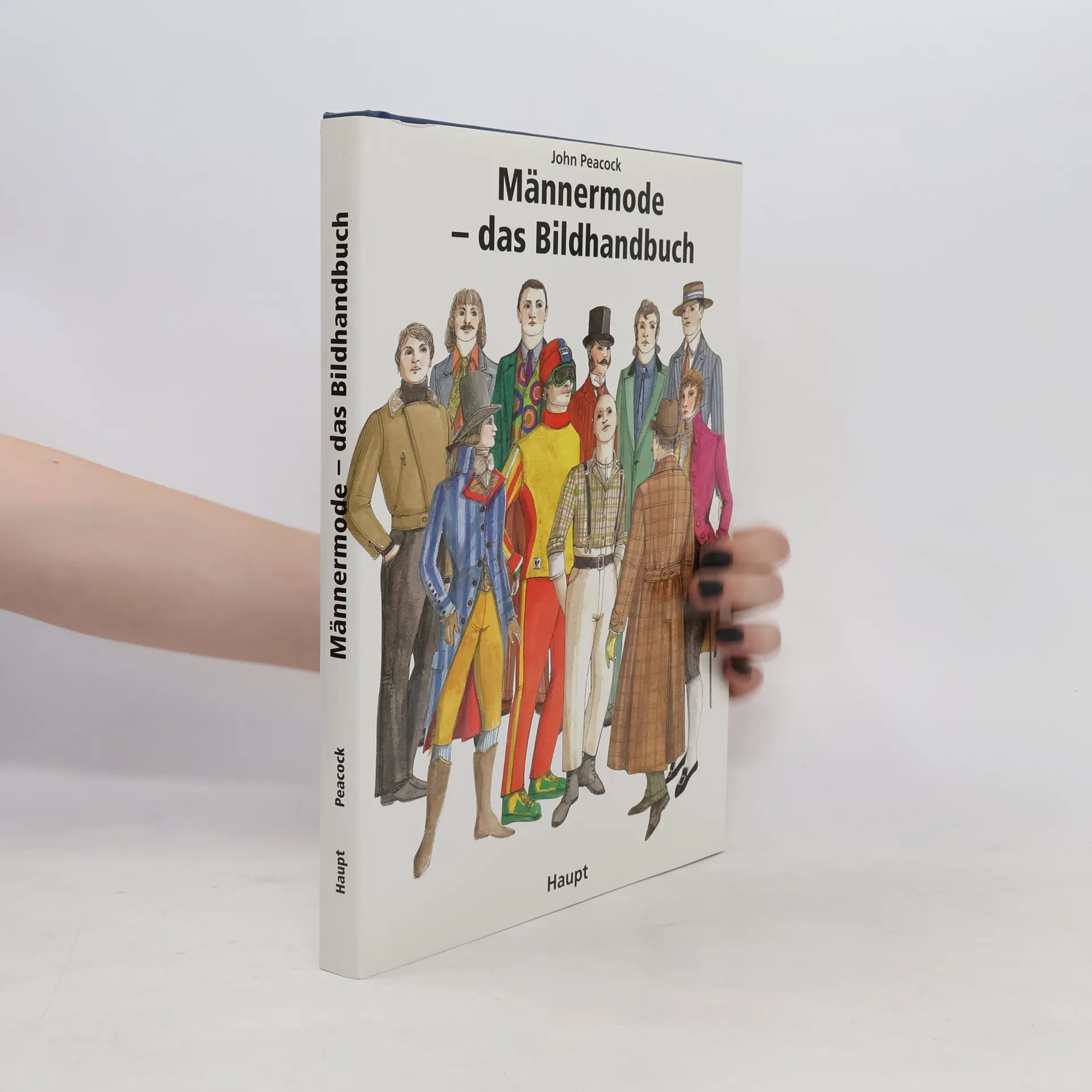
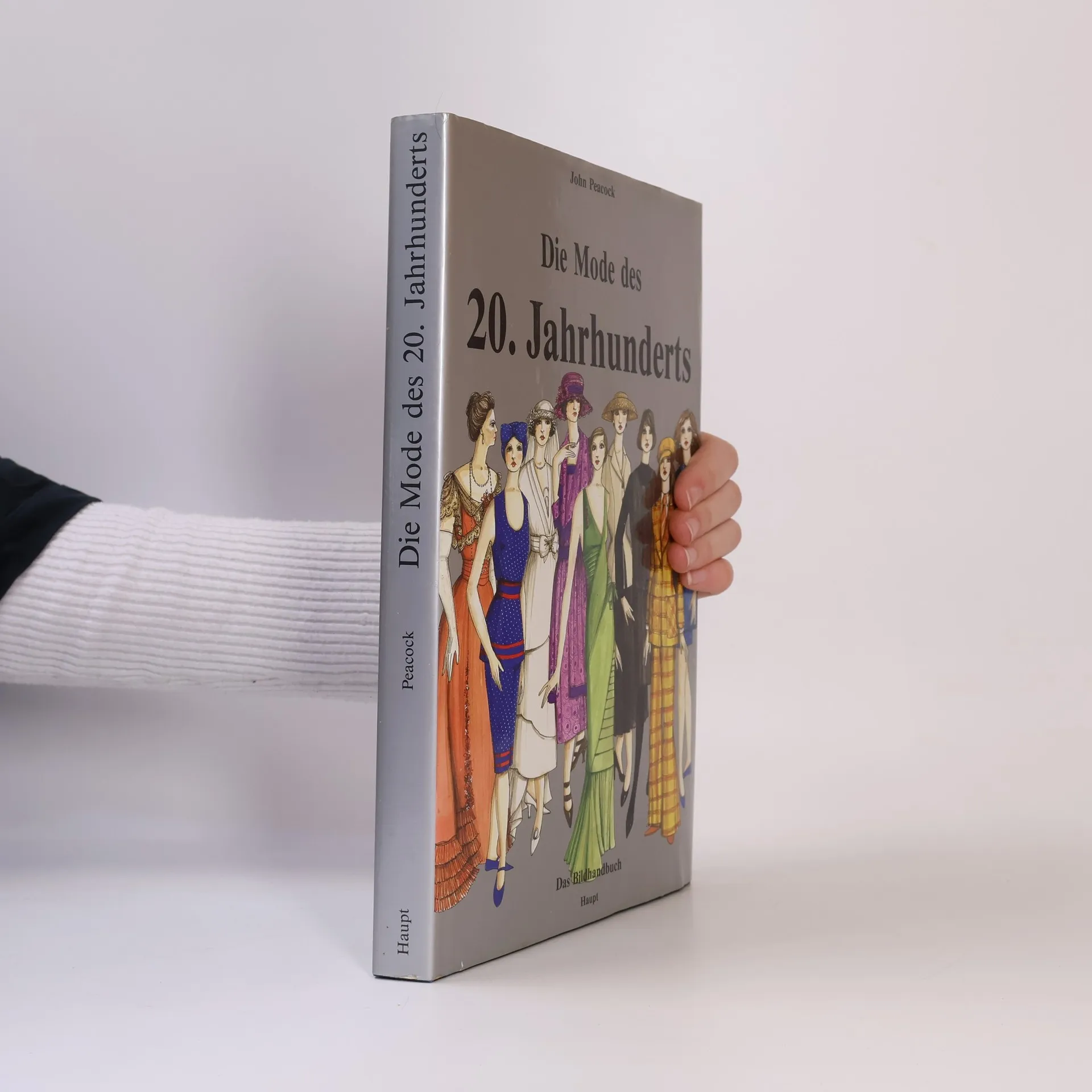
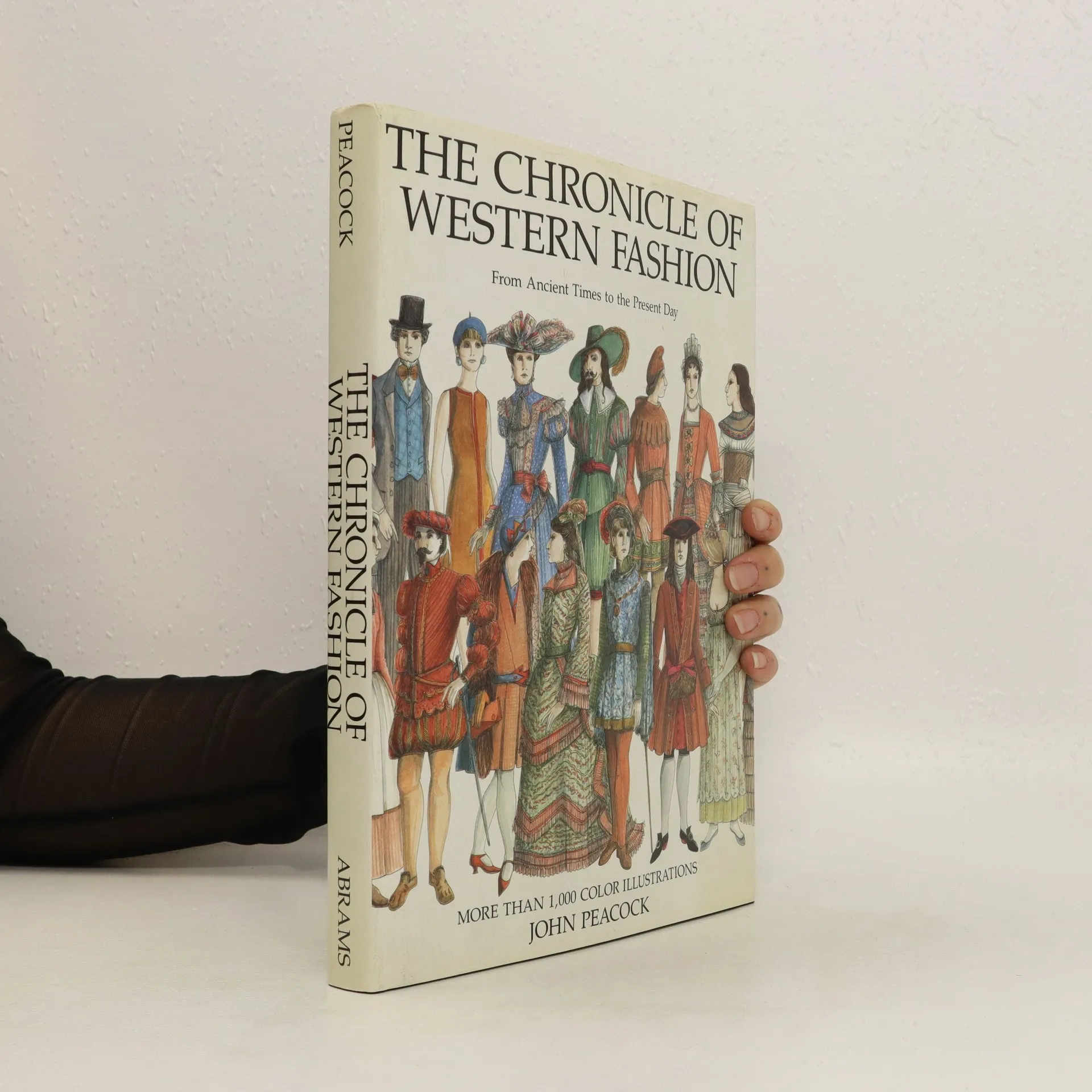
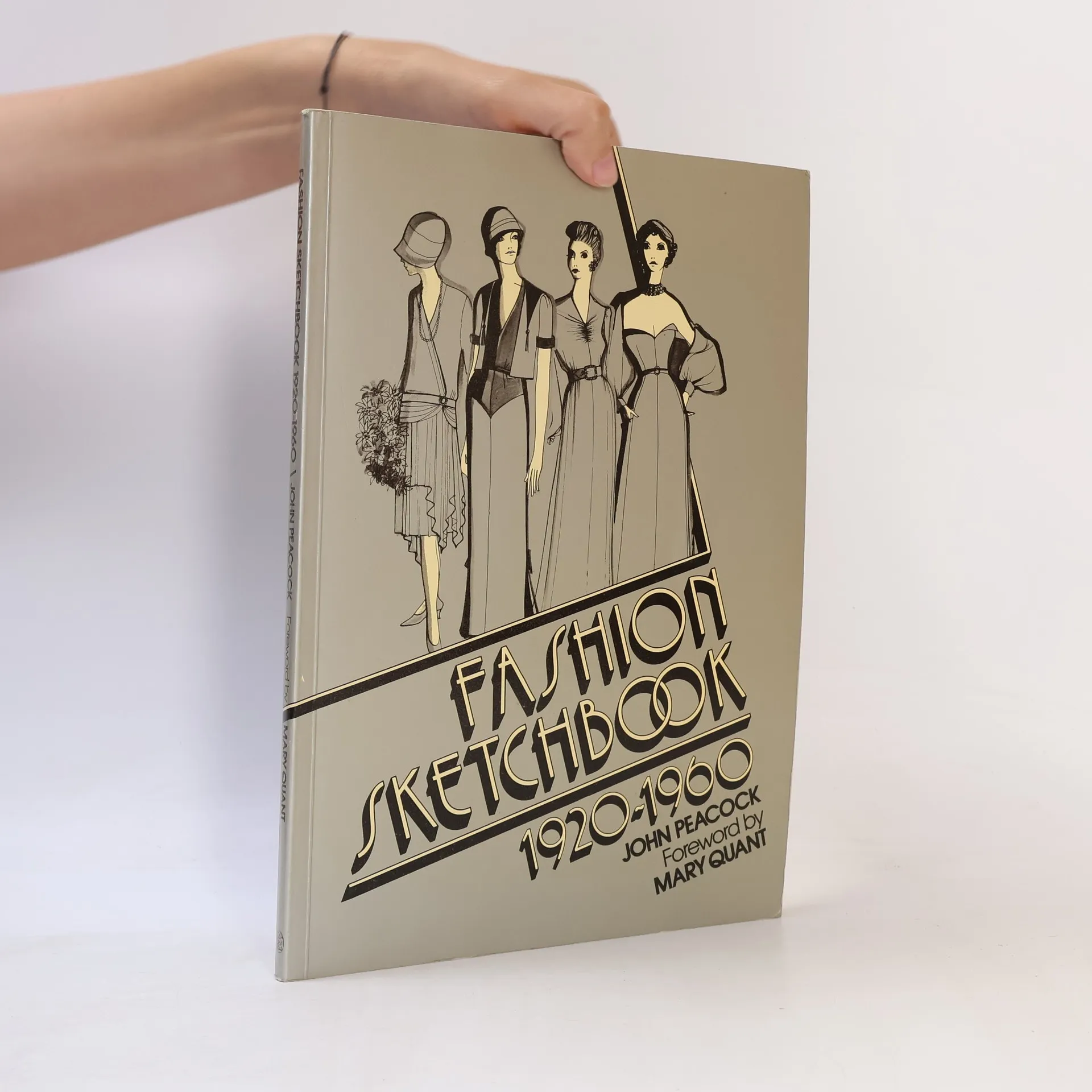
A collection of drawings that ranges over eleven centuries of English
historical costume. It includes more than a thousand clear and detailed
illustrations, and notes that pinpoint specific features such as fabric,
decoration, accessories and cut, make each costume immediately comprehensible.
Covering Western costume from Ancient Egypt to contemporary haute couture,
this is a companion volume to Peacock's Fashion Sourcebooks. The range of
drawings reveals not only national characteristics but also social divisions,
and provide a detailed reference for students and professionals alike. schovat
popis
John Peacock's illustrated guide to Tibetan beliefs and practices considers how to live, how to meditate and pray, how to prepare for death and most importantly, how to negotiate the alarming, intermediate state between death and life, known in Tibet as 'bardo'.
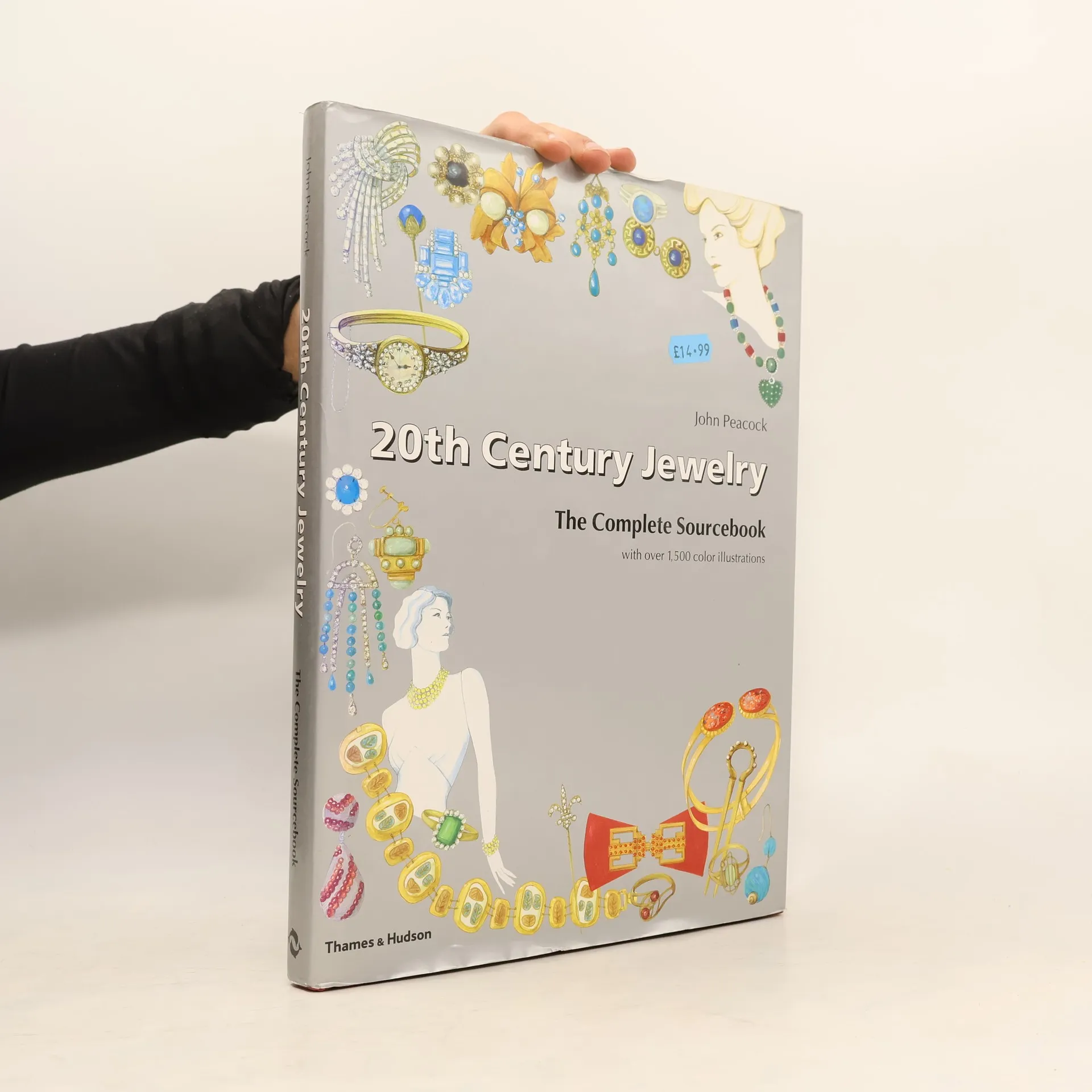
A detailed history and sourcebook of 20th-century jewellery. It charts every
kind and style for men and women, each piece accompanied by a full description
with details of materials, fastenings and mounts. Arranged by decade, this is
an invaluable reference for students, designers and collectors.
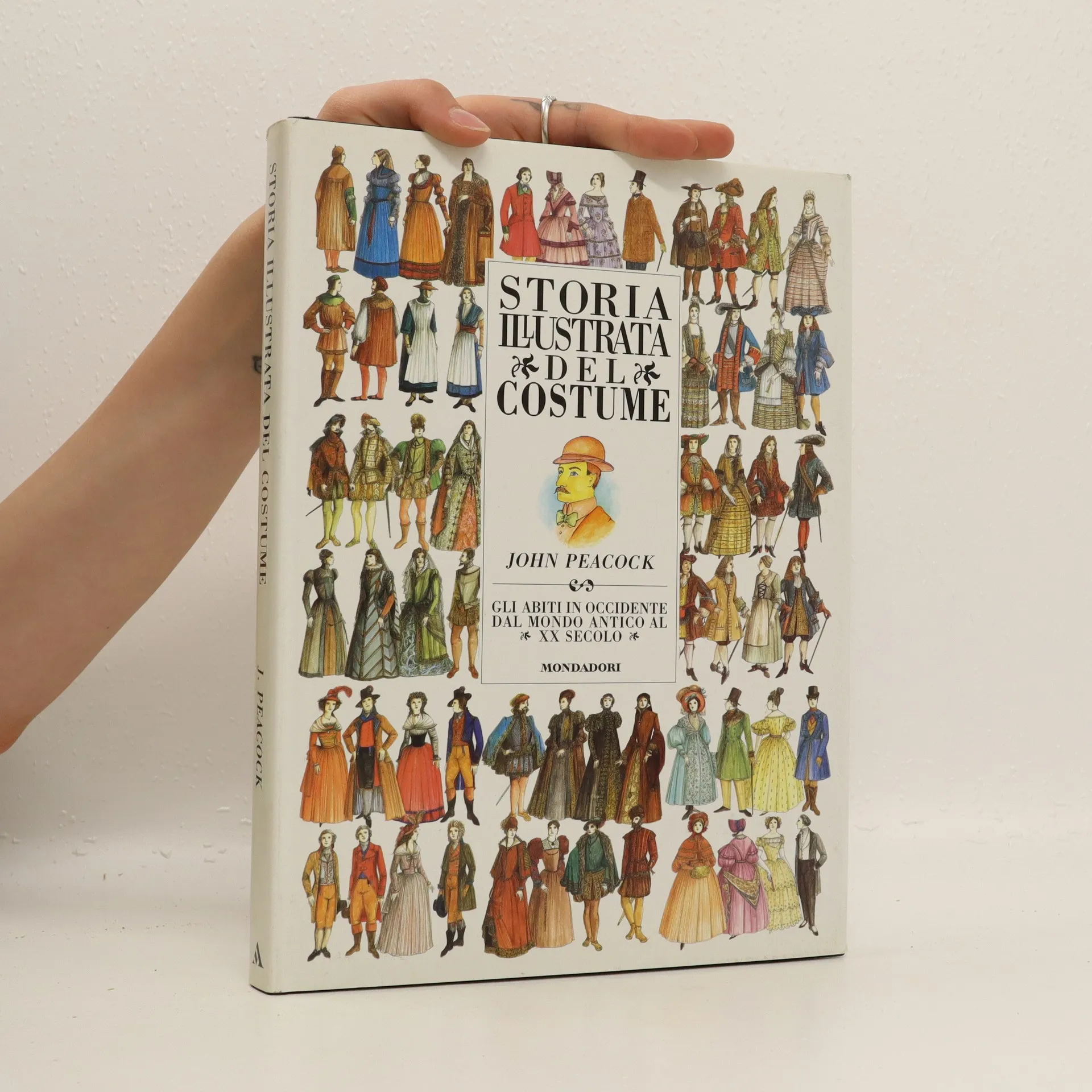
Quattromila anni di storia del costume: un'ampia e avvincente cronologia illustrata che muove dall'antico Egitto fino ad arrivare ai nostri giorni, per documentare l'evolversi del gusto e della moda e insieme lo sviluppo culturale e sociale dell'Occidente. Una narrazione originale che osserva nel dettaglio la molteplice varietà di stili, fogge, tessuti, colori, accessori di cui l'uomo si è servito nel corso dei secoli, portando il linguaggio del costume a espressioni di grande raffinatezza. Oltre 1000 accuratissimi disegni tutti a colori, appositamente creati per questo libro da un noto disegnatore e costumista della BBC, commentati da un testo a schede rigoroso e puntuale. Un glossario illustrato con circa 200 voci per capire i più importanti termini tecnici e conoscere e dettali della moda, corredati dai relativi riferimenti storici. Un libro unico nel suo genere, strumento indispensabile per lo scenografo, il costumista, il designer; utile e ricco di informazioni per lo studioso di storia del costume; divertente e stimolante per ogni lettore curioso.
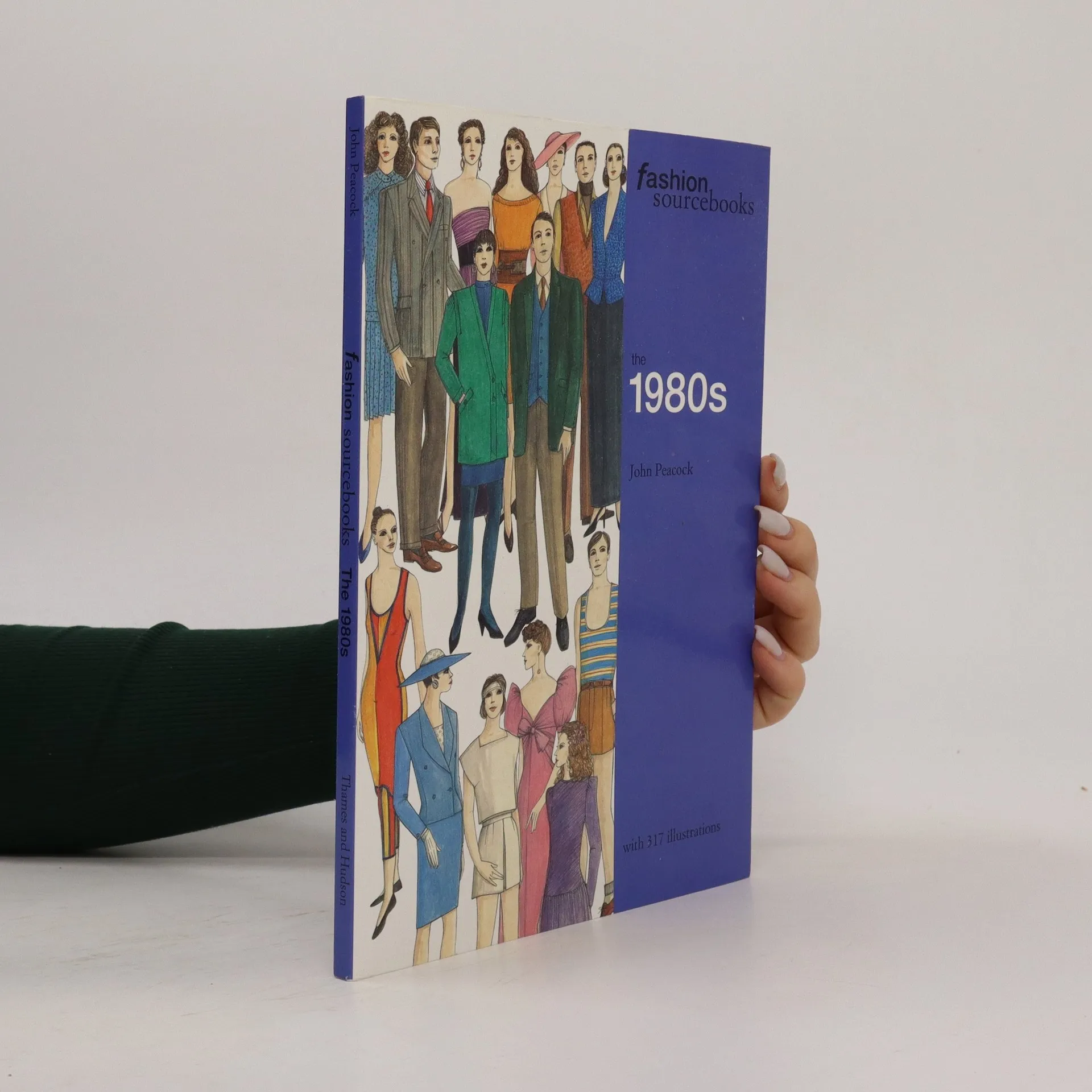
This study, one in a series covering the fashion of the twentieth century, captures the look and feel of men's and women's fashion of the 1980s through profiles of designers, descriptions of clothing, and colorful illustrations. Original.