
Knihobot

Theodore W. Gray

    18. listopad 1964

    Theodore Gray je autorem dnes již ikonických fotografických tabulek prvků, které jsou k vidění po celém světě. Kromě toho, že je zakladatelem webu periodictable.com, píše pro Popular Science a je spoluzakladatelem softwarové společnosti Wolfram Research. Jeho práce se zaměřuje na zkoumání a prezentaci vědeckých konceptů poutavým a vizuálně přitažlivým způsobem, často s důrazem na praktické, i když někdy nebezpečné, experimenty. Gray dokáže spojit hluboké vědecké poznání s přístupným vyprávěním, čímž zpřístupňuje složité jevy širšímu publiku.

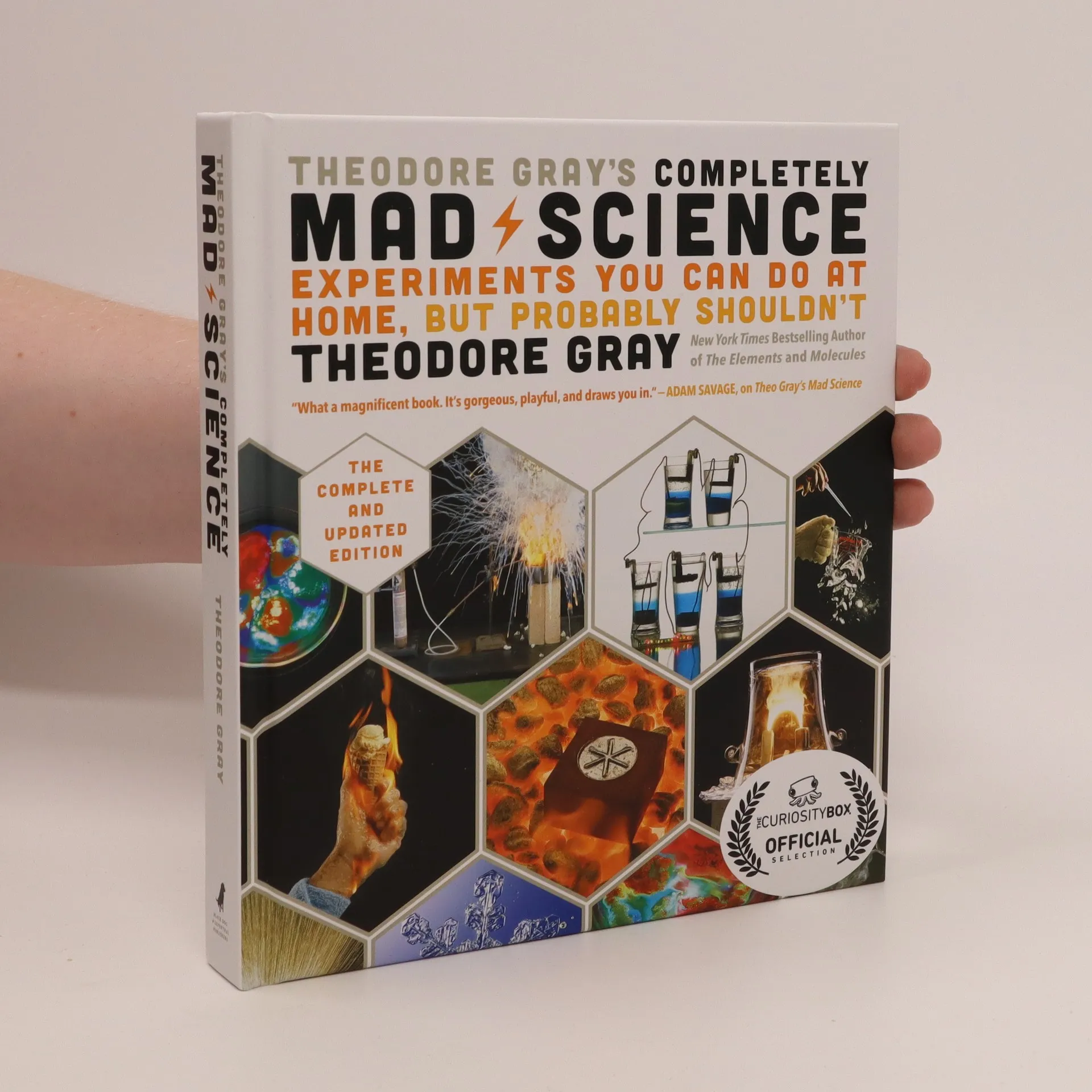
    Completely Mad Science
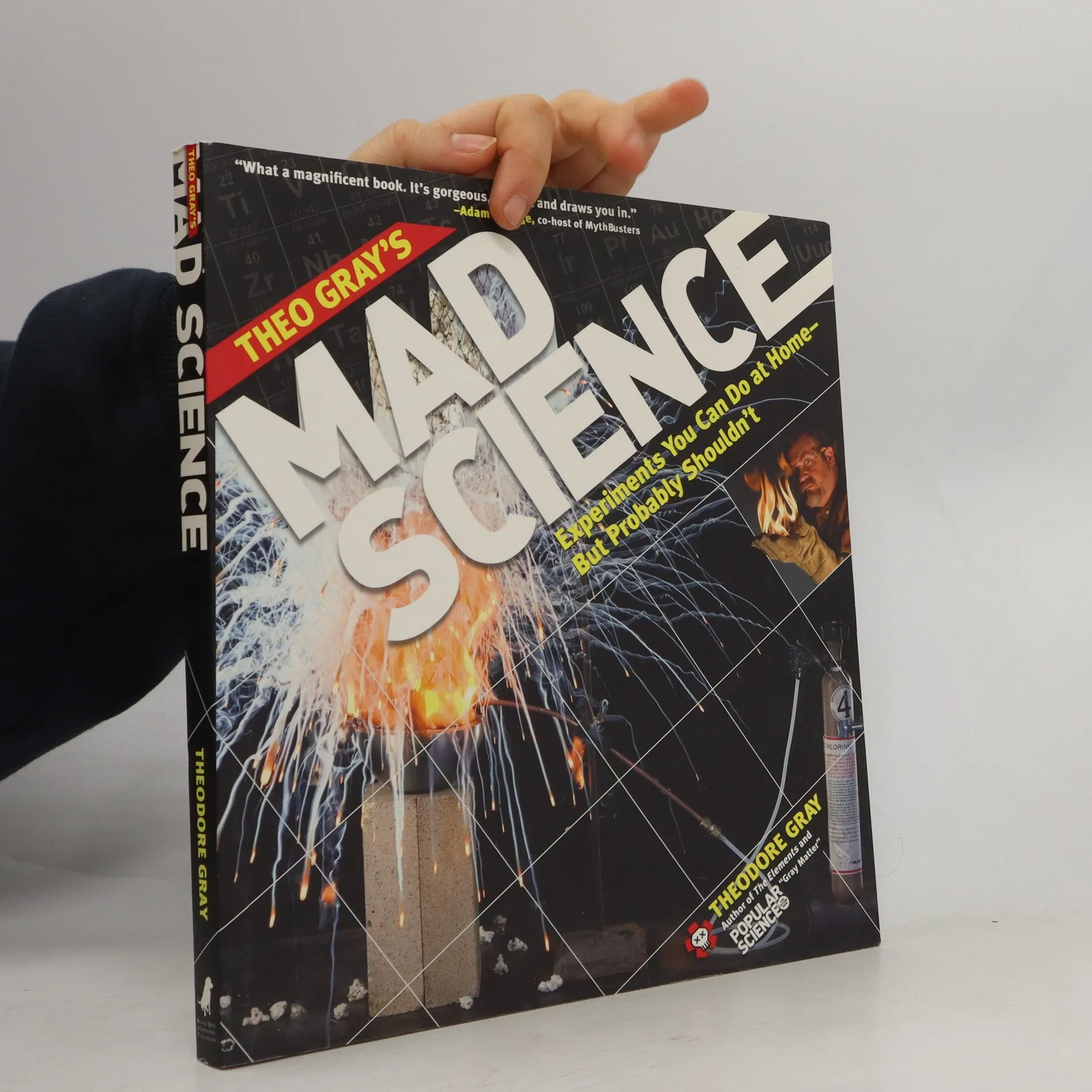
    Theo Gray's Mad Science
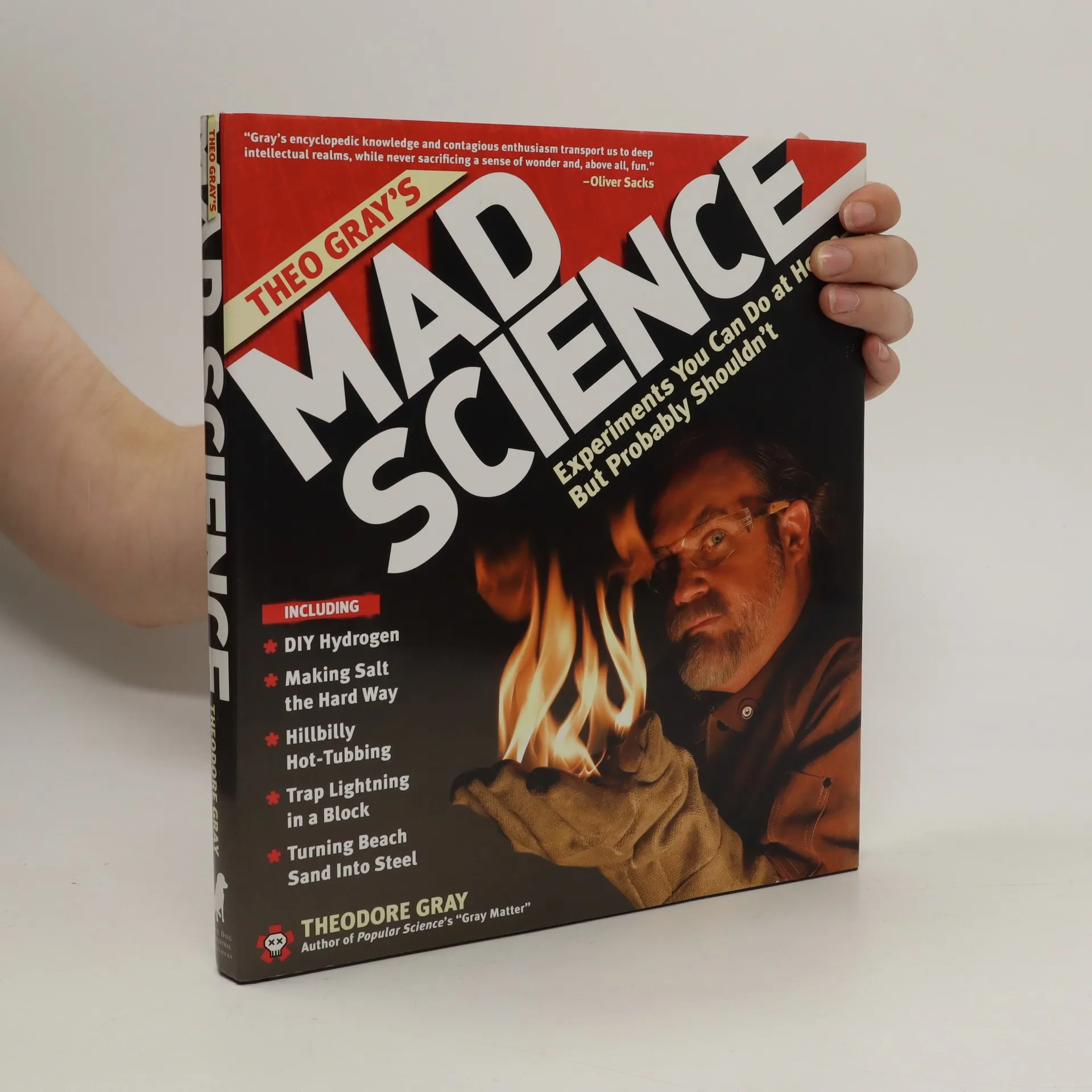
    Theo Gray's Mad Science Experiments You Can Do at Home but Probably Shouldn't
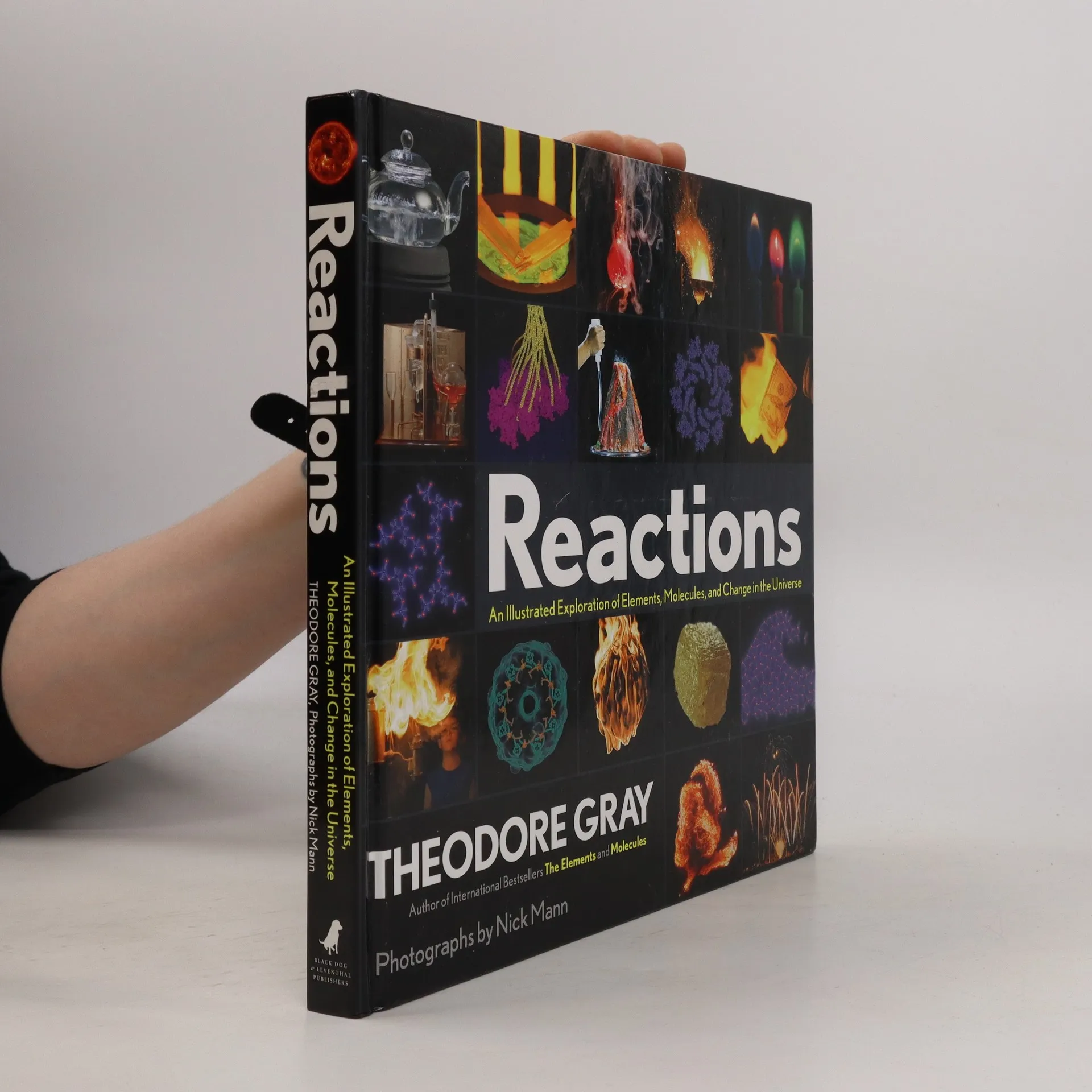
    Reactions
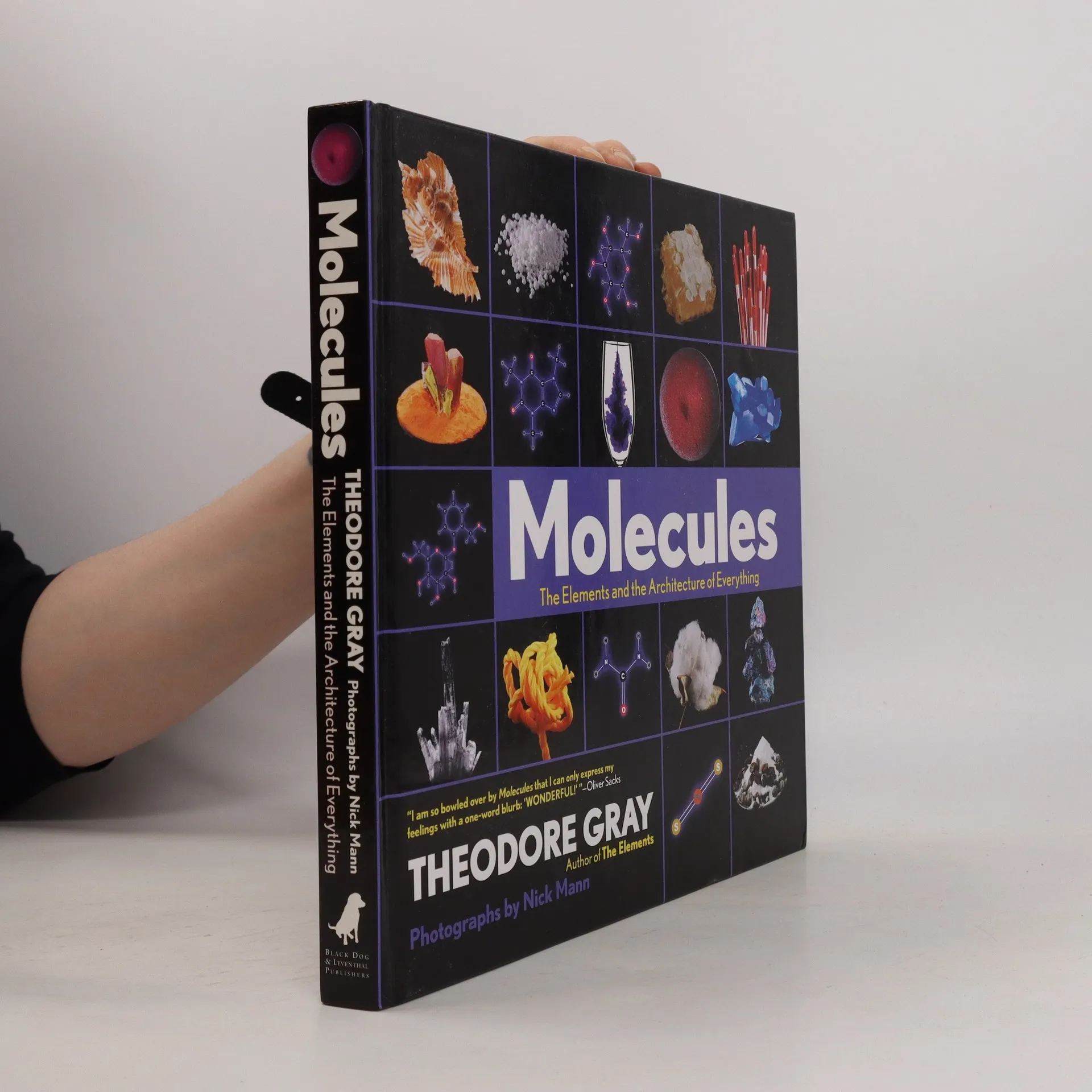
    Molecules : the elements and the architecture of everything
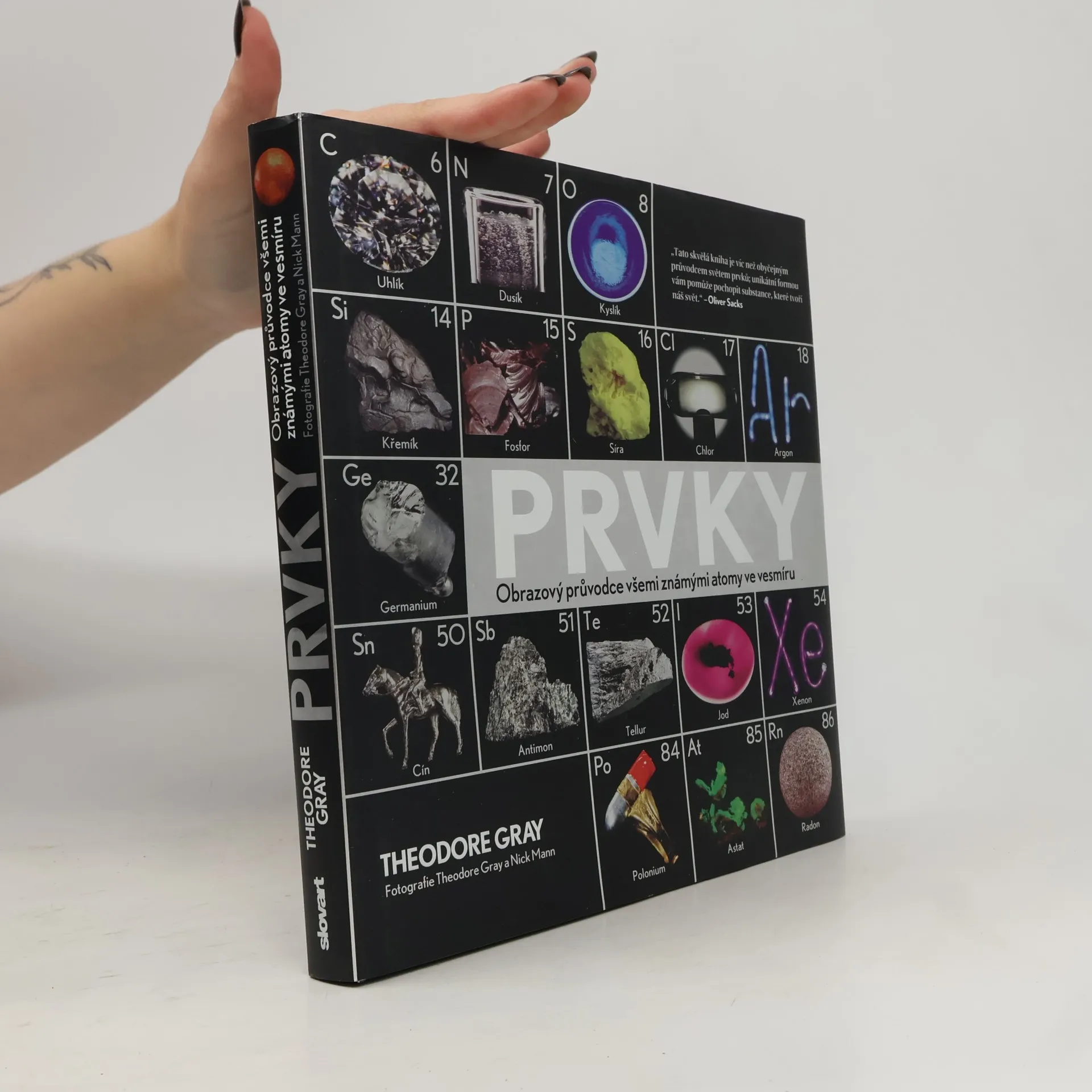
    Prvky
    • Prvky

      Obrazový průvodce všemi známými atomy ve vesmíru

      Obrazový průvodce všemi známými atomy ve vesmíru nabízí unikátní pohled na periodickou tabulku prvků, kterou autor Theodore Gray označuje za univerzální katalog všeho hmotného. Všechny látky ve vesmíru se skládají z prvků, které existují buď jako čisté látky, nebo jako součást chemických sloučenin. Tato kniha, výsledkem sedmiletého výzkumu a fotografování, nám umožňuje nahlédnout na prvky zblízka. Prvky jsou uspořádány podle periodické tabulky, přičemž každý prvek je představen velkou fotografií. Například kyslík, bezbarvý plyn, se při -183 °C mění na světle modrou kapalinu. Kniha obsahuje také fotografie ilustrující, jak prvky fungují v našem každodenním životě, včetně jejich sloučenin a využití. Každá dvoustrana je doplněna zajímavostmi o daném prvku, jako je reaktivita fluoru, který při kontaktu s mnoha látkami okamžitě vzplane. Publikace obsahuje také základní vědecké údaje, jako atomovou váhu, atomový poloměr a další. Úvod vysvětluje strukturu periodické soustavy prvků. Tato kombinace vědeckých dat a umění fotografie činí knihu ideálním čtením pro každého, kdo má zájem o svět kolem nás.

      Prvky
      4,5
    • "Everything physical is made up of the elements and the infinite variety of molecules they form when they combine with each other. In [this book], Gray takes the next step in the grand story that began with the periodic table in his best-selling book The Elements ... Here, he explores ... the most interesting, essential, useful, and beautiful of the millions of chemical structures that make up every material in the world"--

      Molecules : the elements and the architecture of everything
      4,5
    • Reactions

      • 216 stránek
      • 8 hodin čtení

      With Reactions bestselling author Theodore Gray continues the journey through our molecular and chemical world that begin with the tour de force The Elements and continued with Molecules. In The Elements Gray gave us a never-before-seen, mesmerizing photographic view of the 118 elements in the periodic table. In Molecules, with the same phenomenal photographic acumen, plus beautifully rendered computer generated graphics, he showed us how the elements combine to form the stuff that makes up our universe, from table salt to oxygen to the panoply of colors and smells that surround us. At last, we've reached Reactions, in which Gray once again puts his photographic and digital prowess and creativity monumental work demonstrating how molecules interact in ways that are essential to our very existence. The book begins with a brief recap of elements and molecules and then goes on to explain important concepts the characterize a chemical reaction, including Energy, Entropy, and Time. It is then organized by type of reaction including Combustion, Photosynthesis, Respiration, Oxidation, and Fermentation. A special section of chemical cycles including The Carbon Cycle, The Iron Cycle, and The Lime Cycle.

      Reactions
      4,4
    • Author of the best-selling book The Elements Theodore Gray demonstrates essential scientific principles through thrilling daredevil experiments.In Mad Science , Theodore Gray launches a toy rocket using the energy released from an Oreo cookie, ignites a phosphorus sun by suspending half a gram of white phosphorus in a globe filled with pure oxygen and creates a homemade hot tub by adding 500 pounds of quicklime to water. These are just a few of the 54 experiments included in this astonishing book that demonstrates essential scientific principles in ways you were likely never exposed to in school.Every experiment in Mad Science is accompanied by full-color photographs that provide a front-row seat to rarely seen chemical reactions and glorious subatomic activity. To further enhance the hands-on experience, Gray includes step-by-step instructions for nearly every experiment. Following all of the safety guidelines, readers can even re-create some of the experiments in the book.Mad Science is the perfect book for anyone fascinated by all things chemical, electrical, or explosive, and who loves a vicarious thrill.

      Theo Gray's Mad Science Experiments You Can Do at Home but Probably Shouldn't
      4,2
    • Theo Gray's Mad Science

      • 240 stránek
      • 9 hodin čtení

      Details fifty-five experiments ranging from simply making ice that sinks to copper plating iPods and building spark plugs.

      Theo Gray's Mad Science
      4,1
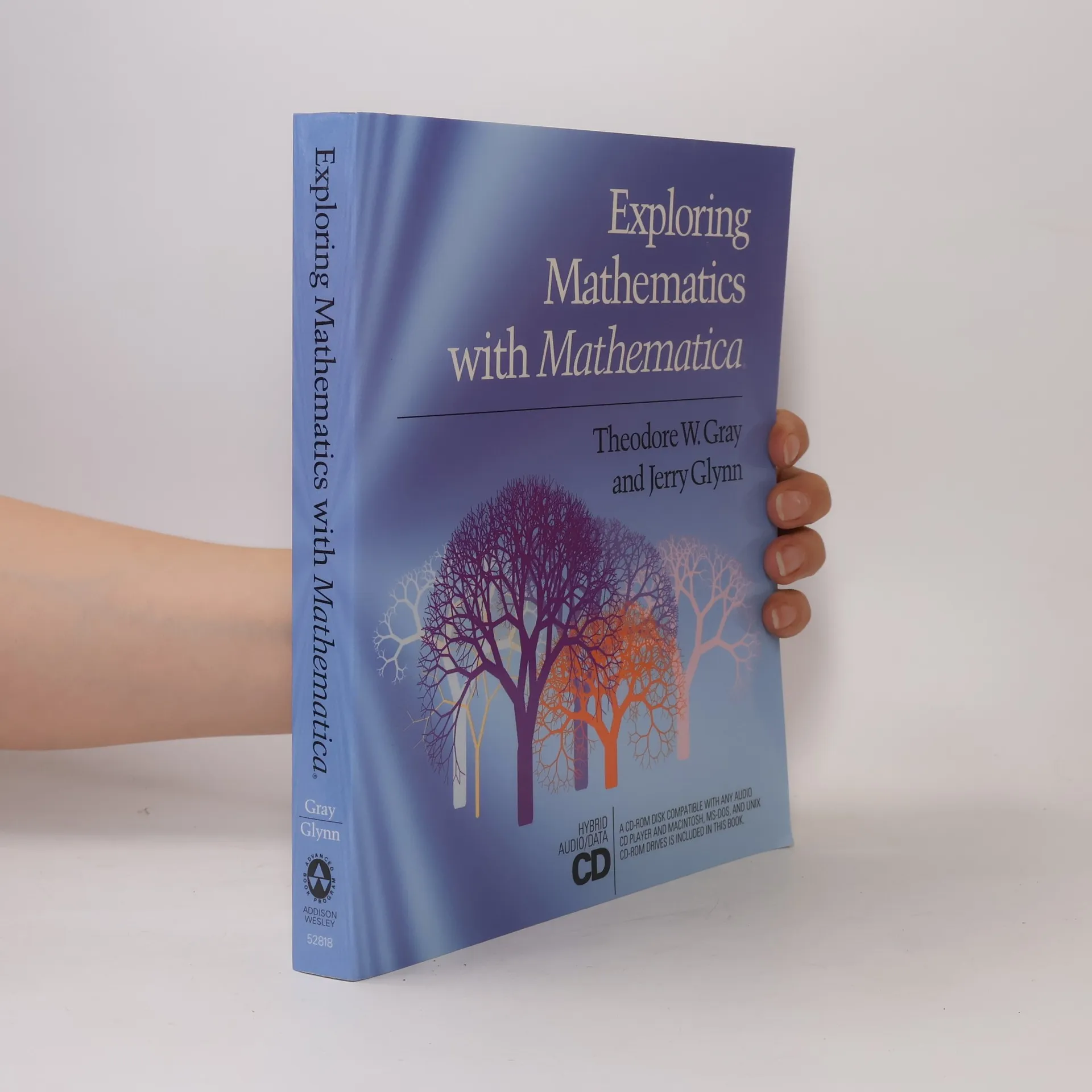
    • Exploring Mathematics With Mathematica

      Dialogs Concerning Computers and Mathematics

      • 544 stránek
      • 20 hodin čtení

      This engaging book is written in the form of a conversation between two well-iknown Mathematica experts and will give readers a better understanding of Mathematica and what it can do for them. Gray and Glynn will take readers on a mathematical journey to show the art behind the math.

      Exploring Mathematics With Mathematica
    • „Die Elemente“ ist eine Kombination aus atemberaubender Bildsprache und verständlicher Wissenschaft. Auf 118 Karten bekommt jedes Element ein Schaufenster mit einem großflächigen Foto, das den „Baustein unserer Welt“ in seiner ursprünglichen Form zeigt. Sauerstoff beispielsweise ist bei Raumtemperatur ein farbloses Gas. Bei -183 °C aber ist es eine wunderschöne zartblaue Flüssigkeit, die Theodore Gray fotografiert hat. Auch die wissenschaftlichen Fakten fehlen nicht: Angeführt werden atomares Gewicht, Dichte sowie Schmelz- und Siedepunkt eines jeden Elements.

      Die Kartenbox der Elemente