

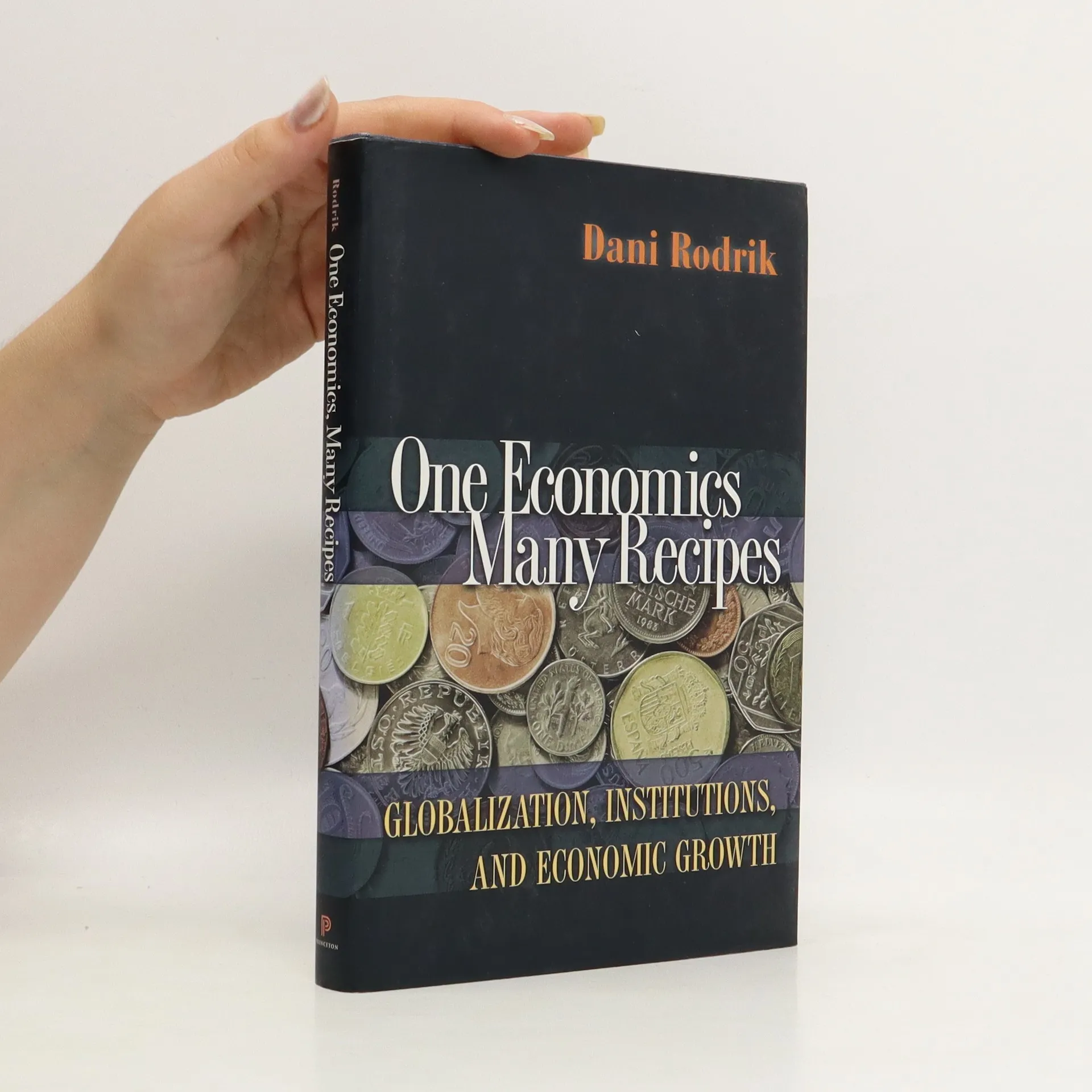
In "One Economics, Many Recipes," economist Dani Rodrik contends that both globalizers and antiglobalizers miss the mark. While economic globalization can benefit countries striving to escape poverty, achieving success often necessitates policies tailored to local economic and political contexts rather than adhering to the mandates of the international globalization framework. Rodrik presents his influential perspective on economic growth and globalization, illustrating how successful nations develop unique strategies and what others can glean from their experiences. Proglobalizers view globalization as a pathway to salvation for developing countries, advocating for adherence to a universal set of rules established by organizations like the World Bank and the IMF. Conversely, antiglobalizers argue that such global rules are detrimental, suggesting that poorer nations are better off shielding themselves from these influences. Rodrik critiques both viewpoints, asserting that impoverished countries thrive not by mimicking Washington's prescriptions or others' successes, but by addressing their specific constraints. He emphasizes that this approach aligns with sound economic principles, challenging the oversimplifications prevalent in the globalization debate.
Dani Rodrick Knihy
Dani Rodrik je profesorem mezinárodní politické ekonomie na Harvardské univerzitě. Ve své práci se zabývá globálními ekonomickými otázkami a jejich dopady na politiku a společnost. Jeho analýzy zdůrazňují potřebu vyváženého přístupu ke globalizaci, který respektuje národní zájmy a demokratické hodnoty. Klade důraz na to, jak lze ekonomickou prosperitu sladit s politickou stabilitou a sociální spravedlností.

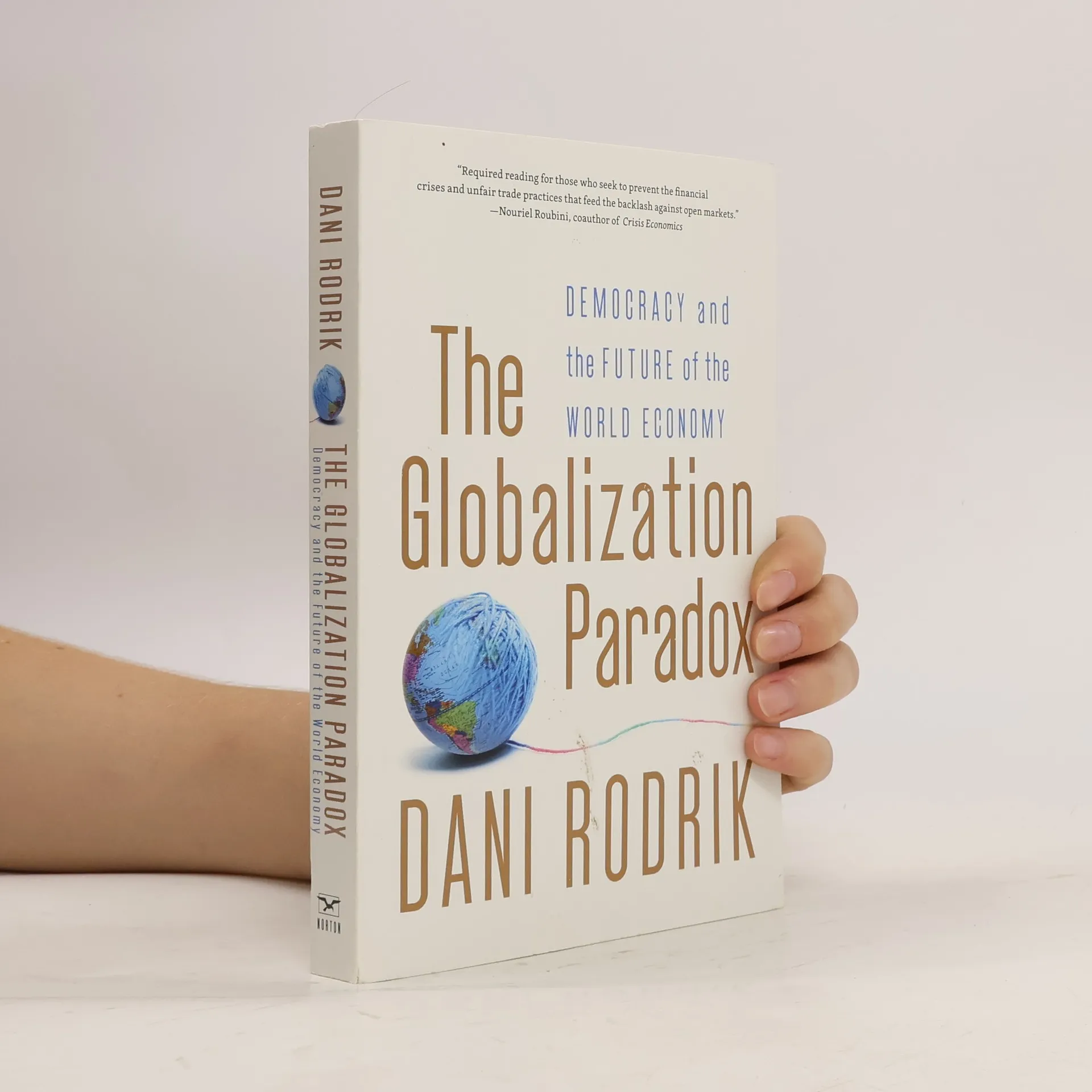
The Globalization Paradox
- 368 stránek
- 13 hodin čtení
Discusses how democracy and national self-determination cannot be pursued simultaneously with economic globalization and instead promotes customizable globalization with international rules to achieve balanced prosperity.
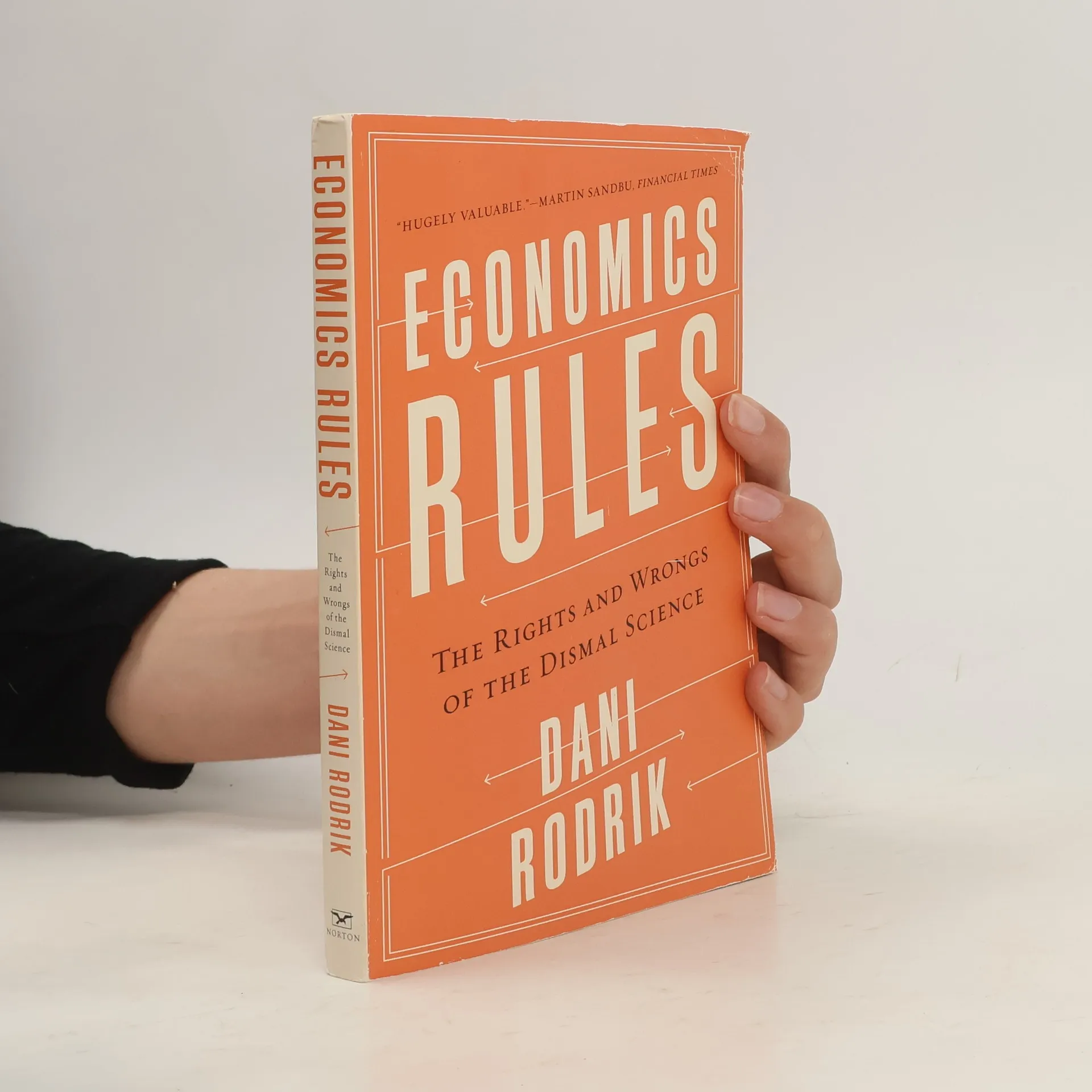
Economics Rules
- 272 stránek
- 10 hodin čtení
Takes a close look at economics to examine when it falls short and when it works, to give a surprisingly upbeat account of the discipline. Drawing on the history of the field and his deep experience as a practitioner, Rodrik argues that economics can be a powerful tool that improves the world--but only when economists abandon universal theories and focus on getting the context right. Economics Rules argues that the discipline's much-derided mathematical models are its true strength. Models are the tools that make economics a science. Too often, however, economists mistake a model for the model that applies everywhere and at all times
This comprehensive survey explores the key debates shaping U.S. foreign policy in the post-Cold War era. Following the Soviet Union's collapse, scholars have sought to understand the new international landscape. This collection showcases the insights of prominent thinkers, including Francis Fukuyama, Samuel P. Huntington, and Fareed Zakaria, who analyze the driving forces behind global events and America's response. Central questions addressed include the significance of ideology, culture, and power, as well as the future of global order versus chaos. The contributors examine the strength and vulnerabilities of the United States and discuss the appropriate use of its power for protection. Engaging with each other's arguments, these authors provide a rich dialogue that educates readers on contemporary international relations. Originally published in leading journals, these articles form an essential reading list for those interested in understanding current global dynamics. Notable contributors include Fouad Ajami, Richard K. Betts, Stephen G. Brooks, Robert D. Kaplan, and Stephen M. Walt, among others.
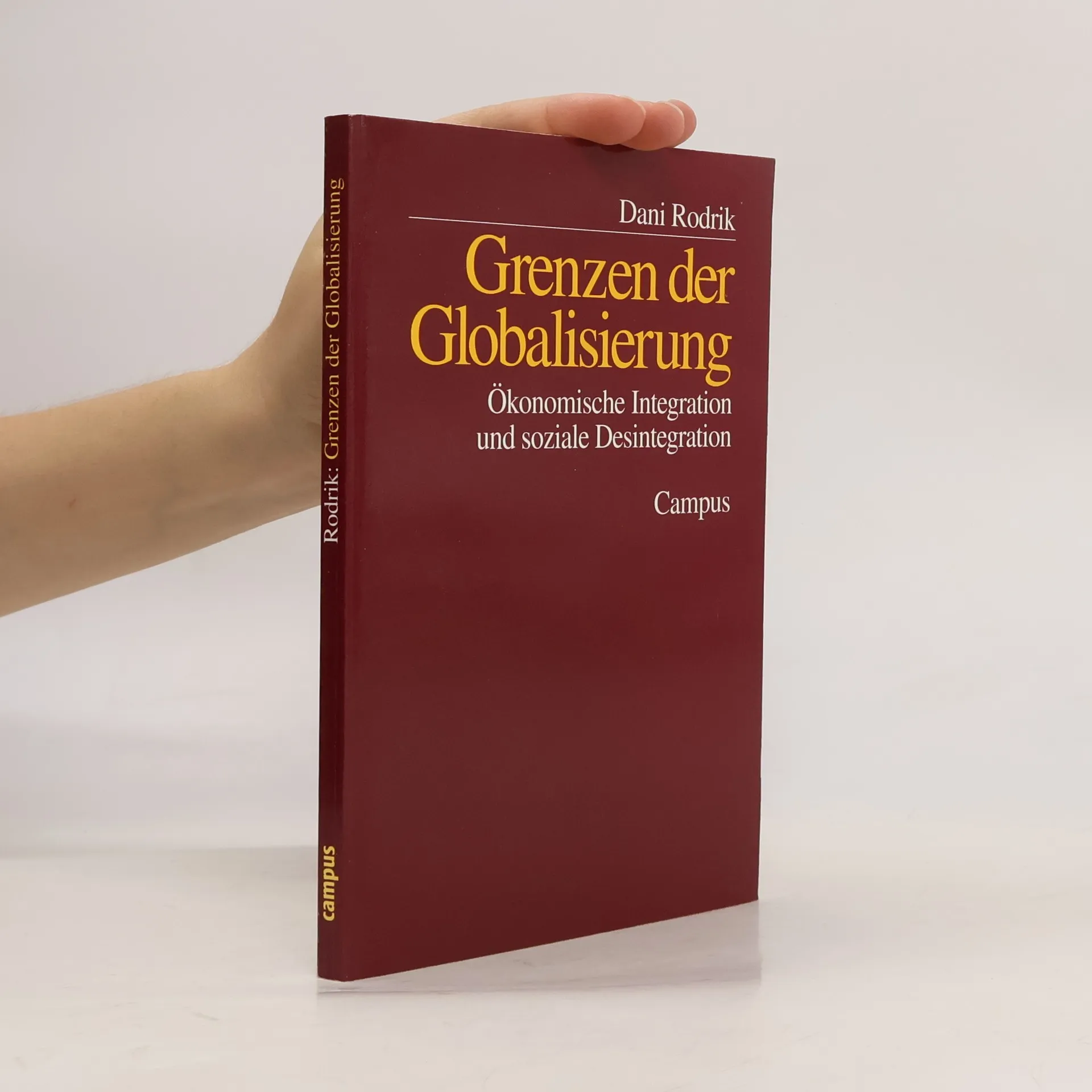
Grenzen der Globalisierung
- 133 stránek
- 5 hodin čtení
Dani Rodrik, Professor für Internationale Wirtschaft an der Harvard University, stellt zwei Kernfragen: Führt die Globalisierung zur Desintegration nationaler Gesellschaften? Wie können Regierungen die Folgen auffangen? Der Autor kritisiert sowohl die reflexartige Verdammung der Globalisierung, die meist auf ein mangelndes Verständnis der Vorteile und Risiken internationalen Handels zurückgeht, als auch die Ausblendung ihrer sozialen Folgen. Im Mittelpunkt der Studie steht die Untersuchung der Auswirkungen auf Arbeitsbeziehungen und Beschäftigung, soziale Institutionen und Wertesysteme sowie die Systeme der sozialen Sicherung.