Anna Reid Pořadí knih (chronologicky)
Anna píše knihy, které v člověku vyvolávají srdcervoucí pocity, a nutí čtenáře vystoupit ze své komfortní zóny a zpochybnit vše, co si dosud mysleli. Její díla jsou plná nejednoznačné, napjaté a úchvatné romantiky, která vás donutí přemýšlet. Když zrovna nepíše, nachází se buď při čtení, sledování dramatického seriálu, nebo plánování své další knihy.

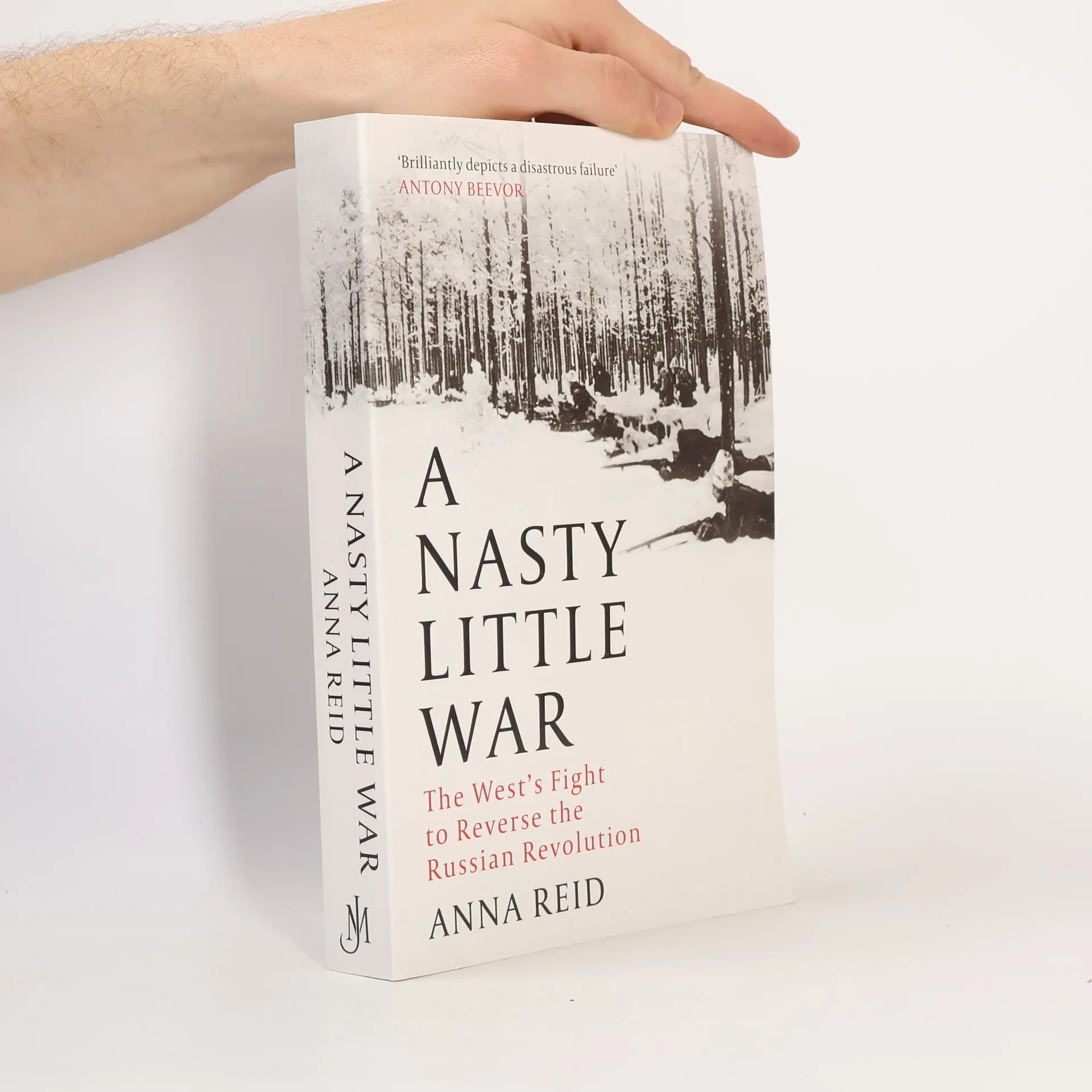
A Nasty Little War
- 366 stránek
- 13 hodin čtení
The astonishing untold history of the Western invasion of Soviet Russia - and the tragedy it created.[Bokinfo].
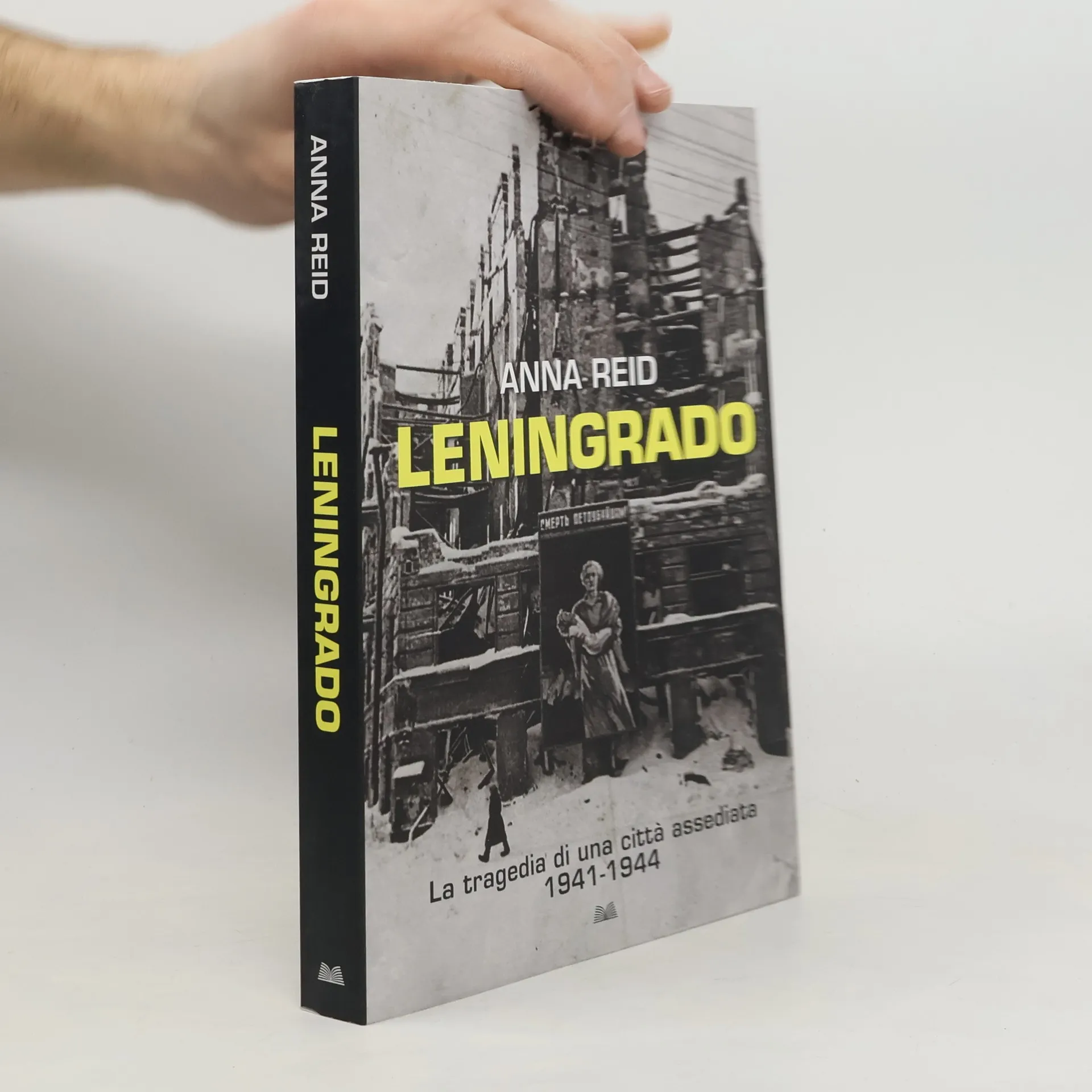
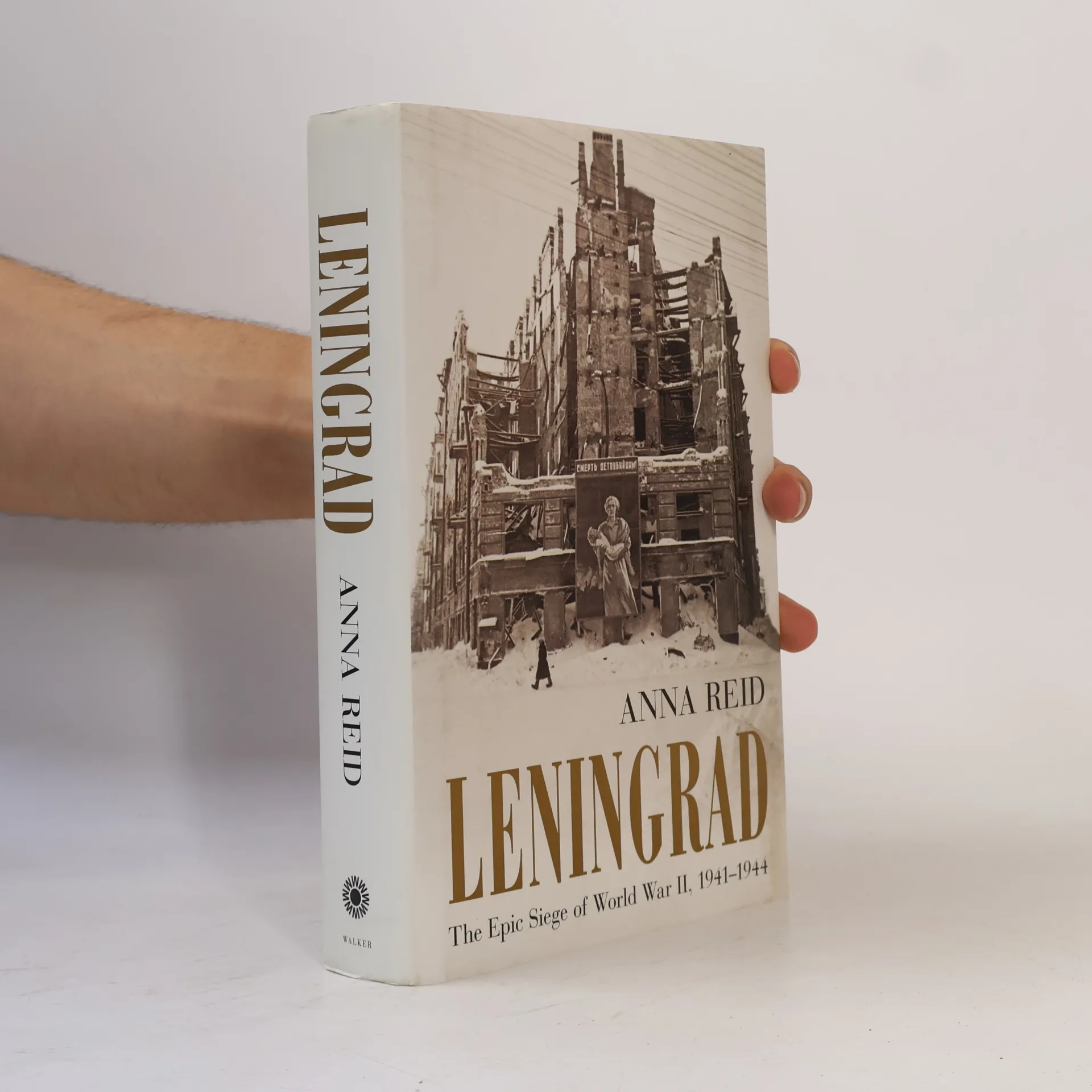
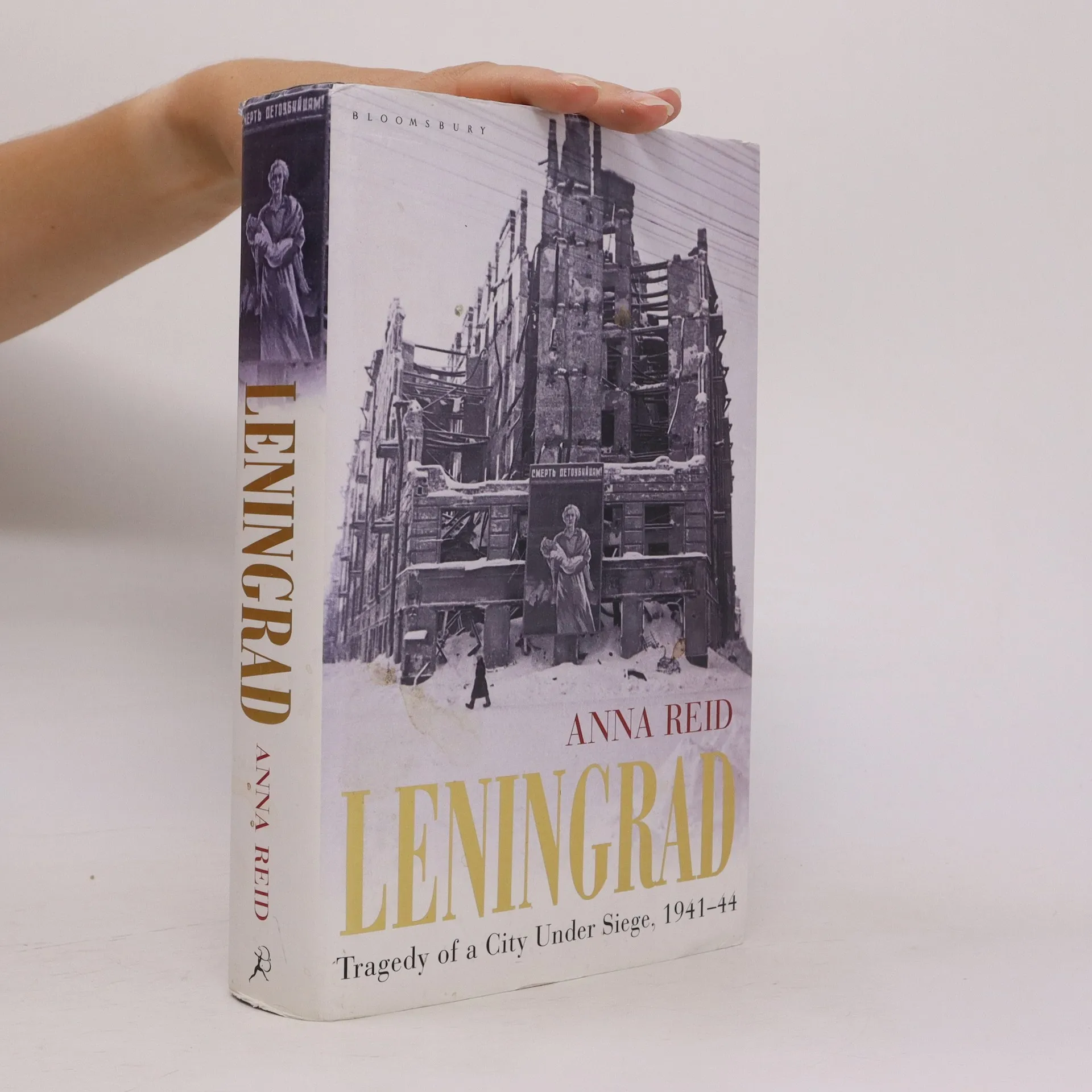
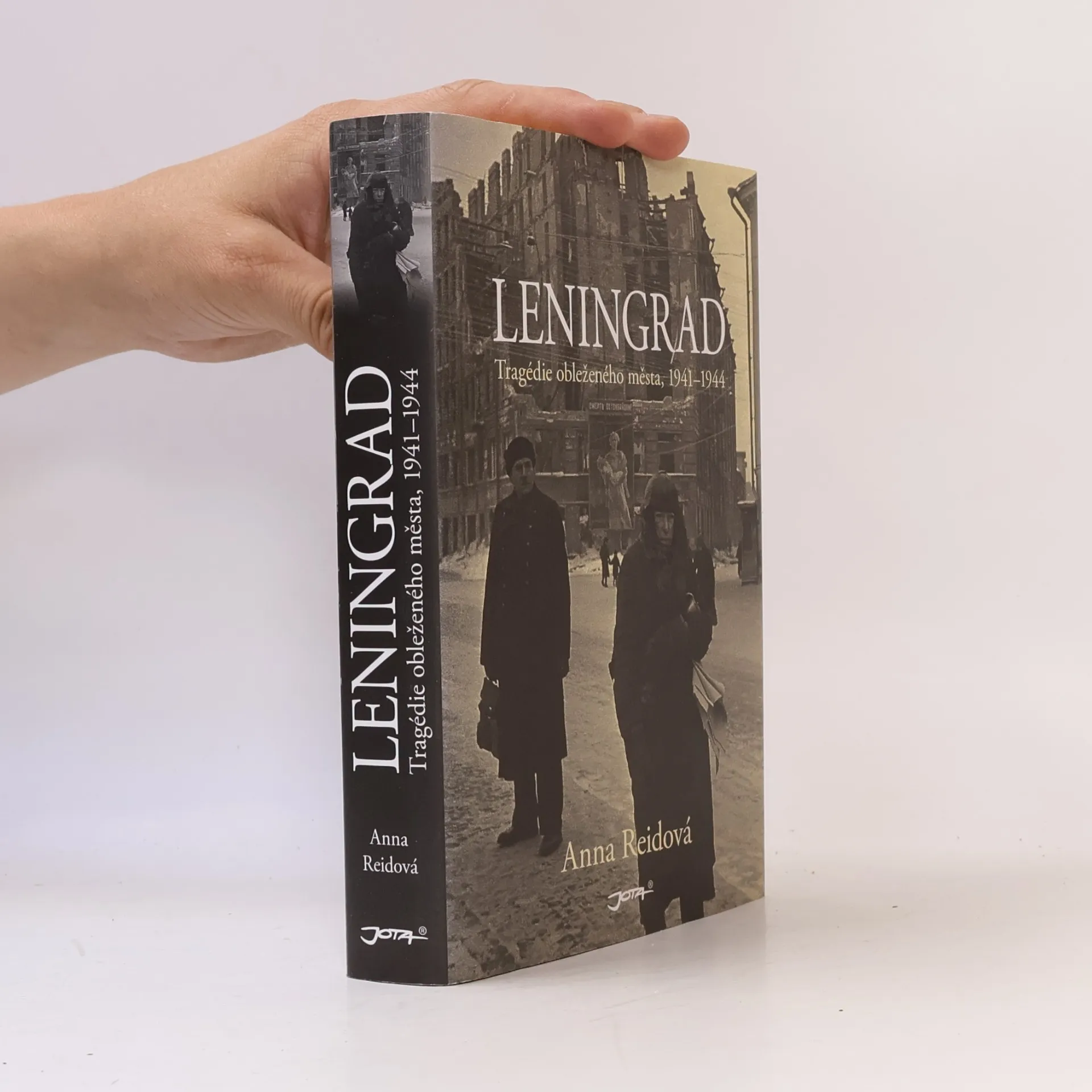
Leningrad : tragedy of a city under siege, 1941-44
- 492 stránek
- 18 hodin čtení
On 8 September 1941, 11 weeks after Hitler launched Operation Barbarossa, Leningrad was surrounded. The siege would not end for 2 and a half years and as many as 2 million Soviet lives would be lost. This narrative history is interwoven with personal stories of daily siege life drawn from diarists and memoirists on both sides
Osmého září 1941, krátce po zahájení operace Barbarossa, byl Leningrad obklíčen. Obležení trvalo dva a půl roku, během kterého zahynuly dva miliony lidí. Autorka v knize podrobně popisuje blokádu a její příčiny, přičemž čerpá z rozhovorů s pamětníky, deníkových zápisků účastníků bojů a oficiálních dokumentů. Nově otevřené sovětské archivy jí umožňují odhalit realitu města, kterou dlouho zakrývala propaganda. Obyvatelé, kteří zažívali neuvěřitelné útrapy, se museli pohybovat po zamrzlých ulicích a schodech a čelili extrémním podmínkám. Základními potřebami byly sáňky, kamínka a lampy. V obleženém městě docházelo k rabování, vraždám a kanibalismu, ale také k neobyčejné statečnosti a sebeobětování. Autorka se zabývá otázkami týkajícími se vedení města, jeho krutosti a nekompetentnosti, blízkosti pádu do německých rukou, role Stalina a Moskvy a důvodů, proč město nikdy nebylo dobyto. Zkoumá, co rozhodovalo o přežití a jak lidé dokázali čelit nesmírným útrapám.
On September 8, 1941, just weeks after Hitler's surprise attack on the Soviet Union, Leningrad was besieged for two and a half years, resulting in the death of approximately three-quarters of a million residents from starvation. This gripping narrative history captures this pivotal moment, interweaving personal accounts from diarists on both sides. These accounts reveal the Nazis' intent to starve the city into submission, Hitler's grave miscalculations, and the Soviet leadership's incompetence and cruelty. The text details the harrowing experiences of soldiers and civilians alike, highlighting the desperate search for food and water, the erosion of family ties, and the grim realities of looting, murder, and cannibalism, contrasted with acts of extraordinary bravery and self-sacrifice. By dismantling decades of Soviet propaganda and utilizing newly accessible diaries and government records, the narrative addresses critical questions: Was Stalin as culpable for the death toll as Hitler? Why did the Germans fail to seize the city? What prevented it from descending into chaos? This work is notable for its originality and literary quality, giving a voice to those who suffered and aiming to rival other significant historical accounts in its impact.
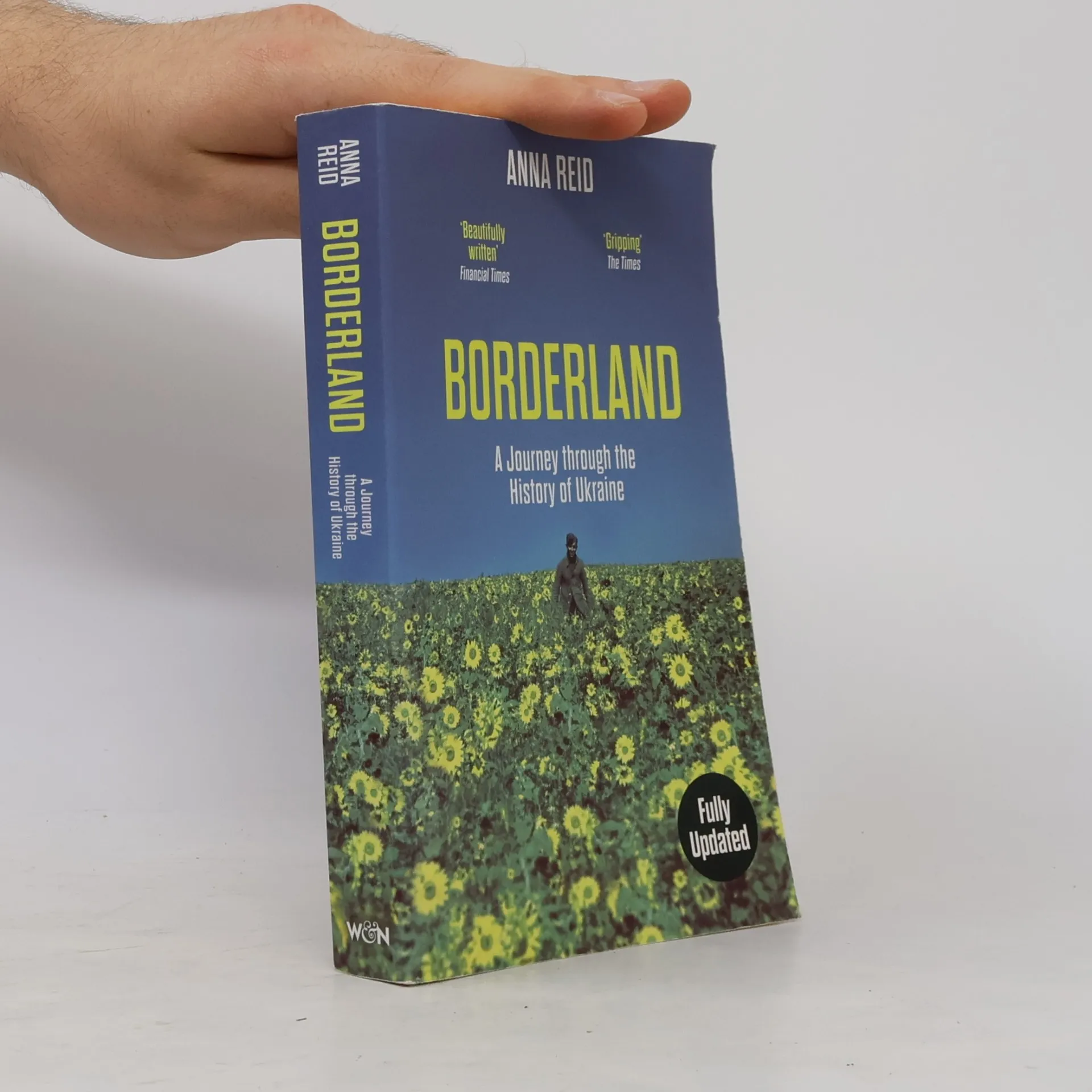
Borderland
- 367 stránek
- 13 hodin čtení
A classic and vivid history of Ukraine 'Gripping history' The Times'Beautifully written and lovingly researched' Daily Telegraph
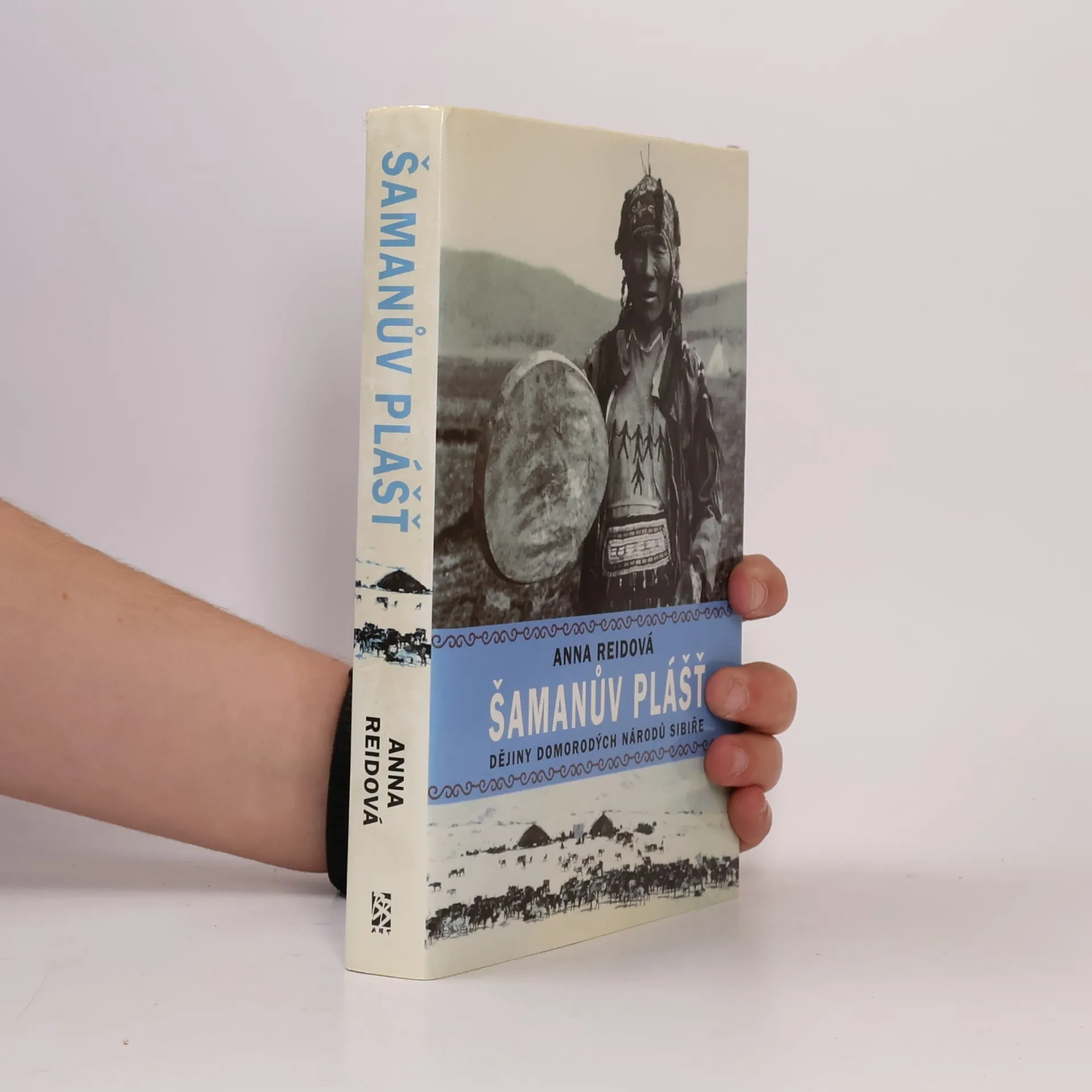
Šamanův plášť: dějiny domorodých národů Sibiře
- 233 stránek
- 9 hodin čtení
Kniha Šamanův plášť je hlubokou sondou do života sibiřských domorodců, kteří se potýkají s historickými tragédiemi a současnými výzvami. V sedmnáctém století byli porobeni kozáky a ruskou vládou, což vedlo k jejich nevolnictví a devastujícím epidemiím. I přes tyto útrapy se domorodí Sibiřané, dnes přes milion, drží svých tradic, jako je šamanismus a buddhismus, a usilují o práva na své bohaté území, které obsahuje ropu a diamanty. Mnoho lidí na Západě však o jejich existenci nemá ani ponětí. Kniha čerpá z širokého spektra pramenů, včetně lidových pověstí, zpráv KGB a rozhovorů s mnichy, šamany a etnografy, kteří přežili vyhnanství. Čtenář prochází čtyřmi sty lety sibiřských dějin, od kozáckých nájezdů po současný boj za práva domorodců proti rozvoji ropného průmyslu. Cestuje napříč rozlehlou zemí, od mongolských jurt po arktické velrybářské stanice. Výsledkem je živý portrét národů, které patří k nejpozoruhodnějším a nejohroženějším na světě, a připomínka, že Rusko, i když ztratilo své středoevropské impérium, stále vlastní své asijské území.