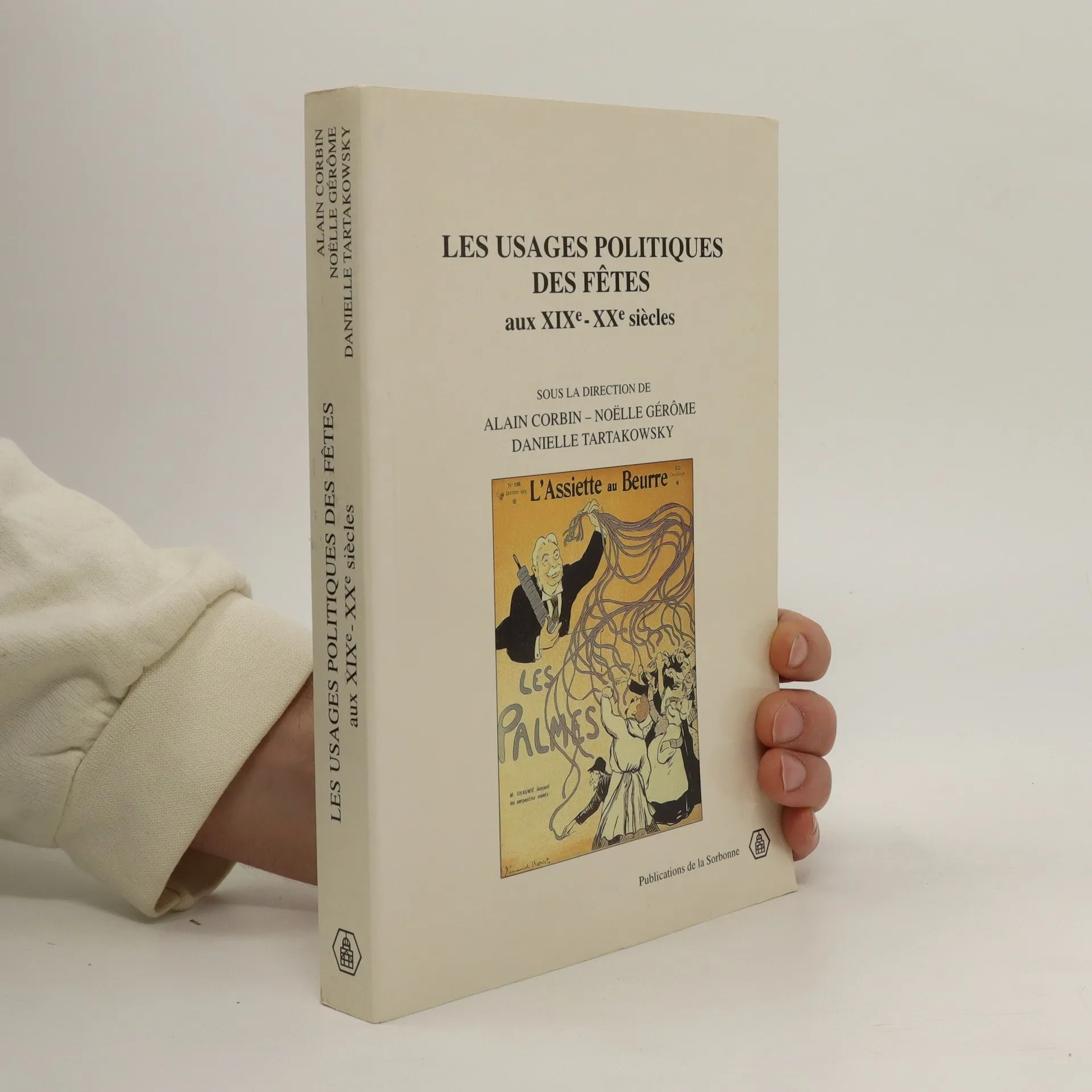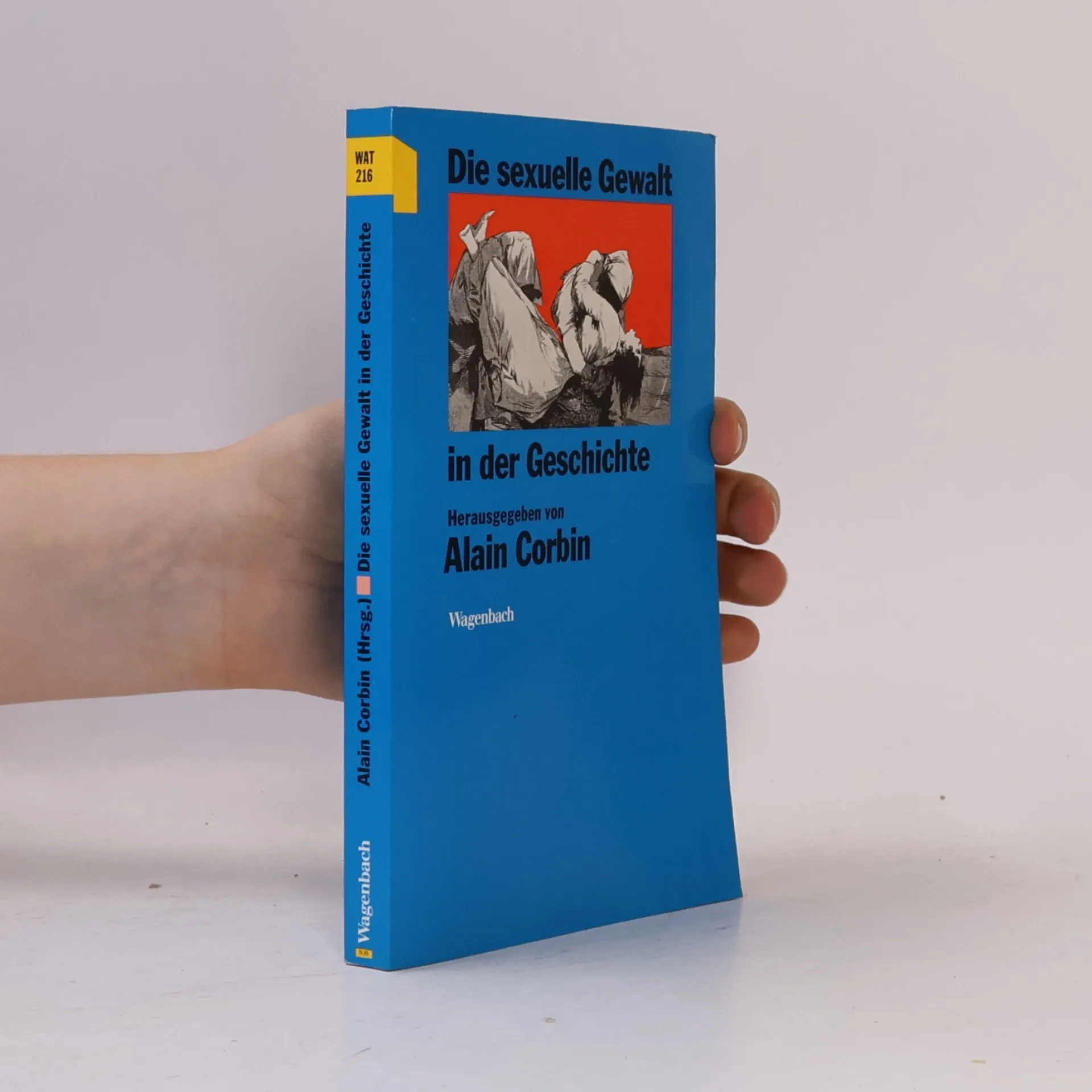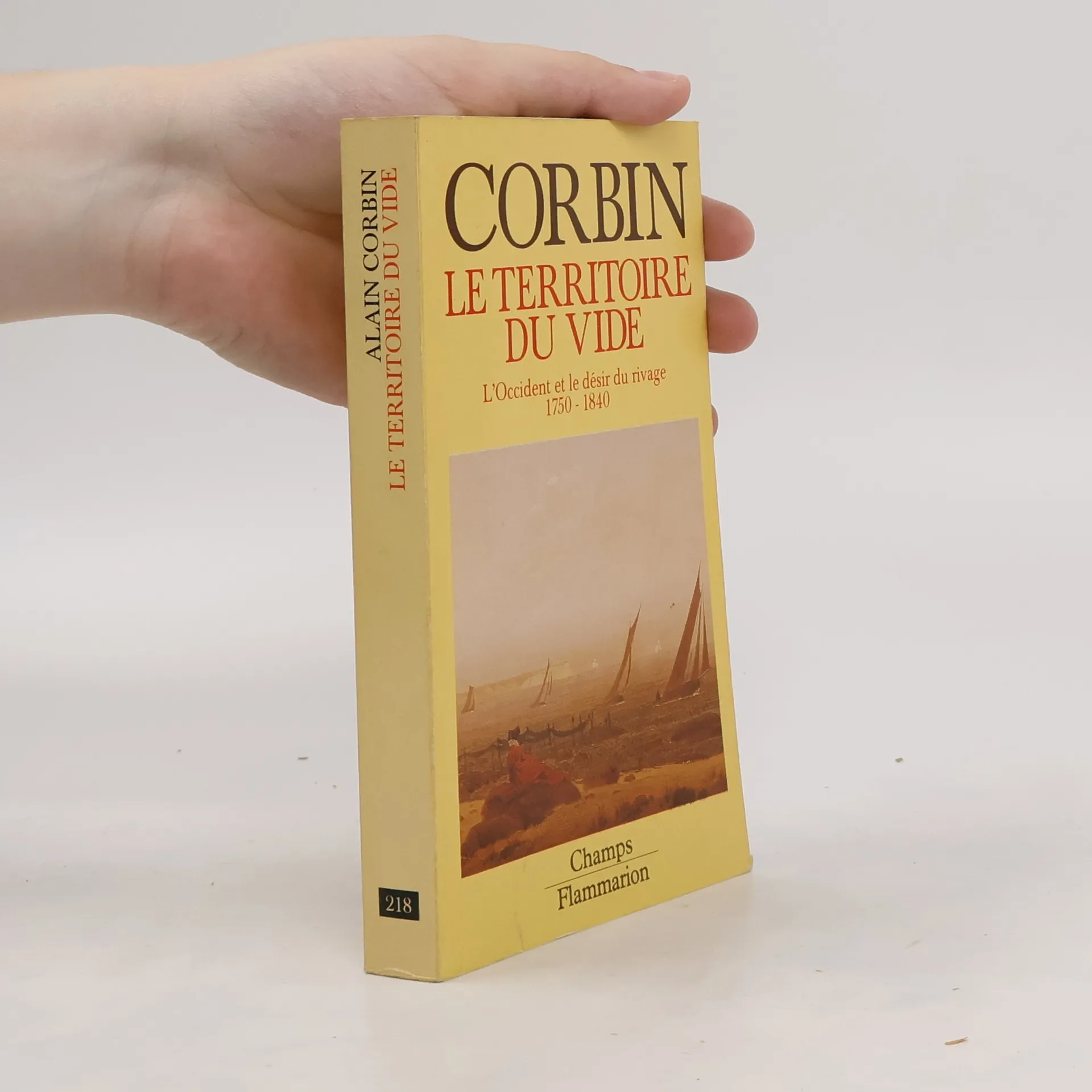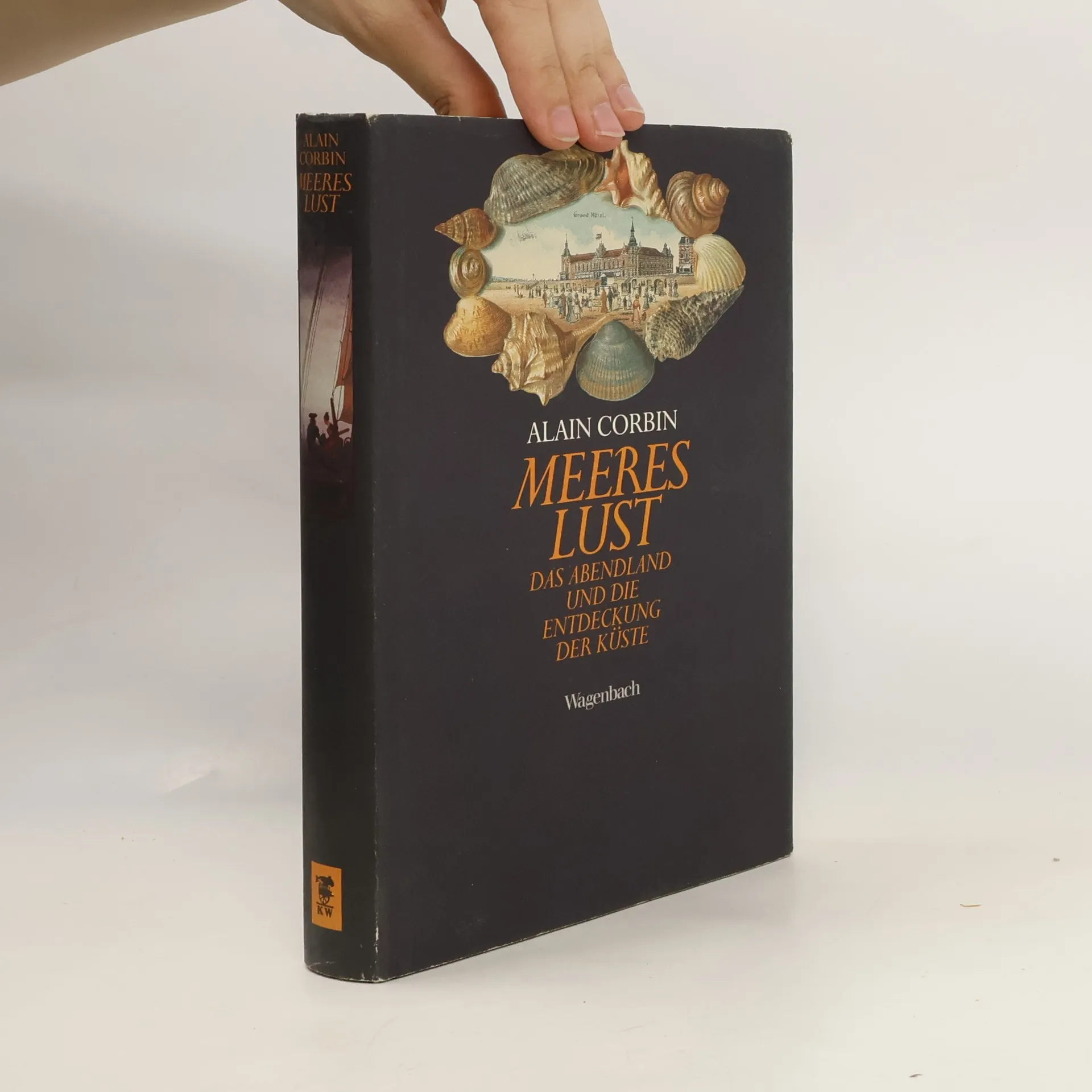
Rest occupies a space outside of sleep and alertness: it is a form of recuperation but also of preparation for what is to come, and is a need felt by human and animal alike. Through the centuries, different and conflicting definitions and forms of rest have blossomed, ranging from heavenly repose to what is prescribed for the modern affliction of burn-out. What has remained constant is its importance: long the subject of art and literature, everyone understands the need not to disturb the aimless, languishing, daydreaming Lotus-eater. Not viewed simply as an antidote for fatigue, for a long time rest was seen as the prelude to eternal life, until everything changed in the nineteenth century and society entered the great ‘age of rest’. At this point, the renowned French historian Alain Corbin explains, rest took on new therapeutic and leisurely qualities, embodied by the new types of human that emerged. The modern epicurean frolicked on beaches and soaked up the rays, while melancholics were rejuvenated in pristine sanatoria, the new temples of rest. Paid holidays and a widespread acceptance of the need to build up the strength sapped during work followed, while the 1950s became the decade of ‘sea, sex and sun’. This new book, as original as Corbin’s other histories of neglected aspects of human life, pans the long evolution of rest in a highly readable and engaging style.
Alain Corbin Pořadí knih
Alain Corbin je francouzský historik, specializující se na 19. století ve Francii. Jeho dílo, vyškolené v tradici Annales, se odklání od rozsáhlých kolektivních struktur směrem k historii citlivosti a mentalit. Corbin zkoumá historie témat jako mužská touha a prostituce, smyslové vnímání pachů a zvuků, a také mimořádné události, jako bylo upálení mladého šlechtice v roce 1870.


- 2024
- 2023
Himmelsbesen und Höllentäler
Eine Kulturgeschichte des Windes
Alain Corbin, der große Historiker der Sinneswahrnehmungen, schreibt mit dieser Kulturgeschichte des Windes seine Gedanken zur Herausbildung moderner Wetterfühligkeit fort. In einem elegant geschriebenen Text verarbeitet er zahlreiche Zeugnisse von der Antike bis in die Gegenwart, wobei es ihm um die Erfahrung des erlebten Wetters geht: In einer Verschmelzung mit erhabenen Naturereignissen gerät das Subjekt zu einem meteorologischen Ich, das die Unbeständigkeit der Winde als Spiegel seines wechselhaften Daseins deutet. Dabei erweist sich der Wind als äußerst ambivalent: Als laue Brise, die leise singt, murmelt und streichelt, wird der Frühlingswind zur Chiffre für erotisches Begehren, wogegen der raue Nordwind heult, peitscht und zerstört, sodass ihn auch die Moderne noch oft metaphysisch interpretiert als ein göttliches Instrument der Strafe. Zudem versinnbildlicht der Wind den Atemhauch des Universums und die Beziehung zwischen atmosphärischer Luftzirkulation und menschlicher Atmung. So gilt ein beständiger Luftzug als reinigendes Mittel gegen aus der Erde aufsteigende giftige Dünste und soll ein Gleichgewicht zwischen der Nutzung guter und der Bezwingung schlechter Wetterphänomene herstellen, welche als Widersacher des Menschen erscheinen.
- 2022
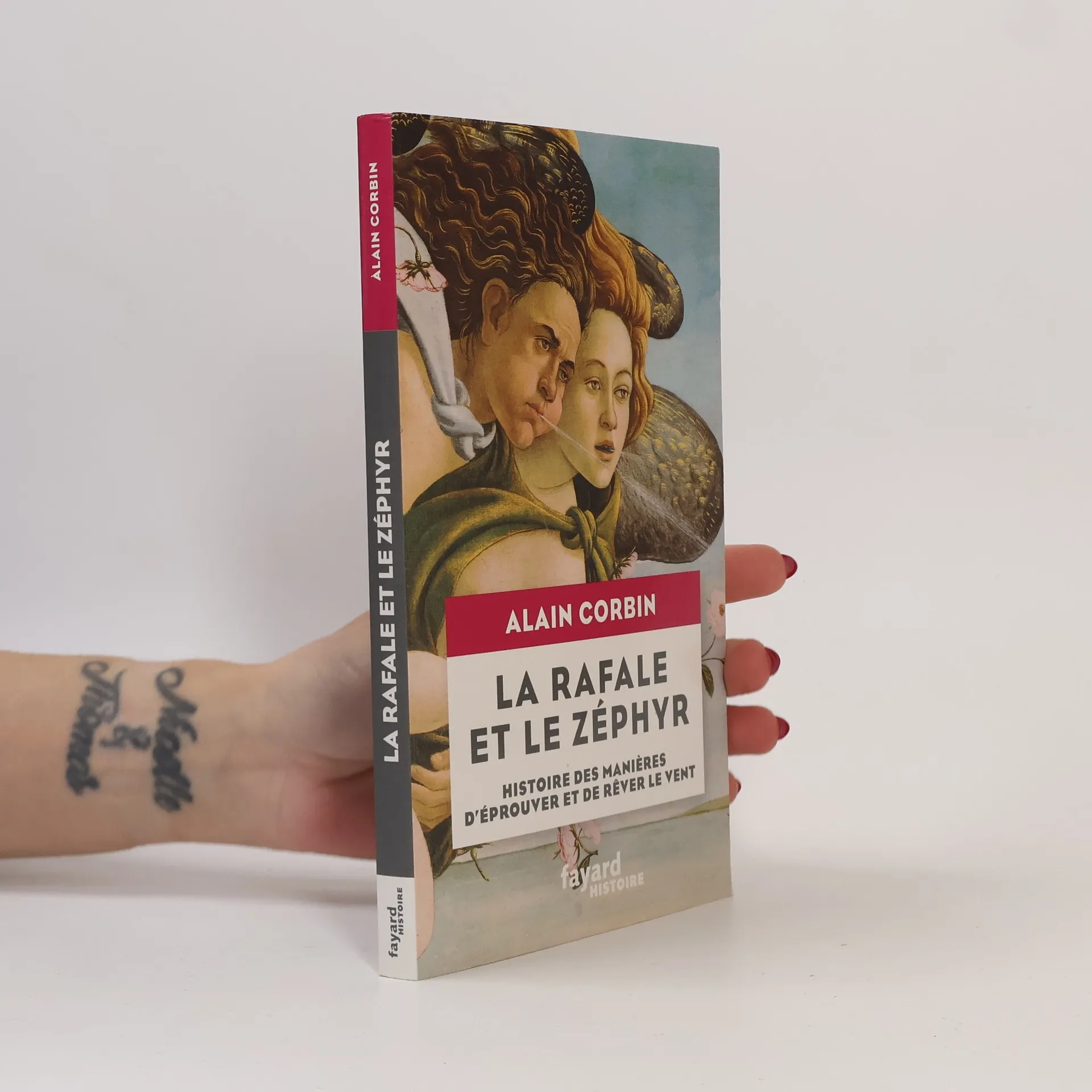
Everyone knows the wind’s touch, its presence, its force. Sometimes it roars and howls, at other times we hear its wistful sighs and feel its soothing caresses. Since antiquity, humans have borne witness to the wind and relied on it to navigate the seas. And yet, despite its presence at the heart of human experience, the wind has evaded scrutiny in our chronicles of the past. In this brilliantly original volume, Alain Corbin sets out to illuminate the wind’s storied history. He shows how, before the nineteenth century, the noisy emptiness of wind was experienced and described only according to the sensations it provoked. Imagery of the wind featured prominently in literature, from the ancient Greek epics through the Renaissance and romanticism to the modern era, but little was known about where the wind came from and where it went. It was only in the late eighteenth century, with the discovery of the composition of air, that scientists began to understand the nature of wind and its trajectories. From that point on, our understanding of the wind was shaped by meteorology, which mapped the flows of winds and currents around the globe. But while science has enabled us to understand the wind and, in some respects, to harness it, the wind has lost nothing of its mysterious force. It still has the power to destroy, and in the wind’s ethereal presence we can still feel its connection with creation and death.
- 2022
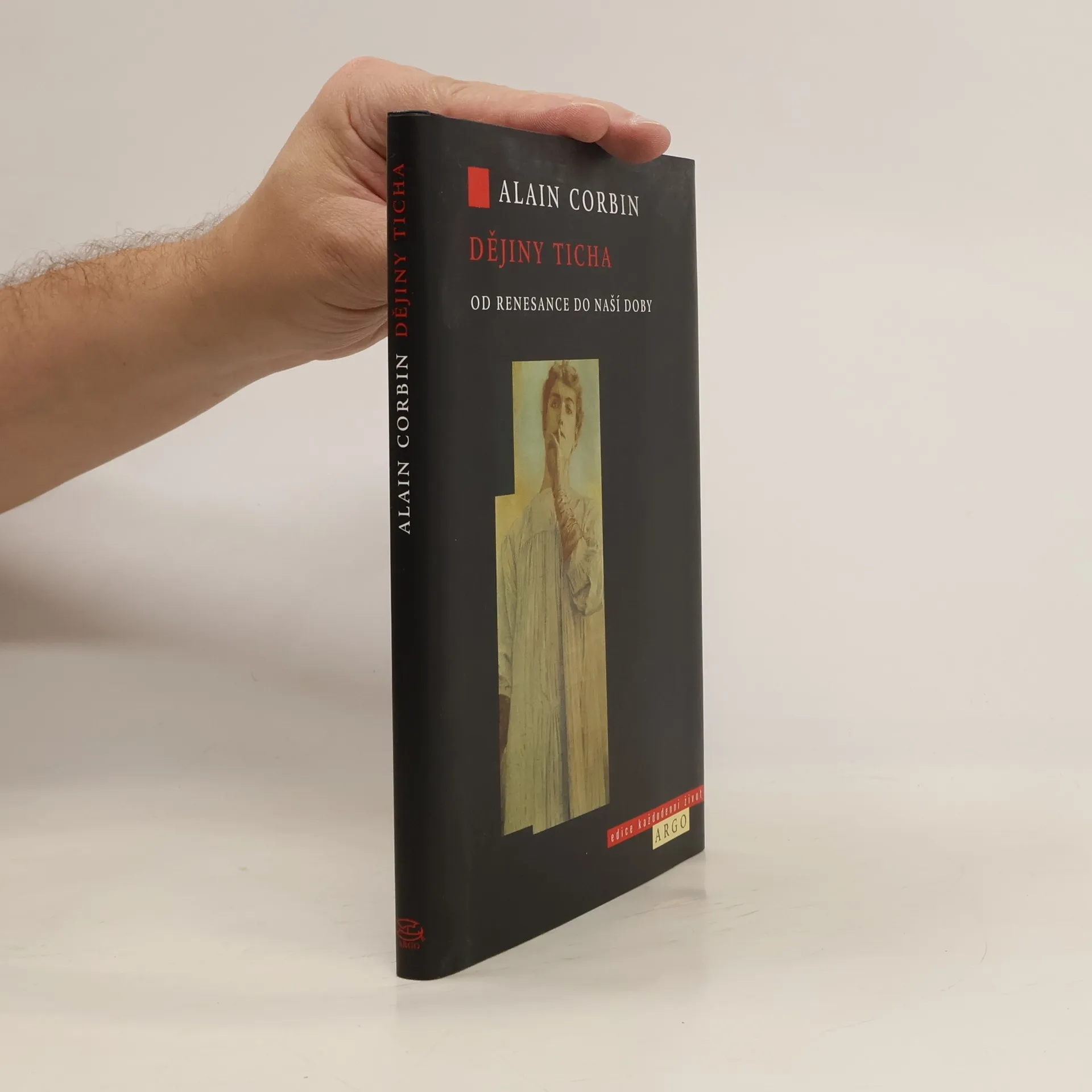
Dějiny ticha : od renesance do naší doby
- 122 stránek
- 5 hodin čtení
Dějiny ticha reprezentují prozatím poslední Corbinovu knihu (francouzsky vyšla v roce 2016). Jejím tématem jsou proměny smyslového vnímání mezi 19. a 20. stoletím, resp. jejich reflexe v dobové literatuře, sociologii a filozofii. Autor v Dějinách ticha staví do kontrastu naši současnost, především městských prostorů, přetížených hlukem a neustálým mediálním bombardováním, vůči světu 19. století, v němž bylo ještě místo pro vnitřní ticho a naslouchání. Ticho přitom Corbin chápe jako sociální konstrukt, jenž došel v minulých dvou staletích výrazných proměn, a to především směrem ke ztrátě vnitřního já a k odosobnění. Ticho se v jeho pohledu stalo vzácností, jehož hodnotu už ani neumíme ocenit. Ztráta ticha pro něj reprezentuje jednu z podob civilizačního procesu.
- 2020
- 2020
W żadnym innym stuleciu ciało ludzkie nie doświadczyło takich zmian. To w wieku XX zmienił się związek pomiędzy zdrowiem a chorobą, pomiędzy ciałem zgodnym z normami a ciałem niefunkcjonującym prawidłowo, pomiędzy życiem a śmiercią w zmedykalizowanym społeczeństwie. Autorzy trzeciego tomu monumentalnej i bogato ilustrowanej Historii ciałaprzyglądają się również ciału w masowym dobrobycie i ciału poddanemu masowej przemocy i eksterminacji. Ciału wyzwolonemu z rygorów religii i moralności oraz ciału sprowadzonemu do rangi przedmiotu. W konsekwencji pada pytanie o istotę człowieczeństwa w społeczeństwie, w którym zaciera się granica między ciałem fizycznym i wirtualnym: Czy moje ciało nadal jest moim ciałem?
- 2011
Les conférences de Morterolles
- 197 stránek
- 7 hodin čtení
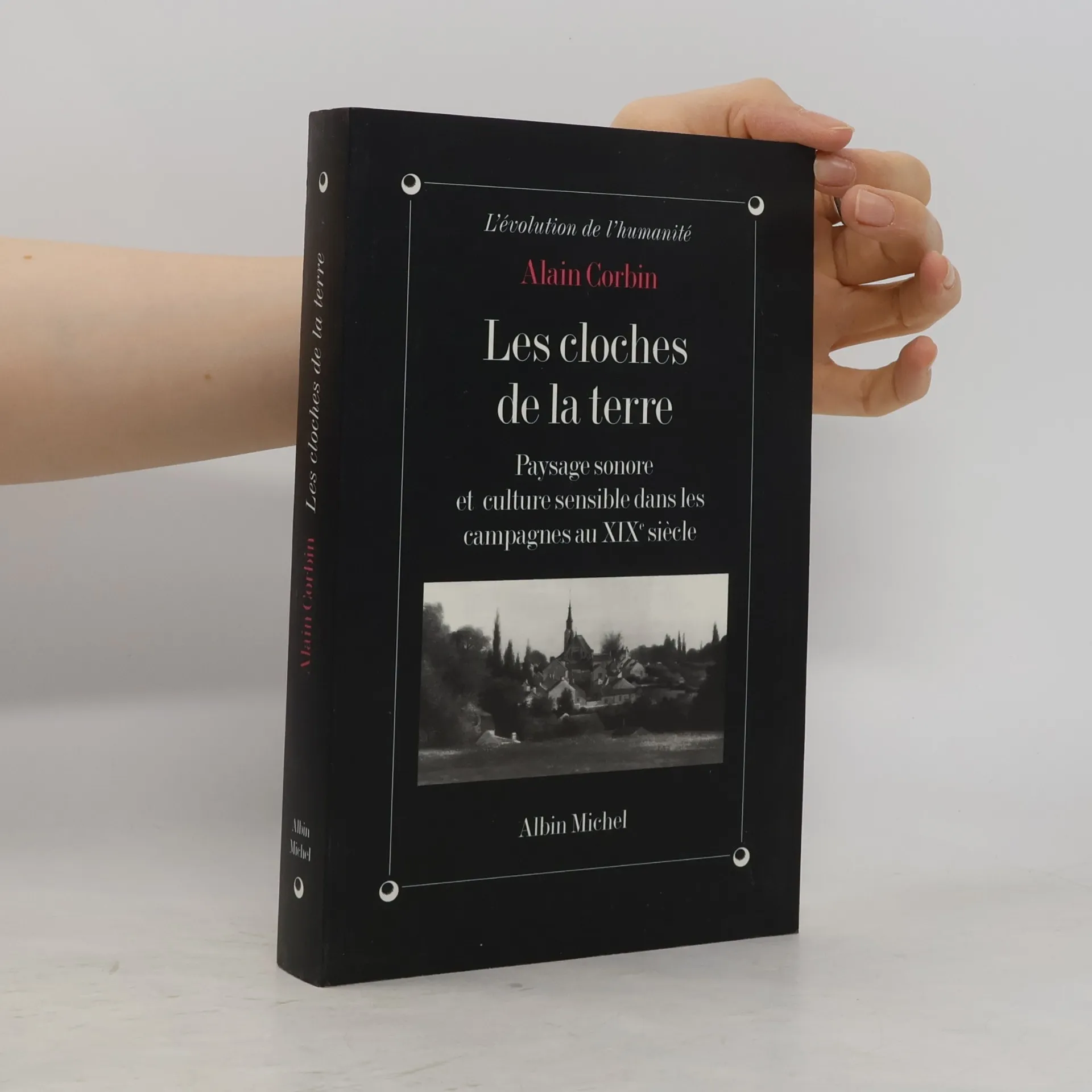
"M. Beaumord était un instituteur zélé. Devançant un désir à peine formulé par ses supérieurs, il a, durant l'hiver 1895-1896, donné dans son école de Morterolles, petit village de la Haute-Vienne de 643 âmes, une série de dix conférences destinées aux adultes. M. Beaumord était un instituteur talentueux. À l'évidence, il passionnait son auditoire. Près d'une moitié des hommes et d'un quart des femmes de la commune sont venus l'entendre, sans que leur désir faiblisse au cours de cet hiver. M. Beaumord était un instituteur vaniteux ; sinon, il n'aurait pas éprouvé le besoin de publier, dans Le Nouvelliste de Bellac, les thèmes de ses dix conférences et l'effectif masculin et féminin de chacun de ses auditoires. Cela dit, M. Beaumord n'est pas l'objet de ce livre. Grâce à lui, nous pouvons tenter d'imaginer l'appétit de savoir qui poussait des cohortes obscures à venir l'entendre, dans les nuits froides de l'hiver." Au terme d'un minutieux travail d'archives, Alain Corbin redonne vie à un cycle de conférences oubliées depuis plus d'un siècle. Partant sur les traces de l'orateur et de son auditoire, il reconstitue, pas à pas, ces soirées d'hiver où tout un village prenait le chemin de l'école pour s'instruire. En prêtant sa voix à un instituteur de la IIIe République, l'historien nous fait entendre l'écho d'un monde disparu.
- 2011
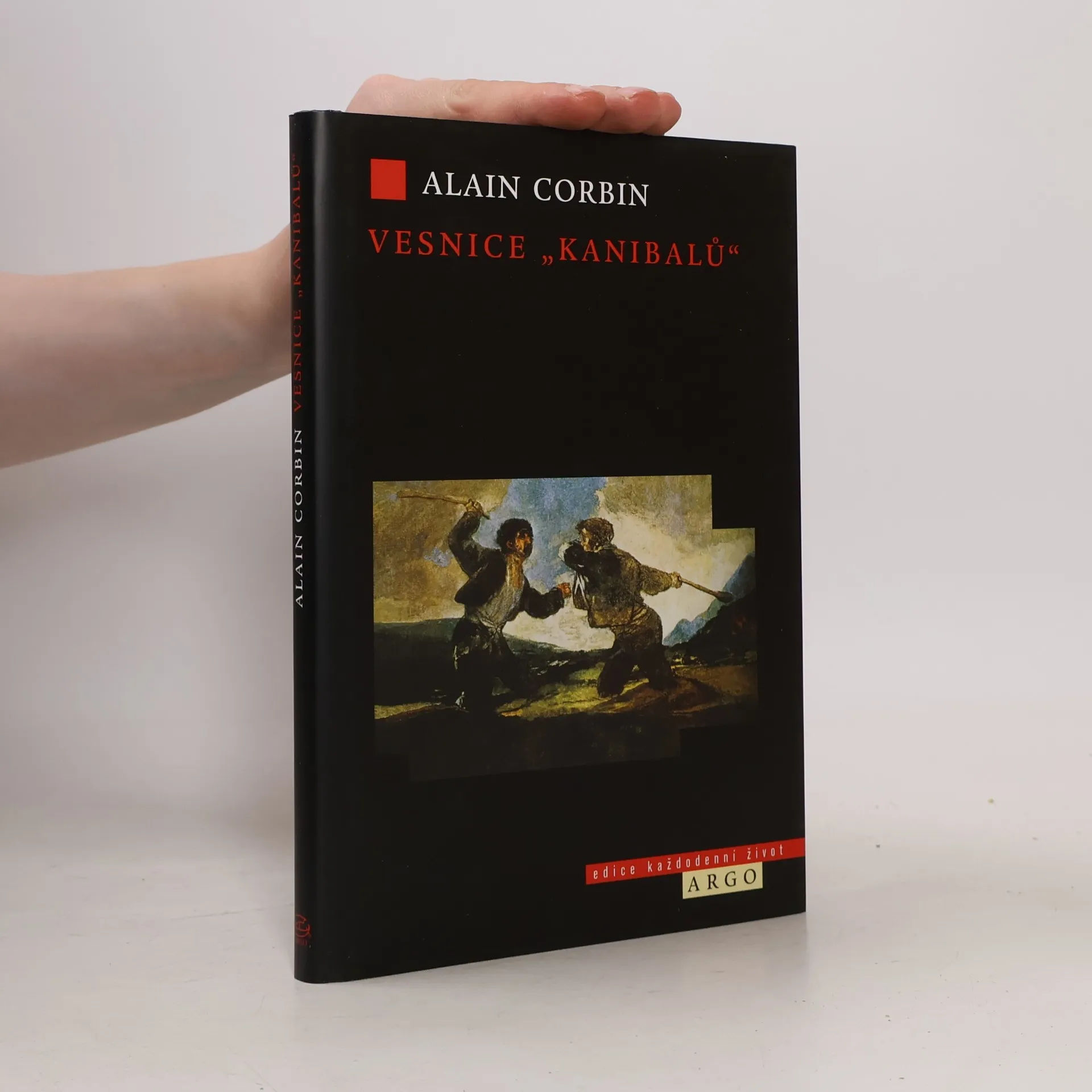
Vesnice "kanibalů"
- 153 stránek
- 6 hodin čtení
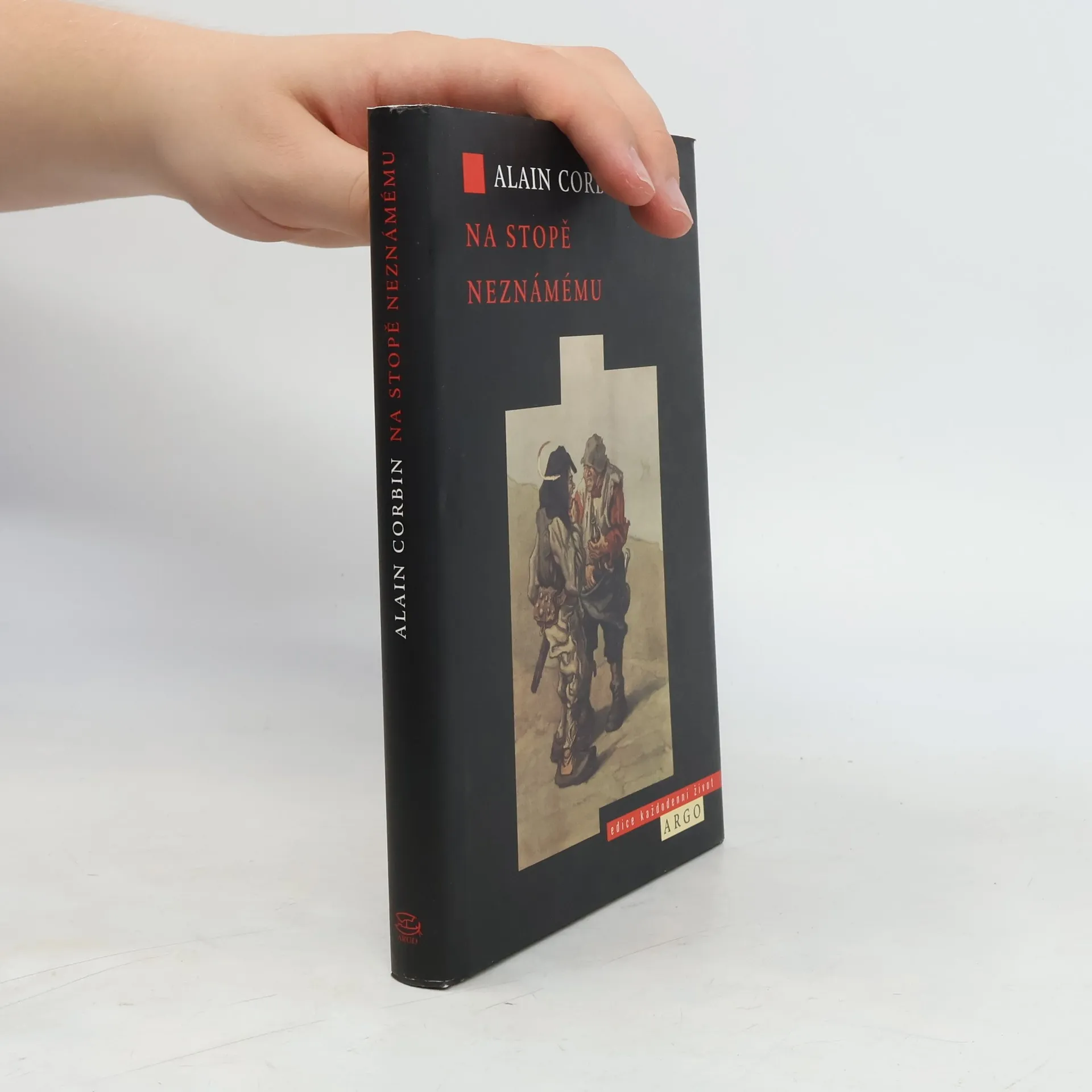
V srpnu 1870, ve vesničce Hautefaye, v kraji Dordogne byl během dvou hodin odsouzen jistý mladý šlechtic a pak zaživa upálen za přítomnosti několika set osob, které jej obviňovali, že vykřikoval: „Ať žije republika!“ Účastníci těchto událostí se později holedbali tím, že si dali „pečínku z Prušáka“. Zanedlouho poté, v roce 1871, tuto událost republikánský novinář Charles Ponsac označil za nejhorší zločin v dějinách kriminalistiky a přisoudil mu politický charakter. Známý francouzský historik Alain Corbin v mistrovsky vyprávěné studii postupuje jako skutečný vyšetřovatel tohoto záhadného a podivného masakru. Nastiňuje politické klima roku 1870 a ukazuje, jak příval zpráv i polopravdivých fám o válečných neúspěších Francie v jejím konfliktu s Pruskem, naivita politické reprezentace, touha po návratu starého režimu i prožitá strádání dovedly venkovské obyvatelstvo k tomu, že se uchýlilo k takovým projevům nepochopitelné a nevýslovné krutosti.
- 2006
Znovuzrození L. F. Pinagota. První mikrohistorická práce o dějinách 19. století. A. Corbin v ní rekonstruuje svět obyčejného měšťana, žijícího na pařížské periferii, jenž nijak nezasáhl do velký dějin a jehož život je podle autora typickým pro anonymní masy milionů lidí z nižších sociálních vrstev společnosti. Corbin si hrdinu pro tuto „ideální biografii“ vyvolil náhodně, a tomu odpovídá i obsah knihy. Pinagotův osobní život, zdokumentovaný úředními zápisy, konfrontuje autor s životem světa, do něhož Pinagot patřil a který ovlivňoval jeho každodenní konání a myšlení.
- 2004
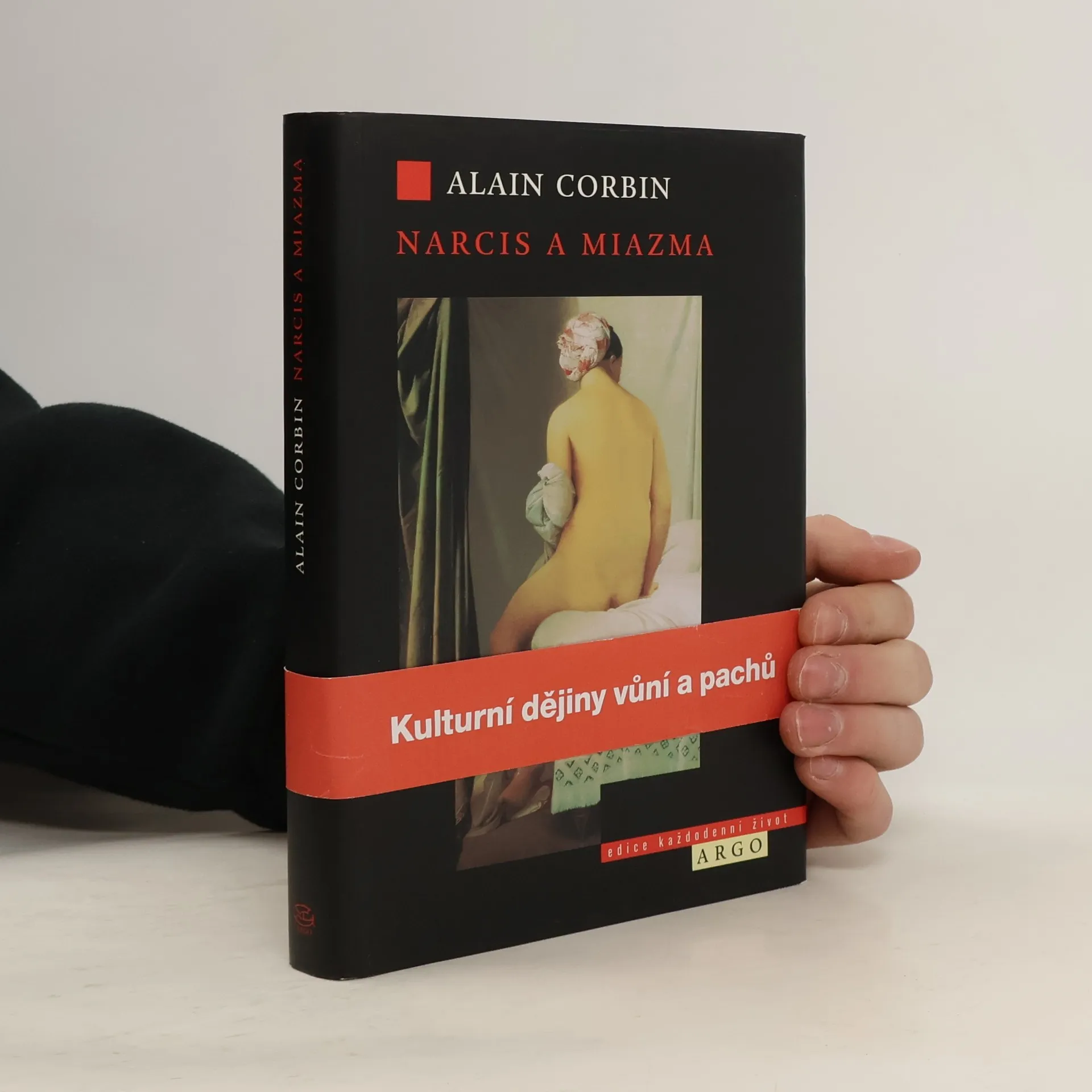
Podtitul: Pach a společenské představy 18. a 19. století Francouzský historik Alain Corbin dokázal jako jeden z prvních aplikovat metodické postupy školy Annales na moderní společnost 18. a 19. století. Jeho prozatím nejuznávanější práce je věnována zdánlivě odtažitému tématu – dějinám pachů. Právě na dějinách užívání lidských smyslů, na vztahu k vlastnímu okolí však zachycuje velké civilizační změny, k němž docházelo v různých sociálních prostředích. Původně téměř homogenní společnost se totiž podle jeho názoru začíná pod vlivem nových hygienických zvyklostí, užívání parfémů či naopak nových druhů kanálů a záchodů radikálně měnit a „čistí“ se stávají citliví, až přecitlivělí k masám „špinavých“. Flaubert nemůže spát, protože se nadýchal pachu dělníků – v této zkratce se odrážejí nové postoje elit, jež se začínají štítit a stranit spodiny. V souvislosti s tím se dle Corbina mohutně rozvíjí narcisismus, neurotické představy a nový význam získávají i pojmy jako delikátnost, soukromý prostor a komfort.