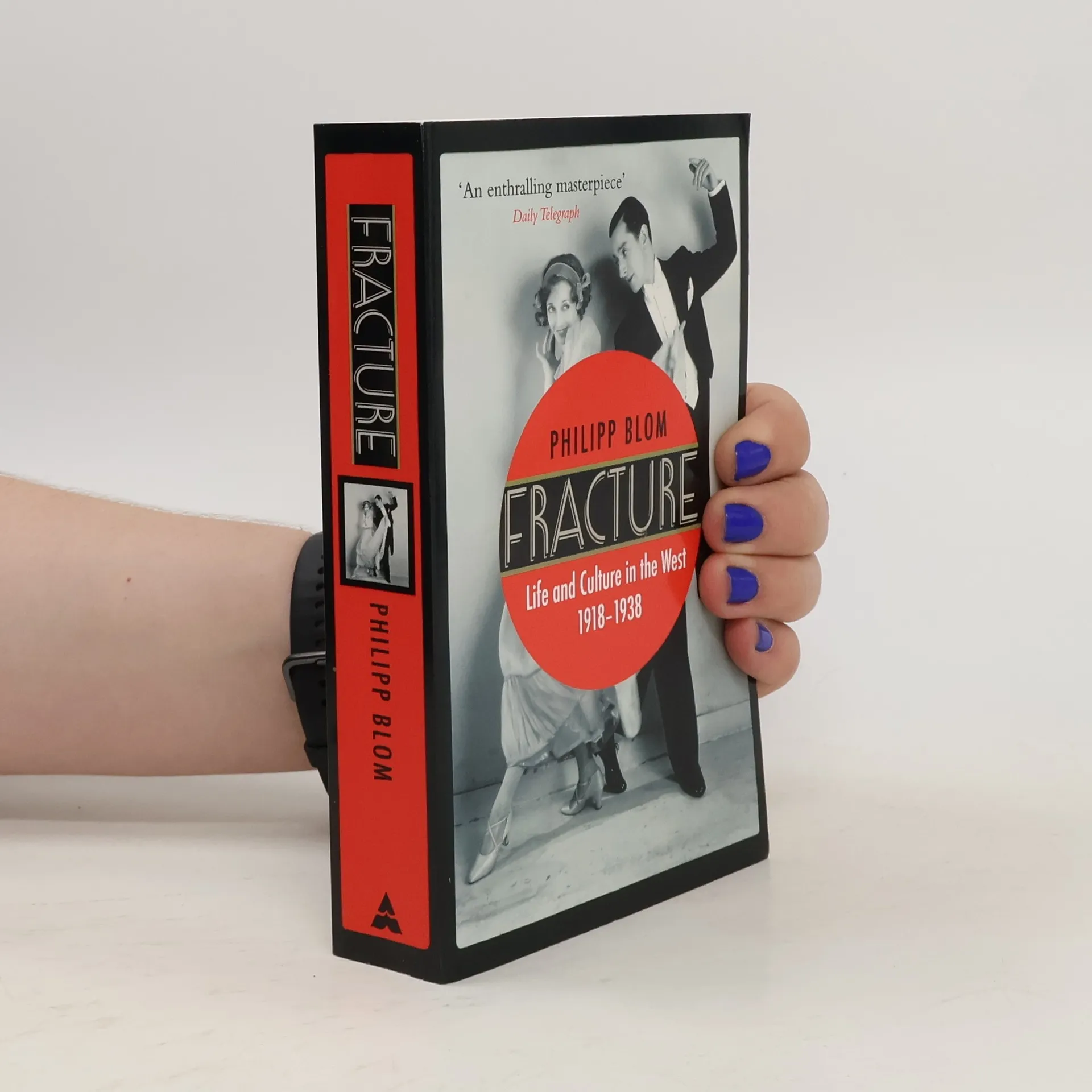
"The award-winning author of The Vertigo Years argues that in the aftermath of World War I, Western culture redirected energies into hedonistic, aesthetic and intellectual adventures of self-discovery in ways that triggered world-changing innovations."--Source inconnue.
Philipp Blom Knihy
1. leden 1970
Philipp Blom je německý romanopisec, který se zaměřuje na propojování intelektuální historie s moderní kulturou. Jeho dílo zkoumá, jak se minulé myšlenky a sběratelské vášně formují v současném světě. Blom propojuje historickou hloubku s pronikavým pohledem na kulturní změny a lidské touhy.

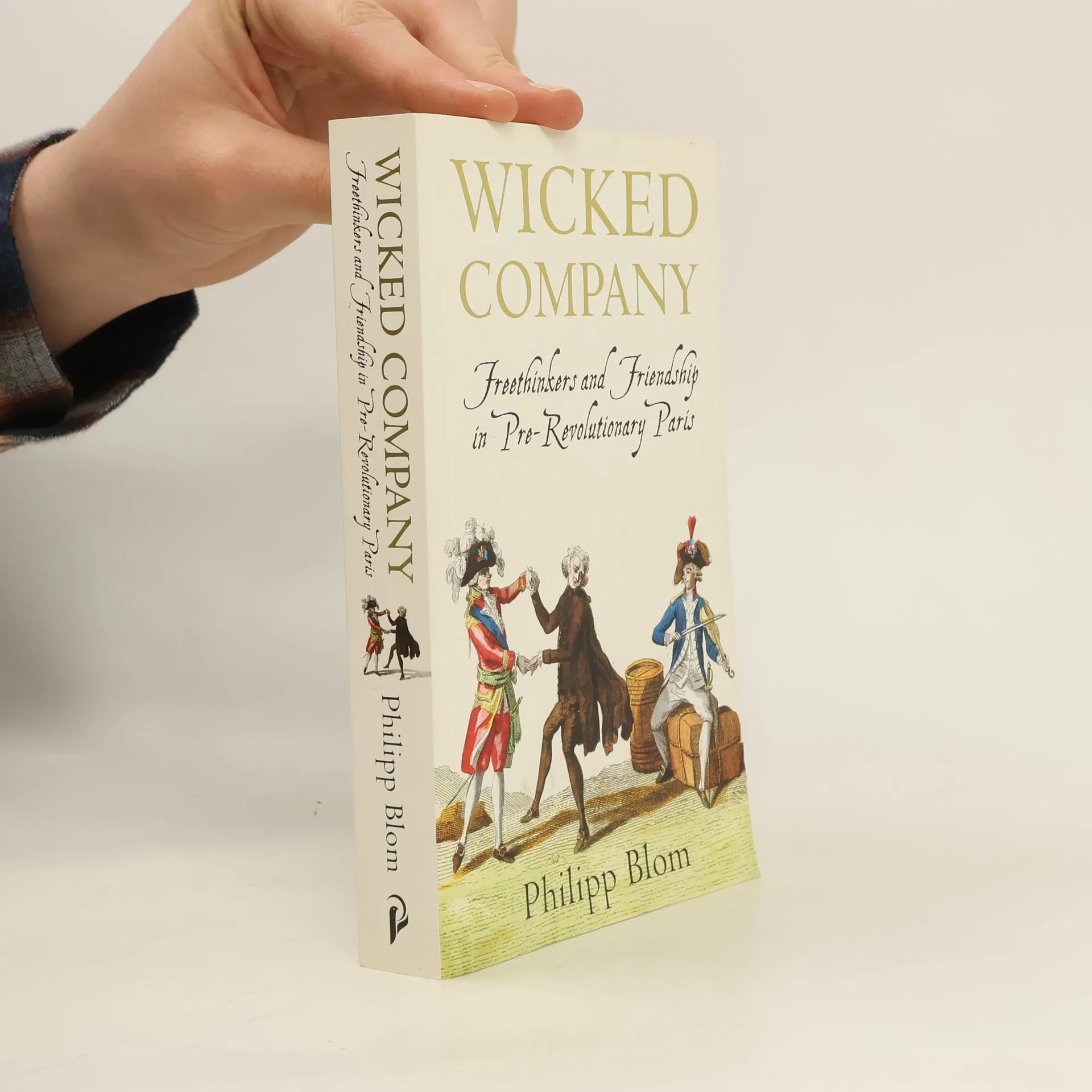
A Wicked Company: Freethinkers and Friendship in Pre-revolutionary Paris
- 361 stránek
- 13 hodin čtení
Dazzling recreation of the world of radical free-thinkers in 18th-century France.
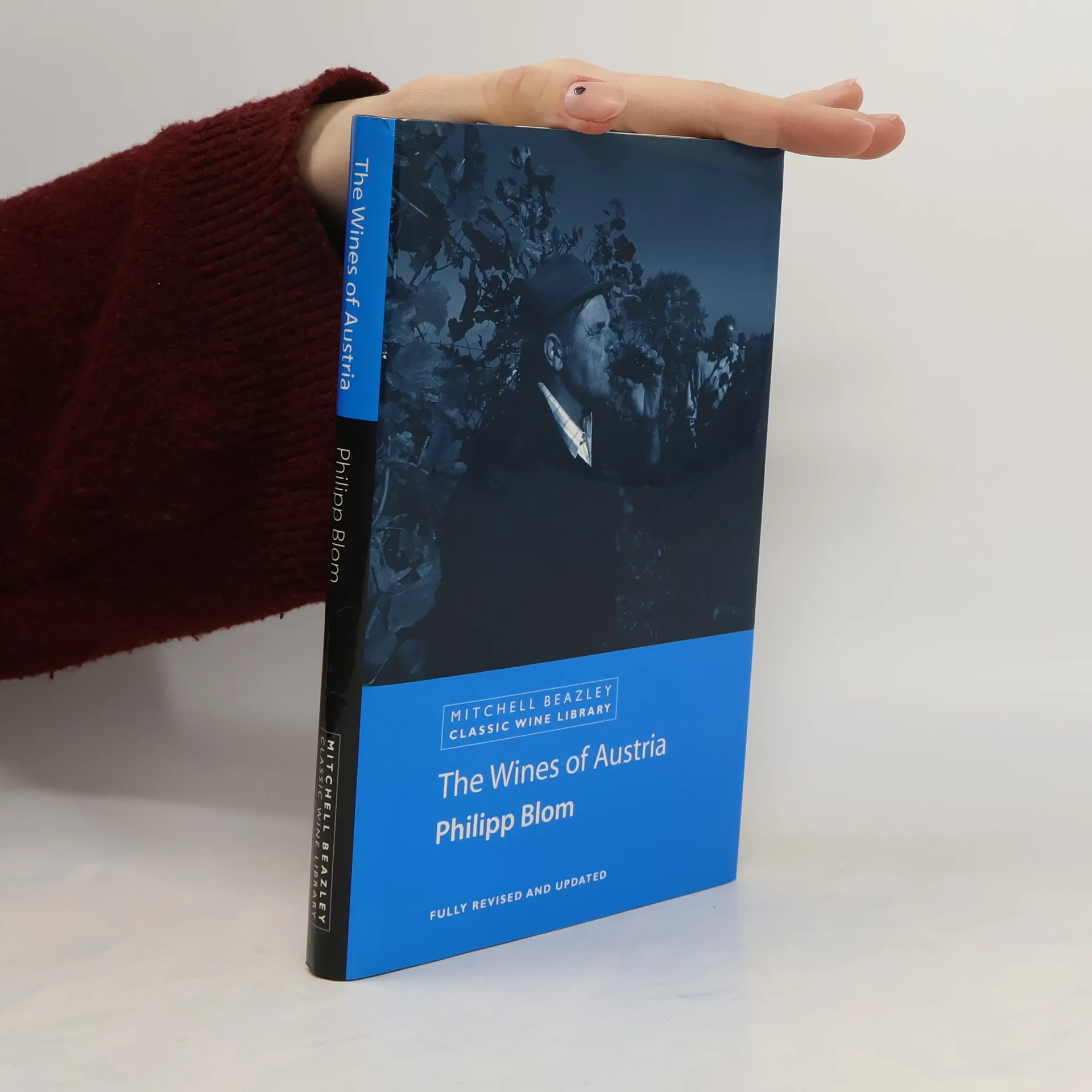
The Wines of Austria
- 300 stránek
- 11 hodin čtení
The recent dramatic rise in quality of Austria's wines has inspired Philipp Blom to fully revise and update his detailed exploration of this country's culture, history, wine laws, grapes, winemaking, and top producers into its second edition. The quality of Austrian wine has risen dramatically over the past twenty years, and especially in the last five as Gruner Veltliner has taken on the world's top Chardonnays in major blind tasting competitions. This completely revised and updated second edition explores the history of Austrian wine and provides in-depth reference to Austria's wine regions, including Burgenland, Wachau, Styria, Kremstal, and Kamptal. The leading estates and winemakers in each area are detailed, and the best wines of each are highlighted. The book also features twelve detailed maps of the wine-producing areas, and an explanation of grapes, winemaking techniques, and wine laws, as well as useful vintage information.
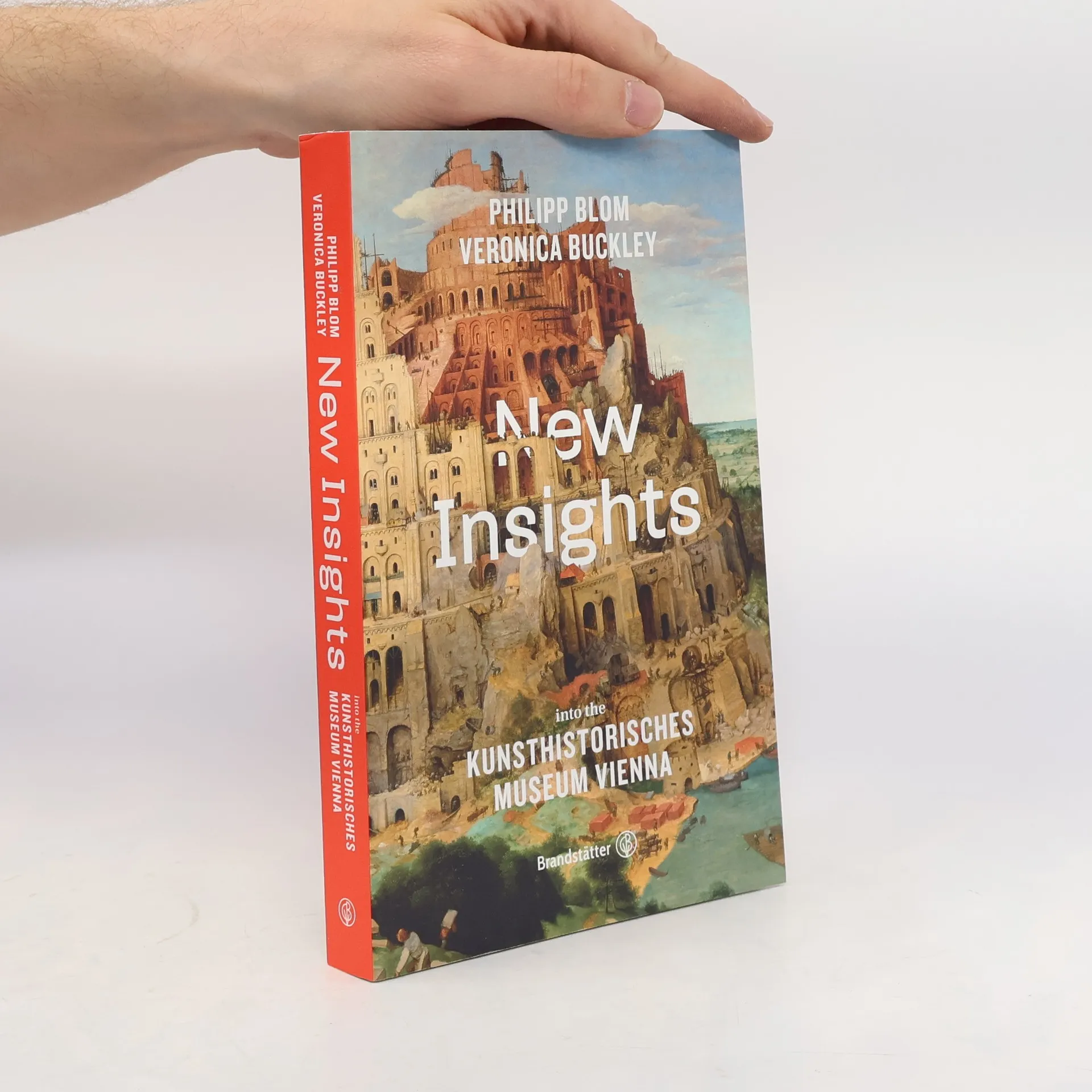
New Insights
- 231 stránek
- 9 hodin čtení
Artworks speak to us. We must only listen, open ourselves to them. Then we can hear what they have to say. Specialists concentrate on styles and epochs, techniques and influences, but one can also look at these works very differently: as inspirations for highly personal observations, meditations and narratives. The Picture Gallery of the Kunsthistorisches Museum developed from the art collections of the House of Habsburg. Today it is one of the largest and most important of its kind in the world. The foundations of the collection were laid and its main emphases set in the 17th century: 16th-century Venetian painting (Titian, Veronese, Tintoretto), 17th-century Flemish painting (Peter Paul Rubens, Sir Anthony Van Dyck), Early Netherlandish painting (Jan van Eyck, Rogier van der Weyden) and German Renaissance painting (Albrecht Dürer, Lucas Cranach). Among the other highlights in the Picture Gallery are its holdings of pictures by Pieter Bruegel the Elder, which are unique worldwide, as well as masterpieces by Vermeer, Rembrandt, Raphael, Caravaggio or Velázquez. Writer and historian Philipp Blom and his wife, the writer Veronica Buckley, have set off on numerous journeys of discovery through the Kunsthistorisches Museum Vienna. In eight thematic tours they invite readers to cast a new gaze upon the collection.
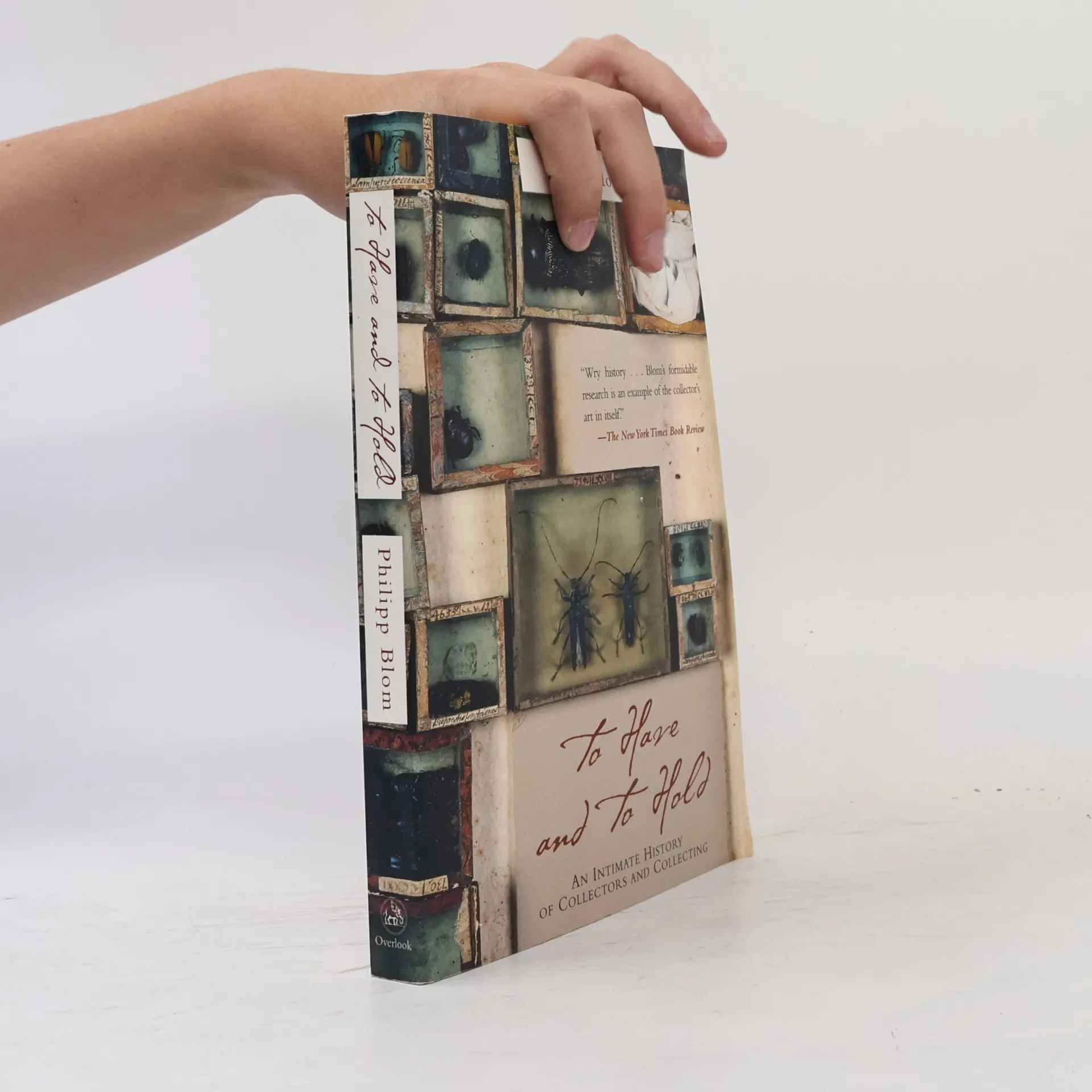
From amassing sacred relics to collecting celebrity memorabilia, the impulse to hoard has gripped humankind throughout the centuries. But what is it that drives people to possess objects that have no conceivable use? To Have and To Hold is a captivating tour of collectors and their treasures from medieval times to the present, from a cabinet containing unicorn horns and a Tsar's collection of teeth to the macabre art of embalmer Dr. Frederick Ruysch, the fabled castle of William Randolph Hearst, and the truly preoccupied men who stockpile food wrappers and plastic cups. An engrossing story of the collector as bridegroom, deliriously, obsessively happy, wed to his possessions, till death do us part.
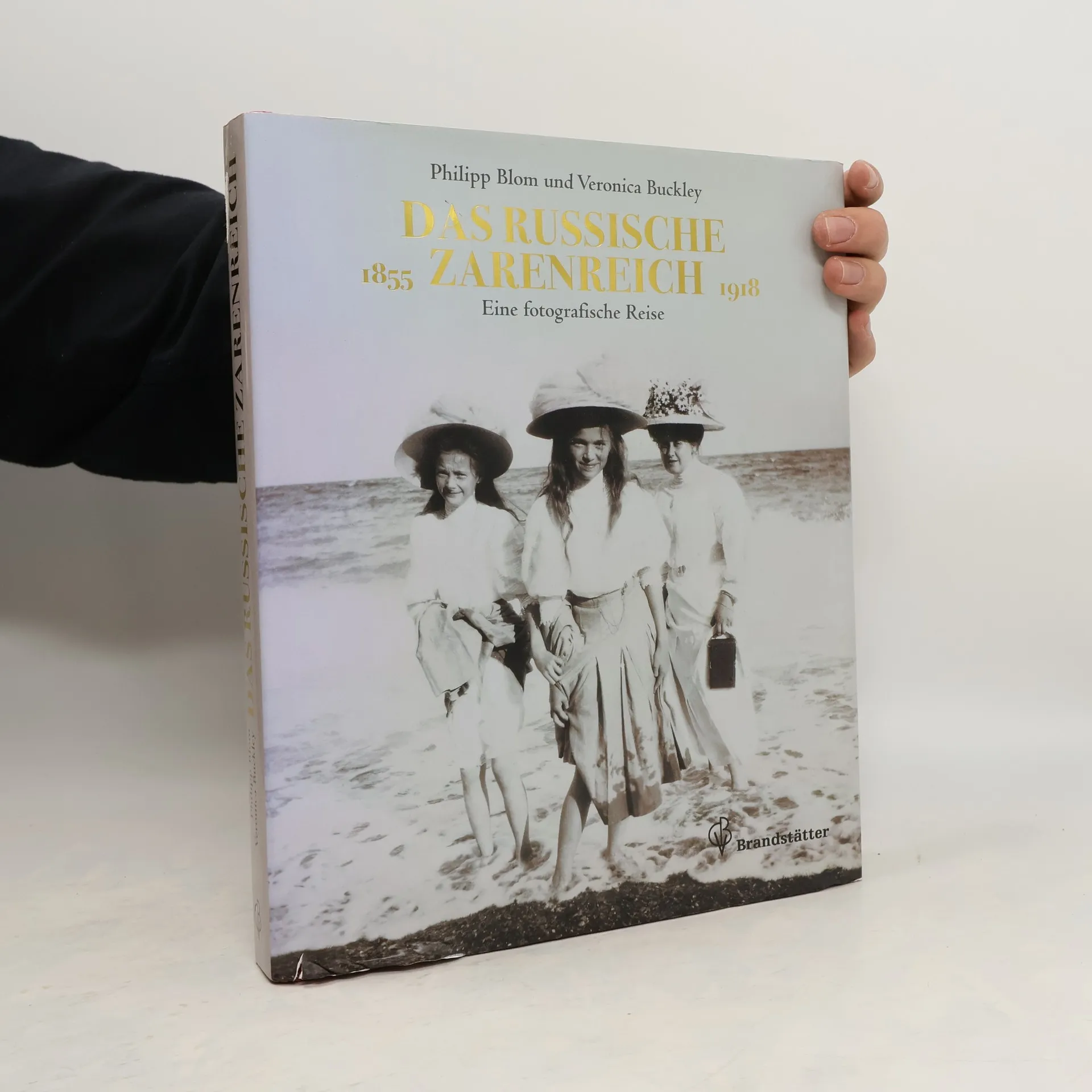
Twilight of the Romanovs
- 248 stránek
- 9 hodin čtení
Opens a door onto the world of pre-revolutionary Russia in original photographs taken during the last decades of Romanov rule. This title includes many remarkable colour images created using an early three-colourplate technique; these bring the remote past to life with an especially vivid jolt.
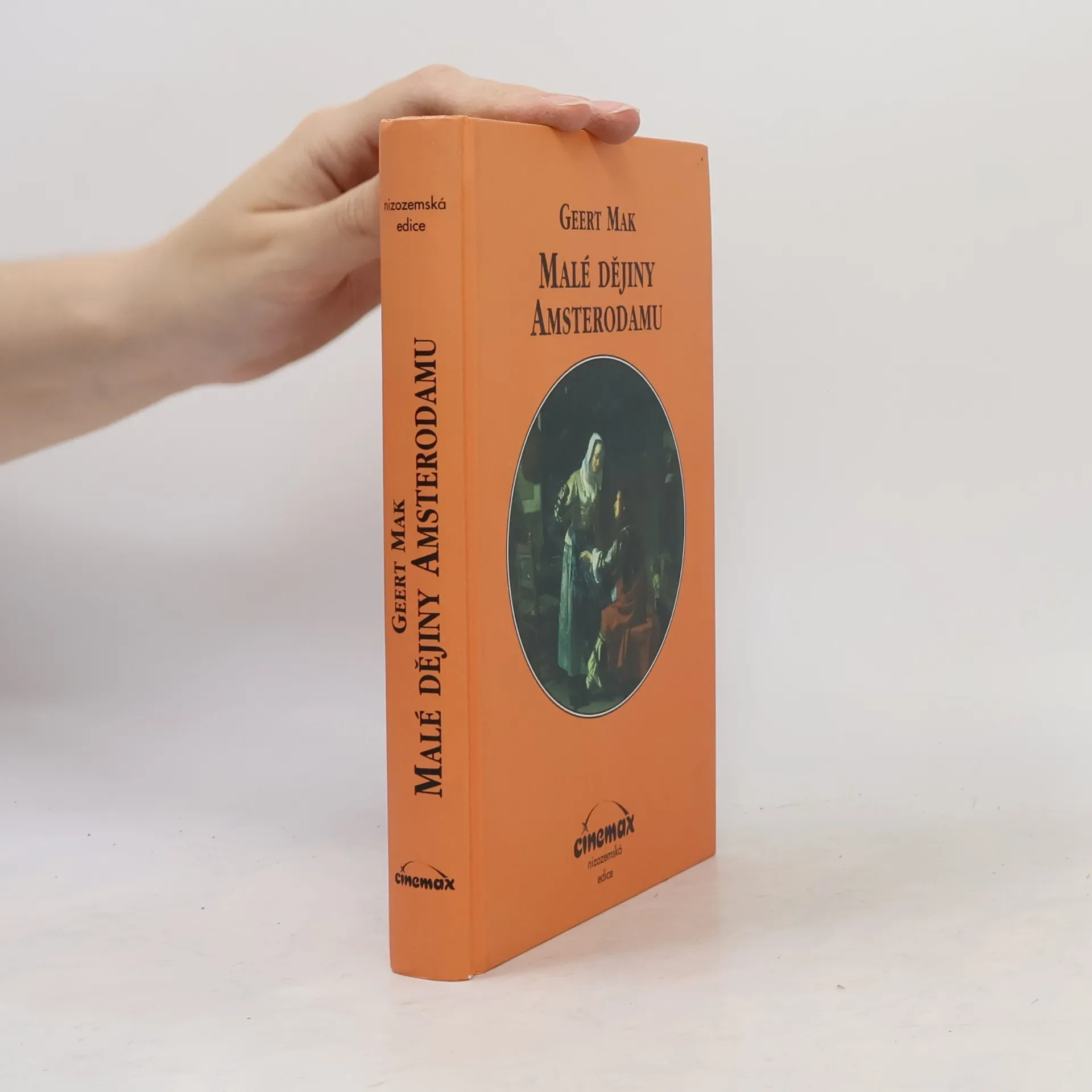
Kniha není nudným dějepisem města, nýbrž živým příběhem jeho obyvatel. V deseti kapitolách je obsažena historie od roku tisíc až na práh roku dva tisíce. V každé kapitole autor putuje mezi minulostí a současností, od obecných faktů k osudům jednotlivců, bizarních figurek i úctyhodných měšťanů. Makův styl, v němž kombinuje sociální geografii, historii a žurnalistiku, bývá přirovnáván k reportážím Egona Ervína Kische. 1. vydání.
Nature's Mutiny
- 352 stránek
- 13 hodin čtení
An illuminating work of environmental history that chronicles the great climate crisis of the 1600s, which transformed the social and political fabric of Europe. Although hints of a crisis appeared as early as the 1570s, the temperature by the end of the sixteenth century plummeted so drastically that Mediterranean harbors were covered with ice, birds literally dropped out of the sky, and “frost fairs” were erected on a frozen Thames—with kiosks, taverns, and even brothels that become a semi-permanent part of the city. Recounting the deep legacy and far-ranging consequences of this “Little Ice Age,” acclaimed historian Philipp Blom reveals how the European landscape had suddenly, but ineradicably, changed by the mid-seventeenth century. While apocalyptic weather patterns destroyed entire harvests and incited mass migrations, they gave rise to the growth of European cities, the emergence of early capitalism, and the vigorous stirrings of the Enlightenment. A timely examination of how a society responds to profound and unexpected change, Nature’s Mutiny will transform the way we think about climate change in the twenty-first century and beyond.
Nothing But The Clouds Unchanged - Artists in World War I
- 198 stránek
- 7 hodin čtení
Much of how WWI is understood today is rooted in the artistic depictions of the brutal violence and extensive destruction that marked the conflict. This book examines how the physical and psychological devastation of the war altered the course of 20th-century artistic Modernism.
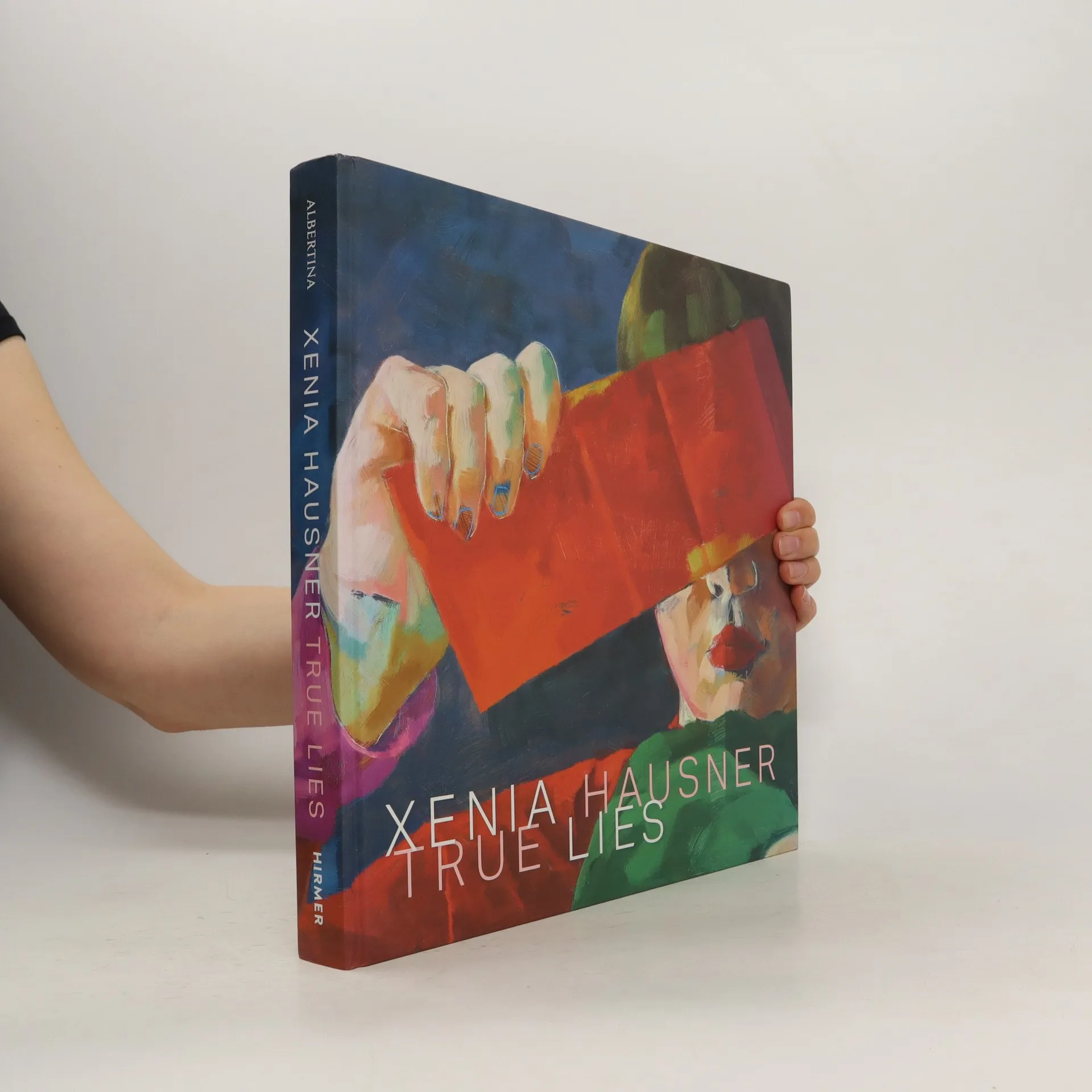
Xenia Hausner is one of the most important Austrian painters of our time. This richly illustrated volume focuses on the aspect of staging that characterizes all her works. Beginning with her early pieces from the 1990s and culminating in the poignant Exiles series, the book transports readers into a feminine world filled with mysterious relationships. Hausner's painting is rooted in photography; the artist constructs spatial settings in her studio and captures a moment akin to a film still. Translated into painting, her images create a dramatic tension, suggesting that what is shown must lead to the next image to reveal its mysteries. Through the staged elements in her works—the painted captured lie—we encounter the contradictions of our existence and find an alternative to a male-dominated visual language.
Ein paar junge Leute machten sich anno 1750, um ihre Miete zu bezahlen, an eine bescheidene Arbeit: sie übersetzten ein simples Lexikon aus dem Englischen. Im Lauf der Zeit wuchs sich dieses Vorhaben zum größten verlegerischen Unternehmen des Jahrhunderts aus, zu einem Werk, das derart gefährlich und subversiv war, daß seinen Urhebern das Gefängnis, wenn nicht gar die Hinrichtung drohte. Die Zensur war ihnen ständig auf den Fersen, und der Papst belegte es mit dem Kirchenbann. Am Ende lagen 27 Bände mit 72000 Artikeln, 16500 Seiten, 2900 Illustrationen und 17 Millionen Wörtern vor. Die Autoren der Encyclopédie zählten zu den größten Geistern ihrer Zeit. Neben den Herausgebern Diderot, d'Alembert und de Jaucourt waren Voltaire, Rousseau und hunderte von andern mit von der Partie. Dieses einzigartige intellektuelle Abenteuer schildert der Historiker und Romancier Philipp Blom mit viel Witz, Elan und Verve. Seine Erzählung beruht auf intimen Quellenkenntnissen, doch sie schlägt einen Ton an, der uns ihre Helden so nahebringt, als sähen wir ihnen in einem spannenden Film zu, der von innigen Freundschaften und spektakuläre Konflikten handelt, von Mut und Beharrlichkeit angesichts ständiger Gefahr, von Liebschaften, Enttäuschungen und Triumphen.
Let me tell you a story
- 80 stránek
- 3 hodiny čtení
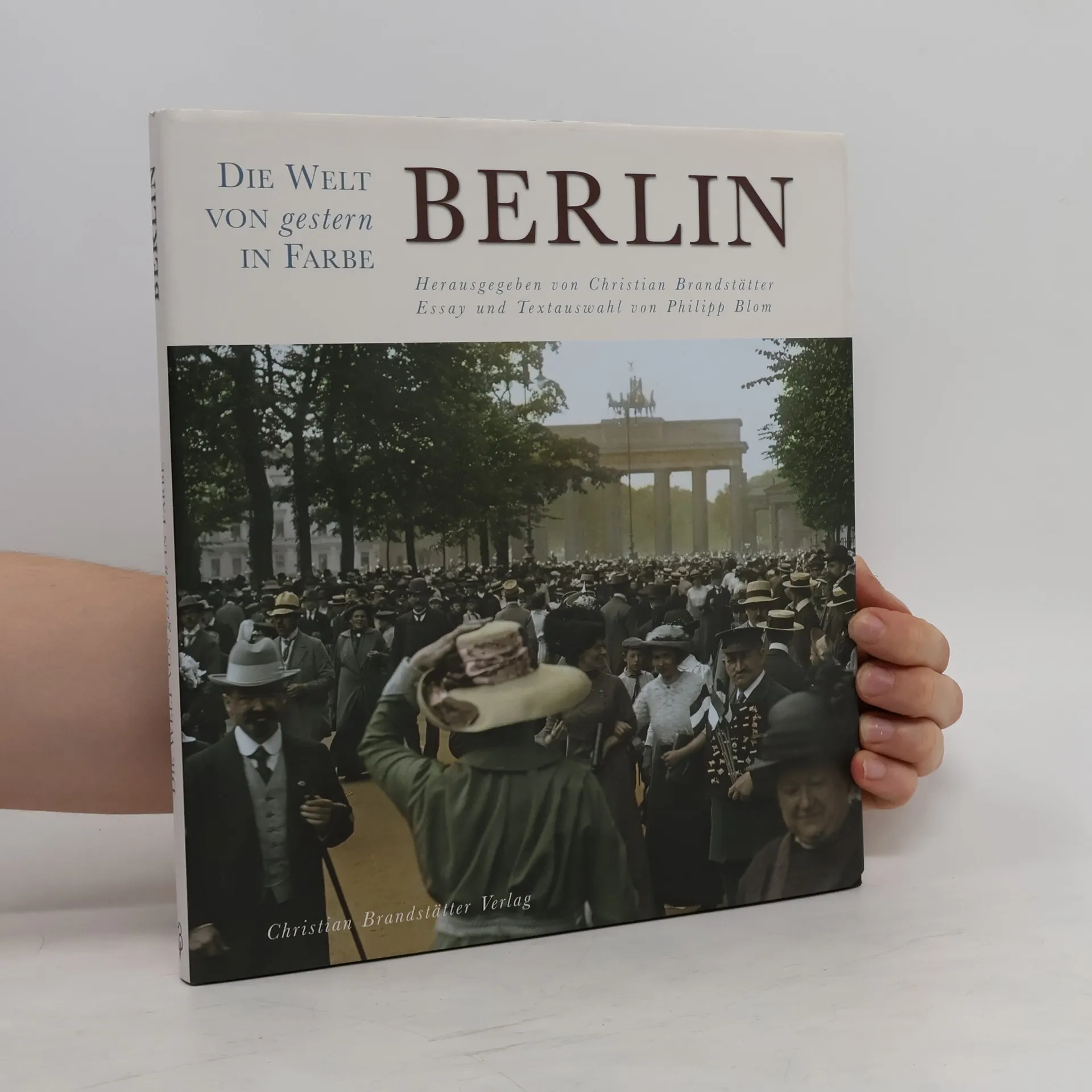
Berlin
- 111 stránek
- 4 hodiny čtení
Berlin, die Kapitale des Deutschen Kaiserreiches: Bis 1871 'nur' Hauptstadt von Preußen, entwickelte sich die Stadt in der Gründerzeit rasant, um 1910 auf über 2 Millionen Einwohner. Mehr als 250 farbige Fotografien zeigen uns, wie Berlin – zwischen den Extremen dynamischer Modernisierung und rückwärtsgewandter Tradition – und seine Bewohner ausgesehen haben, welche Farben ihre Uniformen, Federbüsche, Kleider und Hüte hatten, wie sie sich bei Paraden, Manövern, Sedan- oder Flugtagen verhielten, allen voran Kaiser Wilhelm II. mit seiner Vorliebe für Prunk und Theatralik. Wie hatte sich die Stadt seit den Zeiten Schinkels durch protzige Repräsentationsbauten wie Reichstag, Siegessäule, Dom und diverse Feldherrenmonumente verändert, wie muss man sich die Pracht der Innenräume des Stadtschlosses vorstellen – und die Vielfarbigkeit des durch den 2. Weltkrieg vernichteten Stadtbildes? Die handkolorierten Glasdiapositive und Stereobilder der so genannten 'Kaiser-Panoramen' werden in diesem Buch erstmals veröffentlicht und lassen uns eine Zeit hautnah erleben, die uns sonst fast ausschließlich in schwarzweißen Bildzeugnissen überliefert ist. Ergänzt werden diese frühen Farbdarstellungen durch die Sozialreportagen von Heinrich Zille und den Gebrüdern Haeckel, die Alltag und 'Milljöhs' der Jahrhundertwende porträtierten.
Wir leben mitten in einer Krise der Aufklärung: Rationalität, Universalismus, Menschenrechte und Demokratie werden zunehmend in Frage gestellt. Um diese Entwicklung zu verstehen, greift Blom auf die großen Debatten der Aufklärung zurück. Denker wie Hobbes, Voltaire, Rousseau, Diderot, Kant und Bentham werden befragt, um einen Blick in unsere Zukunft zu werfen. Ihre Perspektiven auf die Gesellschaft nehmen unsere Kontroversen vorweg, ihre Argumente beschreiben Utopien, die unsere heutige Realität prägen. Vom Neoliberalismus und dem Kollaps der Linken bis hin zu identitären Argumenten, von der Überwachungsgesellschaft bis zur Naivität der Wohlmeinenden und dem Zynismus der Privilegierten – alles wird hier bereits kritisch verhandelt.
Das große Welttheater
Von der Macht der Vorstellungskraft in Zeiten des Umbruchs
Die Weltkatastrophe ist kein Theaterdonner Nie zuvor waren wir so reich, so sicher, nie zuvor gab es so lange Frieden – wir leben in der besten aller Welten. Diese Geschichte erzählen wir uns selbst. Aber was, wenn sie nicht der Wirklichkeit entspricht? Denn Demokratien bröckeln, das Wirtschaftswachstum stagniert, der Hass zwischen sozialen Gruppen wächst und die Gefahr der Klimakatastrophe steigt. In seinem großen Essay zeigt Philipp Blom, wie es möglich ist, dass der Westen nicht trotz, sondern wegen Frieden und Wohlstand in der Krise steckt. Die Zeichen stehen auf Sturm und der Kampf um die Zukunft wird auch ein Kampf der Geschichten sein, vor aller Augen, auf der Bühne des Welttheaters.
Hoffnung. Über ein kluges Verhältnis zur Welt
- 184 stránek
- 7 hodin čtení
Philipp Blom untersucht die Ursprünge der Hoffnung und argumentiert, dass das Bedürfnis nach Sinn und Zielen wie Gerechtigkeit und Nachhaltigkeit uns helfen kann, eine bessere Welt zu gestalten. Diese Haltung ist wichtig, um dem Pessimismus entgegenzuwirken und ein sinnvolles Leben zu führen.
Overzicht van ontwikkelingen in geschiedenis en cultuur van Europa tussen 1900 en de Eerste Wereldoorlog.
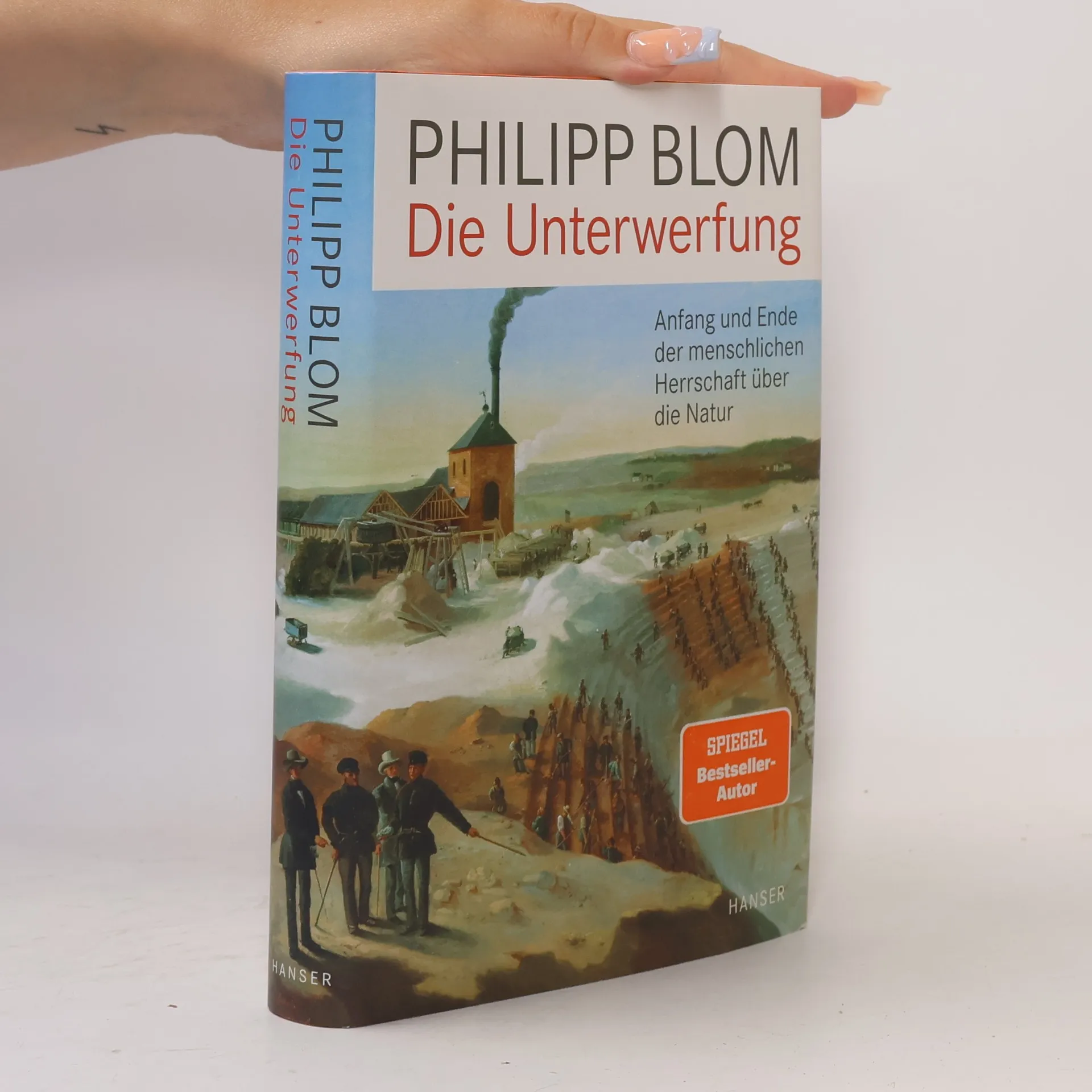
Die Unterwerfung
Anfang und Ende der menschlichen Herrschaft über die Natur
»Macht euch die Erde untertan« – Philipp Bloms Universalgeschichte der Unterwerfung der Natur »Macht euch die Erde untertan«: Vor rund 3000 Jahren legte der Autor der Genesis seinem Schöpfer diesen Satz in den Mund. Damit war die Idee geboren, dass der Mensch eine Sonderstellung auf der Erde einnimmt und deren Ressourcen rücksichtslos ausbeuten darf. Sie war so stark, dass sie sich über den ganzen Planeten verbreitete. Wer sich ihr widersetzte, bekam es mit Kolonisatoren und Geschäftemachern zu tun, die sich auf angeblich höhere Werte beriefen. In seiner Universalgeschichte der Umwelt erzählt Philipp Blom die Geschichte der Unterwerfung der Natur, deren Konsequenzen die Menschheit heute an den Rand des Abgrunds führt. Nur wenn sie sich von dem Wahn befreit, über der Natur zu stehen, bleibt ihr die Chance, zu überleben.
Eine italienische Reise
Auf den Spuren des Auswanderers, der vor 300 Jahren meine Geige baute
Um 1700 machte sich ein Geigenbauer aus dem Allgäu auf den Weg nach Italien. Seinen Namen kennen wir nicht, aber eines seiner Instrumente: gebaut in süddeutscher Tradition, aber vermutlich in Venedig fertiggestellt. Es legt Zeugnis ab von einem Netzwerk, in dem bereits vor mehr als drei Jahrhunderten Menschen, Waren und Wissen durch Europa zirkulierten. Philipp Blom hat diese Geige entdeckt und kommt von ihrem Klang nicht mehr los. Nun hat er ihre Geschichte erforscht. Sie handelt von Migration, von der Lebenswelt der Handwerker, aber auch von Venedig, der damaligen Hauptstadt der Musik. Die Suche nach dem namenlosen Geigenbauer liefert den Schlüssel zu einer ganzen Epoche – die unserer Gegenwart gar nicht so fremd ist.
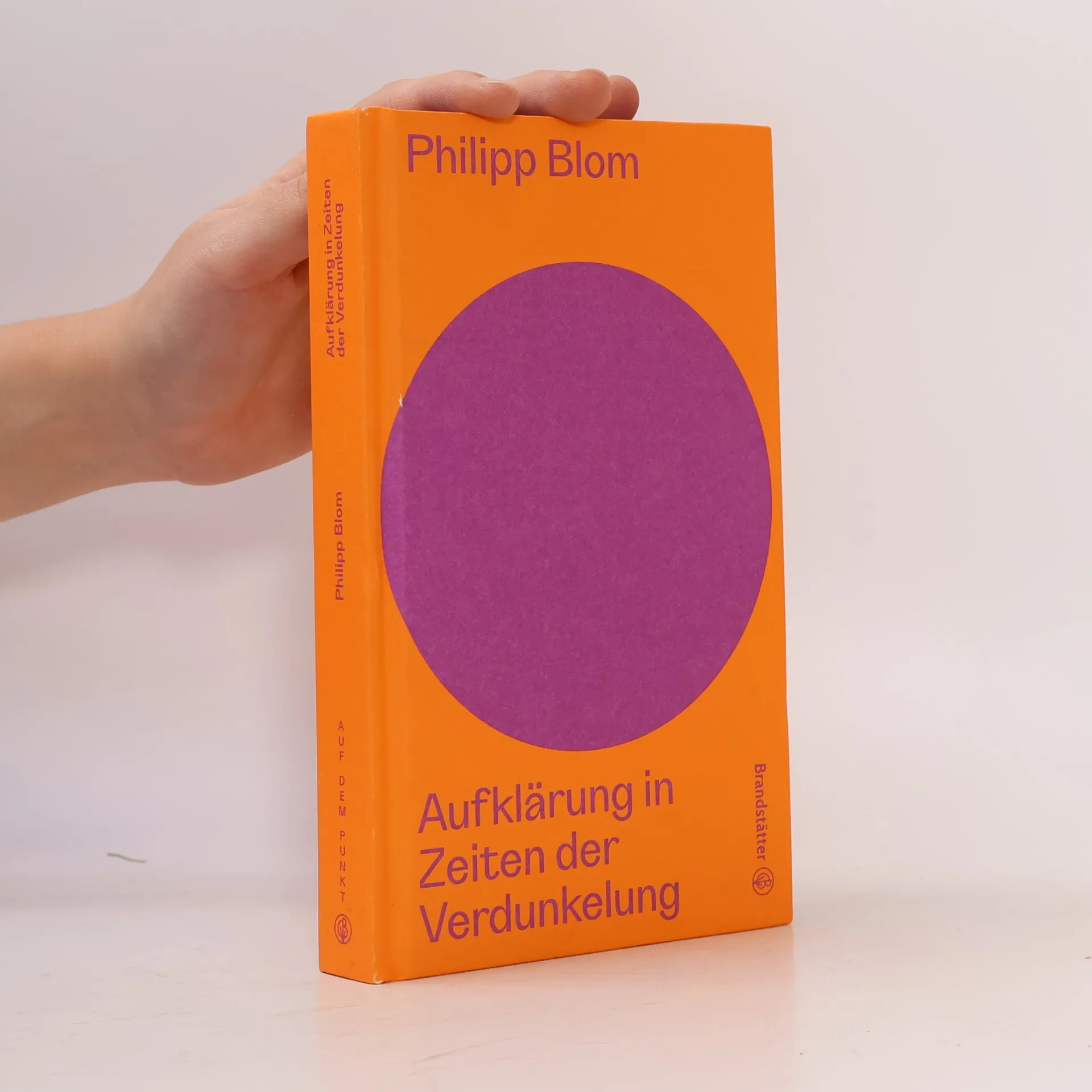
Aufklärung in Zeiten der Verdunkelung
- 224 stránek
- 8 hodin čtení
Dieses Buch ist der Aufruf zu einer neuen Klarheit des Denkens. Denn die Probleme von morgen können wir nicht mit der Denkweise und Philosophie von gestern bekämpfen. Wenn die wichtigsten politischen und philosophischen Errungenschaften der Aufklärung – Demokratie, Menschenrechte, evidenzbasiertes Denken – überleben sollen, müssen wir eine Lebensweise und ein Verständnis der Welt entwickeln, die dem menschlichen Wohlergehen verpflichtet sind und von planetarischer Gerechtigkeit getragen werden. In existenziellen Krisen der Menschheit ist das Ethos der Aufklärung notwendiger denn je. In seinem kämpferischen Essay zeigt Philipp Blom: Es sind mit theologischem Schutt behaftete Ideen, die von der gemäßigten Hauptströmung der Aufklärung transportiert wurden und unser Denken und Handeln bis heute prägen. Jetzt ist es Zeit für die wahre, radikale Aufklärung!
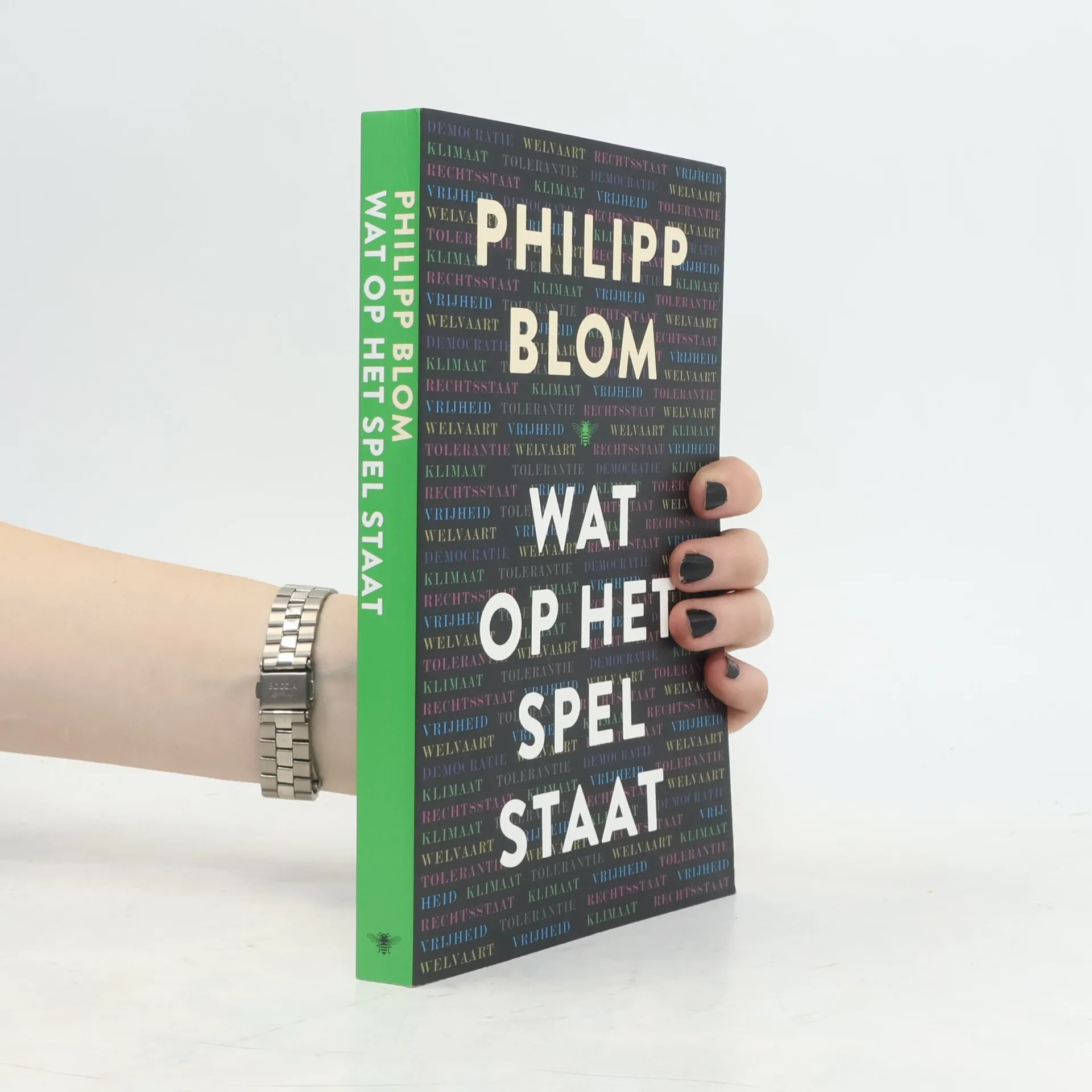
Wat op het spel staat
- 224 stránek
- 8 hodin čtení
Wat als een historica over vijftig jaar terugkijkt naar het begin van de 21ste eeuw? Zij zal versteld staan dat wij – verblind door onze dagelijkse beslommeringen en ons kortetermijnperspectief? – de twee grootste bedreigingen die homo sapiens te wachten stonden niet zagen: een wereldomvattende klimaatcrisis met alle gevolgen van dien, en de digitalisering van arbeid die leidde tot massawerkloosheid en een algeheel verlies van zin en betekenisgeving. In Wat er op het spel staat analyseert Philipp Blom het historische scharnierpunt waarop wij ons bevinden aan de hand van verhelderende parallellen met andere historische aardverschuivingen, zoals het einde van het Romeinse Rijk, de Verlichting en de Duitse Weimarrepubliek. Het resultaat is een vlammend betoog vol sterke beelden en scherp verwoorde inzichten, dat iedereen zou moeten lezen die zich zorgen maakt over de toekomst van wat wij voor waardevol houden: vrijheid, tolerantie, het klimaat, arbeid, democratie en mensenrechten.
Bei Sturm am Meer
Roman
Eine deutsch-holländische Familiengeschichte Ein Hotelzimmer in Amsterdam: Ben wartet auf die Urne mit der Asche seiner Mutter Marlene. In einem Brief an seinen vierjährigen Sohn versucht er zu erklären, wie es dazu kam, dass sich sein Leben plötzlich verändert hat. Vor vierzig Jahren erfuhr Ben, dass sein eigener Vater entführt und ermordet wurde, im kolumbianischen Rebellengebiet, wo er im Auftrag eines deutschen Magazins unterwegs war. Danach änderte sich für Bens Mutter alles. Doch erst nach Marlenes Tod erkennt Ben, in welchem Ausmaß seine Mutter sich in Lebenslügen verstrickt hatte und dass die Geschichte seiner Familie eine große Illusion ist.
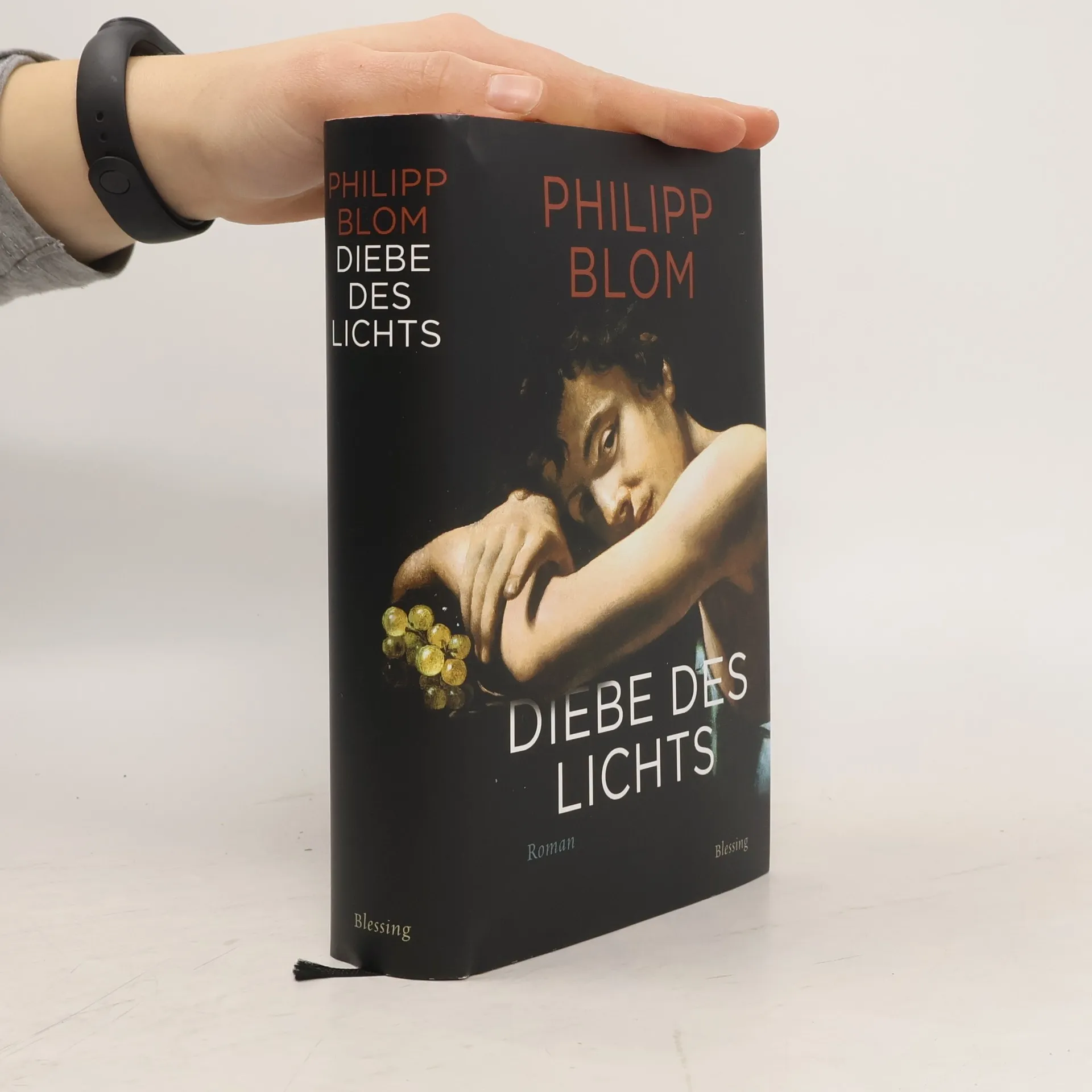
Diebe des Lichts
Roman
Seit Sander als Junge 1572 in Flandern miterleben musste, wie sein Vater von den spanischen Besatzern ermordet wurde, ist er ein Getriebener. Ein Meister bildet ihn als Blumenmaler aus, und sein Bruder Hugo, der nach dem Tod seiner Eltern verstummt ist, mischt für ihn die Farben. Doch Hugo ist ebenso jähzornig und unberechenbar wie sanft, und als er ein Gewaltverbrechen begeht, müssen er und Sander fliehen. Sie finden Anstellung in einem Atelier in Rom, erleben die Verschwendungen des Papstes, die Intrigen im Kardinalspalast von Neapel und beide auf ihre unterschiedliche Art die Freuden verbotener Liebe. Immer wieder entdeckt Sander einen Ausweg aus scheinbar aussichtslosen Abenteuern. Ein großer Roman, der prägende Gestalten wie Giordano Bruno, Caravaggio und die großen Kleriker lebendig macht.
Angelo Soliman
ein Afrikaner in Wien
Wirklich berühmt wurde Angelo Soliman (1721-1796) erst nach seinem Tod: als ausgestopfter „Wilder“, der in der kaiserlichen Naturaliensammlung ausgestellt war. Dabei ist seine Lebensgeschichte an sich faszinierend - es handelt sich um das geglückte Leben eines Migranten, der im Wien des 18. Jahrhunderts Karriere machte. Soliman war der erste nichteuropäische Zuwanderer in Wien, über dessen Leben genug überliefert ist, um ihn als Person zu erschließen. Um 1721 in der Sahelzone geboren, kam er als Sklave nach Sizilien und als Soldat in den Dienst von Fürst Lobkowitz und schließlich nach Wien, wo er beim Fürsten Liechtenstein bis zum Lehrer der Fürstenkinder aufstieg. Er war hochgebildet und als Freimaurer auch Logenbruder von Mozart. Nach orientalischem Geschmack gekleidet, ging er auch bei Hofe ein und aus und war Gesprächspartner von Joseph II. In diesem Buch machen sich renommierte Historiker und Wissenschaftler auf die Suche nach Angelo Soliman als Person und als Mensch im kulturellen Kontext seiner Zeit, und behandeln dabei Themen von Sklavenhandel über die aristokratische Mode der Kaffeemohren, die moralische Wende Aufklärung bis zu kulturellen und rassistischen Stereotypen.
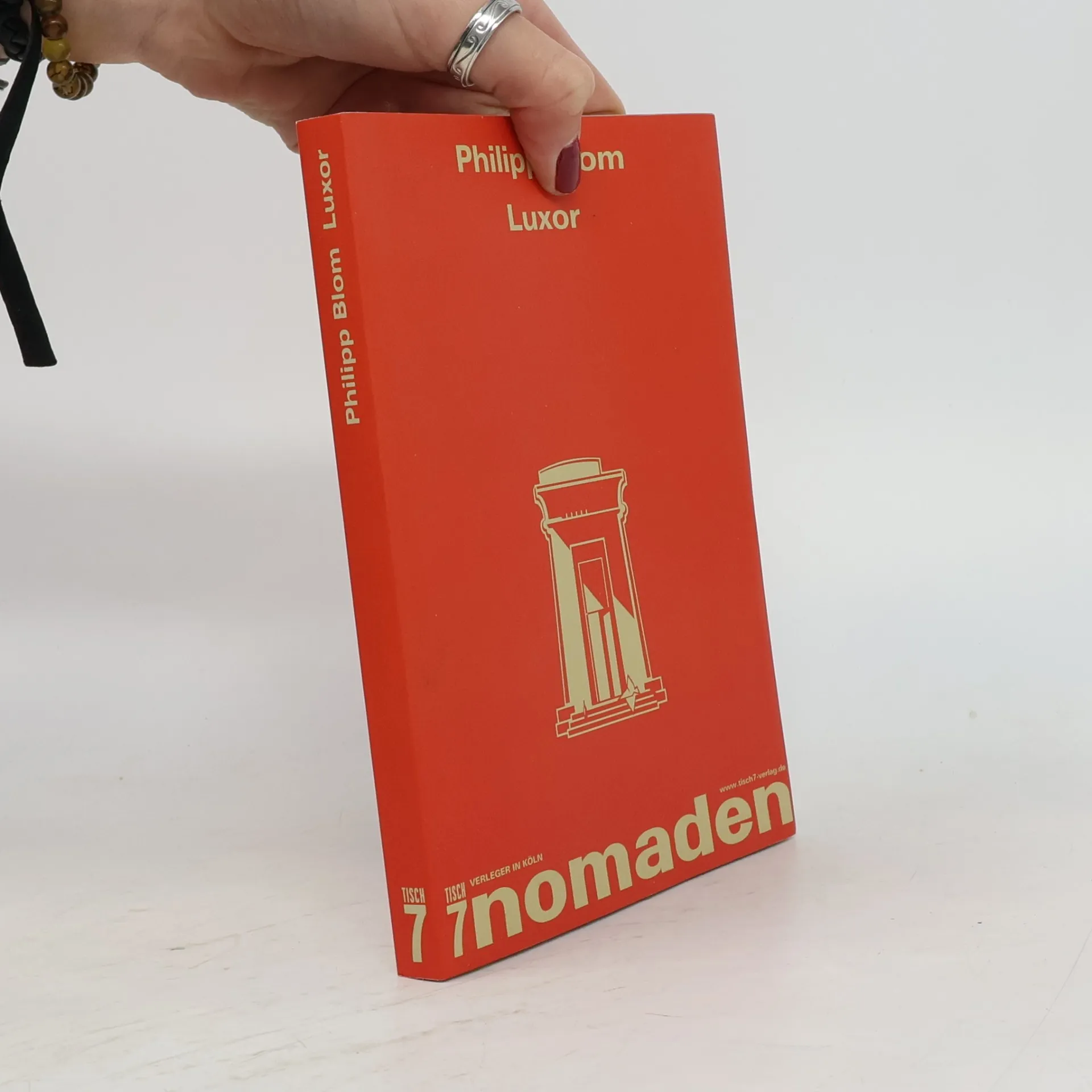
7nomaden: Luxor
- 175 stránek
- 7 hodin čtení
Ein Lehrer, auf dem Weg zur Arbeit, wird durch einen Unfall aus der Bahn geworfen. Im Krankenhaus findet er in seinem Bettnachbarn, dem geheimnisvollen Kertesz, einen Freund, der ihn zum Schachspiel animiert. Nach seiner Entlassung ist er, noch auf Krücken, im Park unterwegs und trifft dort in einer Runde von Schachspielern erneut auf Kertesz. Von nun an widmet er seine Mußestunden ganz dem Schachspiel im Park. Seine Fähigkeiten verbessern sich von Mal zu Mal, und allmählich nimmt er seine Welt mit anderen Augen wahr. Als ihn der alte Kertesz eines Tages mit in ein Kino nimmt, von dem er glaubte, es sei seit langem geschlossen, beginnt für ihn ein völlig neues Leben.§Wirklichkeit und Traum verbinden sich dort zu einer neuen, magischen Einheit, in der große Aufgaben großes Glück versprechen.
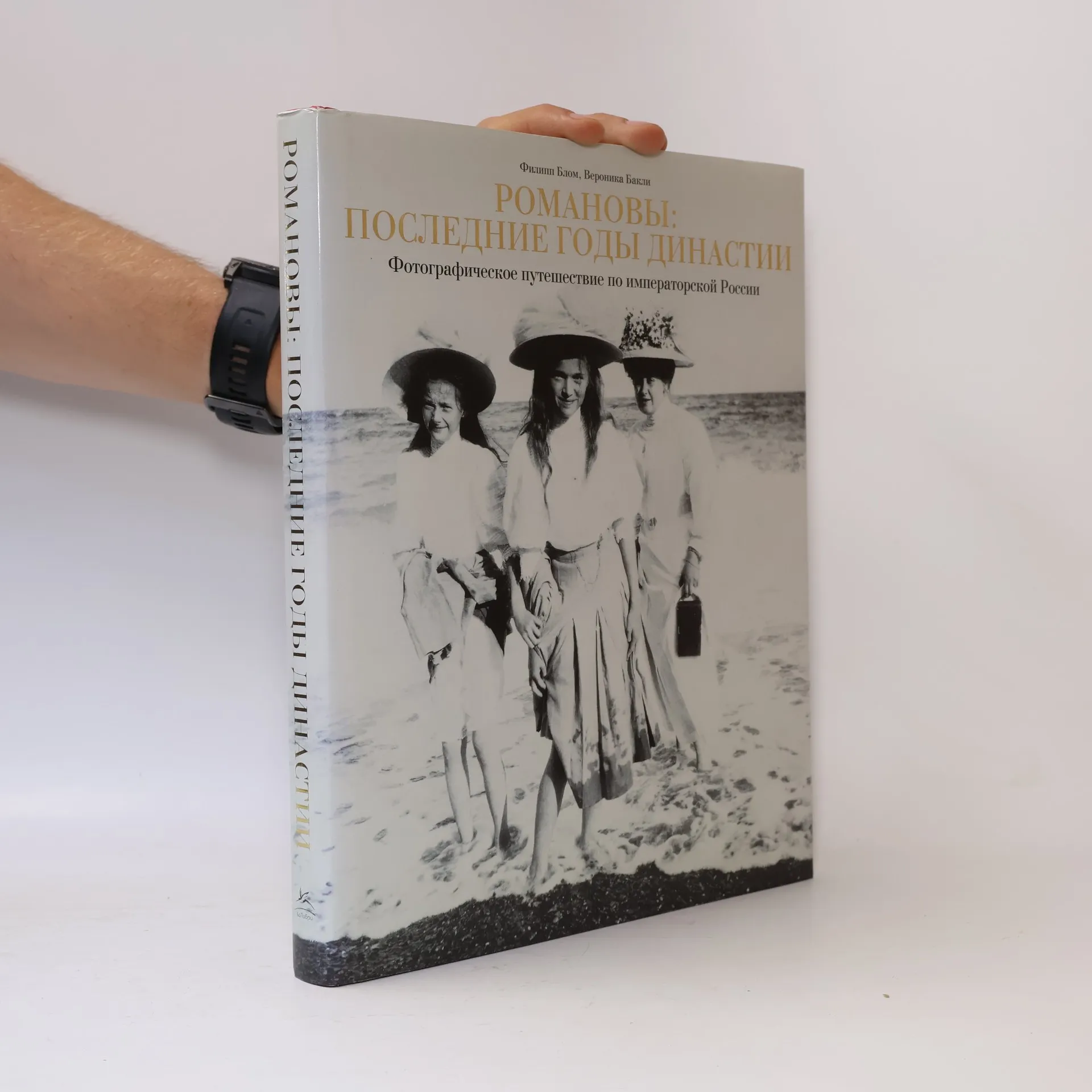
Романовы: Последние годы династии
Фотографическое путешествие по императорской России
- 248 stránek
- 9 hodin čtení
Российская империя на рубеже ХІХ-ХХ веков — одна из самых загадочных мировых держав. Раскол между деревней с почти средневековым укладом и городом, переживающим промышленный бум, углублялся. Самодержавное государство боролось с прогрессом, разрываемое противоречиями между Европой и Азией, наукой и верой, различными этносами и интересами дворянства, среднего класса, рабочих и крестьян. Страна контрастов между крайней бедностью и баснословным богатством запечатлена в произведениях великих русских писателей. Фотографии, созданные в последние десятилетия правления династии Романовых, открывают окно в дореволюционную Россию. Цветные снимки, сделанные по особой технологии, воскрешают ушедшую эпоху. Наши спутники в этом путешествии — русско-шотландский фотограф Вильям Каррик, американцы Джордж Кеннан и Мюррей Хоу, русский немец Карл Булла, Сергей Прокудин-Горский и писатель Леонид Андреев. Их видение открывает разнообразный мир, отмеченный нищетой и роскошью, который кажется почти архаичным и современным одновременно. На фотографиях запечатлены мгновения жизни державы, вскоре исчезнувшей с карты мира. Несмотря на исторические потрясения, лица и пейзажи находят отклик в сердцах зрителей спустя более ста лет.
Das 21. Jahrhundert wurde von vielen Menschen mit Optimismus begrüßt. Doch nun steckt die Demokratie in einer existenziellen Krise, weltweit wüten Kriege, die Erde heizt sich auf. Philipp Blom legt die Ursachen dieses dramatischen Wandels zwischen 9/11 und Russlands Annexion der Krim frei. Mit ihrem Angriff auf den Irak verspielen die USA ihre Glaubwürdigkeit. In Italien übernimmt mit Berlusconi zum ersten Mal ein Immobilien-Milliardär die Macht und festigt sie durch sein eigenes Medienimperium. Überall verdrängt der Markt Sozialstaat und Gemeinwohl, die Kluft zwischen Arm und Reich wächst, es tobt ein Kampf um Macht und digitale Vorherrschaft. Wer die Krisen der Gegenwart verstehen will, muss ihre Geschichte kennen: Philipp Blom ist ihr souveräner Chronist.