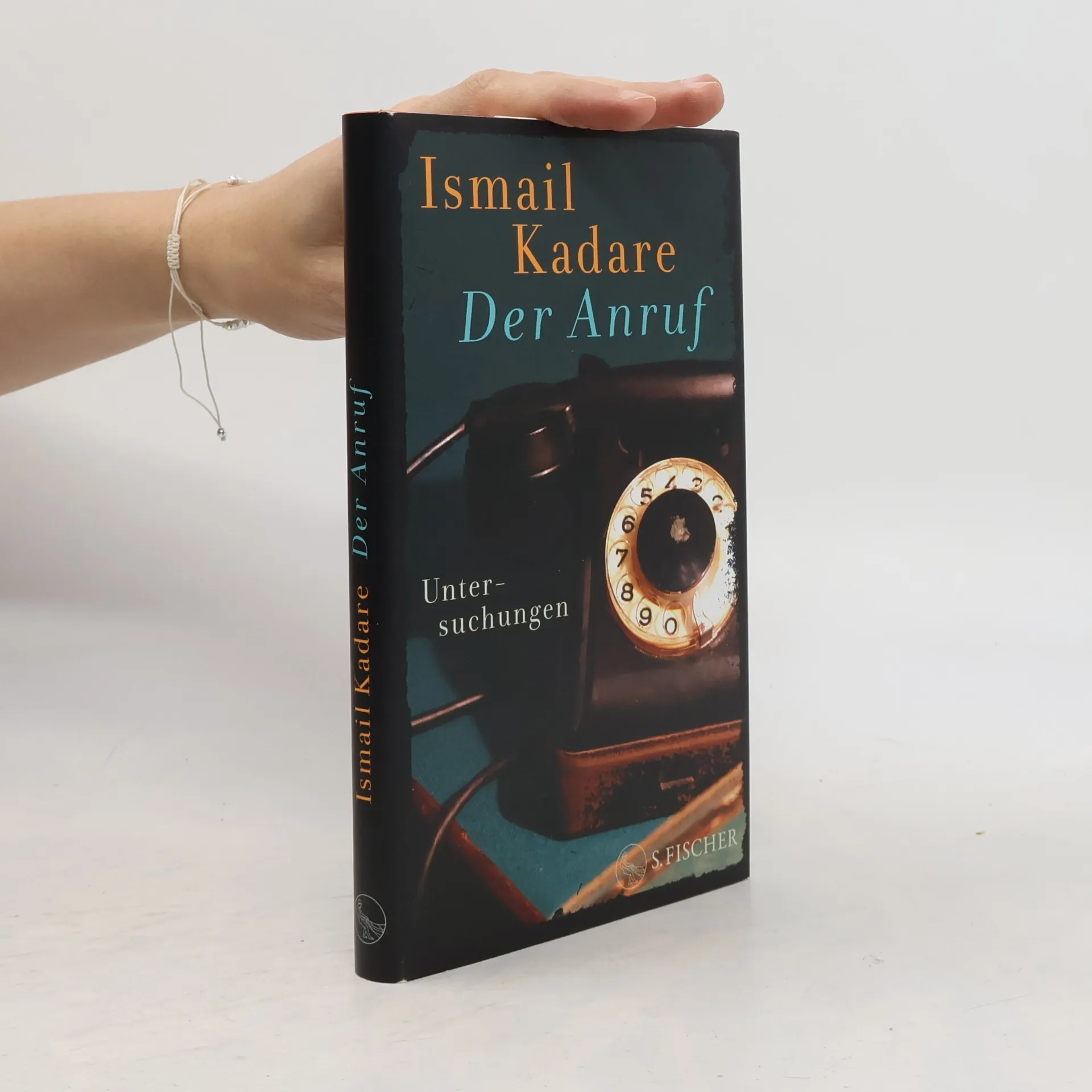
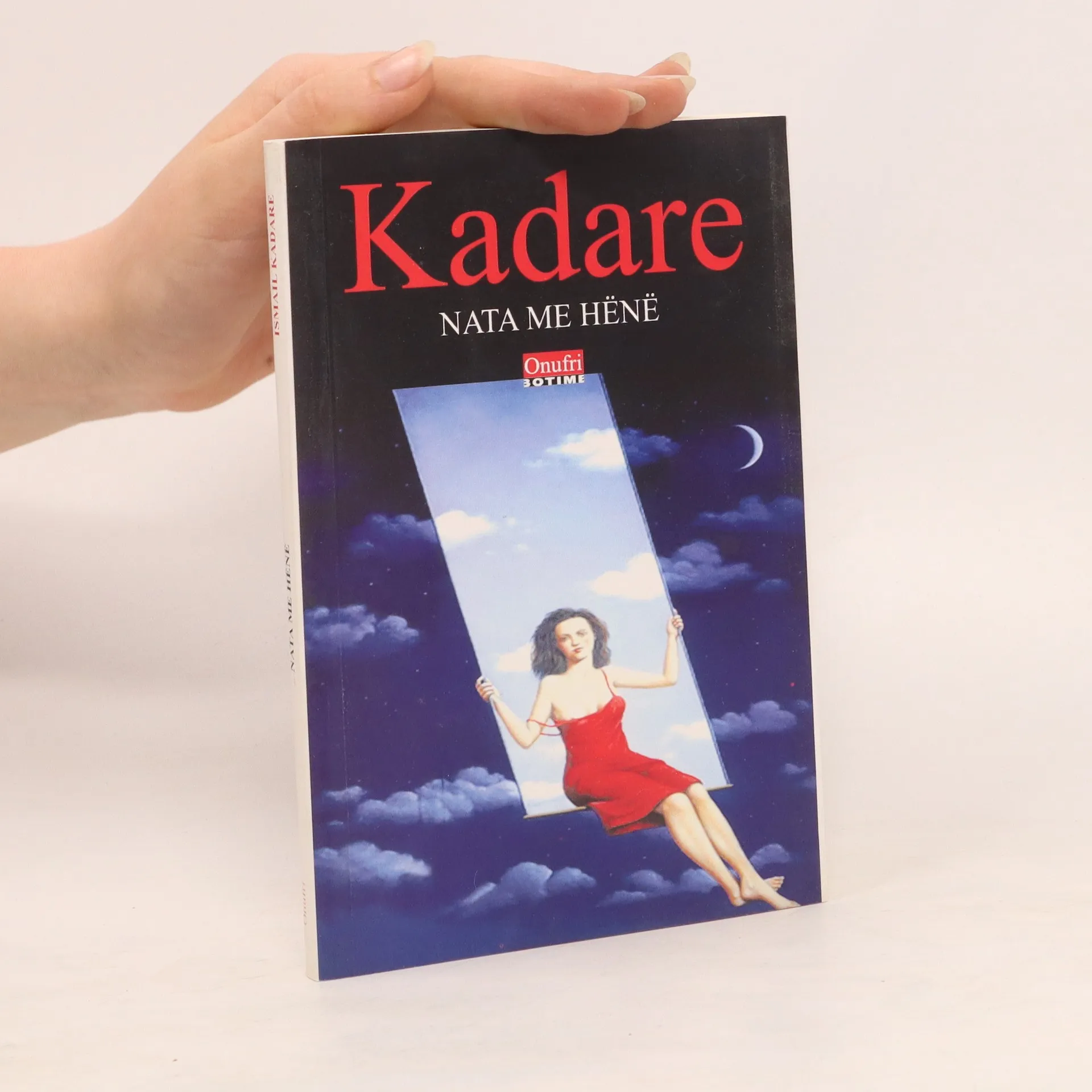
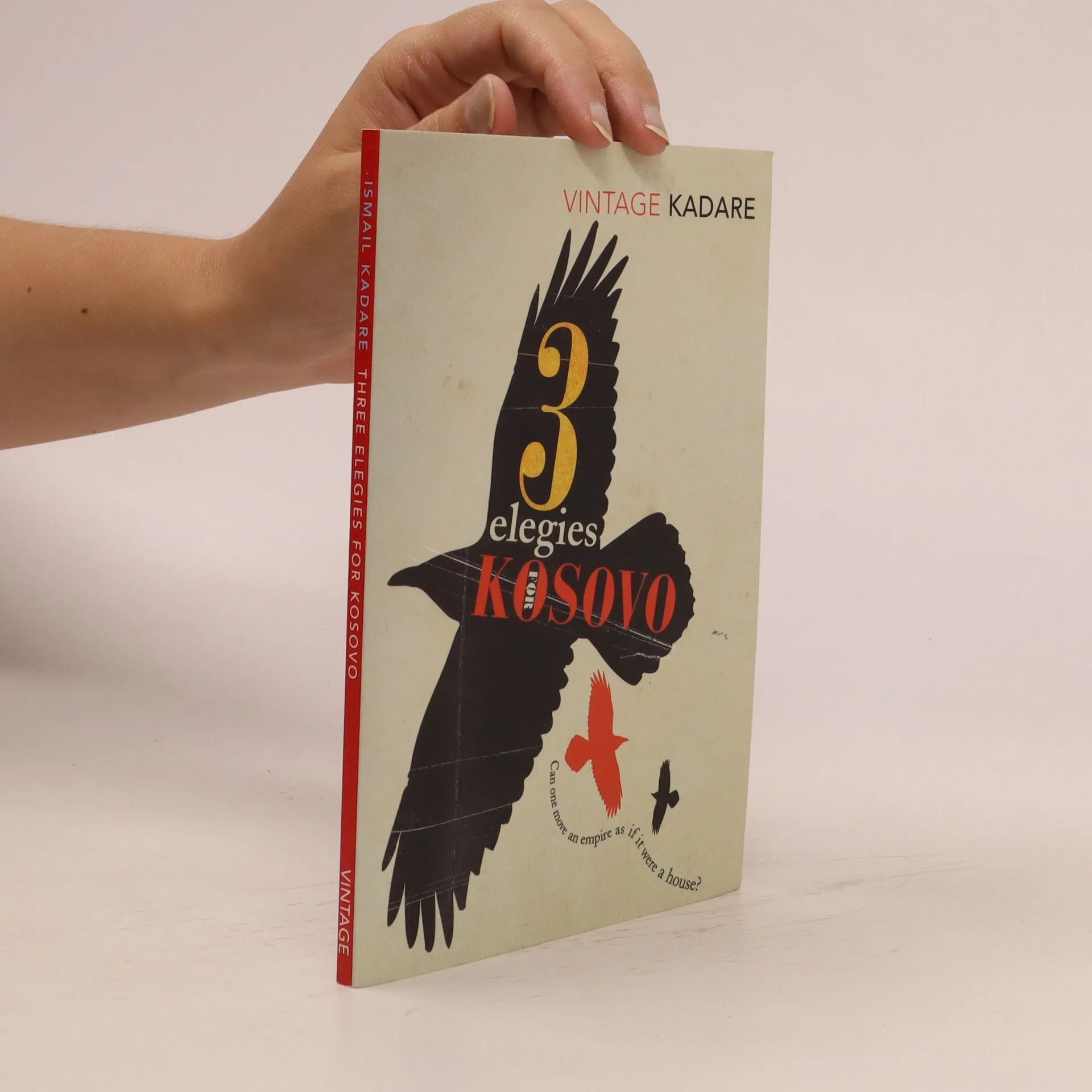
Ismail Kadares Buch untersucht das legendäre Telefonat zwischen Stalin und Pasternak, in dem das Schicksal des Dichters Mandelstam auf dem Spiel steht. In einem Labyrinth aus Angst und Verrat reflektiert Kadare über Macht, Kunst und die unergründlichen Fragen des Lebens, inspiriert von seiner eigenen Erfahrung als albanischer Schriftsteller.
Ismail Kadare Pořadí knih (chronologicky)
28. leden 1936 – 1. červenec 2024
Ismail Kadare je albánský prozaik a básník, který se stal klíčovou literární postavou Albánie již v 60. letech. Jeho díla, často čerpající z balkánské historie a legend, jsou známá svou subtilní ironií, která jim pomohla odolat politické cenzuře. Kadareho psaní se vyznačuje jedinečným hlasem, který zkoumá střet mezi diktaturou a autentickou literaturou, a zdůrazňuje, že spisovatel je přirozeným nepřítelem útlaku. Jeho mezinárodně uznávané romány, které zkoumají složité lidské zkušenosti v kontextu historických otřesů, ho etablovaly jako jednoho z nejvýznamnějších současných evropských autorů.


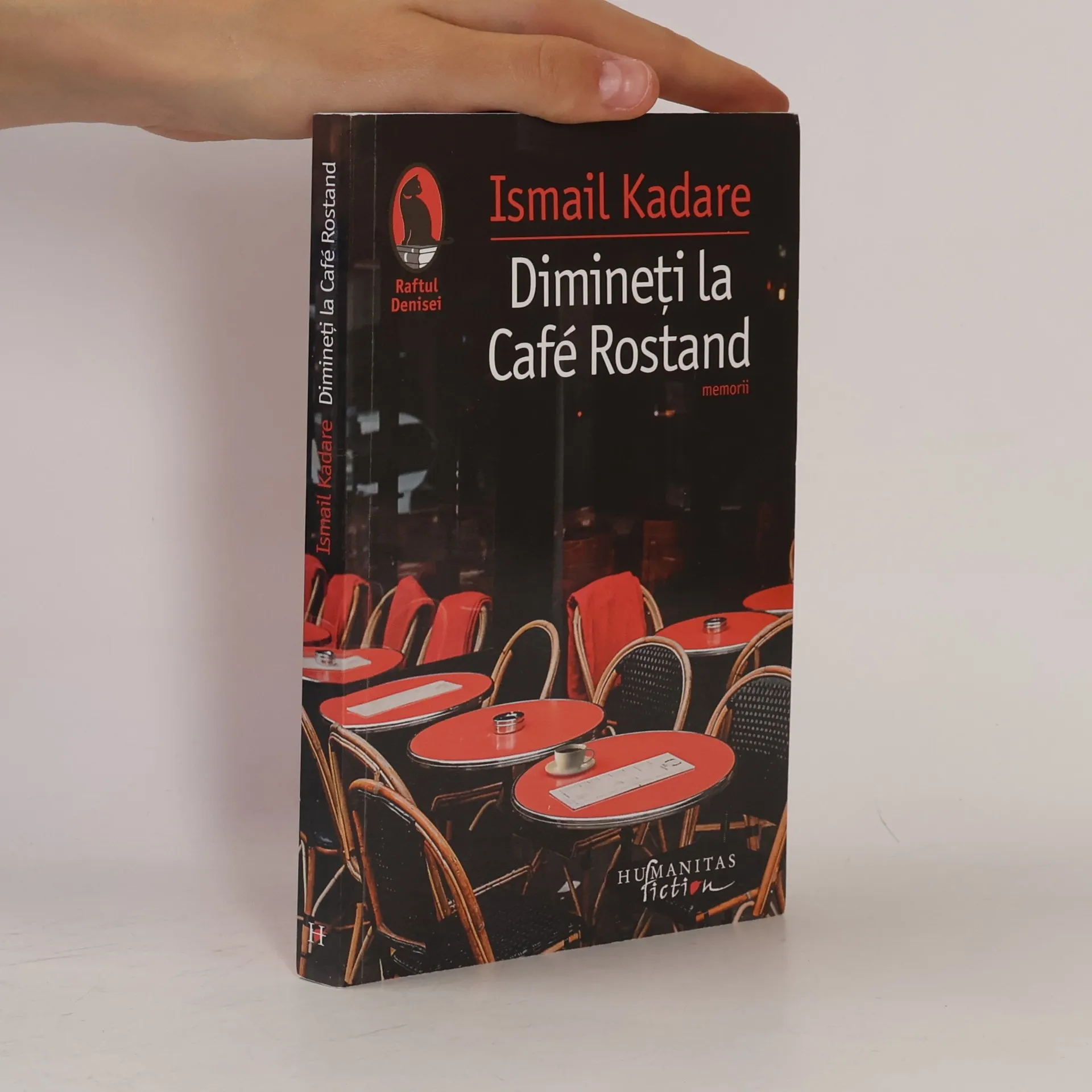
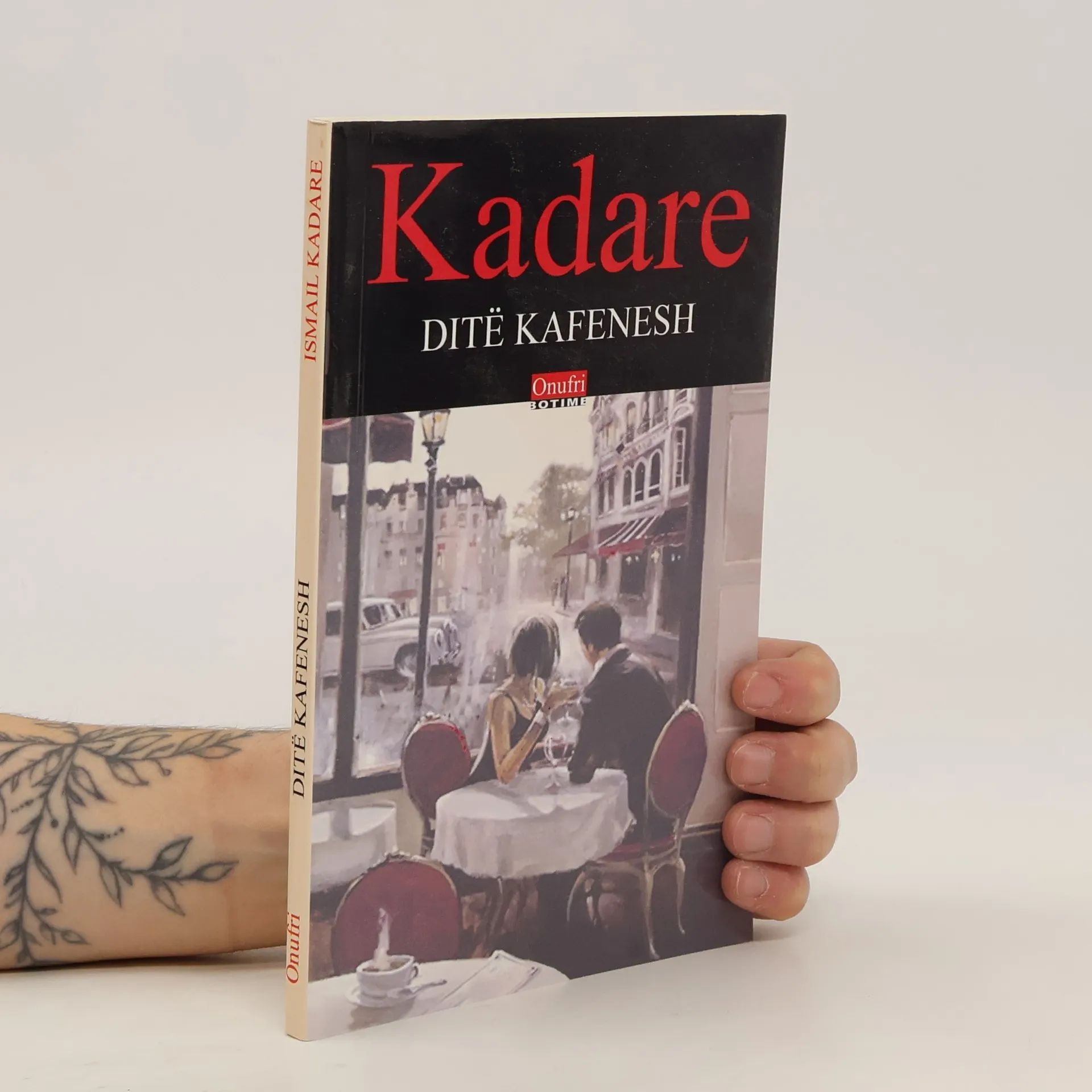
Dans ce recueil de textes inédits, Ismail Kadaré, qui partage désormais son temps entre l’Albanie et la France, commence par décrire sa première arrivée à Paris, au début des années 1970, alors qu’il est encore recouvert des miasmes du régime qui l’a laissé sortir quelques jours.La Ville lumière lui apparaît alors comme dans un songe. Cette « liaison », selon ses propres mots, va durer quatre décennies et perdure. Ce furent d’abord vingt années pendant lesquelles il vécut sous la chape communiste, puis vingt autres qu’il qualifie d’intemporelles. Années où l’écrivain, tous les matins, et encore aujourd’hui, a posé ses notes et son stylo sur une table du café Rostand, face au jardin du Luxembourg, puisant dans ce rituel le moyen d’évoquer tour à tour Tirana, Moscou, l’Académie française, , le prix Nobel, mais aussi ses compagnons de jeunesse dans une Albanie muselée et les figures littéraires qui surgissent au gré de ses promenades dans Paris.Refuge de l’écrivain et, pour lui, lieu d’inspiration, le café, véritable fil conducteur de ces courtsrécits, lui permet de livrer ici le ferment d’une vie d’écriture. Ismail Kadaré est né en 1936 à Gjirokastër dans le sud de l’Albanie. Traduit dans une quarantaine de pays, il a publié l’essentiel de son œuvre aux éditions Fayard. En 2005, il a reçu le Man Booker International Prize, en 2009, le prix Prince des Asturies et, en 2015, le prix Jérusalem.
The Doll
- 176 stránek
- 7 hodin čtení
'A fascinating study of a difficult love' John Burnside, GuardianYoung Ismail's world centres around his mother.
Geboren aus Stein
Ein Roman und autobiographische Prosa
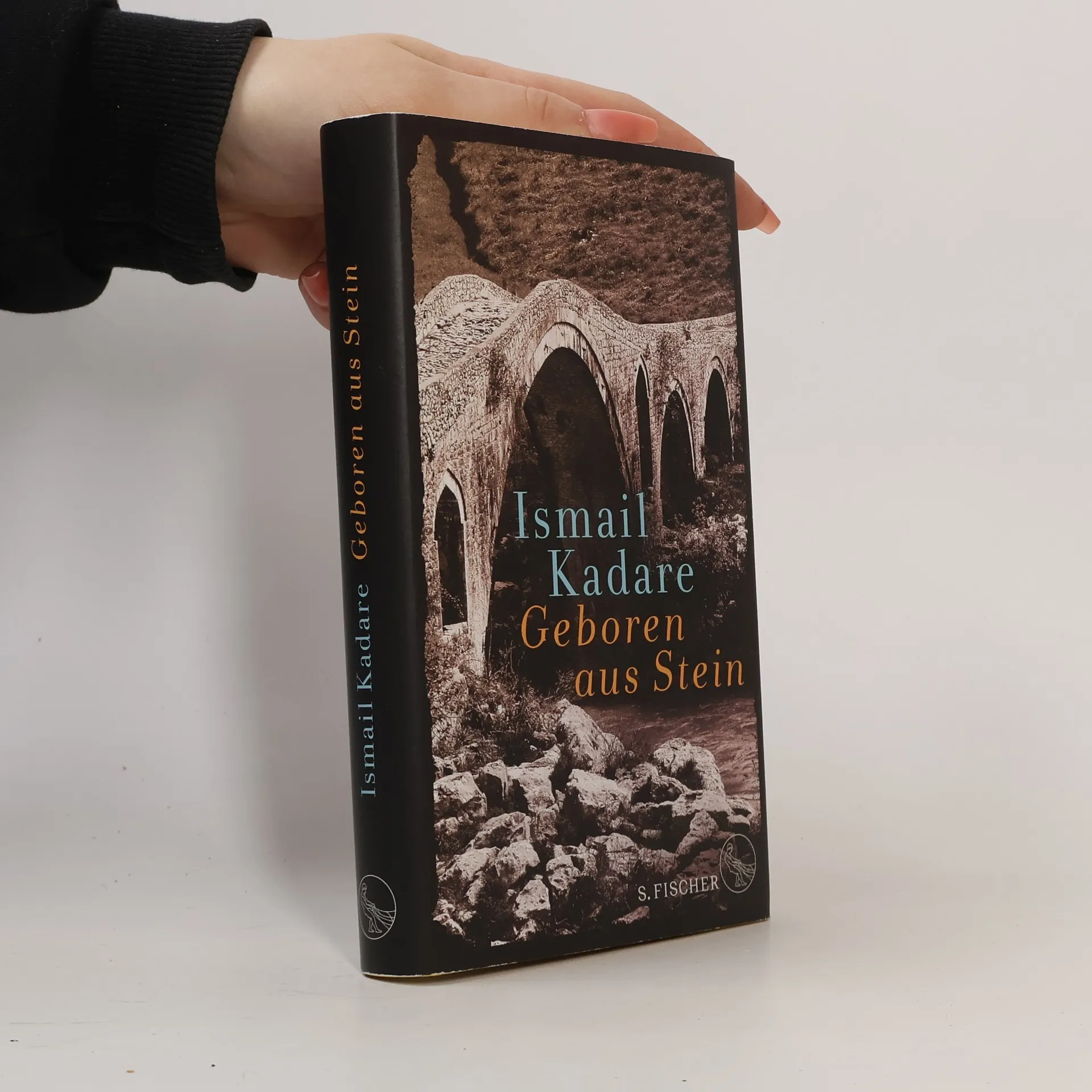
Ismail Kadares Reise an den Ursprung seines Erzählens Selten geschieht es in der Weltliteratur, dass ein ganzes Werk von einem Ort einzigen ausgeht und immer wieder zu ihm zurückkehrt. Bei Ismail Kadare ist das Gjirokastra, einst die mächtigste Gebirgssiedlung Albaniens. Große Kastenhäuser ducken sich wie Nester in den Hang. Enge Gassen, verwinkelte Gänge, dunkle Tore. Über allem der Schatten der Burg. In diesem Labyrinth aus Stein und Geheimnis ist Kadare geboren. Hier verlebte er seine Kindheit und Jugend und sog unter den Granitdächern von den Großeltern mysteriöse Geschichten von Geistern und Gespenstern in sich auf. Hierhin kehrte er in seinen Büchern immer wieder zurück, auch in seinem letzten Roman »Die Puppe«, der diesen Band beschließt und seiner Mutter gewidmet ist. »Er ist der Homer Albaniens.«Die Welt »Ismail Kadare hat mehr über das 20. Jahrhundert und seine Dunkelheit zu erzählen als jeder andere zeitgenössische Autor.«Daniel Kehlmann
A Dictator Calls
- 240 stránek
- 9 hodin čtení
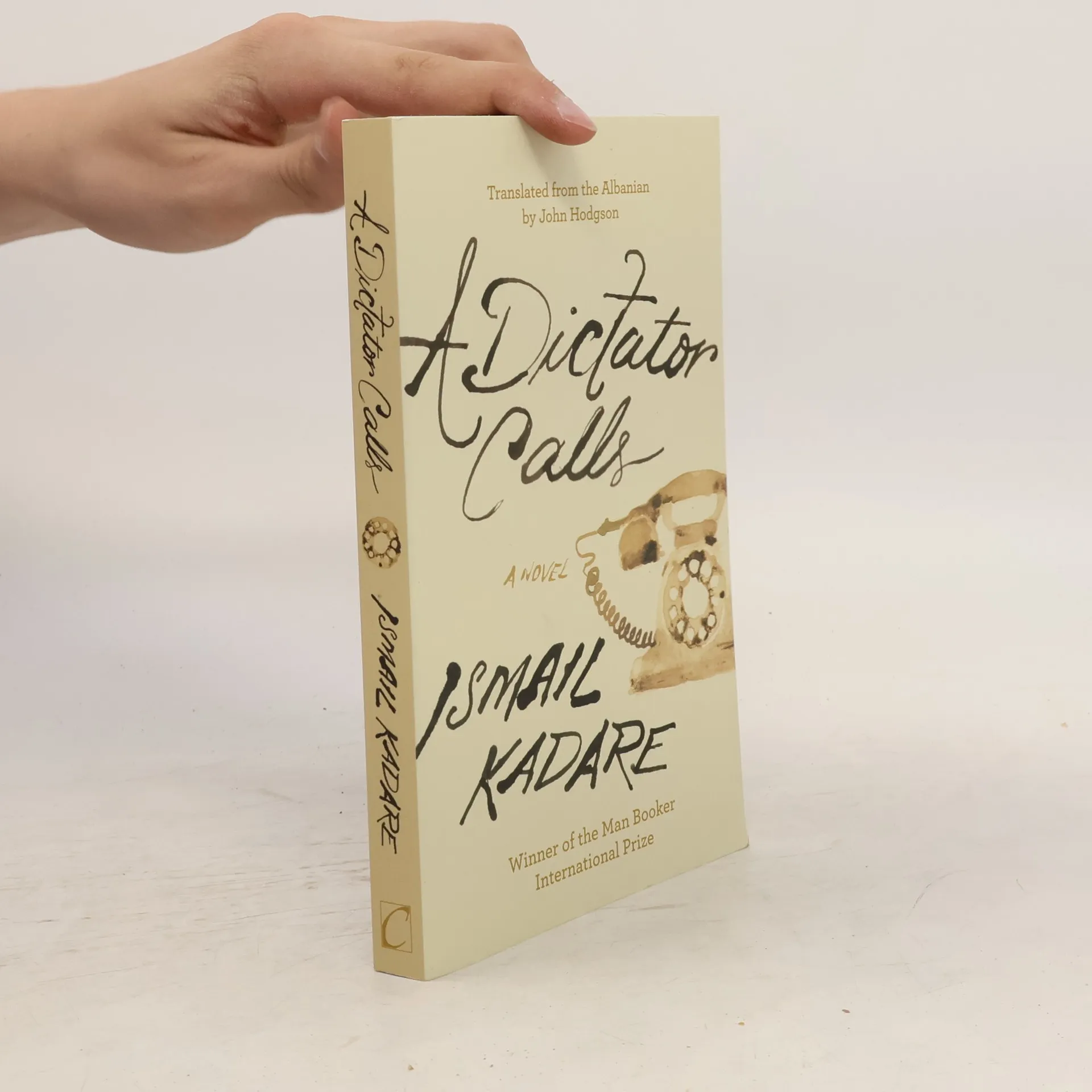
Set against the backdrop of Stalin's regime, the narrative delves into a pivotal phone call between Boris Pasternak and Stalin regarding the arrest of poet Osip Mandelstam. Ismail Kadare weaves together testimonies from notable literary figures and KGB archivists to explore the intricate relationship between literature and authoritarian power. This exploration transforms the historical event into a compelling mystery, reflecting on how political structures and artistic expression coexist and clash in a world fraught with danger and misunderstanding.
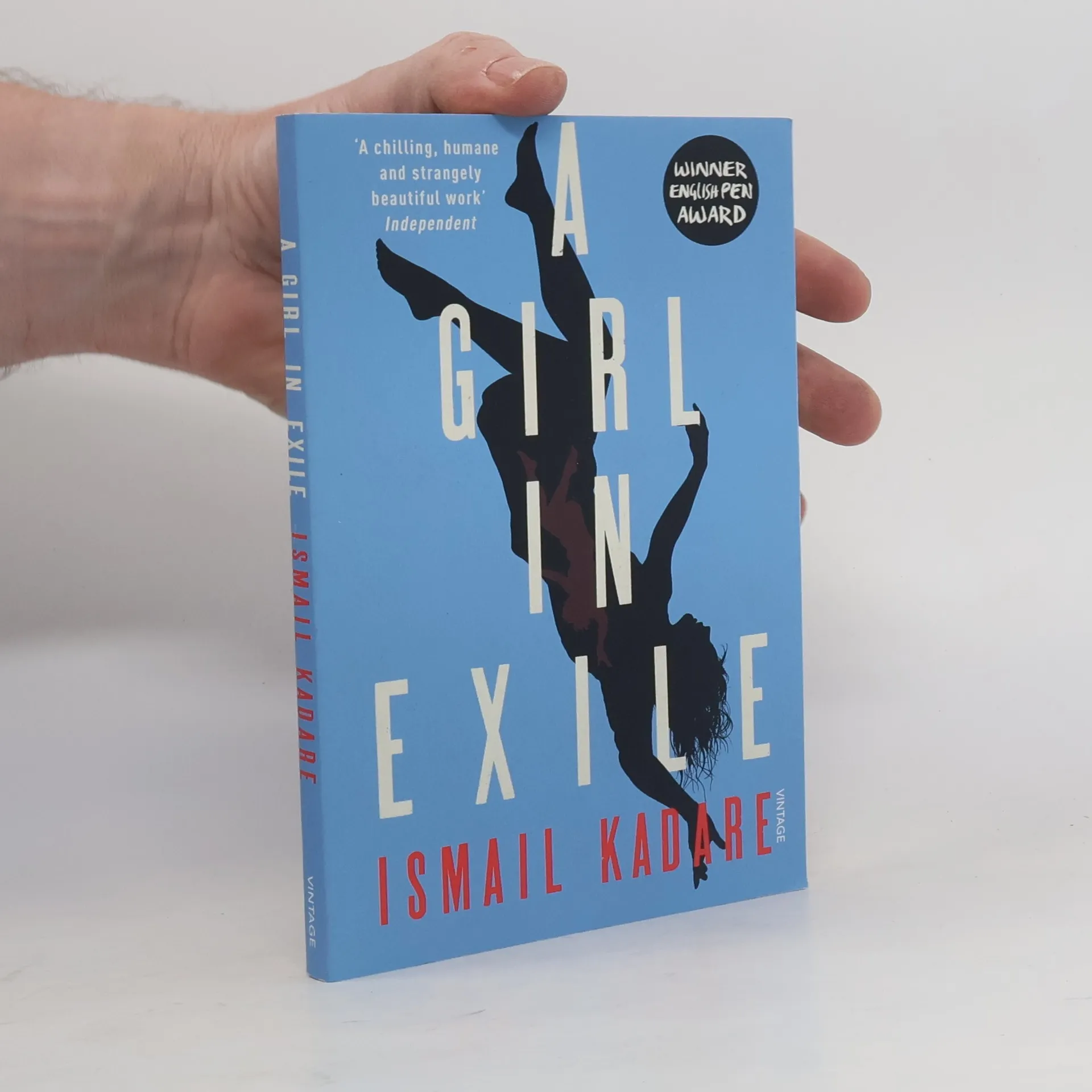
A Girl in Exile
- 192 stránek
- 7 hodin čtení
When a girl is found dead with a signed copy of Rudian Stefa's latest book in her possession, the author finds himself summoned for an interview by the Party Committee.
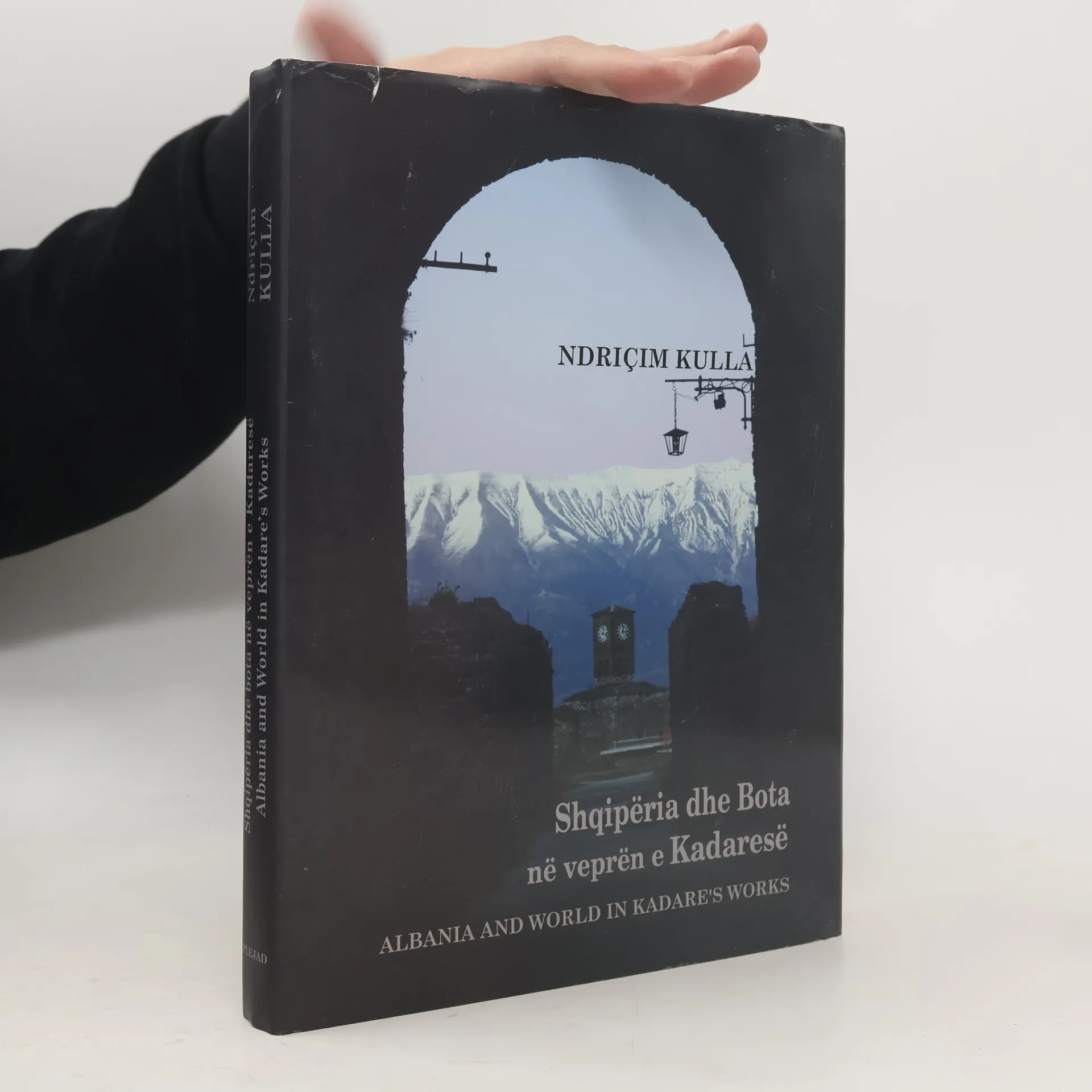
Shqipëria dhe Bota në veprën e Kadaresë. Albania and world in Kadare's works
- 269 stránek
- 10 hodin čtení
Mjegullat e Tiranës
Një roman i panjohur i Ismail Kadaresë - Për herë të parë teksti integral i romanit, bisedë me autorin dhe komente nga Viola Isufaj
- 306 stránek
- 11 hodin čtení
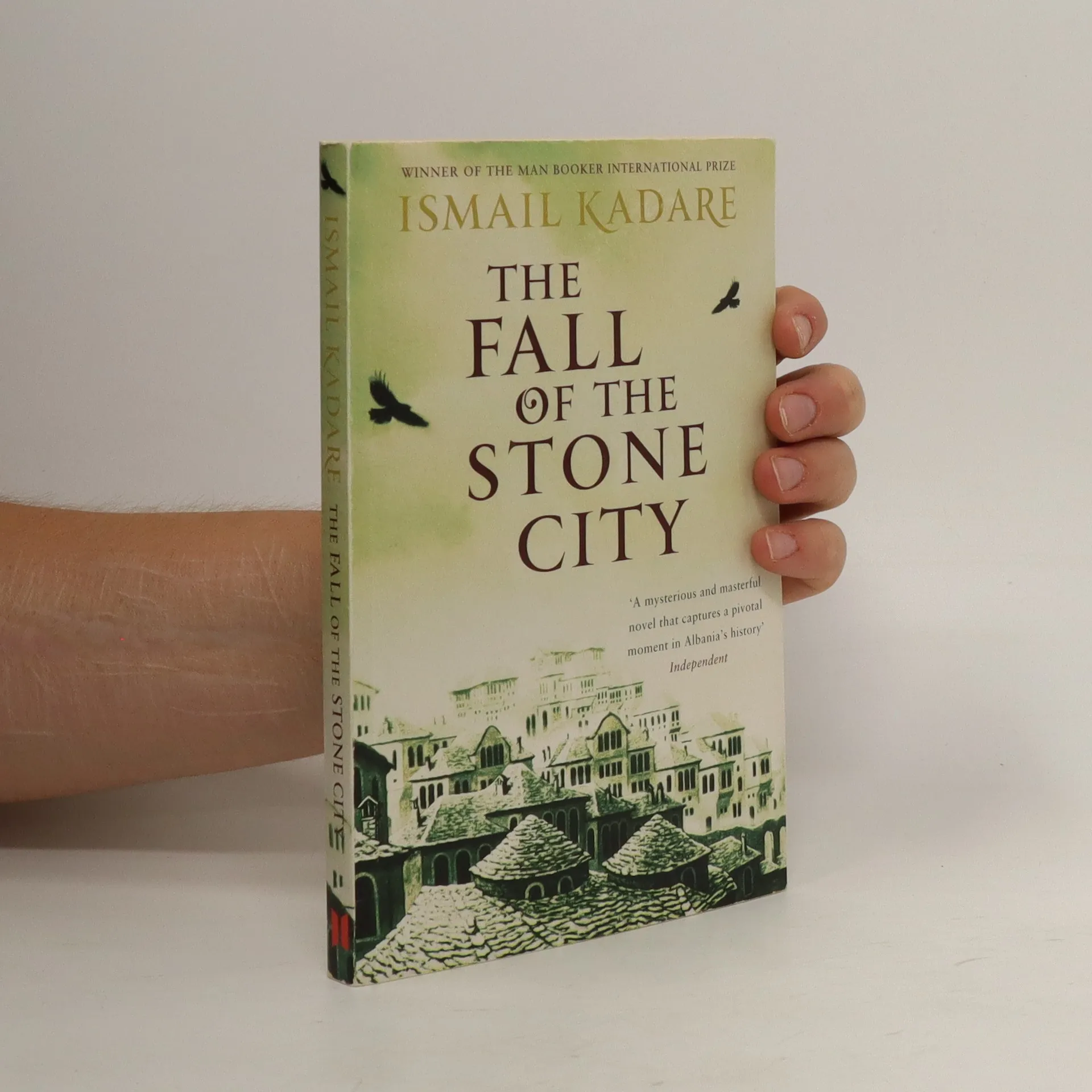
The Fall of the Stone City
- 176 stránek
- 7 hodin čtení
From the Man Booker International Prize winner comes a story of the great city of Gjirokaster and of a secret meeting that may have changed the face of Europe in the twentieth century
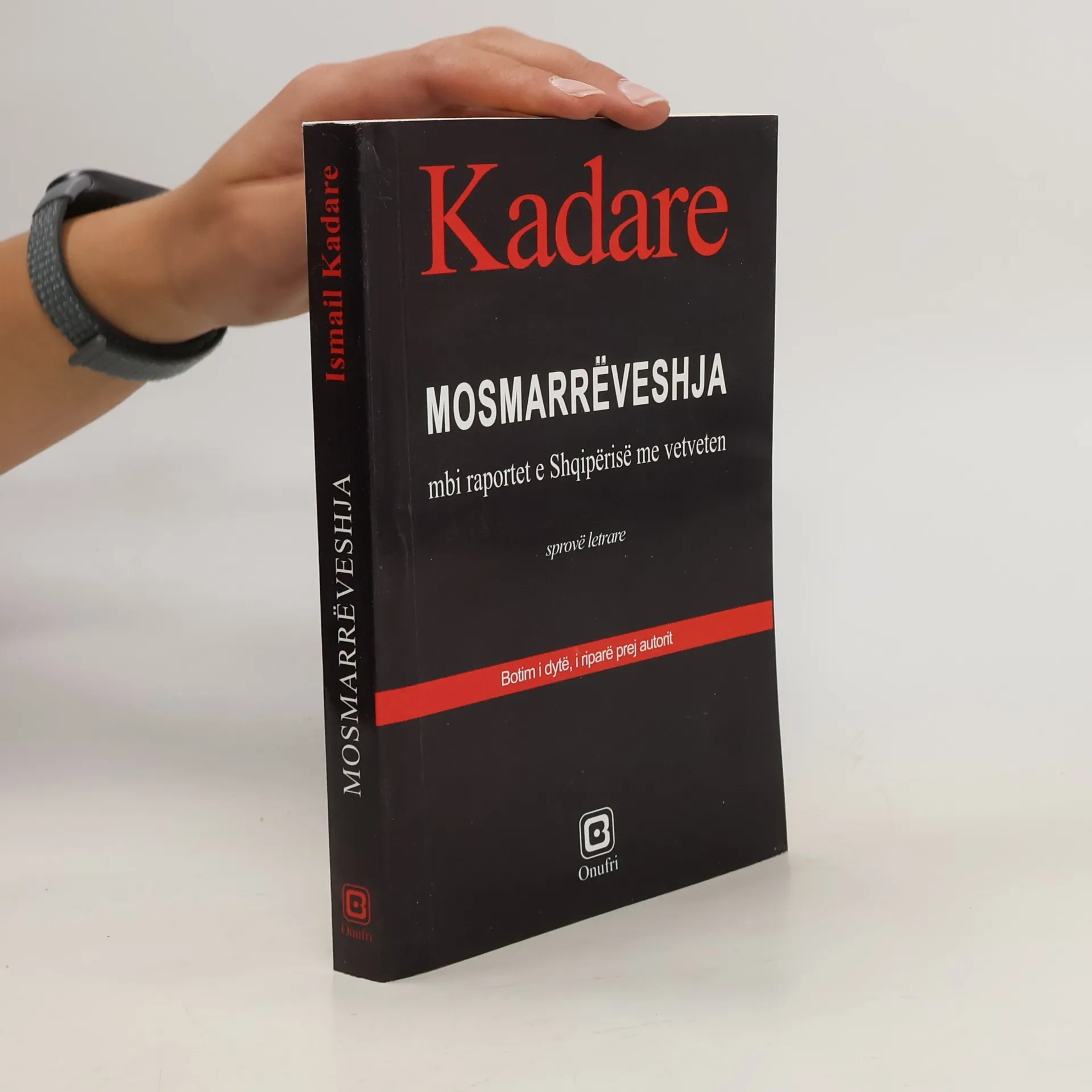
Mosamarrëveshja
- 277 stránek
- 10 hodin čtení
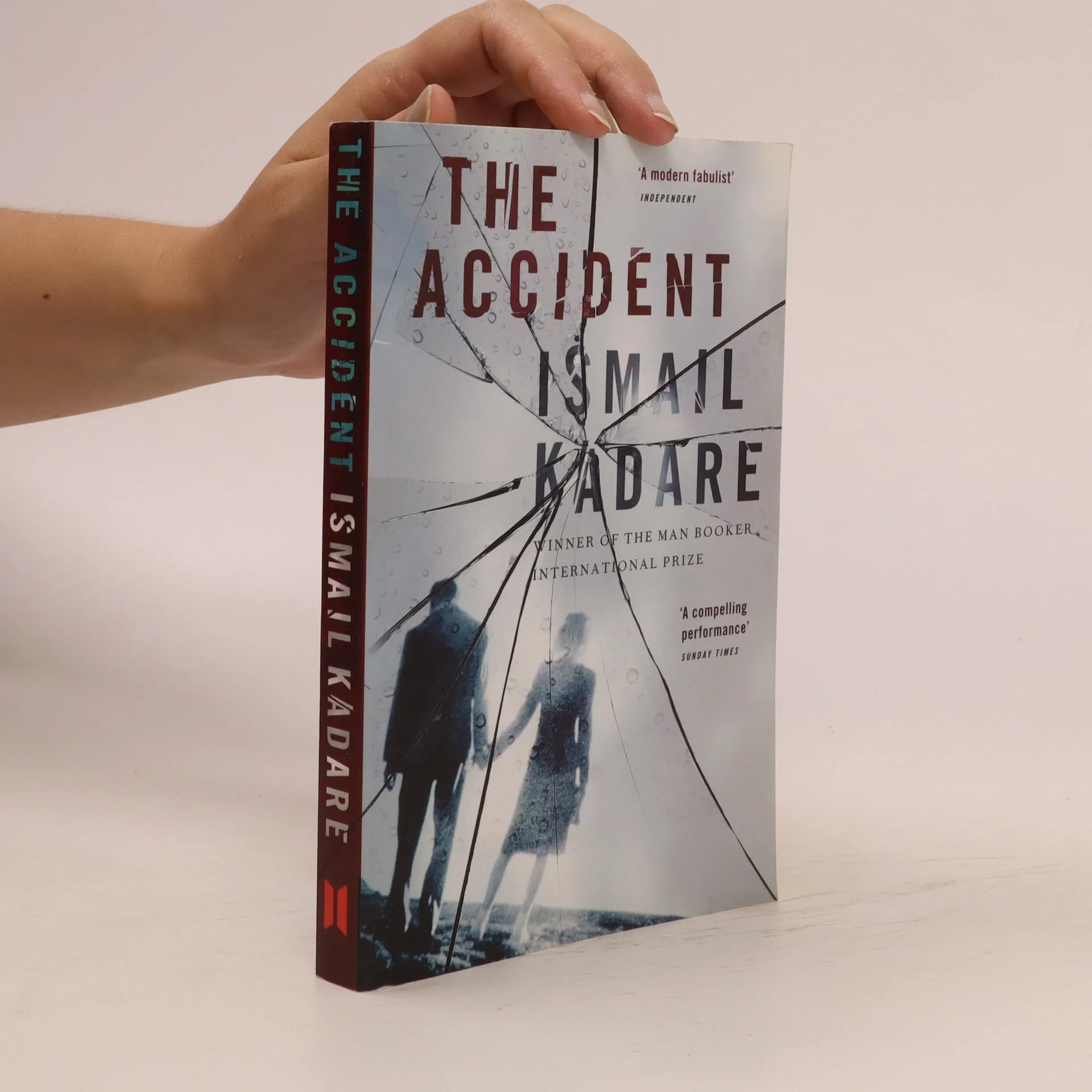
The Accident
- 272 stránek
- 10 hodin čtení
Why did the taxi crash on the autobahn in Vienna?Who exactly were Besfort Y and Rovena, the mysterious couple who died after being flung from the back seat?How was Besfort connected to the war in the Balkans? And why was his affair with Rovena clouded in jealousy and mistrust?Who wanted them dead?This is the story of the last forty weeks of their lives - a fever dream where love and obsession collide.
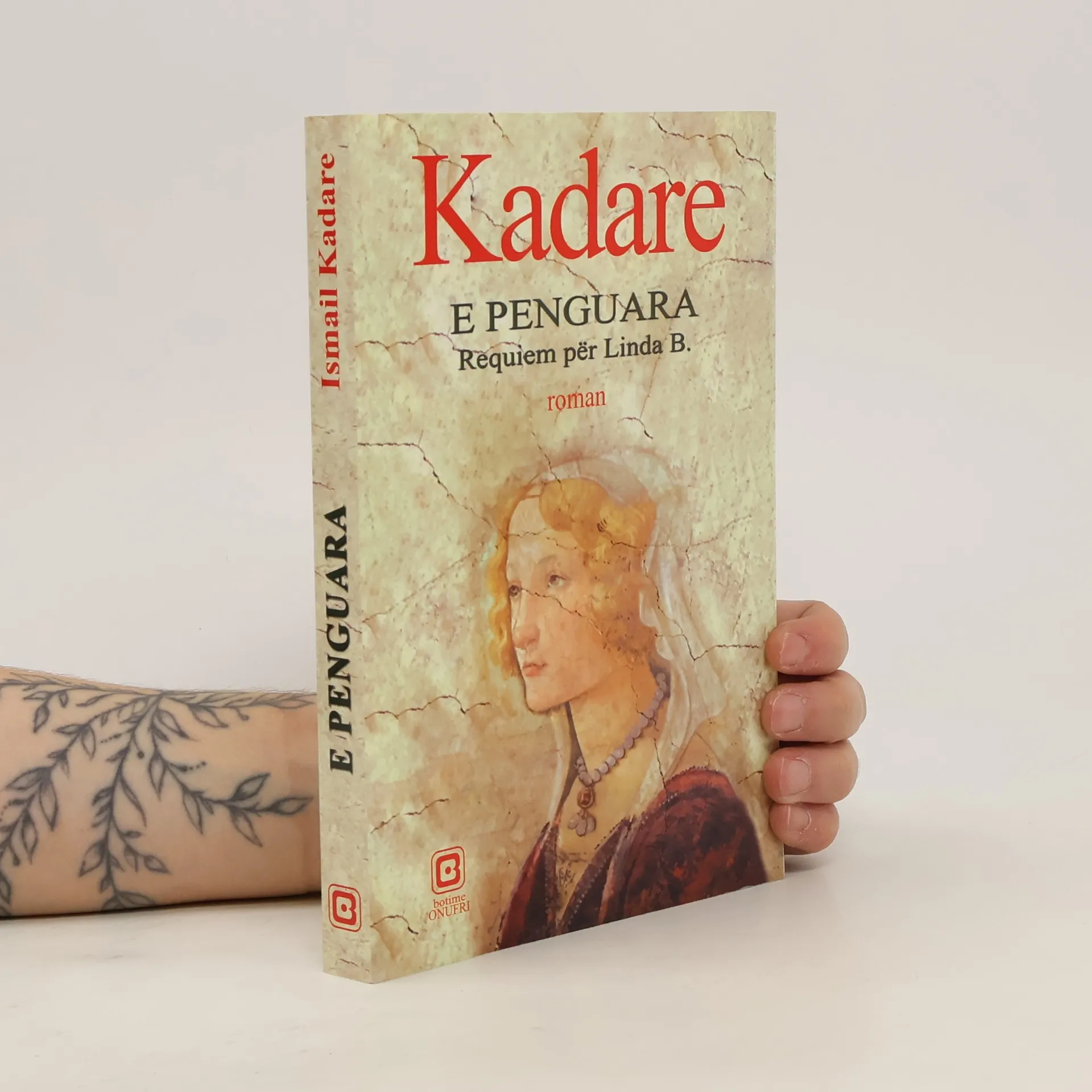
E penguara: Requiem për Linda B.
- 213 stránek
- 8 hodin čtení
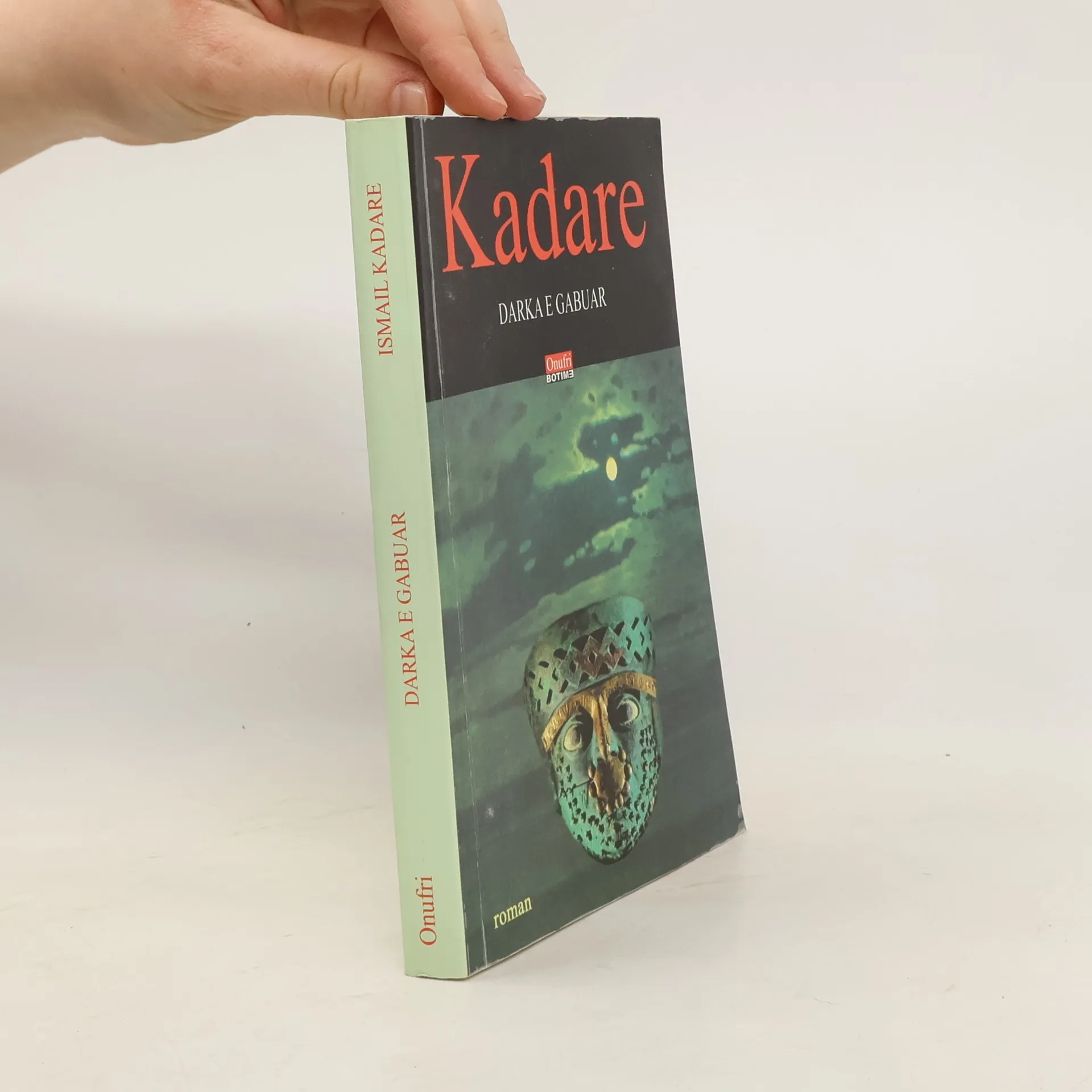
Darka e gabuar
- 207 stránek
- 8 hodin čtení
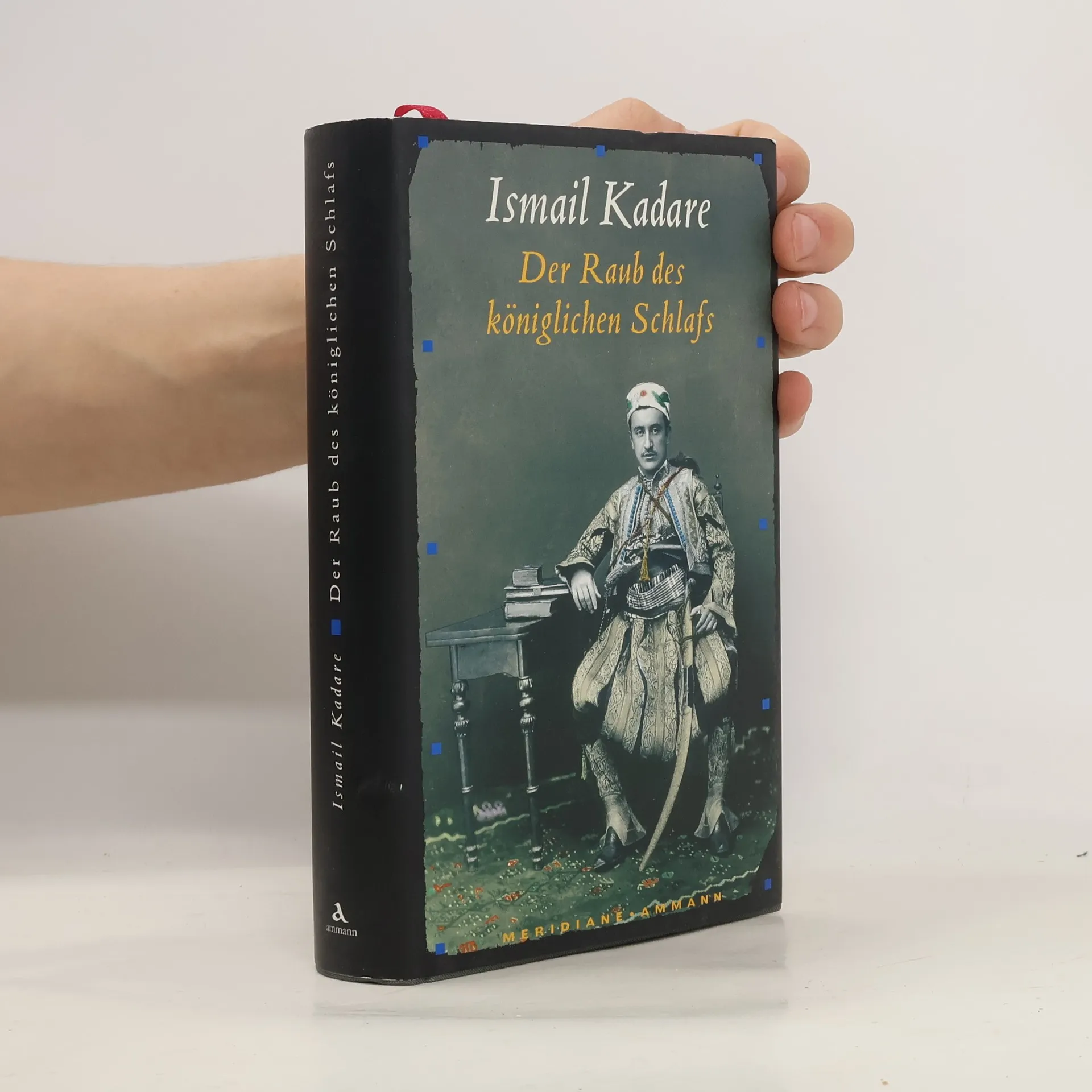
Der Raub des königlichen Schlafs
- 500 stránek
- 18 hodin čtení
Die 17 Kurzgeschichten und Kurzromane, die in dieser Anthologie erstmals auf deutsch erscheinen, bilden eine eigene Schönheitskonkurrenz: Schillernd, bunt und prächtig balancieren sie auf der Grenze zwischen Mythos und Wirklichkeit. Der albanische Meistererzähler erweist sich auch hier als Seismograph und Chronist des spannungsreichen Ineinanders der Völker und Kulturen auf dem Balkan. Kadare spürt dieser besonderen Atmosphäre nach und erfaßt sie in verschiedenen historischen Konstellationen: vor sozialistischer Kulisse, als Panorama des Osmanischen Reiches, im Spiegel der griechischen Antike. Ob mythologisch, grotesk oder tragikomisch – Kadares Erzählungen sind stets Geschichten von der Geschichtlichkeit des Menschen und immer wieder aufs neue eine fesselnde Lektüre.
Dvadeset jedan prozni književnik/ca napisao/la je svoje viđenje pitanja zbog čega u jugoistočnoj Evropi postoji toliko nepoverenje jednih naroda prema drugima, prema neposrednim susedima. Odakle zapravo toliko odbijanje da se u susedu umesto neprijatelja vidi prijatelj? Zašto je etničko čišćenje postalo program ili čak neostvareni san? Zašto se jugoistočna Evropa već godinama pokazuje kao čudesno nepromenjiva sredina, gotovo deklarativno otvorena za promene, u kojoj svaka država uporno insistira na nekoj svojoj navodnoj istini? U knjizi su se našla prozna ostvarenja najreprezentativnijih pisaca iz regiona – Slavenka Drakulić, Dragan Velikić, Nenad Veličković, Bora Ćosić, Miljenko Jergović, Biljana Srbljanović, Drago Jančar, Irena Vrkljan, Ismailj Kadare, Ćarls Simić, itd.
Agamemnon's Daughter
- 240 stránek
- 9 hodin čtení
Sacrificed to further a father's blood-soaked career; sacrificed for the common good; sacrificed, then forgotten.
Eskili, ky humbës i madh
- 159 stránek
- 6 hodin čtení
The Successor
- 224 stránek
- 8 hodin čtení
Tyranny in Tirana, a novel from the inaugural Man Booker International Prize winner based on the final days of Enver Hoxha.
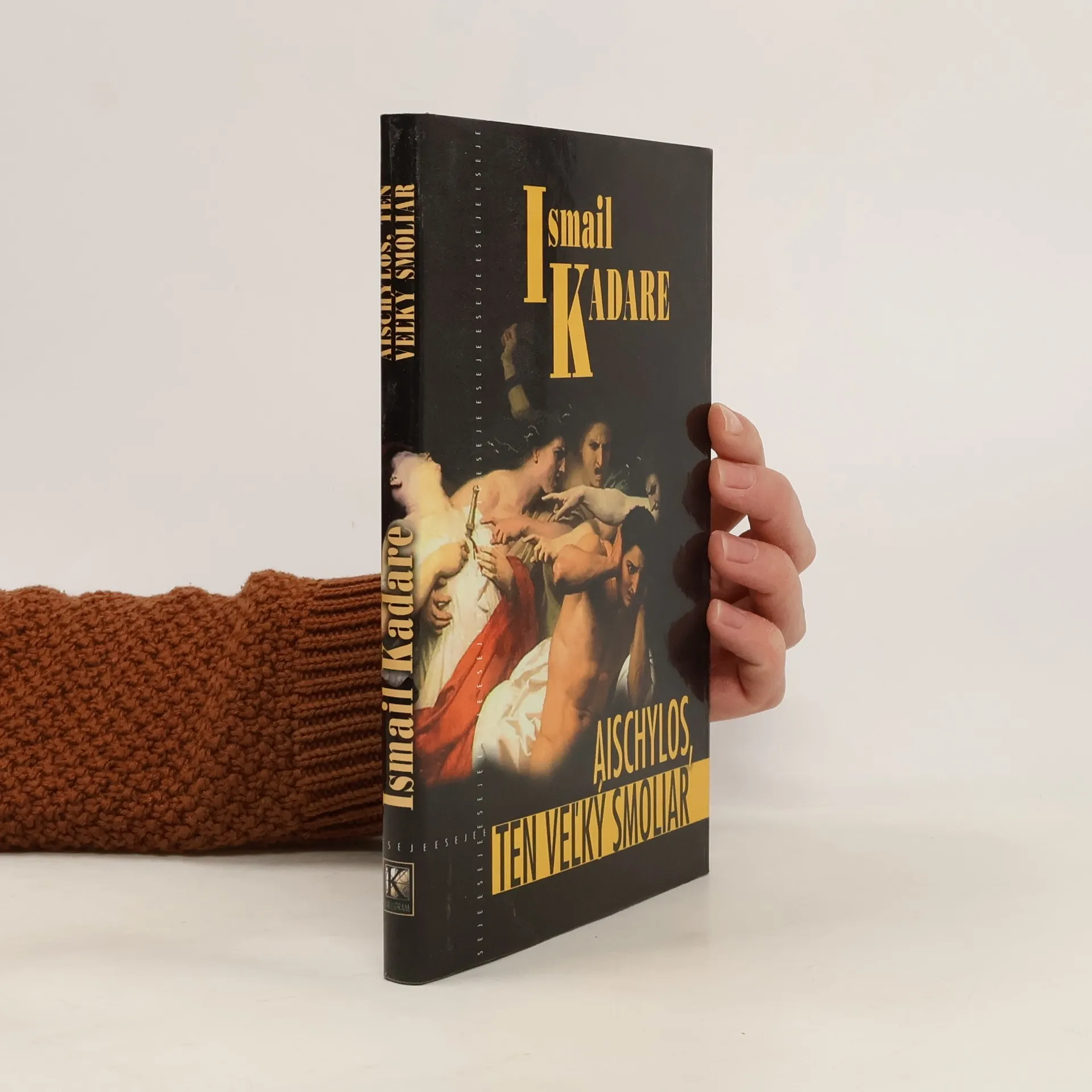
Aischylos, ten veľký smoliar
- 144 stránek
- 6 hodin čtení
Vychádzajúc z Aischylových drám, autor hľadá odpoveď na rôzne otázky súvisiace s históriou dramatického žánru: zaujíma ho pôvod gréckej tragédie (autor tu predkladá vlastnú teóriu jej vzniku), problém slobody umeleckej tvorby v antickom Grécku, úloha starého Ríma pri zaradení gréckych tragédií do kánonu európskeho kultúrneho dedičstva, príčiny zániku tragického žánru v stredoveku a okolnosti jeho neskoršieho znovuzrodenia, aktuálnosť morálneho posolstva antických tragédií pre novovek. Pri rekonštrukcii kultúrneho kontextu antickej gréckej literatúry Kadare pripomína vplyvy národov starovekého Balkánu na kultúru dobového Grécka; zamýšľa sa aj nad novšími dejinami balkánskych národov a zvláštnu pozornosť venuje ich starobylému kultúrnemu dedičstvu. Kadareho dielo Aischylos, ten veľký smoliar prináša hodnotné podnety pre klasických filológov, literárnych vedcov či teatrológov, ako aj pre všetkých záujemcov o historickú a kultúrnu problematiku Balkánskeho polostrova nie veľmi vzdialeného, a predsa v mnohom neznámeho.
Ditë kafenesh
- 85 stránek
- 3 hodiny čtení
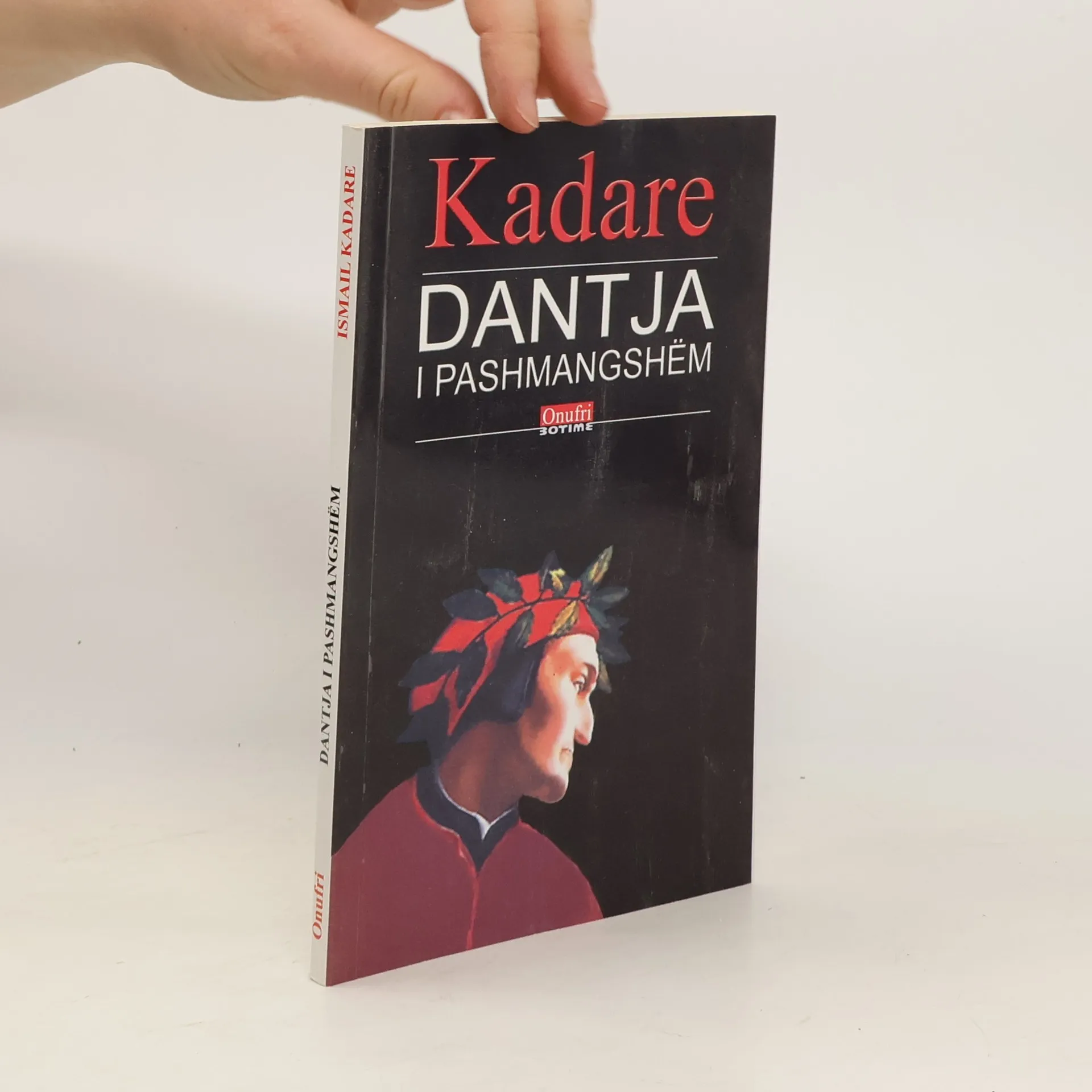
Dantja i pashmangshëm
- 77 stránek
- 3 hodiny čtení
Çfarë lidhjeje mund të ekzistojë mes Shqipërisë dhe Dantes, poeti italian për ekselencë, një nga më të mëdhenjtë në histori? Cilat afinitete sekrete lidhin një vepër si "La Divina Commedia" dhe vuajtjet e popullit shqiptar, të shënuar nga shekuj luftërash dhe okupimesh? Më shumë se sa mund të imagjinojmë, zbulon Ismail Kadare në këtë pamflet. Duke u shtrirë nga Perandoria Osmane në invazionin fashist, nga vitet e komunizmit në ato të barqoneve të vdekjes, autori i madh shqiptar ripercjell hapat themelorë të historisë së vendit të tij. Dhe tregon se si Dante ka qenë "pashmangshmërisht" i pranishëm në çdo moment, duke ofruar me artin e tij një burim të pafund bukurie dhe një strehë nga horrori i historisë.
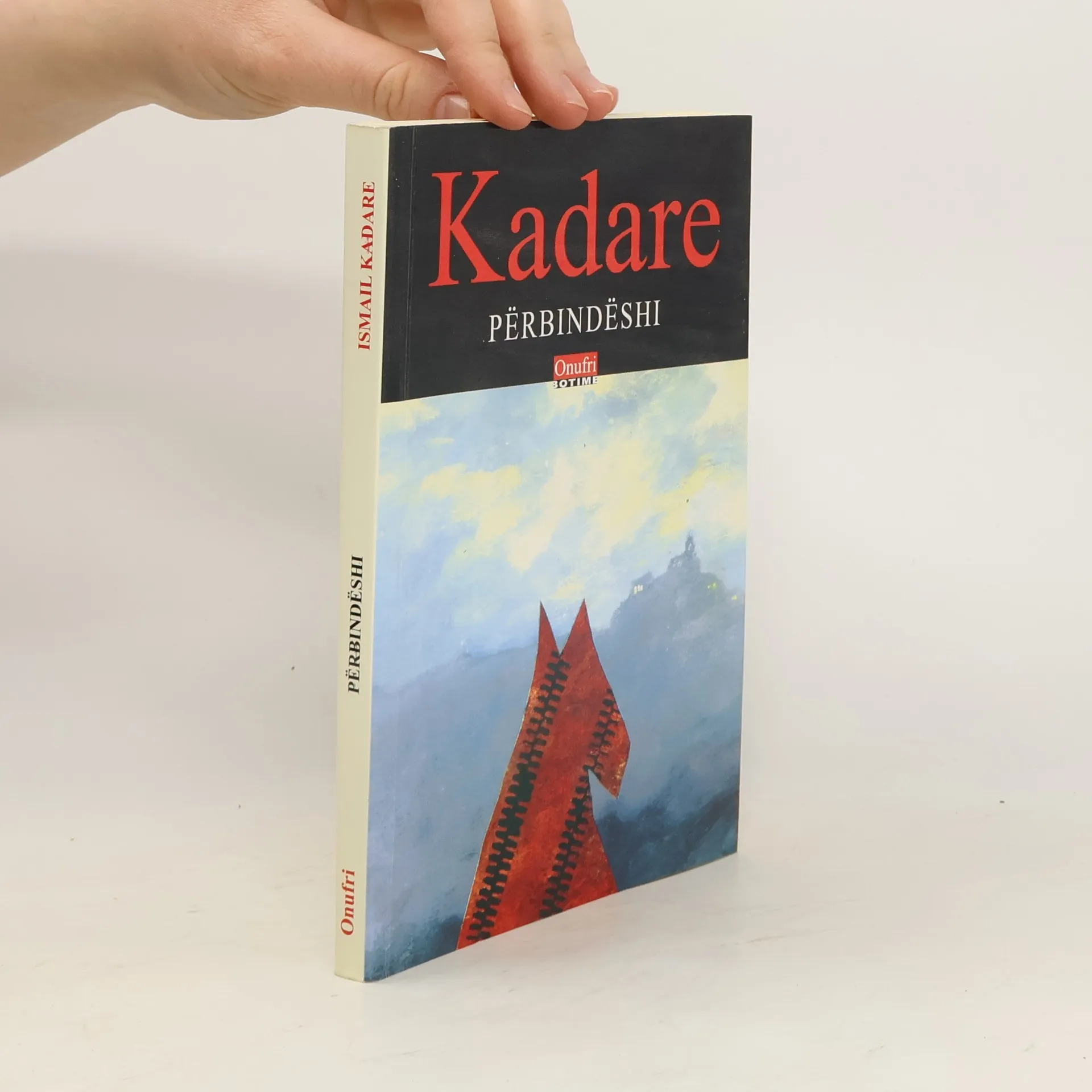
Përbindëshi
- 175 stránek
- 7 hodin čtení
Një vajzë e re shqiptare shkon në humbje për shkak të akuzave dhe dyshimeve, karakteristike për sistemin komunist.
Ca pika shiu ranë mbi qelq
- 108 stránek
- 4 hodiny čtení
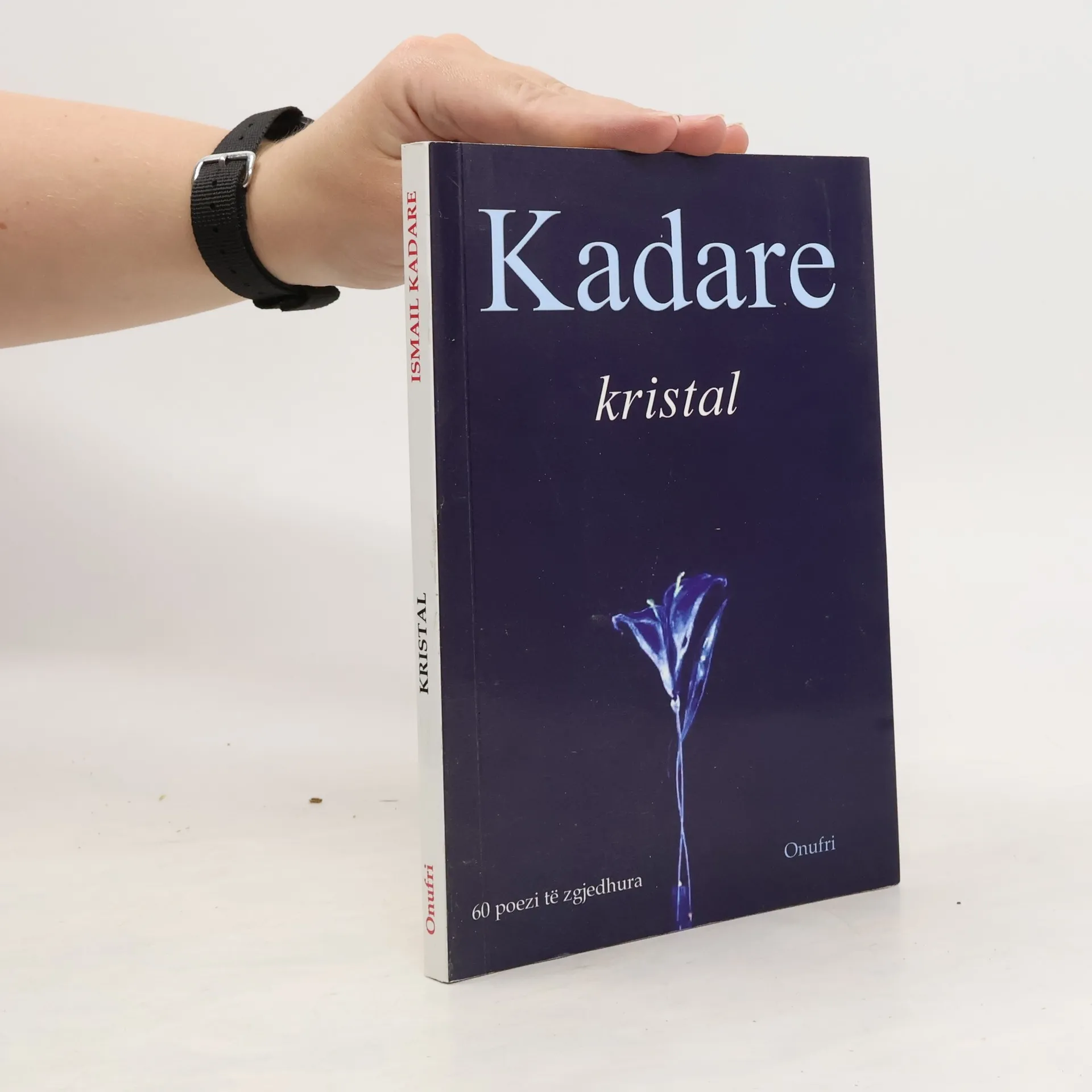
Ca pika shiu ranë mbi qelq është titulli i një libri me përmbledhje poetike e poezive më të zgjedhura të shkrimtarit Ismail Kadare.
Ikja e shtërgut
- 116 stránek
- 5 hodin čtení
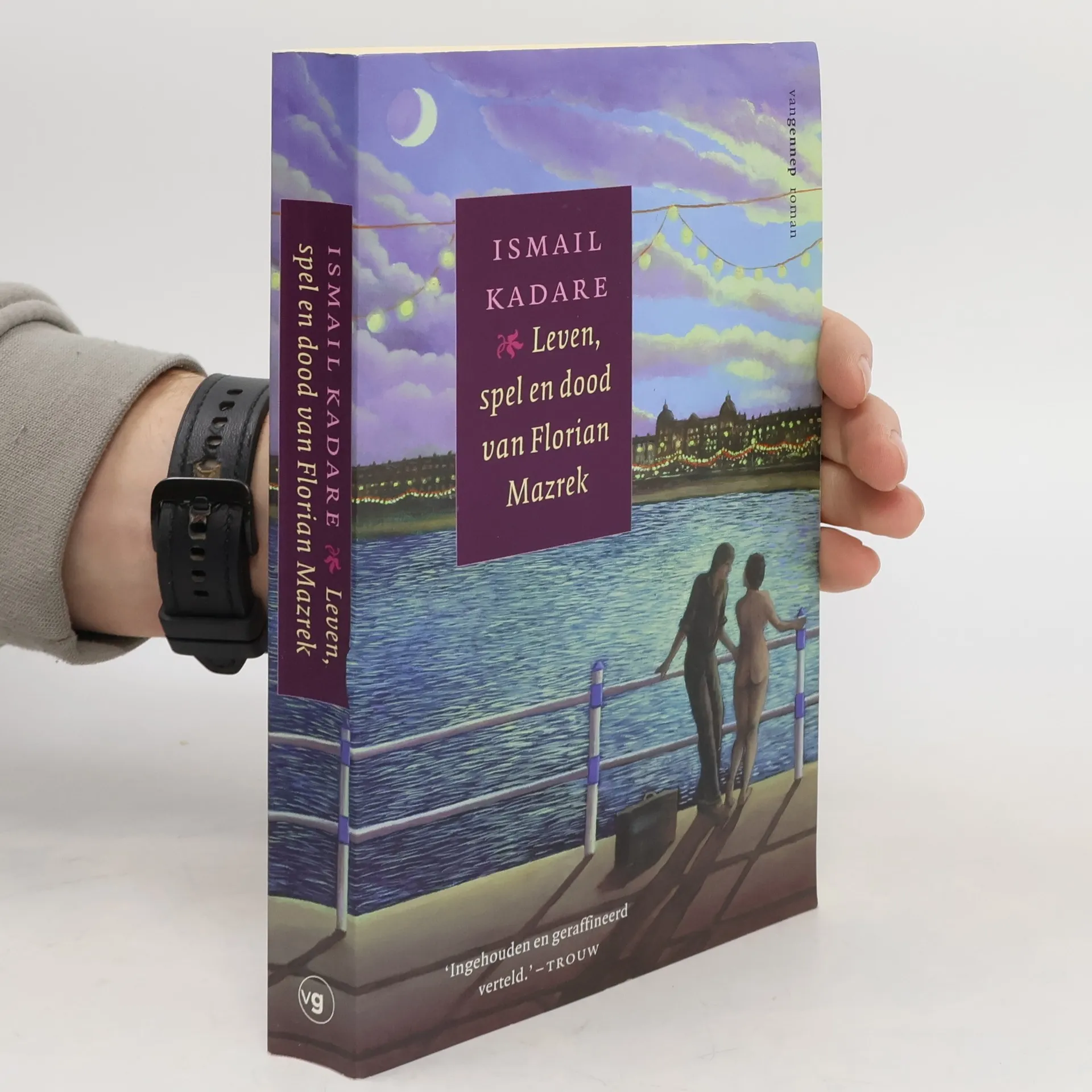
Leven, spel en dood van Florian Mazrek
- 271 stránek
- 10 hodin čtení
Aan de vooravond van de val van het communistische regime in Albanië zoeken twee jonge mensen vrijheid en liefde.
Shows how legends of betrayal and defeat simmered in European civilisation for six hundred years, culminating in the agony of one tiny population at the end of the twentieth century.
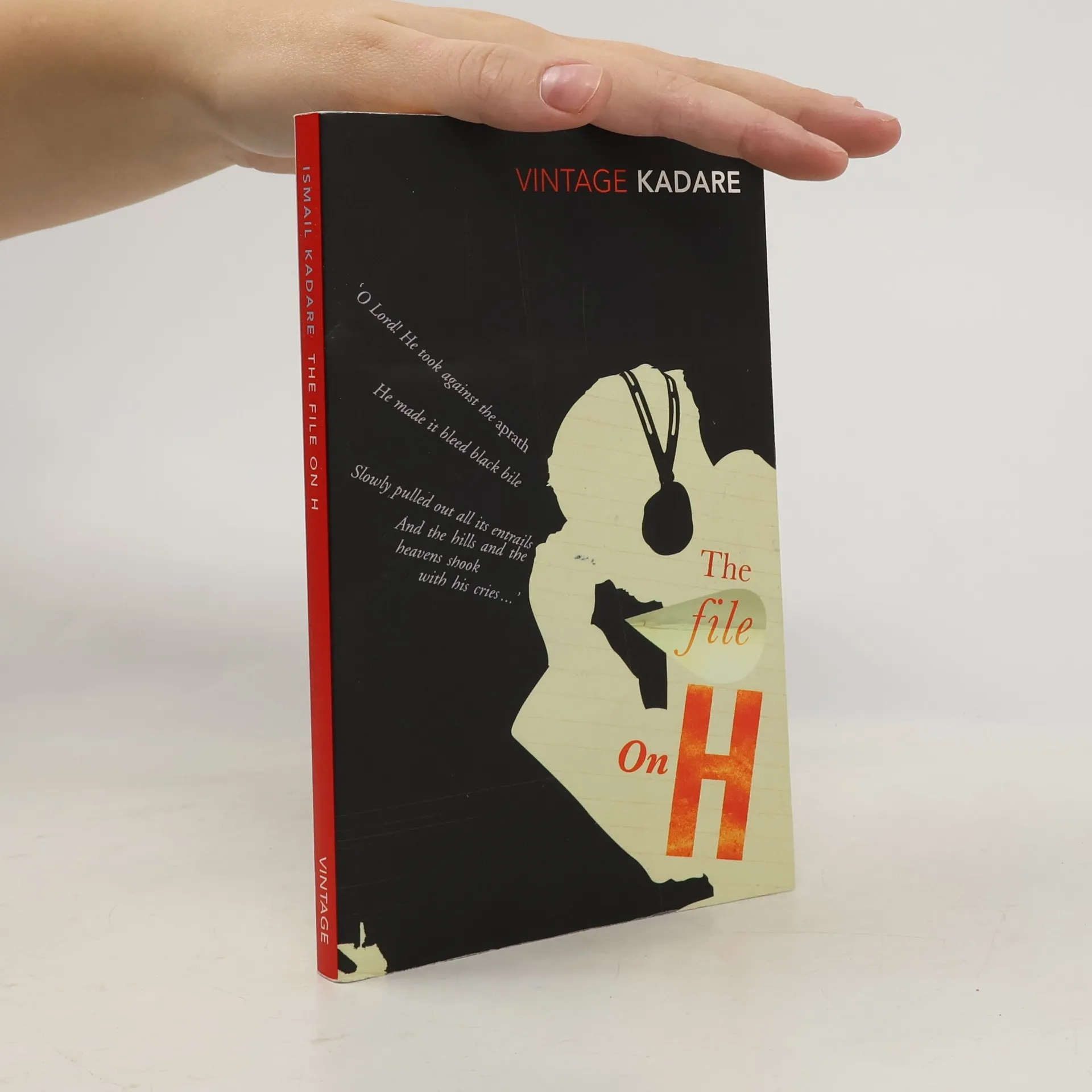
The File On H
- 176 stránek
- 7 hodin čtení
Two Irish-American scholars from Harvard journey to Albania in the 1930s with a tape recorder (a 'new fangled' invention) in order to record the last genuinely oral epic singers.
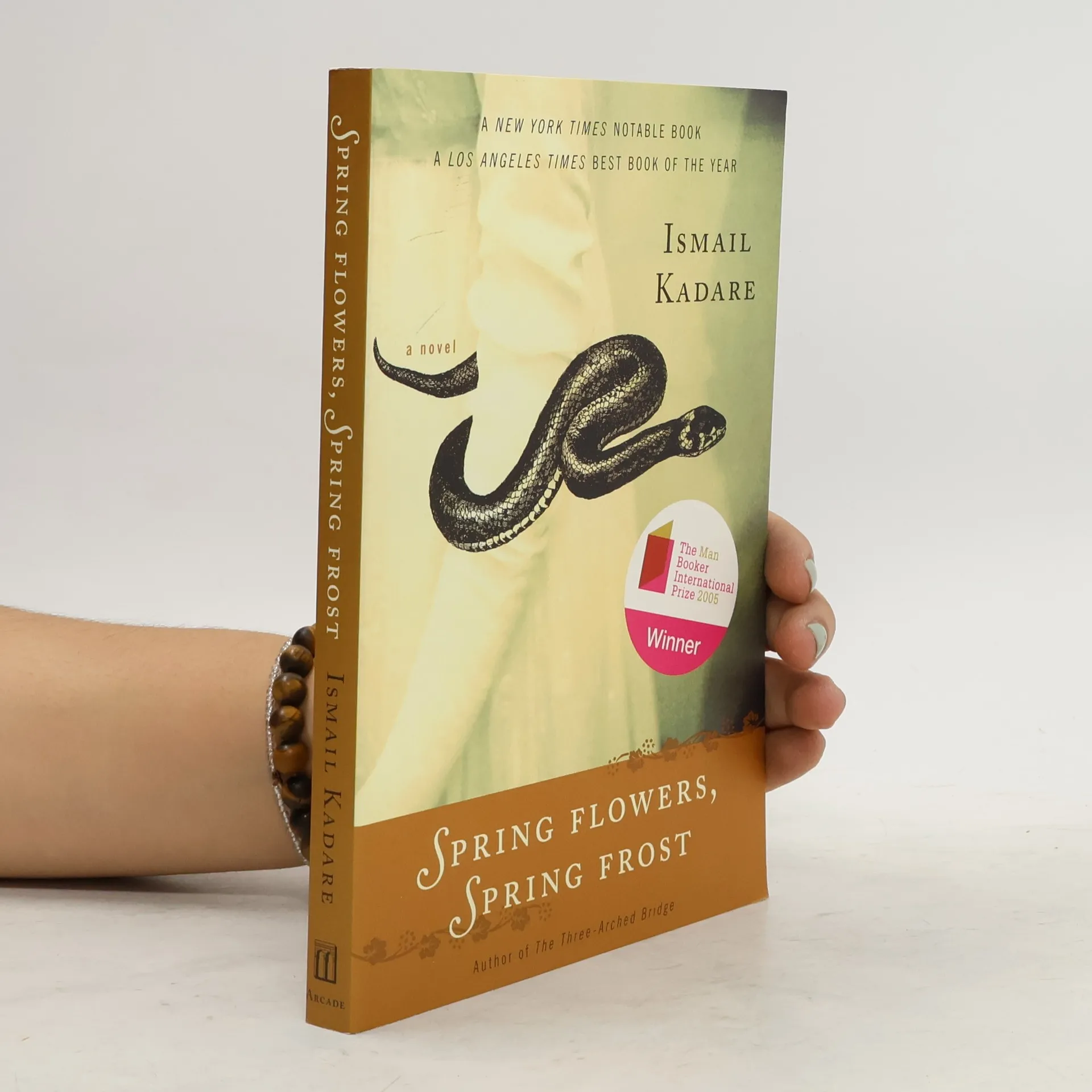
Spring Flowers, Spring Frost
- 192 stránek
- 7 hodin čtení
Albania, at the end of the twentieth century, a decade after the fall of the Communist regime. In a small town at the foot of the northern highlands, the harsh blood-for-blood law of the mountain folk, the fearsome Kanun, is emerging from hibernation, like everything else forbidden under the fifty years of Communist rule. Mysterious events that are two thousand years, two centuries, or even two years old reemerge in daily life. The marriage of a girl and a snake is not just a legend but a news item -- a cyclical event that is as much part of the modern as of the anicent world. Set against this Kafkaesque backdrop, a simple and sensual love story between a painter and a girl stands out as light against dark. -- cover.
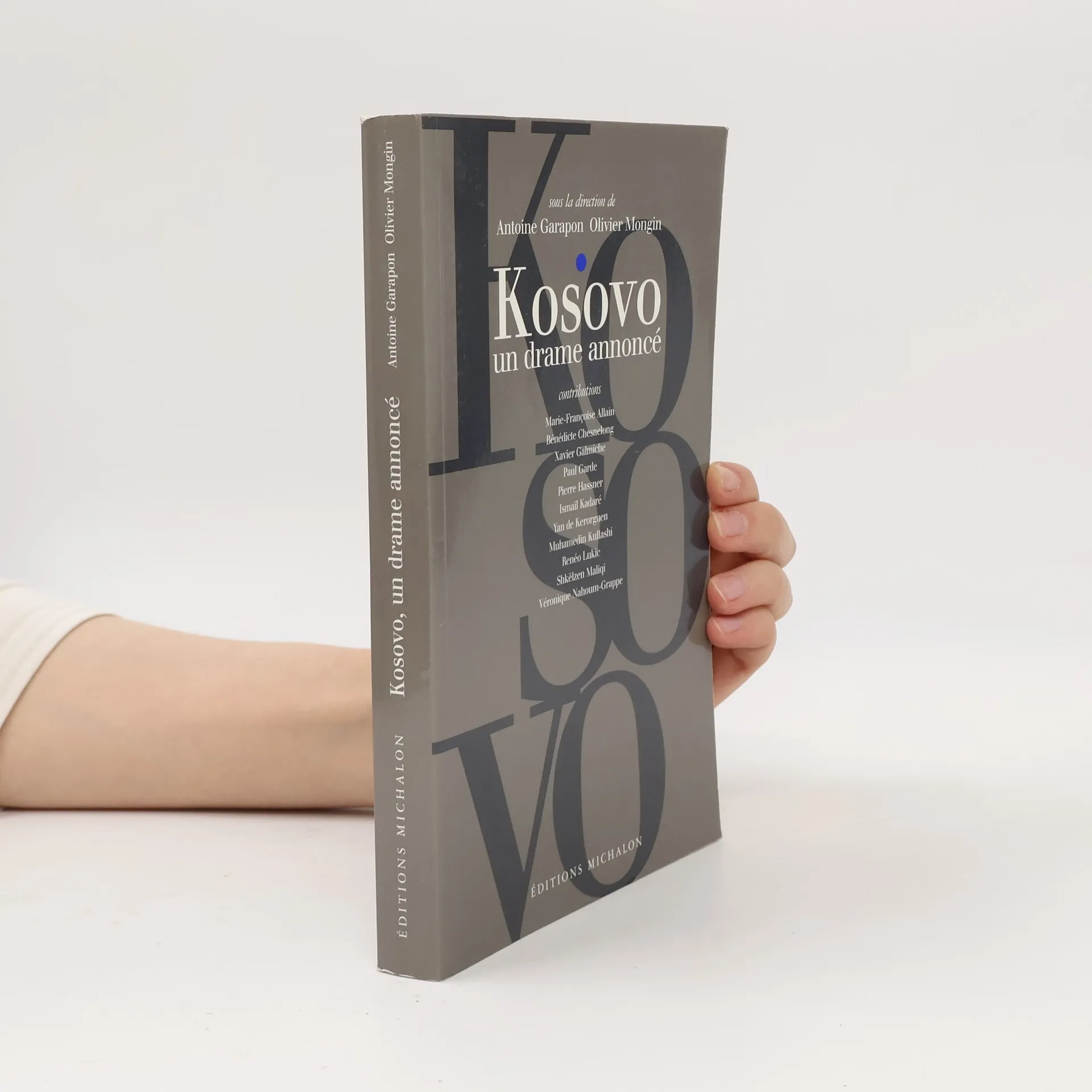
Kosovo, un drame annoncé
- 292 stránek
- 11 hodin čtení
La guerre en ex-Yougoslavie a commencé au Kosovo et se terminera vraisemblablement au Kosovo. Milosevic a fait de la reconquête de cette région le coeur de son discours nationaliste et donc le moteur de son ascension politique. Il n'est donc pas surprenant que le Kosovo, à la différence de la Bosnie, ait déclenché une crise internationale. Ce drame était prévisible : un certain nombre d'analyses et 'de mises en garde l'avaient annoncé. Ce livre, qui recueille des articles rédigés par des membres du Comité Kosovo publiés dans leur grande majorité dans la revue Esprit, permet de comprendre les ressorts de cette catastrophe. Celle-ci ne peut se réduire à l'affrontement de deux nationalismes : elle est également justiciable d'une lecture politique. Le régime de Milosevic a réveillé dans les opinions publiques occidentales le souvenir tragique des crimes du XXe siècle. Le Comité Kosovo a été fondé au début des années 90 à l'initiative de Musa Jupolli et d'Antoine Garapon en étroite collaboration avec la revue Esprit. Il réunit des intellectuels - Marie-Françoise Main, Pascal Bruckner, Georges-Marie Chenu, Alain Finkielkraut, Xavier Galmiche, Pierre Hassner, Muhamedin Klillashi, Claude Lefort, Olivier Mongin, Véronique Nahoum-Grappe -, des associations telles que le Mouvement pour une alternative non-violente (MAN), l'Association des Chrétiens contre la Torture (ACAT), ainsi que des Albanais du Kosovo.
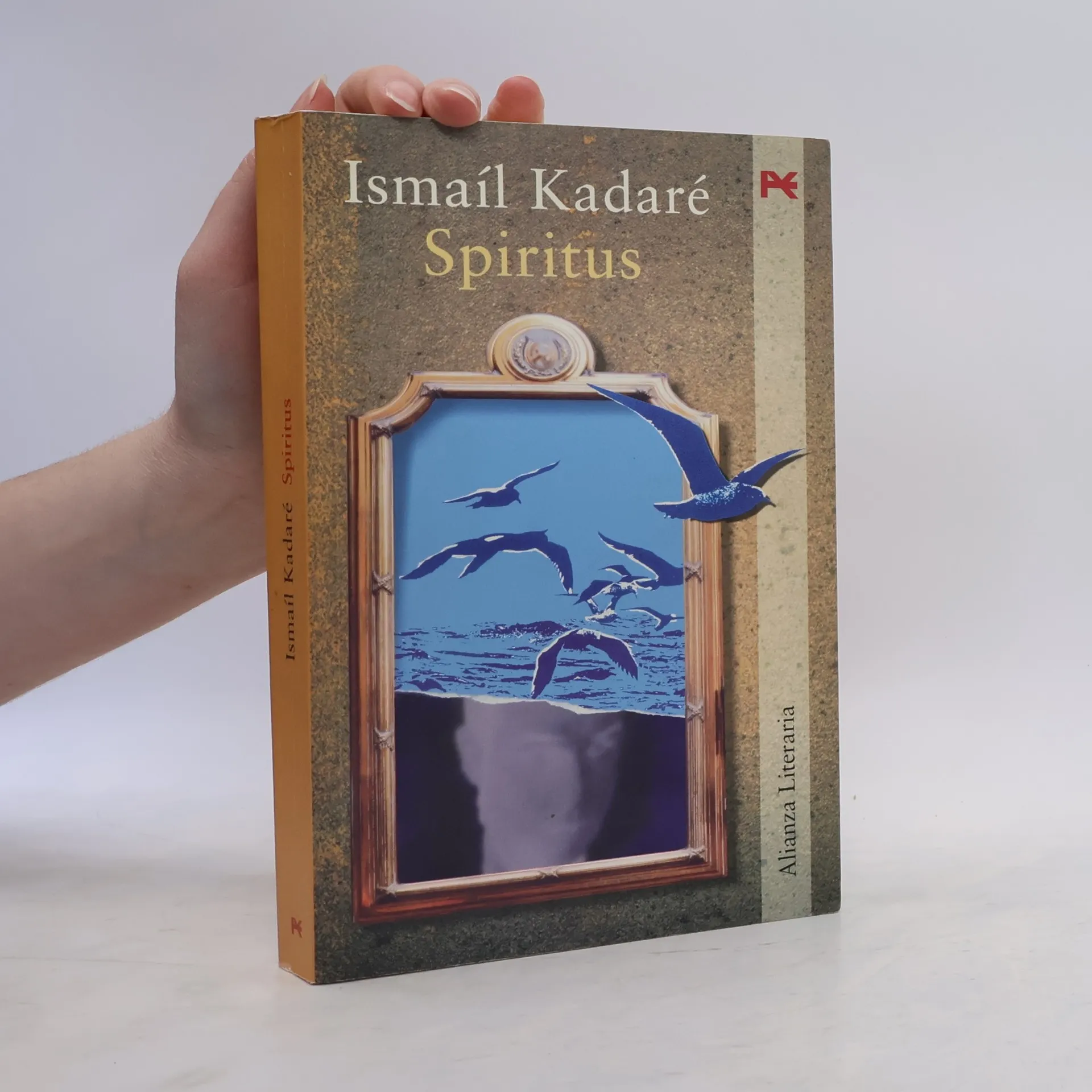
Spiritistische Séancen im real existierenden Sozialismus? Eine erst verbotene und dann doch genehmigte Theaterpremiere? Eine französische Delegation auf Besuch? Für den Chef der örtlichen Staatssicherheit bedeuten die scheinbaren Anzeichen einer Tauwetterperiode etwas ganz anderes: Modernste, winzige Wanzen sollen zum Einsatz gebracht werden, die jedem staatsfeindlichen Geflüster auf die Spur kommen und sogar die Verfolgung und Gefangennahme eines Geistes möglich machen. ›Spiritus‹ erzählt eine phantastische Geschichte in einem äußerst realen Rahmen.
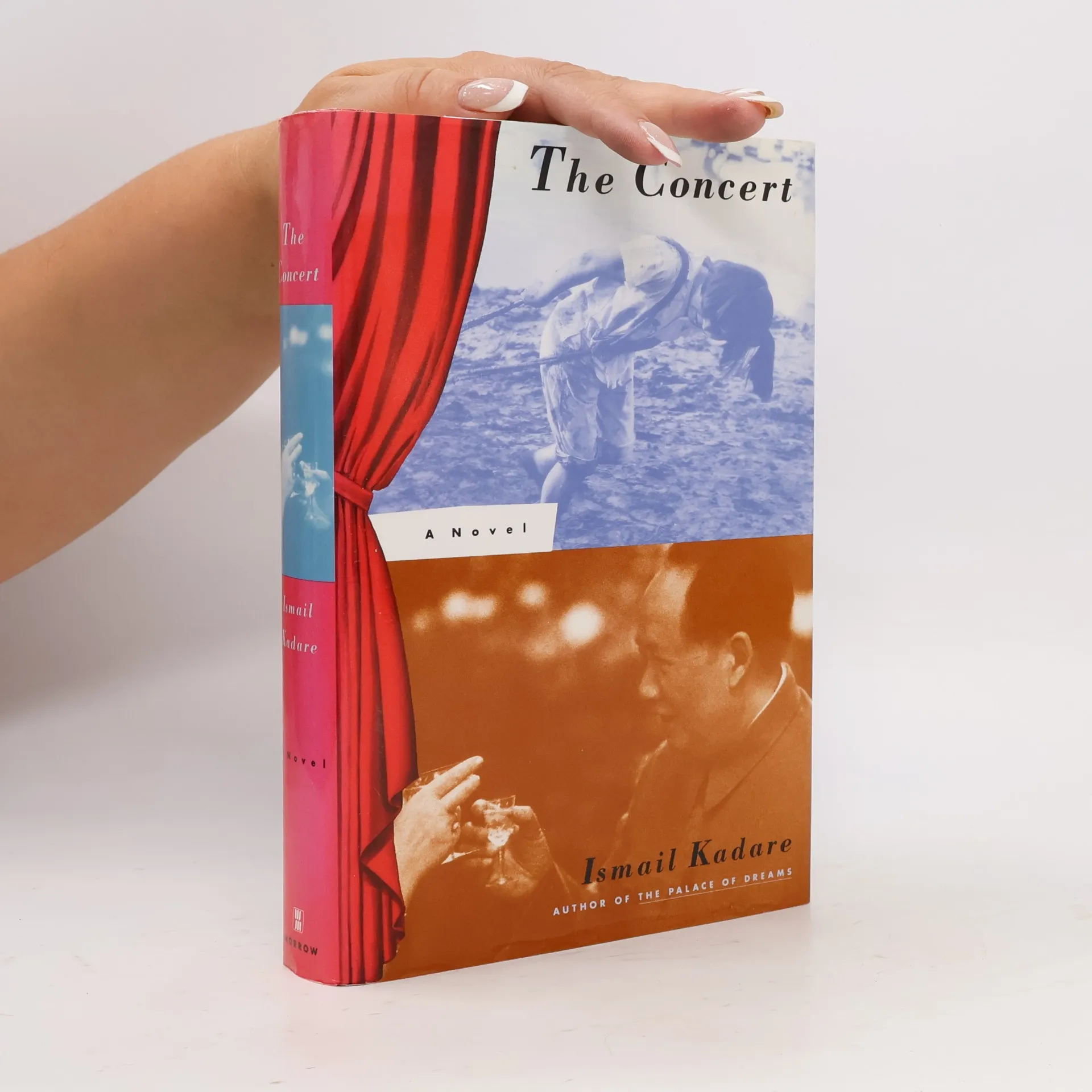
In Enver Hoxha's Albania, news was closely guarded and speculation forever rife. When an engineer stepped on the foot of a visiting Chinese man, a Diplomatic incident resulted, and couriers between Tirana and Beijing carried back and forth annotated X-rays of The Foot. Was the sudden tension between the two allies connected with the punishment meted out to a group of Albanian tank officers? Were Comrades Enver and Mao still in step on the sovereign role of the Party? The brittle nature of political realities is epitomised in a Gala Concert in Beijing. A hand-picked audience of diplomats and party officials see destiny for the fragile beast it is when, surveying the Politburo boxes, they notice to their horror an Empty Chair. Kadare - the author of 'one of the most complete visions of totalitarianism ever committed to paper' (Vanity Fair) - has penned a glimpse inside a seething melting pot of rumour and reputation, as the morning's orthodoxies become heresies by dinner time and the Sino-Albanian axis finally comes adrift.
Canavar
- 190 stránek
- 7 hodin čtení
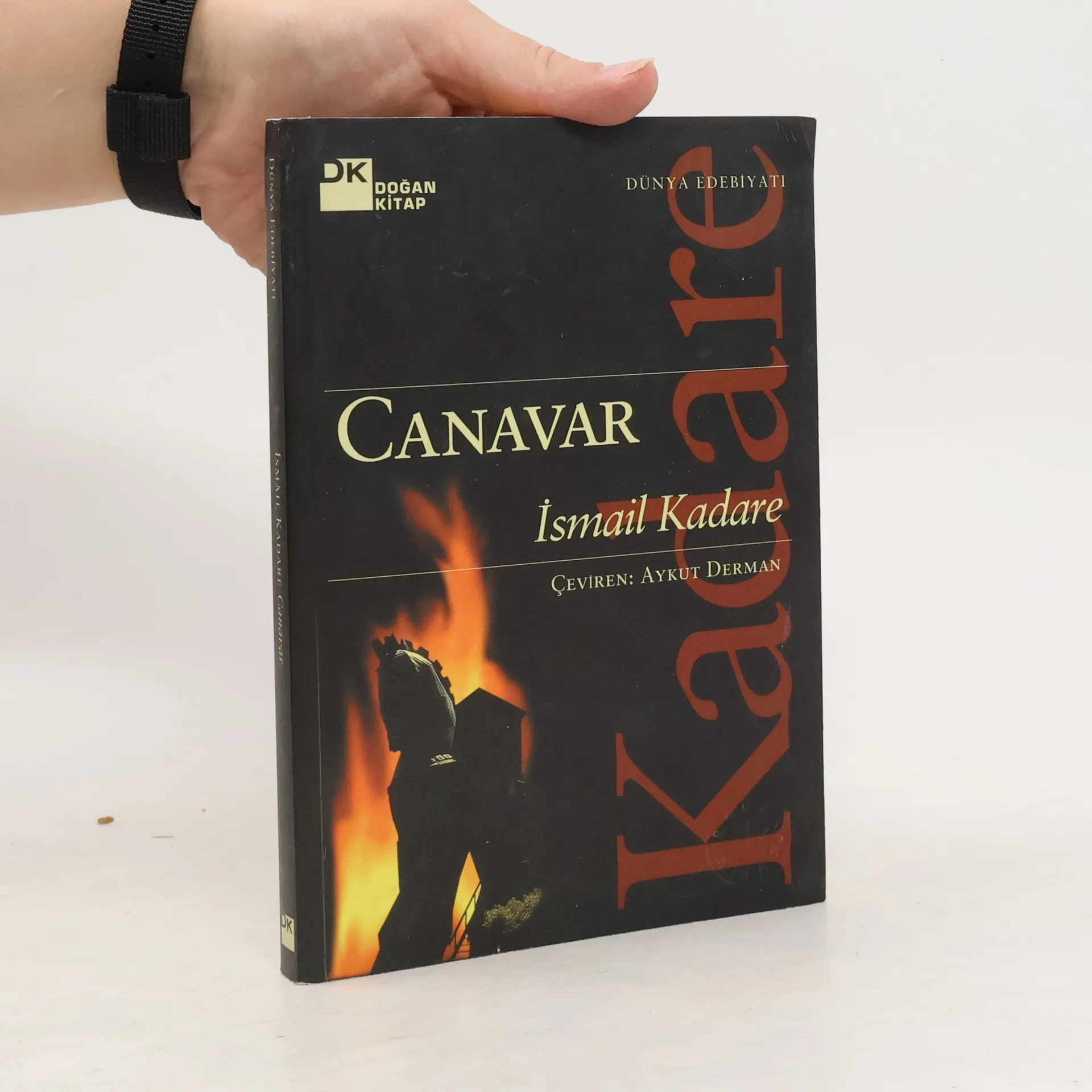
Canavar, İsmail Kadare'nin 1965'te yazdığı ikinci romanıdır. Ancak Kadare bu romanın yayımlanması için 25 yıl beklemiştir. Canavar, 1990 yılında Arnavutluk'ta, 1991'de Fransa'da yayımlanmış ve eleştirmenlerce yazarın "en garip ve en özgün" yapıtı olarak nitelenmiştir. Tekniği ve kurgusuyla yenilikçi, konusuyla evrensel bir eser olan Canavar, yüzyıllardır varlığını sürdüren ünlü efsanenin, Truva Atı çevresinde oluşan trajik öykünün Homeros'tan farklı bir açıdan yorumlanışıdır. Canavar'da Tiran ve Truva kentleri arasında, roman kahramanları Gent ve Lena ile efsanenin kahramanları Paris ve Helena'nın aşkları arasında bir paralellik kuruluyor. Sayfa sayfa yoğunlaşan bir terör ve kuşku ortamında kim kazanacak? İyi duygular ve aşk mı? Yoksa kıskançlık, cinayet ve şiddet mi? Truva'nın düşmana ve işbirlikçilerine karşı direnmesi gerektiğini savunan ve bunu hayatıyla ödeyen efsane kahramanı Laokoon için muhteşem bir ağıt Canavar.
La pyramide
- 158 stránek
- 6 hodin čtení
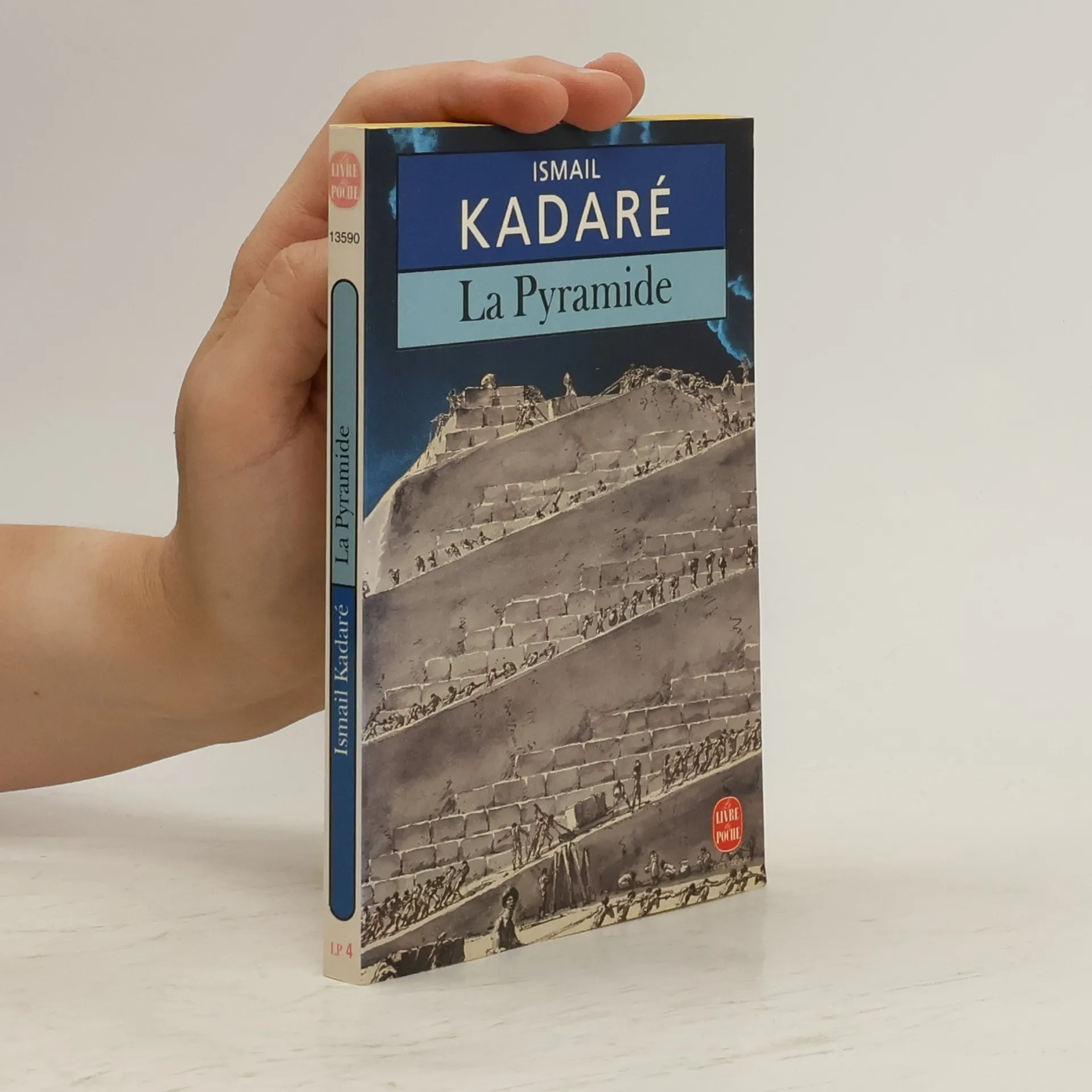
Lorsque le jeune pharaon Chéops annonce qu'il ne souhaite pas édifier de pyramide, ministres et grands prêtres sont consternés. En a-t-il oublié le rôle central dans la consolidation du pouvoir ? Le grand romancier albanais auteur du Concert et du Général de l'armée morte, fait ici revivre l'antiquité égyptienne pour donner sa critique la plus aboutie du totalitarisme, en nous contant avec une cocasserie terrifiante la plus monstrueuse entreprise d'avertissement jamais imaginée. La construction de ce colosse funéraire, sinistre et stérile dans son ambition d'éternité, dévore les forces vives d'un peuple, entretient une bureaucratie docile, soumet intégralement les individus à l'Etat. " Plus elle sera haute, plus ton sujet paraîtra minuscule à son ombre. Et plus ton sujet est petit, mieux tu te dresses, Majesté, dans toute ta grandeur ". Champollion de la dictature, Kadaré déchiffre les hiéroglyphes de la terreur que les tyrans de tout poil firent tatouer sur la peau de leurs victimes. C'est plus machiavélique que du Machiavel. André Clavel, l'Evénement du jeudi.
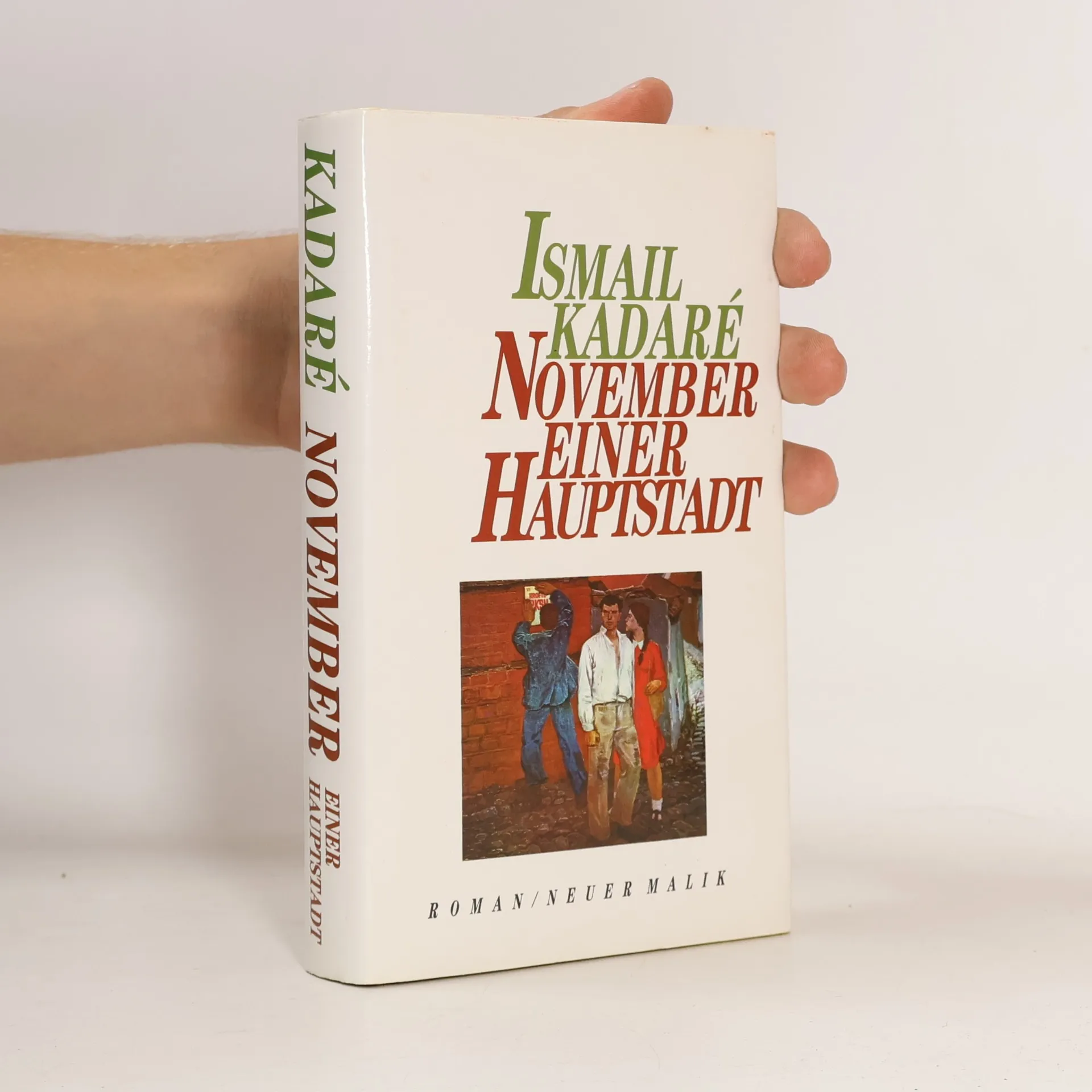
November einer Hauptstadt. Roman
- 277 stránek
- 10 hodin čtení
Im Oktober 1990 beantragte der albanische Schriftsteller Kadare in Frankreich Asyl, kurz vor der Fertigstellung der deutschen Ausgabe seines Romans 'November einer Hauptstadt'. Die Geschichte handelt von der Befreiung Tiranas 1944 und dem Schriftsteller Adria Guma, der nach der Wahrheit sucht, möglicherweise Kadares 'alter ego'.
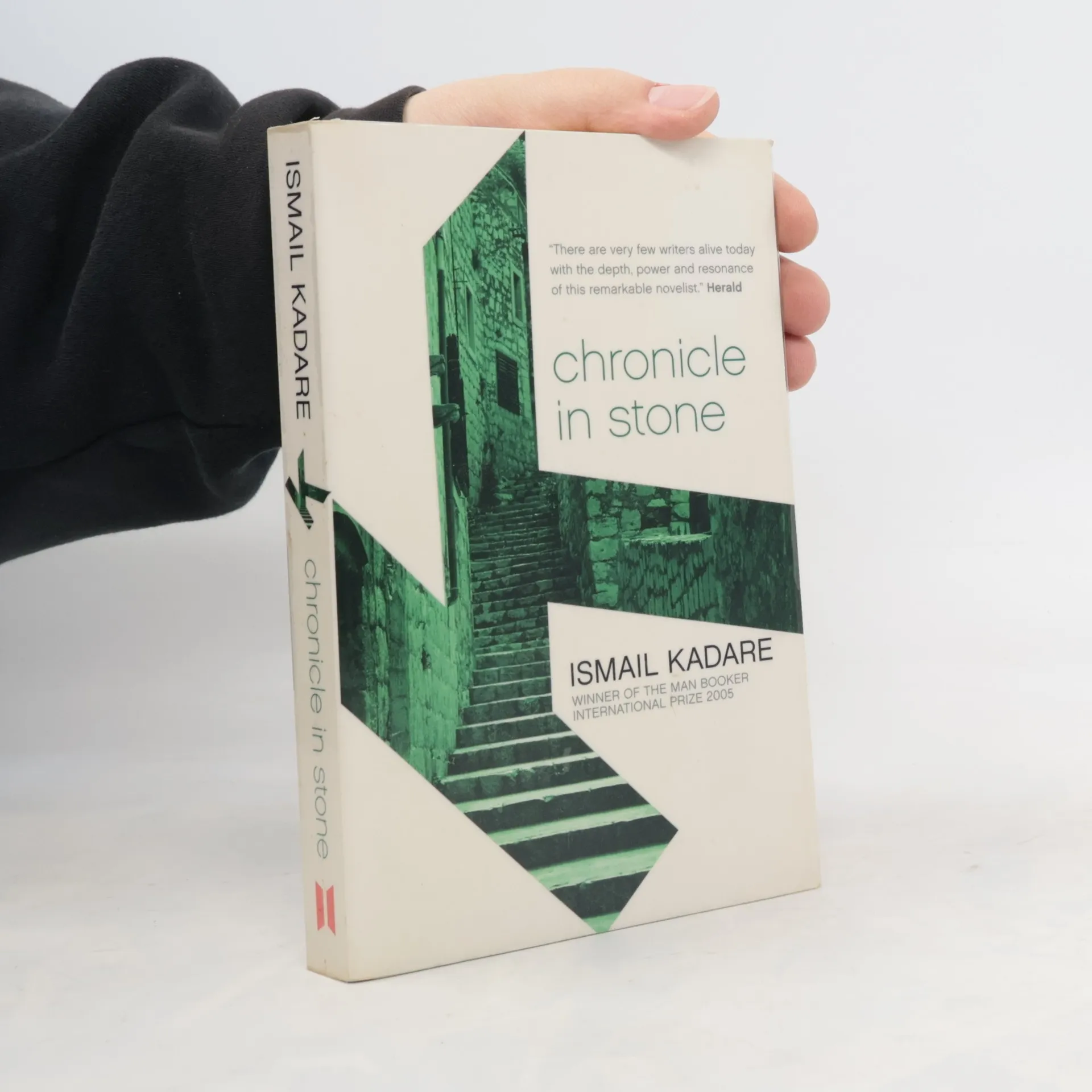
Chronicle in Stone
- 301 stránek
- 11 hodin čtení
In Kadare s words, and this lyrical WWII coming of age story, Albania has found its national literature.
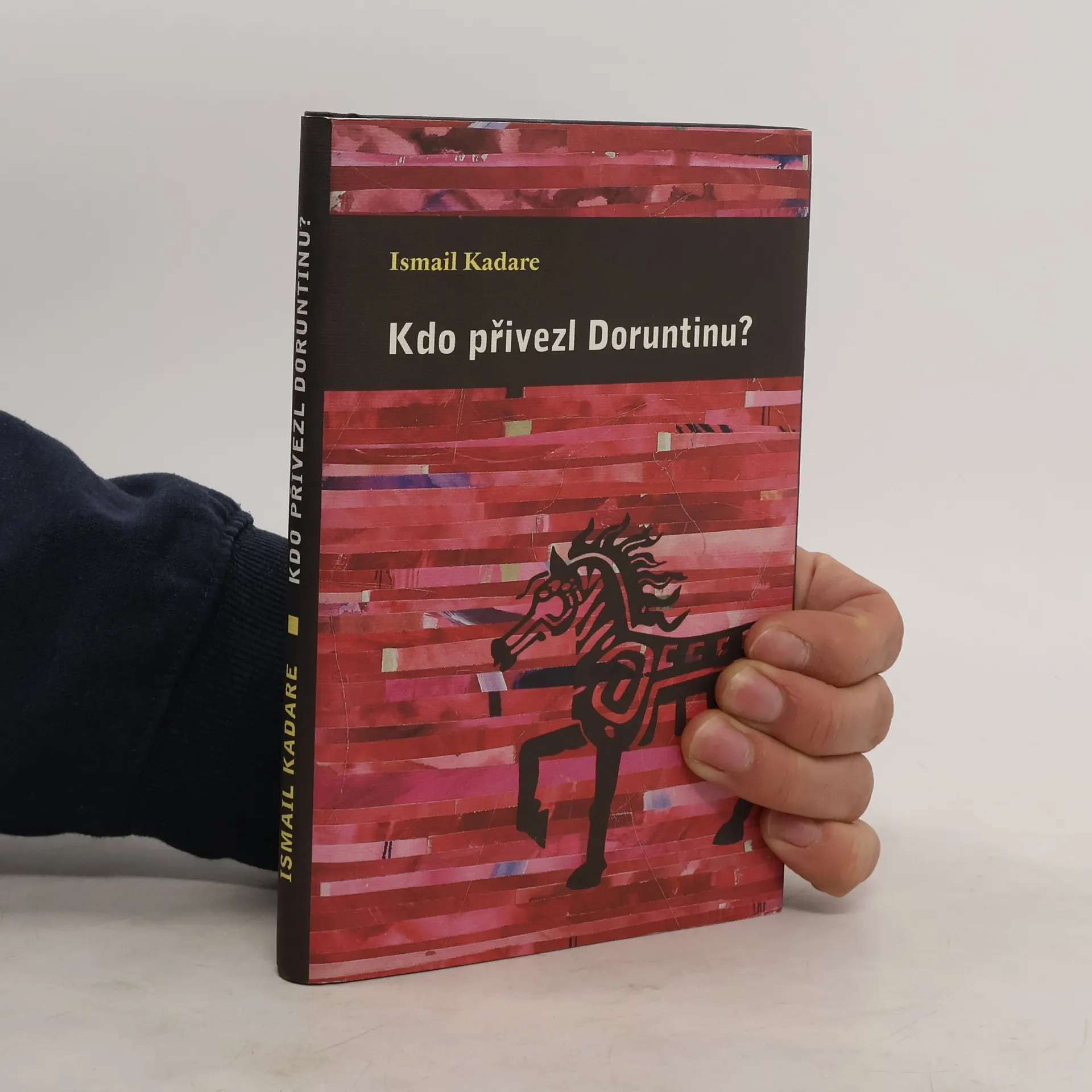
Kdo přivezl Doruntinu?
- 141 stránek
- 5 hodin čtení
Děj novely vychází z tajemné události, jejíž záhadu není snadné rozluštit. Doruntina, před třemi lety proti vůli bratrů a matky provdaná do dalekých českých zemí, se jedné noci objeví u vrat rodného domu a tvrdí, že ji na koni přivezl bratr Konstantin. Zdá se, že to však není tak jisté, neboť v nedávné válce se všech jejích devět bratrů nakazilo morem a všichni do jednoho zemřeli.
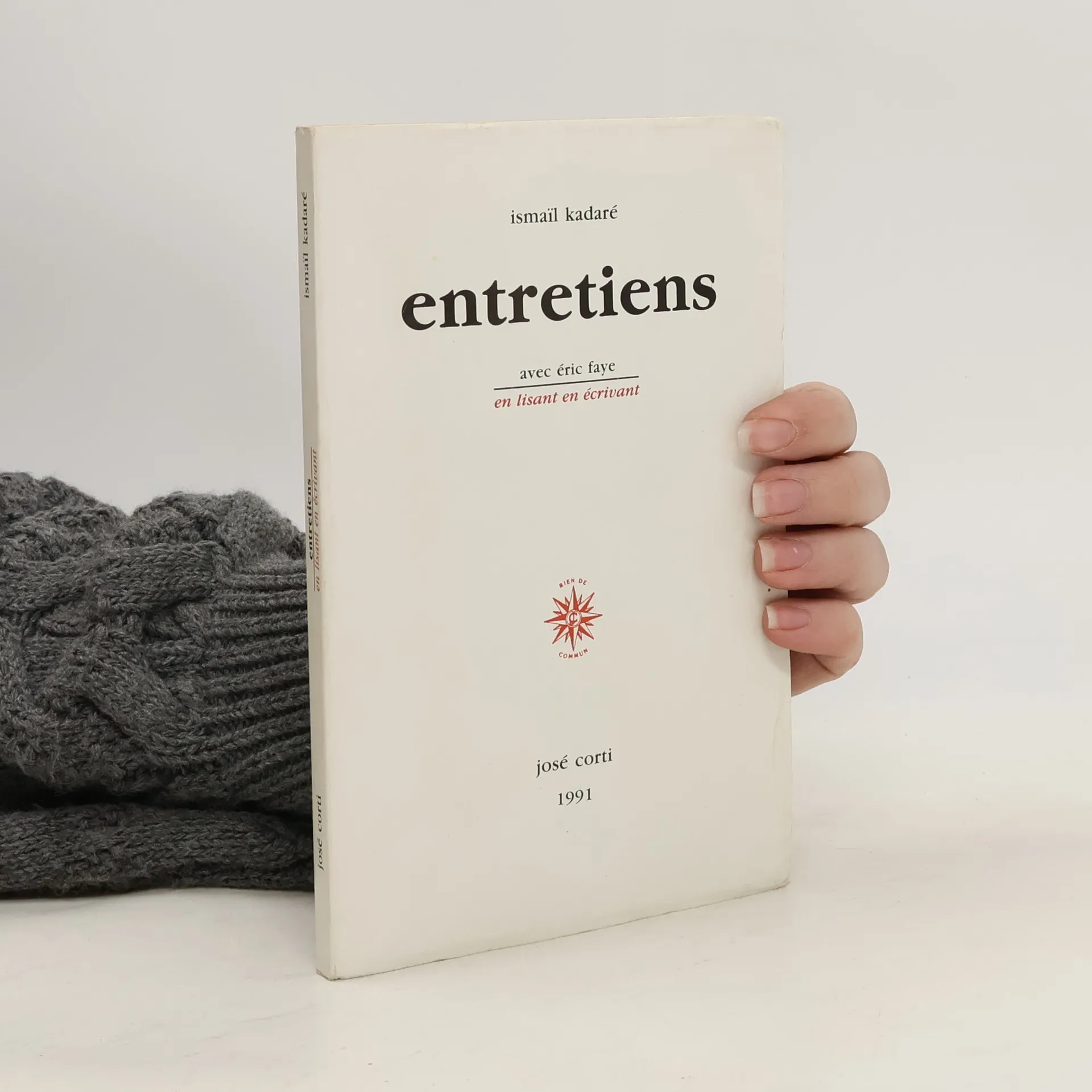
Entretiens avec Eric Faye
- 109 stránek
- 4 hodiny čtení
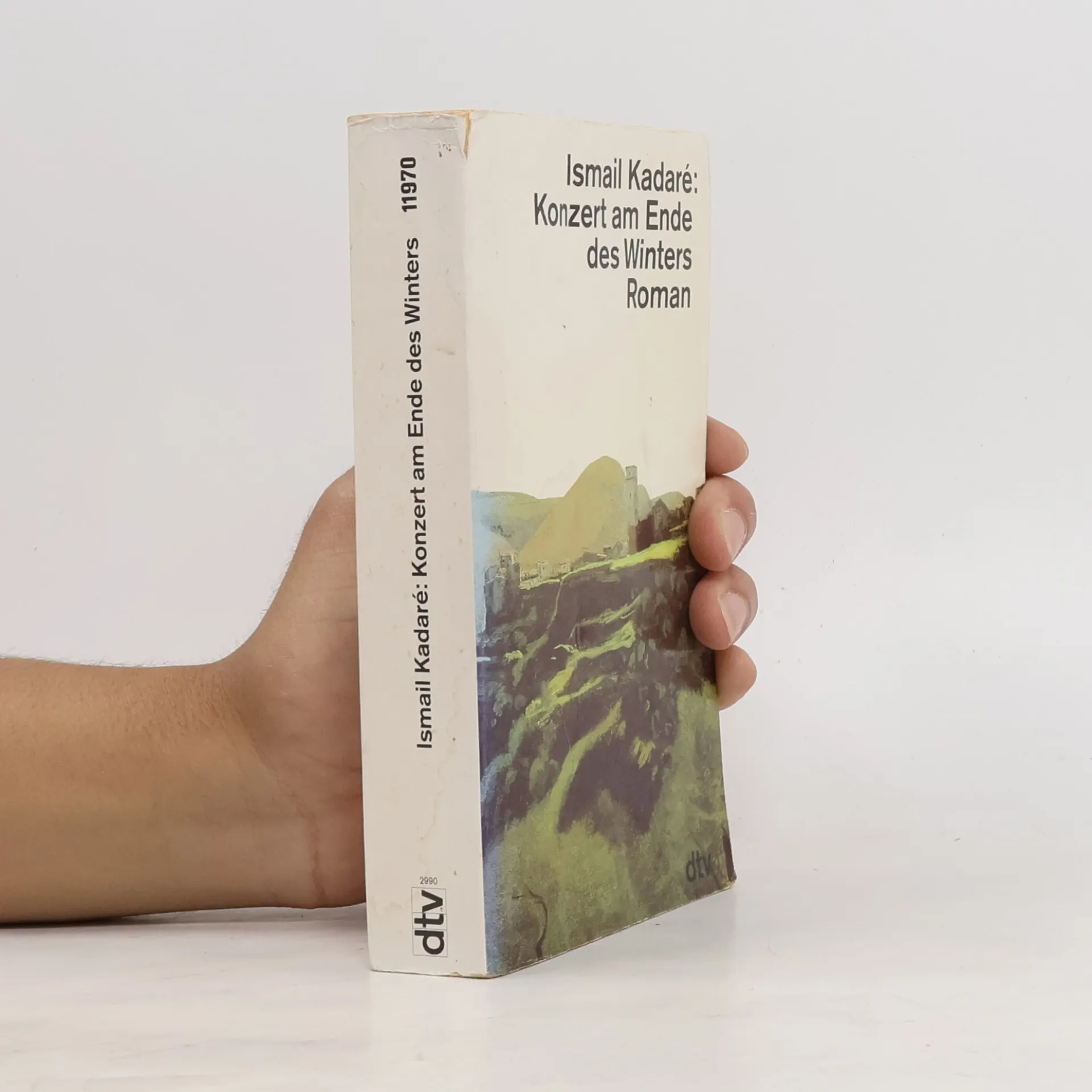
Konzert am Ende des Winters
- 607 stránek
- 22 hodin čtení
Ismail Kadare beschreibt in seinem Buch das Aufeinandertreffen verschiedener Kulturen und die Fremdherrschaft in Albanien. Vor dem Hintergrund der Beziehungen zwischen Albanien und China entfaltet sich eine komplexe Familiensaga, die die hinterlassenen Spuren dieser Geschichte thematisiert.
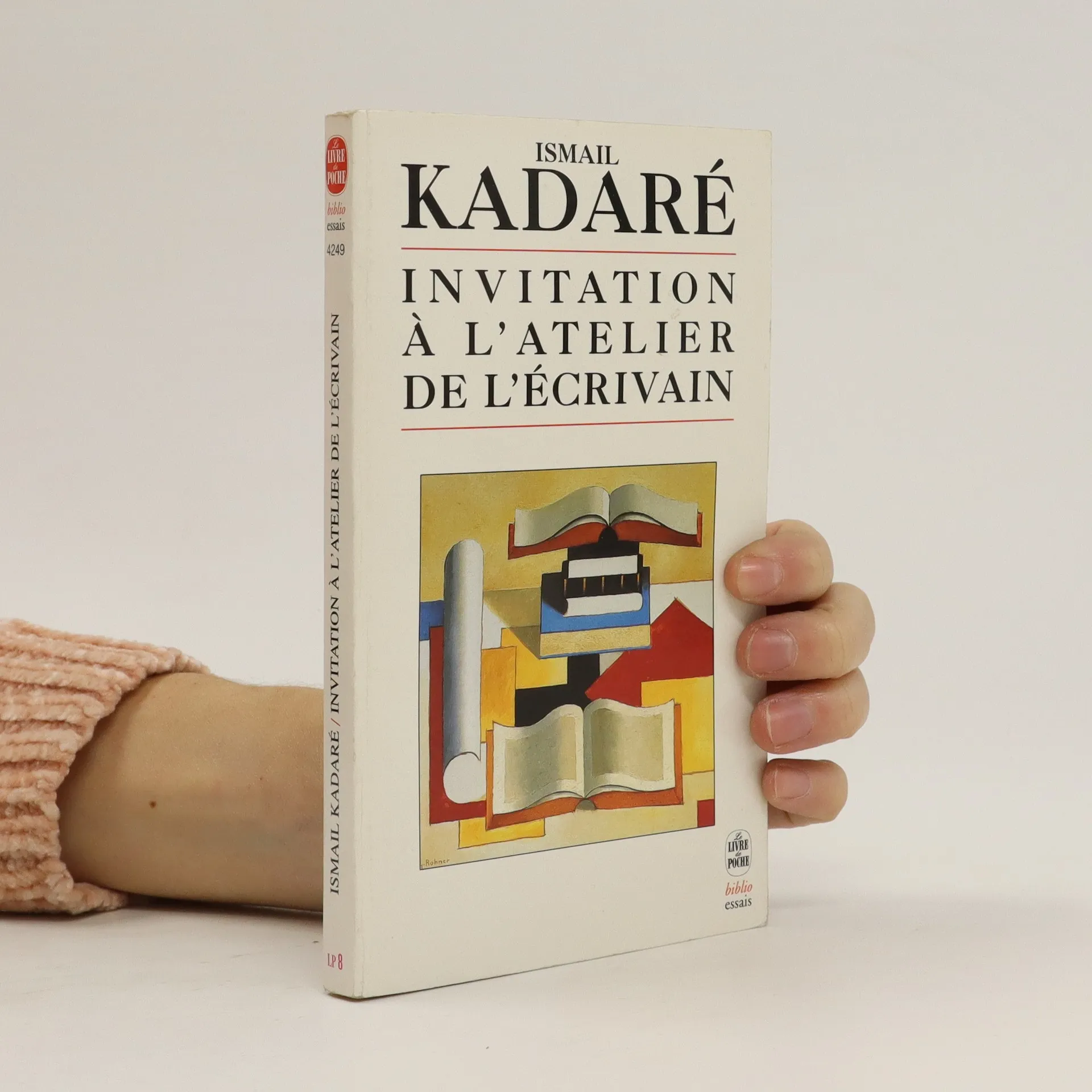
Invitation á L'Atelier de L'Écrivain
- 217 stránek
- 8 hodin čtení
"J'ai toujours été fasciné par le mythe des anciens Grecs sur l'origine de l'alphabet. Cadmos, dit-on, a planté des dents de dragon dans la terre d'où ont poussé les lettres. Rien ne pourrait mieux représenter le début de cette grande aventure de l'humanité : l'écriture. Une invitation à l'atelier de l'écrivain, où chacun aimerait l'entendre révéler le secret de son alchimie. Tout le monde a le droit de savoir, car "ce qu'il invente avec sa muse concerne chacun". Des esquisses de nouvelles, de romans, des titres d'œuvres non écrites, des critiques fragmentaires, des pensées et des souvenirs, des personnalités qui l'ont marqué, le cache-cache entre l'écrivain et le régime dictatorial, les rêves et les cauchemars qui sont devenus littérature. Une confession littéraire écrite à Tirana en 1990 sous la dictature. Et si tout n'a pas été révélé, c'est "parce que l'écrivain n'a pas violé l'accord avec sa muse, ni dévoilé les secrets les plus profonds qu'il partageait avec elle..."
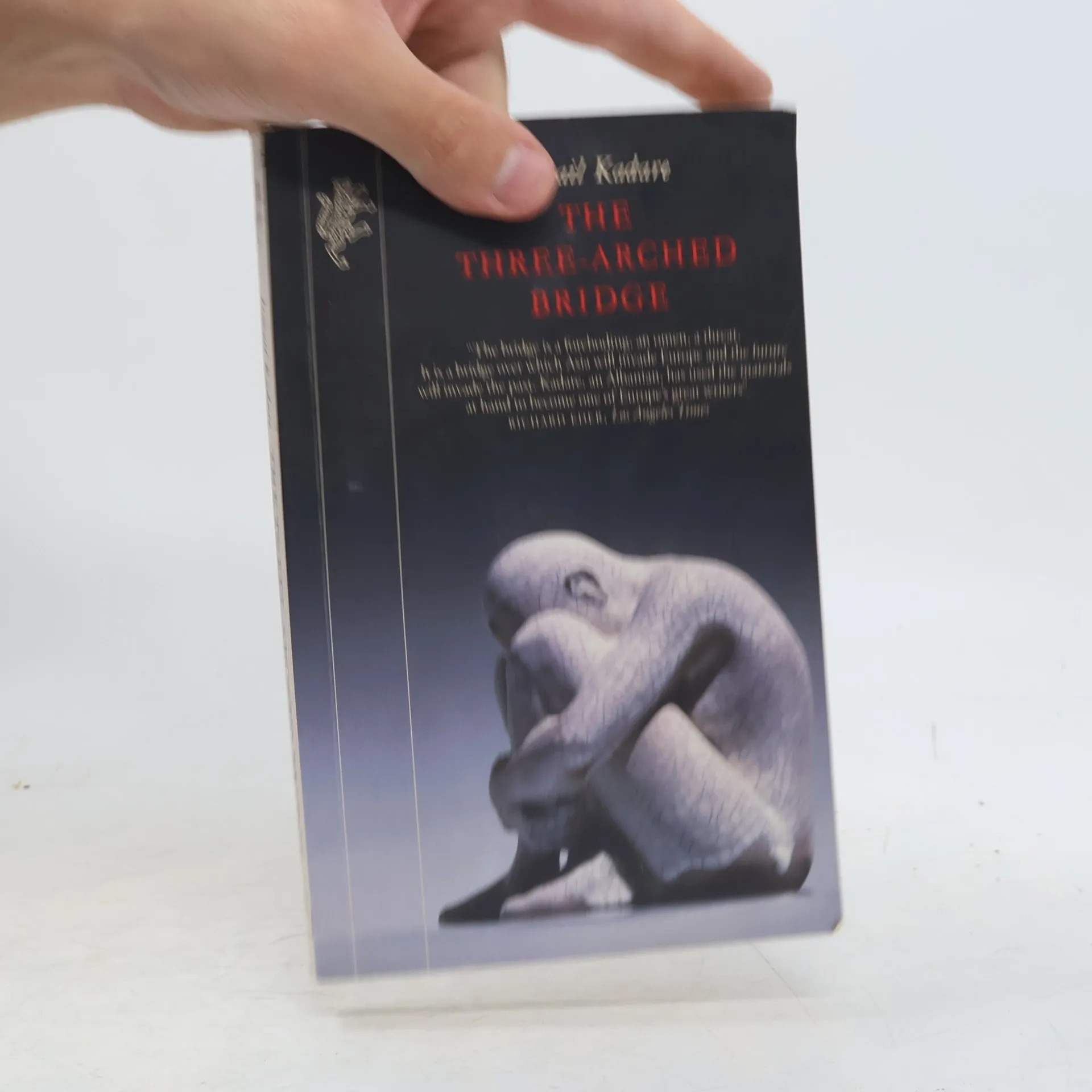
The Three-Arched Bridge
- 176 stránek
- 7 hodin čtení
The bards who stopped at the inn near the riverbank were forever being asked to sing the ballad of the three young masons, all brothers, who were fated never to complete the building of their wall until they had immured one of their wives in it. In the year 1377, when the roadbuilders threatened to put the ferrymen out of business by building a stone bridge to carry the traffic between the Balkans and the rest of Europe, the legend was to become a grisly reality. What the builders completed of the bridge by day was destroyed by night. Sabotage, said some. The vengeful spirits of the waters, said others. But once a man was taken to be immured, once he was plastered into a cavity of the first pier, the attacks on the bridge stopped, the two banks of the river had a permanent link. The first troops to cross the bridge were to be the vanguard of the Ottoman Turks advancing irresistably into Europe. Many have described the retreat of Christendom after the fall of Constantinople, as Islam forced a passage westwards through the Balkans towards the European heartlands. Seldom, though, has the story been told so starkly, so hauntingly, as in this succinct fable of conflict, terror, dissention and superstition by Albania's most influential novelist.
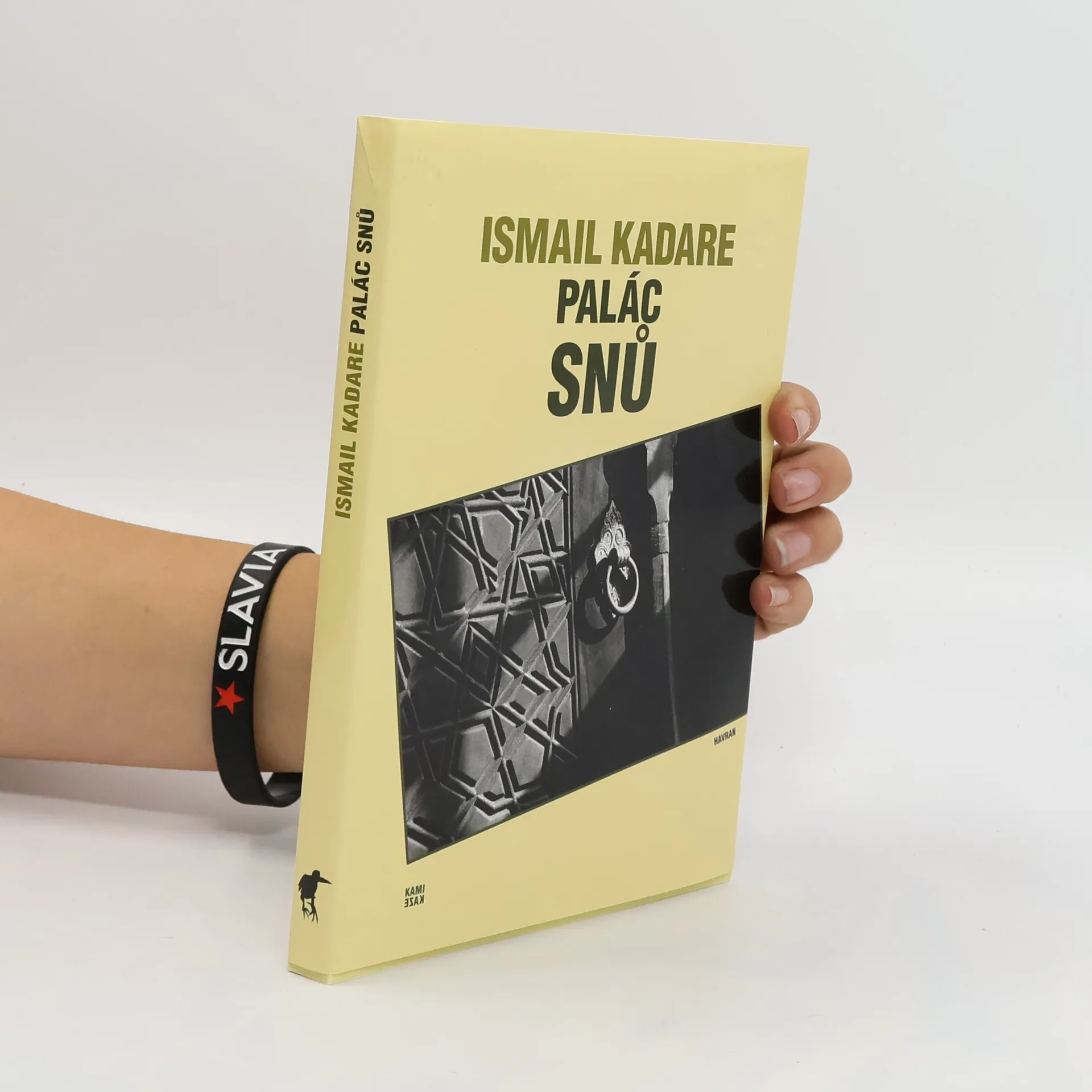
Jedním z nejoceňovanějších, nejkritičtějších a patrně také nejprovokativnějších románů albánského spisovatele Ismaila Kadareho je jeho Palác snů. Ústřední myšlenkou románu, jakož i veškeré tvorby Ismaila Kadareho,je odhalování útlaku a zotročování lidské osobnosti mocenskými institucemi totalitních režimů. Protože otevřené vyjádření takové kritiky nebylo v Hodžově Albánii možné, Kadare se uchyloval k alegoriím a situoval děje svých románů a povídek do různých historických období a zeměpisných oblastí. Když Palác snů v roce 1981 vyšel, byl ihned zakázaný jako provokace proti režimu. Autor jej s tímto úmyslem ostatně psal a chtěl v něm podle svých slov vylíčit peklo. Toto peklo, vytvářené vládní despocií, které je vše podrobeno, popsal velmi výstižně. Působivě vykreslil pochmurnou atmosféru, sklíčenost, nedůvěru, podezíravost a strach, které v Paláci vládly, čímž odkázal nejen k albánské realitě, ale především ke zlu v krystalicky čisté podobě, jež v lidské společnosti bohužel stále existuje.
The Traitor's Niche
- 208 stránek
- 8 hodin čtení
The narrative unfurls with the shifting intensity of a dream, enriched by unsettlingly surreal details... It is a brilliant examination of the way that authoritarian structures operate: Kafka on a grander political scale. Sunday Times
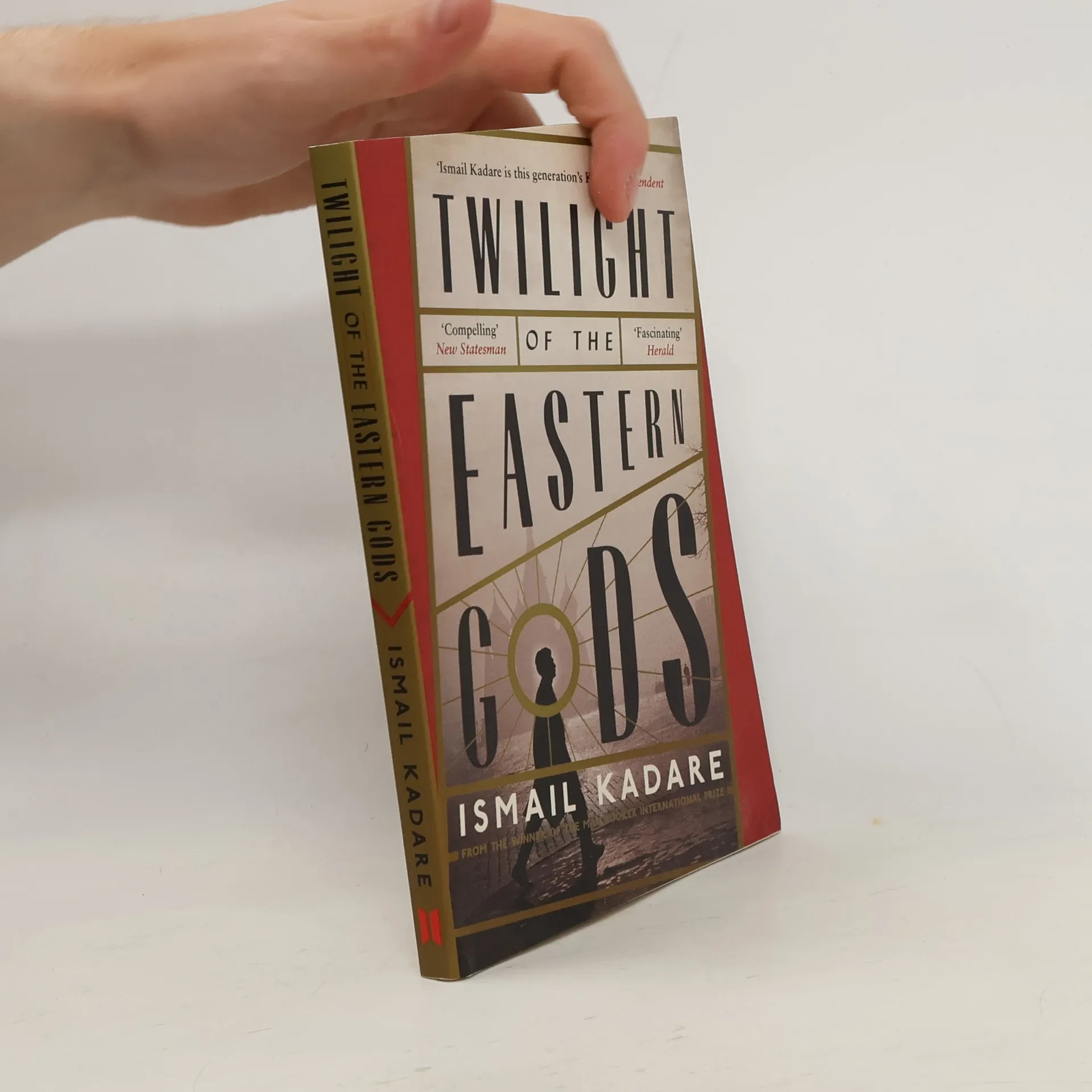
Twilight of the Eastern Gods
- 208 stránek
- 8 hodin čtení
1958. In a dorm room in Moscow, a young writer is woken by the sound of angry voices on the radio. Through the fog of a hangover he hears the news that a novel called Doctor Zhivago has earned its author the Nobel Prize. There is uproar. The author, Boris Pasternak, faces exile, the press hound him and demand that he refuse the award. A few days earlier the young writer found a copy of this book - could those simple pages really be so dangerous?Based on Ismail Kadare's own experience, Twilight of the Eastern Gods is a portrait of a city, a story of youthful disenchantment and a reminder of the incredible importance of the written word.
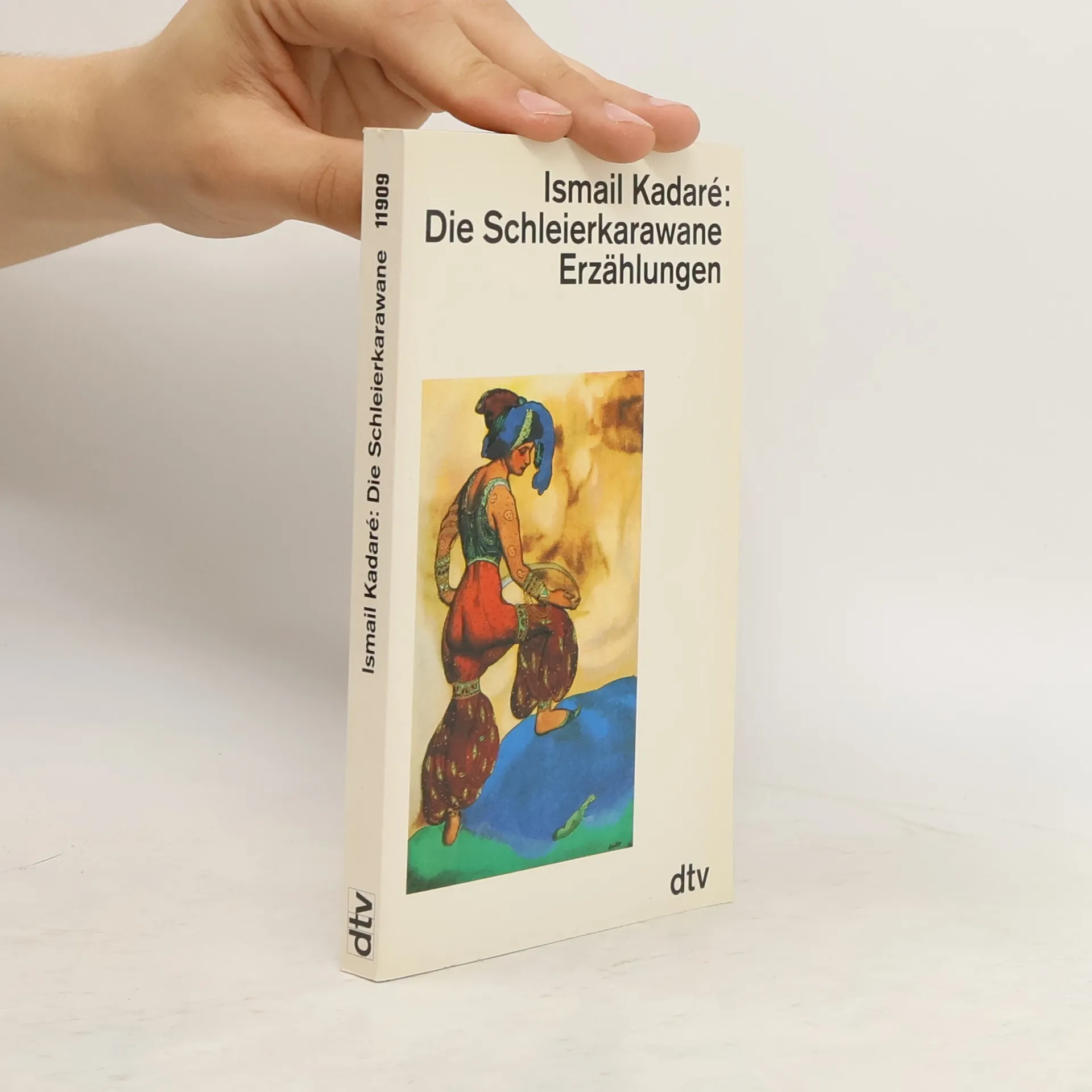
Die Schleierkarawane
- 219 stránek
- 8 hodin čtení
Ismail Kadare, der »Homer Albaniens«, vermischt Mythos und Geschichte. Hintergründig lakonisch und raffiniert.Ein kleiner Beamter, der noch nie eine unverschleierte Frau gesehen hat, soll auf Befehl des Sultans eine halbe Million Schleier in die unterworfenen Provinzen auf dem Balkan bringen. Die Schönheit der Frauen, die ihre Gesichter nicht verstecken, erschüttert sein Weltbild, und ein gefährlicher Kummer schleicht sich in sein Herz. In drei außerordentlichen Erzählungen wird die grausame Logik totalitärer Macht offenbar, die bis in die kleinsten Winkel des osmanischen Reiches hineinwirkt, ob sie nun die seelischen Regungen des Einzelnen ausspäht, oder gleich die gesamte Elite eines rebellischen Satellitenstaates auslöscht.
Román odehrávající se v Albánii 30. let 20. století vypráví o staletí zavedeném zvyku z albánských hor. Krevní msta provází muže všech generací a neuposlechnutí této tradice se rovná definitivnímu vyobcování ze společnosti. Pro novomanžele Dianu a Besiana je cesta do severní Albánie cestou za exotikou. Naproti tomu život v těchto horách není nikterak jednoduchý, především tradiční zvykové právo tzv. Kanun určuje místním obyvatelům způsob života. K tomu patří i krevní msta, která se vine napříč generacemi. Proto dochází v jednom kuse ke vzájemnému vyvražďování celých rodin, resp. jejich mužských členů. Hlavní hrdina, Ďorg Beriša, musí tuto mstu i přes svůj odpor vykonat, aby pomstil smrt bratra. Tím však rozhoduje i o vlastním osudu. Po pomstě nutně následuje jeho vlastní smrt. Během cesty s tzv. daní z krve, kterou musí každý mstitel zaplatit, zahlédne Ďorg novomanželku Dianu. Ač spolu vůbec nepromluví a okamžik setkání je velmi prchavý, obraz ženy jej osudově zasáhne a Ďorg posléze využívá odložení svého trestu (třicet dní) k tomu, aby ženu v horách nalezl a ještě před svou smrtí ji zahlédl. Také Diana je jeho pohledem poznamenána. Svému muži, který cestu hodlá využít jako studijní materiál pro další knihu, se postupně odcizuje a uniká do zvláštních snových představ.
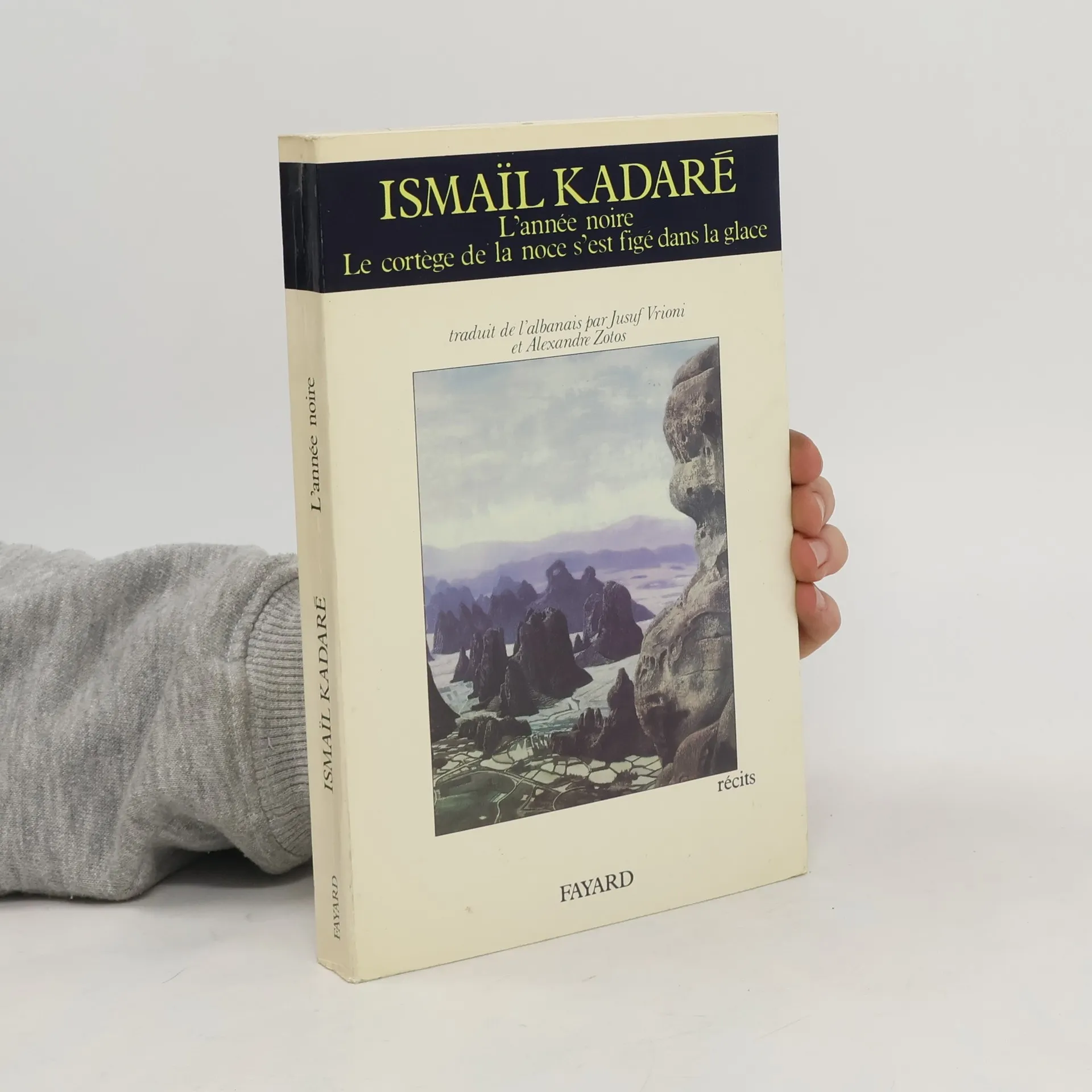
L'année noire est la chronique de la période la plus troublée de l'histoire de l'Albanie, celle qui suit la déclaration d'indépendance (1913-1914), dépeignant un pays sans gouvernement stable, parcouru par des armées étrangères, pillé par des bandes armées et traversé, dans une marche chaotique, par la troupe de Shestan Verdha, un paysan qui a quitté sa terre natale animé du désir de sauver sa patrie. Concours de beauté masculine aux Stincile Blestemate est une nouvelle d'une beauté troublante, où l'atmosphère d'une dureté spécifique à la région montagneuse du nord de l'Albanie s'entrelace avec le mythe et la plus fine analyse psychologique.
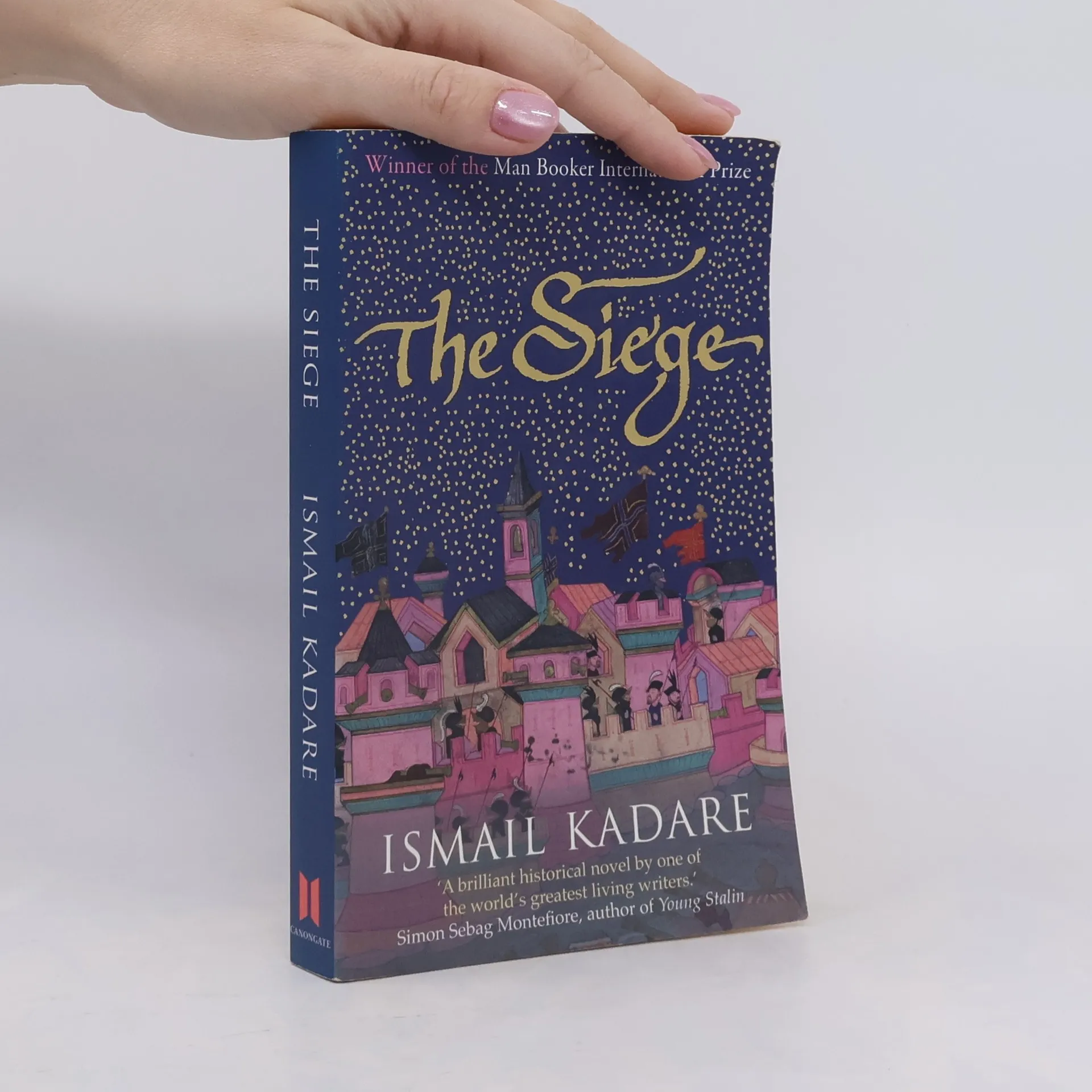
The Siege
- 336 stránek
- 12 hodin čtení
Compelling historical fiction from one of the world's greatest living writers
Le grand hiver
- 594 stránek
- 21 hodin čtení
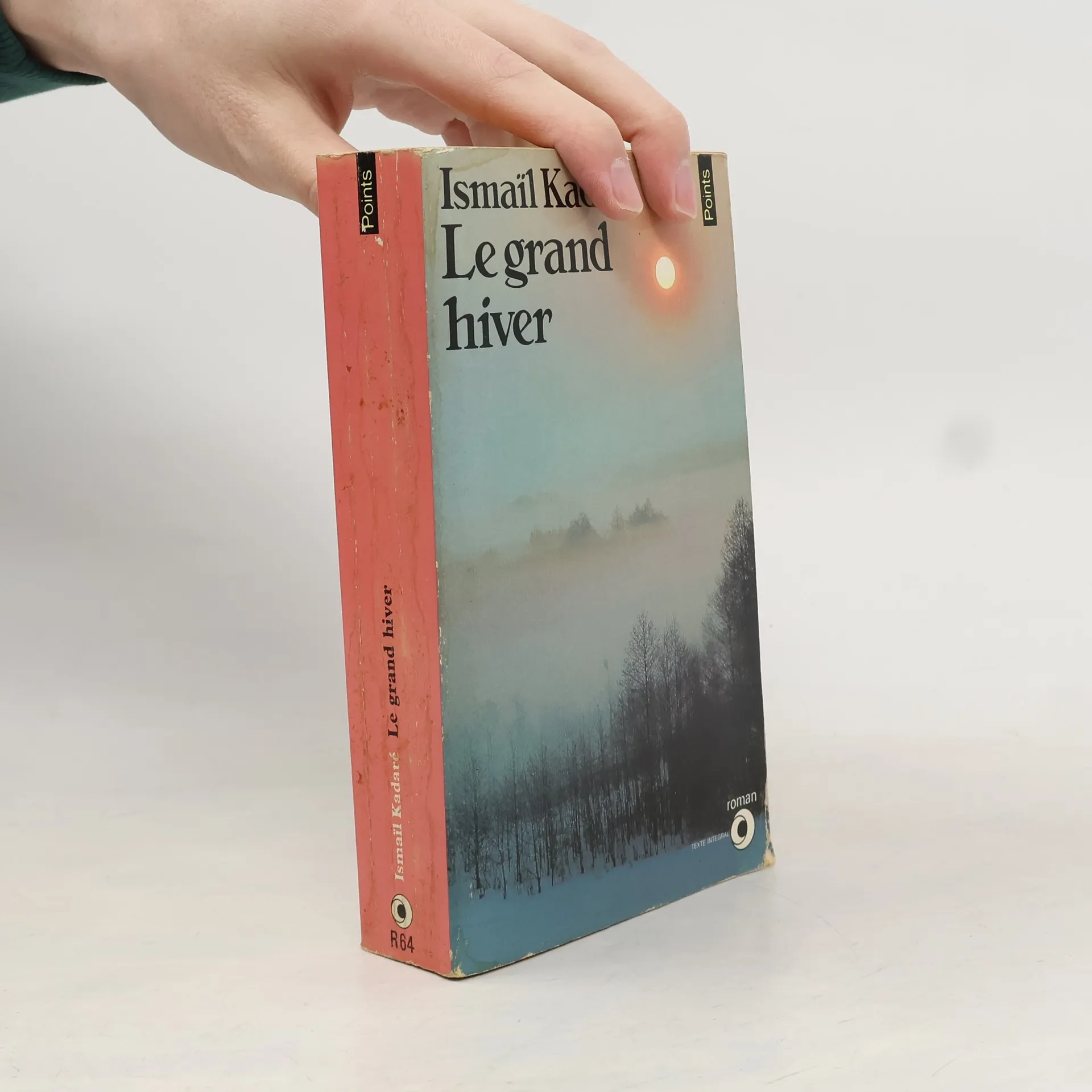
Le thème central de ce roman écrit en albanais, paru en traduction française chez Fayard en 1978, est la rupture survenue au cours de l'hiver 1961 entre l'URSS et le plus petit pays du camp socialiste, l'Albanie. Une vaste fresque dans laquelle le grand écrivain ne cache ni son engagement communiste, ni son ardent patriotisme albanais, ni son hostilité aux Soviétiques. Une oeuvre idéologiquement discutable mais qui s'impose sur le plan littéraire.
Kështjella
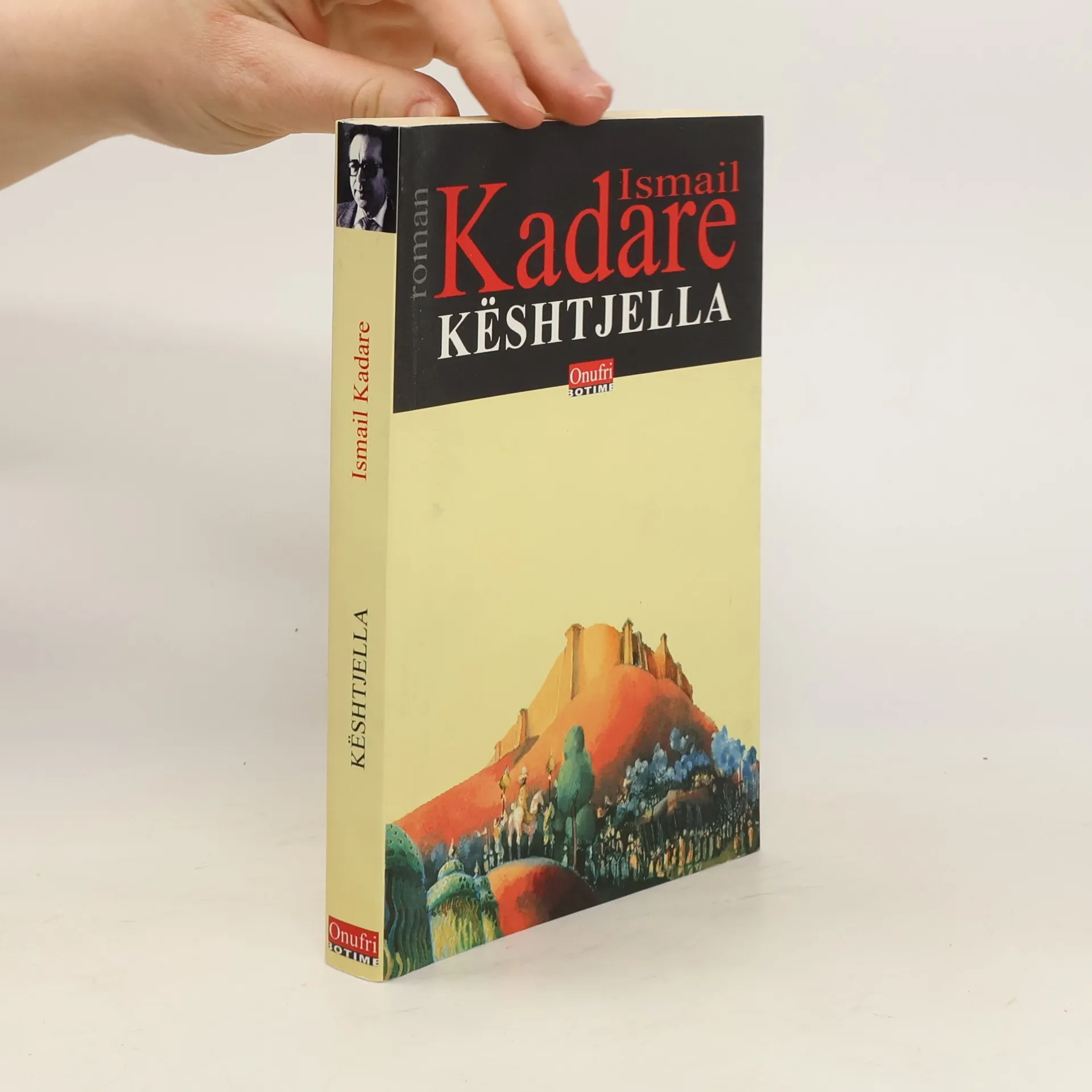
- 304 stránek
- 11 hodin čtení
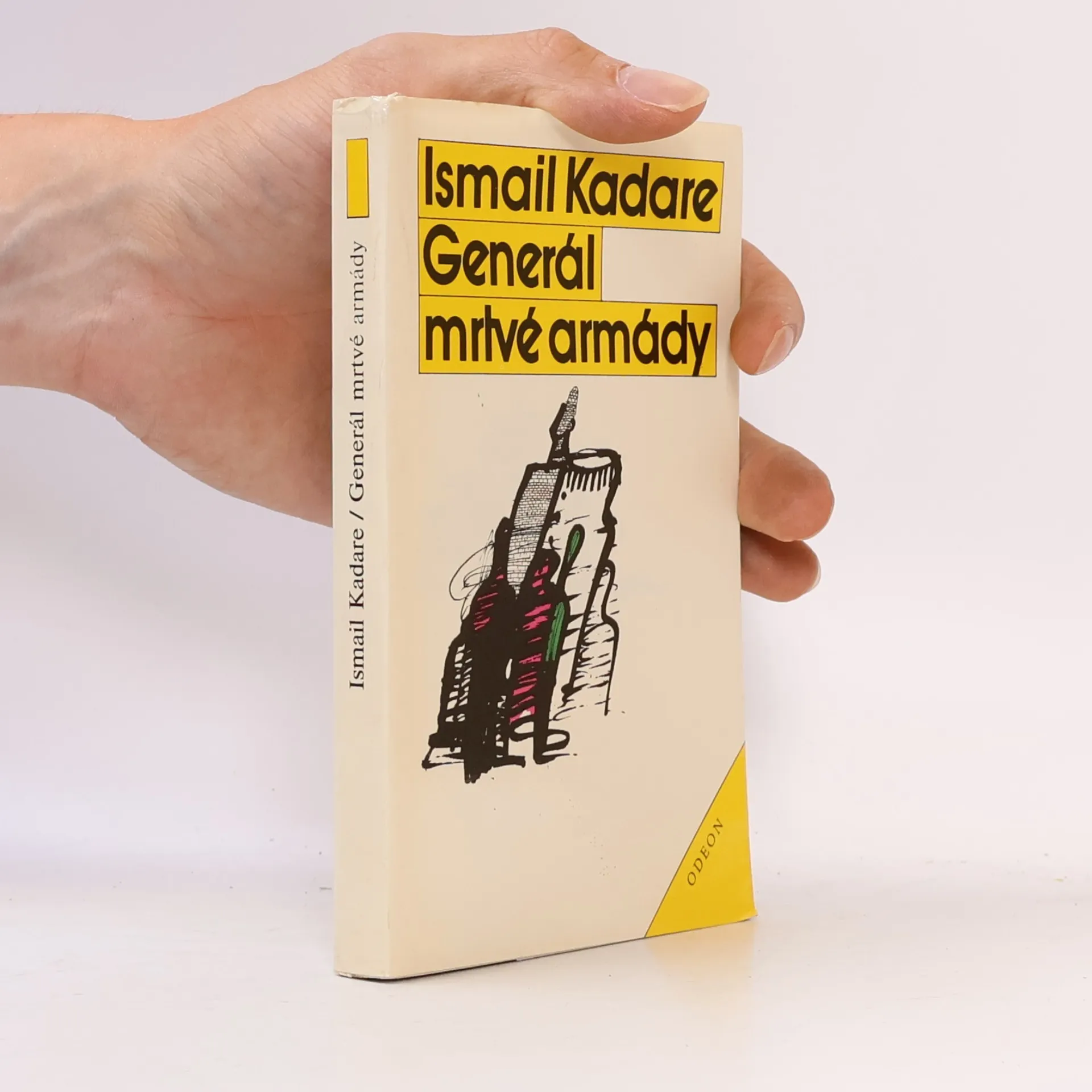
Generál mrtvé armády
- 280 stránek
- 10 hodin čtení
Román proslulého albánského autora je věnován válečnému utrpení ve světle lidské paměti. Námětem románu (1963) je výprava italského generála do Albánie dvacet let po konci 2. světové války. Přijel, aby zde vykopával z hrobů padlé italské vojáky, kteří měli být pietně pohřbeni v Itálii. Generál, který odjížděl s hrdostí nad armádou své vlasti, postupně poznává, že není na co být hrdý a že i druhá strana měla své důvody k boji. Román se setkal v samotné Albánii s rozpaky, nepřekvapovalo téma, ale postoj, který autor zaujal k válčícím stranám. Nevyjadřoval nenávist k nepříteli, nezatracoval, vyslovil pouze smutek nad utrpením, které válka přináší všem. Ismail Kadare pro svůj světový věhlas (román byl přeložen do 30 jazyků) požíval poněkud výlučné postavení, nikdy však nebyl přisluhovačem režimu, přestože Enver Hodža, který podporoval úspěšné spisovatele, Kadarovy zájmy chránil. Kadare otevřel cestu literatuře, která ať skrytě či otevřeně reflektuje problematiku člověka deptaného totalitními systémy.