

Kniha Richarda Murphyho, profesora německé a komparativní literatury a filmu na University of Sussex, analyzuje problematiku avantgardní literatury a filmu z výrazně soudobé pozice: ukazuje propojenost modernistických a/nebo avantgardních konceptů s postmoderními způsoby výkladu. Propojuje první vlnu reflexe, vytvářenou W. Benjaminem či T. Adornem, s přístupy Lyotardovými, Habermasovými či Eagletonovými, jak byly postupně formulovány od 60. let do současnosti. Konkrétní analýzou literárních děl Döblinových, Bennových a Kafkových či filmů německého expresionismu reviduje tradiční přístupy k avantgardnímu umění a postuluje závěry, které provokují k dalšímu domýšlení. Kniha vychází jako první svazek edice Cesta avantgardy.
Richard Murphy Knihy
Richard Murphy byl jedním z nejvýznamnějších irských básníků, známý především svými básněmi čerpajícími z krajiny a historie západního Irska. Jeho verše se vyznačují klasickou silou, spojující vznešenou hudebnost s jednoduchostí a přímostí v zachycení světa dění. Murphyho poezie se soustředí na objektivní zobrazení skutečnosti událostí a historických křivd, spíše než na prosazování vlastní osobnosti. Jeho dílo představuje pozoruhodnou syntézu epické objektivity a hlubokého porozumění lidskému osudu.


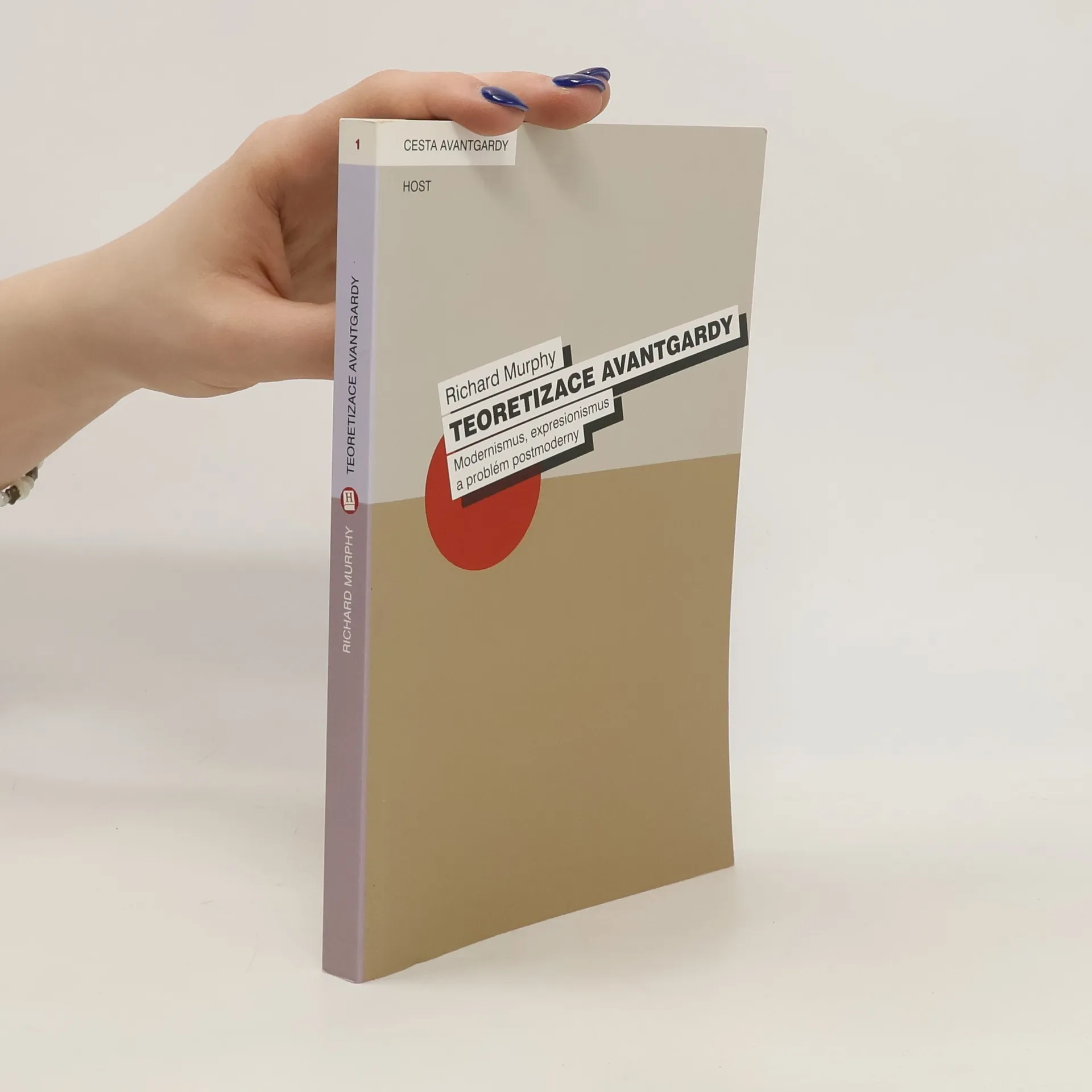
Theorizing the Avant-Garde
- 336 stránek
- 12 hodin čtení
Focusing on the interplay between art and politics, the book reexamines the avant-garde through the lens of postmodern theories. Richard Murphy critiques classic formulations and engages with key theorists like Jameson and Lyotard, while also incorporating insights from Marcuse, Adorno, and Benjamin. Through detailed analyses of various films and literary works, this interdisciplinary exploration offers valuable perspectives for those interested in modernist movements and the complexities of postmodernity.
Bitter fame : a life of Sylvia Plath
- 432 stránek
- 16 hodin čtení
A biography of the American poet Sylvia Plath which presents a different view of her life and death by shifting any blame away from Plath's husband, Ted Hughes, and suggesting the problems lay in her personality difficulties.
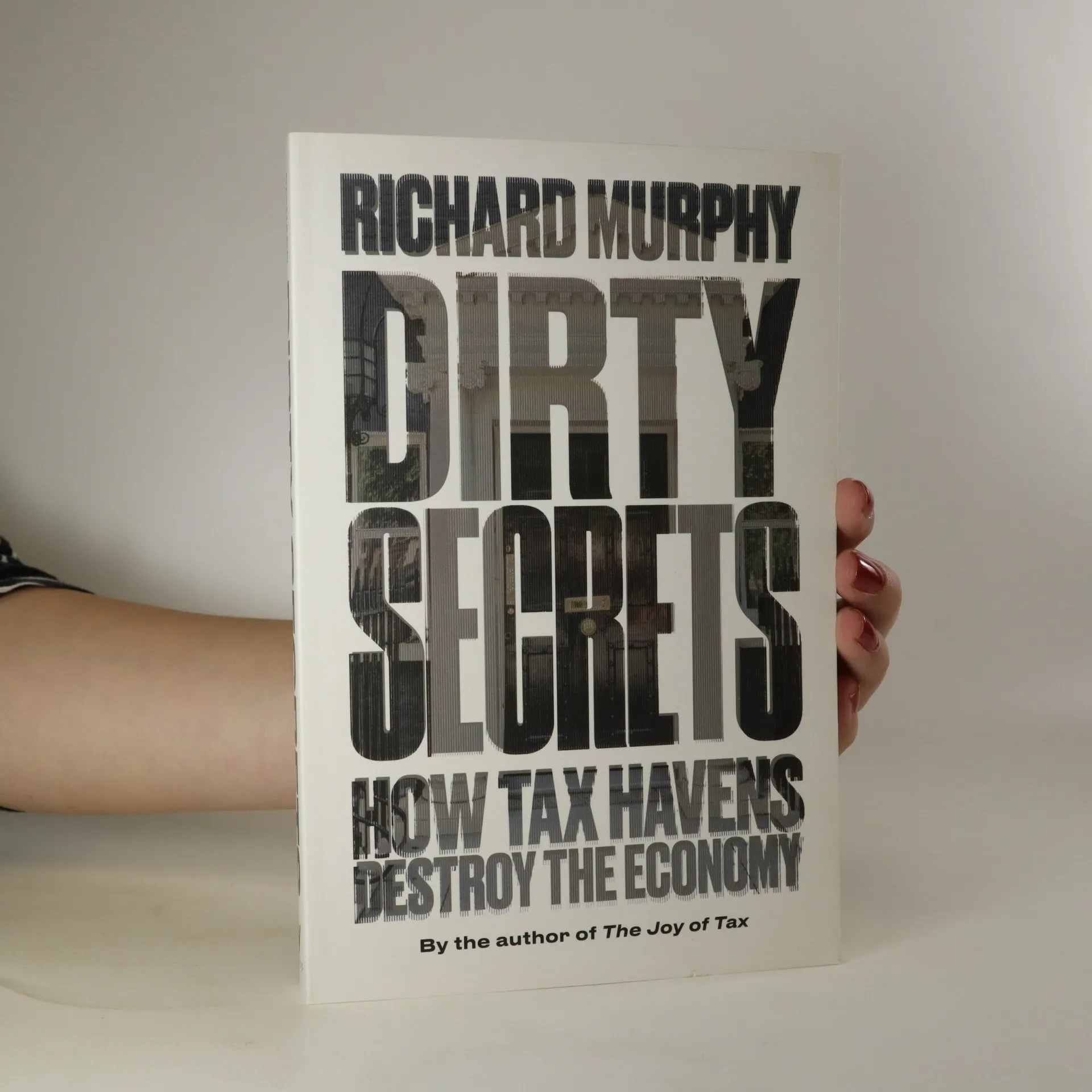
The Panama Papers demonstrated that the superrich hide their wealth from the rest of us. Dirty Secrets shows that this was not by accident, but by design. It was the result of a powerful alliance of the wealthy, their advisers and the state that has undermined all attempts to solve the tax haven problem. This is because tax havens are the unacknowledged heart of globalized capitalism. Their purpose is to provide freedom from regulation. The exponents say this makes markets work and so we all gain. But this argument has now failed. Furthermore democracy itself is being threatened by the political fallout from the mistrust this regime has created. The result is that tax havens are now a threat to the very system that supposedly spawned it. Dirty Secrets is the most revelatory examination of the crisis by a leading expert, but also offers solutions on how governments can regulate havens and what the world might look like without them.