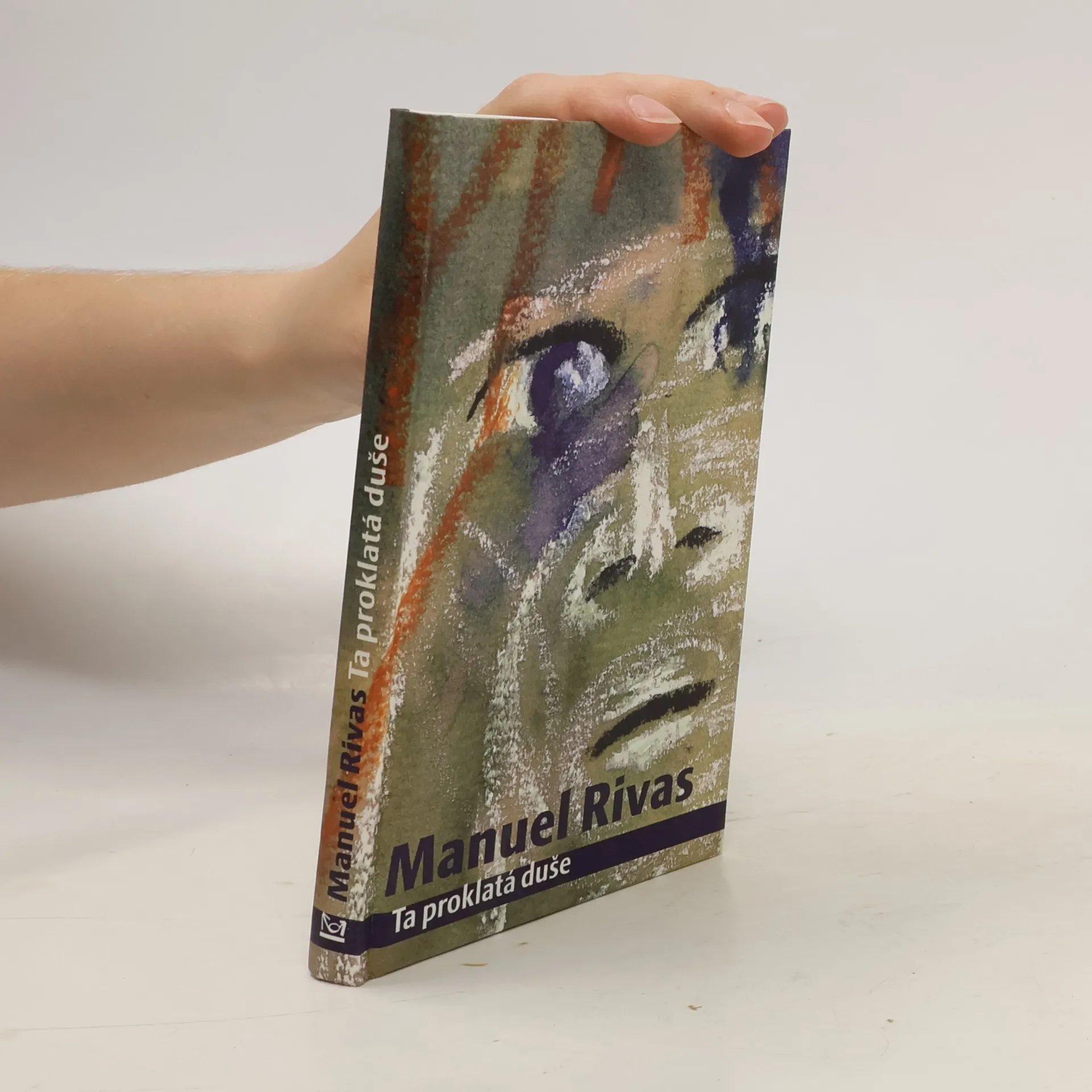
Manuel Rivas je bytostně spojen s rodnou Galicií, v jejímž jazyce vzniklo veškeré jeho dílo. V této sbírce je poprvé představen českému čtenáři skrze třináct povídek, v nichž vysoce imaginativním jazykem zachycuje magické okamžiky světa dětství, vypráví baladické příběhy svérázných venkovanů, fabuluje symbolické děje - podle vlastních slov "o podobách duše a místech, kde přebývá". Jeho poetický styl sugestivně zprostředkovává prchavou atmosféru míst a událostí a dodává autorovi, který důsledně vychází z tradic svého kraje, nesporně světový význam.
Manuel Rivas Knihy
26. říjen 1957
Manuel Rivas je považován za revoluční postavu současné galicijské literatury. Jeho tvorba se vyznačuje hlubokým spojením s galicijským prostředím a citlivým zkoumáním lidských osudů. Prostřednictvím poezie, esejů a románů zkoumá témata identity, paměti a společenských vztahů. Jeho díla často přecházejí mezi realitou a metaforou a zanechávají v čtenáři silný dojem.



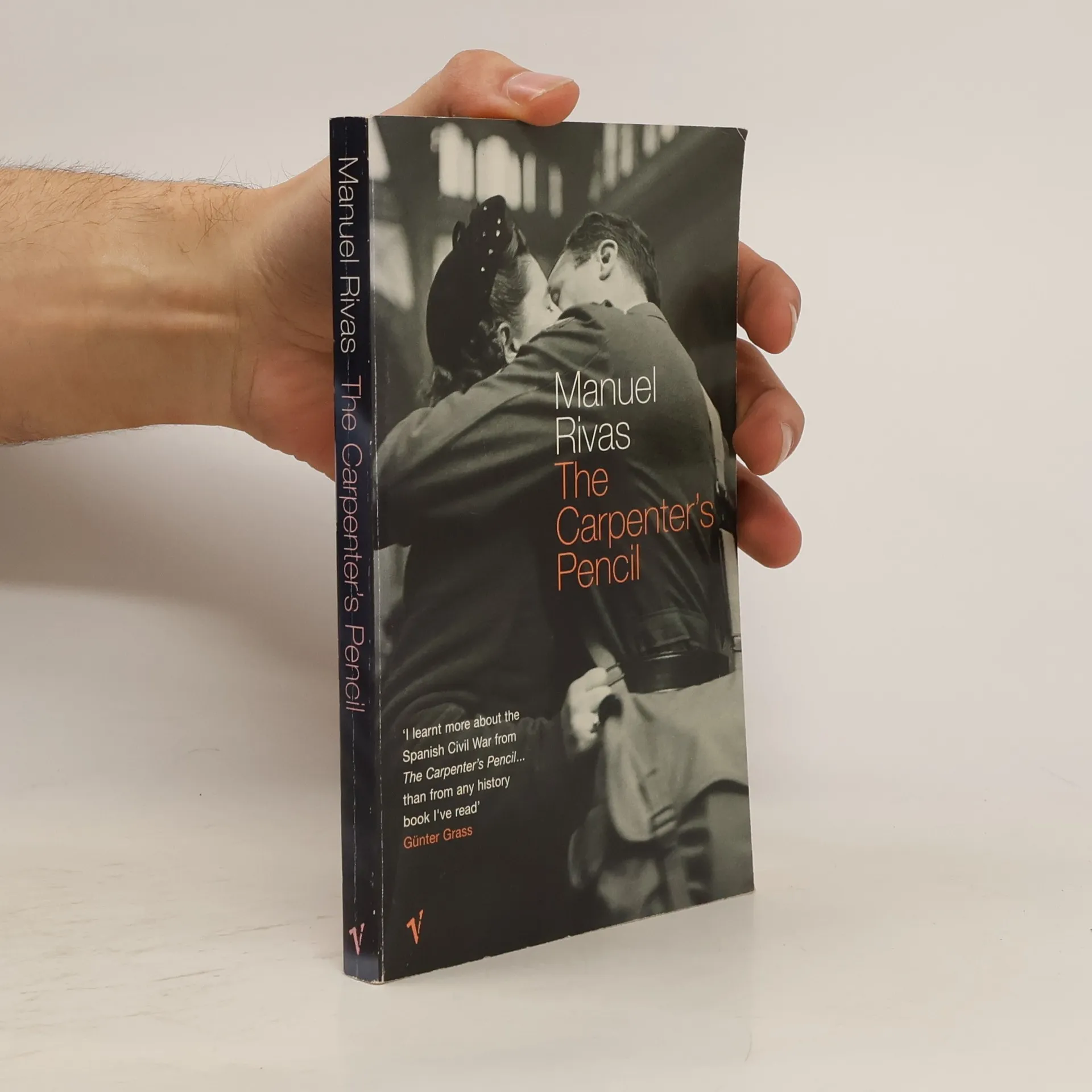
Carpenter's Pencil
- 176 stránek
- 7 hodin čtení
It is the summer of 1936, the early months of the agonising civil war that engulfs Spain and shakes the rest of the world. This poetic and moving novel conveys the horror and savagery of the tragedy that divided Spain, and the experiences of the men and women who lived through it. schovat popis
Chile ist aufgewacht!
Das Ende einer neoliberalen Ära
Die 2., überarbeitete und erweiterte Auflage des Sach-Comics »Chile ist aufgewacht« enthält über 60 neue Seiten, die die jüngsten Entwicklungen in Chile beleuchten. Seit der sozialen Revolte von 2019 steht Chile an einem historischen Wendepunkt. Millionen von Menschen gingen auf die Straße, um gegen soziale Ungerechtigkeit, Polizeigewalt und ein überholtes Verfassungssystem zu kämpfen. Was mit Protesten gegen eine Fahrpreiserhöhung begann, weitete sich zu einem landesweiten Aufstand gegen 30 Jahre neoliberale Politik aus und wurde zur größten sozialen Bewegung seit dem Ende der Pinochet-Diktatur. Mit kraftvollen Illustrationen und präziser Recherche erzählt Su Rivas die Geschichte eines Volkes im Aufbruch – von den ersten Protesten über den gescheiterten Verfassungsentwurf bis hin zu den aktuellen politischen Kämpfen. Es ist eine visuell eindrucksvolle Reise durch Chiles anhaltenden Widerstand: voller Hoffnung, Herausforderungen und dem unermüdlichen Kampf für eine gerechtere Zukunft.
En salvaje compañía
- 261 stránek
- 10 hodin čtení
La señora del pazo, Misia, cuenta cómo los trescientos cuervos que dibujan el paisaje del cielo son los poetas-guerreros del último rey de Galicia. Un sacerdote, Don XIl, explica a una joven campesina, Rosa, que las pinturas de las hermosísimas mujeres que se descubren en las paredes de la iglesia son retratos de pecadoras. Un ratón, Matacáns, cazador furtivo en su primera vida, es atrapado por un gato que no es otro que el gaitero y anarquista Arturo de Lousame. Un murciélago, Gaspar, relata su suicidio a un lagarto que va en peregrinación a San Andrés de Teixido... Todo habla. Personas, animales y pájaros recrean la identidad universal del sentimiento. Viajan del pasado al presente y contra la adversidad. Y sus voces, hechas de humor y ternura, entretejen esta gran novela.
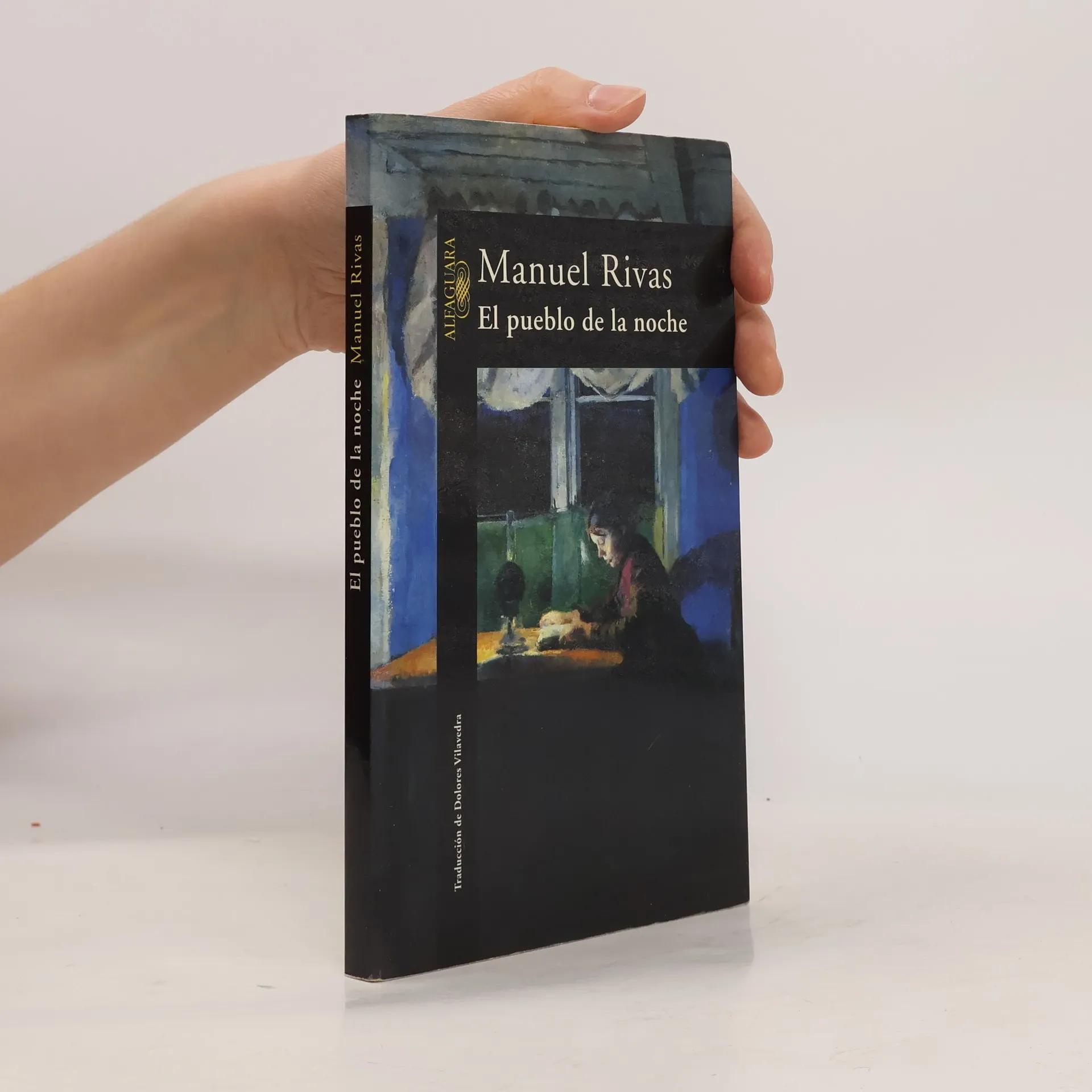
El pueblo de la noche (+CD)
- 176 stránek
- 7 hodin čtení
El pueblo de la noche es una selección realizada por el propio autor de la poesía publicada por Manuel Rivas entre 1980 y 1996. Poesía comprometida, con ironía, humor y ternura que permite la comunicación directa entre el poeta y su audiencia. Está edición irá acompañada de un CD-Rom con los poemas musicados.
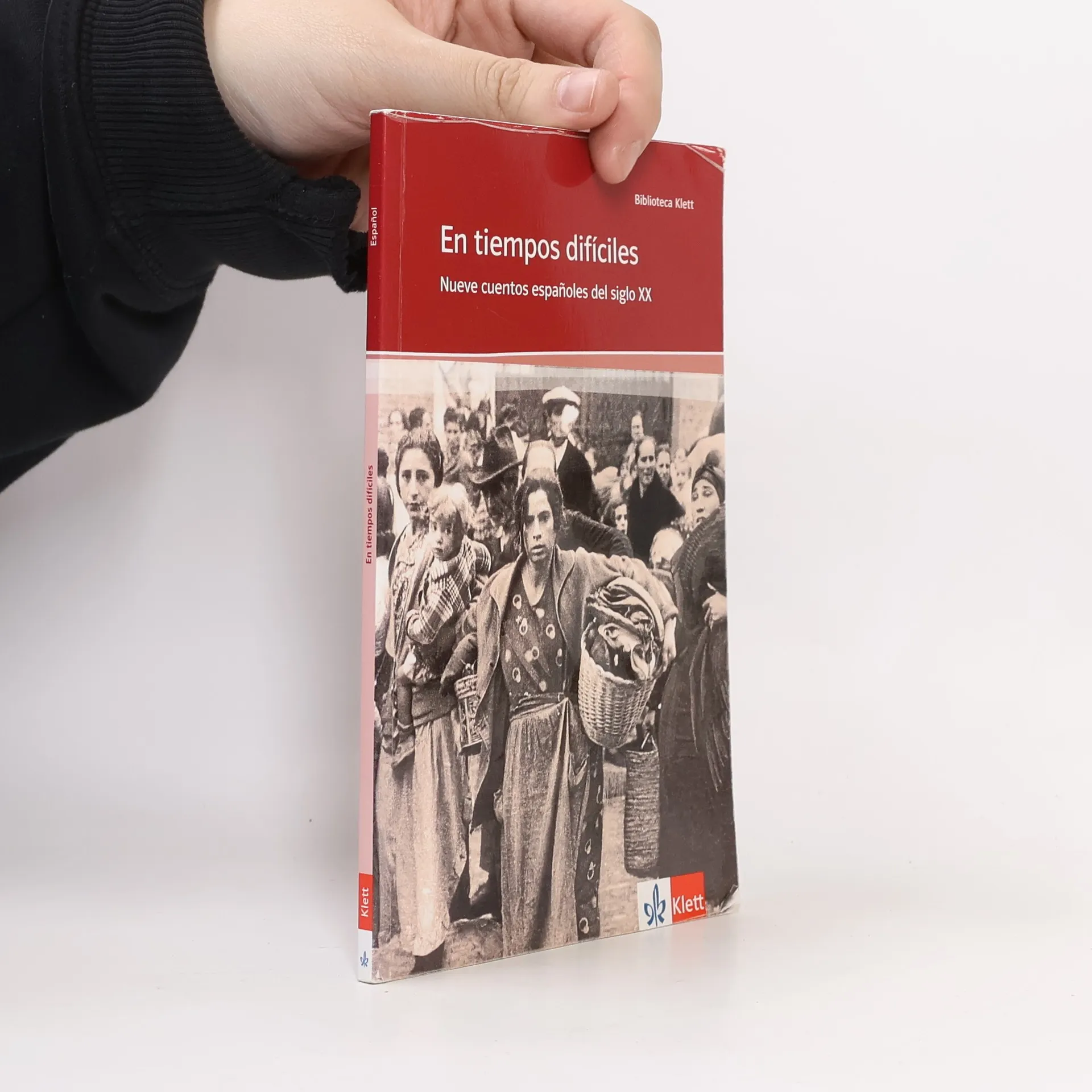
En tiempos difíciles
- 112 stránek
- 4 hodiny čtení
Kurzgeschichten verschiedenster Erzählstile von Autoren unterschiedlichen Alters zeichnen ein authentisches Bild Spaniens während Republik, Bürgerkrieg und Franco-Ära.La lengua de las mariposas (Manuel Rivas)Un ruido extraño (Juan Eduardo Zúñiga)Coro (Ramiro Pinilla)Santalla el escapado (Pilar Cibreiro)El hermoso amanecer (Ana María Matute)El desertor (José María Merino)La purificación (José Jiménez Lozano)El mundo transparente (Francisco García Pavón)Terciopelo robado (Elena Pita)
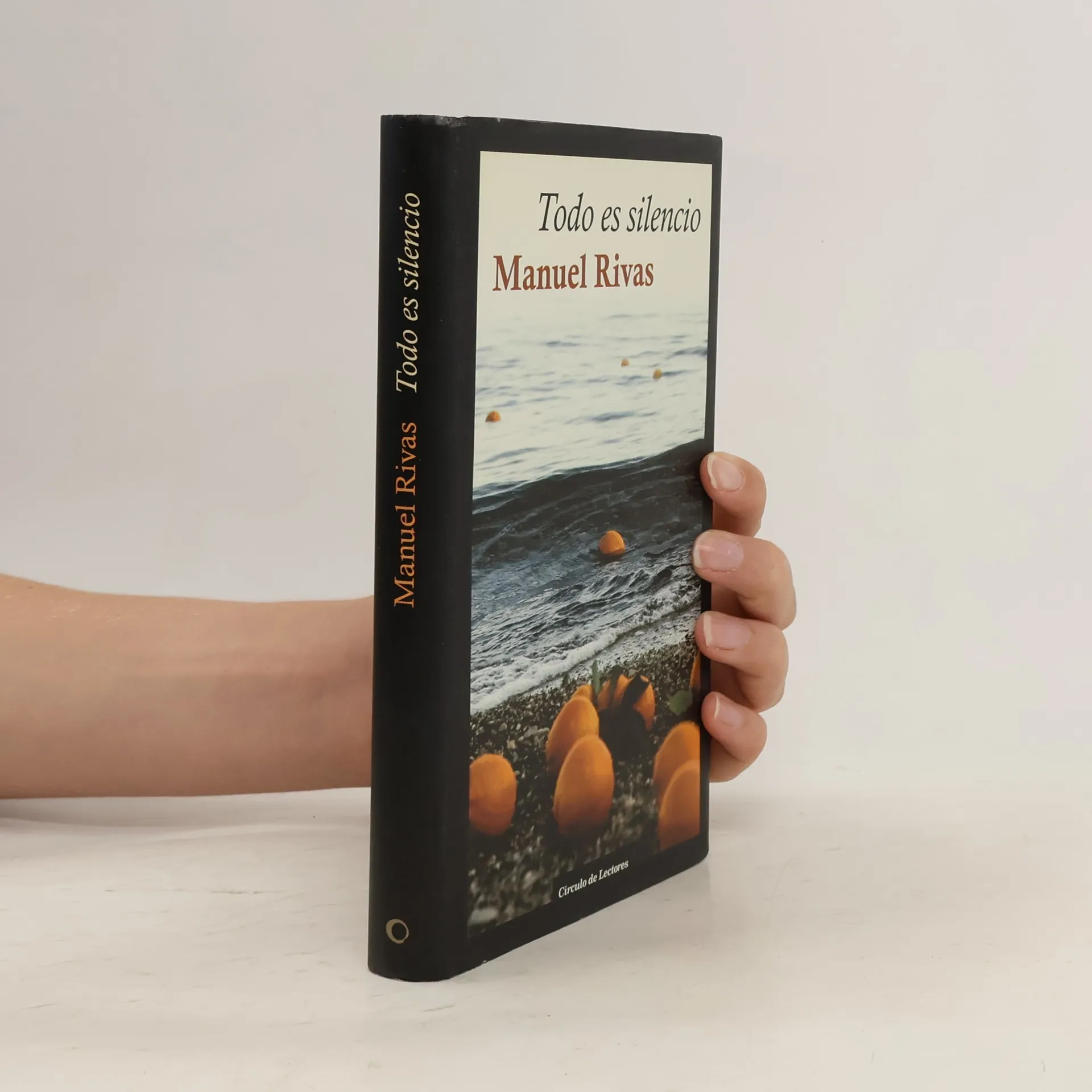
Todo es silencio
- 245 stránek
- 9 hodin čtení
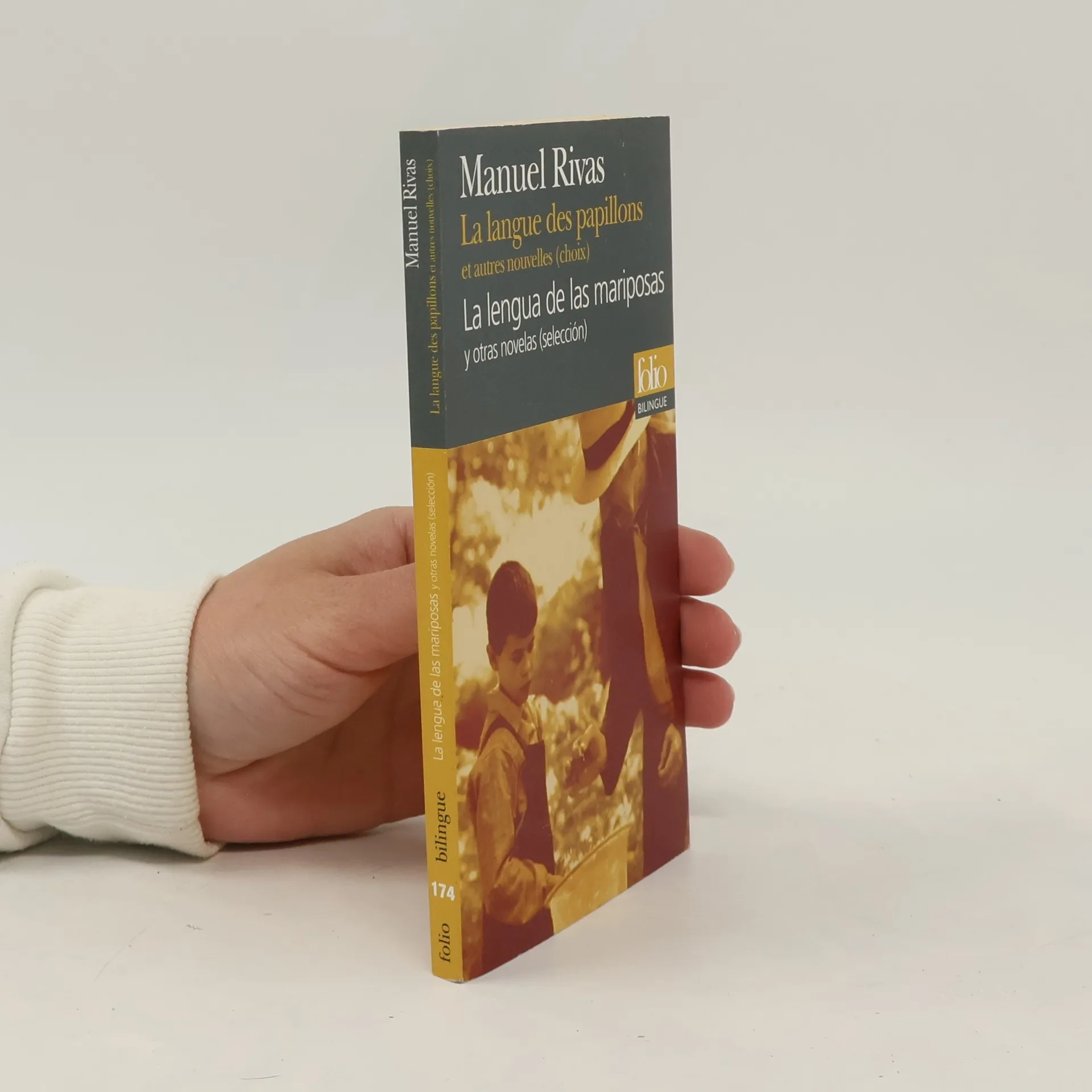
Langue Des Papill Fo Bi
- 144 stránek
- 6 hodin čtení
Vivir sin permiso
- 184 stránek
- 7 hodin čtení
En «El miedo de los erizos» habita la rebeldía de los que no tienen nada que perder. Nemo Bandeira, el hombre más poderoso de Oeste, ve en «Vivir sin permiso» cómo, después de haber intentado durante toda su vida recubrir de respetabilidad los delitos cometidos, su memoria empieza a diluirse. «Sagrado mar» es una historia sobre la verdadera tragedia de la vida, que no es la desobediencia, sino la obediencia. En este libro compiten el bien y el mal, el sometimiento y la insumisión de unos personajes inolvidables, fruto de la maestría narrativa de Manuel Rivas. Con el narcotráfico como negocio y también como red que corrompe conciencias y atrapa muchas vidas en su epicentro, las tres narraciones concluyen en la misma verdad: no hay droga más peligrosa que el poder y la violencia. «Manuel Rivas es un narrador importante porque es sensible y tiene un oído increíble que, en su ficción, está aliado con una gran integridad.»John Berger «Rivas es, sin duda, la figura más importante (y la más conocida) de la literatura gallega contemporánea [...]. Sus ficciones tienen el tono de un relato oral.»Alberto Manguel
¿Qué me quieres, amor?
- 192 stránek
- 7 hodin čtení
Cada cuento de este libro es un hechizo urdido por el indiscutible ritmo y sensibilidad de Manuel Rivas. Da nombre a la obra la historia de un enamorado que cambia definitivamente su vida con el atraco a un banco. En otros relatos es también el amor el protagonista indefinido: el amor del padre que va a trabajar con la preocupación de no saber cómo ni dónde ha pasado su hijo la noche; el amor a la madre, de inefable semejanza, en el recuerdo infantil, a la lechera que pintara Vermeer en 1660; el amor más carnal de Carmiña, con la incómoda presencia de su perro Tarzán; o-¿por qué no?- el amor compasivo que llega a sentir el lector por el viejo profesor rural de "La lengua de las mariposas", historia que ha sido adaptada al cine por José Luis Cuerda y Rafael Azcona.
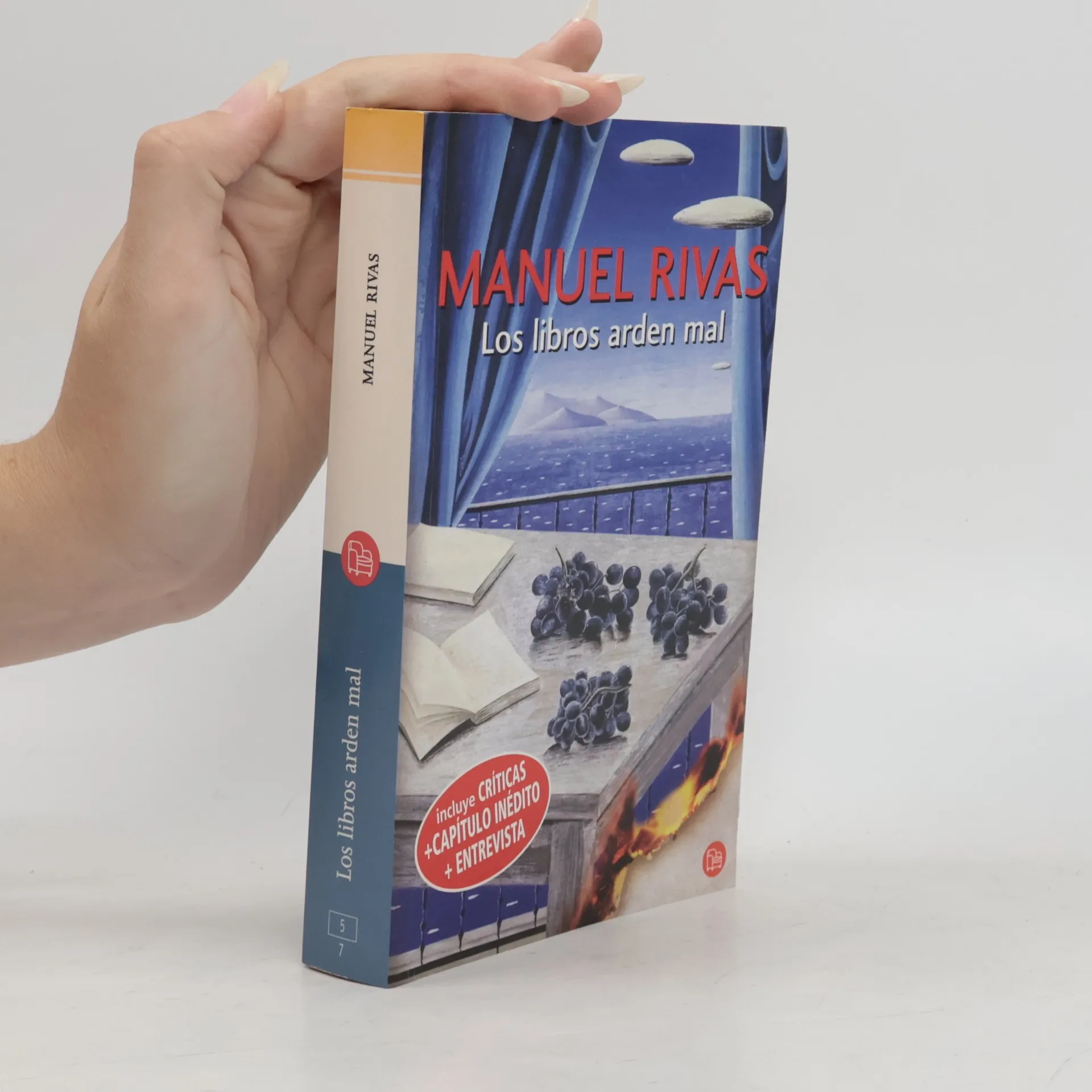
Los libros arden mal FG (formato grande)
- 832 stránek
- 30 hodin čtení
"En esta novela, las vidas de los libros, las personas y el lenguaje se cruzan y entrelazan en un intenso relato de suspense que transcurre desde el siglo XIX hasta nuestros días, entre la atrocidad autoritaria y la indomable libertad."--Back cover.
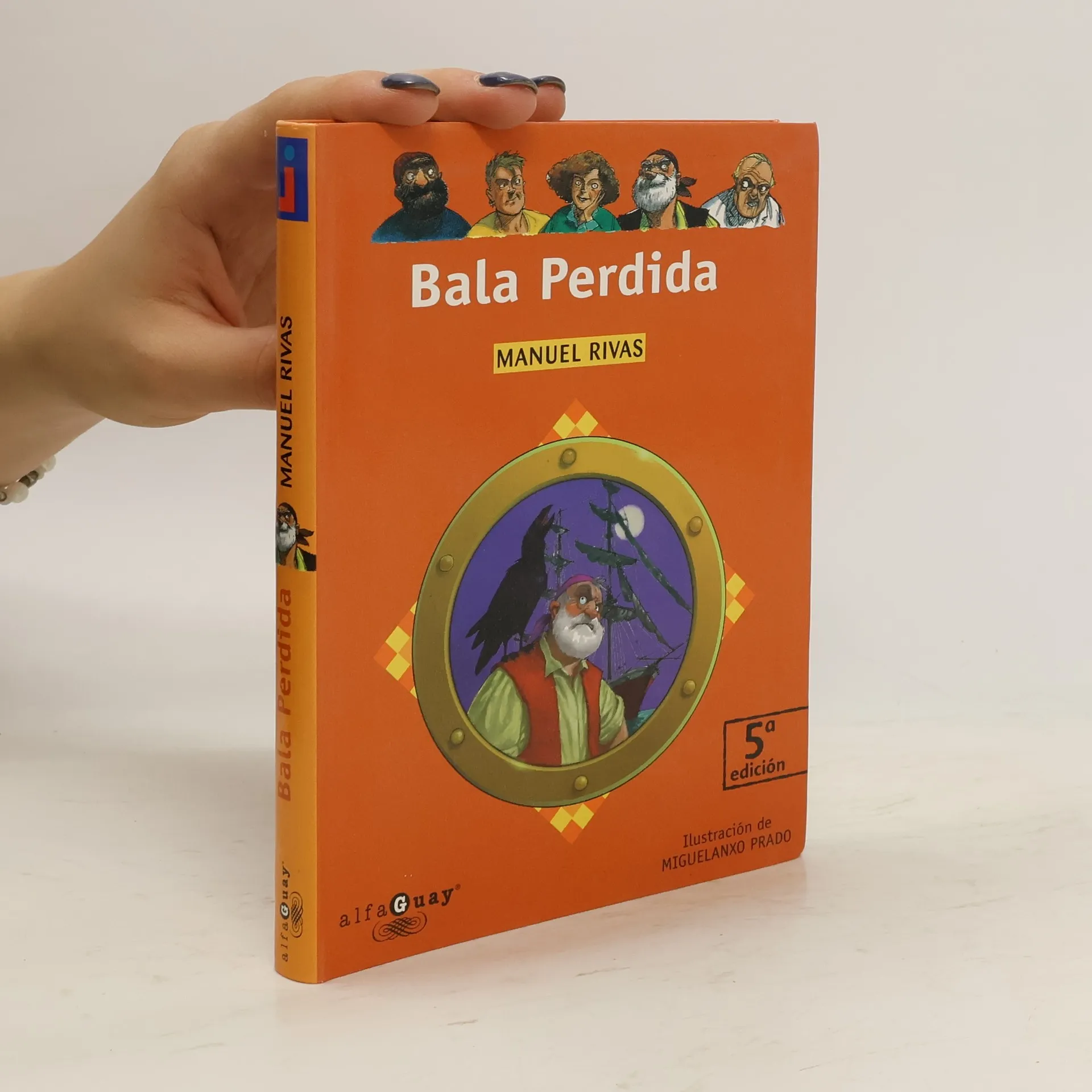
Bala Perdida
- 110 stránek
- 4 hodiny čtení
En la ciudad costera de Atlán, Rosa Ribero, una periodista sin pelos en la lengua, dirige un pequeño periódico. Pero todo cambia para ella cuando el pirata Bala Perdida la embarca en una peligrosa aventura.
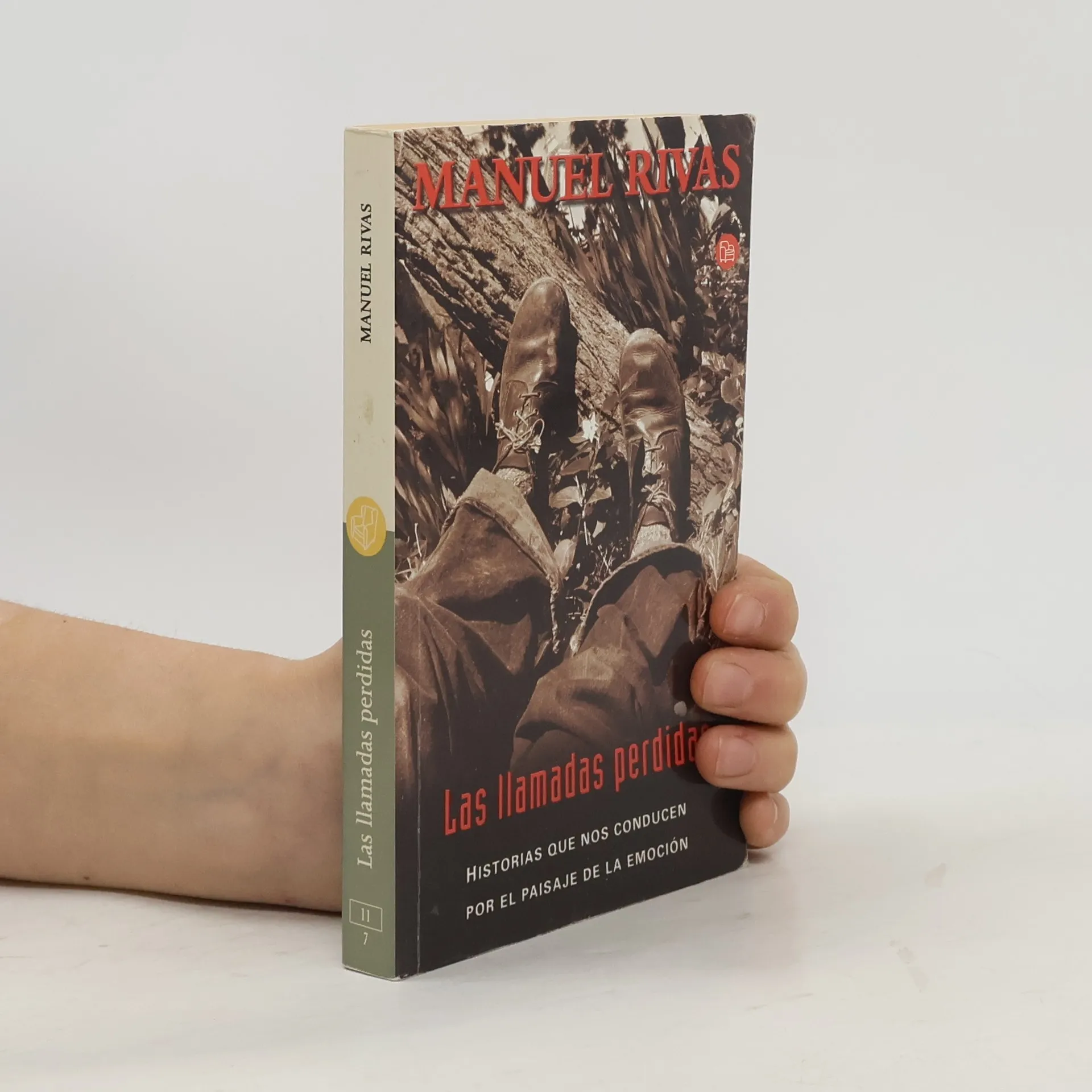
Las llamadas perdidas
- 231 stránek
- 9 hodin čtení
Los relatos de Las llamadas perdidas se rebelan contra la fatalidad, fortalecidos por una brizna de esperanza y un toque de humor e ironía. La obra no evade la realidad; más bien, la reclama con insistencia. La memoria se despliega a través del lenguaje, donde los recuerdos se convierten en una reconstrucción sensorial de la vida. El impacto de las pérdidas tambalea la existencia cotidiana, y ese levantarse tras la caída es el punto de partida de este emocionante libro. Aquí se presenta un realismo íntimo, donde la conmoción y la sorpresa golpean con fuerza, rechazando la etiqueta limitadora de lo mágico. En cambio, se busca más realidades, aquellas que se ocultan o disfrazan. La literatura se convierte en nuestra intrahistoria, y el camino que abre esta escritura es clandestino y lleno de inquietud, llevándonos a un paisaje emocional. Los personajes en estos relatos luchan cuerpo a cuerpo contra la adversidad y la tristeza, encontrando fuerza en la esperanza y el humor. Esta compilación de relatos ofrece una profunda exploración de la lucha humana frente al sufrimiento y la pérdida, transformando recuerdos en una experiencia viva y tangible.
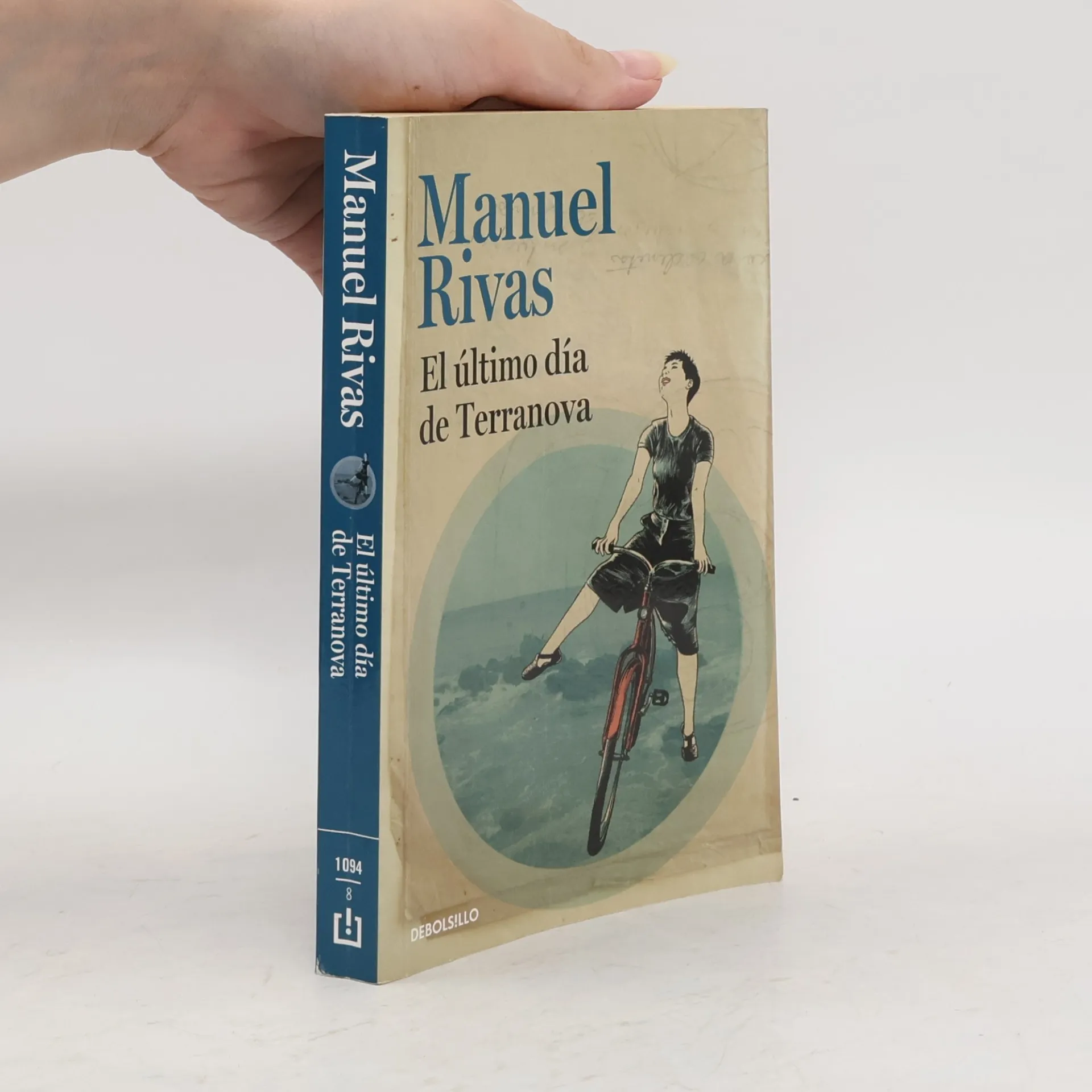
El último día de Terranova
- 304 stránek
- 11 hodin čtení
"Asediada por la codicia implacable de los especuladores inmobiliarios, Terranova corre peligro de desaparecer tras más de sesenta años de resistencia ante los temporales más duros de la historia. Décadas en las que fue siempre refugio para disidentes, perseguidos, libros prohibidos y contrabandistas de cultura. Un territorio de la memoria con una geografía propia, un sitio donde el exilio nunca ocurrió. Aunque Terranova fue su hogar, Vicenzo Fontana se rebeló en su juventud contra los libros. Fue al conocer a Garúa, una chica argentina cuando aprendió de los libros todo lo importante, aquello que su familia siempre supo: cómo fingen, cómo ayudan, cómo enseñan a amar, cómo acompañan y cómo salvan."--Cover.
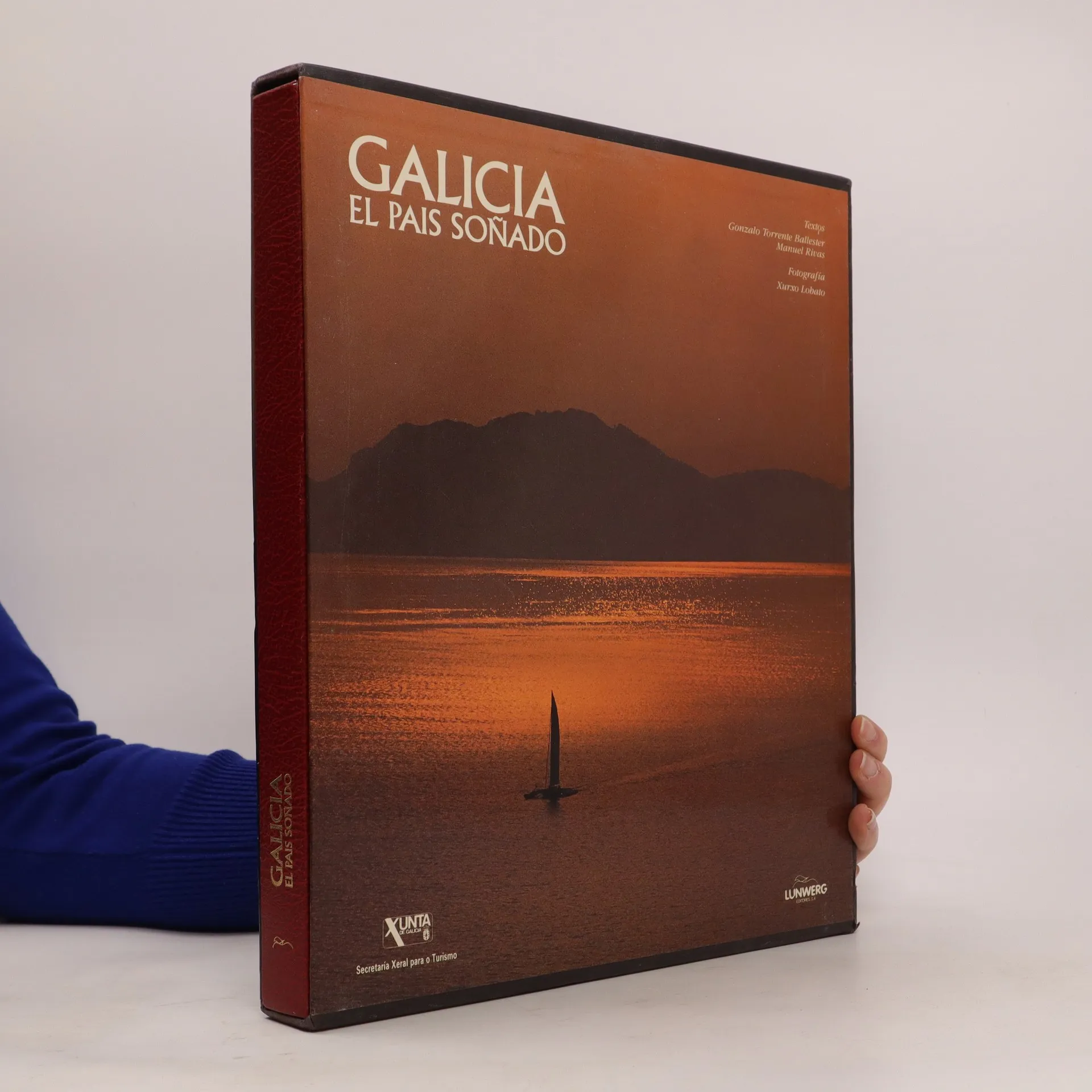
Galicia: El Pais soñado
- 204 stránek
- 8 hodin čtení
A man dos paiños
- 143 stránek
- 6 hodin čtení
Unha maneira perturbadora de definir Galicia sería falar dun país productor de emigrantes e náufragos. Eles son os protagonistas de A man dos paíños, os heroes correntes dunha identidade solapada, ocultada a cotío por mor dos virus que borran a memoria. Emigración e naufraxio son experiencias que nos levan a un espacio fronteirizo, de loita pola supervivencia e tamén de renacer. Esa xeografía emocional, entre o apego e a perda, é onde mellor se recoñece hoxe a condición humana. E este é tamén o territorio límite onde se sitúa A man dos pahíños. Esta obra supón unha aposta singular na narrativa contemporánea. Enfía un longo relato de ficción ("A man dos paíños"), un relato fotográfico ("O álbum furtivo"), e un relato xornalístico ("Os náufragos"). Tres xeitos de mirada, tres maneiras de contar, que nos achegan a un mundo onde o máxico é a publicidade comercial, a vida soa como un golpe no billar, e o berce e o ataúde son arrolados pola tempestade.
" ... presents five of the best current Spanish writers ... [includes] a CD with readings of the texts, practice exercises and ... more than 350 words translated into English and explained in Spanish"--Page 4. of cover.
Las voces bajas
- 432 stránek
- 16 hodin čtení
«Las voces bajas es la novela de la vida. Son las voces de los niños, las mujeres que hablan solas, los emigrantes, los muertos, los animales... Las voces de los que no quieren dominar y se alimentan de palabras y cuentos.» Escrita al modo de una autobiografía, todo parece verdad y todo, imaginación. Es el efecto de una novela de la memoria encendida. La mirada de la infancia va descubriendo, con una mezcla de miedo, estupor y maravilla, lo que hay de extraordinario en la existencia de la gente corriente. Una construcción de humor y dolor, donde las palabras pelean y se abrazan con la vida. En Las voces bajas, el amor y la ironía sostienen a pulso el retablo humano. These are the voices of children, women, immigrants, animals and the dead. The voices of those who have no wish to lead and feed off of words and stories. Written as an autobiography, everything in this novel seems real and unreal at the same time as memories are wont to do. Opening in a real geographical place, the reader can see how the innocent eyes of childhood begin to discover, with a mix of fear, astonishment and marvel, the extraordinary in the lives of ordinary people where love and irony sustain the pulse of the human landscape.
Memoria gráfica de la historia y la sociedad españolas del siglo XX. Del campo a la ciudad III
- 287 stránek
- 11 hodin čtení
In wilder Gesellschaft
- 200 stránek
- 7 hodin čtení
„Gewaltig ist der Blitz in die Dorfkirche gefahren, hat Mauern gespalten und die alten Wandbilder freigelegt. Festliche Gestalten, gekleidet wie Königinnen, enthüllen sich dem Mädchen mit den Zöpfen, das dort Schutz gesucht hat. Aus dem Mädchen wird Rosa, von ihr erzählt das Buch. Von ihrem Mann Cholo, der nachts über sie steigt; von Spiderman, dem Verehrer, der aus New York zurückgekehrt ist; von ihrem einfältigen Bruder Simón, der auf dem von ihm gezähmten Wildpferd erst die drei sagenhaften Ringe durchqueren muß, bevor er bei der molligen Beatriz wieder vorsprechen darf. Und von Misia aus dem Herrenhaus und ihrer eigentümlichen Freundschaft mit Rosa. In den Alltag der Menschen dringen die bodenständigen Fabelwesen Galiciens mit Selbstverständlichkeit ein. Die Wände scheinen durchlässig für alte Geschichten, die Toten sind nicht tot hier, sie bilden eine nüchtern-phantastische Gesellschaft, eine quirlige Legenden- und Märchenfauna.“