



Knihobot

John Eliot Gardiner

    20. duben 1943
    John Eliot Gardiner
    Die Gegenwart der musikalischen Vergangenheit
    Monteverdi and His Constellation
    Music in the Castle of Heaven
    Music & Literature
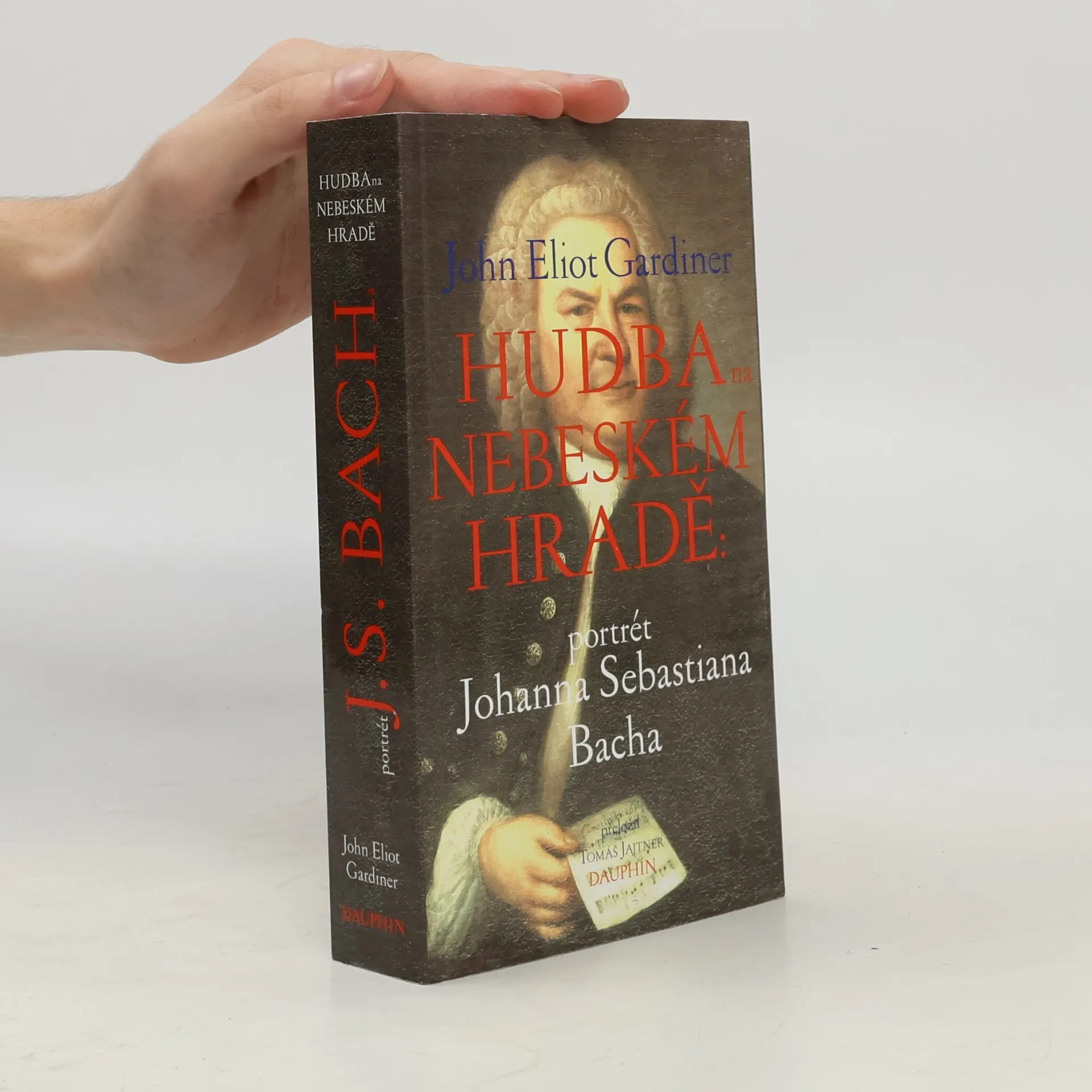
    Hudba na nebeském hradě - Portrét Johanna Sebastiana Bacha
    • Bachova životní i hudební pouť z pera jeho nejslavnějšího soudobého interpreta, Sira Johna Eliota Gardinera. John Eliot Gardiner v dětství každý den míjel jeden ze dvou autentických portrétů J. S. Bacha na schodech v domu svých rodičů. Od té doby jej studuje a provádí jeho dílo a dnes je považován za jednoho z největších žijících skladatelových interpretů. Plody tohoto celoživotního ponoření jsou vydestilovány v této pozoruhodné knize, vysvětlující podrobně myšlenky, z nichž Bach čerpal, jak pracoval, jak je jeho hudba konstruována, jak dosahuje svých účinků – a co nám může říct o Bachovi jako člověku. Johann Sebastian Bach je jedním z nejnepochopitelnějších skladatelů v dějinách. Jak mohl tak vznešenou hudbu složit člověk, který vypadá tak obyčejně, tak neprůhledně – a občas netečně?

      Hudba na nebeském hradě - Portrét Johanna Sebastiana Bacha
      4,0
    • Music & Literature

      • 281 stránek
      • 10 hodin čtení

      More than 40 writers, musicians, and translators come together to celebrate the works of Brazilian novelist Clarice Lispector, Swiss violinist Maya Homburger, British composer Barry Guy, and American poet Mary Ruefle. This issue begins with an intimate portrait of Lispector, featuring her letters, paintings, and her candid final interview, complemented by essays from her translators and international writers, forming a 100-page tribute. The musical worlds of Homburger and Guy are explored through intertwined interviews, graphic scores, and a unique Bach Pilgrimage Portfolio, with contributions from conductor Sir John Eliot Gardiner. The edition concludes with a comprehensive appreciation of Ruefle’s career, including sixteen new poems and erasures from the "contemporary Dickinson." This ambitious collection captures the vibrant intelligences of four essential artists of our time. The contents include essays, interviews, and artworks related to Lispector, Homburger, Guy, and Ruefle, showcasing their profound impact on literature and music. Each section delves into their unique contributions and creative processes, offering readers a rich tapestry of insights and artistic expressions that celebrate their legacies.

      Music & Literature
      4,2
    • Music in the Castle of Heaven

      • 629 stránek
      • 23 hodin čtení

      Johann Sebastian Bach is one of the most unfathomable composers in the history of music. How can such sublime work have been produced by a man who (when we can discern his personality at all) seems so ordinary, so opaque - and occasionally so intemperate? John Eliot Gardiner grew up passing one of the only two authentic portraits of Bach every morning and evening on the stairs of his parents' house, where it hung for safety during the Second World War. He has been studying and performing Bach ever since, and is now regarded as one of the composer's greatest living interpreters. The fruits of this lifetime's immersion are distilled in this remarkable book, grounded in the most recent Bach scholarship but moving far beyond it, which explains in wonderful detail the ideas on which Bach drew, how he worked, how his music is constructed, how it achieves its effects - and what it can tell us about Bach the man. Gardiner's background as a historian has encouraged him to search for ways in which scholarship and performance can cooperate and fruitfully coalesce. This has entailed piecing together the few biographical shards, scrutinising the music, and watching for those instances when Bach's personality seems to penetrate the fabric of his notation. Gardiner's aim is 'to give the reader a sense of inhabiting the same experiences and sensations that Bach might have had in the act of music-making. This, I try to show, can help us arrive at a more human likeness discernible in the closely related processes of composing and performing his music.' It is very rare that such an accomplished performer of music should also be a considerable writer and thinker about it. John Eliot Gardiner takes us as deeply into Bach's works and mind as perhaps words can. The result is a unique book about one of the greatest of all creative artists.

      Music in the Castle of Heaven
      4,1