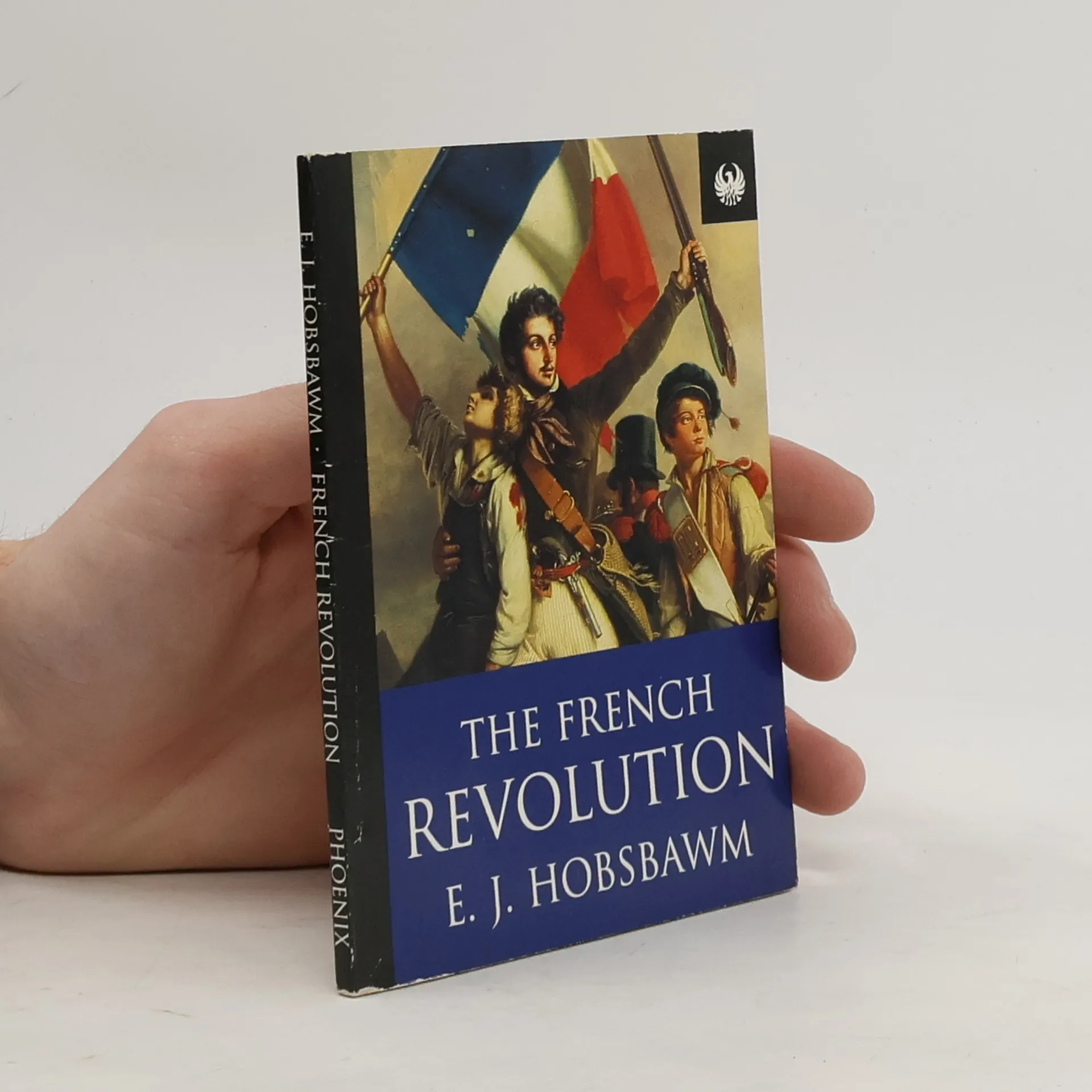
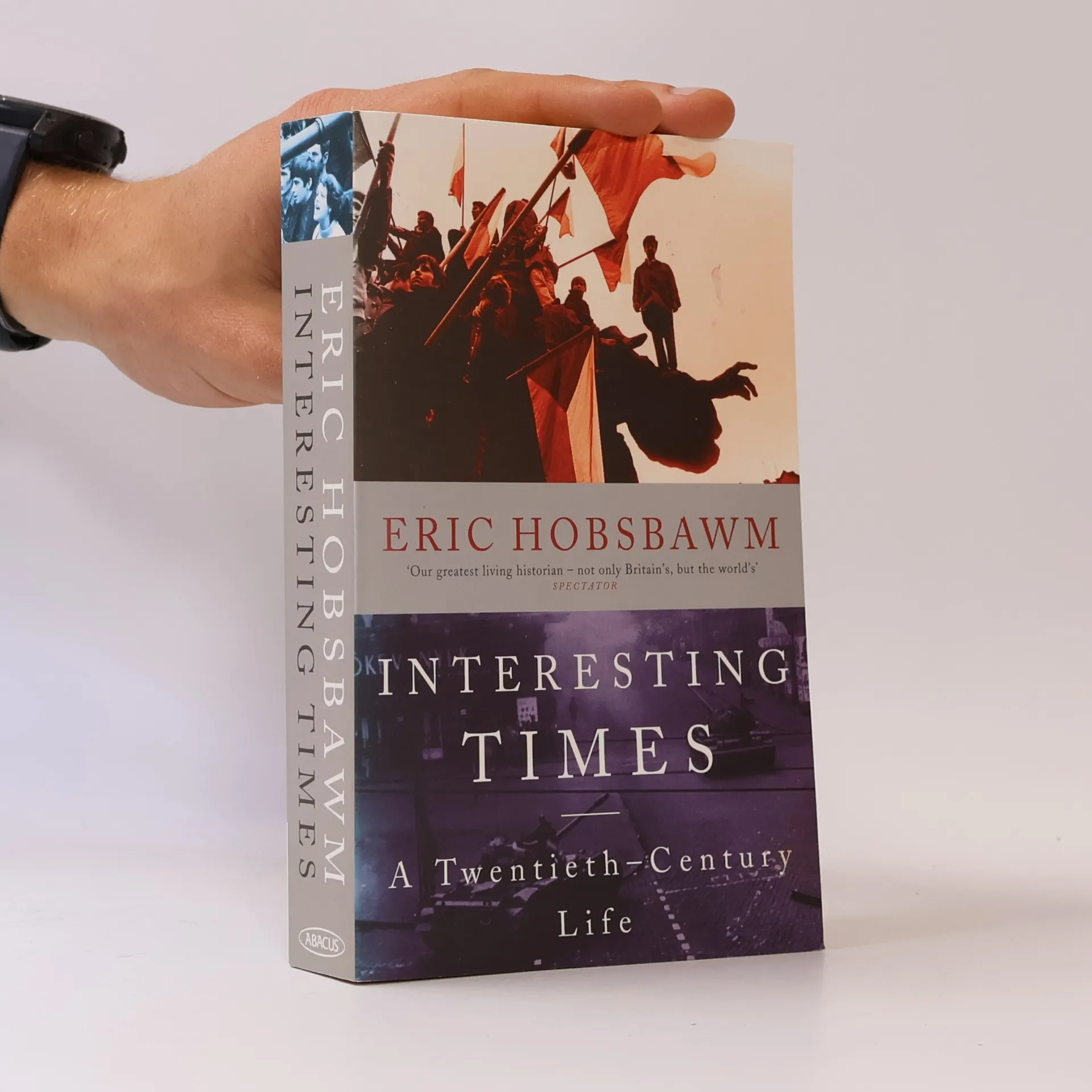
Eric Hobsbawm byl uznávaným historikem, který se soustředil na sociální a ekonomické dějiny. Jeho práce se vyznačovala hlubokým vhledem do klíčových období a společenských transformací. S neochvějným pohledem na historii analyzoval složité procesy, které formovaly moderní svět. Jeho literární odkaz spočívá v precizním zkoumání minulosti a jejích dopadů na současnost.
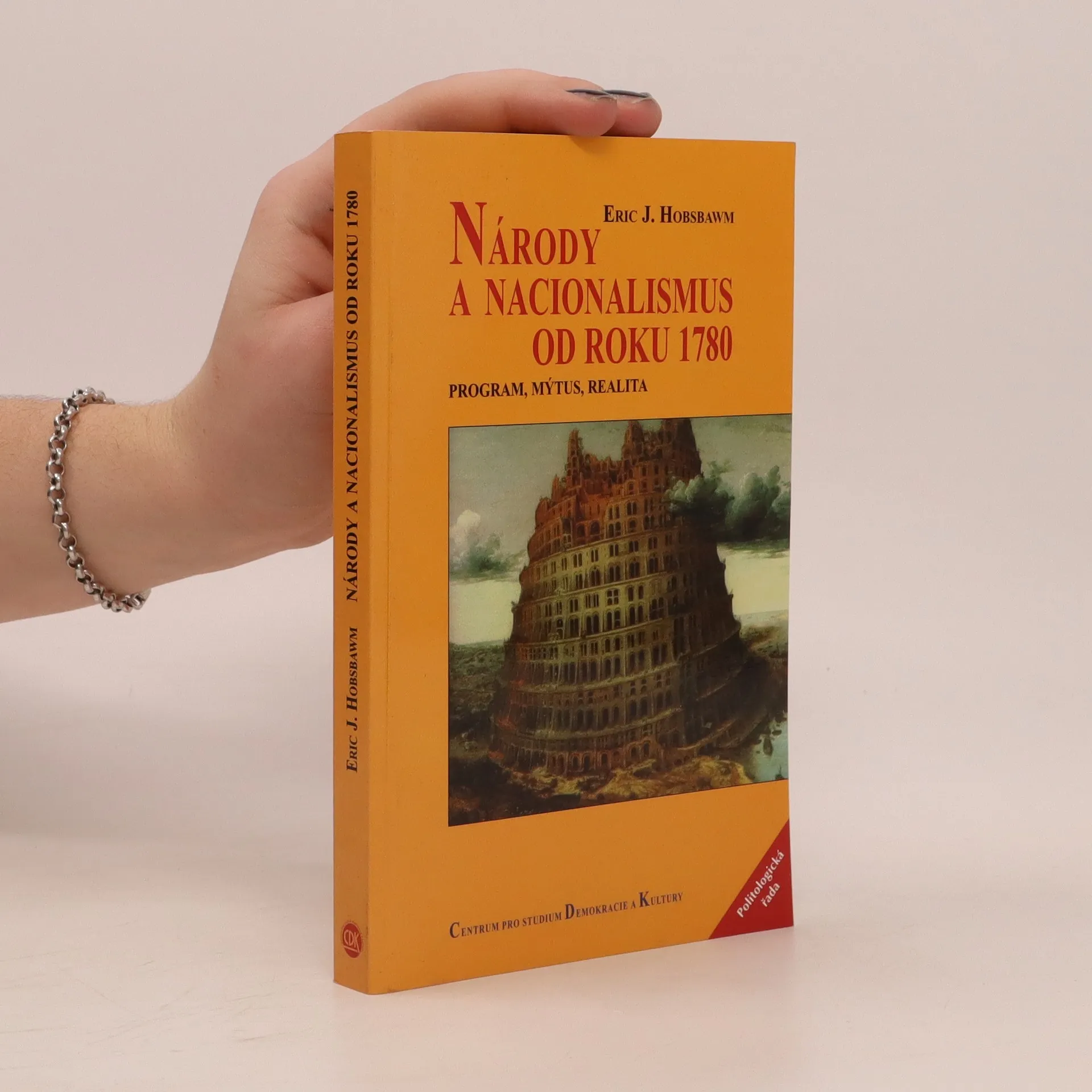
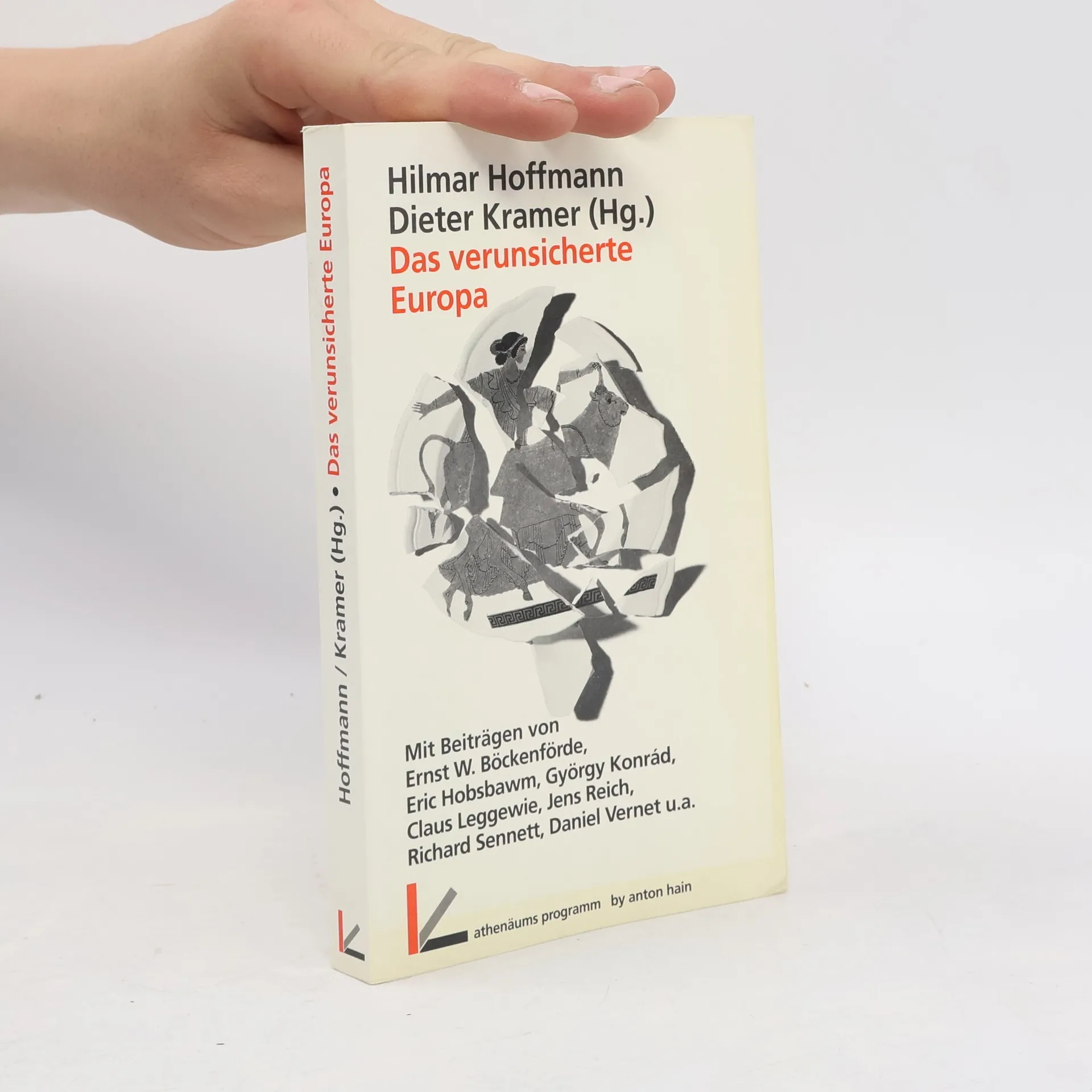
Čtivá a velmi fundovaně napsaná studie předního britského historika Erica Hobsbawma, u nás známého knihou Věk extrémů: krátké dějiny 20. století. Autor v ní přináší komplexní a poučný pohled na vývoj fenoménu nacionalismu od poloviny 19. století až do doby zcela nedávné, který dokumentuje řadou zajímavých konkrétních příkladů.
1.vydání.
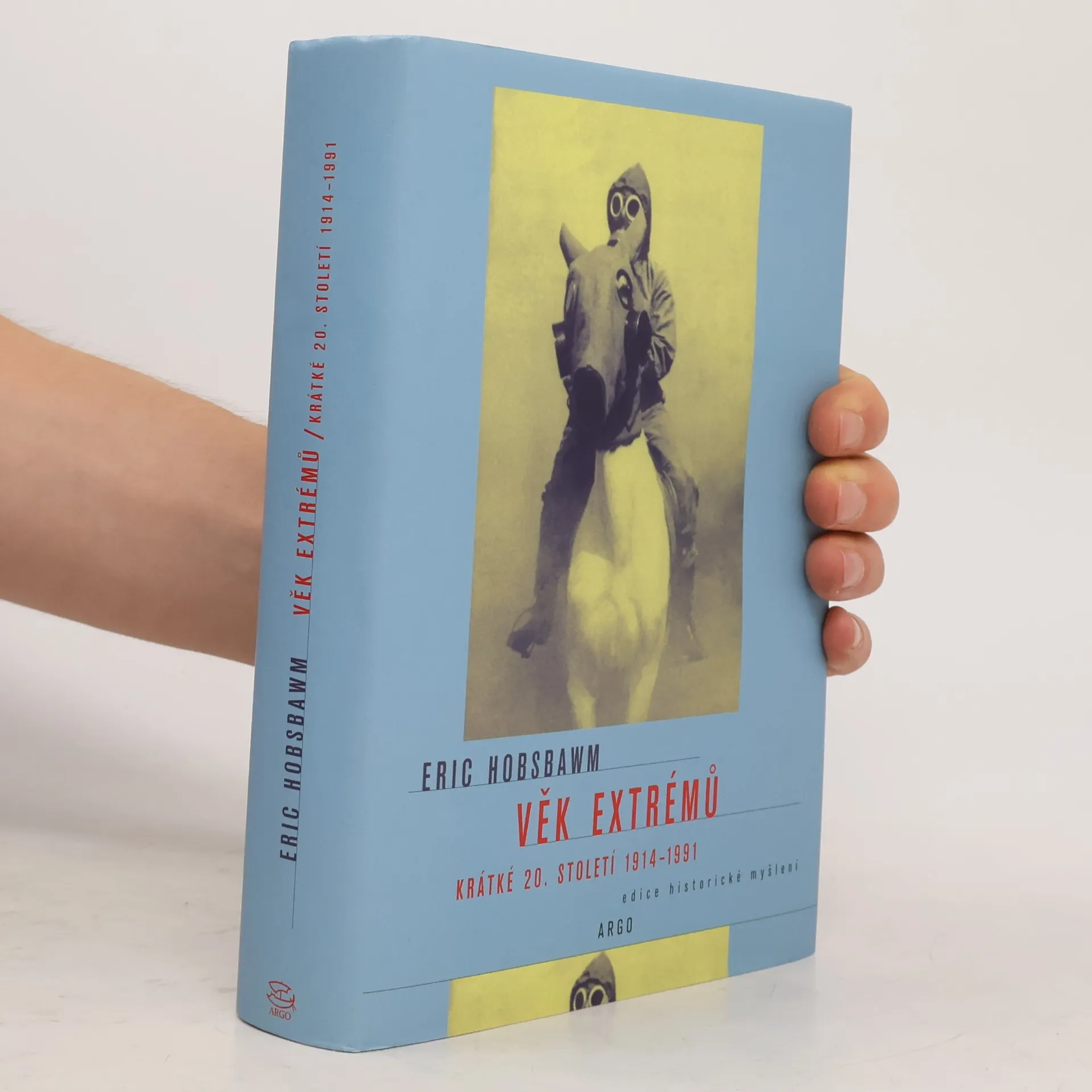
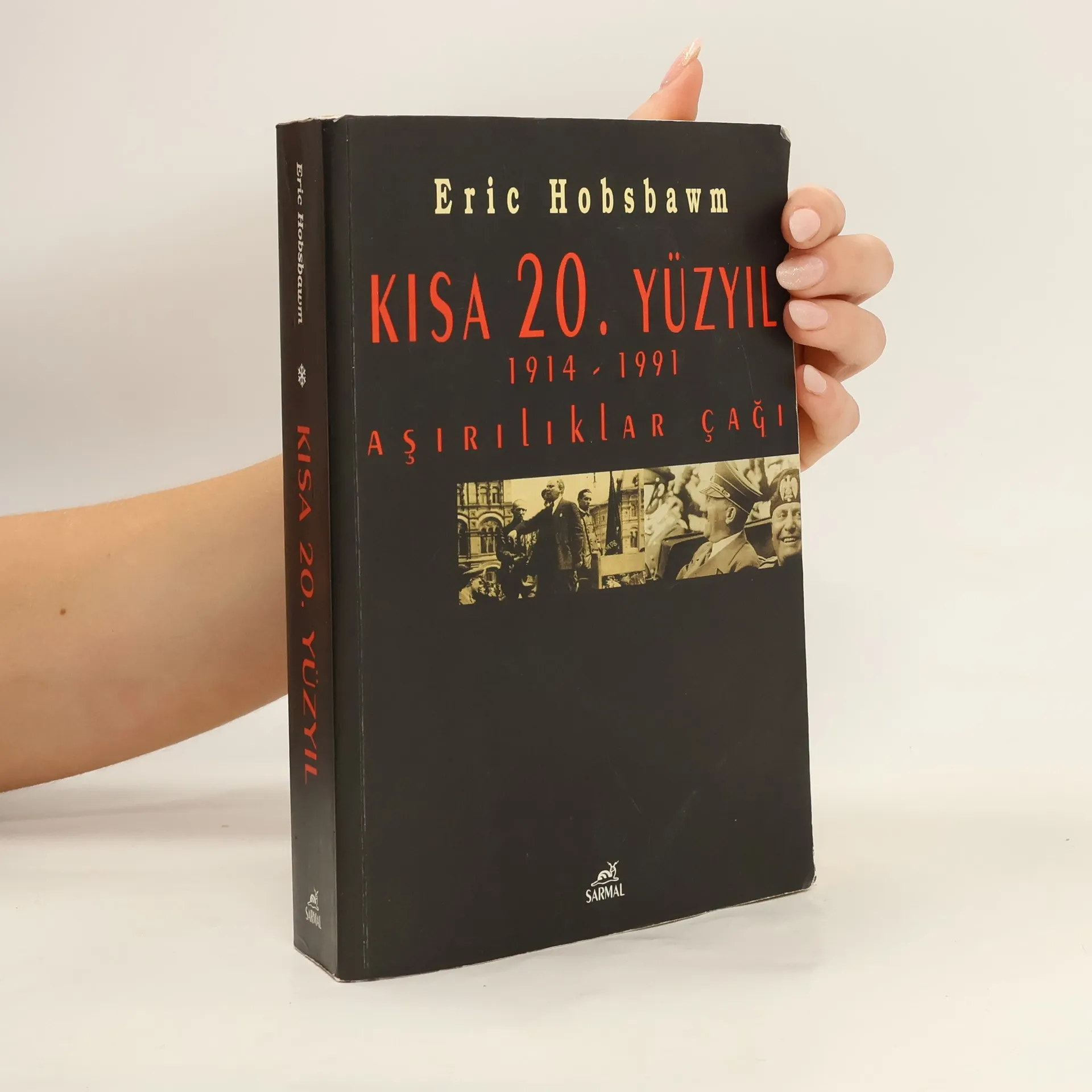
Eric Hobsbawm patří k nejlepším anglosaským historikům 19. a 20. století. Jeho poslední kniha představuje brilantní syntetický pohled na dvěma světovými válkami poznamenané století. Hlavní důraz v ní Hobsbawm klade na dějinné proměny společenských idejí, které dvacáté století formovaly. Komunismus, fašismus, socialismus, doznívající liberalismus, konzervativismus, myšlenky sociálního státu spolu s mnoha kulturními a uměleckými směry, které krátkodobě či dlouhodobě pohlcovaly intelektuální i konsumní svět, tvoří základní pilíře autorovy jistě velmi subjektivní reflexe "krátkého" a tudíž hektického věku. Předností Hobsbawmovy knihy je její celosvětový záběr. Autor se v ní nesoustředil pouze na ideový, sociální a politický vývoj Spojených států, Ruska či nejvýznamnějších zemí západní Evropy, ale stejnou měrou se věnoval i problémům jak třetího, tak i dynamicky se rozvíjejícího asijského světa.
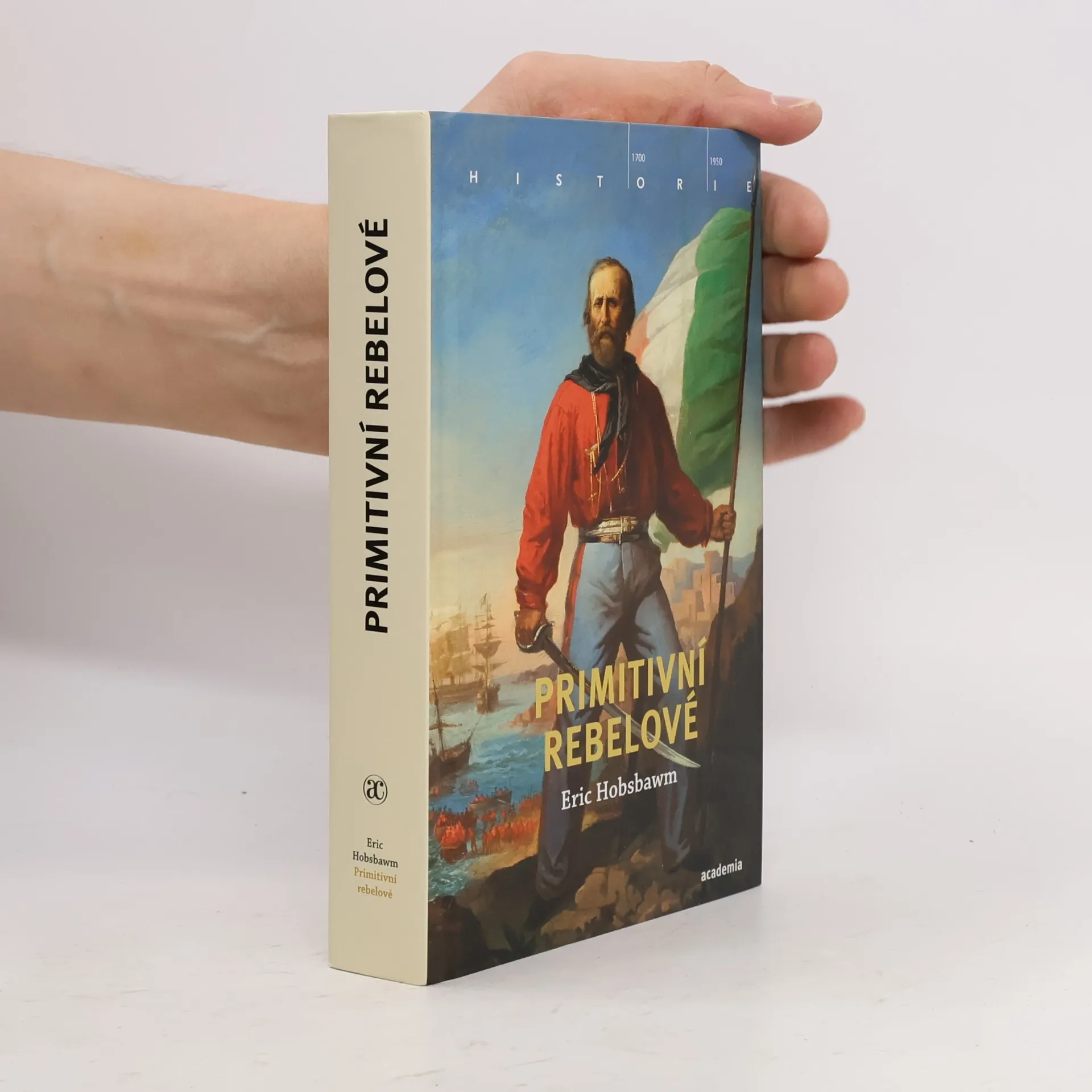
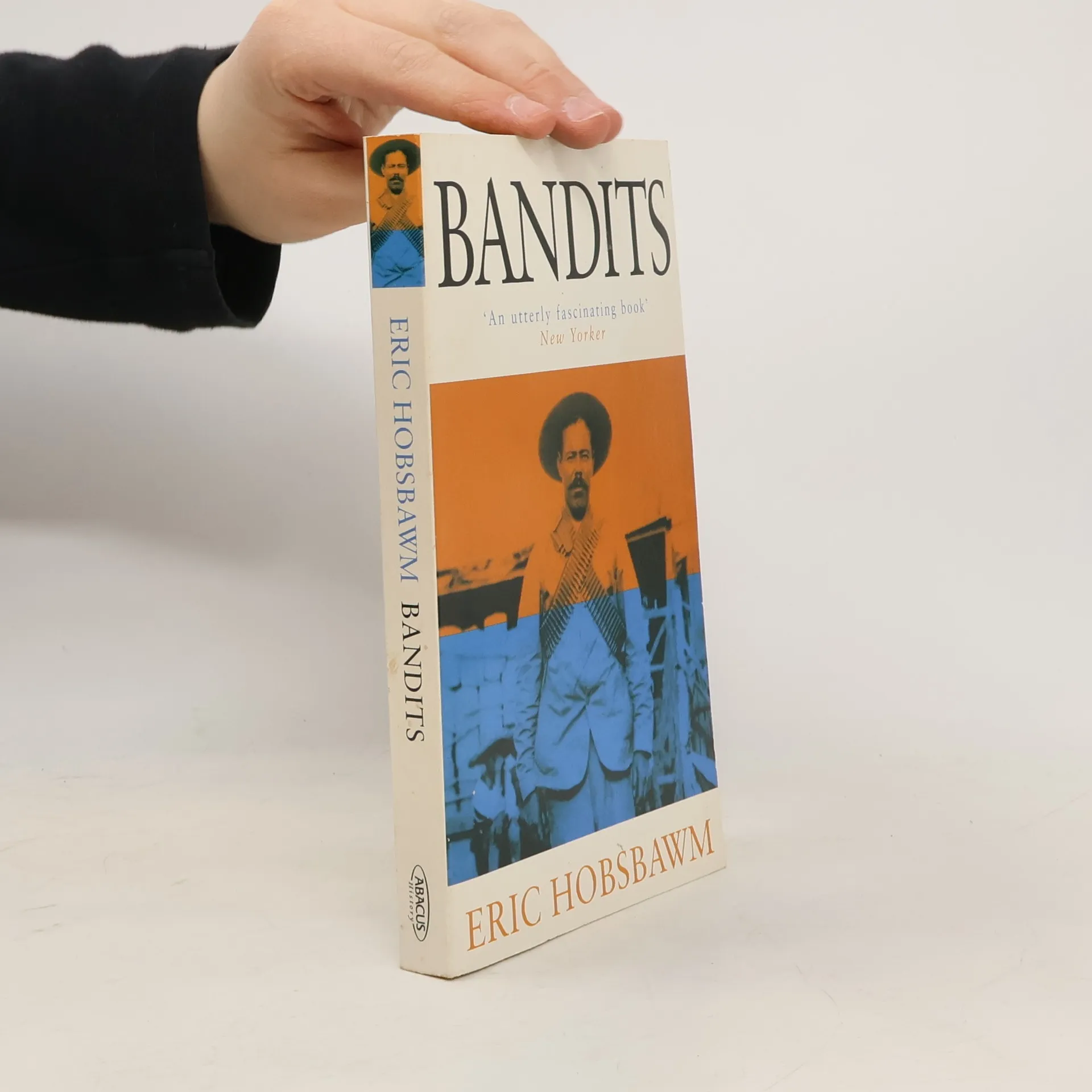
Knihu tvoří studie věnované primitivním formám společenské agitace, jakými jsou například sociální zbojnictví, tajná vesnická společenství, rolnická revoluční hnutí milenialistického typu, mafie, preindustriální městské gangy a dělnická náboženská bratrstva. Výklad se zaměřuje na oblast západní a jižní Evropy, především na jižní Itálii, Sicílii a Andalusii, v období od Francouzské revoluce. Publikace se pokouší nalézt odpověď na otázku, do jaké míry je tato hnutí možné pokládat za reformní či revoluční, v čem spočívá podstata jejich revolučnosti, jakou roli mohou sehrát v politickém životě zemí, v nichž se objeví, a zda a za jakých podmínek se mohou transformovat či začlenit do „moderních“ politických hnutí.
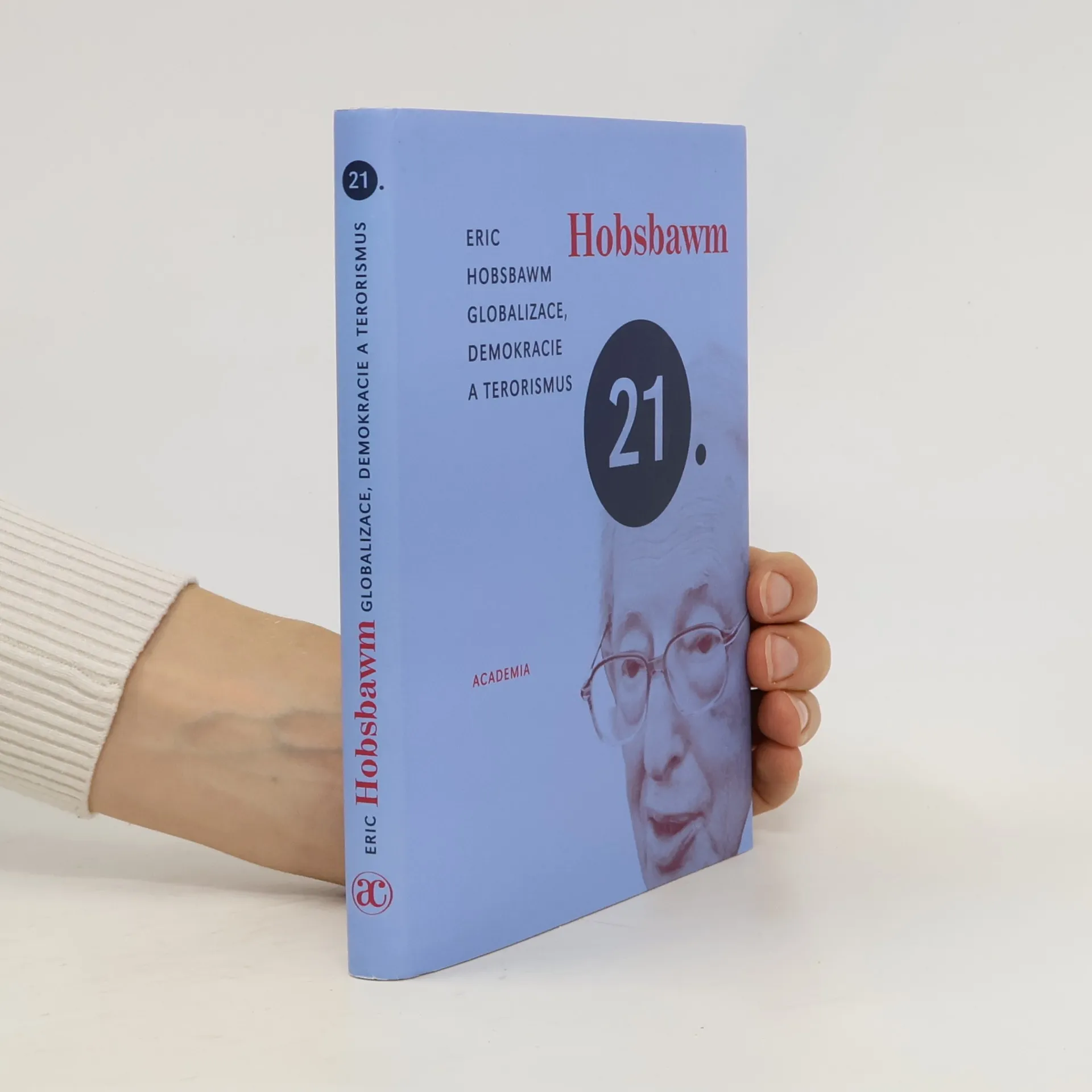
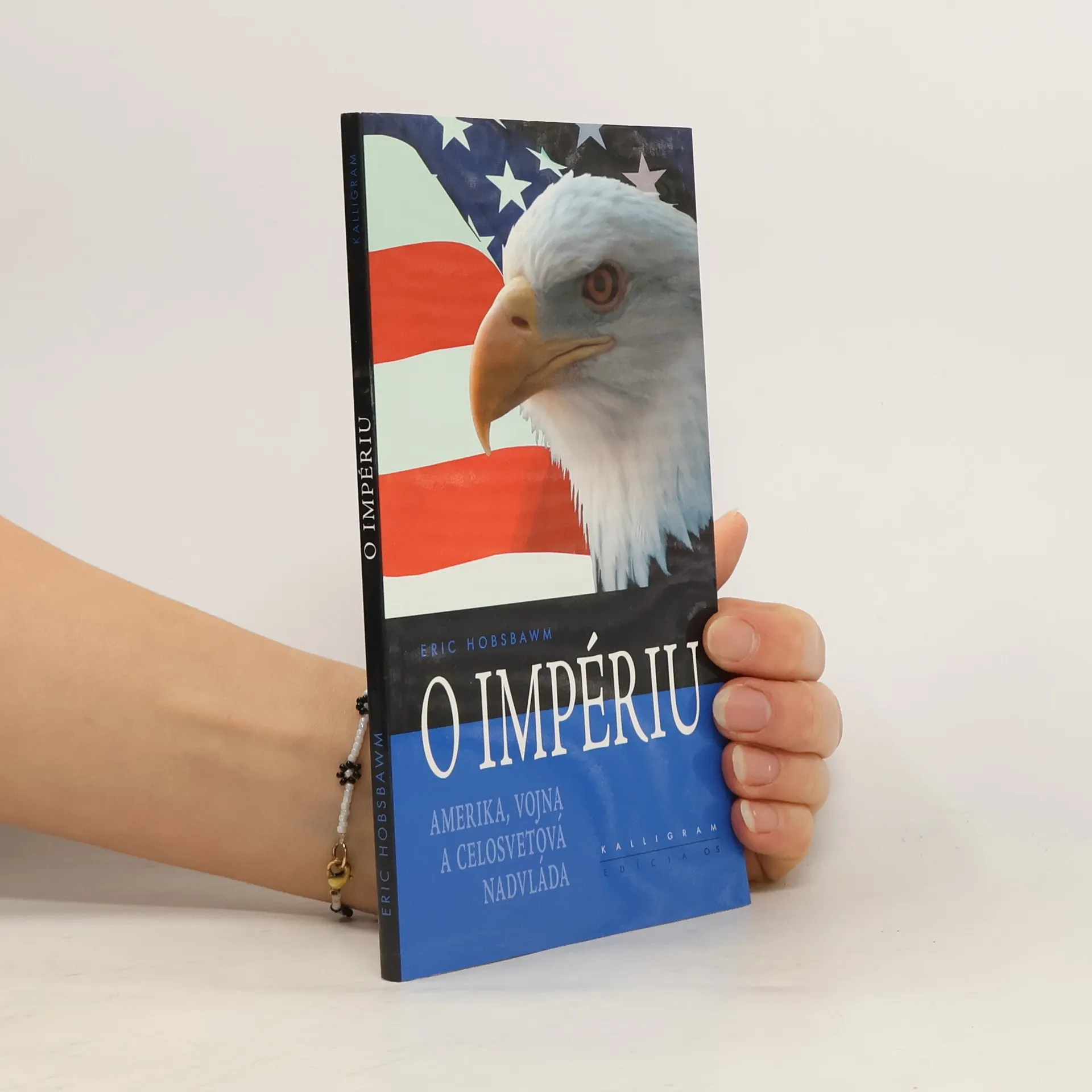
Proslulý britský historik Eric Hobsbawm se ve své dosud nejnovější knize zabývá tématy, která jsou v současném světě vnímána jako navýsost palčivá a určující hlavní směry současné politiky jak vnitřní, tak mezinárodní. Hobsbawm se obrací k otázkám, jako je role války, působení impérií, povaha nacionalismu, vyhlídky liberální demokracie a dopady politického násilí a terorismu, přičemž všechny tyto fenomény primárně nahlíží s úmyslem pochopit stav světa na počátku třetího tisíciletí. Společným jmenovatelem uvedených témat pak je důraz, který Eric Hobsbawm klade na dvojtvářnost globalizace, již chápe jako základní rámec dnešního dění.
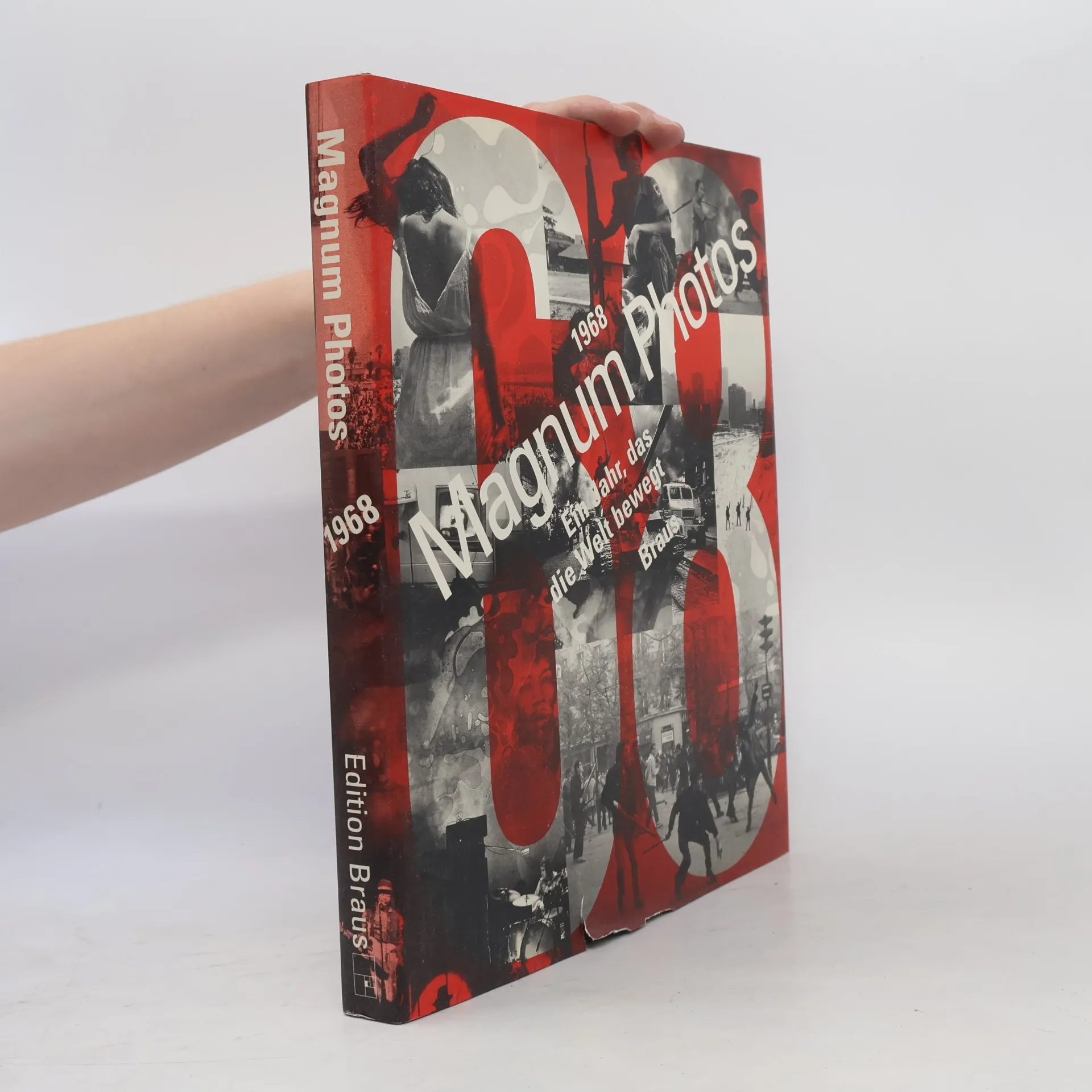
Reportáže fotografů slavné skupiny Magnum z veřejných událostí revolučního roku 1968 všech tří světů. Doplněno texty Erica Habsbawma a Marca Weitzmanna.
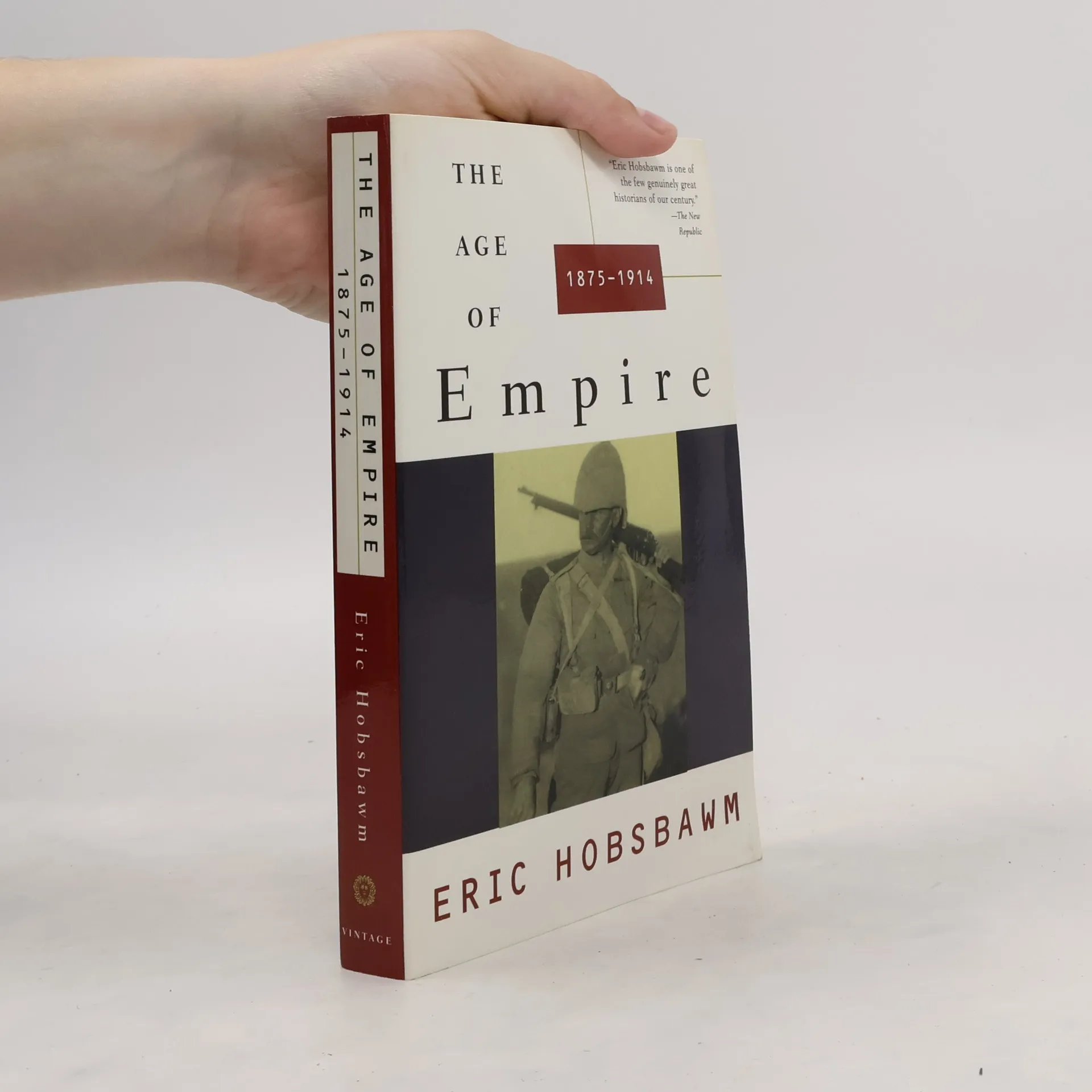
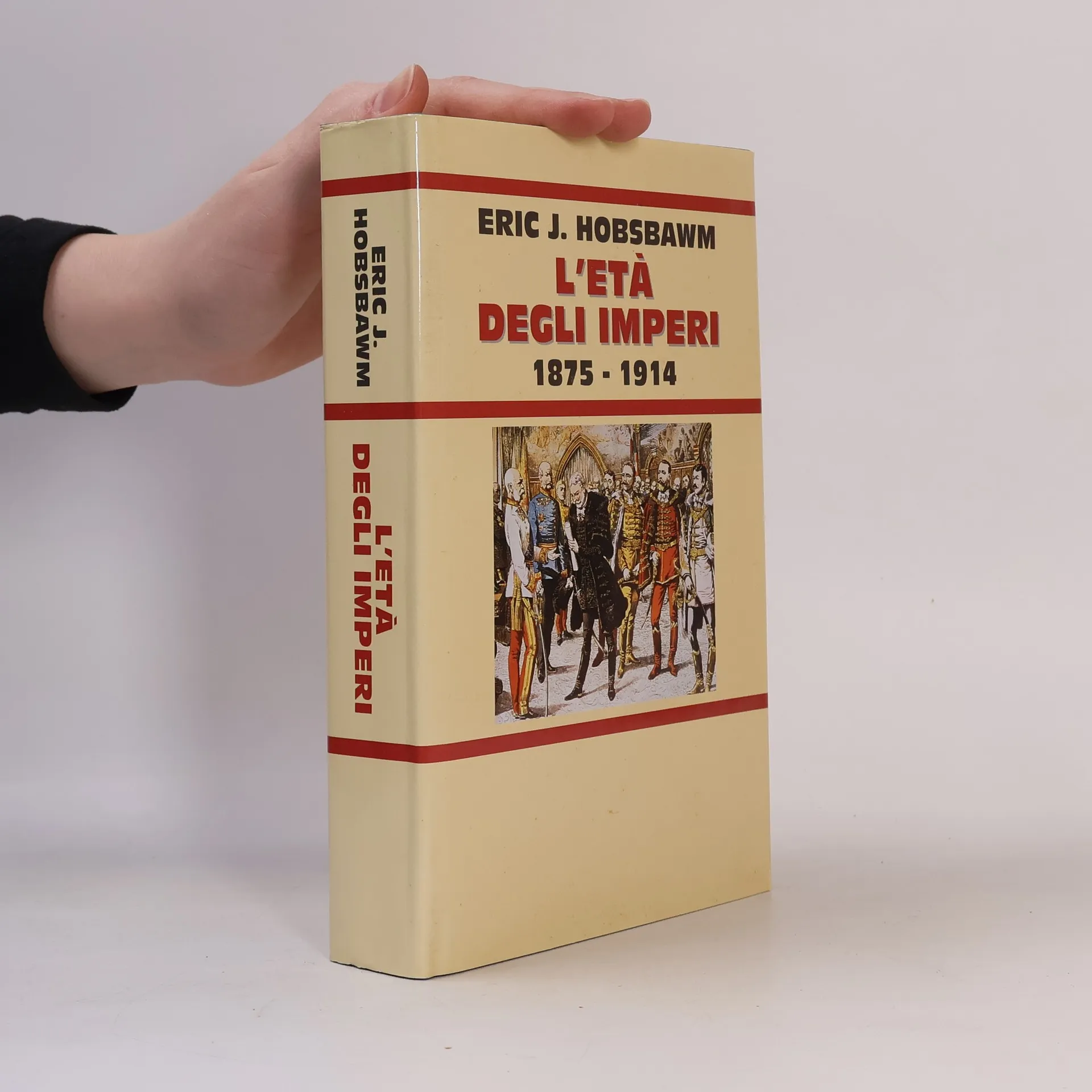
Erica Hobsbawm discusses the evolution of European economics, politics, arts, sciences, and cultural life from the height of the industrial revolution to the First World War. Hobsbawm combines vast erudition with a graceful prose style to re-create the epoch that laid the basis for the twentieth century.
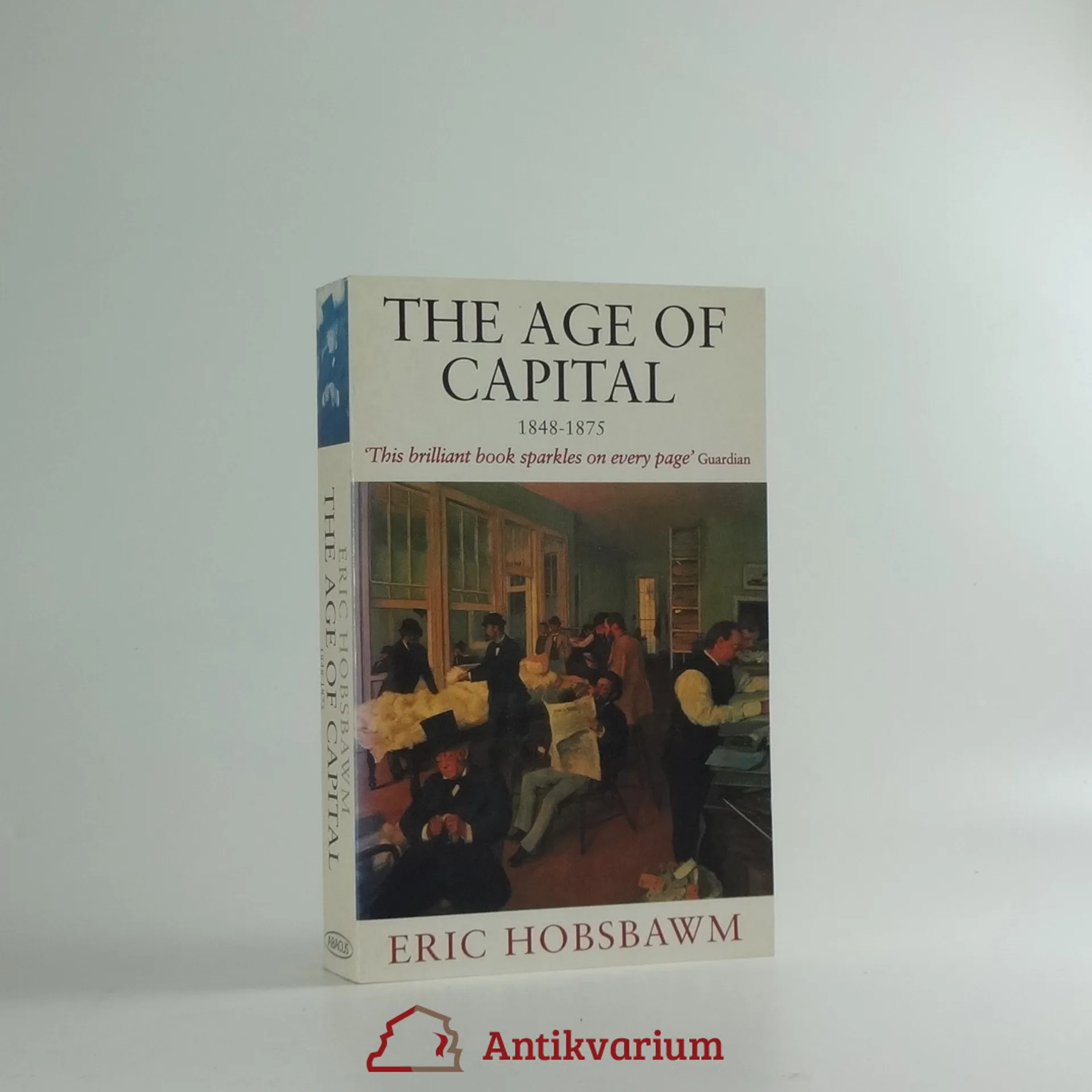
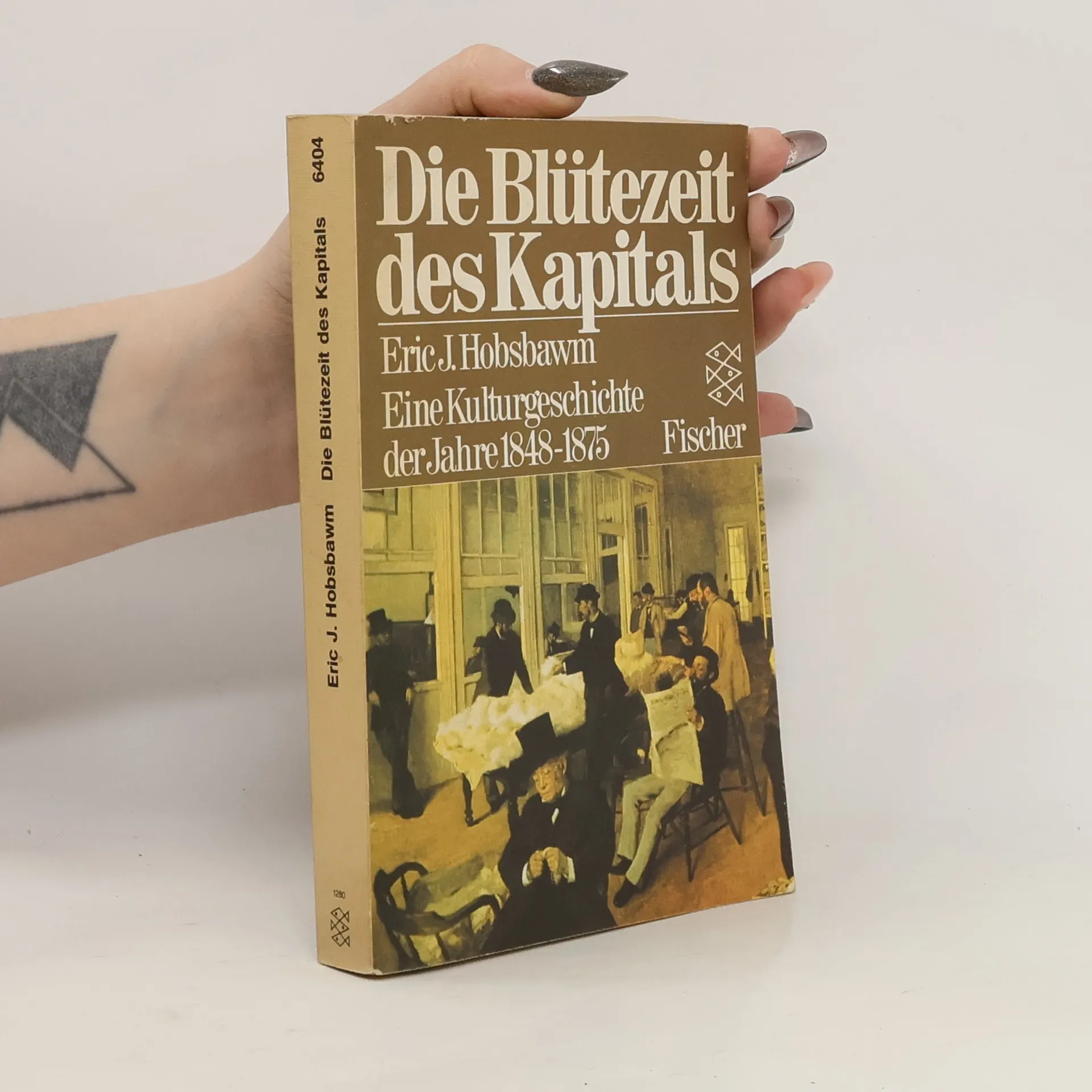
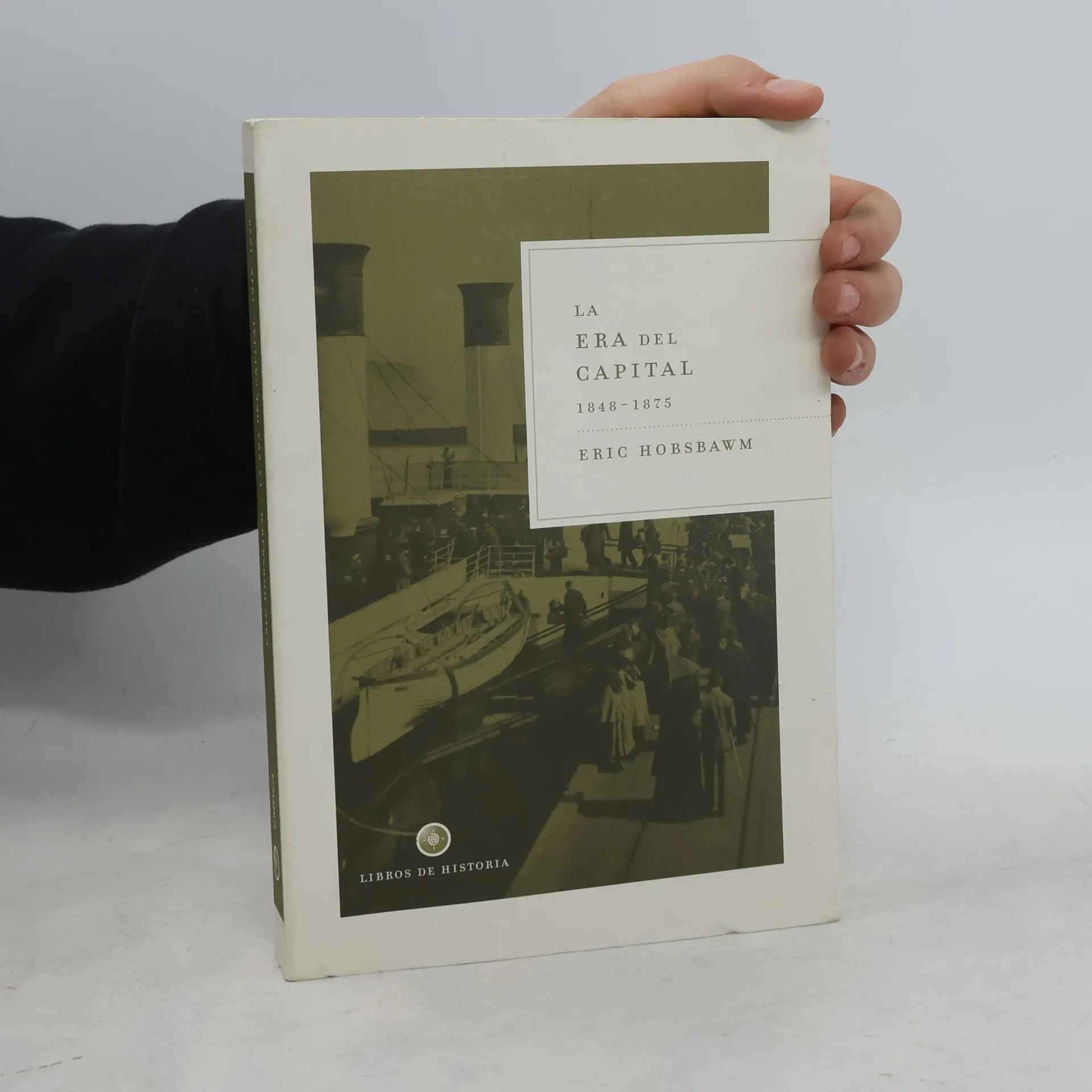
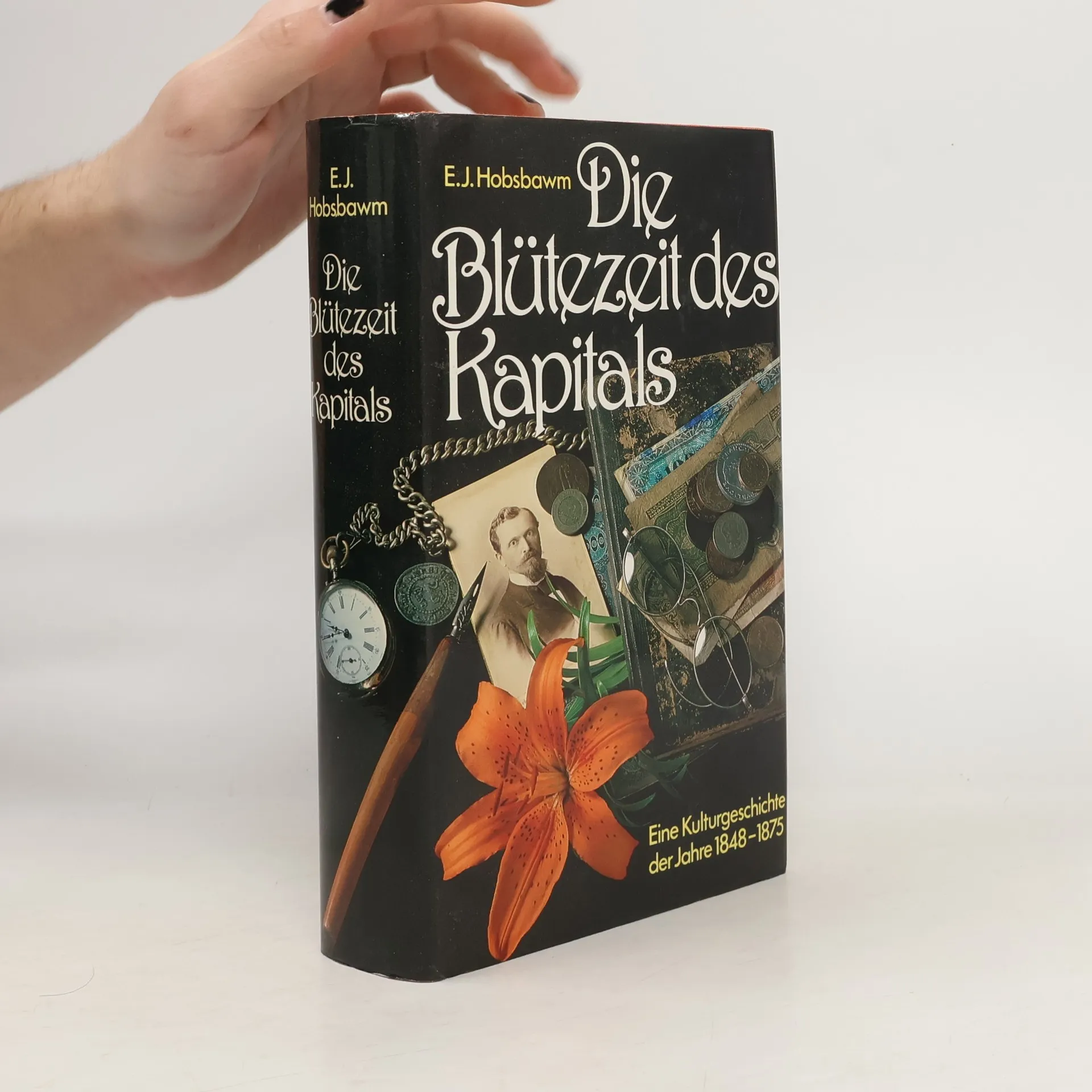
A major treatment of the crucial years 1848-1875 - a penetrating analysis of the rise of capitalism throught the world. In the 1860s a new word entered the economic and political vocabulary of the world: "capitalism". The global triumph of capitalism is the major theme of history in the decades after 1848. It was the triumph of a society which believed that economic growth rests on competitve private enterprise, on success in buying everything in the cheapest market (including labour) and selling it in the dearest. An economy so based, and therefore nestling naturally on the sound foundations of a bourgeoisie composed of those whom energy, merit and intelligence had raised to their position and kept there, would - it was believed - not only create a world of suitably distributed material plenty but of ever-growing enlightenment, reason and human opportunity, an advance of the sciences and the arts, in brief a world of continuous and accelerating material and moral progress.
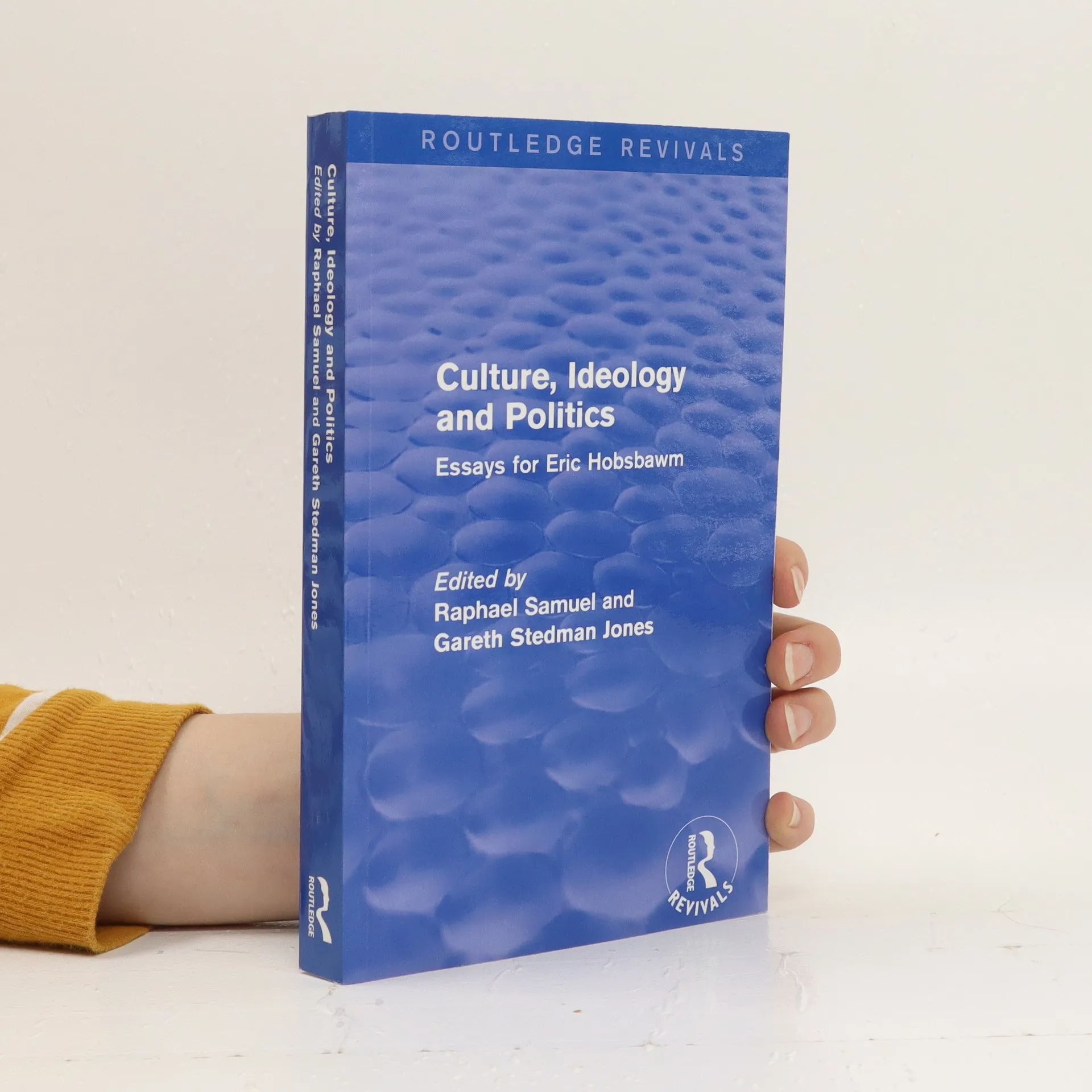
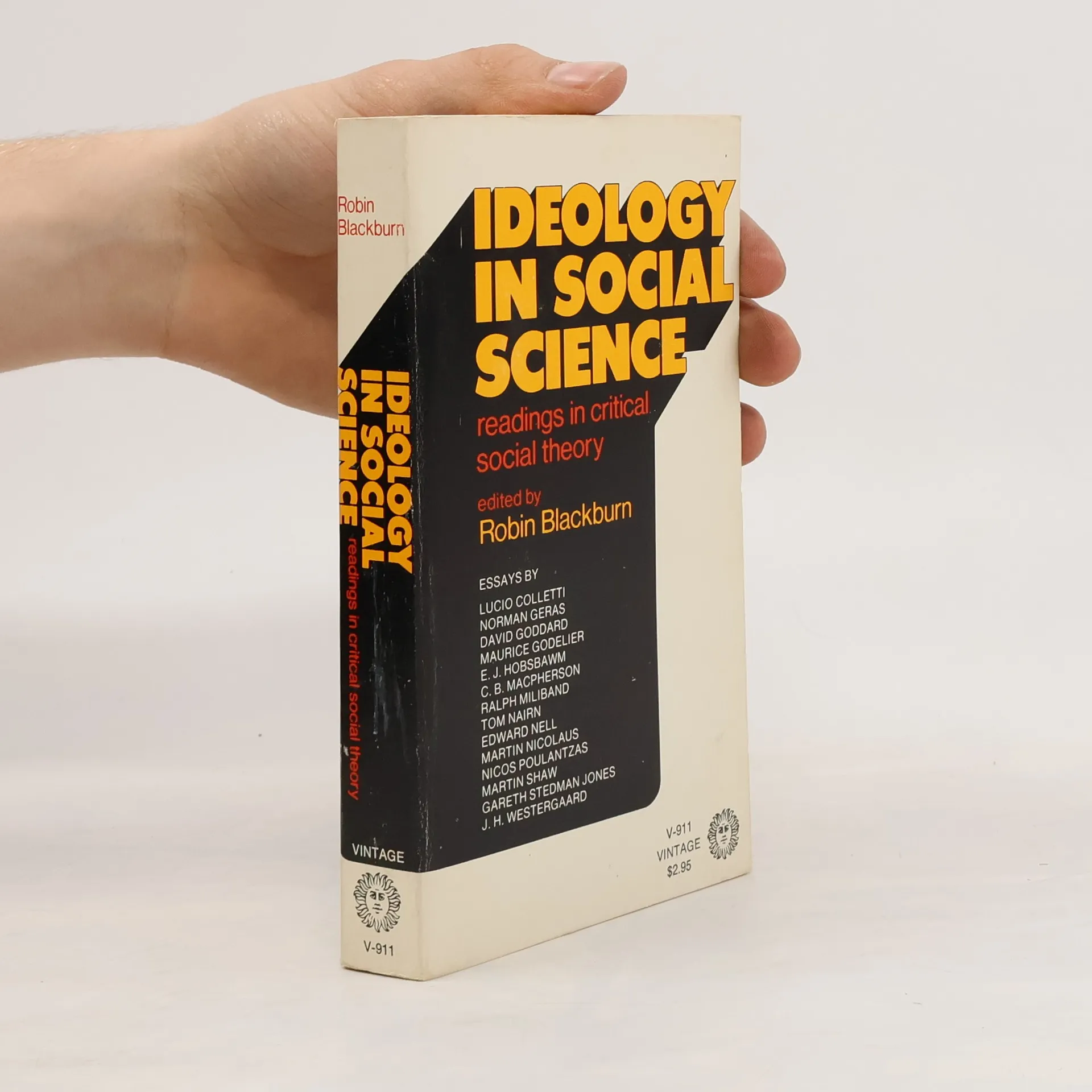
First published in 1982, this book is inspired the ideas generated by Eric Hobsbawm, and has taken shape around a unifying preoccupation with the symbolic order and its relationship to political and religious belief. It explores some of the oldest question in Marxist historiography, for example the relationship of �base� and �superstructure�, art and social life, and also some of the newest and most problematic questions, such as the relationship of dreams and fantasy to political action, or of past and present � historical consciousness � to the making of ideology. The essays, which range widely over period and place, are intended to break new ground and take on difficult questions.
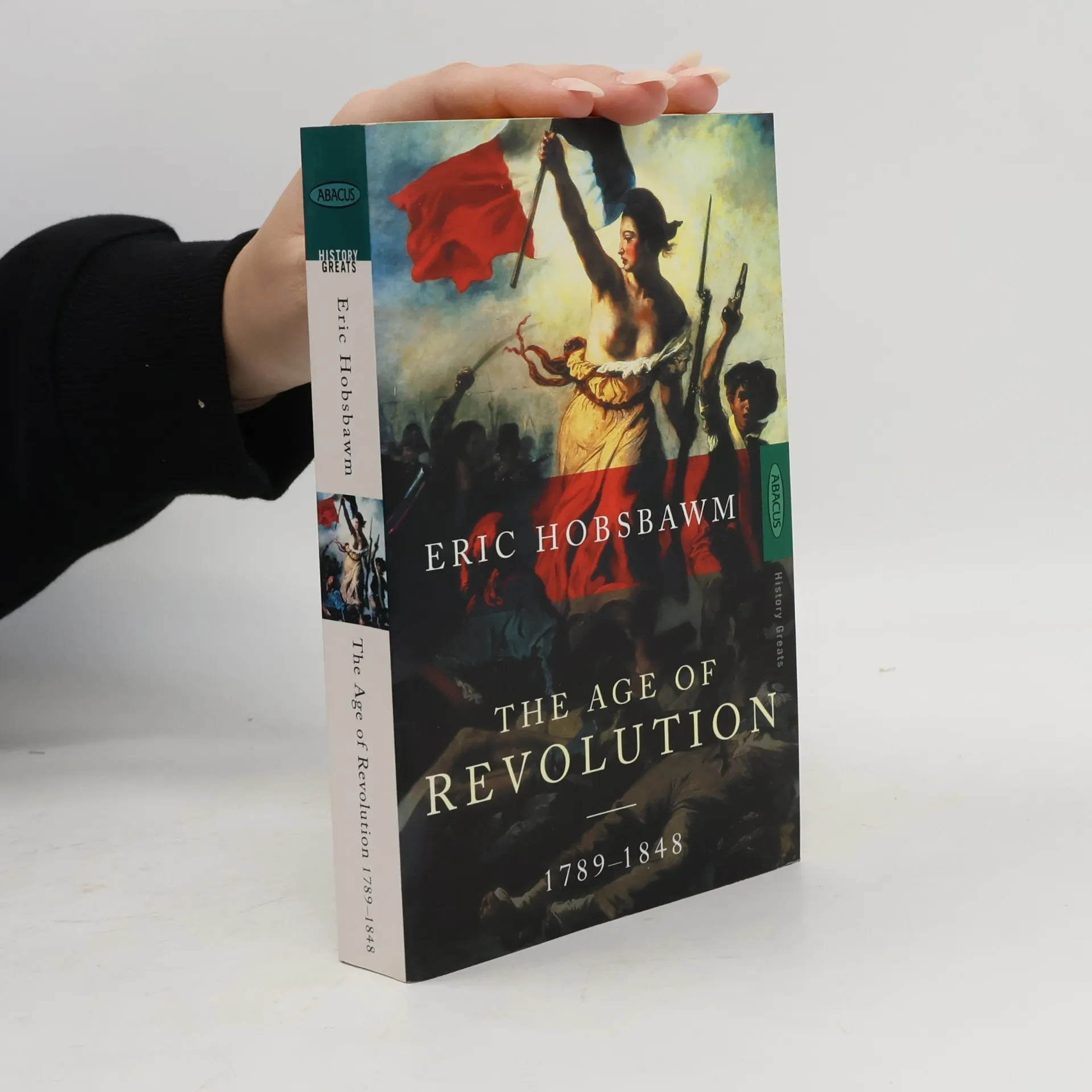
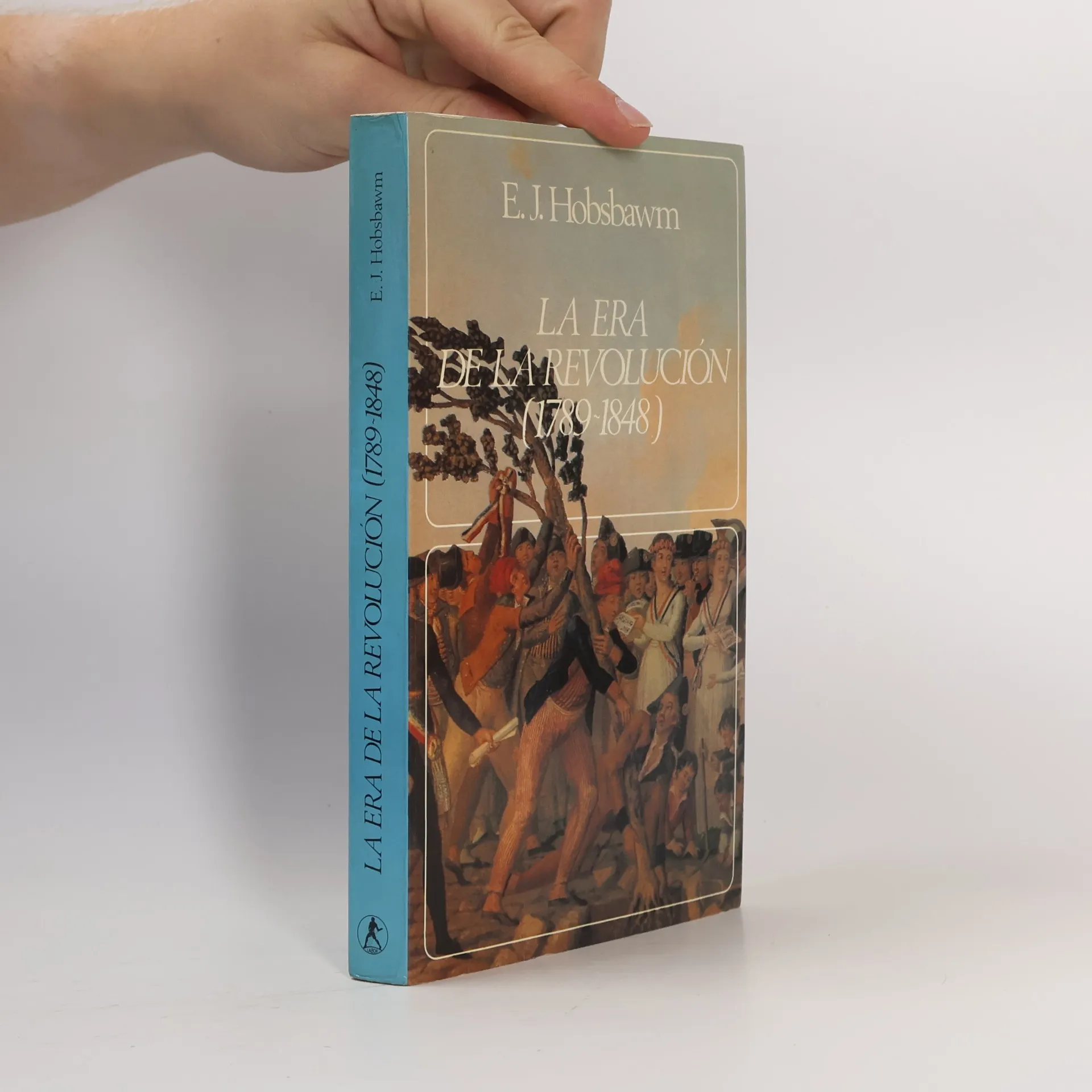
A different book for this isbn can be found here. Eric Hobsbawm traces with brilliant analytical clarity the transformation brought about in every sphere of European life by the Dual revolution - the 1789 French revolution and the Industrial Revolution that originated in Britain. This enthralling and original account highlights the significant sixty years when industrial capitalism established itself in Western Europe and when Europe established the domination over the rest of the world it was to hold for half a century.
Eric Hobsbawm's AGE OF EXTREMES was a remarkable phenomenon, a book of serious and challenging historical analysis that became a worldwide bestseller. Now, THE NEW CENTURY continues Hobsbawm's analysis of our twentieth century, asking crucial questions about our inheritance from the century of conflict and its meanings for the years to come. Looking back over the last decade to learn something of the new era, Hobsbawm finds the distinction between internal and international conflicts and between state of war and state of peace disappearing. He goes on to analyse the crisis of the multi-ethnic state and shows the distortions of history involved in the creation of its myths. He expresses his anxiety over the system of international relations between states that have so far ruled by colonialism and nuclear terror. Hobsbawm then assesses the impact that a popular global culture has had on every aspect of life, from happiness and social hierarchy to nutrition and the environment. Published this year in dozens of countries throughout the world, THE NEW CENTURY is a concise summary of the thinking of one of the pre-eminent historians.
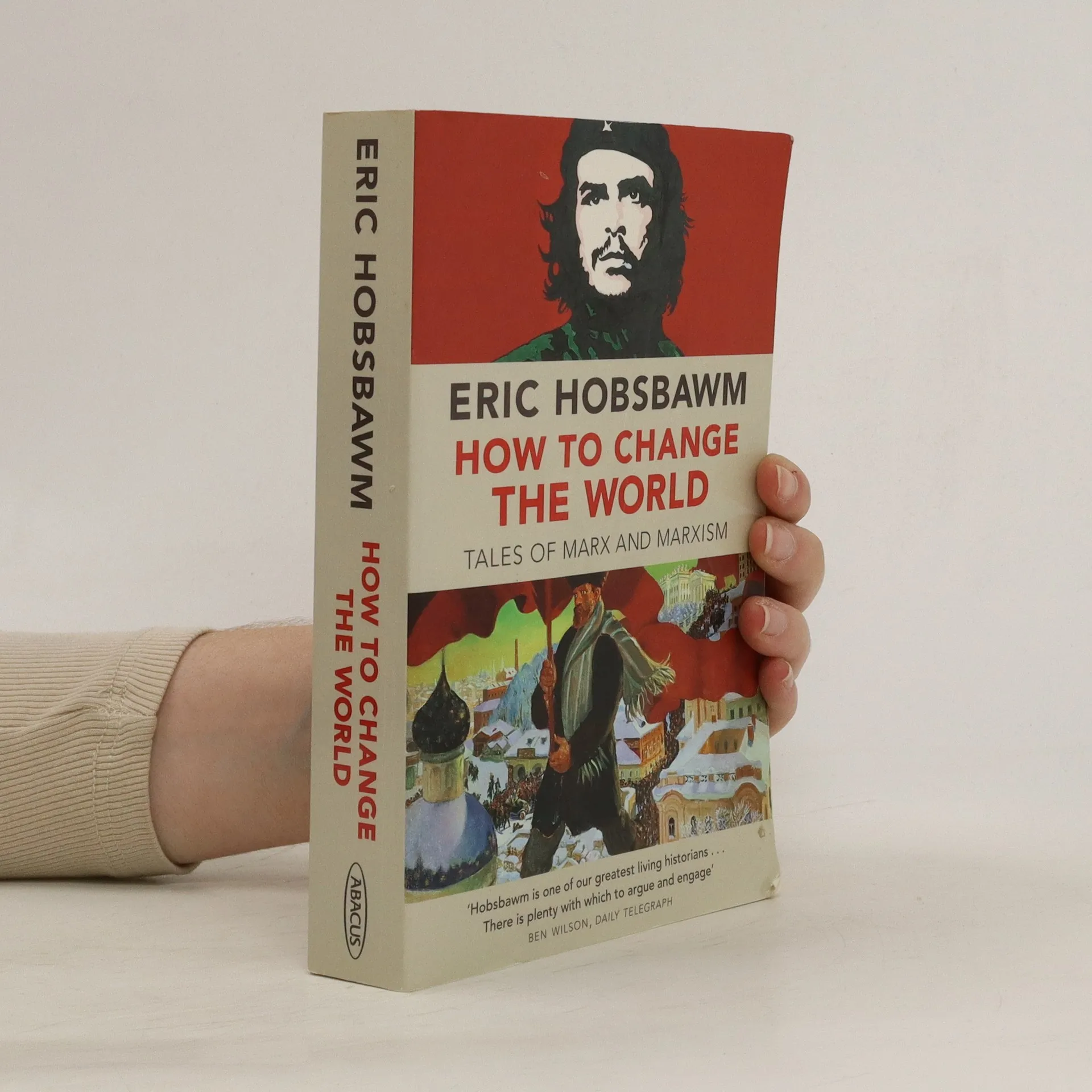
Brilliant and incisive, HOW TO CHANGE THE WORLD leaves us in no doubt that Karl Marx is as much a thinker for our century as he was for the preceding two.
Available for the first time in an affordable paperback edition, "On History" presents key essays of history by "one of the few genuinely great historians of our century" ("New Republic").
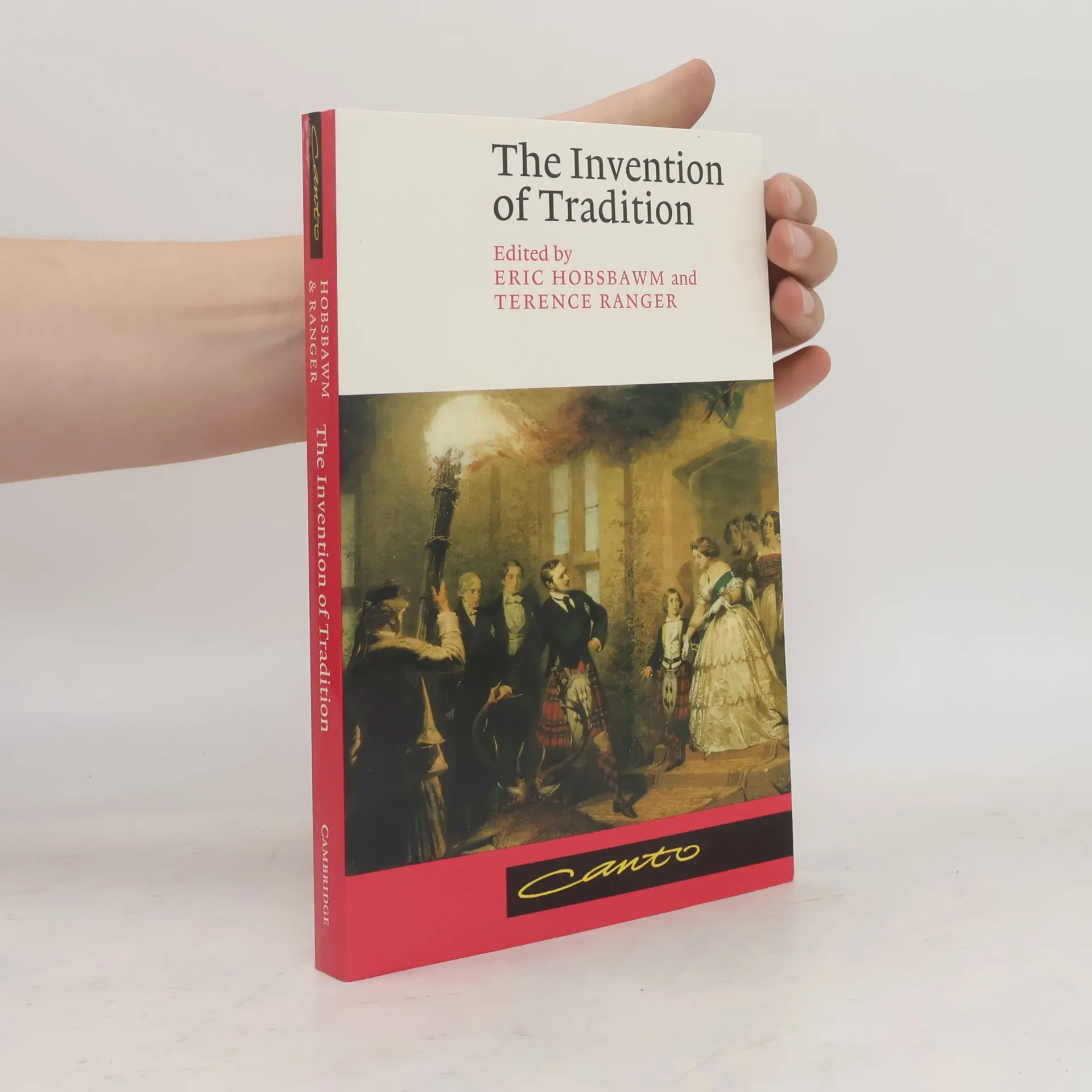
Many of the traditions which we think of as very ancient in their origins were not in fact sanctioned by long usage over the centuries, but were invented comparatively recently. This book explores examples of this process of invention - the creation of Welsh and Scottish 'national culture'; the elaboration of British royal rituals in the nineteenth and twentieth centuries; the origins of imperial ritual in British India and Africa; and the attempts by radical movements to develop counter-traditions of their own. This book addresses the complex interaction of past and present, bringing together historicans and anthropologists in a fascinating study of ritual and symbolism which possess new questions for the understanding of our history.
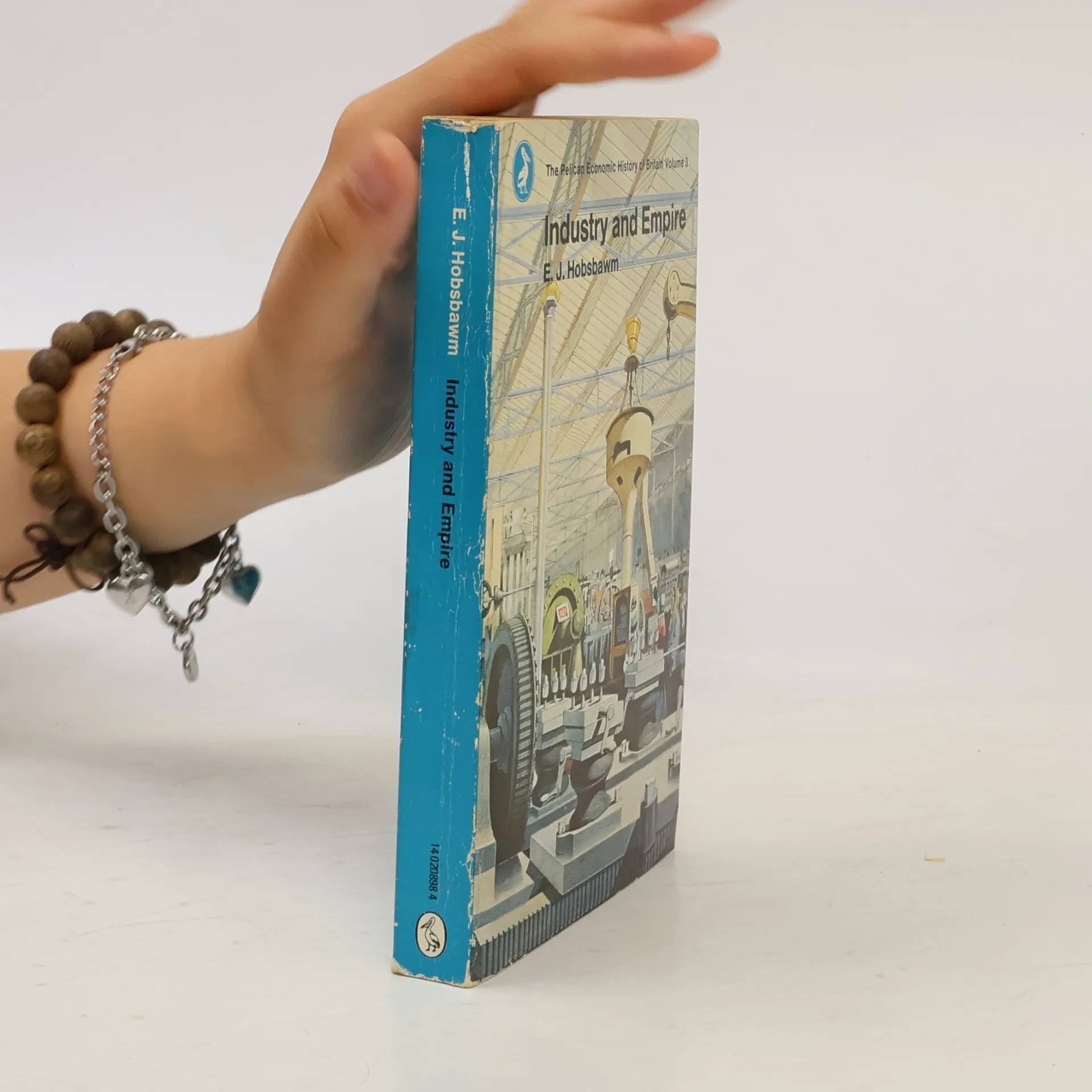
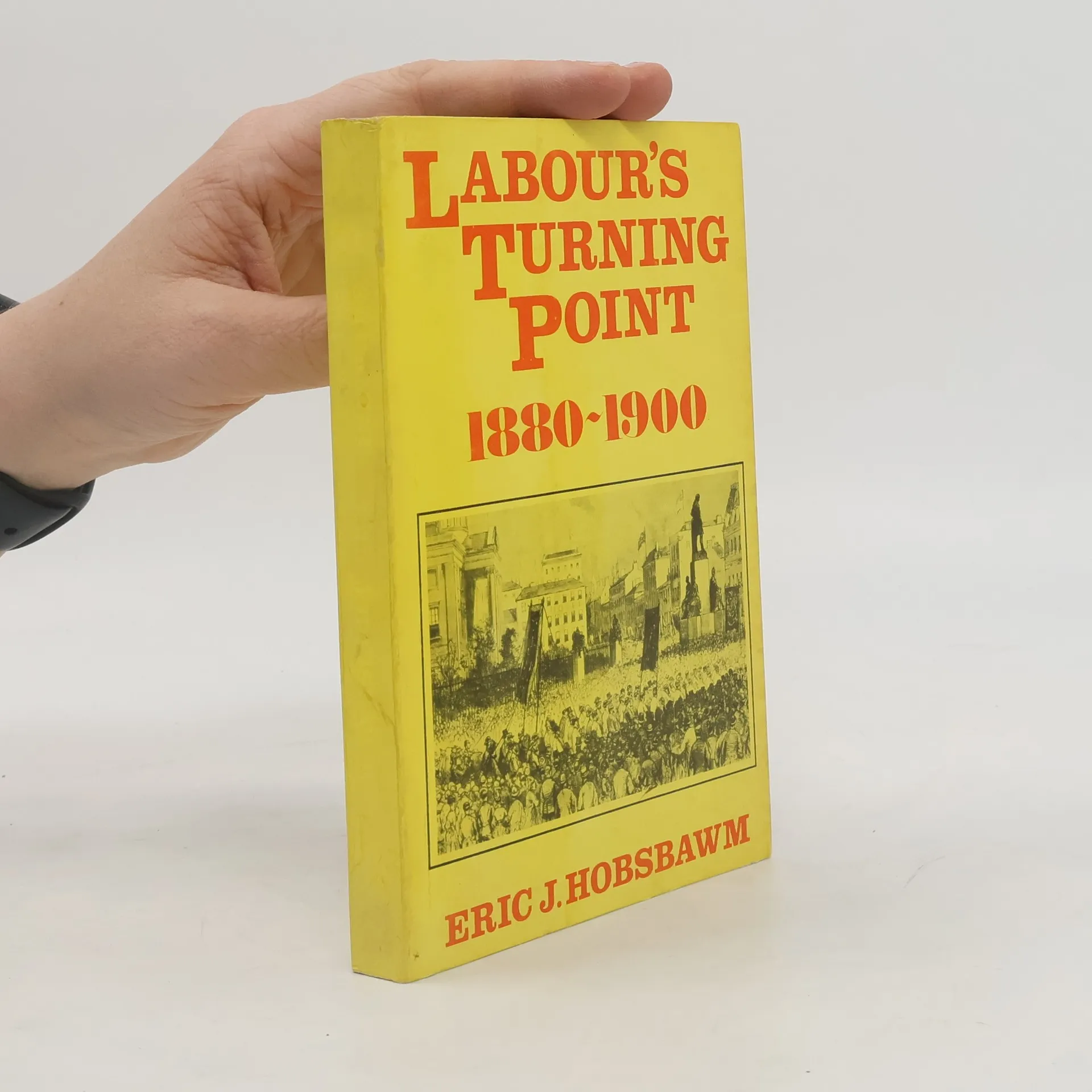
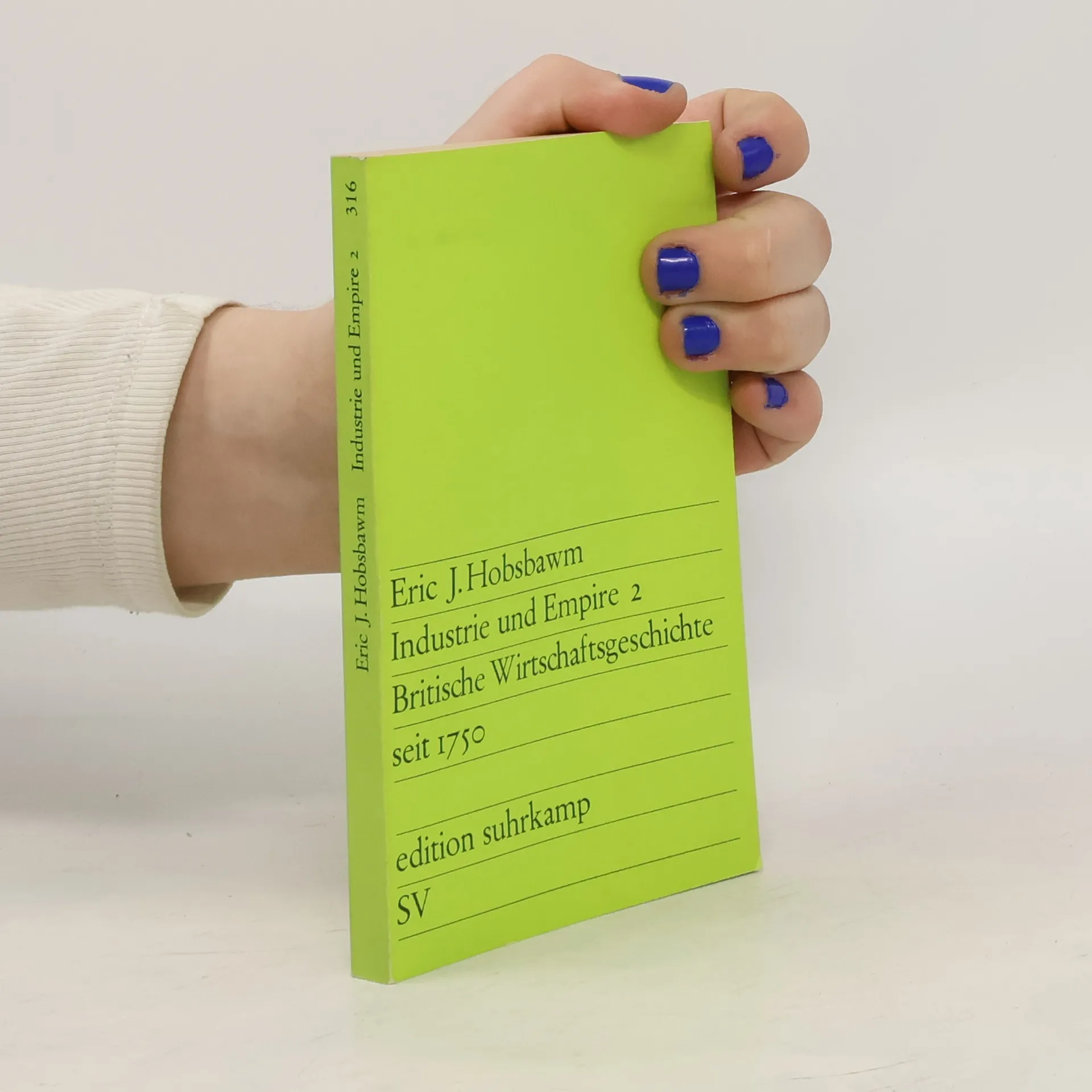
Describes Britain's rise as the world's first industrial world power, its
decline from the temporary dominance of the pioneer, its rather special
relationship with the rest of the world (notably the underdeveloped countries)
and the effects of all these on the life of the British people.
Hobsbawm examines the conditions that both created the flowering of the belle époque and held the seeds of its disintegration: paternalistic capitalism, globalization, and the arrival of a mass consumer society. Passionate but never sentimental, he ranges freely across subjects as diverse as classical music, the fine arts, rock music, and sculpture. He records the passing of the golden age of the �free intellectual” and explores the lives of forgotten greats; analyzes the relationship between art and totalitarianism; and dissects phenomena as diverse as surrealism, art nouveau, the emancipation of women, and the myth of the American cowboy.
First Vintage Books Edition, March 1973. Mild shelf wear, small tear at top of back cover, pages moderately tanned, and spine has creases from reading. Everything looks good and perfectly readable. Overall pretty decent condition.
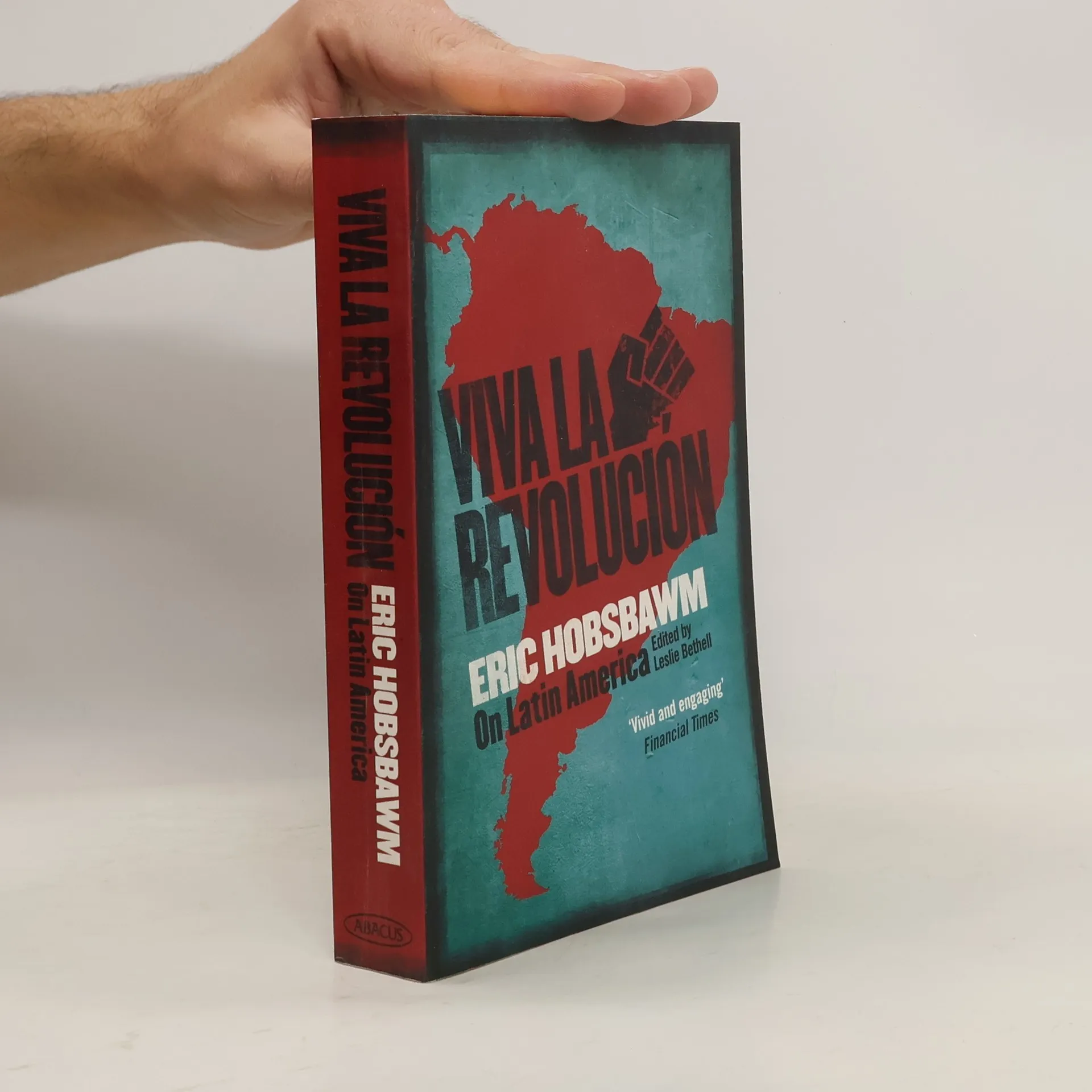
Eric Hobsbawm (1917-2012) wrote that Latin America was the only region of the
world outside Europe which he felt he knew well and where he felt entirely at
home. He claimed this was because it was the only part of the Third World
whose two principal languages, Spanish and Portuguese, were within his reach.
But he was also, of course, attracted by the potential for social revolution
in Latin America. After the triumph of Fidel Castro in Cuba in January 1959,
and even more after the defeat of the American attempt to overthrow him at the
Bay of Pigs in April 1961, 'there was not an intellectual in Europe or the
USA', he wrote, 'who was not under the spell of Latin America, a continent
apparently bubbling with the lava of social revolutions'. 'The Third World
brought the hope of revolution back to the First in the 1960s'. The two great
international inspirations were Cuba and Vietnam, 'triumphs not only of
revolution, but of Davids against Goliaths, of the weak against the all-
powerful'.
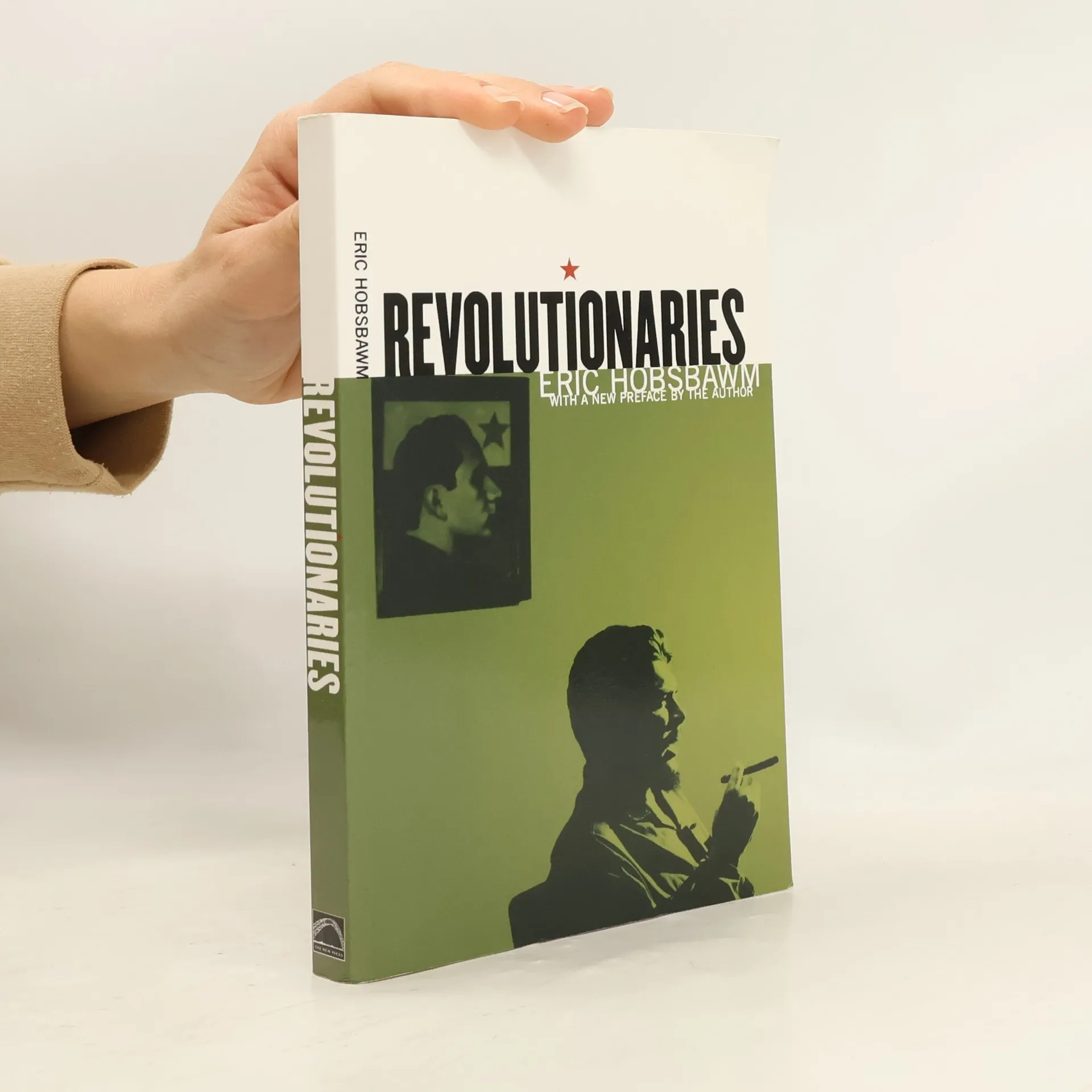
“One of the few genuinely great historians of our century” according to the New Republic, Eric Hobsbawm has produced a canon of landmark books—including The Age of Capital, The Age of Revolution, Bandits, and The Age of Extremes—that has both set the standard for radical scholarship and influenced historical thinking across the political spectrum.Now back in print after thirty years, Revolutionaries is vintage Hobsbawm, written masterfully amid one of the century’s most intense periods of political and social upheaval, putting those events in historical context. Few observers were as astute as Hobsbawm at probing, criticizing, and clarifying radical movements, whether in Beijing or Berkeley. Ranging from historical investigations into communism to contemporary appraisals of revolutionary movements and meditations on Marxism, Hobsbawm’s commentaries are essential guides to ideas and people that changed the face of the twentieth century.Hobsbawm’s essays retain a freshness that speaks both to his brilliance as a writer and scholar, as well as to the perennial importance of his subjects. At a time when the very concept of revolution has been largely discredited, these essays remind us of the enduring importance of radical investigations into—and solutions to—society’s persistent inequalities and injustices.
These 26 essays range over the history of working men and women between the late18th century and the present day. They include Hobsbawm's pioneering studies in labour history and social protest - the formation of the British workin class, labour custom and traditions, the political radicalism of 19th century shoemakers, male and female images in revolutionary movements, the machine-breakers, revolution and sex, peasants and politics, the rules of violence, the common-sense of Tom Paine. There are more recent reflections: on the May Day holiday; the Vietnam War; socialism and the avantgarde; Mario Puzo, the Mafia and the Sicilian bandit Salvatore Guiliano; and the cultural consequences of Christopher Columbus. There are tributes to some of jazz's legendary figures - Count Basie, SidneyBechet and Dike Ellington - anf the tragic blues-singer Billie Holiday.
Entretiens avec l'historien Antonio Polito quant à ses prédictions sur le 21e siècle et un retour sur les questions sur la fin du 20e siècle susceptible de l'influencer: guerre et paix, déclin de l'empire occidental, village planétaire, que reste-t-il de la gauche?, l'homo mundialis, la France, sa culture et ses intellectuels, la date du début du 21e siècle. [SDM].
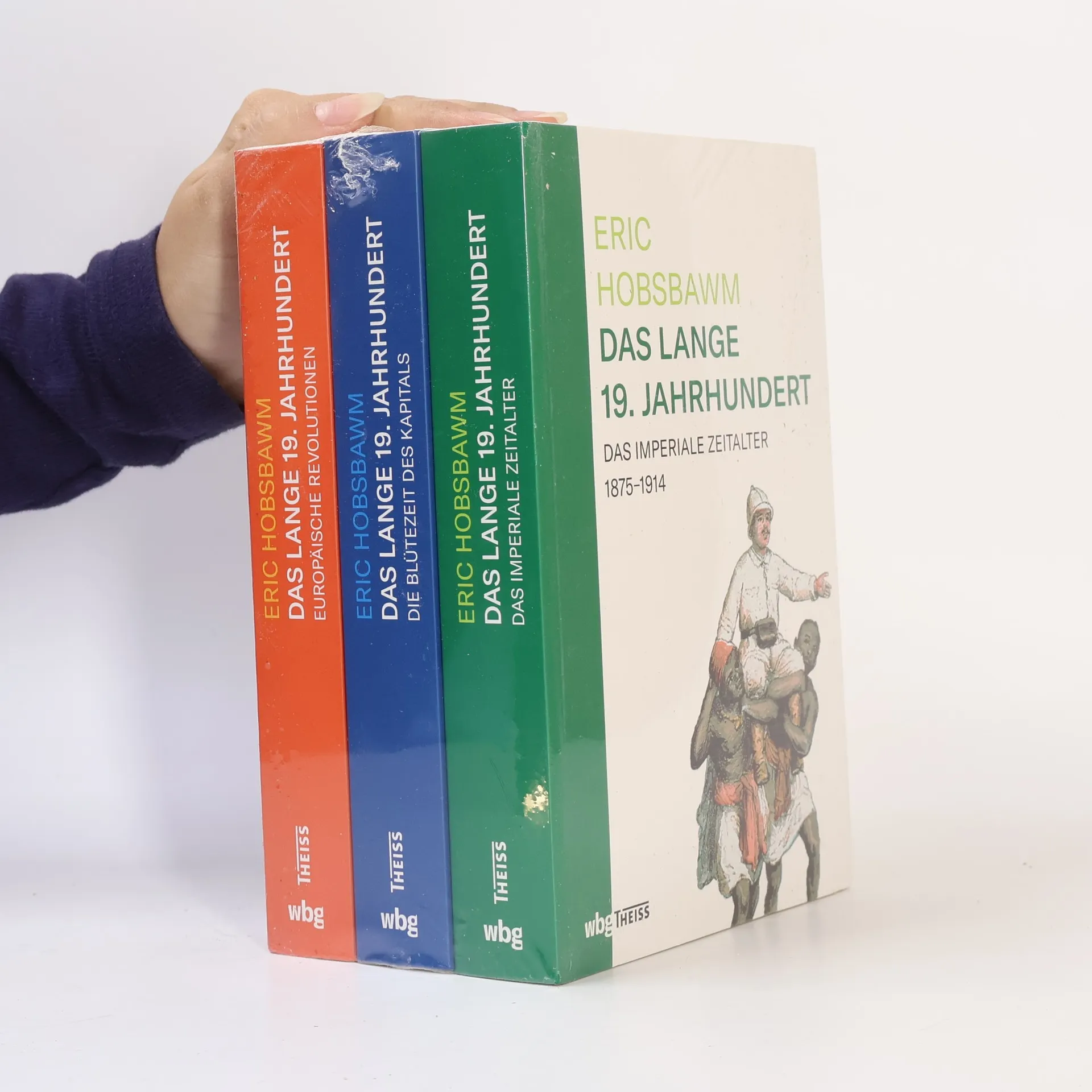
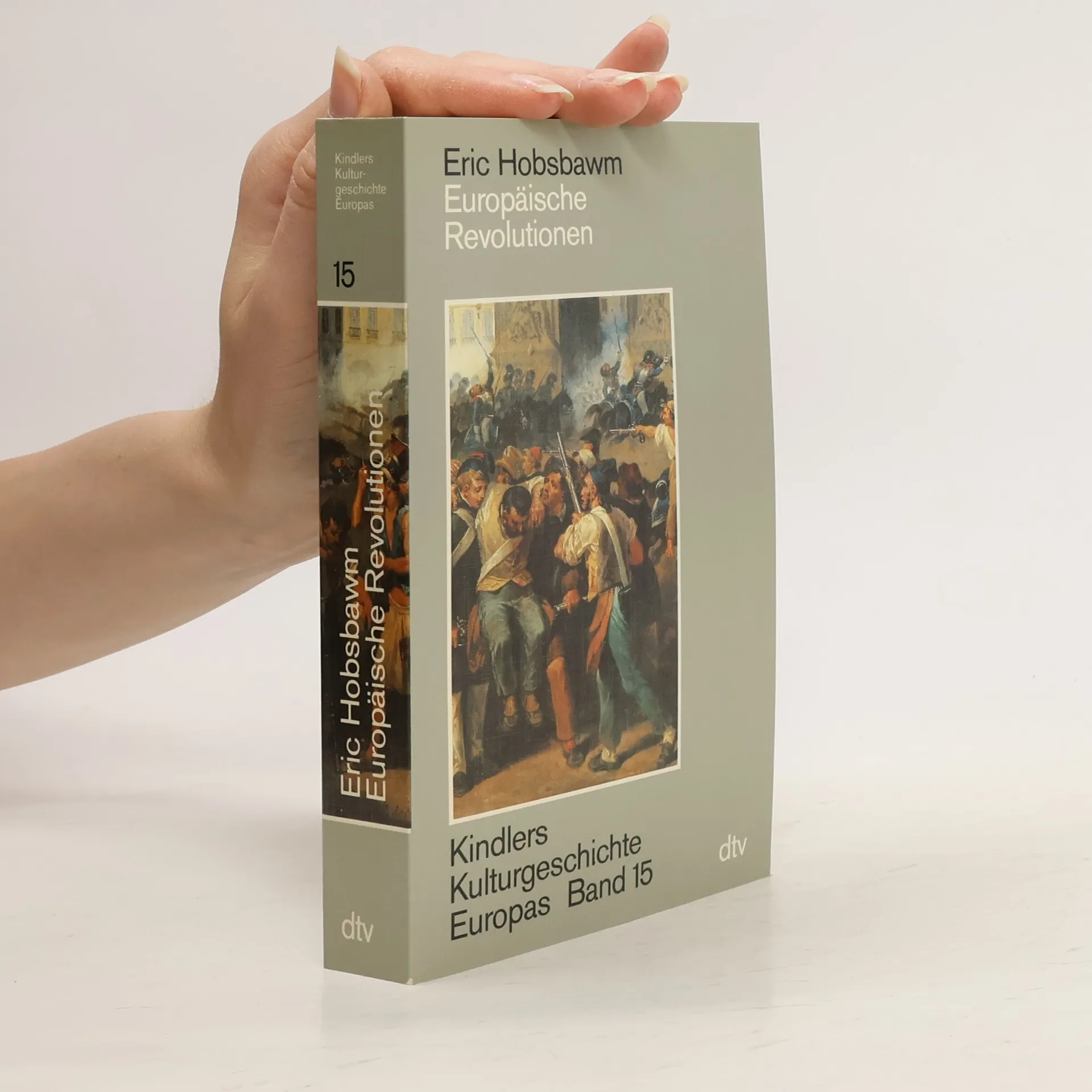
Europäische Revolutionen, Die Blütezeit des Kapitals, Das imperiale Zeitalter
1450 stránek
51 hodin čtení
Eric Hobsbawms dreibändiges Werk behandelt das "lange" 19. Jahrhundert, von der Französischen Revolution bis zum Ersten Weltkrieg. Er analysiert die gesellschaftlichen Umbrüche, den Aufstieg des Kapitalismus und die Ursachen des Krieges, und bietet eine neue Perspektive auf die Geschichte im sozialen und kulturellen Kontext. Ein Muss für Geschichtsinteressierte.
Šírenie hodnôt a inštitúcií možno sotva dosiahnuť náhlym uplatnením vonkajšej sily, ak preň nenastali lokálne podmienky, ktoré by ich prispôsobili a umožnili zaviesť. Demokracia a západné hodnoty spolu s ľudskými právami nie sú ako technické importy, ktorých úžitok je bezprostredne zrejmý a prijmú ich všetci, čo ich môžu uplatniť a dopriať si ich ako mierový bicykel a vražedný AK-47 či technické služby ako letiská. Keby nimi boli, mnohé európske, ázijské či africké štáty, ktoré by teoreticky fungovali s podobnými demokratickými ústavami (hoci v praxi to tak nie je), by sa politicky podobali. Slovom, v dejinách je len veľmi málo skratiek: o tom som sa vo svojom živote a pri premýšľaní o mnohých záležitostiach minulého storočia poučil, a nielen ja.
Von einem in Ungnade gefallenen Ritterorden zu den Geheimnissen eines neoklassizistischen Malers folgt Julien Sauniere einer Spur von Verschwörungen, die bis zu den Mauern Jerusalems während des ersten Kreuzzugs reicht. In einem Europa, in dem Zauberer durch die Straßen streifen und die katholische Kirche herrscht, verfolgt Julien eine Wahrheit, die die Welt für immer verändern könnte. Mächtige Kräfte haben sich darauf spezialisiert, sicherzustellen, dass er nicht erfolgreich ist.
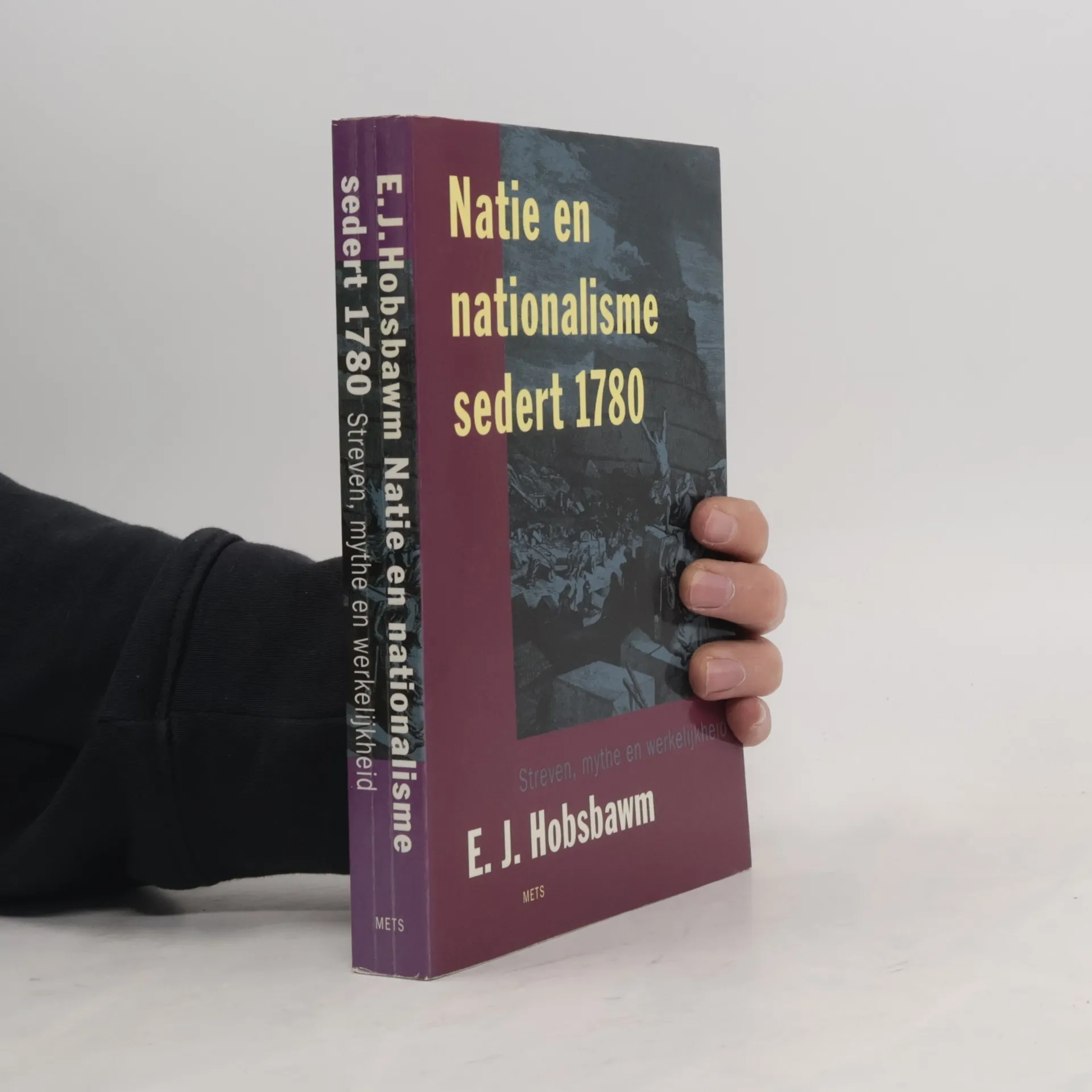
Het verschijnsel nationalisme dat in dit boek aan een nader onderzoek wordt onderworpen maakt tegen het einde van de twintigste eeuw een nieuwe opleving door. Maar is dit werkelijk een nieuw hoogtepunt of betreft het een stuiptrekking van een alleen overleefd verschijnsel?
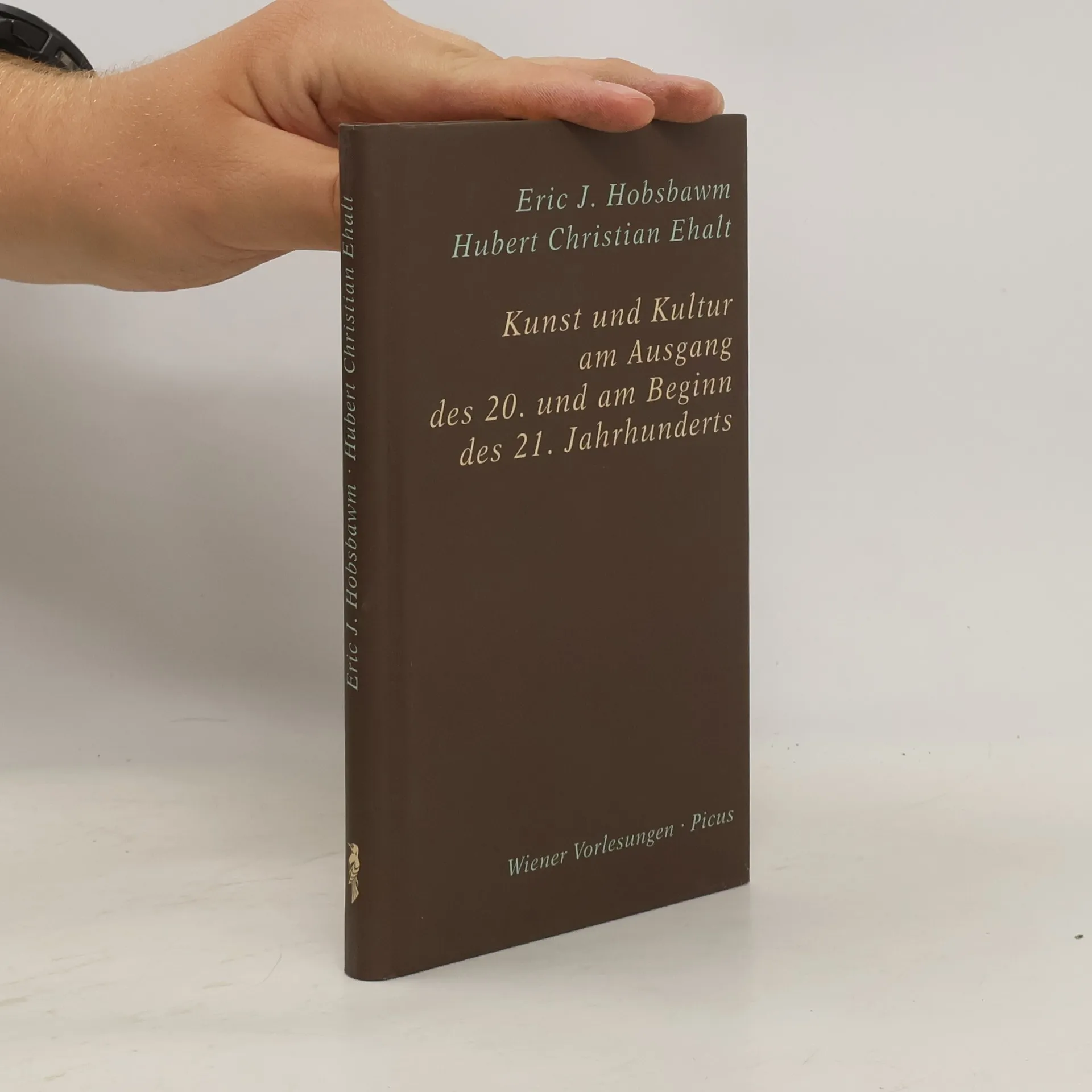
Der Historiker Eric J. Hobsbawm, einer der großen Denker der Gegenwart, reflektiert präzise den Wandel der Kunst- und Kulturszene des ausgehenden 20. Jahrhunderts angesichts der Möglichkeiten der technischen Reproduktion der Kunst und dessen gesellschaftliche Ursachen. Hobsbawms Überlegungen werden durch jene des Sozialhistorikers Hubert Christian Ehalt ergänzt, der den Bogen der Auseinandersetzung bis ins 21. Jahrhundert spannt, in dem ein Wandel in der Rolle des Künstlers, des Rezipienten und des Verständnisses darüber, was Kunst-Raum ist, stattfindet. Die Autoren beantworten die Frage, was heute noch als Kunst bezeichnet werden kann, beleuchten den Entwicklungsprozess des Kulturbegriffs im Spannungsfeld von Tradition und Traditionsbruch und werfen einen visionären Blick auf zukünftige Kulturbedürfnisse und -erwartungen.
Dividing the century into the Age of Catastrophe, 1914-1950, the Golden Age, 1950-1973, and the Landslide, 1973-1991, Hobsbawm marshals a vast array of data into a volume of unparalleled inclusiveness, vibrancy, and insight, a work that ranks with his classics The Age of Empire and The Age of Revolution. Includes 32 pages of photos.
La era del capital es la segunda parte de ese gran panorama. Hobsbawm nos muestra aquí los años triunfales del ascenso del capitalismo industrial y de la cultura burguesa que van de 1848 a 1875, cuando, apagados los rescoldos de la revolución, se inicia un tiempo de nuevos valores y nuevas perspectivas, de transformaciones sociales, que ve la formación de grandes fortunas y la migración de masas empobrecidas, mientras una Europa sometida al nuevo ritmo de los auges y las crisis extiende sus empresas económicas y su cultura al resto del planeta. Hobsbawm nos habla de los acontecimientos políticos, de la evolución económica y de los hechos culturales en una síntesis vigorosa y original, que hizo exclamar a un crítico: «Por amor del cielo, y para vuestro propio bien, ¡leedlo!».