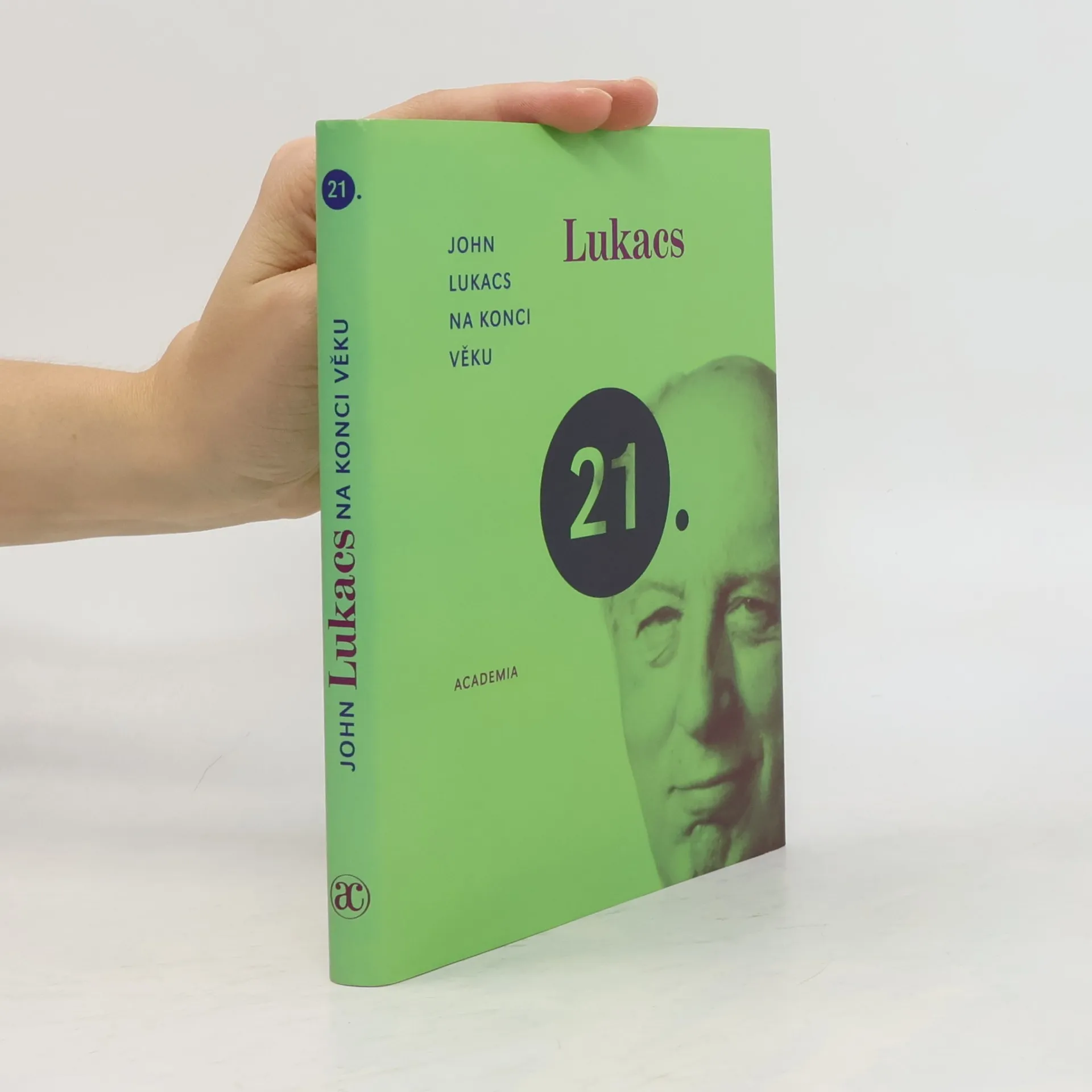
V České republice téměř neznámý americký historik maďarského původu se narodil v roce 1924 a emigroval ze své rodné země v roce 1945. Tento plodný historik světového významu napsal 29 knih. Jednou z nich je Na konci věku z roku 2002, která je shrnutím jeho tří předchozích knih. Lukacs v ní tvrdí, že novověk, který začal před přibližně pěti sty lety rychle spěje ke svému závěru či možná již začal věk nový. Projevy této změny jsou již vidět, ale my si ji zatím plně neuvědomujeme. Lukacs v knize odmítá většinu zaběhaných idejí a doktrín naší doby a nabízí přesvědčivý systém pro pochopení dějin, vědy a lidských schopností vlastního poznání.
János Albert Lukács Knihy
31. leden 1924 – 6. květen 2019
Lukacs, a self-professed reactionary, views populism as the paramount threat to civilization, arguing it is the core of both National Socialism and Communism. He challenges the notion of generic fascism, highlighting significant differences between regimes like Nazi Germany and Fascist Italy. His work frequently explores the historical shift from aristocratic to democratic elites who appeal to the masses, and he posits that the modern, bourgeois era, initiated during the Renaissance, is nearing its conclusion. Lukacs is dedicated to defending traditional Western civilization against the perceived debasing influence of mass culture.


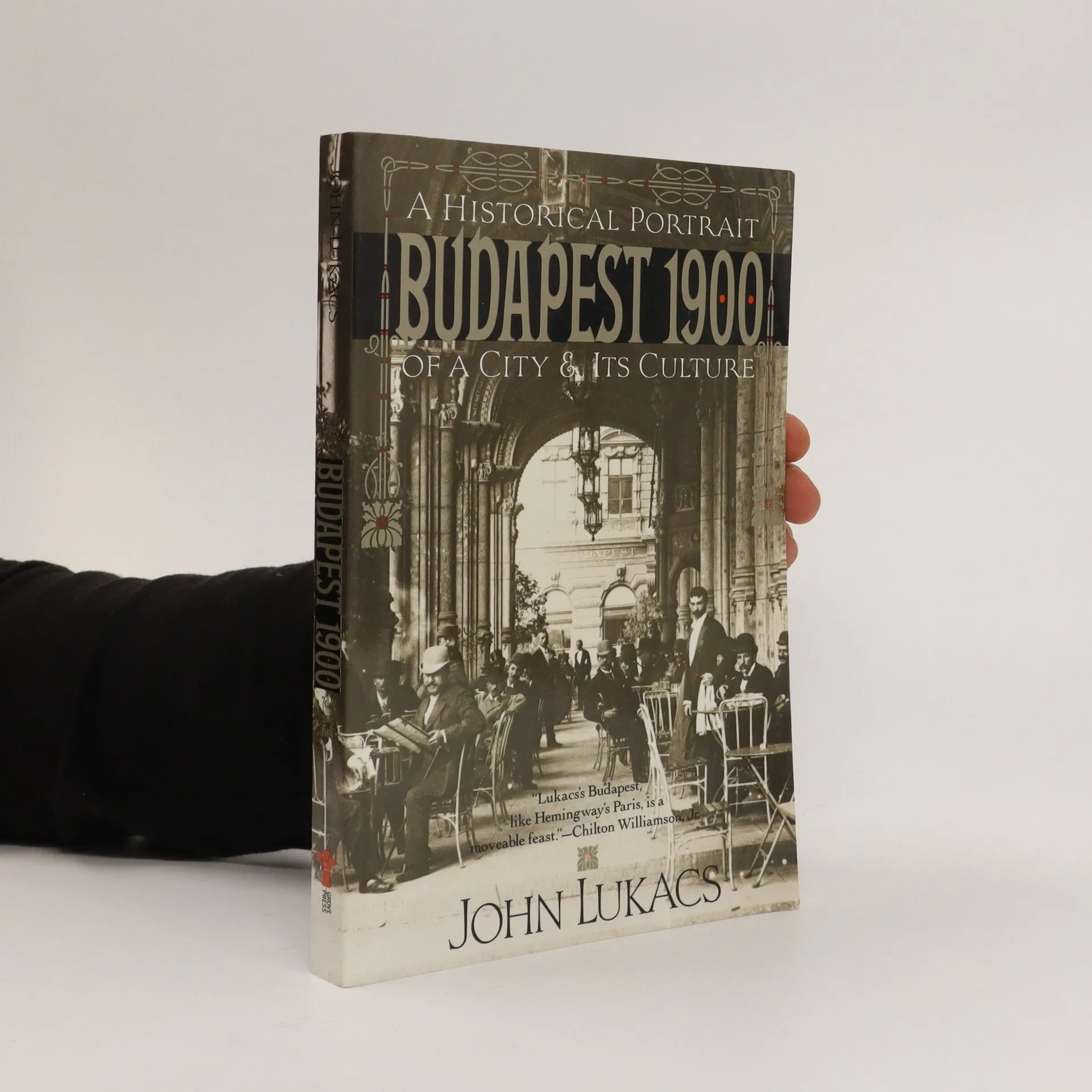
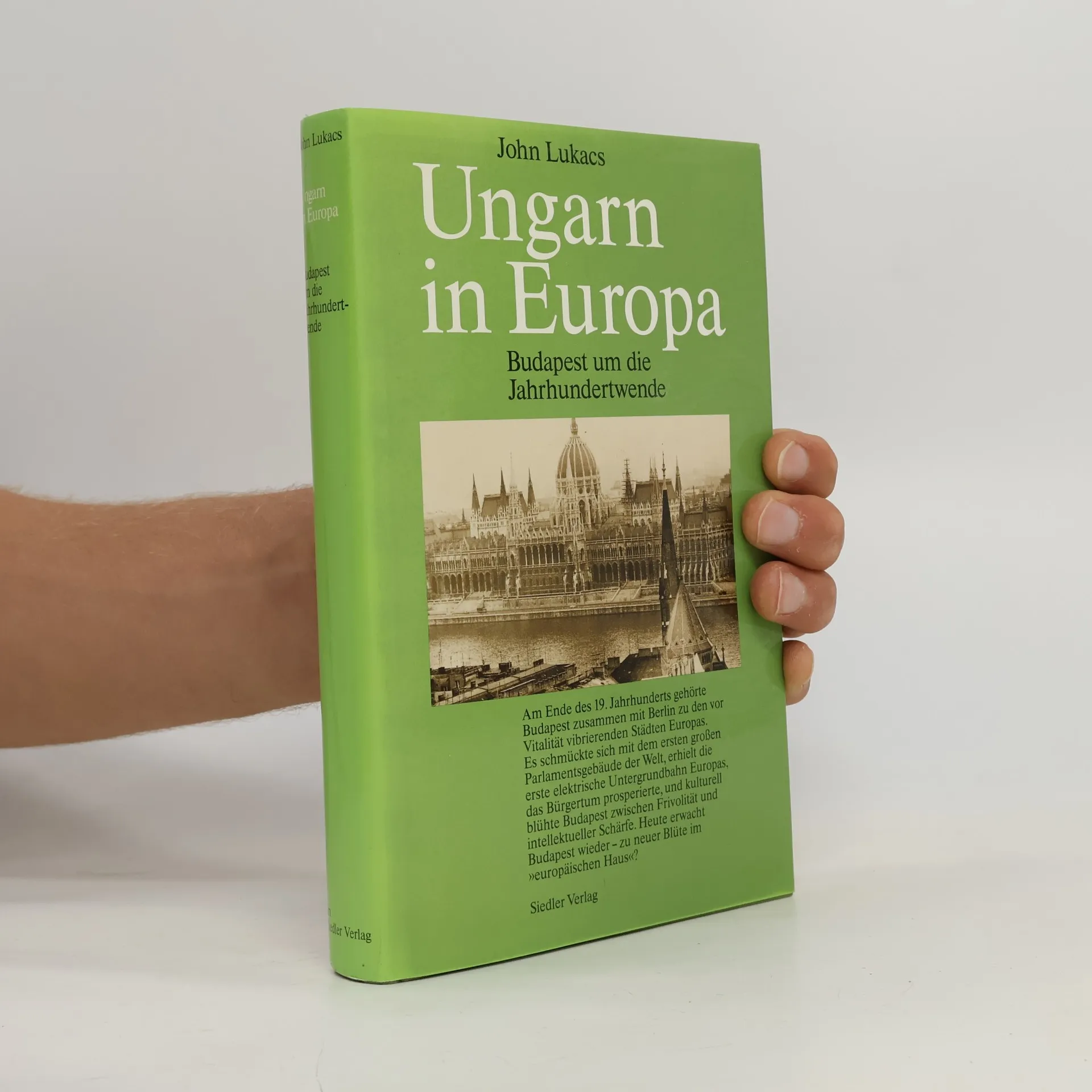
Budapešť, stejně jako Paříž či Vídeň, zažila na konci devatenáctého století dobu náhlého rozkvětu. Stala se jednou z předních metropolí tehdejšího světa, s rychle rostoucí populací, výstavbou a překotně se rozvíjející kulturou, kolébkou, z níž vyšli světově proslulí hudební skladatelé Béla Bartók a Zoltán Kodály, spisovatelé Gyula Krúdy, Endre Ady, Ferenc Molnár, Arthur Koestler a mnozí další. Uznávaný historik a budapešťský rodák John Lukacs ve své knize předkládá barvitý obraz jednoho z evropských měst v době jeho největší slávy. Nabízí kulturní a historický portrét Budapešti – jejího vzhledu, zvuků a obyvatel, umělecké komunity, tehdejší spleti sociálních a politických vztahů a v neposlední řadě také významné role, již zde hrála židovská populace – a také historickou perspektivu, jež zachycuje vzestup města a jeho pády ve víru dvacátého století.
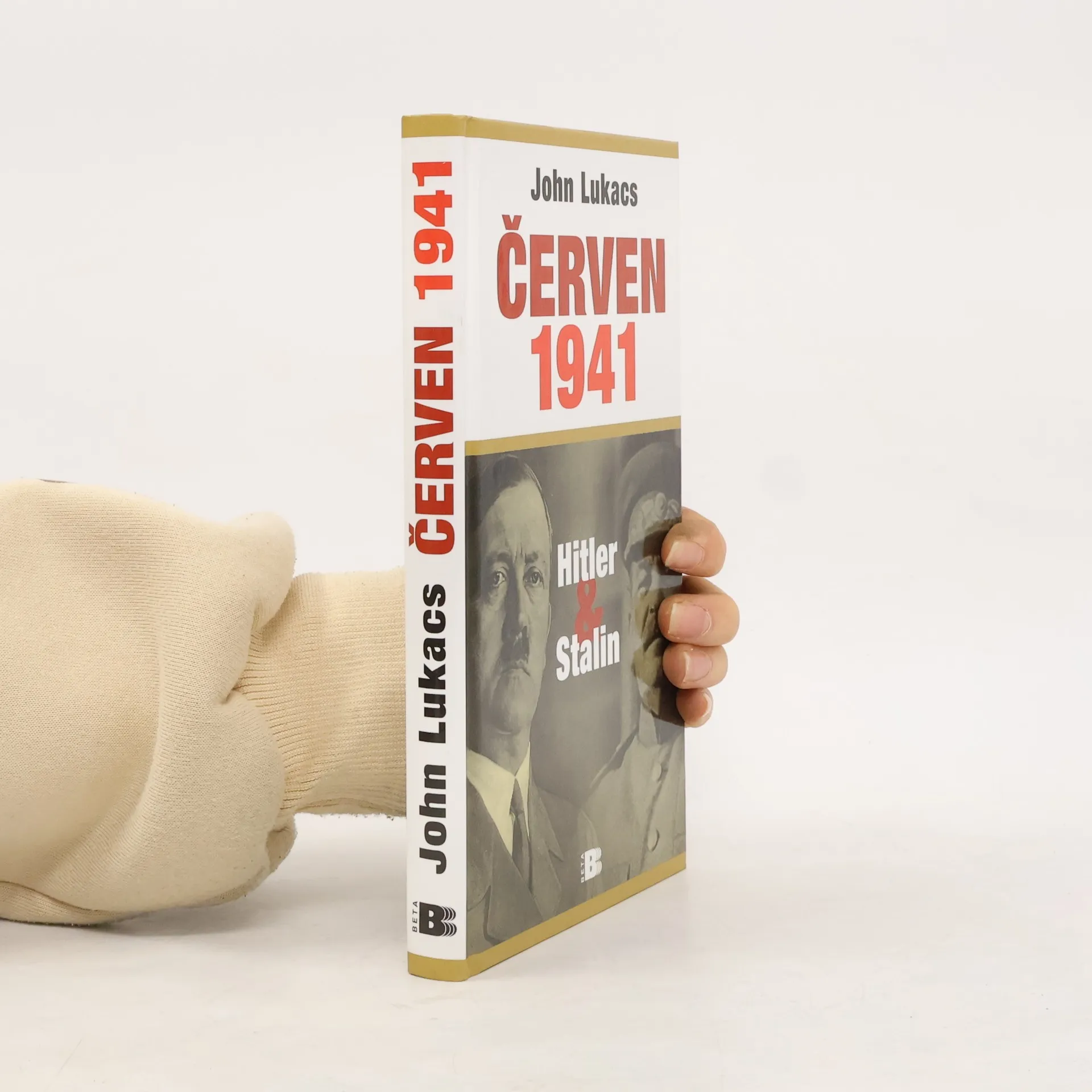
Červen 1941. Hitler a Stalin
- 141 stránek
- 5 hodin čtení
Skvělá nová práce jednoho z nejuznávanějších amerických historiků popisuje úžasné drama dvou mocných vůdců, kteří stanuli proti sobě v červnu 1941. Líčí prazvláštní vztah Hitlera a Stalina, plný upřímných očekávání i neupřímných kalkulací, před německým vpádem do Sovětského svazu i s jeho nesmírnými (byť mnohdy nezamýšlenými) následky. John Lukacs zpochybňuje mnohé utkvělé představy. Kupříkladu tvrdí, že Hitlerovým prvotním cílem bylo zničit Anglii. Kdyby byl Stalinův Sovětský svaz poražen, Hitlerova Třetí říše by se stala v podstatě neporazitelnou, takže Britové a Američané by byli nuceni rozmyslet si, zda proti Hitlerovi ještě povedou válku. Kniha nabízí pronikavé pohledy do nitra obou protagonistů i nový obraz Hitlera a Stalina, jak byl zformován na základě jejich dlouholetých představ. Lukacs mimo jiné předkládá důkazy, že Hitler (na rozdíl od svých generálů) měl před vpádem do SSSR neblahé tušení. Stalin nemohl uvěřit (něčemu takovému totiž uvěřit nechtěl), že by napadením Sovětského svazu Hitler riskoval válku na dvou frontách. Proto ho válka úplně zaskočila a ohromila a málem přivedla ke zhroucení. Ale vzpamatoval se, stal se z něj skutečný státník a nakonec opravdový vítěz druhé světové války. Takovéto paradoxy někdy dějiny přinášejí – John Lukacs je líčí s mimořádným vypravěčským talentem.
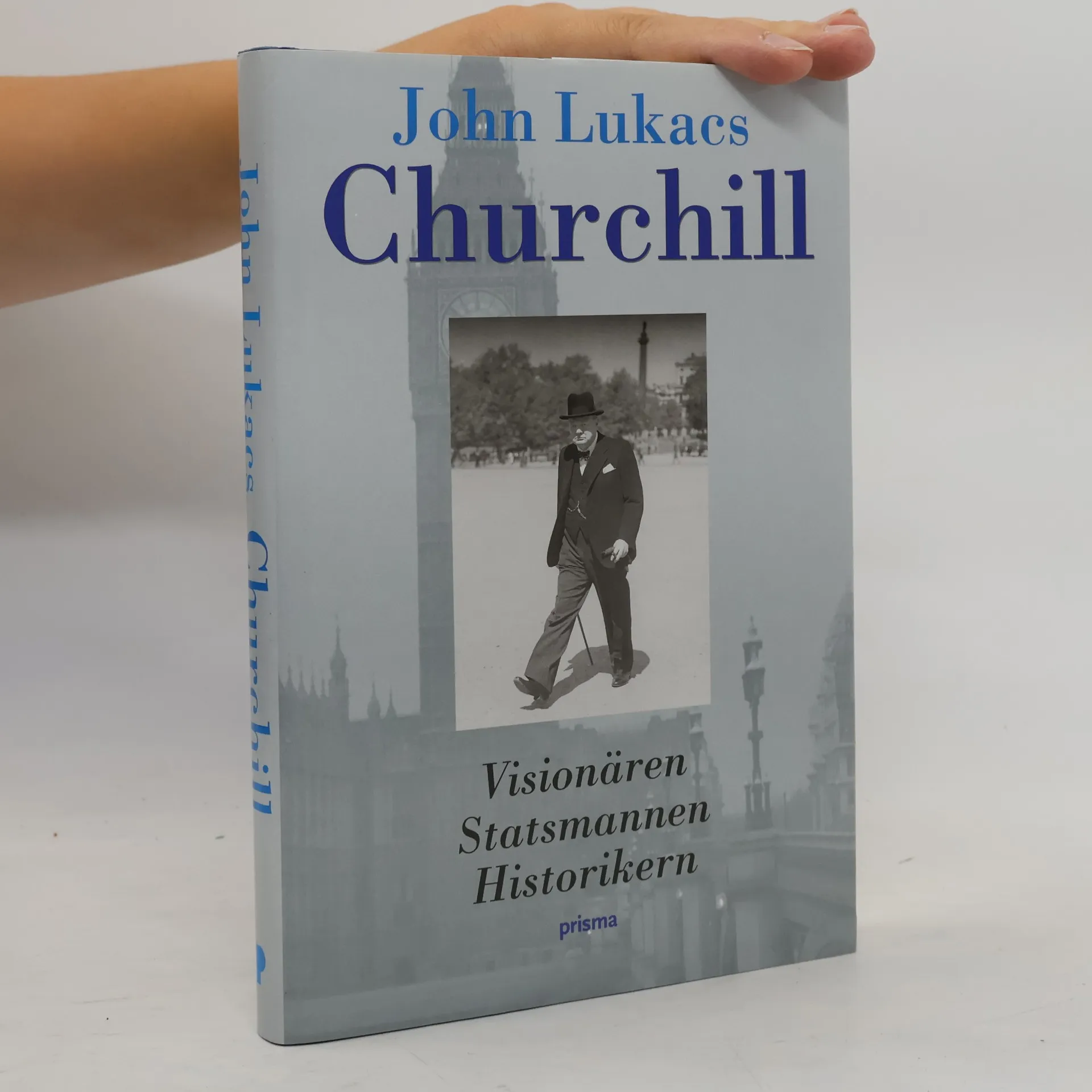
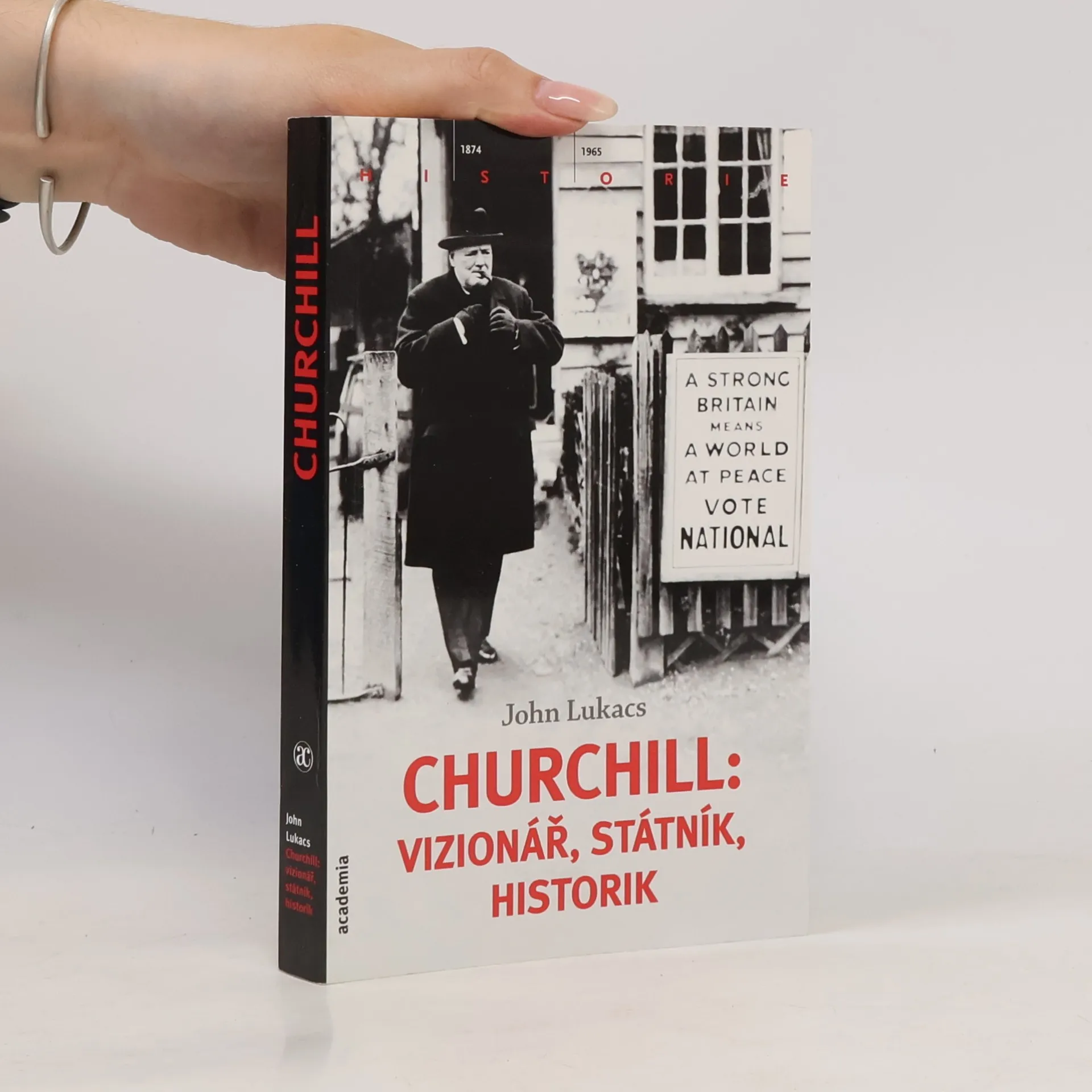
Churchill: vizionář, státník, historik
- 196 stránek
- 7 hodin čtení
John Lukacs se po celý svůj život zabývá složitou a mnohovrstevnou osobností Winstona Churchilla. V knize Churchill na tohoto muže nahlíží jako na vizionářského státníka. Každá kapitola knihy vykresluje Churchilla na vrcholu sil. Kromě barvitého popisu jeho vztahů se Stalinem, Rooseveltem, Eisenhowerem a dalšími světovými vůdci Lukacs uvažuje o Churchillově schopnosti předvídat blížící se druhou světovou válku i válku studenou; zkoumá Churchillovu prestiž coby historika, který se dívá zpět na konflikty, jichž se sám účastnil; a posuzuje často kontroverzní způsob, jakým na Churchilla pohlíželi jeho kritikové i obdivovatelé. Poslední kapitola je silnou a hluboce dojemnou vzpomínkou na ony tří dny, které Lukacs strávil v Londýně, když se v roce 1965 účastnil Churchillova pohřbu. Tato kapitola také předkládá konečné zhodnocení Churchillova místa v dějinách z pohledu různých lidí, kteří přijeli uctit jeho památku. Ve své knize Churchill Lukacs předkládá podstatu této vynikající postavy se suverénním mistrovstvím. Přeolžila Olga Kovářová.
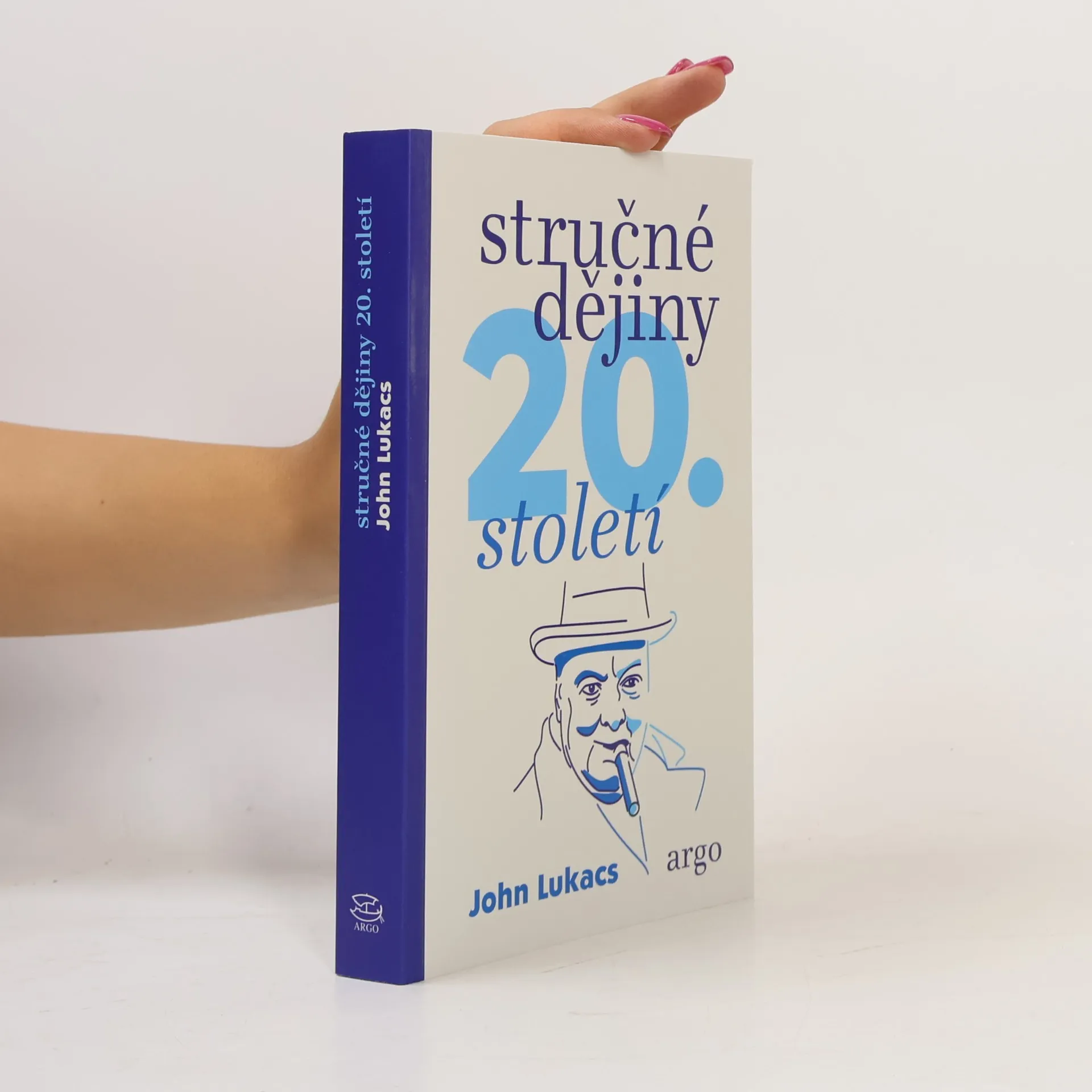
Stručné dějiny 20. století
- 264 stránek
- 10 hodin čtení
Kniha provází čtenáře nejdůležitějším děním uplynulého století, jež vymezují letopočty 1914 až 1989, tedy od počátku první světové války až do zániku Sovětského svazu. Dvacáté století označuje za americké století, neboť Spojené státy americké v něm sehrály rozhodující roli na poli mocenských vztahů, ale i v oblasti novátorského, „moderního“ způsobu života a kultury. Autor se hlásí ke zdánlivě překonanému pojetí dějin, jež dává přednost roli mimořádných jedinců před vlivem ideologií a obecně společenských trendů. Říká, že Josef Stalin a Adolf Hitler a na druhé straně Winston Churchill a Franklin Roosevelt byli prvořadými hybateli 20. století. Nebýt jich, jeho dějiny by se ubíraly velice odlišnými cestami. Kniha se zaměřuje hlavně na dění v Evropě, neboť to formovalo poměry na celém světě. Nyní se ovšem dostává do popředí mimoevropský vývoj, daný vzestupem Číny i jiných neevropských zemí. V závěru tedy konstatuje, že končí jak věk světových válek, tak rozdělení Evropy, ale také evropský věk. I tak vyznívá kniha optimisticky: vidí sice příznaky úpadku ve sféře kultury a umění, ale v politické oblasti je demokracie při všech nesnázích celosvětově na vzestupu.
Escape From Davao
- 448 stránek
- 16 hodin čtení
Documents the escape of ten American prisoners of war from a World War II Japanese prison camp in the Philippines, describing the inhumane conditions they endured and the political struggle that influenced their return home.
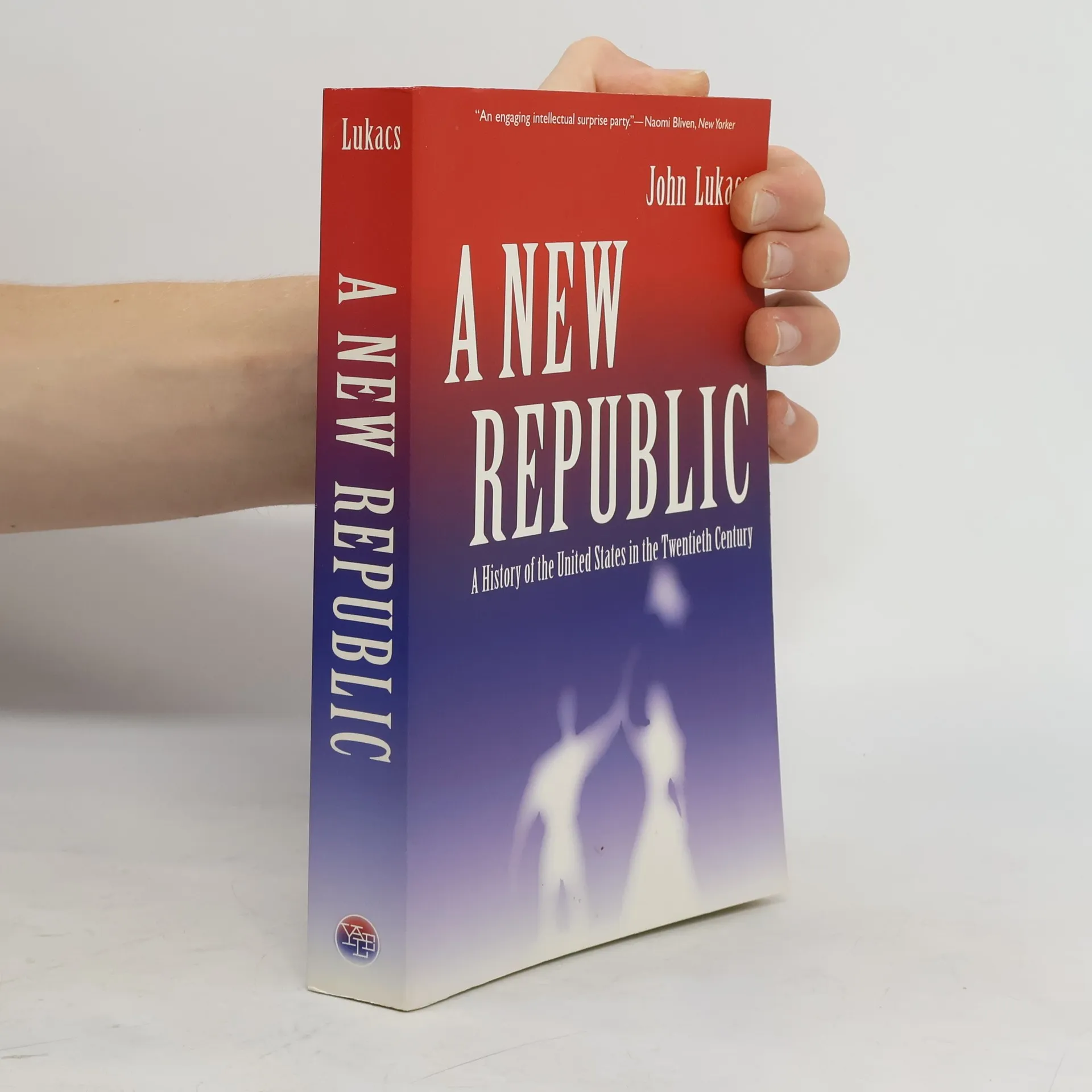
An eminent historian offers his views on American democracy In A New Republic, one of America's most respected historians offers a major statement on the nature of our political system and a critical look at the underpinnings of our society. American democracy, says John Lukacs, has been transformed from an exercise in individual freedom and opportunity to a bureaucratic system created by and for the dominance of special groups. His book, first published in 1984 as Outgrowing Democracy, is now reissued with a new introduction, in which Lukacs explains his methodology, and a new final chapter, which sums up Lukacs's thoughts on American democracy today. Reviews of the earlier edition "A rich, subtle, and often ingenious argument . . . an eloquent, provocative, but disturbing book."--Edwin M. Yoder, Jr., Washington Post Book World "Mr. Lukacs is an original and subtle historian, and [this book] is an engaging intellectual surprise party. . . . I was continuously enchanted by the play of his ideas--by the sharpness of his distinctions and the acuteness of his descriptions."--Naomi Bliven, New Yorker "It has been a long time since Americans were offered such a provocative interpretation of their historical predicament. . . . We would be foolish not to examine it closely."--Laurence Tool, Society
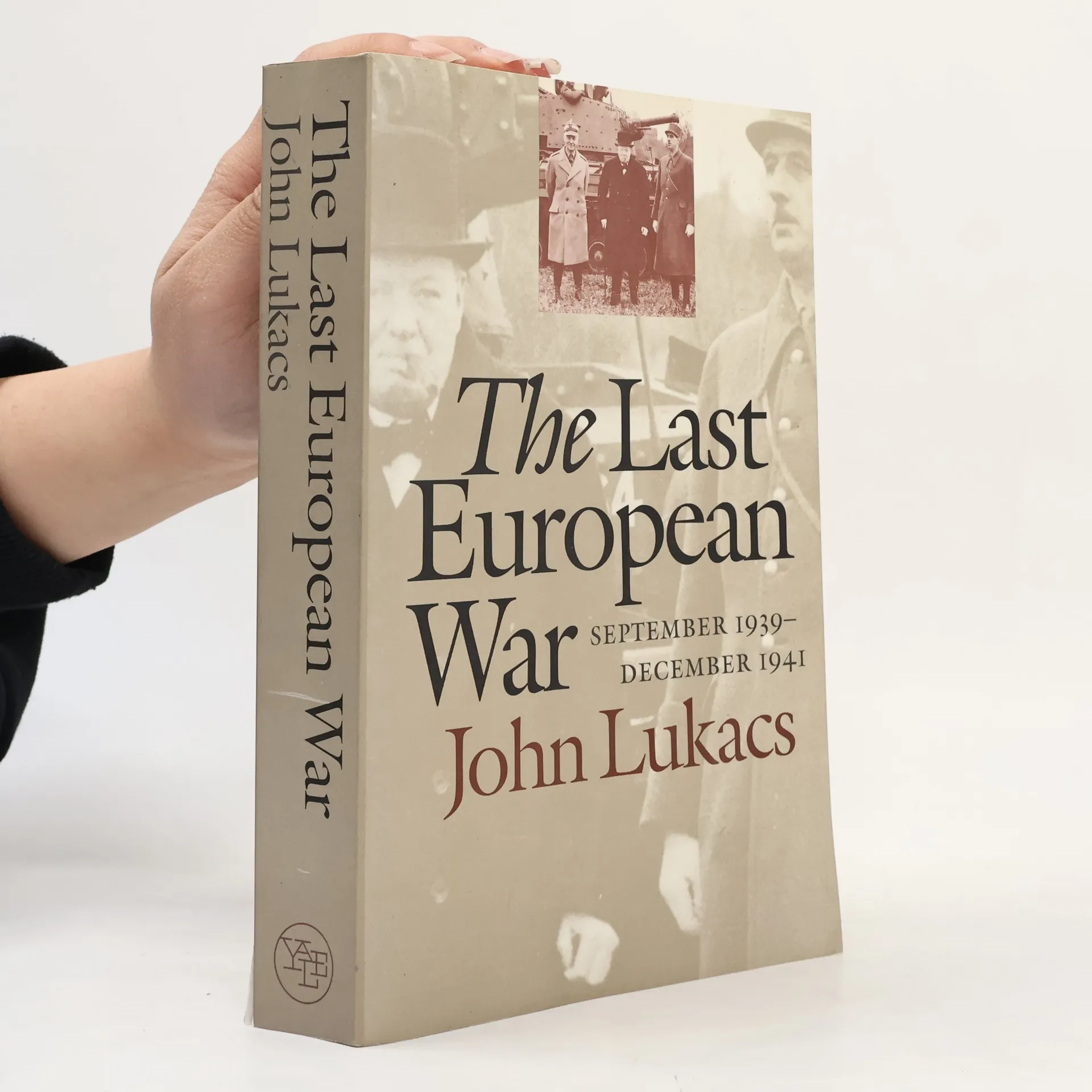
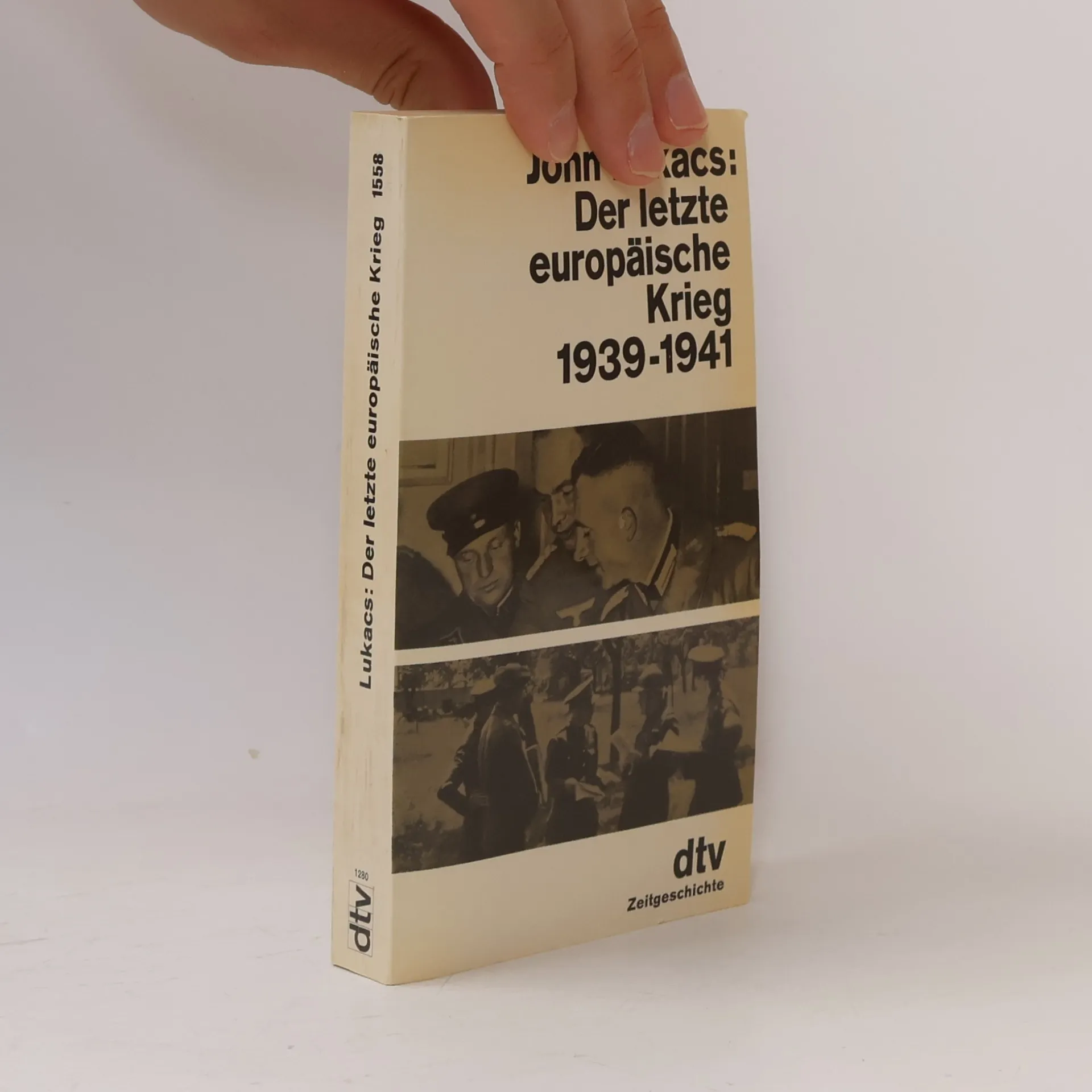
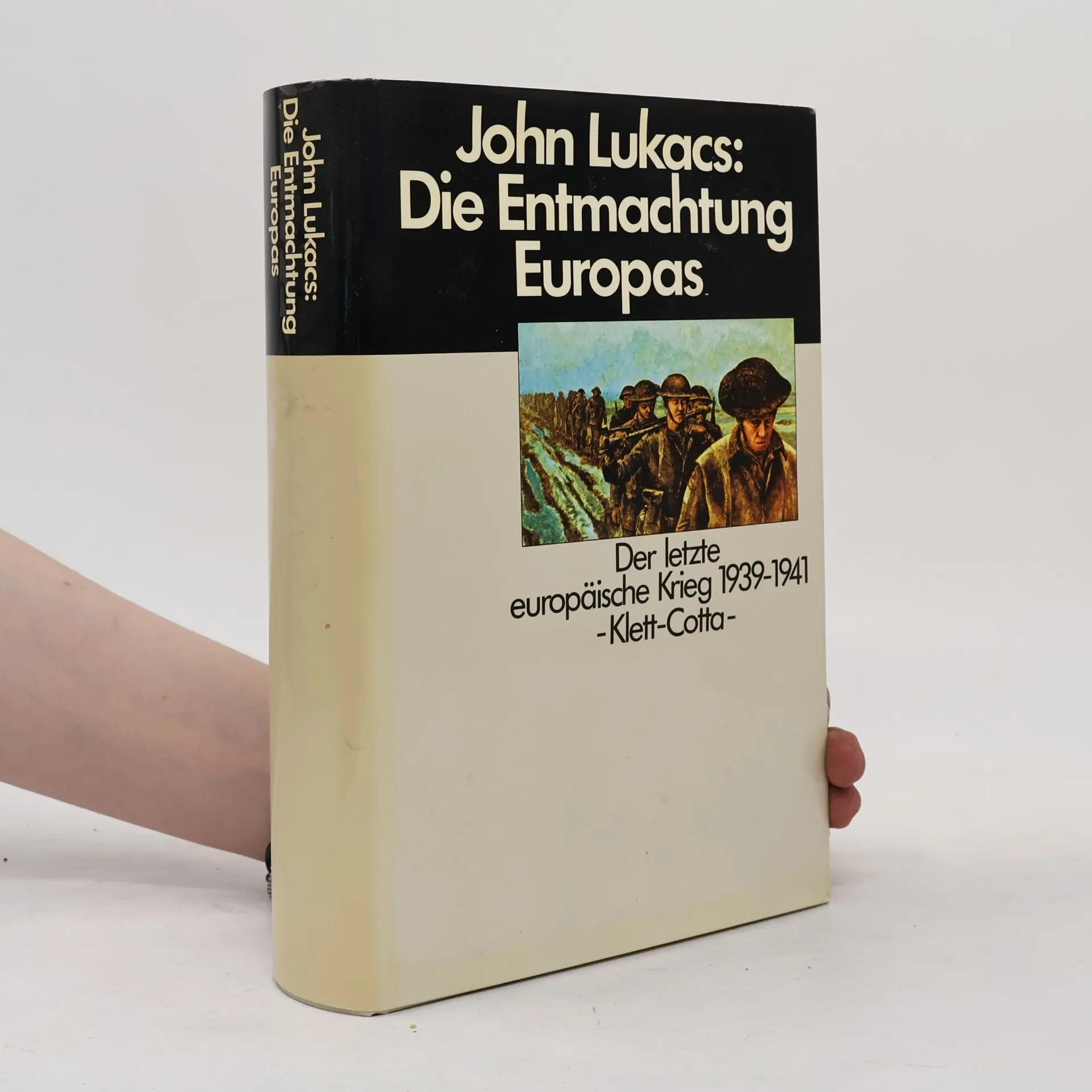
This absorbing study of the first phase of World War II tells not only how events happened but why. Eminent historian Lukacs presents an extraordinary narrative of these two years, followed by a detailed sequential analysis of the political, military, and intellectual relations and events.
The duel
- 288 stránek
- 11 hodin čtení
One is poised on the edge of victory, the other threatened by invasion and defeat¿yet holding on, his own life in the balance and also that of the free world. In his reconstruction of the 80 days from May 10 to July 31, 1940, the author shows just how close England came to losing the war. He paints Churchill as resolute, threatened from within and without, yet unshakably determined. And Hitler flushed with victory, yet fatally undecided about how to close with Britain. "An unforgettable portrait of the mortal duel between two men and the titanic personalities involved." ¿ Book of the Month Editorial Review Board "Lukacs's is a rigorous intelligence making strong arguments in clear language¿ I wish other writers on the right would ponder Mr. Lukacs's insight." Daniel Yergin, New York Times Book Review ¿An outstanding historian.¿ David Pryce-Jones, Financial Times
The Hitler of History
- 279 stránek
- 10 hodin čtení
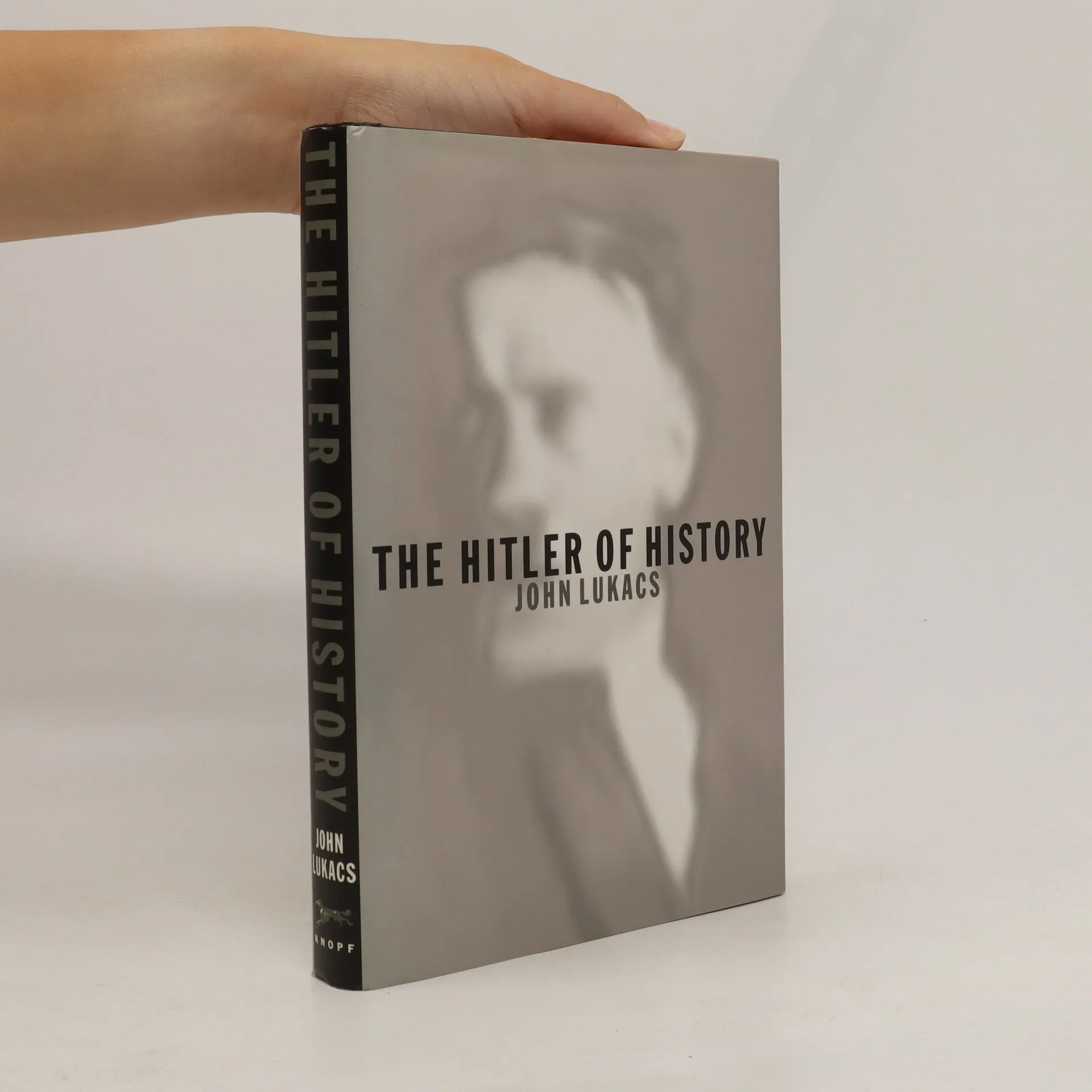
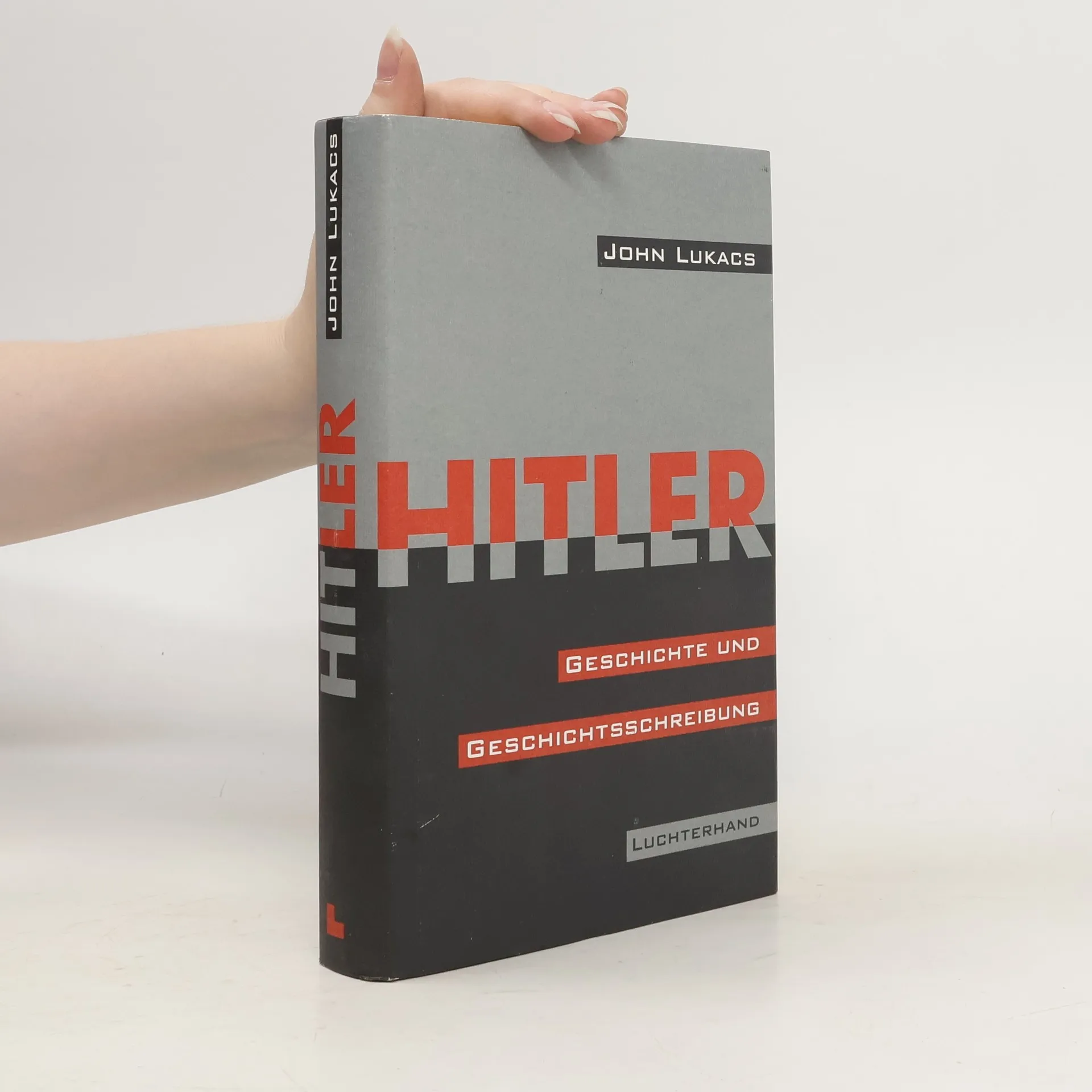
Since 1945 there have been more than one hundred biographies of Hitler, and countless other books on him and the Third Reich. What happens when so many people reinterpret the life of a single individual? Dangerously, the cumulative portrait that begins to emerge can suggest the face of a mythic antihero whose crimes and errors blur behind an aura of power and conquest. By reversing the process, by making Hitler's biographers - rather than Hitler himself - the subject of inquiry, Lukacs reveals the contradictions that take us back to the true Hitler of history. Like an attorney, Lukacs puts the biographies on trial. He gives a masterly account of all the major works and of the personalities, methods, and careers of the biographers (one cannot separate the historian from his history, particularly in this arena); he looks at what is still not known (and probably never will be) about Hitler; he considers various crucial aspects of the real Hitler; and he shows how different biographers have either advanced our understanding or gone off track.
The end of the twentieth century : and the end of the modern age
- 291 stránek
- 11 hodin čtení
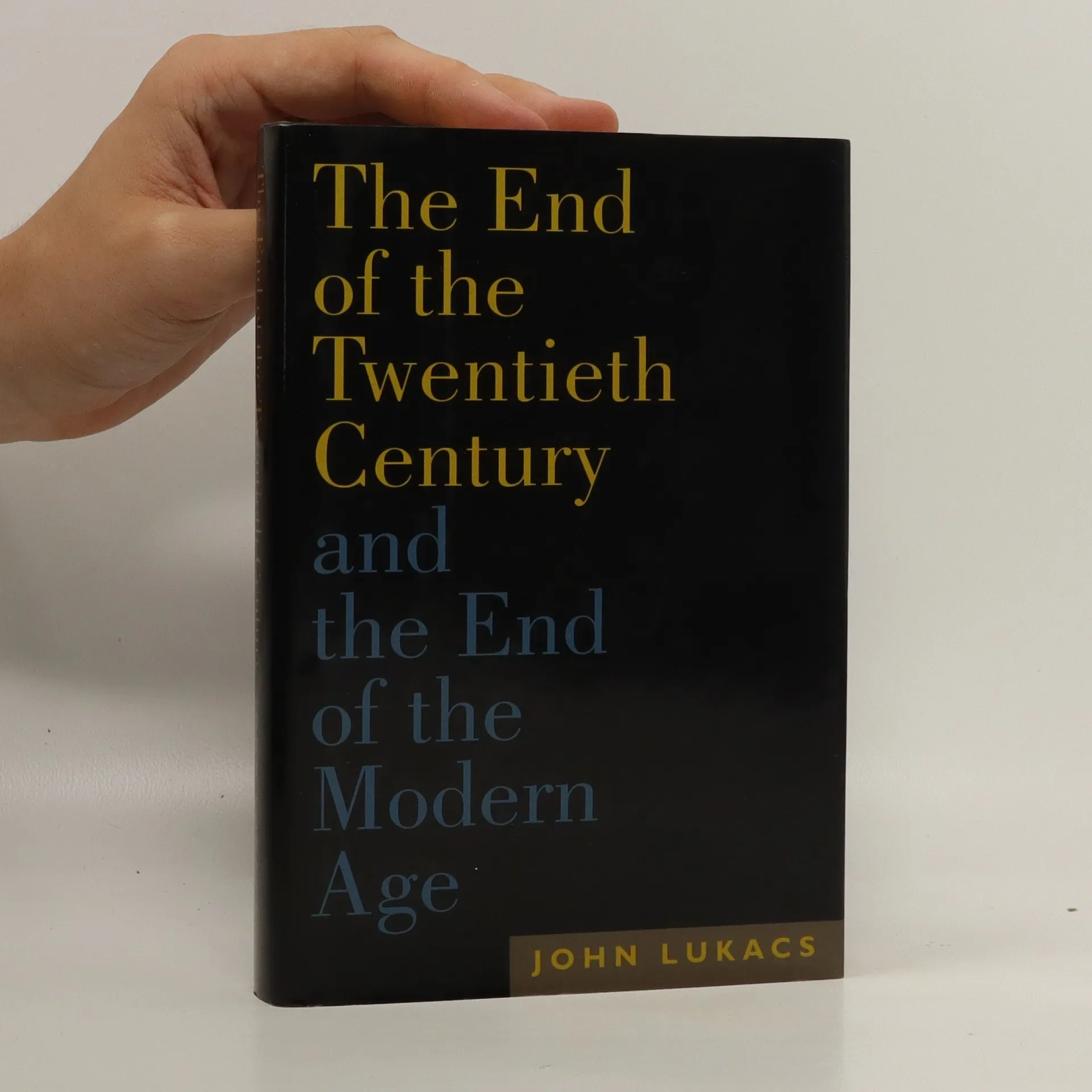
Anyone concerned about the fate of democracy and culture in the age of mass society should read these insightful, inspiring, and provocative reflections by American historian John Lukacs. Lukacs examines the events of the 20th century, questioning our current position, how we arrived here, and what the future holds for us.
A Thread of Years
- 486 stránek
- 18 hodin čtení
Traces the decline of Anglo-American civilization and the concept of the gentleman in a fictionalized social history that follows a man named Kensington and the people who surround him from 1901 to 1969.
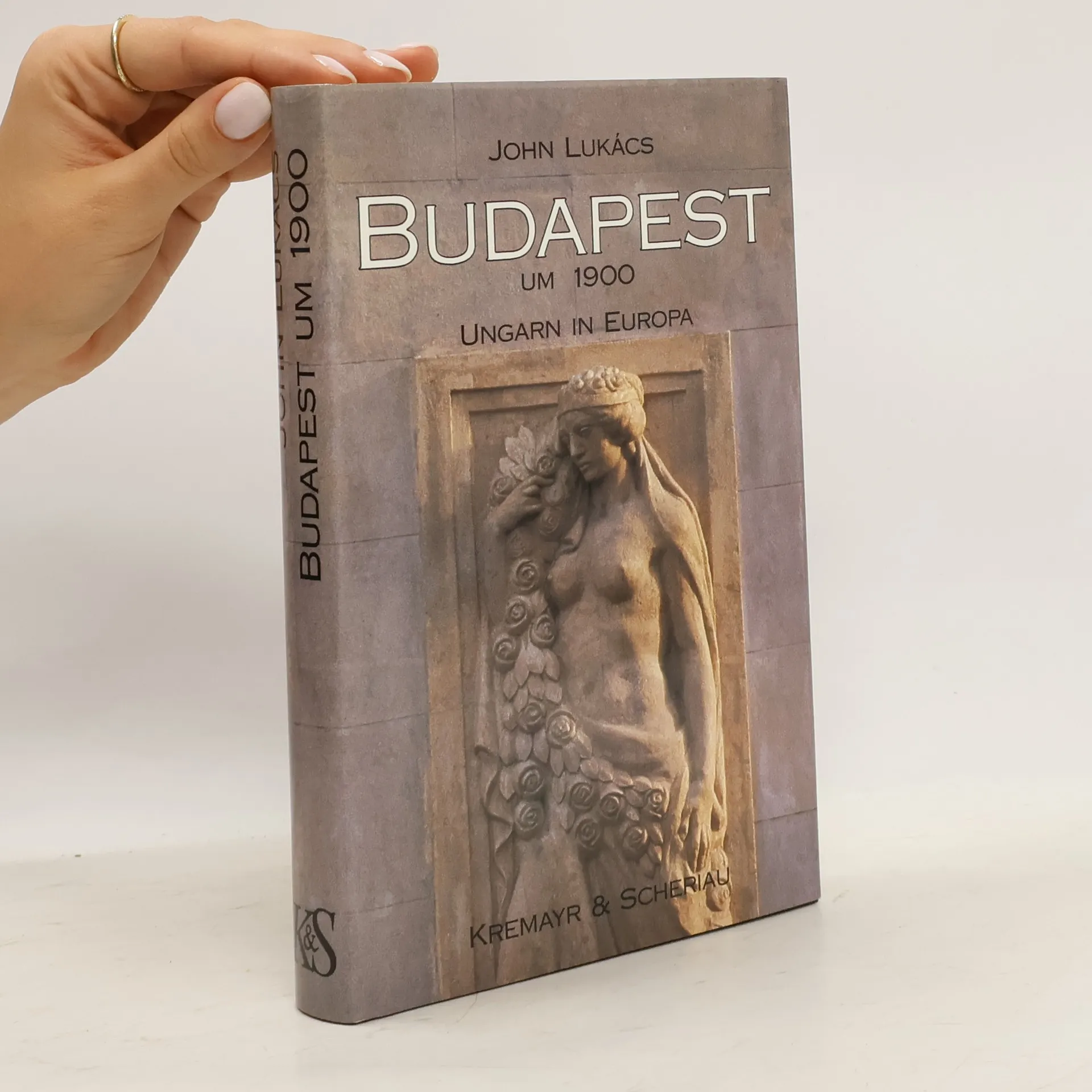
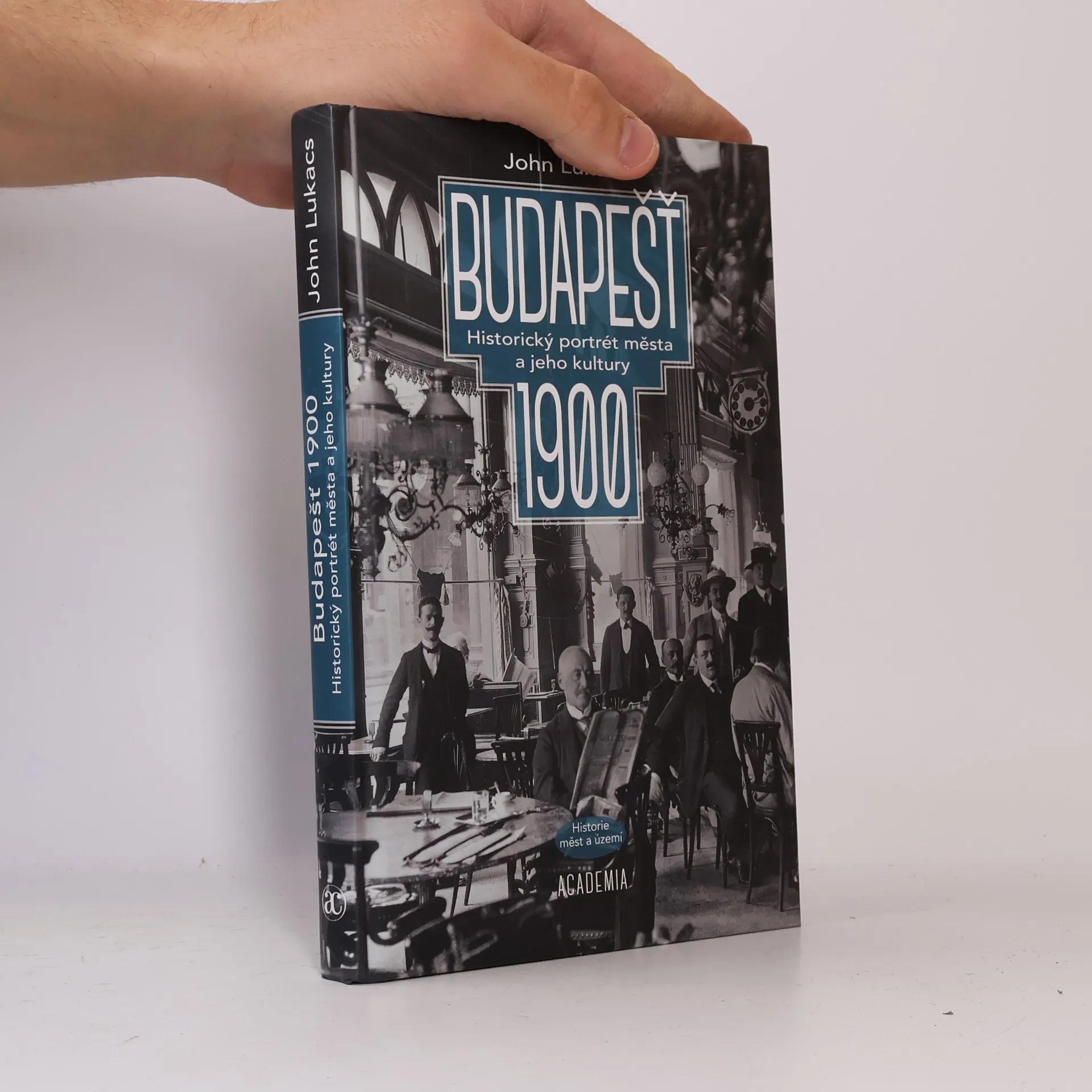
Budapest 1900. A Historical Portrait Of A City And Its Culture
- 288 stránek
- 11 hodin čtení
John Lukacs, distinguished historian and native of Budapest, here offers a rich and eloquent depiction of one of Europe's great cities at its height. He provides a cultural and historical portrait of Budapest - its sights, sounds, and inhabitants; the artistic community; its class dynamics and politics; the essential role played by its Jewish population - and a historical perspective that describes the ascendance of the city and its decline into the maelstrom of the twentieth century. -- Publisher's description.
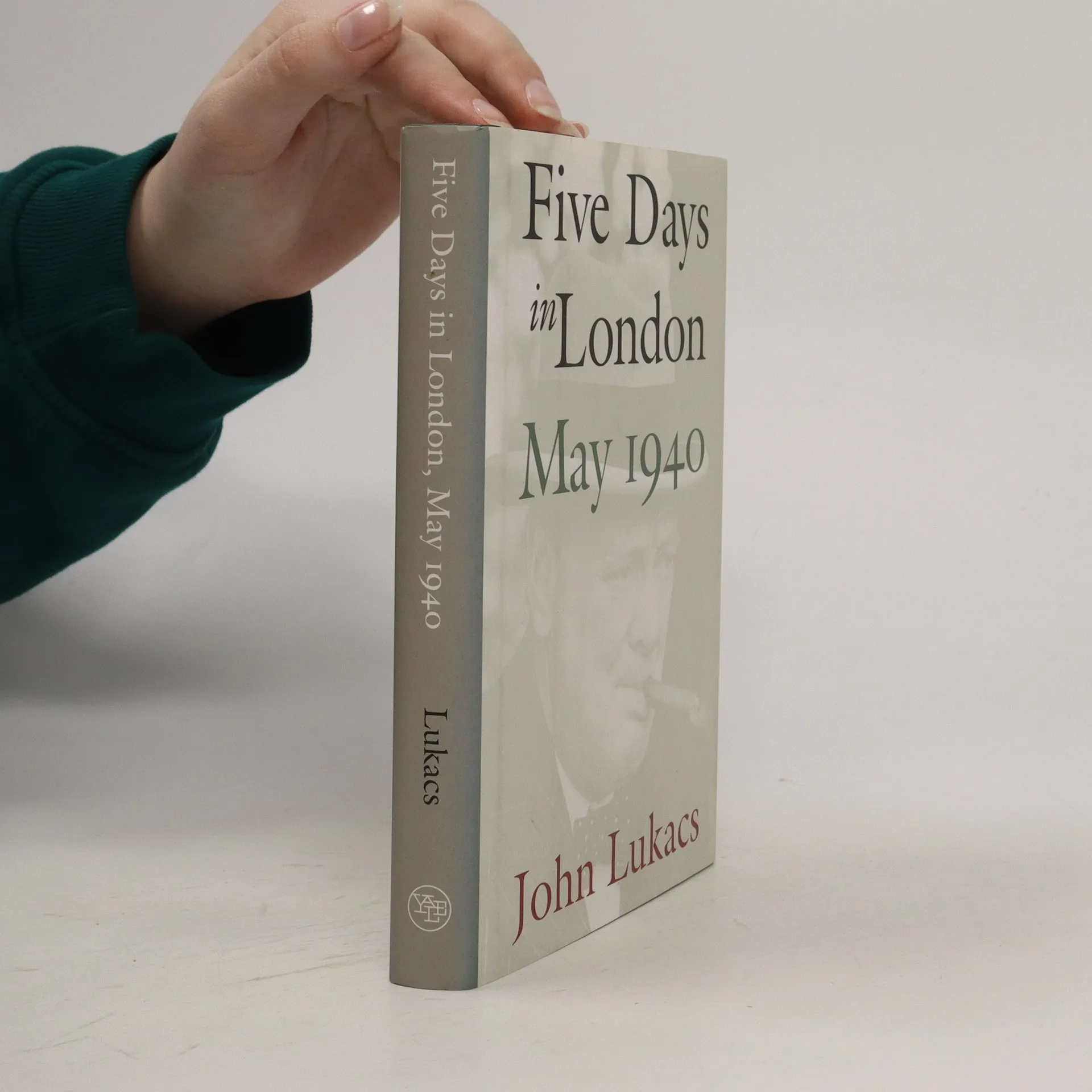
The days from May 24-28, 1940, altered the course of history as the members of the British War Cabinet debated whether to negotiate with Hitler or continue the war. The importance and drama of these five days are captured in a literary narrative from a prolific historian. Illustrations.
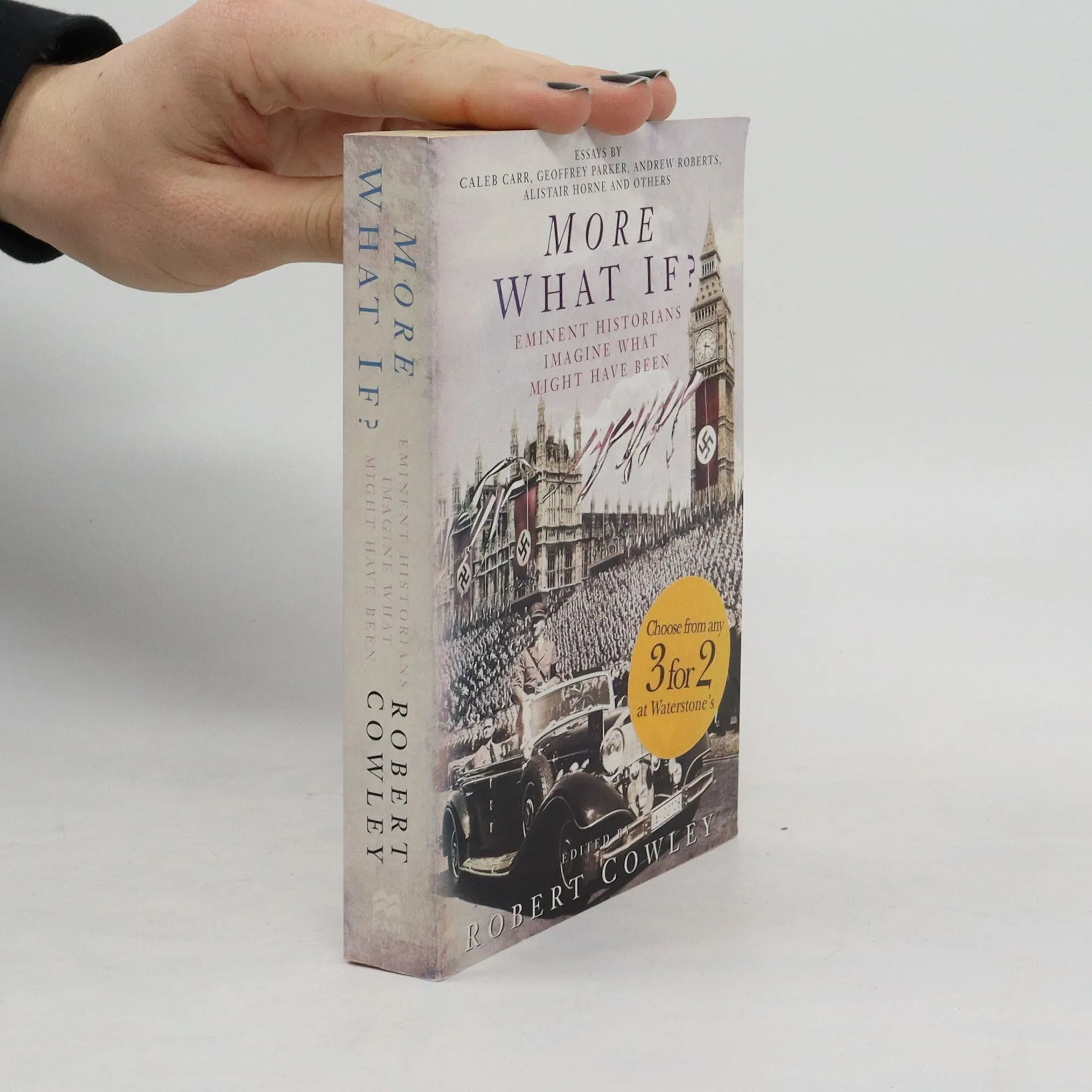
More what if? : eminent historians imagine what might have been
- 400 stránek
- 14 hodin čtení
Concentrating on the crucial and the seemingly insignificant, historians offer an alternative history and take a provocative look at the way our world could easily have been. For example, what if William hadn't conquered?
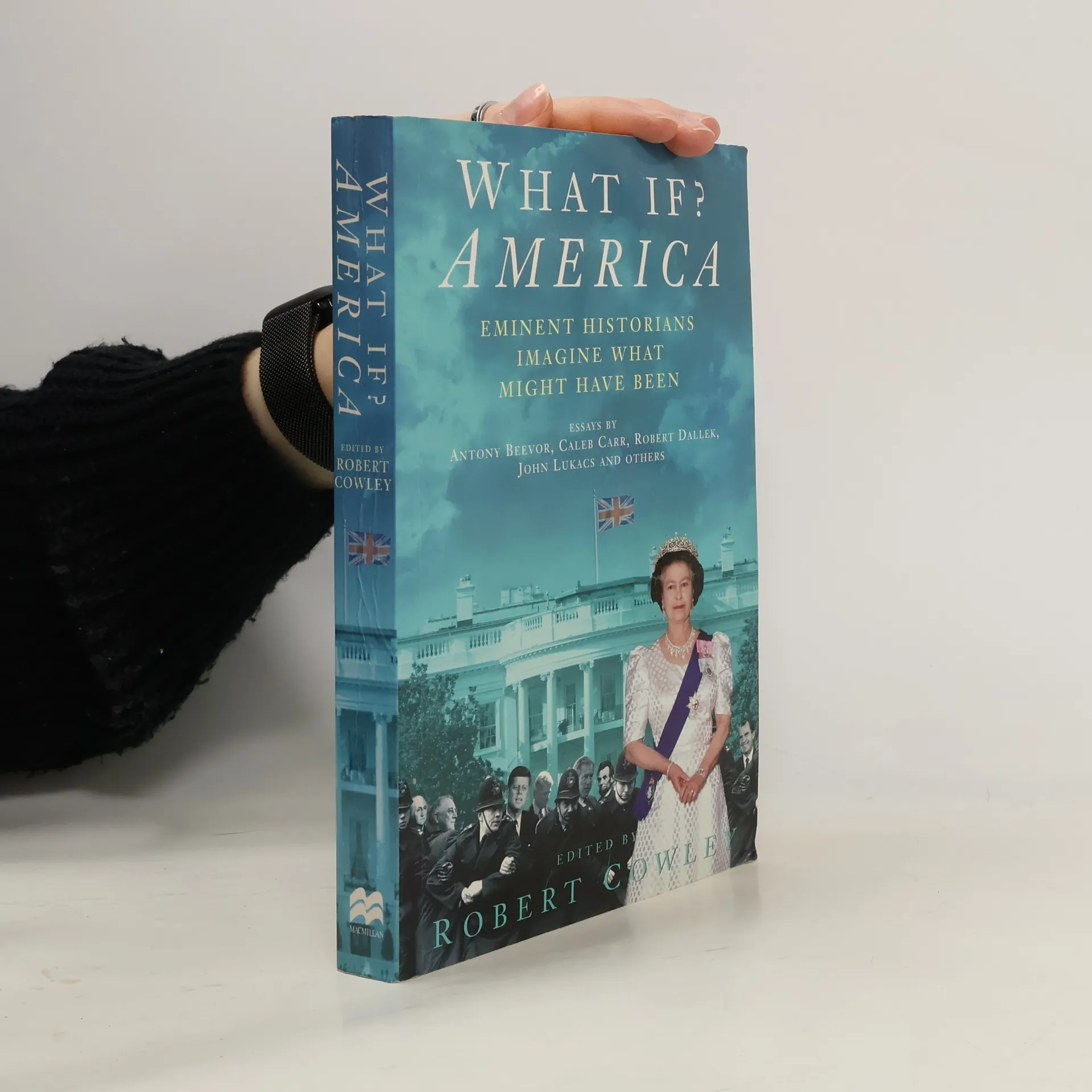
In this new collection of essays, some of the world's most important historians speculate about some of America's most intriguing crossroads. Spanning the years from independence to Watergate, What If? America poses some irresistible questions and provides some brilliant answers. Among these, Antony Beevor entertains the possibility of Eisenhower's capture of Berlin before the Soviets' arrival in 1945; Caleb Carr asks what if there had been no American Revolution; and Robert Dallek explores one of the most agonizing American 'what if's' of all: what would have happened if JFK hadn't been assassinated. Engaging, thought-provoking, and convincingly argued, these essays shed new light on the most powerful nation in the world and are indispensable for anyone remotely interested in how the world became what it is today.
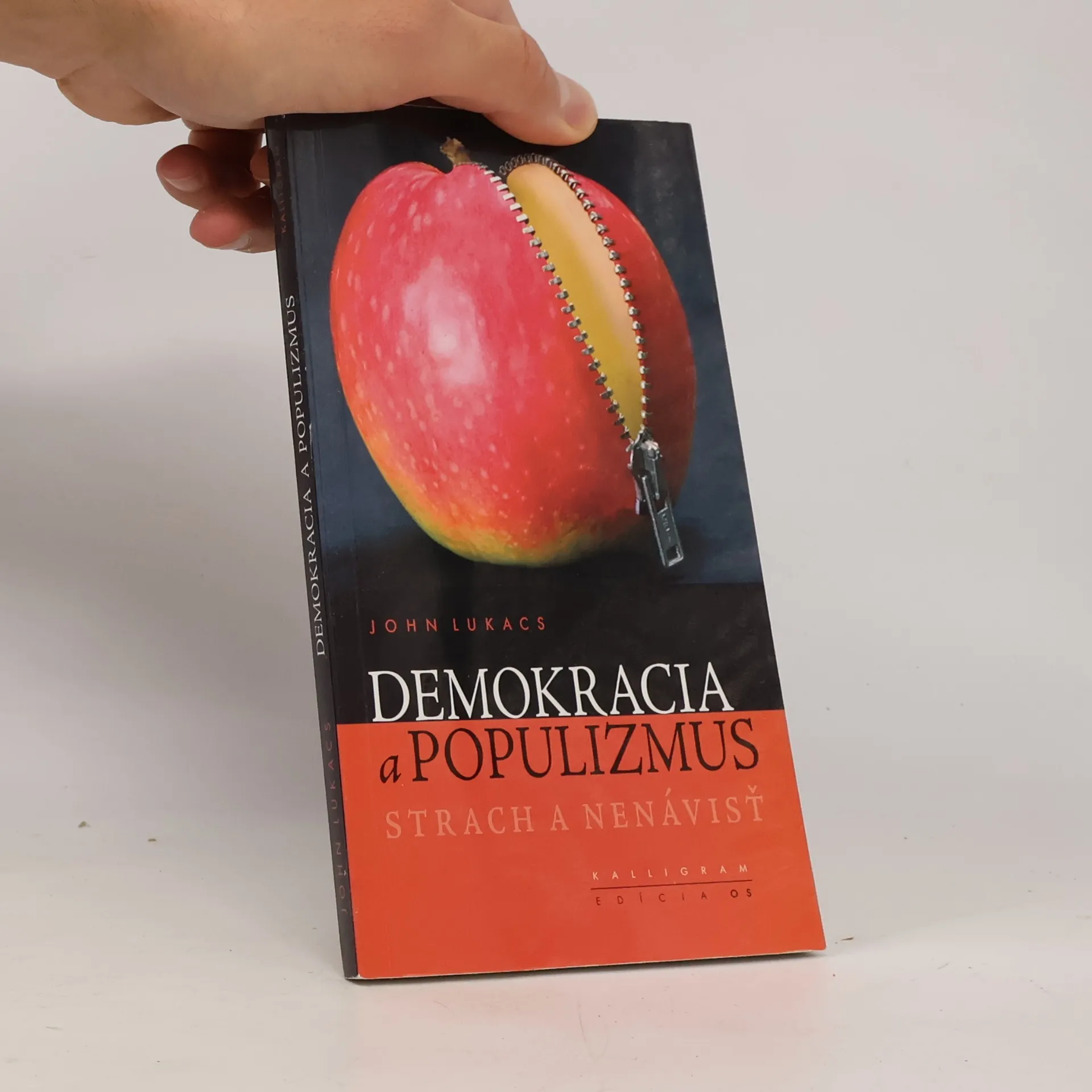
Demokracia a populizmus: Strach a nenávisť
- 176 stránek
- 7 hodin čtení
Lukacs v knihe dáva do kontrastu politické systémy, hnutia a ideológie, ktoré učarovali 20. storočiu: demokraciu, liberalizmus, nacionalizmus, fašizmus, boľševizmus, národný socializmus, populizmus. V úvahách o americkej demokracii opisuje jej vývoj od 18. storočia po jej dnešnú podobu – nebezpečný a možno nezvratný populizmus, ktorý okrem iného zahŕňa prevahu ľudového sentimentu nad tým, čo bolo kedysi verejnou mienkou. Na tomto stave má podiel gigantická mašinéria masmédií, uprednostňujúca propagandu a zábavu, namiesto zmyslu pre históriu. Je to druh populizmu, ktorý siaha po nacionalizme a militarizme na to, aby udržal spoločnosť vcelku. Lukacsove postrehy sú originálne, štipľavé, aktuálne a dozaista inšpiratívne pre živú debatu o chúlostivom stave dnešnej (nielen) americkej demokracie.
Fünf Tage in London
- 237 stránek
- 9 hodin čtení
Am 10. Mai 1940 marschierten deutsche Truppen ohne Kriegserklärung in Holland, Belgien und Luxemburg ein. Nur elf Tage später, am 21. Mai, gelang es den Deutschen, die französische Nordarmee und das britische Expeditionsheer bei Dünkirchen einzuschließen, wo 340.000 britische und französische Soldaten der Wehrmacht hilflos ausgeliefert waren. Das britische Kriegskabinett spaltete sich in zwei Fraktionen, die um den zukünftigen Kurs gegen Hitler rangen. Premierminister Winston Churchill, erst seit zwei Wochen im Amt, forderte entschieden: „Wir sollten weiterkämpfen.“ Viele seiner Parteigänger hielten ihn für ungestüm und unterstützten stattdessen Halifax, der auf Verhandlungen setzte, um eine friedliche Lösung für Europa zu finden. John Lukacs verfolgt minutiös die dramatischen Ereignisse in der Downing Street 10: das Ringen der Kabinettsmitglieder um Verantwortung für England und Europa, hektische Konsultationen mit den französischen und italienischen Regierungen, die Suche nach historischen Präzedenzfällen und hitzige Wortgefechte. Auch die Meinungsbildung der britischen Bevölkerung schwankte, was Lukacs anhand von Berichten in der Presse und von der Regierung in Auftrag gegebenen Stimmungsberichten nachzeichnet. Am Abend des 28. Mai hatte Churchill sich durchgesetzt; ohne seine Entschlossenheit hätte England wahrscheinlich einen Verhandlungsfrieden akzeptiert.
Budapest um 1900
- 302 stránek
- 11 hodin čtení
Hitler
- 367 stránek
- 13 hodin čtení
Die Entmachtung Europas
- 492 stránek
- 18 hodin čtení
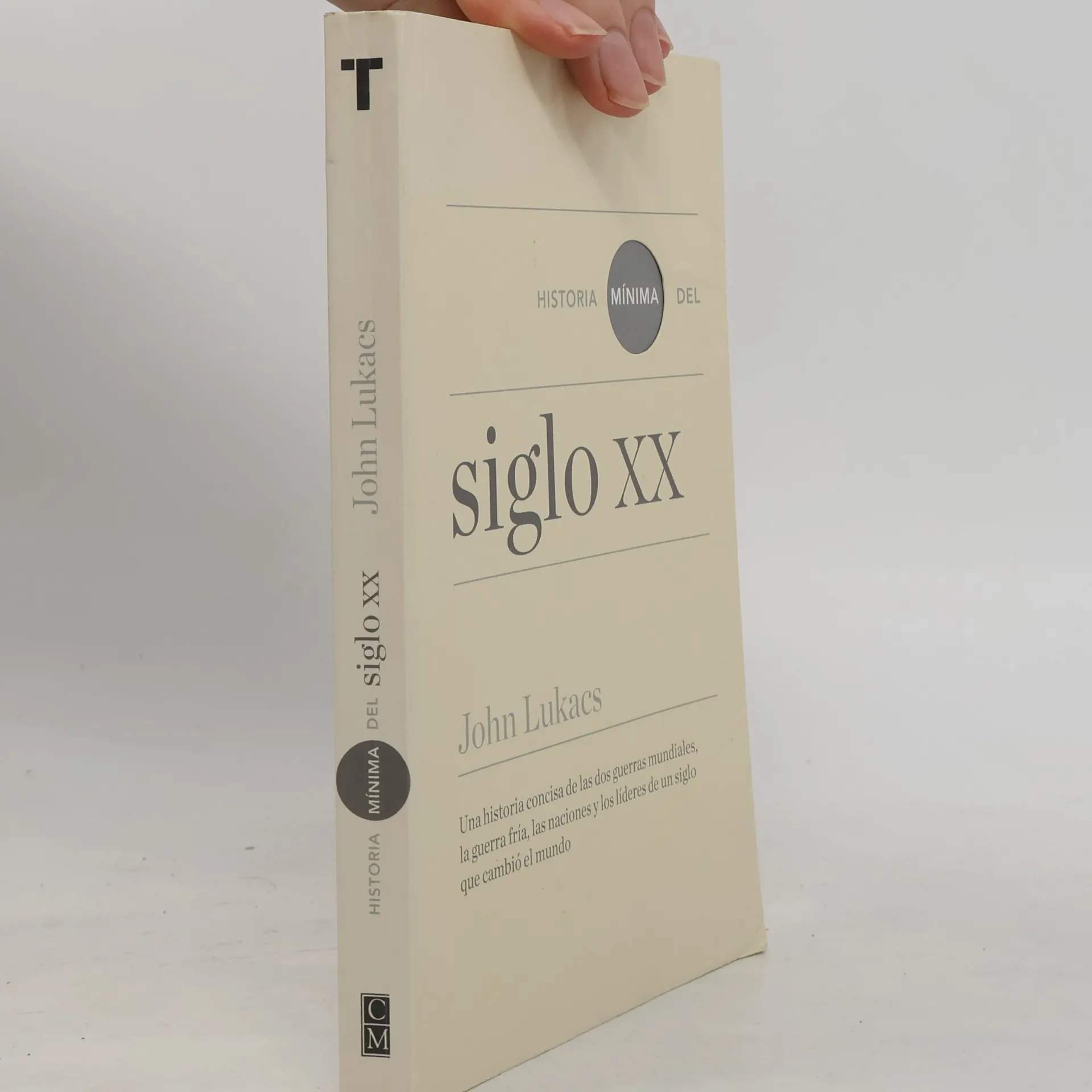
Historia mínima del siglo XX
- 268 stránek
- 10 hodin čtení
Historian John Lukacs presents a concise history of the twentieth century, covering its two world wars, the cold war, nations, and leaders. Central themes include the decline of liberalism, the rise of populism and nationalism, the impact of technology, and global democratization. This historical period began with the First World War in 1914 and concluded with the collapse of the Soviet Empire in 1989, marking the end of European dominance and the emergence of American power. Lukacs delves into national socialism, emphasizing its enduring presence, and attributes sole responsibility for the Second World War to Hitler, highlighting the critical roles of Churchill and Roosevelt as his determined opponents. He notes that between 1939 and 1942, Germany was closer to victory than commonly believed. Lukacs critically examines the consequences of the Second World War, particularly the often misunderstood Soviet-American cold war, as well as shifting social and political dynamics in the Far and Middle East. In his eloquent closing meditation, he reflects on the advance of democracy worldwide and the limitations of human knowledge, encapsulating the complexities and legacies of the century.
Ungarn in Europa
- 302 stránek
- 11 hodin čtení
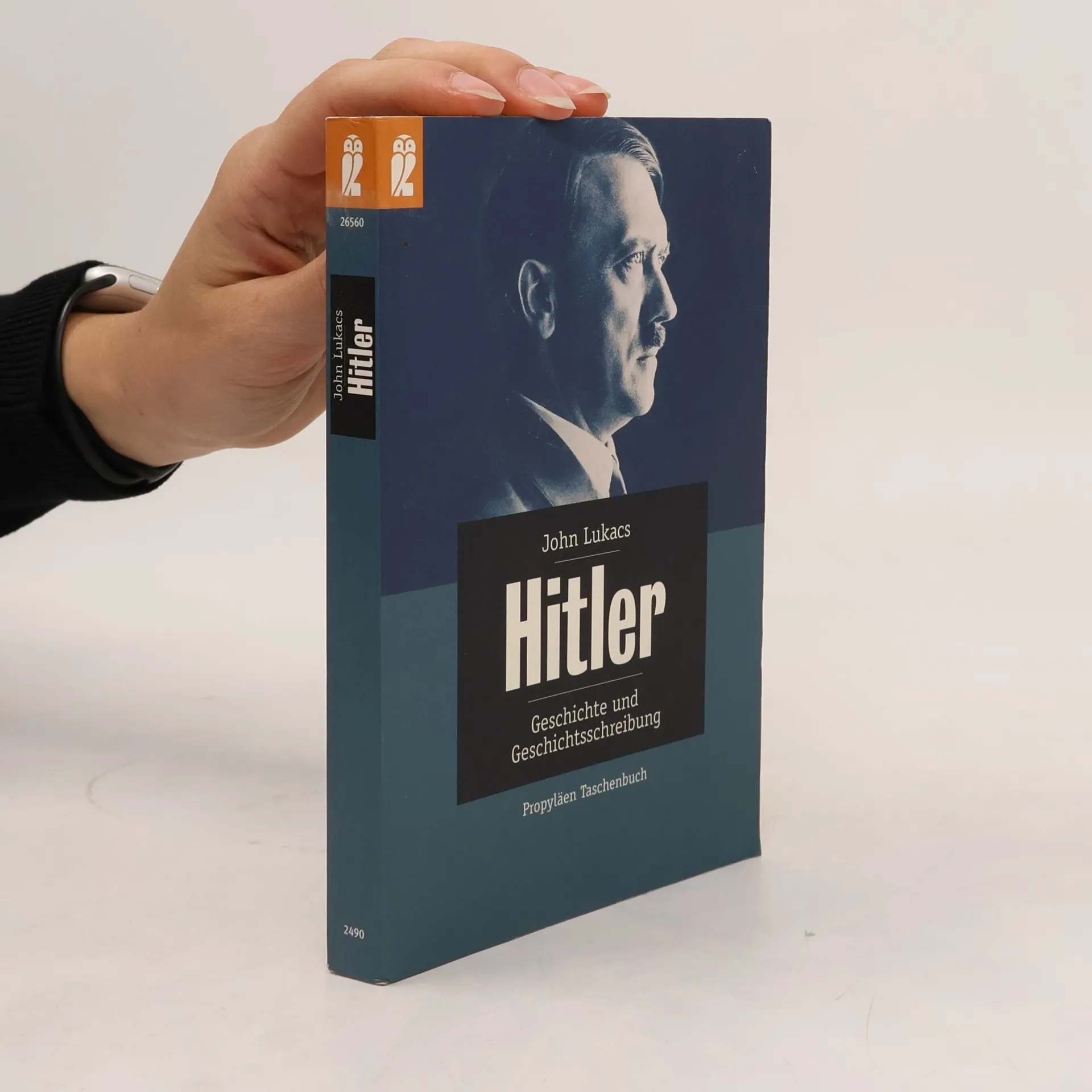
Propyläen Taschenbuch: Hitler
- 295 stránek
- 11 hodin čtení