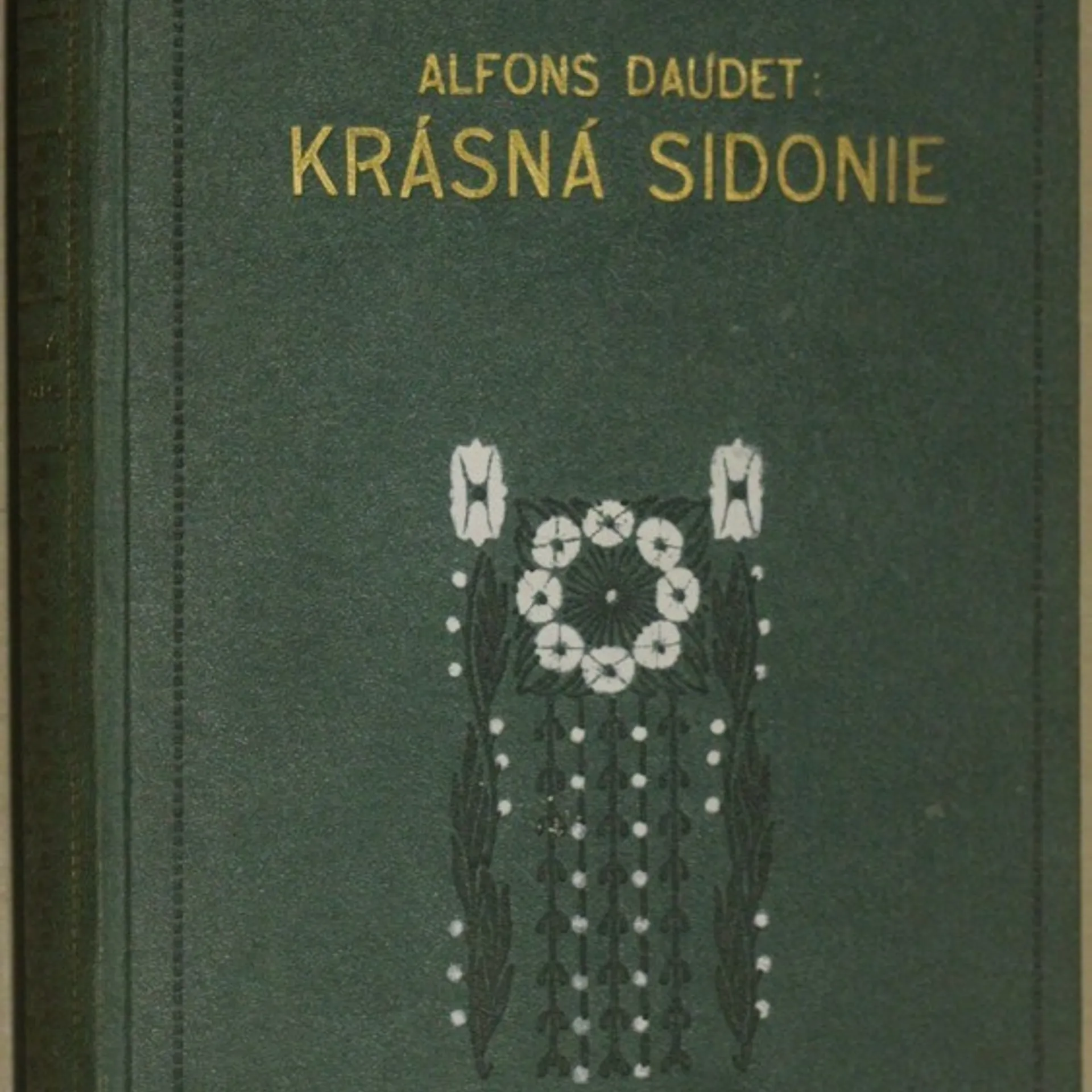
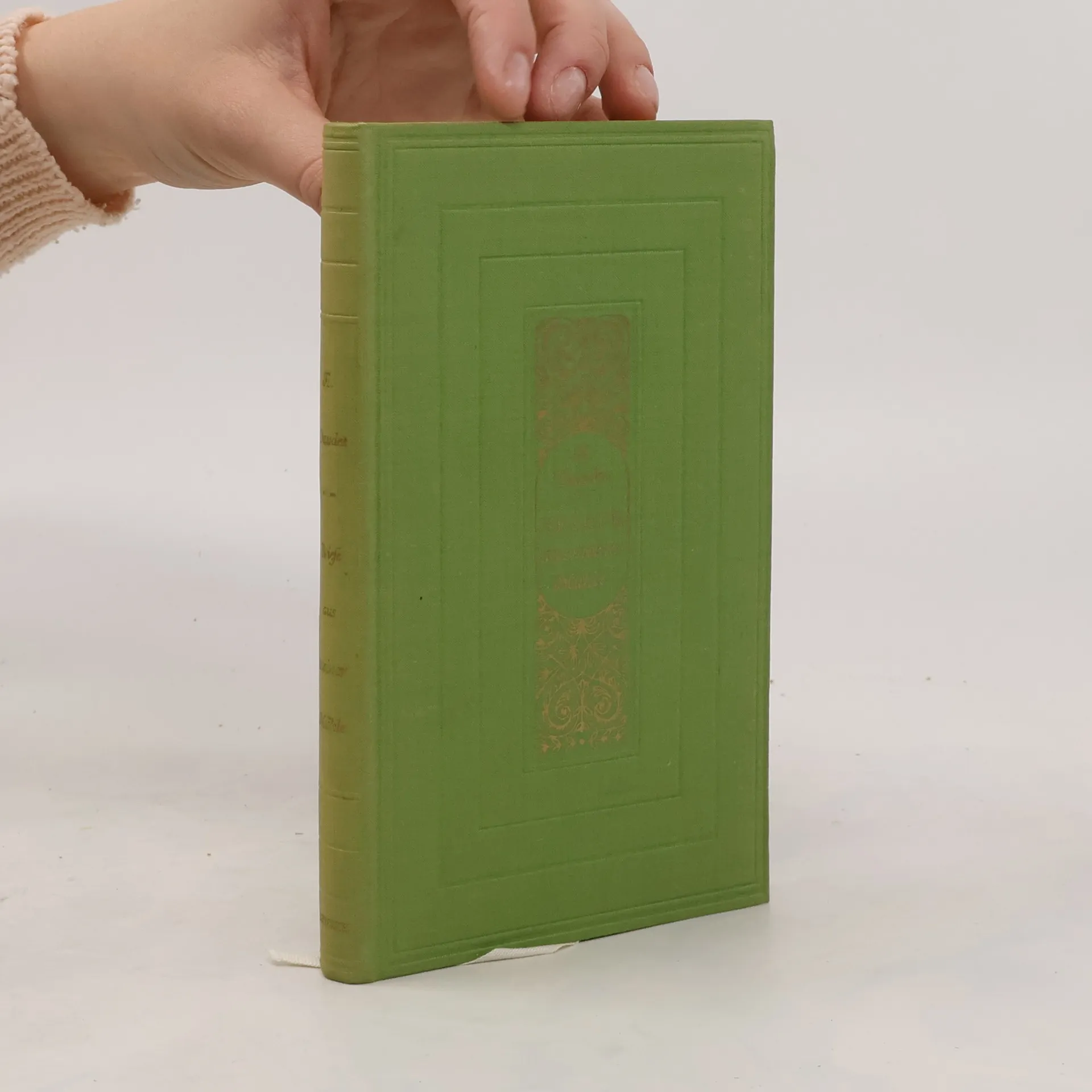
Alphonse Daudet je francouzský prozaik, jehož dílo se často noří do složitosti lidské povahy a společenských iluzí. S mistrovským citem pro detail a ironický odstup vykresluje postavy, které bojují s ambicemi, touhami a každodenními strastmi. Jeho styl je charakteristický svou živostí, hudebností a schopností zachytit melodii francouzského jazyka. Daudetova tvorba zkoumá témata jako je osamělost, sociální vzestup a pád a nepolapitelné sny, které často odhalují hořkosladkou pravdu o životě.
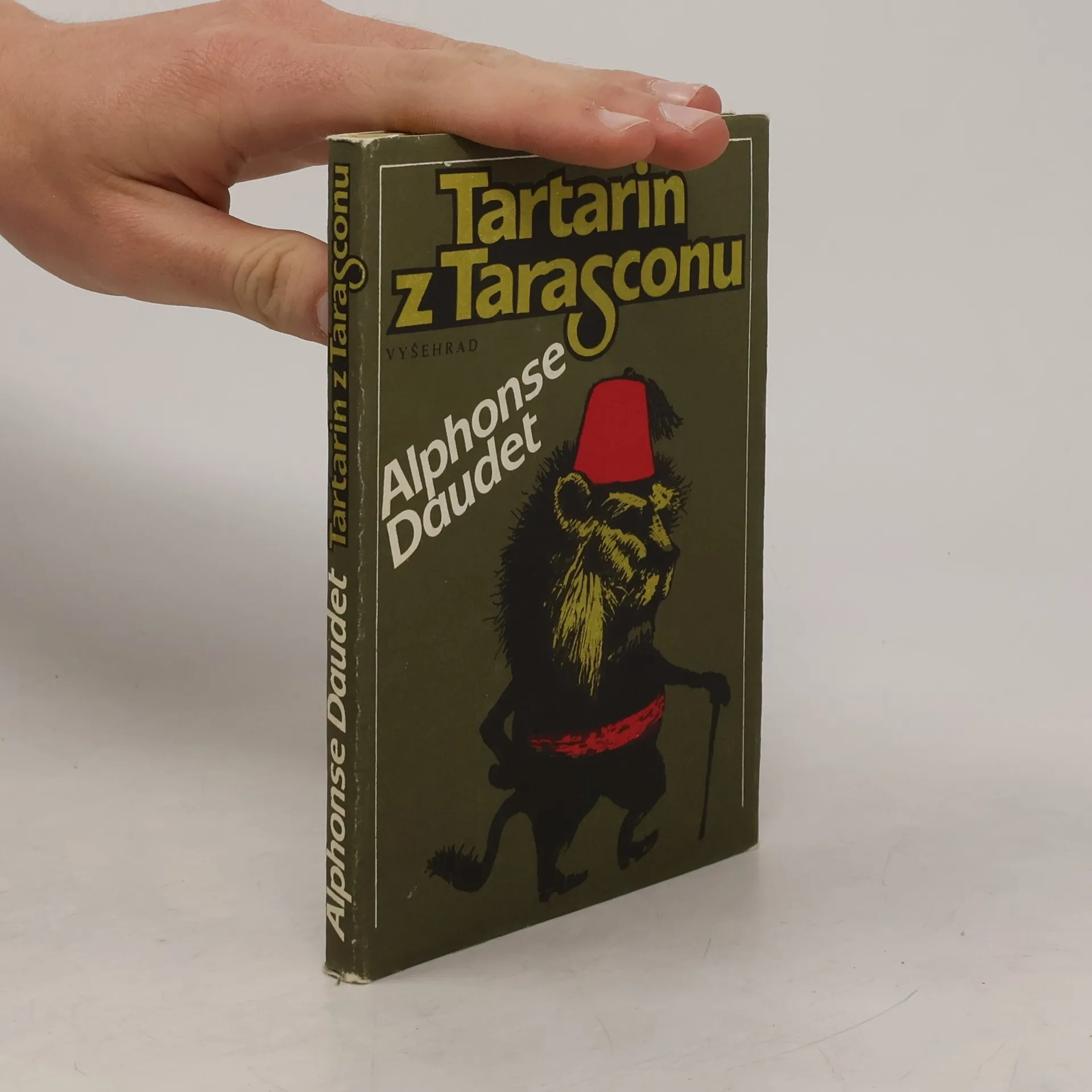
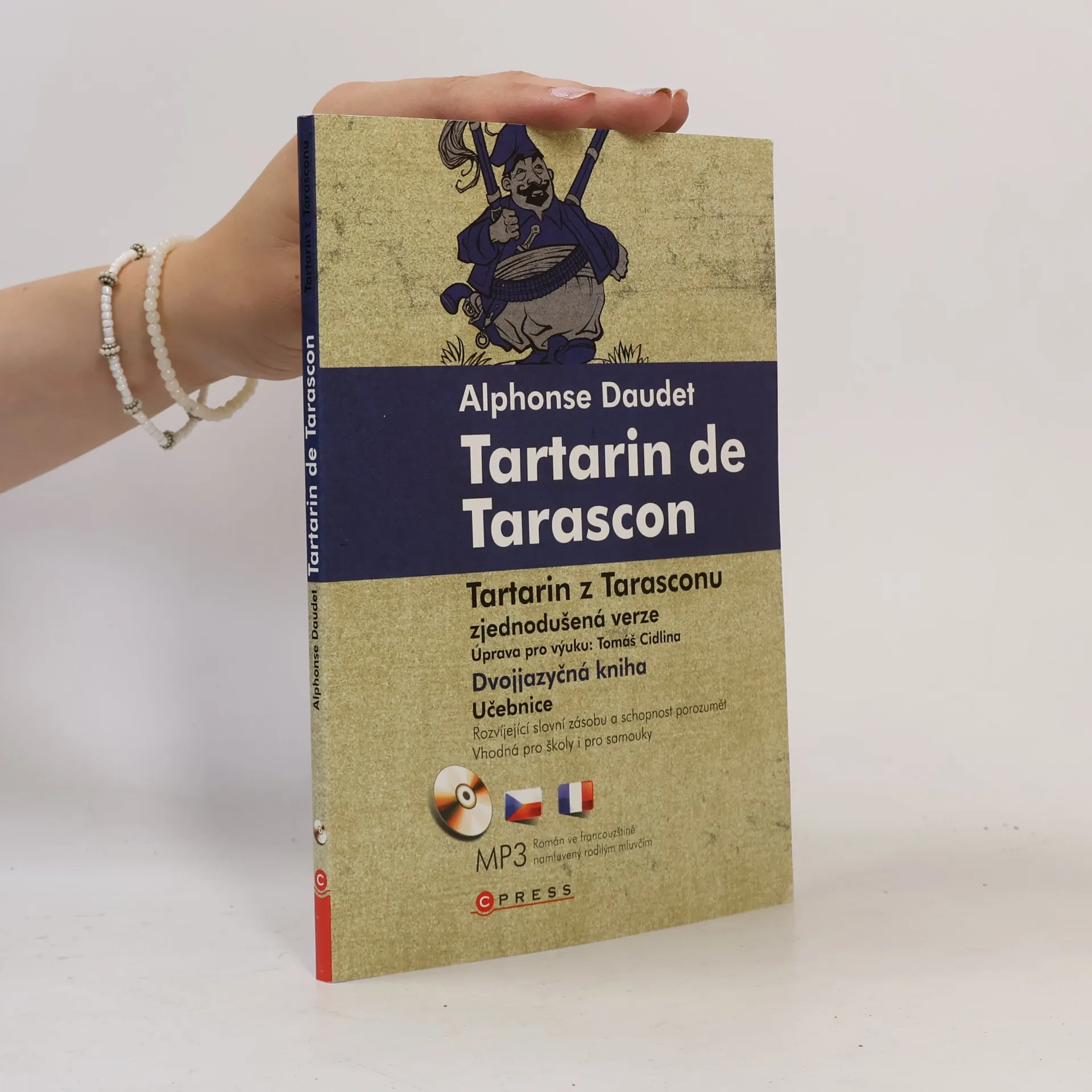
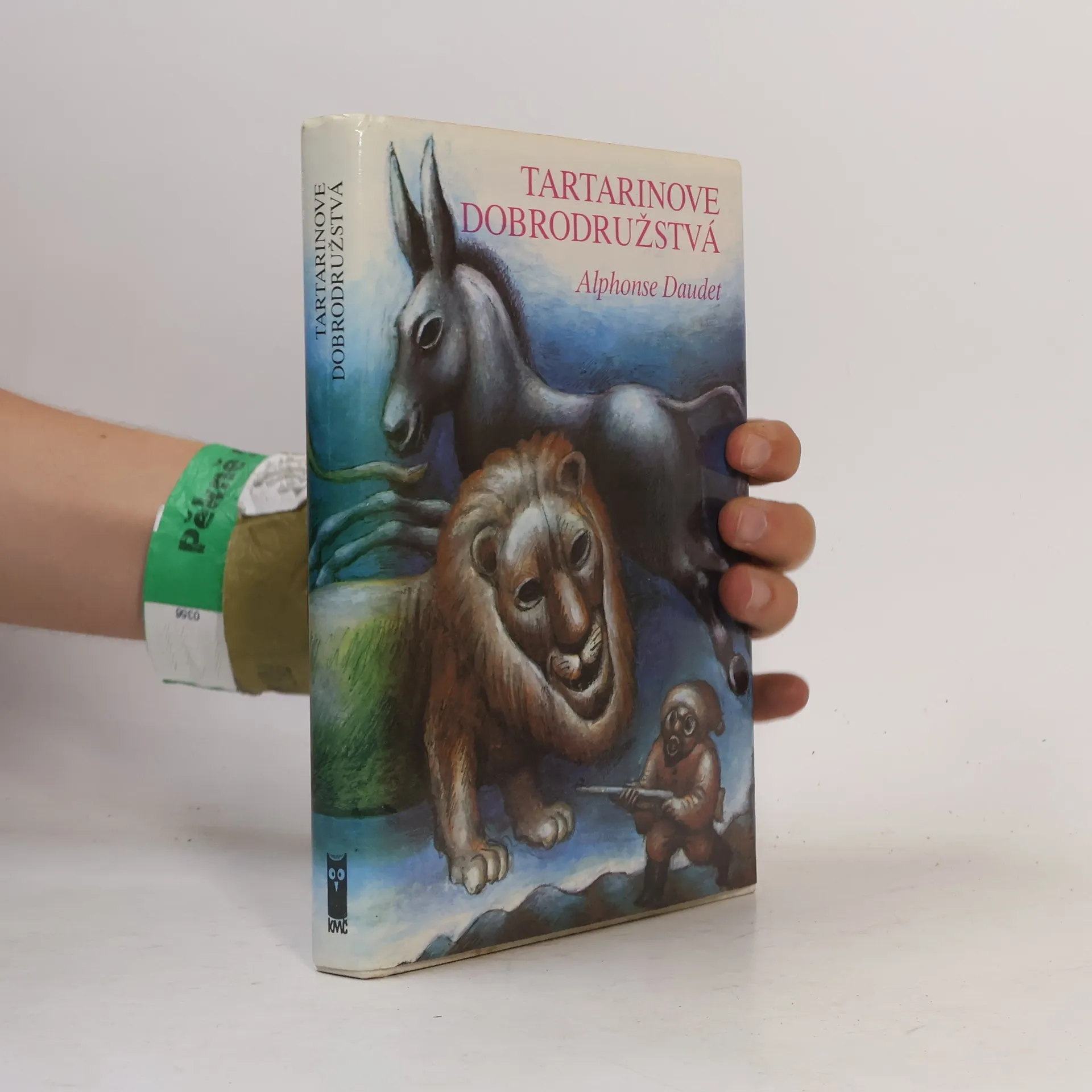
Zpracování slavného románu Alphonse Daudeta se snaží zpřístupnit studentům francouzštiny příběh lovce a bláhového snílka Tartarina z venkovského městečka Tarascon. Publikace pomůže zábavným způsobem obohatit slovní zásobu, rozvinout schopnost porozumění mluvenému slovu a zdokonalit se ve výslovnosti. Může být užitečnou pomůckou jak při samostudiu, tak i v hodinách s lektorem pro zpestření výuky.
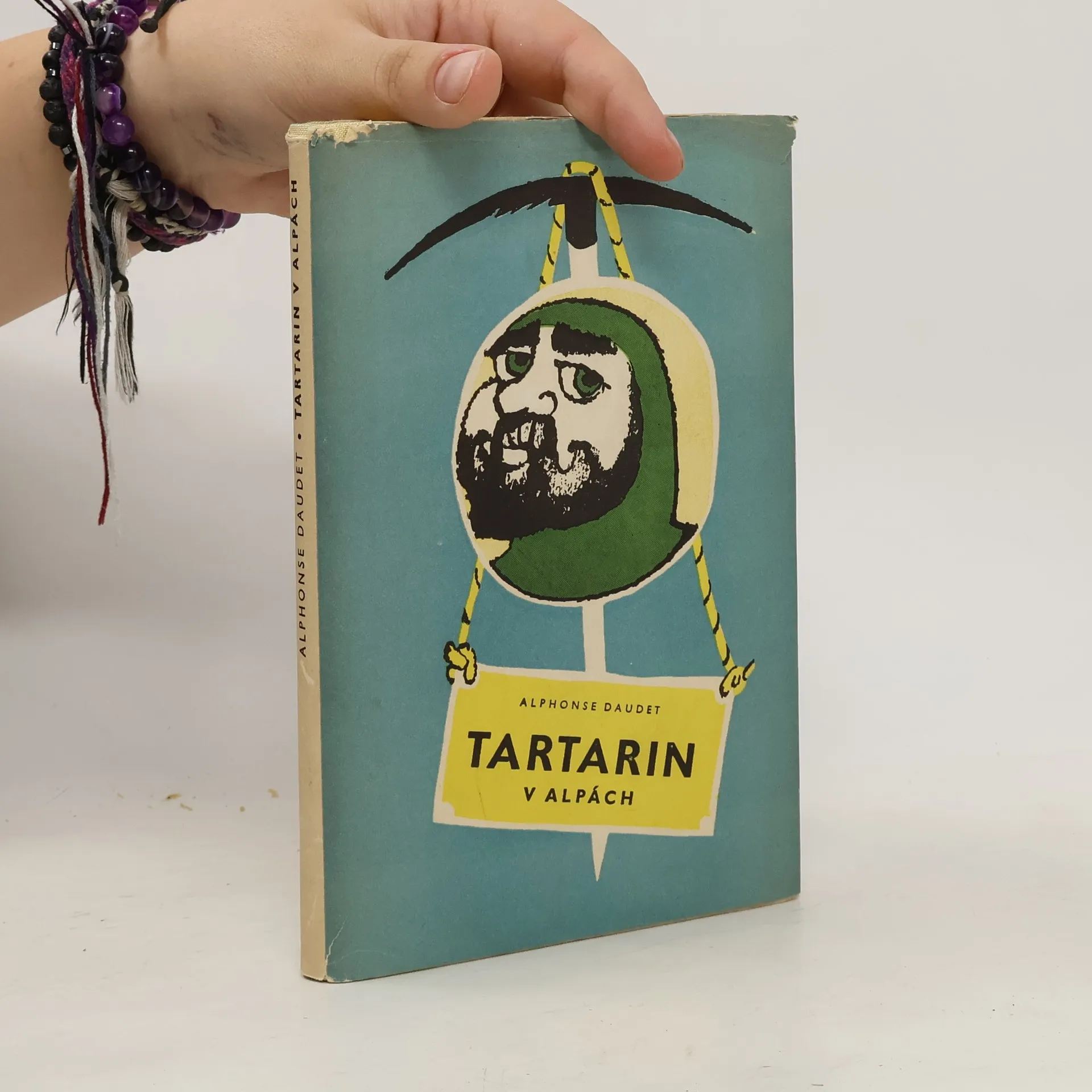
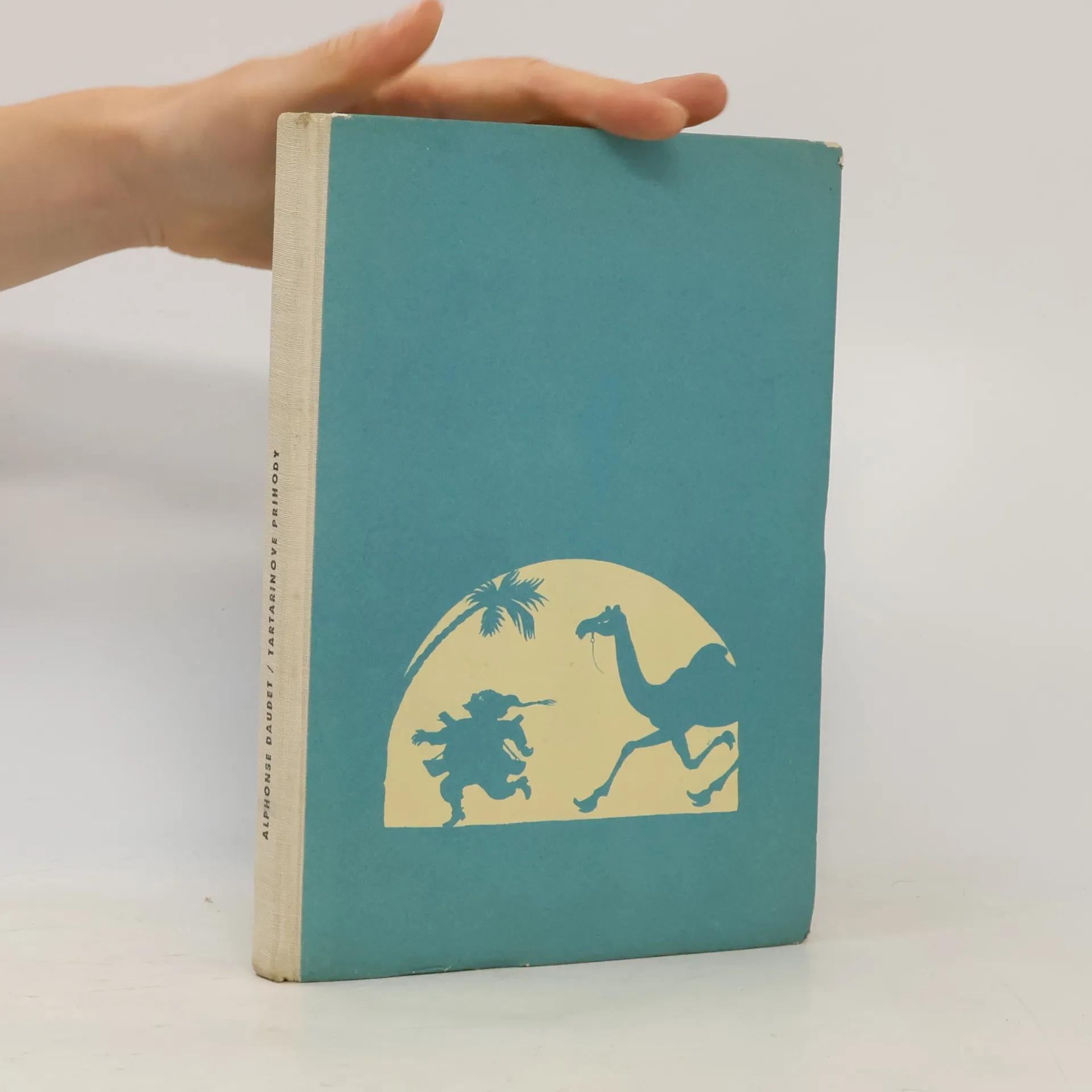
Druhá, samostatná část příběhů postavy, jež se stala literárním typem svět. literatury. Satiricky pojatý Jihofrancouz-maloměšťák, vnějšně dobromyslný dobrák, v jádře tlachal, vychloubač a chvastoun, se pustí do Alp - musí si přece mezi obyvateli ctihodného Tarasconu uchovat svou slávu, zvláště když je ve funkci předsedy alpinistů ohrožován ctižádostivým místopředsedou. Tak prožije na horách svá humorná dobrodružství a odhodlá se i na Mont Blanc.
Román popisuje život v Paříži, zachycuje osud nevěstky. Autor popisuje mužnou lásku k lidskému utrpení, jíž je kniha prodchnuta, tak jemností a delikátním taktem, s nímž zpracovává tuto látku.
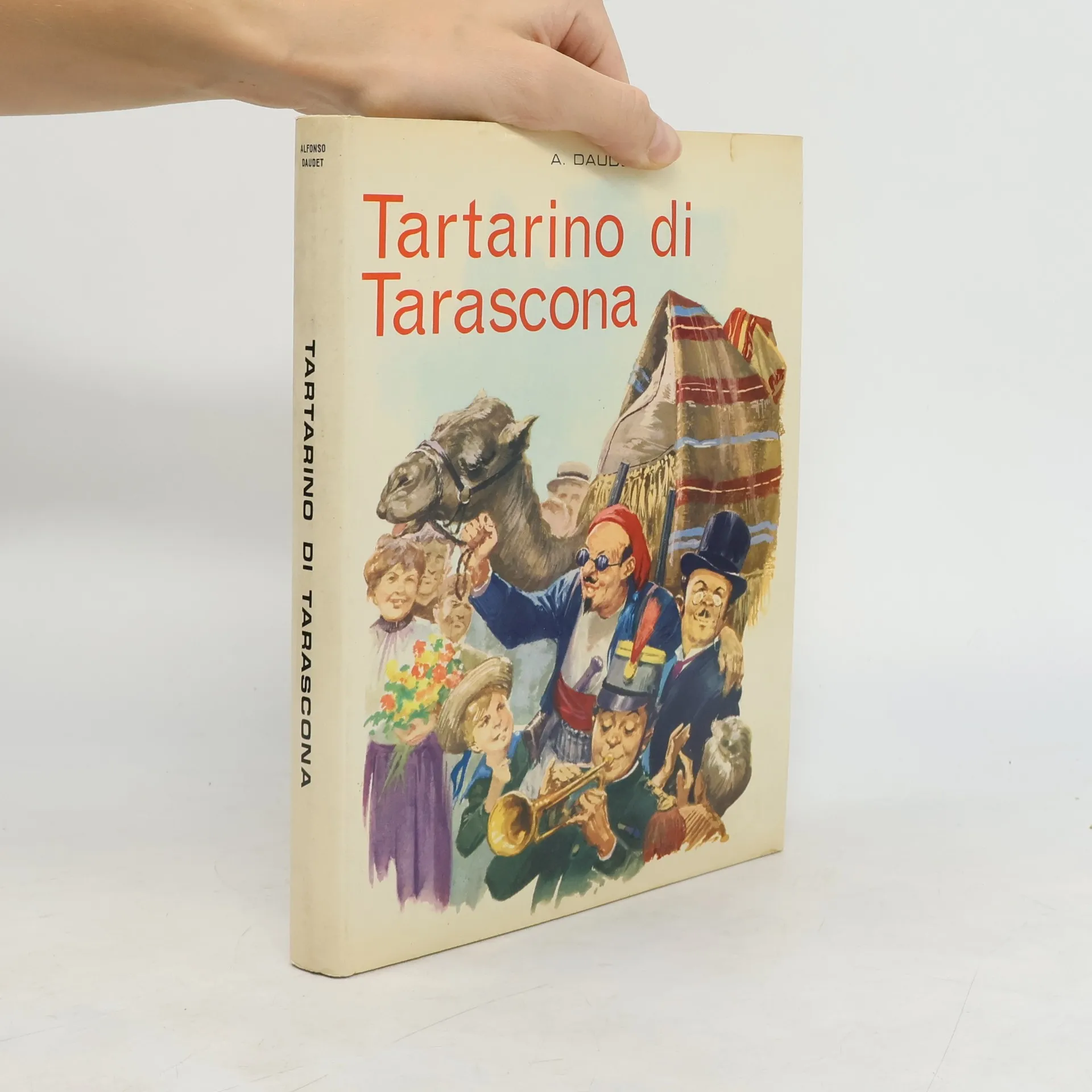
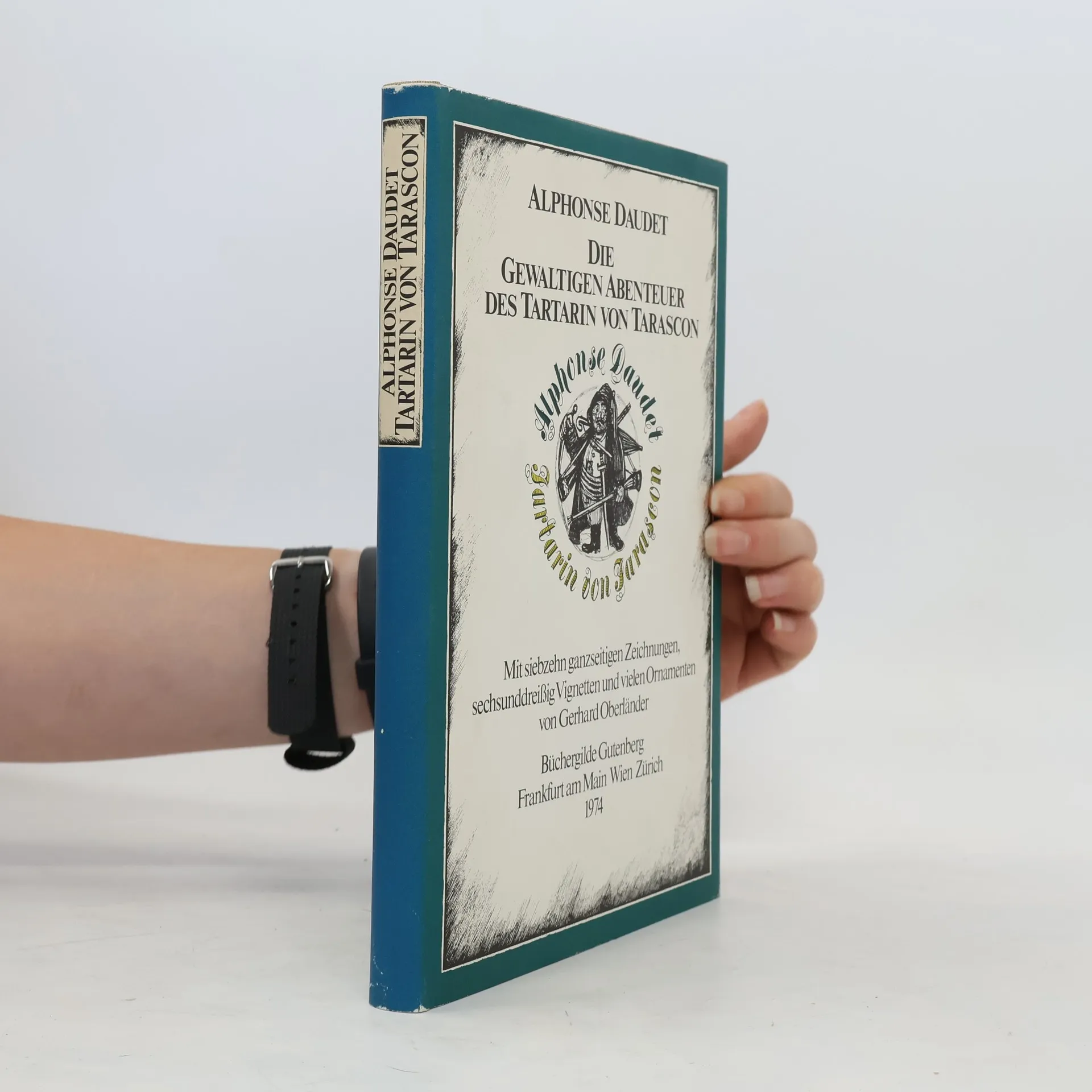
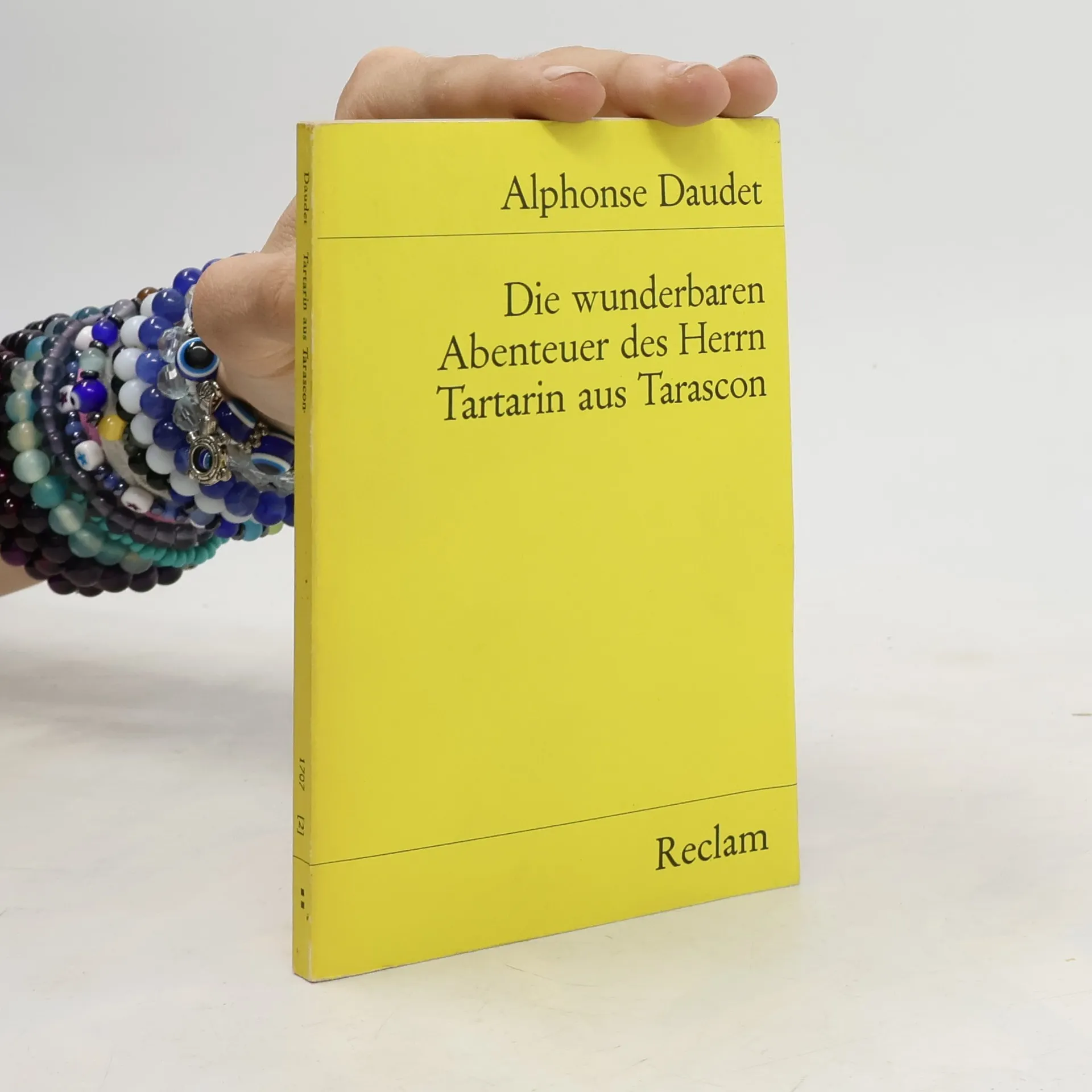
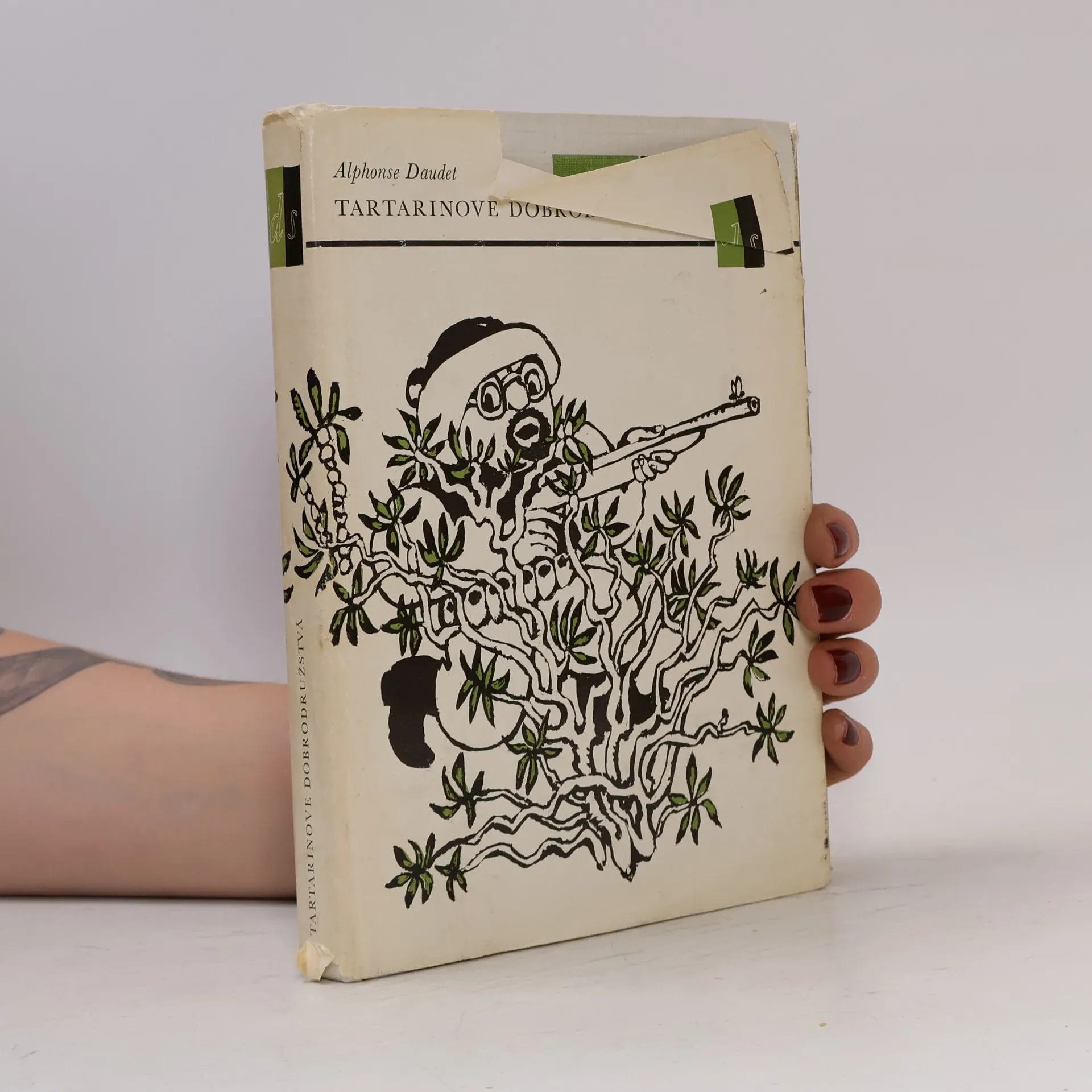
S odvážným Tartarinem poznáte mravy a zvyky jihofrancouzského venkova, vydáte se do Alžírska na lov lvů a samozřejmě oceníte specifický lehký humor Alphonse Daudeta.
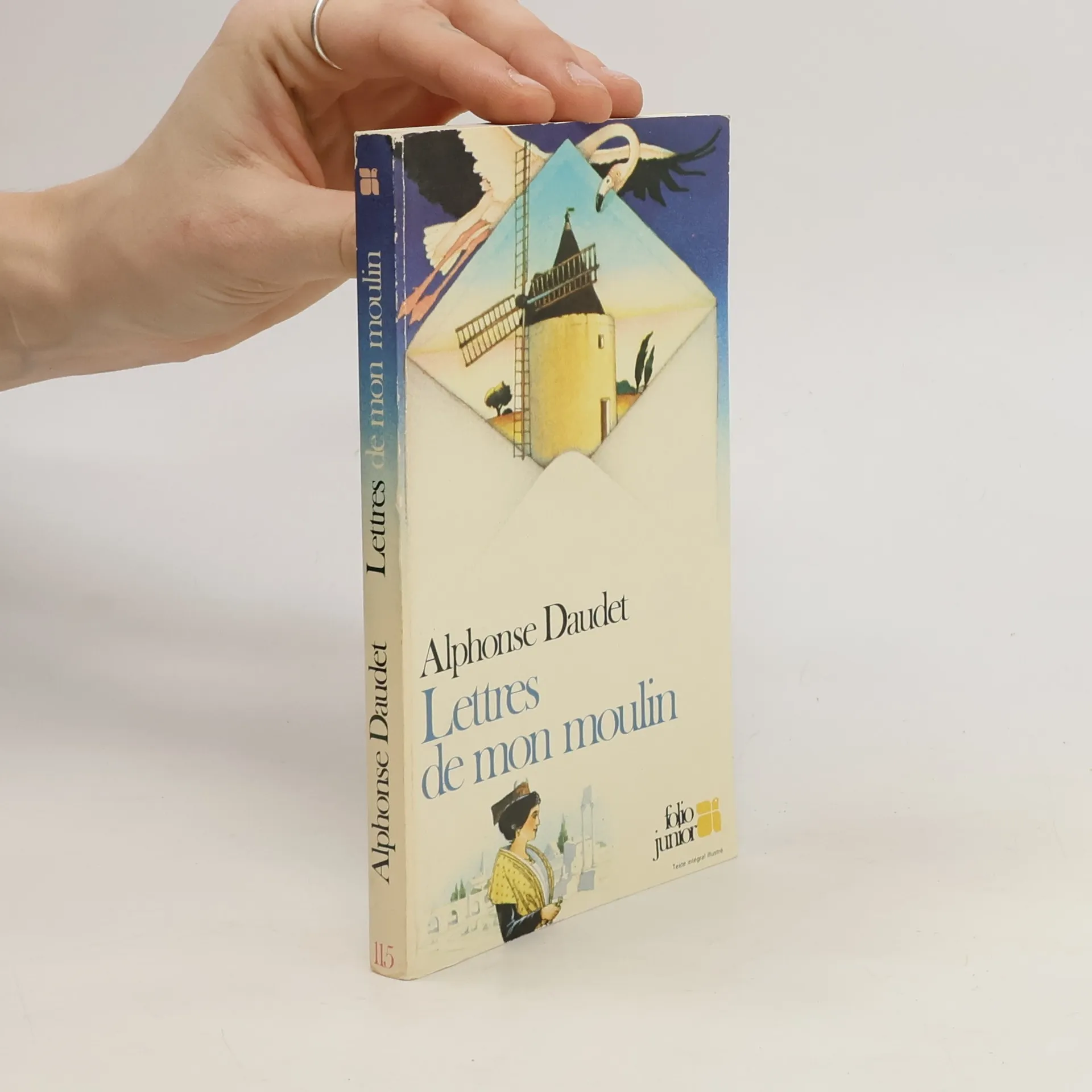
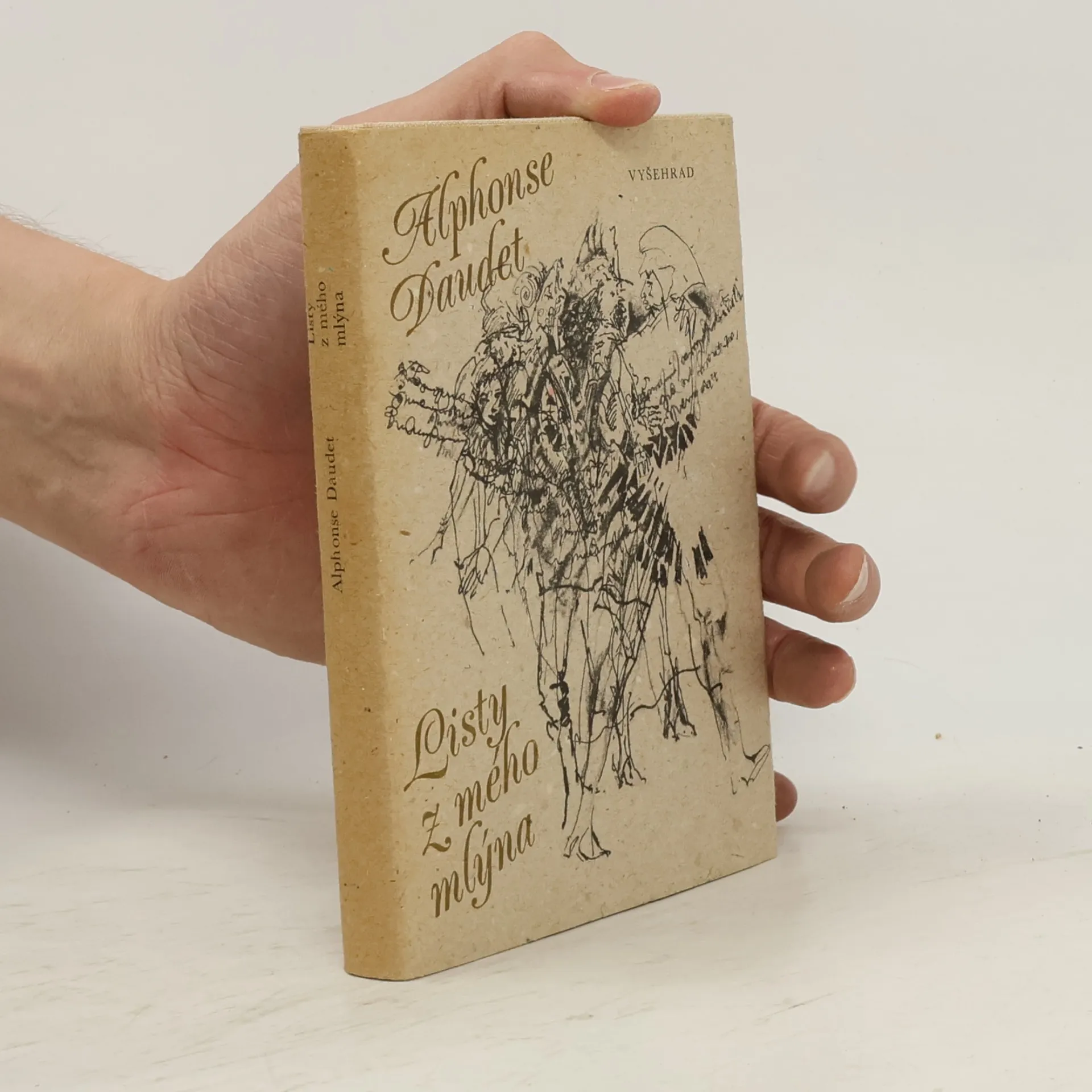
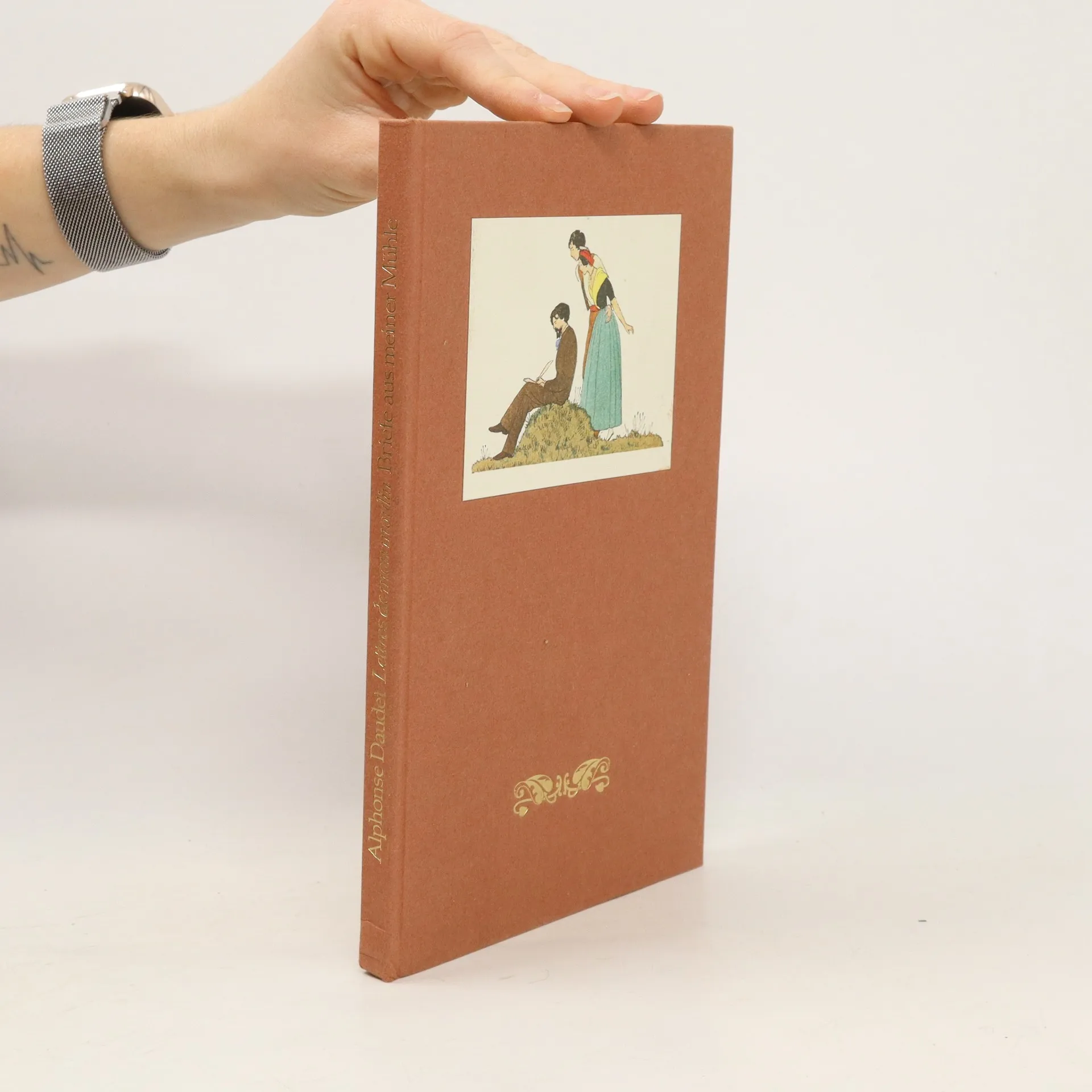
Klasik francouzské prózy Alphonse Daudet (1840-1897) je sice považován za čelného představitele naturalismu, nikdy však nesdílel jeho pesimismus, věřil v dobrotu prostého člověka, jehož zidealizovaný obraz tvoří hrdinové velké části jeho děl. Takové jsou i Dopisy z mého mlýna. Dojemnéa krásné povídky z jeho rodné Provence mají ve své prostotě až kouzelnou moc. Jsou vybrané a ilustrované sochařem Miloslavem Chlupáčem (1920) - jde o jeho první ilustrace, unikátní sochařským rukopisem a citlivostí. Šťastný soulad, který snad opomíjeného Daudeta opět přiblíží čtenářům.
Vášnivá, kalkulující, jen občas čestná, ale vždy upřímná Fanny Legrand je jednou z velkých ženských postav literatury. Nic nemohlo být šokující pro Jeana Gaussina, vážného mladého studenta z provincií, než morální bažina, v níž jeho milenka žila před jejich setkáním. Modelka sochaře, múza básníka, Fanny Legrand za dvacet let od svého prvního milence, Caoudala, viděla a zažila všechno. Ten ji z pařížské stoky odlil do bronzu a pojmenoval Sappho. Avšak odpor se nemůže rovnat touze; a pomalu, navzdory neustálým výbuchům vzteku a žárlivosti, se Jean dokáže vyrovnat s Fannyinou hanebnou minulostí, nachází určité potěšení v degradované domácnosti jejich společného života a dokonce cítí jistou hrdost na své nové známosti se slavnými muži. Příchod mladé dívky, vhodné k sňatku, se zdá nabízet Jeanovi únik, který potřebuje...
Au lvu! Au lvu! Ať přijdou teď! Ať vyjdou! Hrozní Teurs, čínští tygři a bandité Touareg! Tartarin je čeká... Malý, s rudou tváří a jiskřícími očima, jeho dobrosrdečná zuřivost nikoho nešetří. Číhá ve své zahradě za malým baobabem v květináči, zabíjí všechno, co se hýbe, protože "to je jeho povaha". V Tarasconu, zemi slunce a přehánění, dělá dojem. Když ho provokuje šelma z Ménagerie Mitaine, když unikne jediná věta z úst velkého lovce, celé město čeká... Plazit se uličkami, ozbrojen až po zuby, už nestačí. Ne! Ne! Ne! Tartarin se chystá na cestu. A na jaký lov! Vodní dýmka, zahalené ženy, přehnaná něha velblouda... Pozor, Tartarine, ať už s puškou nebo bez ní, pokud ho směšnost nezabije, určitě pobaví...
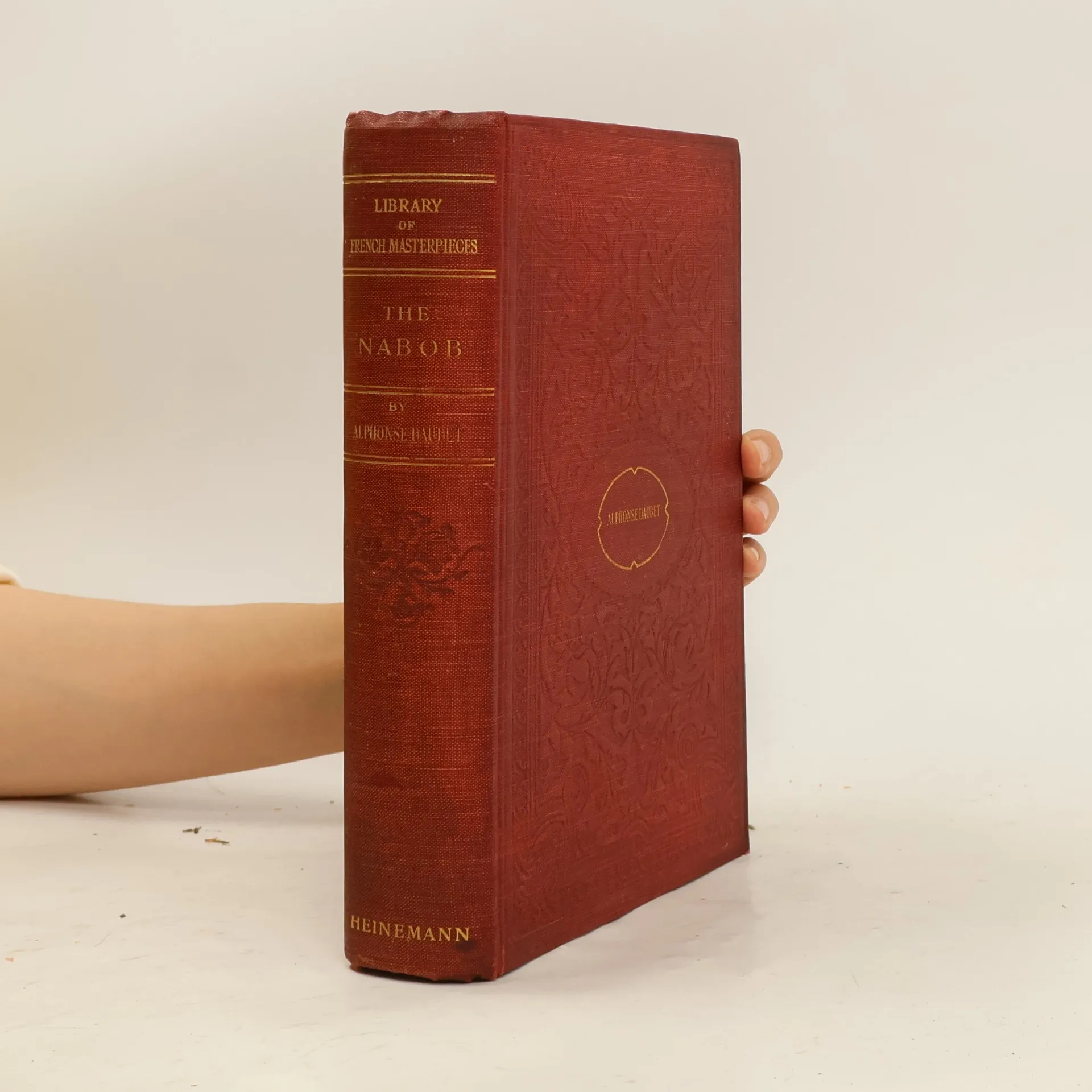
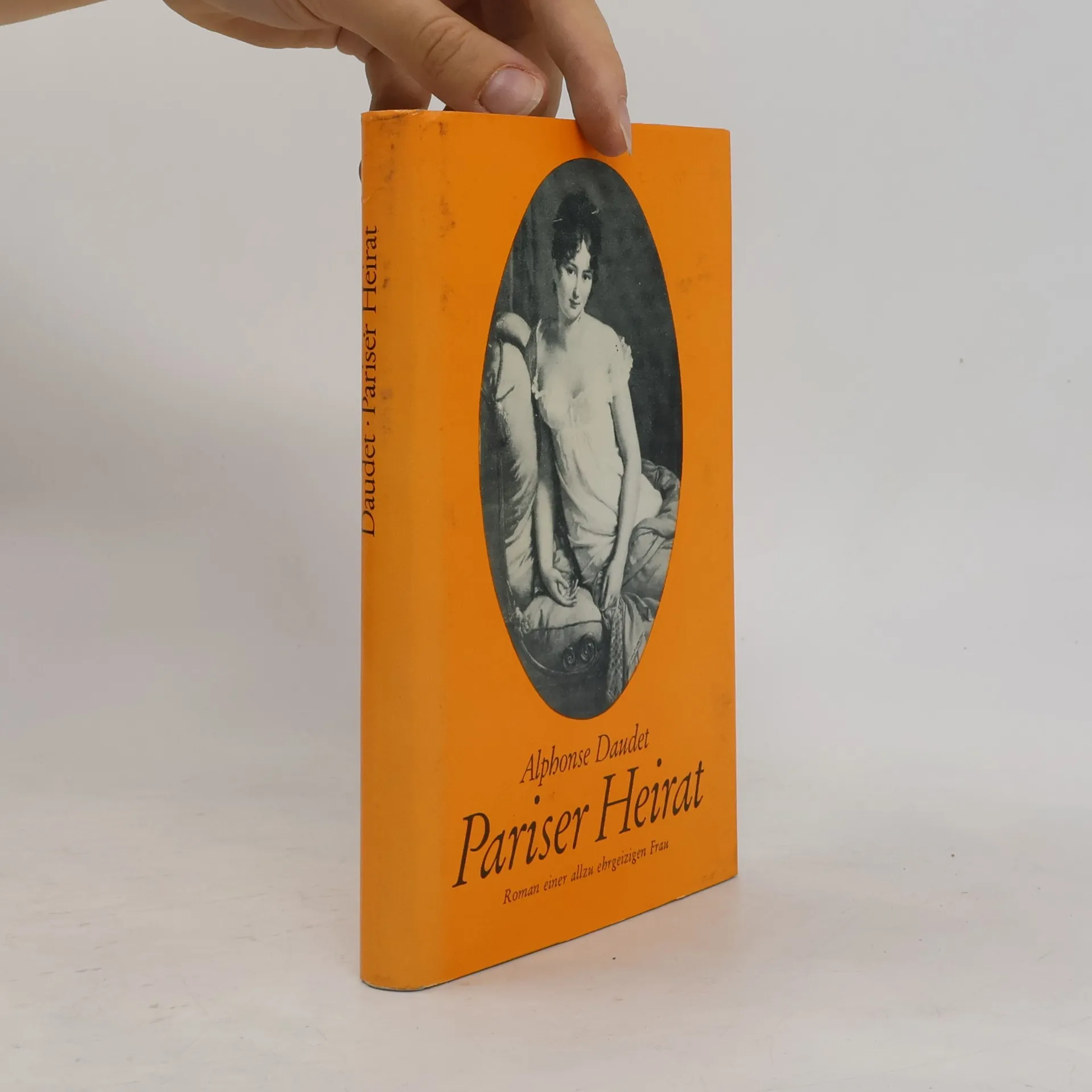
Jeden ze slavných románů čelného představitele francouzského naturalismu (1840-1897). Příběh, ve kterém se na pozadí živelné venkovské Provence a později Paříže vysoké buržoazie i lidových zábavních sálů sedmdesátých letminulého století líčí portrét muže z jihu, který udělá vPaříži velkolepou politickou kariéru, ale jeho jižní neuvážlivá vznětlivost a neodpovědnost způsobí hluboký rozvrat v jeho manželství.
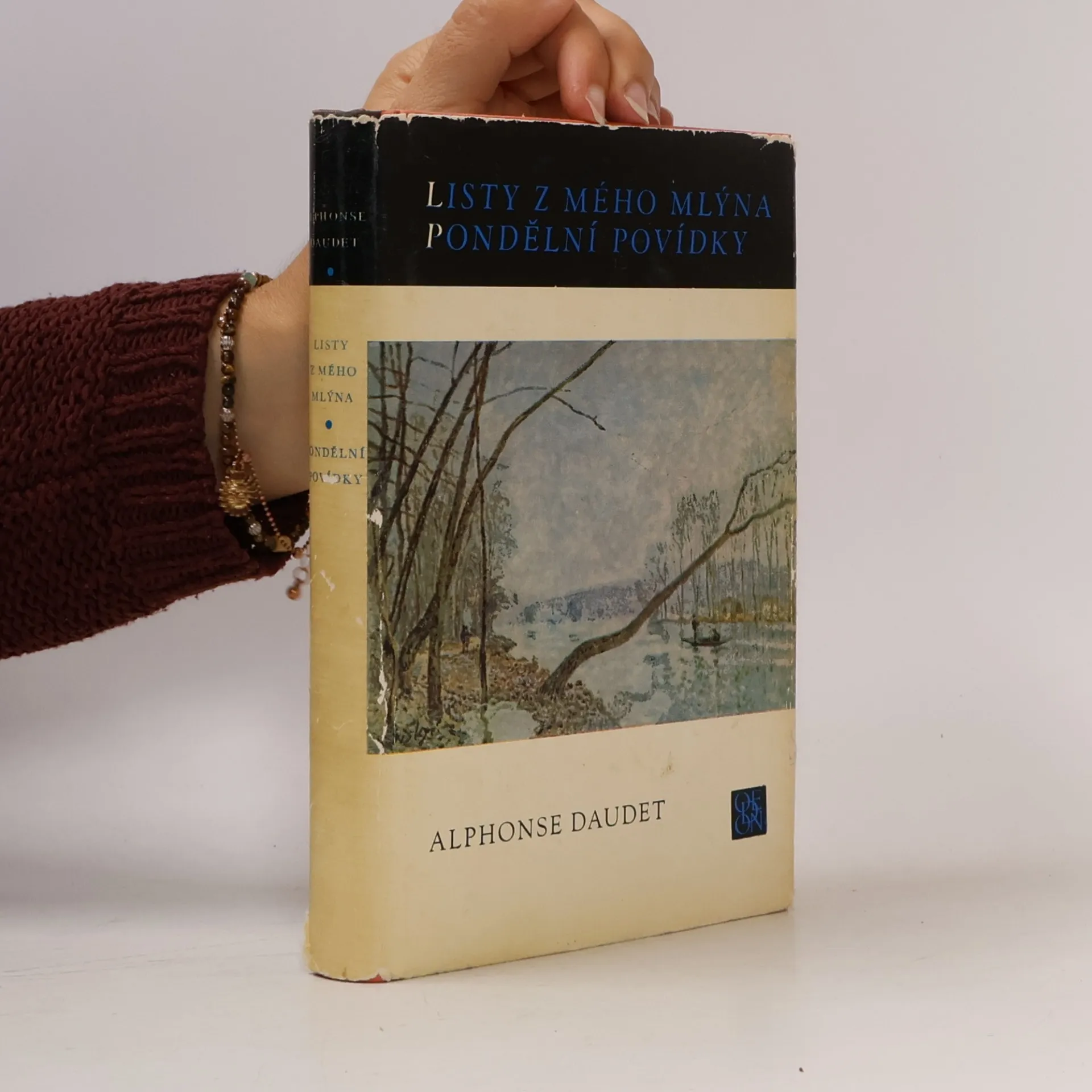
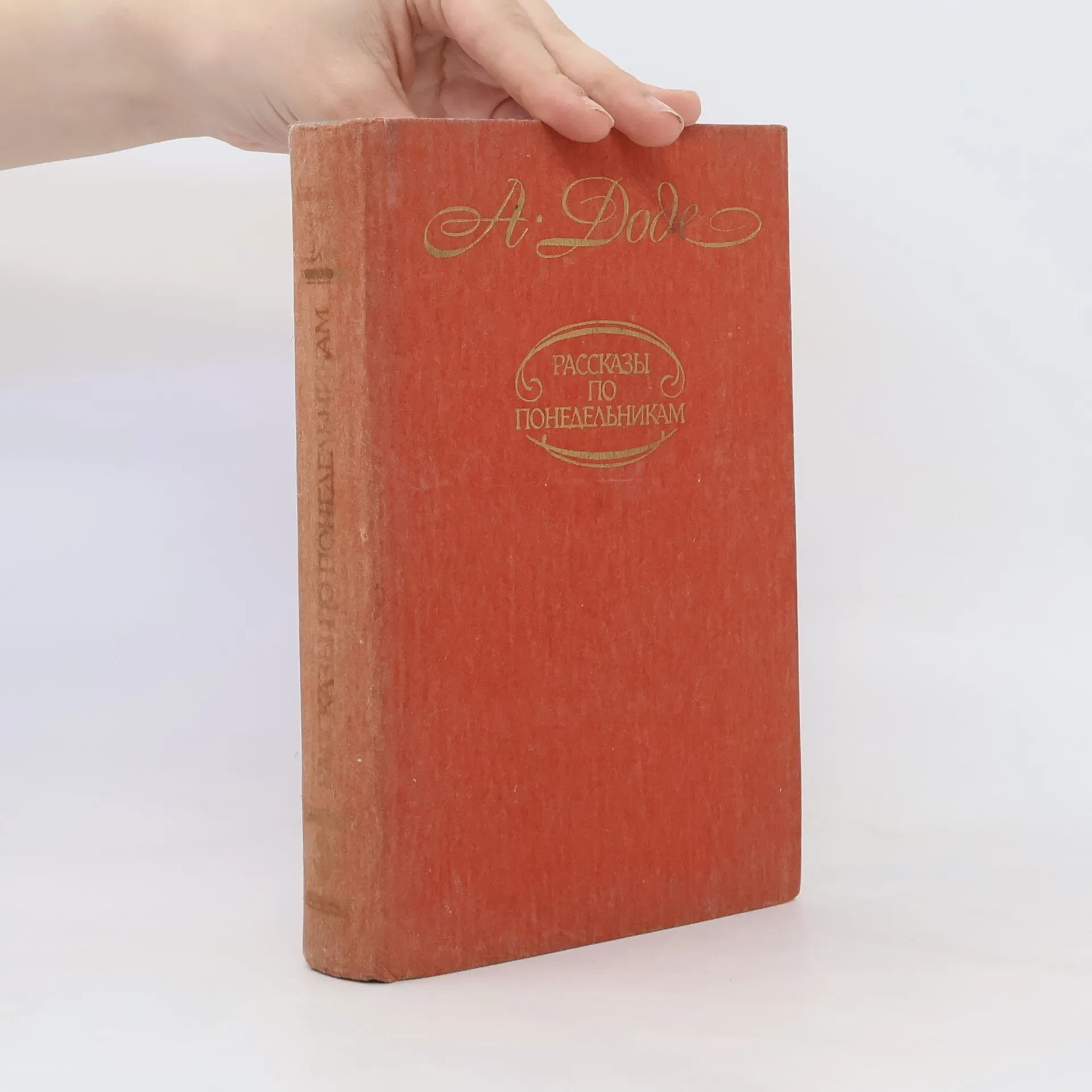
Dvě povídkové sbírky francouzského prozaika a dramatika. První, v níž autor vzdává hold rodnému jihofrancouzskému kraji, přináší poetické příběhy o dobromyslných provensálských venkovanech, o jejich čtyřnohých přátelích i o divukrásné přírodě, v níž žijí; idylicky smířlivé vyznění většiny příběhů navozuje atmosféru pohody, kterou zvýrazňuje ironický nadhled autorův, přecházející do humorných poloh. Druhá vypráví zejména o strastech drobných lidí za francouzsko-pruské války, přičemž většina povídek je prodchnuta hlubokým vlasteneckým cítěním prostých lidí, kteří jsou ochotni položit životy pro záchranu země. Karel Livanský: „Dvě knihy Daudetových povídek“.
Příběh nešťastné lásky mladého venkovana Jeana Gaussina a Fanny Legrandové, která stojí modelem sochaři Caoudalovi k soše Sapfó. Edice Slavné romány, svazek 5.
S odvážným Tartarinem poznáte mravy a zvyky jihofrancouzského venkova, vydáte se do Alžírska na lov lvů a samozřejmě oceníte specifický lehký humor Alphonse Daudeta.
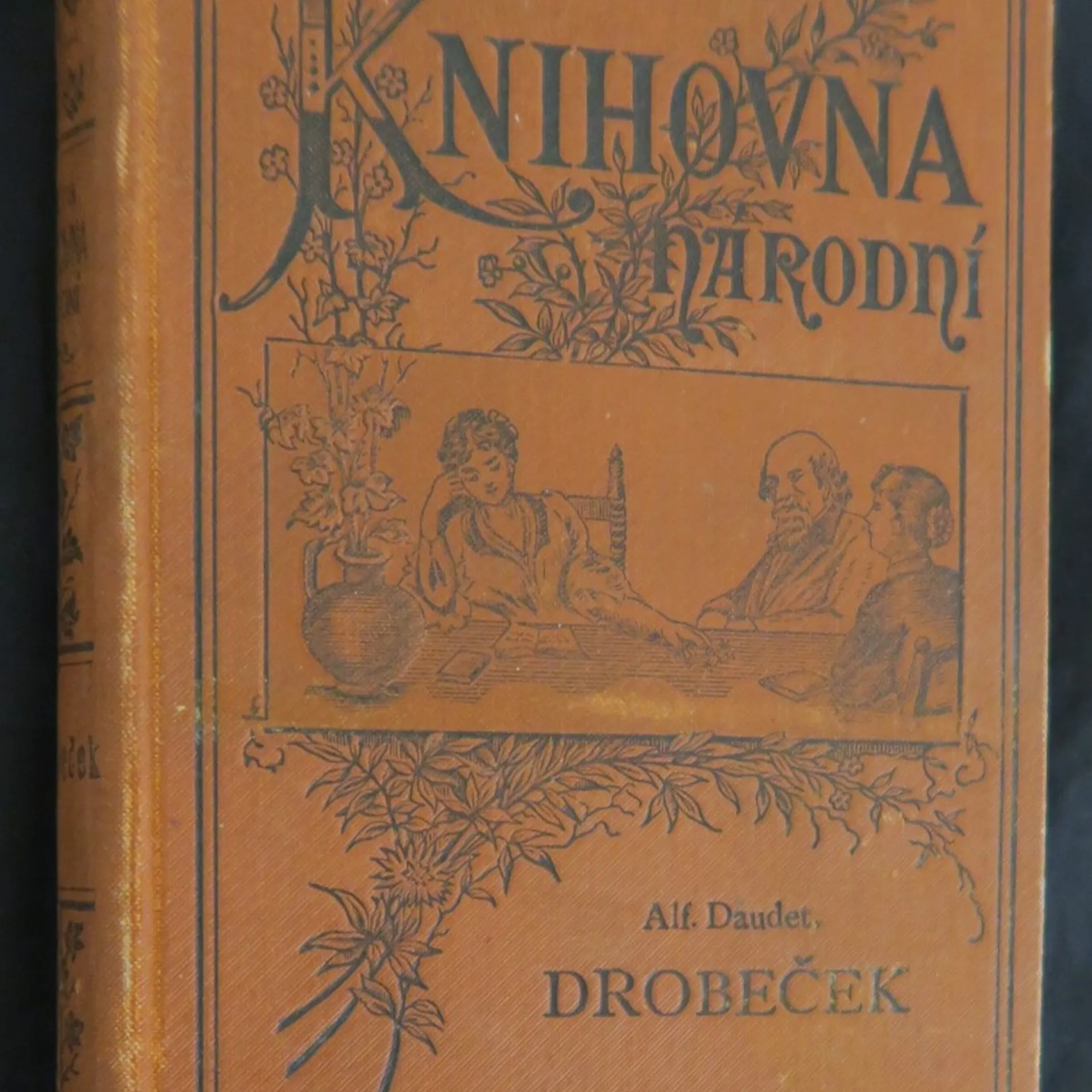
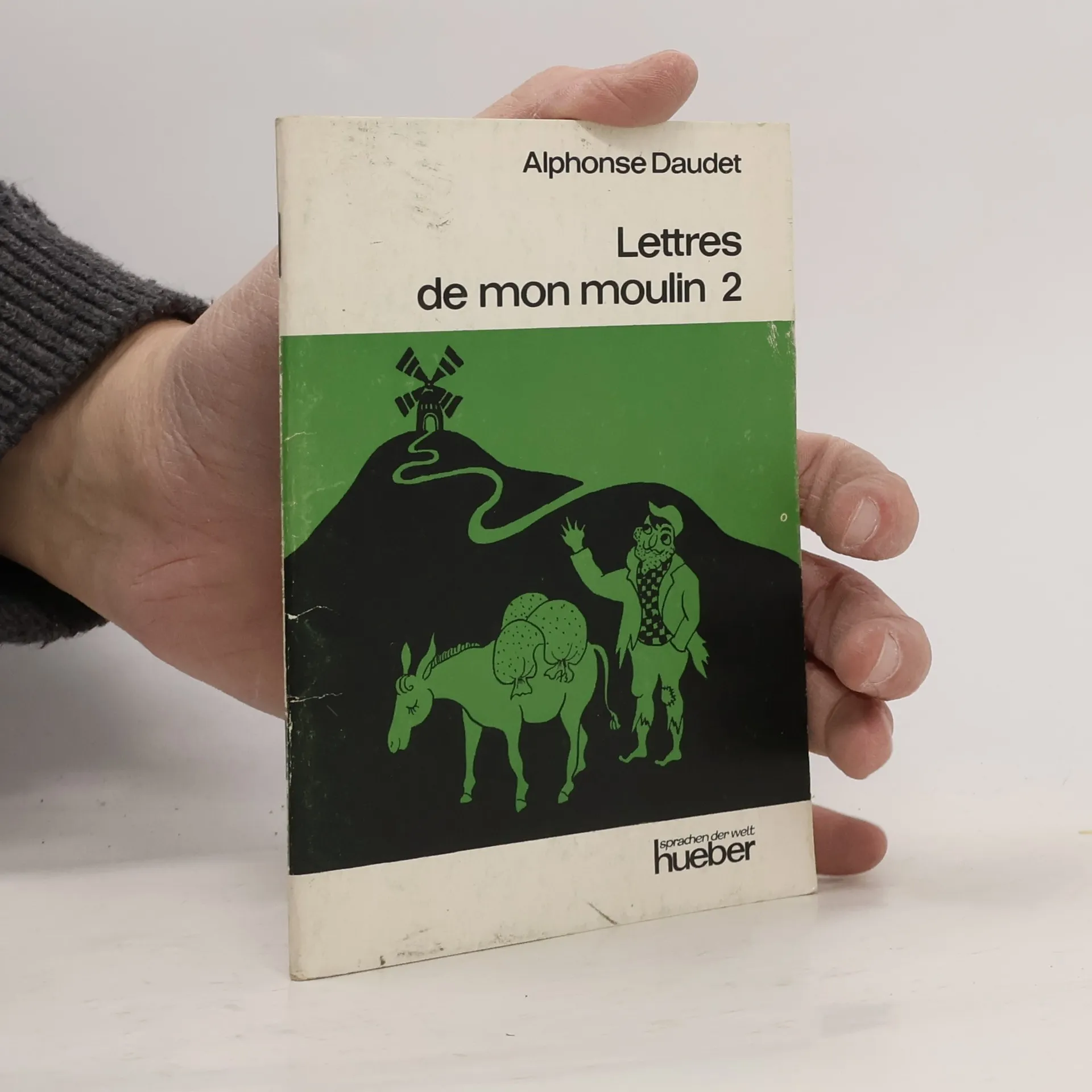
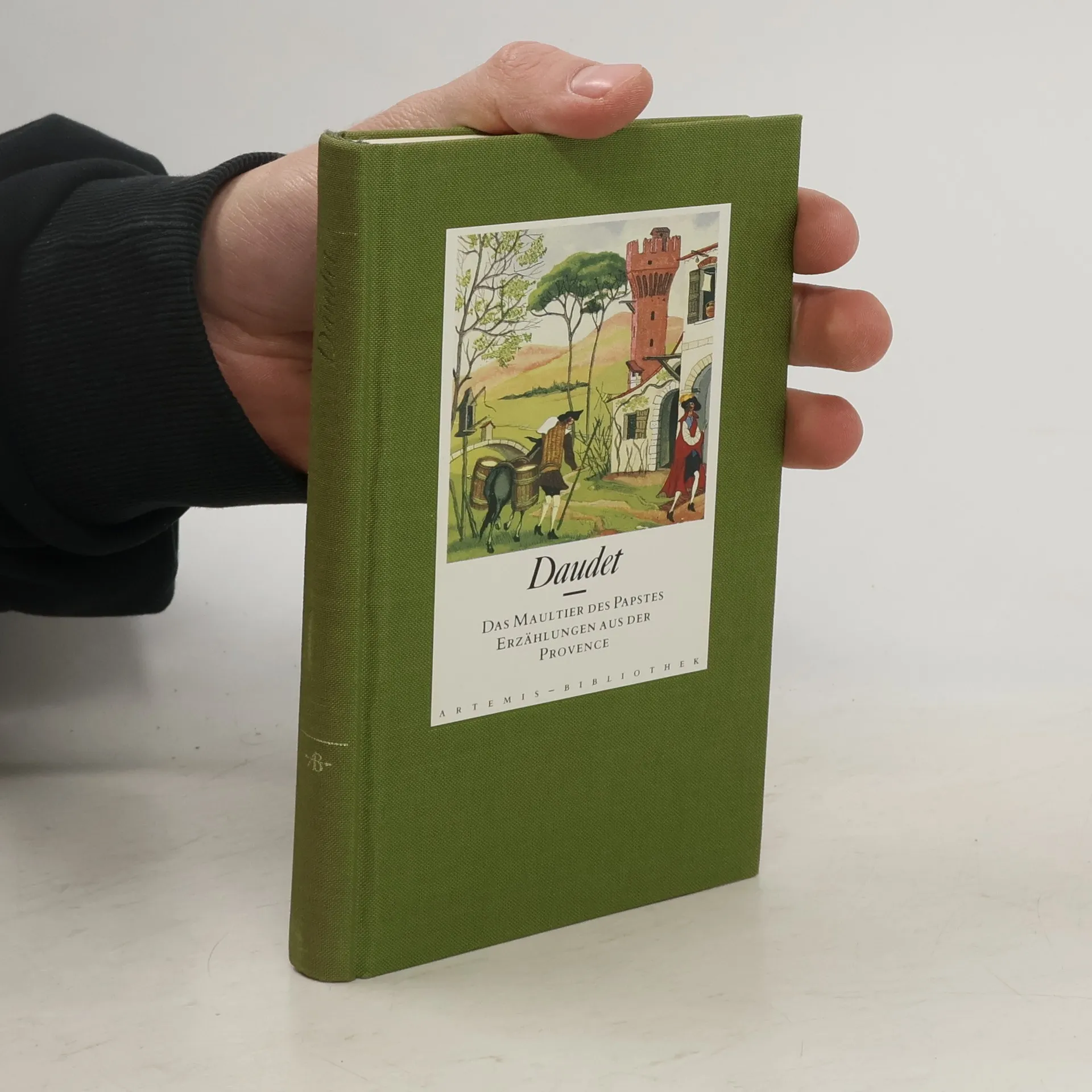
Pěkné provensálské povídky z 19. století. Drobné povídky, jejichž náměty čerpal Daudet ze vzpomínek na rodný kraj, vycházely v denním tisku až do roku 1869 a první vydání souboru bylo nazváno „Provencalské kroniky“. Opěvují patriarchální mravy a způsob života tamních venkovanů, vyprávějí o jejich drobných i velkých radostech a starostech, o jejich láskách a o tragických osudech námořníků. Mnohé jsou laděny lyricky, často s přídechem humoru; v několika mistrovských dílkách cítíme skrytý satirický posměšek církvi a jejím představitelům. Lyrická sentimentalita maloměšťáckého romantika, jakým byl autor podivuhodných dobrodružství Tartarina ve své prvotině, je vlastně jakýmsi druhem protestu proti expansi kapitalistické skutečnosti do idyly milované Provence. „Listy“ jsou napsány prostým, přitom však čistým jazykem, tak jako by Daudet se čtenářem přímo vyprávěl. 33-691-85
The novel follows Jack, a young orphan navigating the challenges of poverty and societal prejudice in 19th-century Paris. Through his coming-of-age journey, Jack encounters diverse characters, learning lessons about resilience, compassion, and friendship. Daudet vividly portrays the social injustices faced by the marginalized, exploring themes of class disparity and the human capacity for kindness. This poignant tale offers a gripping narrative that highlights the enduring strength of the human spirit in overcoming adversity, making it a timeless story for all readers.
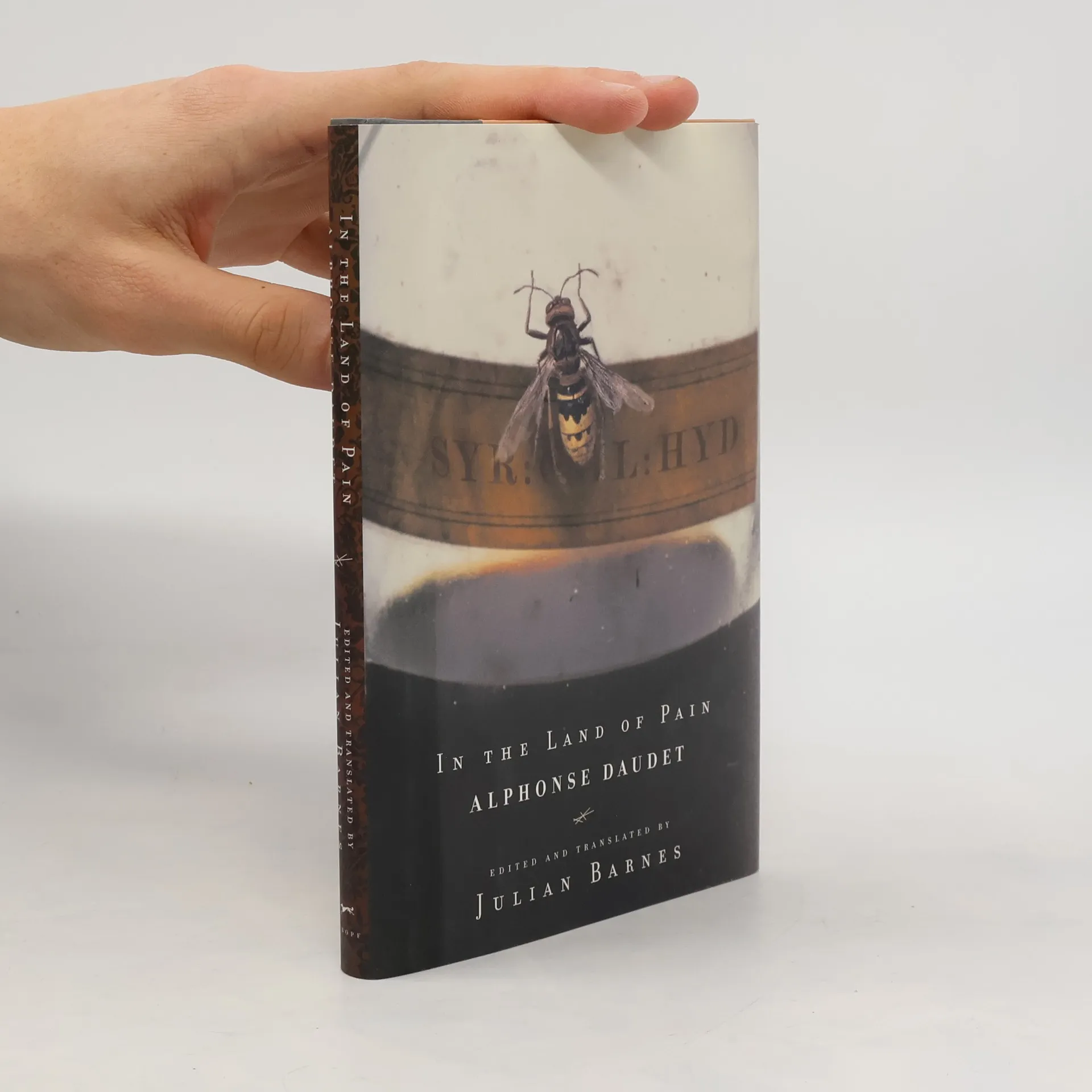
As Julian Barnes notes in his introduction to Alphonse Daudet’s La Doulou, the writer, who lived from 1840 to 1897, was once celebrated as a leading literary figure. Henry James referred to him as “the happiest novelist” and “the most charming story-teller” of his time. However, Daudet was also part of a tragic group of nineteenth-century French writers afflicted by syphilis. In the Land of Pain—notes toward an unwritten book—Daudet offers a poignant response to his illness.
With quick, incisive strokes, he details his symptoms, describing pain as a “one-man-band” and his treatments as “morphine nights” filled with sleeplessness and existential void. He reflects on his fears, seeking meaning in pain and urging it to be his philosophy and science. Daudet shares observations of fellow patients at spas, noting the cultural contrasts in their experiences, and he contemplates the deceptive nature of death, which seems to merely thin out life.
Barnes’s translation captures the essence of these notes, creating a record that is both shattering and lighthearted, haunting yet beguiling. This work reveals the dual nature of physical suffering—its banality and transformative power—while celebrating the complex resilience of the human spirit.
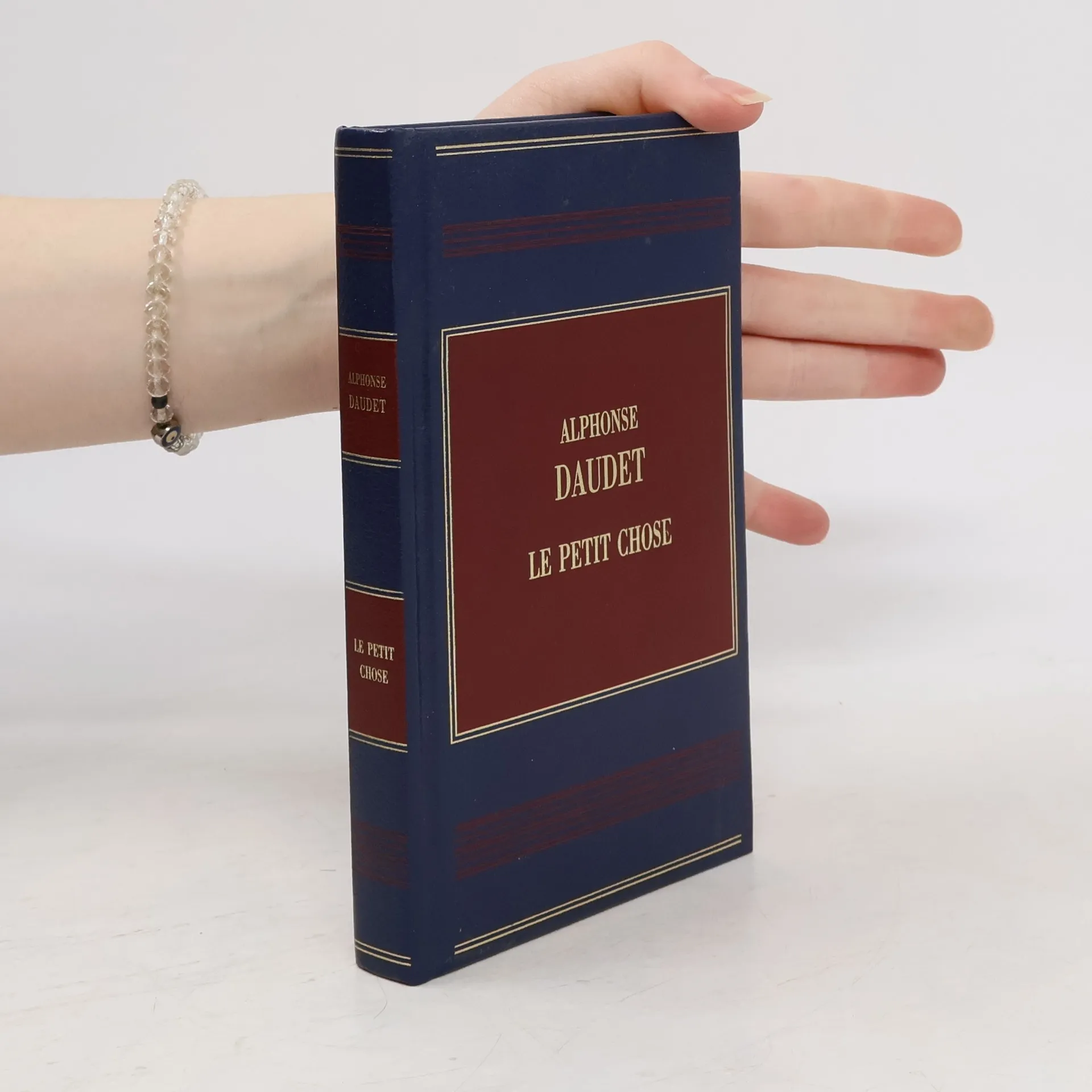
This first work by Alphonse Daudet draws heavily from the author's own biography. It follows Daniel Eyssette, a child from the South exiled in the fog of Lyon after his father's bankruptcy, who is derisively called "the little thing" by a professor. It also depicts his experiences as a terrified school monitor, a poor young man torn between dreams of glory and romantic temptations, wandering the streets of the capital. Characters such as the fearsome Mr. Viot, the unfortunate servant known as "the black-eyed one," the black woman Coucou-Blanc, and the tender older brother nicknamed "Mother Jacques" are vividly portrayed. While close in some respects to naturalism, Daudet's depiction of schools and literary bohemia is infused with the humor and poetry that made "Letters from My Mill" successful. A novel of a humiliated childhood, bearing a dark social vision and ambiguous morality that would resonate with Jules Vallès, "Le Petit Chose" remains a classic, straddling the worlds of Dickens and Zola.
Tartarin Of Tarascon To Which Is Added Tartarin On The Alps
384 stránek
14 hodin čtení
The book is a facsimile reprint of a scarce antiquarian work, reflecting its historical significance. It may exhibit imperfections typical of older texts, including marks and notations. The publisher emphasizes its cultural importance and commitment to preserving literature by offering this high-quality edition that remains faithful to the original.
The narrative explores Alphonse Daudet's literary journey, highlighting his early works and the gradual recognition he gained as a novelist. His collection of poems, "Les Amoureuses," marked his entry into writing, while "Lettres de Mon Moulin" showcased his talent and drew significant attention. "Le Petit Chose," although not an immediate success, reflects his formative years with a blend of grace and pathos, offering insight into his life experiences and emotional depth. Daudet's evolution as a writer is underscored by his contributions to literature during the 19th century.
This edition focuses on making historical works accessible to individuals with impaired vision through large print. The publishing house Megali is dedicated to preserving and reproducing these important texts, ensuring that they remain available to a broader audience.
Translated by Laura Ensor, Illustrated by De Bieler, Myrbach and Rossi
142 stránek
5 hodin čtení
The narrative explores Alphonse Daudet's journey as a French novelist, highlighting his early works and growing recognition in literature. His collection of poems, Les Amoureuses, and his contributions to Le Figaro mark the beginning of his literary career. Notably, Lettres de Mon Moulin captures the charm of Provence, while Le Petit Chose reflects his own youth with grace and emotion, showcasing his distinctive storytelling style. Daudet's life and writings reveal a blend of personal experience and literary ambition that resonates with readers.
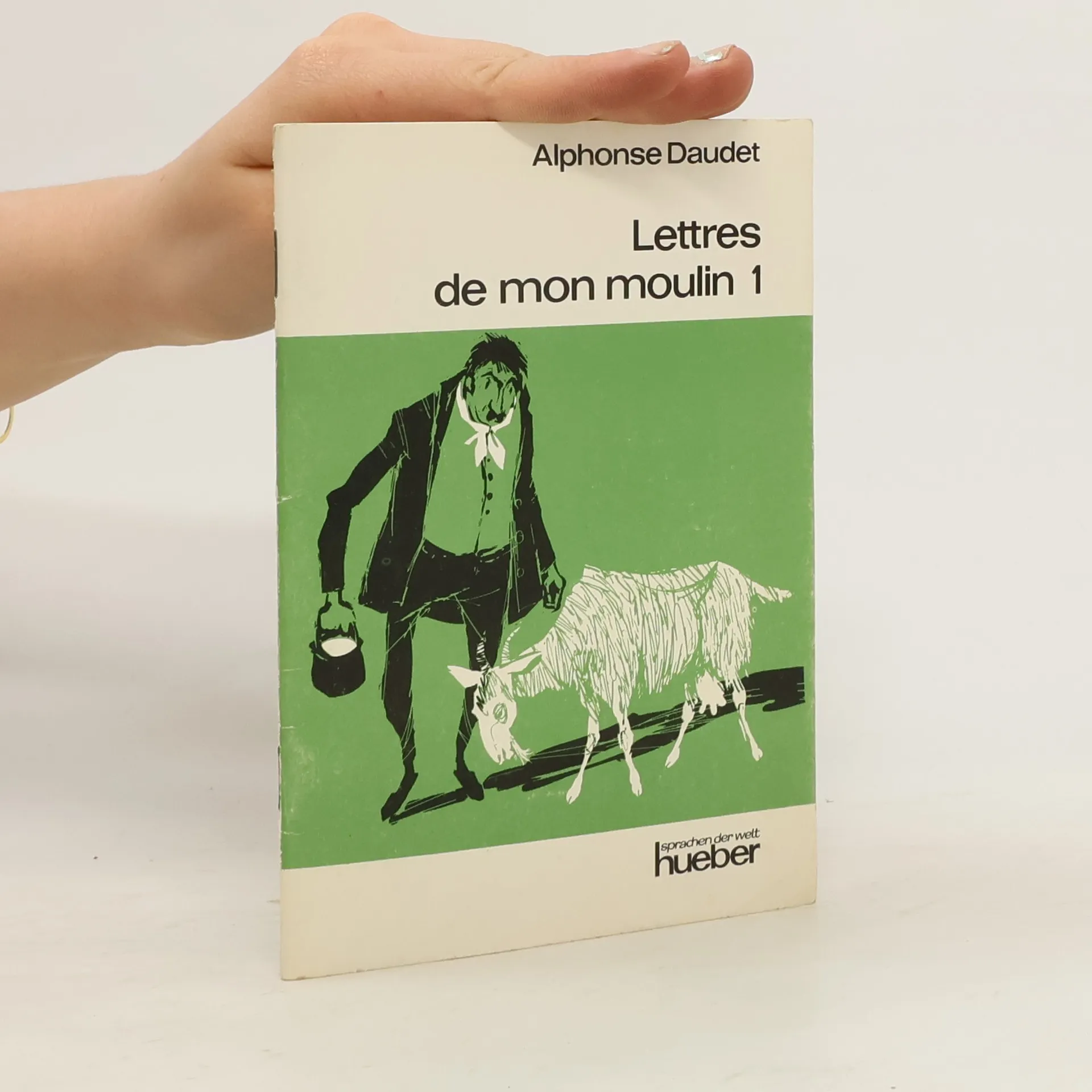
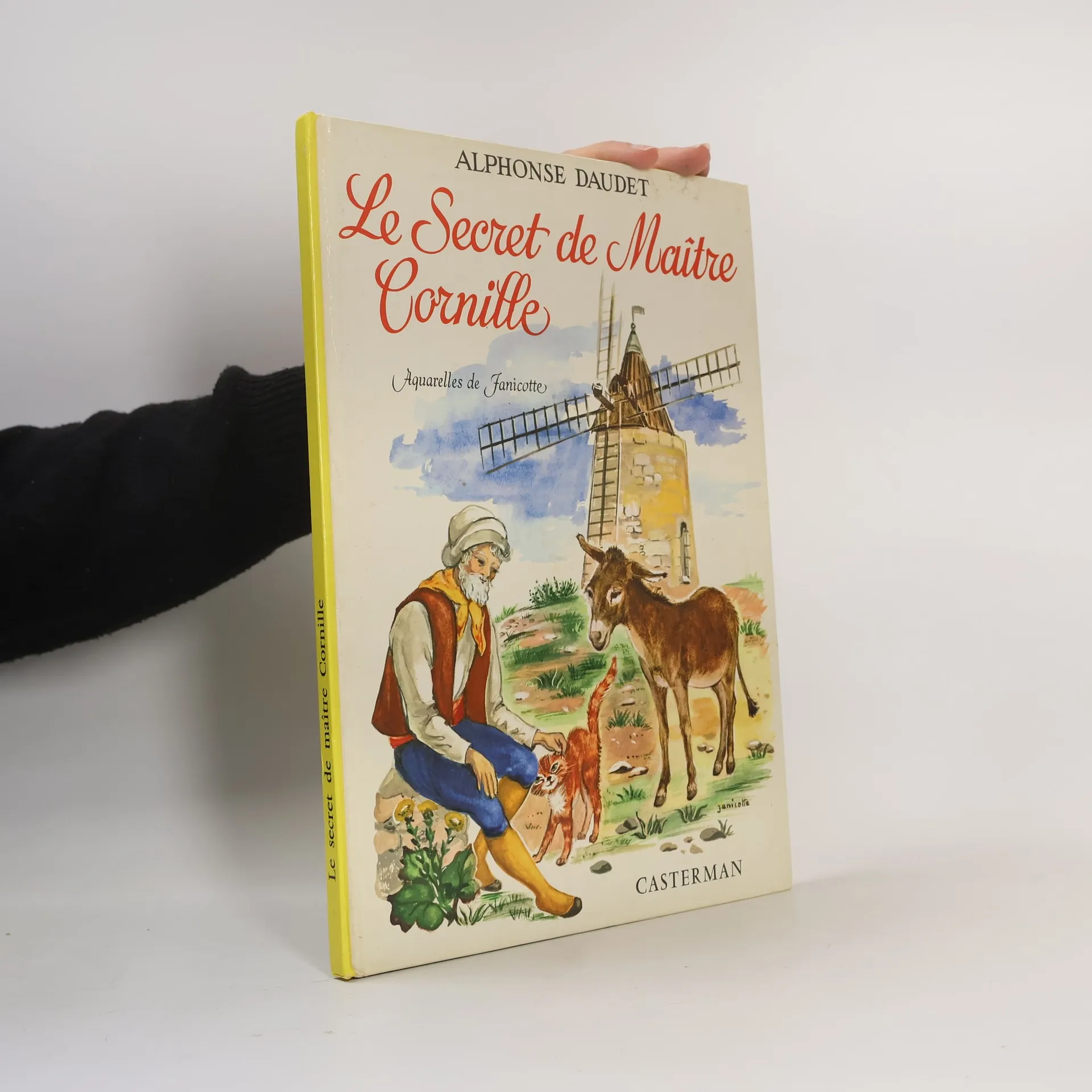
" Ah ! Gringoire, qu'elle était jolie la petite chèvre de M. Seguin ! qu'elle était jolie avec ses yeux doux, sa barbiche de sous-officier, ses sabots noirs et luisants, ses cornes zébrées et ses longs poils blancs qui lui faisaient une houppelande !... Un amour de petite chèvre... "
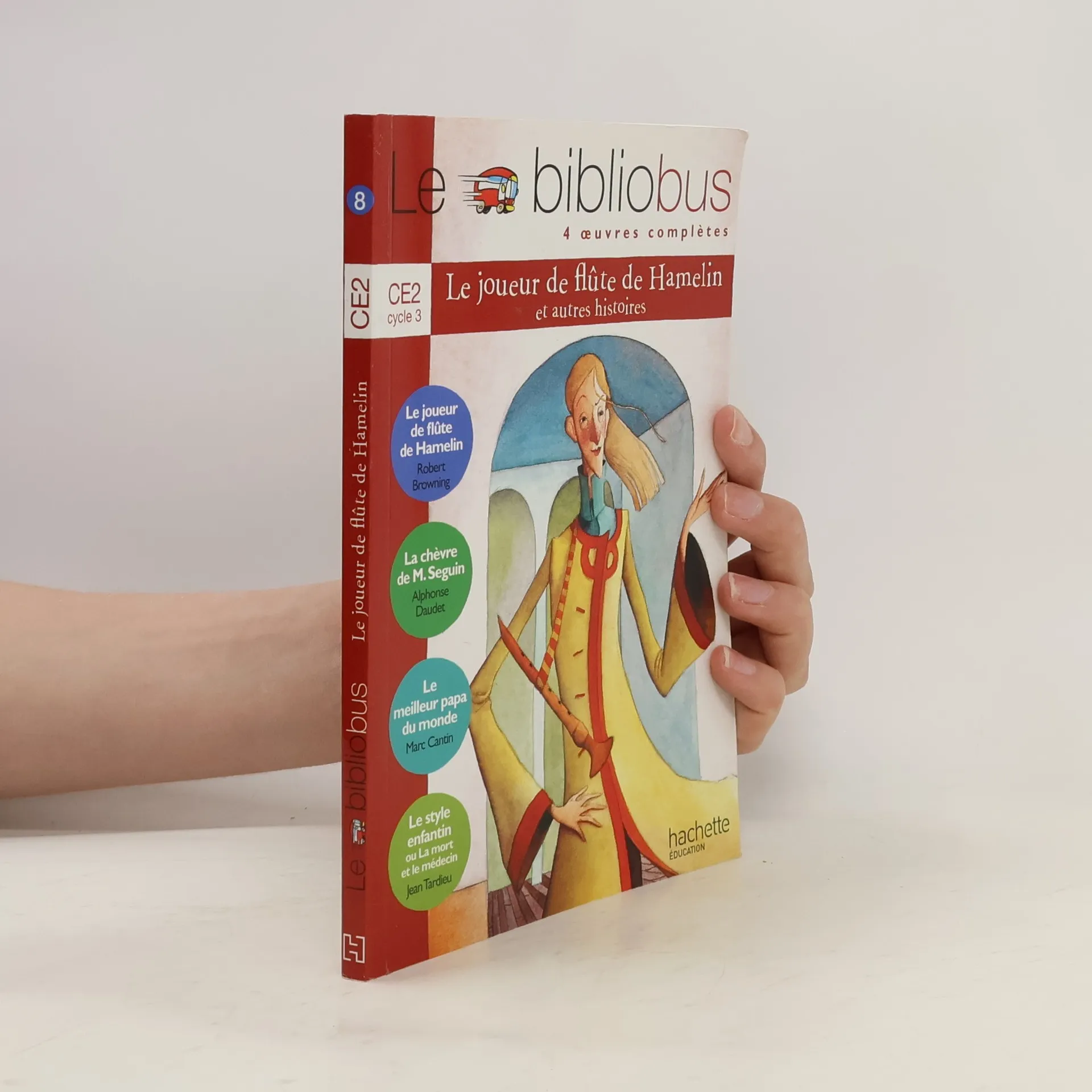
Un recueil de quatre oeuvres intégrales de littérature de jeunesse illustrées, pour lire, comprendre et échanger au CE2. Ce recueil regroupe quatre oeuvres intégrales : Contes : - Le Joueur de flûte de Hamelin de Robert Browning - La Chèvre de Monsieur Seguin d'Alphonse Daudet Roman et Récit illustré : - Le Meilleur Papa du monde de Marc Cantin Théâtre : - Le Style enfantin ou La mort et le Médecin de Jean Tardieu Chacun des textes proposés est : - annoté pour les mots requérant une définition ; - illustré en couleur au fil du texte.
Nikolaj Gogol (1809-1852) gilt als eigentlicher Begründer des sozialkritischen Realismus der russischen Literatur. Für Gogols Werk kennzeichnend ist einerseits die auf seine russische Mutter zurückgehende abgründige, apokalyptische Mystik und andererseits die auf die ukrainische Herkunft des Vaters fußende skurrile Leichtigkeit und Sinnfreudigkeit. Dabei tritt bei Gogol alle sinnliche Problematik als buntes äußeres Geschehen hervor. Eine sehr lesenswerte und gleichzeitig amüsante wie zu Herzen gehende Sammlung von Erzählungen und Kurzgeschichten des großen russischen Klassikers der Abgründe der menschlichen Seele, Nikolaij Gogol. Der Jahrmarkt von Sorotschinzy, Die Johannisnacht, Der verlorene Brief, Die Mainacht, Die Nase.
Málokedy sa umelcovi podarí ukázať s takým zdarom a plastičnosťou ako v Dokonalom manželstve,z akých povahových prvkov z ctižiadosti, z nádeje, z túžby po vyniknutí, inokedy z duševného útlaku a skrytej sily sa medzi párom ľudí rodí náklonnosť,ľúbosť, náruživosť,a niekedy,ako aj tu,sklamanie a zrada, no aj možnosť obrody vzájomného života. Daudet však nielen kreslí,ale aj strháva romantické ilúzie a učí posudzovať ľudí nie podľa vonkajších predností,ale podľa ich ľudskej hodnoty. Vysoké kompozičné umenie vytvára z tejto drámy žiarlivosti neobyčajne pútavú históriu. Daudet je však okrem toho veľký štylista,celý román je plný prenikavej,no neubijajúcej irónie a jemného humoru. Nadovšetko je tento spisovateľ veľký opisovateľom přírody,dokonalým zobrazením hmlou opradeného parížskeho kraja,nádherných tieňosvitov,hôr,partiami z rybačky po hladine Seiny,prekrásneho bretónskeho pobrežia a mora všetkého toho,čo v jeho čase objavovali francúzski maliari-plenéristi a čo v literárnom umení stavia Daudeta po bok veľkého Rusa,Ivana Sergejeviča Turgeneva. Ďalšie informácie ...
L'histoire est racontée à la première personne, s'adressant typiquement à un lecteur parisien. L'auteur, ayant quitté Paris, raconte de courtes histoires bucoliques sur sa nouvelle vie en Provence ainsi que ses voyages en Corse et en Algérie française. Considérées comme légères et souvent un peu sarcastiques, les histoires varient des événements quotidiens dans le sud de la France aux contes folkloriques provençaux, et présentent souvent des professions et des références faunales caractéristiques de la Provence.
Die Erzählung beleuchtet die emotionalen und psychologischen Auswirkungen einer Ehescheidung auf den Protagonisten, Regis de Fagan, einen Komödienautor. Nachdem seine unglückliche Ehe beendet ist, verwandelt sich seine anfängliche Erleichterung schnell in eine tiefe Traurigkeit über die Trennung von seinen beiden kleinen Töchtern, die bei der Mutter bleiben. Alphonse Daudet thematisiert eindringlich die Themen Verlust und Entfremdung, während er die komplexen Gefühle eines Vaters in einer schwierigen Lebenssituation einfängt.
Tartarin de Tarascon est le personnage principal, sous forme d'antiheros, d'une serie de romans d'Alphonse Daudet, dont le premier fut publie en 1872. Cependant, puisque de nombreuses reeditions du premier tome Aventures prodigieuses de Tartarin de Tarascon ont ete simplifiees en Tartarin de Tarascon, le titre est desormais indissociable de son personnage.
Nach dem Erfolg der beiden ersten Romane um den kleinbürgerlichen Möchtegernhelden Tartarin aus dem südfranzösischen Tarascon ließ Alphonse Daudet (1840-1897) im Jahr 1890 noch einen dritten und abschließenden Band erscheinen: In »Port Tarascon« bricht Tartarin auf, um in der Südsee auf den abgelegenen polynesischen Inseln eine eigene Kolonie inklusive Hauptstadt zu gründen. Doch auch dieser groß angelegte Plan scheitert erneut auf groteske Weise.