



Knihobot

Paul Collier

    1. leden 1949

    Paul Collier je přední ekonom, který se zaměřuje na hluboké ekonomické problémy světa. Jeho práce zkoumá příčiny chudoby, konfliktů a nerovnosti, přičemž nabízí pronikavé analýzy a návrhy řešení. Collierho styl je charakteristický svou jasností, logickou argumentací a snahou propojit akademický výzkum s praktickými dopady na globální spravedlnost. Prostřednictvím svého psaní se snaží osvětlit složité ekonomické jevy a podnítit diskuzi o tom, jak budovat spravedlivější a prosperující svět.

    Paul Collier
    Wars, Guns & Votes
    Refuge : transforming a broken refugee system
    Left Behind
    Budoucnost kapitalismu: Tváří v tvář novým úzkostem
    Miliarda nejchudších
    Exodus. Jak migrace mění náš svět
    • Exodus. Jak migrace mění náš svět

      • 260 stránek
      • 10 hodin čtení

      Migrace je jednou z nejnaléhavějších a nejkontroverznějších otázek naší doby – vehementně diskutovaná, prodchnutá ideologií, hluboce rozdělující. Komu by mělo být dovoleno migrovat a komu ne? Jaké jsou argumenty pro a proti omezování počtu imigrantů? Paul Collier, renomovaný ekonom a autor bestseleru Miliarda nejchudších, v této knize jasně a výstižně vykládá, jaké dopady má migrace na společnost, a k čemu by vedla neomezená migrace. Na základě vlastního výzkumu i výsledků výzkumů dalších odborníků autor vysvětluje problém migrace ze tří perspektiv – z perspektivy migrantů samotných, dále těch, kteří zůstávají ve své vlasti a nakonec z perspektivy obyvatel zemí, které migranty přijímají. Imigrace je jednoduchou ekonomickou rovnicí, ale její dopady jsou složité. Exodus potvrzuje, jak zásadní bude migrační politika ve světě, a zároveň navrhuje řešení, která by pomohla zrychlující se migraci zvládnout. Kniha nabízí provokativní a velmi výstižnou analýzu problému, který se dotýká nás všech.

      Exodus. Jak migrace mění náš svět
      3,8
    • Miliarda nejchudších

      Proč se některým zemím nedaří a co s tím

      Profesor ekonomie a znalec ekonomiky afrických zemí Paul Collier nabízí ve své aktuální knize převratný pohled na problém světové chudoby a její řešení. Podle Colliera je většina tzv. "rozvojových zemí" dnes fakticky na vzestupu a náleží do globální ekonomiky. Zhruba miliarda lidí v asi padesátce nejchudších zemí však zůstává tímto pozitivním vývojem naprosto nedotčena. Tím, co těmto zemím brání v rozvoji, jsou "pasti" různého druhu ("past ozbrojeného konfliktu", "past špatné vlády v malé zemi" atd.), jejichž vinou dochází k trvalé stagnaci, nebo dokonce k propadu. Právě identifikace těchto pastí a možné cesty k jejich odstranění tvoří jádro knihy. Collier přitom zkoumá problém chudoby na základě přesných ekonomických analýz a dat. Konvenční pomoc nejchudším zemím se podle něj často míjí účinkem, protože bývá krátkozrace vedena emocemi bez hlubšího prozkoumání možných negativních efektů, a tedy i bez možnosti jim zamezit. Collier proto předkládá zcela novou strategii k odstranění stávajících "pastí", zahrnující aktivity v právní, ekonomické, v krajní podobě i vojenské oblasti. Vydání první

      Miliarda nejchudších
      3,9
    • Hluboké rozpory trhají křehké předivo společnosti západního světa: prosperující města stojí proti odstrčenému venkovu, špičkově vzdělaná elita proti lidem, pro něž je kvalitní vzdělání fiančně nedostupné, bohaté země proti chudým. Jak se tyto propasti rozšiřují, ztrácí se i náš smysl pro morální závazky vůči druhým lidem, na němž byl založen poválečný vzestup sociální demokracie. Kdekdo umí na současné společenské disproporce poukazovat, od populistů po intelektuály, ale zatím nikdo nepřišel s realistickým nápadem, jak situaci řešit. Oceňovaný sociolog zde načrtává vlastní uskutečnitelné vize a podrobně předvádí, jak lze kapitalismus zachránit před ním samým – a nás před myšlenkovými stereotypy 20. století.

      Budoucnost kapitalismu: Tváří v tvář novým úzkostem
      3,8
    • The world-renowned economist offers a ground-breaking new vision for inclusive prosperity Left behind places can be found in prosperous countries--from South Yorkshire, integral to the industrial revolution and now England's poorest county, to Barranquilla, once Colombia's portal to the Caribbean and now struggling. More alarmingly, the poorest countries in the world are diverging further from the rest of humanity. Why have these places fallen further behind? And what can we do about it? World-renowned development economist Paul Collier has spent his life working in neglected communities. In this book he offers his candid diagnosis of why some regions and countries are falling further behind, and a new vision for how they can catch up. Collier lays the blame for widening inequality on stale economic orthodoxies that prioritize market forces and centralized bureaucracies like the UK Treasury. In contrast, a new wave of academic research has revealed the crucial role of collective learning, social capital and local agency in reversing decline and equalising life-chances. Drawing on insights from social psychology, moral philosophy and behavioural economics, as well as a range of illuminating case studies, Collier shares a galvanizing vision for a more inclusive, prosperous world.

      Left Behind
      4,4
    • "Europe is facing its greatest refugee crisis since the Second World War, yet the institutions responding to it remain virtually unchanged from those created in the post-war era. As neighbouring countries continue to bear the brunt of the Syrian catastrophe, European governments have enacted a series of ill-considered gestures, from shutting their borders to welcoming refugees without a plan for their safe passage or integration upon arrival. With a deepening crisis and a xenophobic backlash in Europe, it is time for a new vision for refuge. Going beyond the scenes of desperation which have become all-too-familiar in the past few years, Alexander Betts and Paul Collier show that this crisis offers an opportunity for reform if international policy makers focus on delivering humane, effective and sustainable outcomes (both for Europe and for countries that border conflict zones). Refugees need more than simply food, tents and blankets, and research demonstrates that they can offer tangible economic benefits to their adopted countries if given the right to work and education. An urgent and necessary work, Refuge sets out an alternative vision that can empower refugees to help themselves, contribute to their host societies, and even rebuild their countries of origin"--Provided by the publisher.

      Refuge : transforming a broken refugee system
      4,2
    • Wars, Guns & Votes

      • 255 stránek
      • 9 hodin čtení

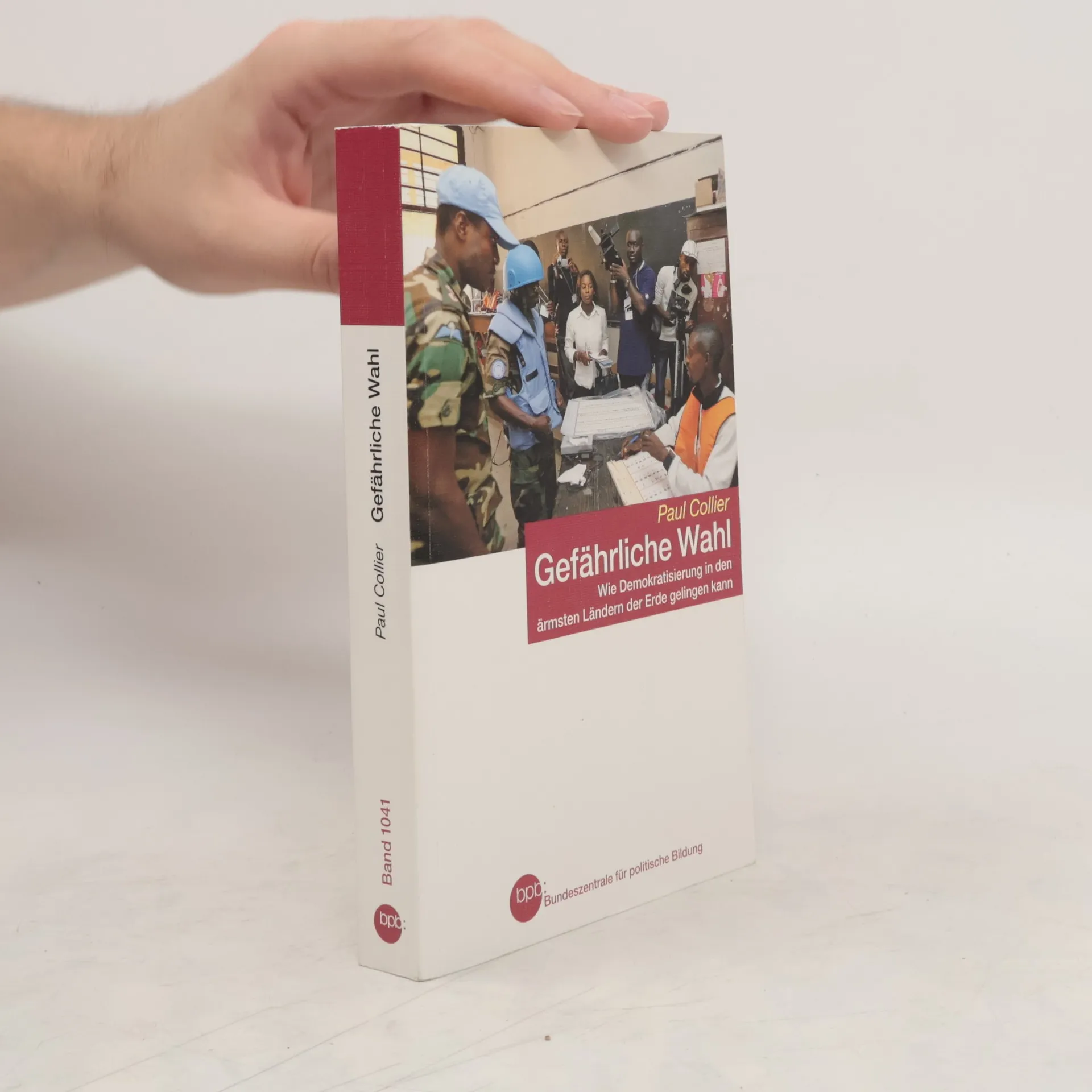
      The world is in a mess. For more than a billion people, everyday life is played out against the backdrop of civil wars, military coups and failing economies. For them, the peaceful democracy taken for granted in the West seems an impossible pipe-dream.

      Wars, Guns & Votes
      3,8
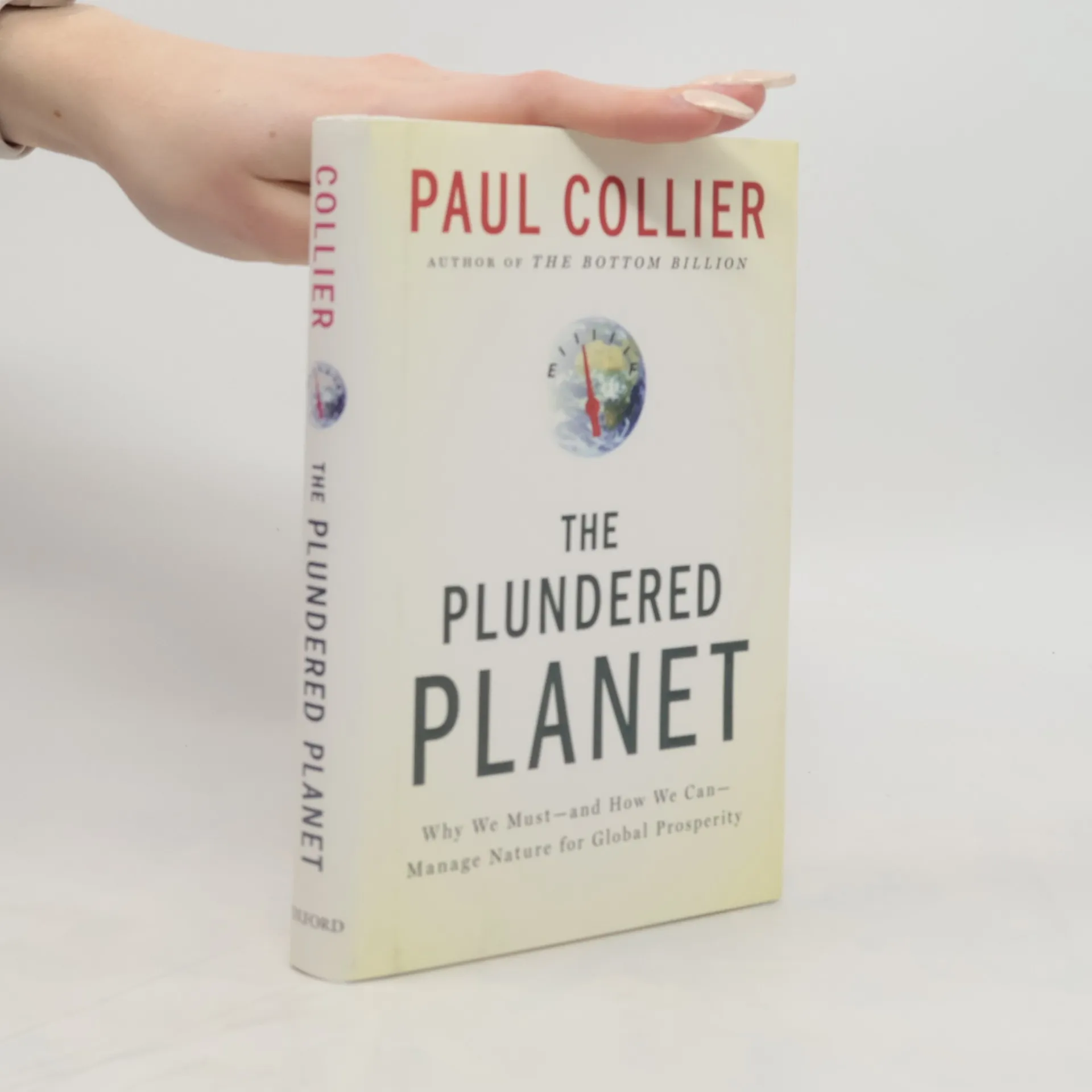
    • The Plundered Planet

      Why We Must and How We Can Manage Nature for Global Prosperity

      • 288 stránek
      • 11 hodin čtení

      Argues that technological innovation, environmental protection, and regulation are key to managing the planet's natural resources and ensuring equitable development

      The Plundered Planet
      3,6
    • Greed Is Dead

      • 224 stránek
      • 8 hodin čtení

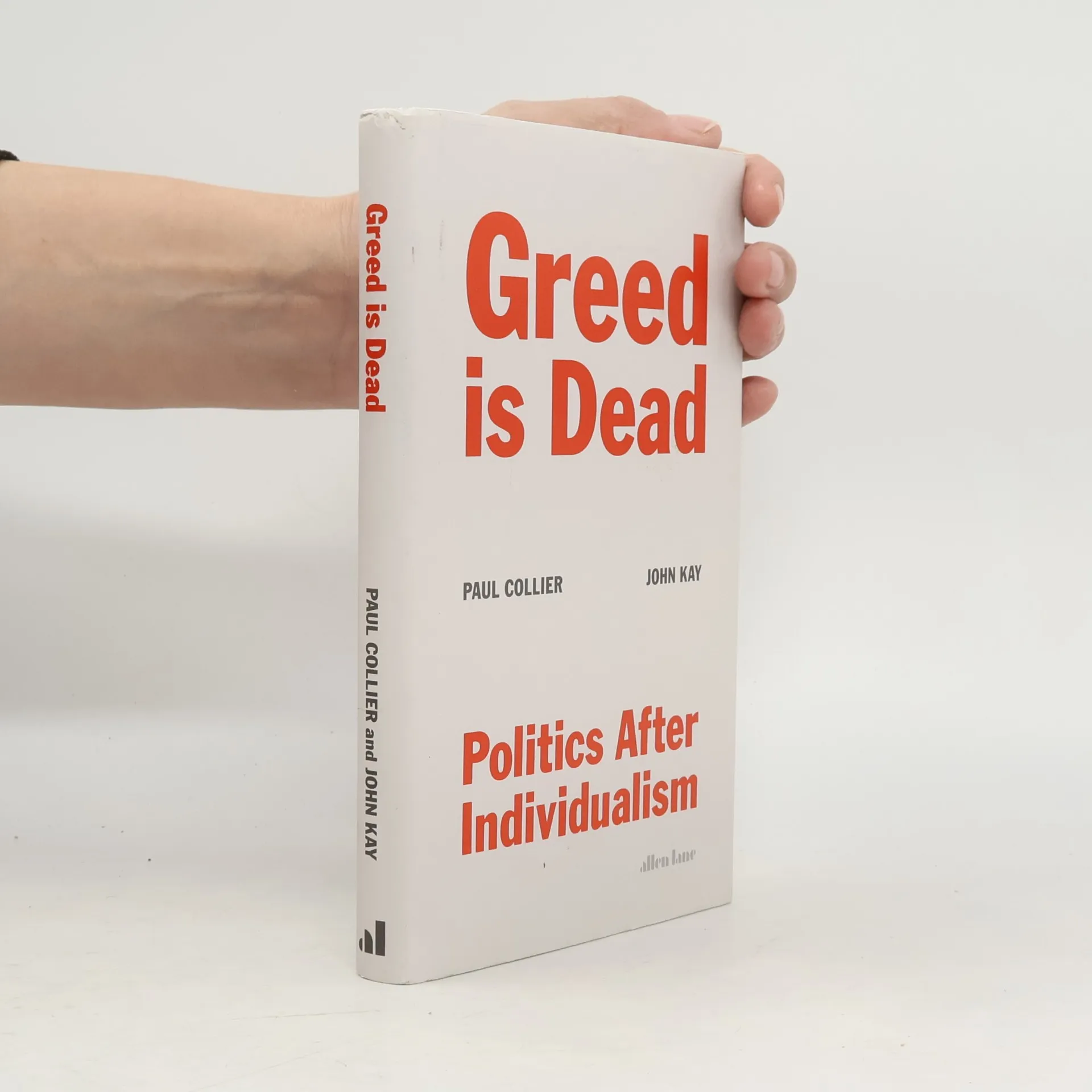
      "Two of the UK's leading economists call time on selfishness as the engine of prosperity. The idea that people are basically driven by individualism and economic incentives, and that prosperity and good societies come from top-down leadership, has dominated politics for the last thirty years (from some perspectives, much longer). This book shows that the age of homo economicus and centralisation is coming to an end. Instead, Collier and Kay argue that community and mutuality will be the drivers of successful societies in the future - as they are already in some parts of the world. They show how politics can reverse the move to extremes of right and left in recent years, that the centre can hold, and that if we think differently we can find common ground to the benefit of all"--Amazon.com

      Greed Is Dead
      3,5
    • Das Ende der Gier

      Wie der Individualismus unsere Gesellschaft zerreißt - und warum die Politik wieder dem Zusammenhalt dienen muss

      Wie der radikale Individualismus unsere Gesellschaft zerreißt - und wie die Politik dagegensteuern kann Warum werden die demokratischen Gesellschaften der westlichen Welt in ihrem Kern immer weiter ausgehöhlt? Wie war es möglich, dass unter dem Firnis der Demokratie Extremismus und Populismus gedeihen? Die beiden weltweit renommierten britischen Ökonomen Paul Collier und John Kay zeigen in ihrem leidenschaftlichen Debattenbuch, wie der Ethos des extremen Individualismus unser Gemeinwesen zerrüttet – nicht nur durch das noch immer vorherrschende Ideal kapitalistischer Gewinnmaximierung und das Trugbild des Homo Oeconomicus, sondern vor allem durch die permanente Ausweitung individueller Rechte zulasten des Gemeinwohls. Sie führen vor, wohin die Gier des Einzelnen führen kann - und was politisch geschehen muss, um das Auseinanderbrechen der Gesellschaft zu verhindern.

      Das Ende der Gier
      3,5
    • Paul Collier erläutert in seinem Buch die wirtschaftlichen Probleme wohlhabender Regionen und Länder, die heute abgeschlagen sind. Er kritisiert die einheitlichen Ansätze der angloamerikanischen Wirtschaftstheorie und plädiert für eine lokal orientierte Wirtschaftspolitik, die individuelle Lösungen fördert und die Kraft kollektiven Handelns betont.

      Aufstieg der Abgehängten. Wie vernachlässigte Regionen wieder erfolgreich werden können