

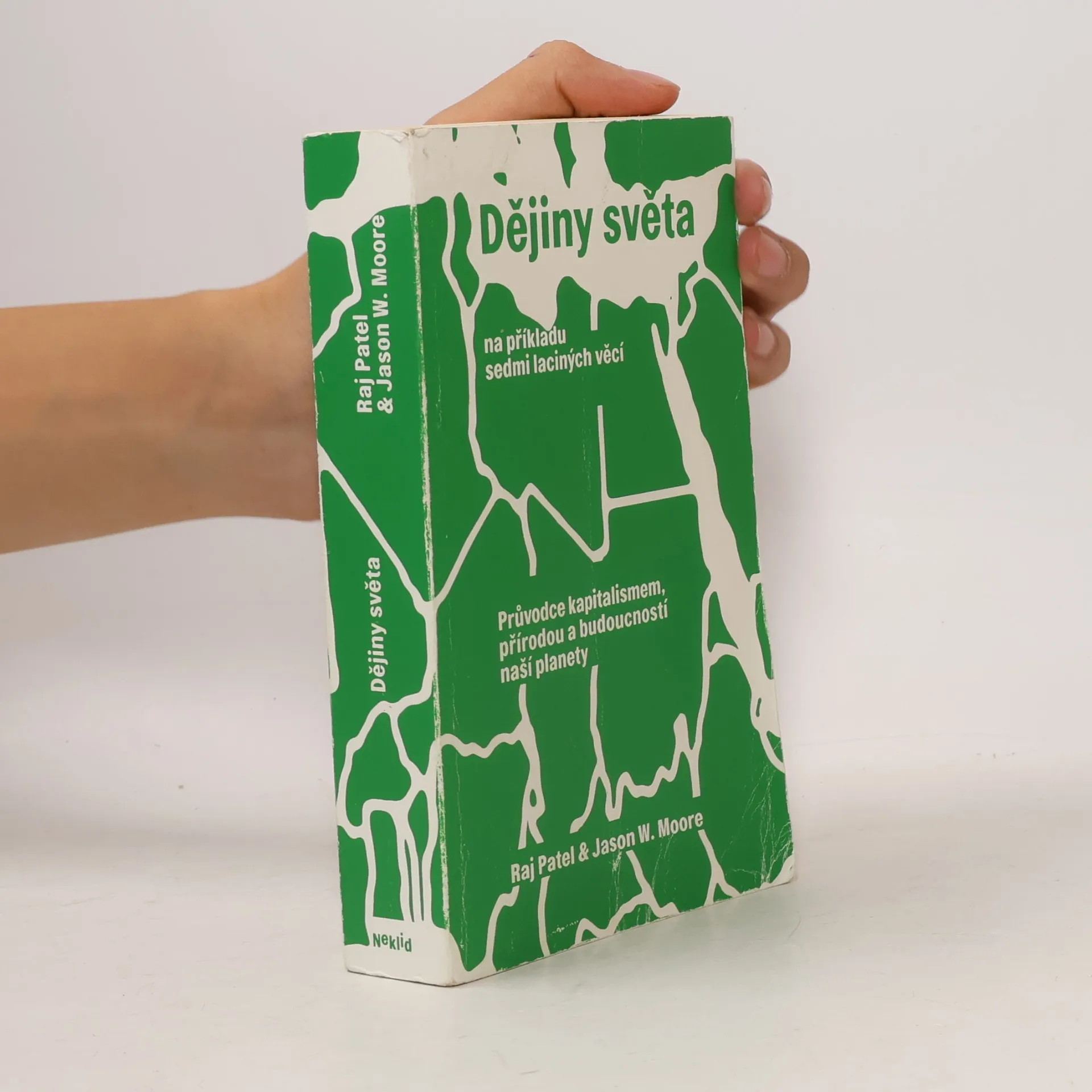
Příroda, peníze, práce, péče, potraviny, energie a životy: na těchto sedmi věcích stojí svět, ve kterém žijeme, a také jeho budoucnost. Moderní obchod z nich udělal pouhé laciné artikly, a tím proměnil, ovládl a zdevastoval Zemi. V Historii světa v sedmi laciných věcech rozvíjejí autoři Raj Patel a Jason W. Moore nový přístup k pochopení současných planetárních krizí. Spojují dohromady nejnovějšího výzkumu v ekologii s historií kolonialismu, dějinami bojů původních obyvatel, vzpour otroků a dalších povstání a bouří a ukazují, že v minulosti vedly krize vždy k vynálezům nových strategií, jak svět ještě více zlacnit a usnadnit přežití kapitalismu. V čase, kdy se v krizi ocitá všech sedm laciných věcí, je urgentně třeba nového a systémového myšlení. Tato kniha přináší radikálně nový způsob pochopení - a znovuzískání - naší planety v turbulentním 21. století.
Jason W. Moore Knihy
Jason W. Moore je environmentální historik a historický geograf, který zkoumá vztah mezi kapitalismem a přírodou. Jeho práce se soustředí na to, jak historické formace kapitalismu utvářely planetu a jak se tato dynamika projevuje v současné environmentální krizi. Moore analyzuje, jak jsou ekologické a sociální problémy neoddělitelně spjaty s logikou akumulace kapitálu. Jeho analýzy nabízejí zásadní pohled na hluboké kořeny současné klimatické změny a socioekonomických nerovností.


The Cute and the Useful
- 189 stránek
- 7 hodin čtení
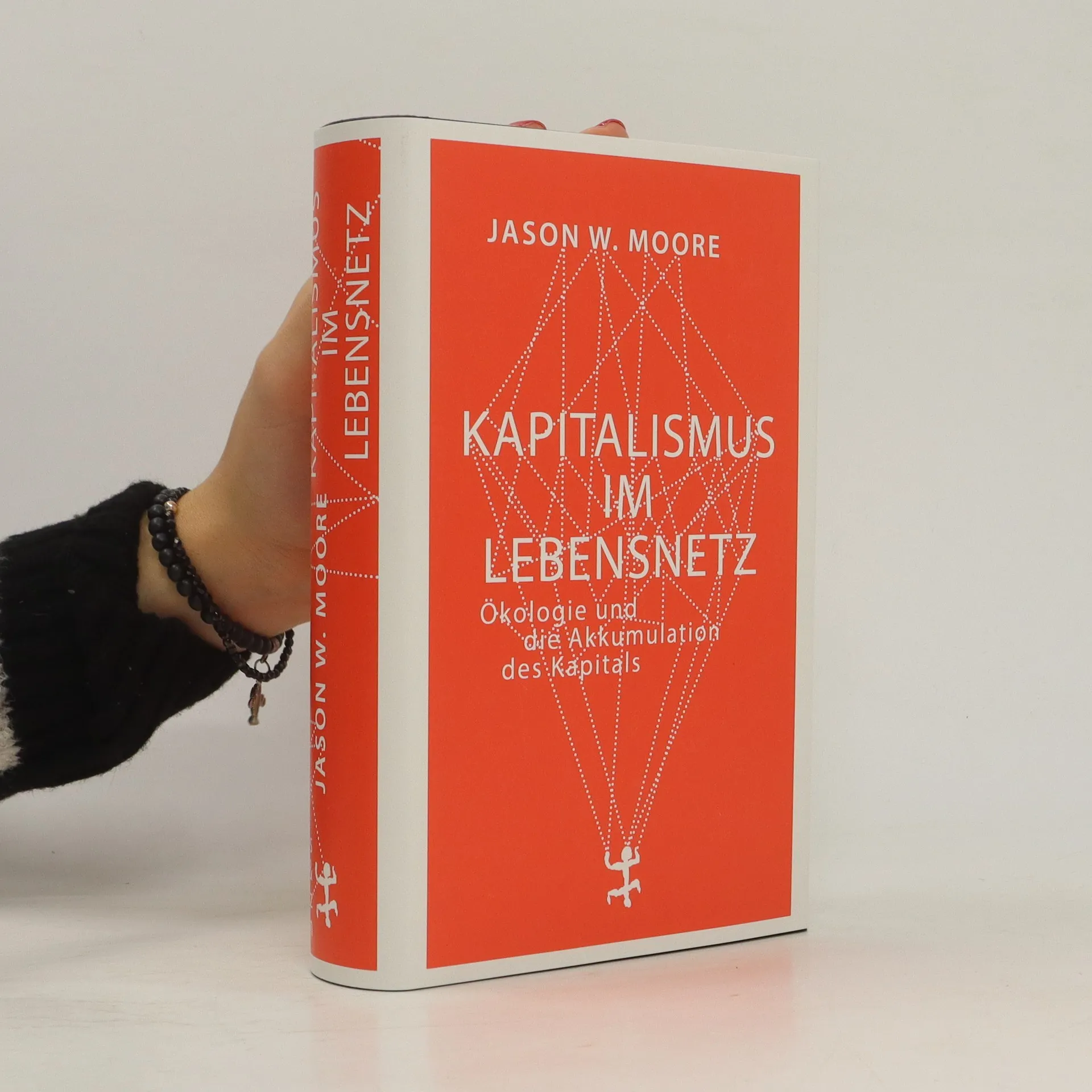
Erderwärmung, Naturkatastrophen, Finanzcrash und Hungersnöte prägen das 21. Jahrhundert mit globalen Krisen. Diese Herausforderungen sollten nicht isoliert betrachtet werden, sondern im Kontext des Kapitalismus, der als Naturereignis verstanden werden muss. Der Kapitalismus entsteht aus der Wechselwirkung von Natur und Gesellschaft, die es ihm ermöglicht, Ressourcen wie landwirtschaftliche Flächen und mineralische Schichten zu nutzen und auszubeuten. In dieser Perspektive wirkt der Kapitalismus nicht gegen die Natur, sondern innerhalb von ihr. Um die Dynamik des Kapitalismus zu begreifen, ist es entscheidend, die Natur historisch zu betrachten und das dialektische Zusammenspiel zwischen Kapitalakkumulation und der Schaffung billiger Ressourcen, Nahrung, Energie und Menschenreproduktion zu analysieren. Die aktuellen Krisen sind folglich Ausdruck vorprogrammierter Systemfehler, da die Umwelt eng mit Produktionsweisen, Klassenstrukturen und Zivilisationstechniken verbunden ist. Die historische Betrachtung von Natur und Kapitalismus ist somit von zentraler Bedeutung. Jason W. Moore formuliert die These, dass die Trennung von Natur und Gesellschaft direkt für die Gewalt, Ungleichheit und Unterdrückung in der modernen Welt verantwortlich ist und dass die Auffassung von Natur als etwas Äußeres eine grundlegende Bedingung der Kapitalakkumulation darstellt.