

Do Vánoc stíháš objednat ještě 1 den a 23 hodin. 
Knihobot

Nick Bostrom

    10. březen 1973

    Nick Bostrom je přední myslitel, jehož práce se hluboce zabývá budoucími výzvami lidstva, zejména v oblasti umělé inteligence a existenčních rizik. Jeho eseje a analýzy zkoumají složité etické a filozofické otázky, které s sebou nese technologický pokrok. Bostromův přístup je charakterizován hloubkou myšlení a snahou předvídat a připravit se na potenciální budoucí scénáře. Jeho vliv na globální diskuzi o budoucnosti strojové inteligence je značný a podnítil vznik nového výzkumného pole.

    Nick Bostrom
    Superinteligencja. Scenariusze, strategie...
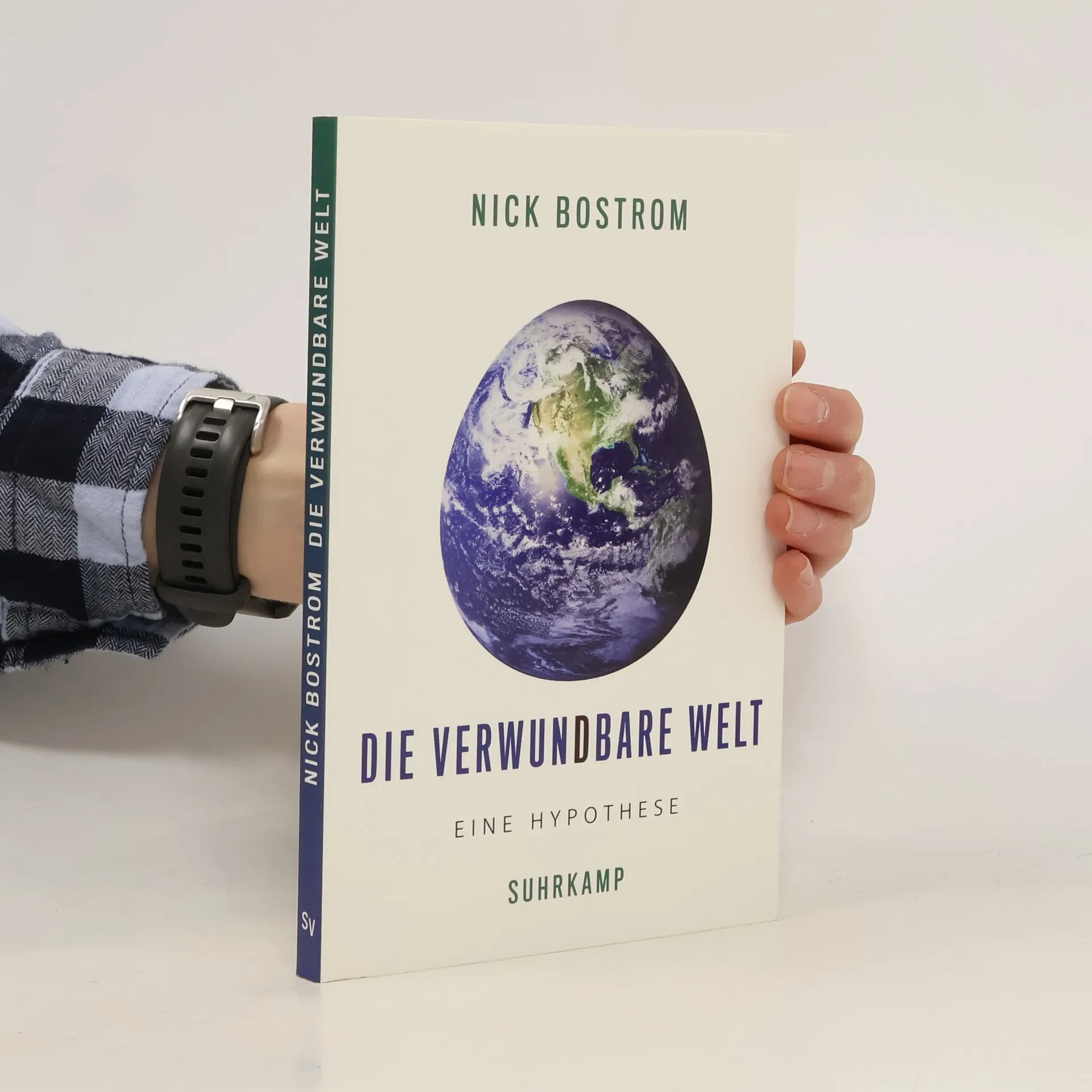
    Die verwundbare Welt
    Deep Utopia
    Superintelligence
    Messerschmidt and Modernity
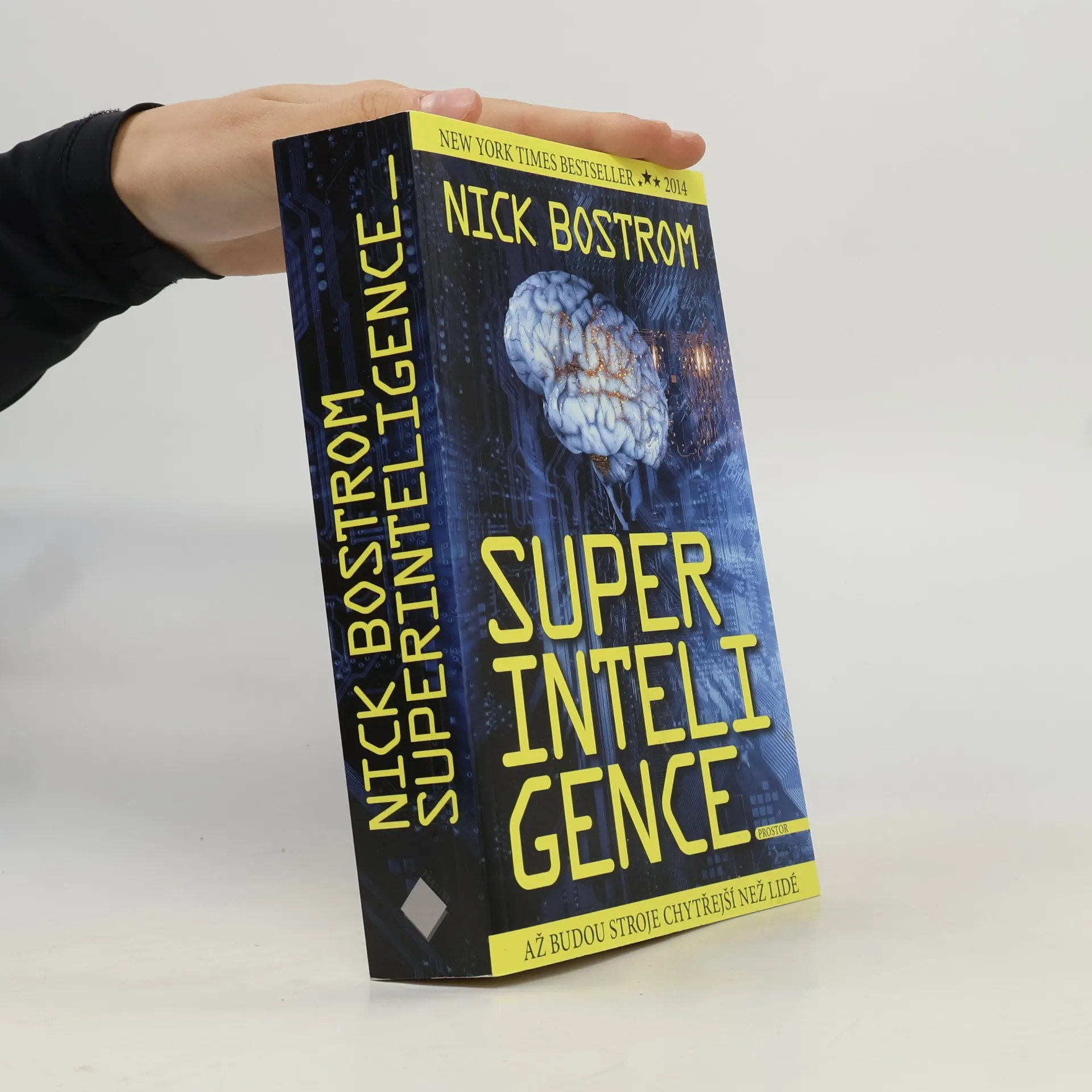
    Superinteligence
    • Superinteligence

      • 512 stránek
      • 18 hodin čtení
      4,4(38)Ohodnotit

      Mnozí se dnes ptají, zda umělá inteligence v blízké budoucnosti překoná tu lidskou a jaké to bude mít důsledky. Bude umělá inteligence, která si je vědoma sama sebe, pod kontrolou člověka? Může se stát naším spojencem, nebo nás naopak zničit? Autor se v monografii zaměřuje na historický přehled vývoje umělé inteligence a její současný stav, včetně různých typů, od počítačů po kombinace strojů s biologickou matérií. Zkoumá, zda může umělá inteligence napodobit fungování lidského mozku, a varuje, že pokud vytvoříme superinteligenci, naše přežití může záviset na ní. Bostrom se ptá, jak zajistit, aby vznik superinteligence nevedl k naší záhubě, a nabízí různé scénáře jejího vývoje. Zkoumá také motivaci superinteligence a možnost naprogramování morálního sebeomezení. Diskutuje o dilematech, která se objevují při snaze o kontrolu nad umělou inteligencí, a varuje, že inteligence převyšující tu lidskou může být schopná takové mechanismy obejít. Kniha je přístupná širokému publiku a zabývá se scénáři, které mohou vyplývat z dalšího vývoje technologií, jež dnes používá každé dítě.

      Superinteligence
    • Messerschmidt and Modernity

      • 70 stránek
      • 3 hodiny čtení
      4,3(4)Ohodnotit

      An astonishing group of 69 Character Heads by German sculptor Franz Xaver Messerschmidt (1736-1783) has fascinated viewers, artists, and collectors for more than two centuries. This title presents works created by and inspired by Messerschmidt, an artist both of and ahead of his time.

      Messerschmidt and Modernity
    • The human brain possesses unique capabilities that set our species apart, granting us a dominant position despite other animals having superior physical traits. If machine intelligence surpasses human intelligence, this superintelligence could wield significant power, making our fate increasingly reliant on its actions. However, we have the opportunity to shape this future. The challenge lies in whether we can create a seed AI or establish conditions for a safe intelligence explosion. Achieving a controlled detonation of intelligence requires navigating a complex array of topics and considerations. This exploration includes concepts such as oracles, genies, singletons, and various strategies for managing AI development. Readers will encounter discussions on humanity's cosmic role, technological disparities, indirect normativity, and the interplay between artificial and biological cognitive enhancements. The book delves into Malthusian economics and the evolution of dystopian futures, all while maintaining clarity in its writing. It presents a profound and ambitious examination of the human condition and the future of intelligent life, ultimately redefining the critical challenges we face in our time.

      Superintelligence
    • A greyhound catching the mechanical lure--what would he actually do with it? Has he given this any thought? Bostrom's previous book, Superintelligence: Paths, Dangers, Strategies changed the global conversation on AI and became a New York Times bestseller. It focused on what might happen if AI development goes wrong. But what if things go right? Suppose that we develop superintelligence safely, govern it well, and make good use of the cornucopian wealth and near magical technological powers that this technology can unlock. If this transition to the machine intelligence era goes well, human labor becomes obsolete. We would thus enter a condition of "post-instrumentality", in which our efforts are not needed for any practical purpose. Furthermore, at technological maturity, human nature becomes entirely malleable. Here we confront a challenge that is not technological but philosophical and spiritual. In such a solved world, what is the point of human existence? What gives meaning to life? What do we do all day? Deep Utopia shines new light on these old questions, and gives us glimpses of a different kind of existence, which might be ours in the future.

      Deep Utopia
    • Die verwundbare Welt

      Eine Hypothese | Klimawandel, Pandemien, Atomkrieg: Was tun, wenn die Existenz unserer gesamten Zivilisation auf dem Spiel zu stehen droht?

      Angesichts von Klimawandel und Pandemien wächst global das Bewusstsein, dass die Welt, wie wir sie kennen, womöglich nicht ewig währt - dass die Lebenserwartung der menschlichen Zivilisation als ganzer maßgeblich von unserem Handeln abhängt. Unsere Welt ist verwundbar, ja, es sind sogar Szenarien der vollständigen Selbstzerstörung denkbar, sofern keine geeigneten Maßnahmen zu ihrer Stabilisierung ergriffen werden. Dies ist die Hypothese, die Nick Bostrom in einem vieldiskutierten Text aufstellt, der nun erstmals in deutscher Übersetzung erscheint. Bostrom geht davon aus, dass die technologische Entwicklung unweigerlich auf einen Punkt zusteuert, an dem es kritisch wird. Historisch gesehen, war das schon einmal fast der Fall, wie er mit einem atemberaubenden Gedankenexperiment illustriert, das in der Zeit des Kalten Krieges spielt. Dann entwickelt er einige nur allzu plausible Szenarien, die den Untergang der menschlichen Zivilisation mit großer Wahrscheinlichkeit herbeiführen würden - es sei denn, wir treffen rechtzeitig Gegenmaßnahmen. Welche das sein könnten, diskutiert Bostrom im zweiten Teil dieses wichtigen Buches, das mit Empfehlungen an die Politik schließt. (Quelle: buchhandel.de)

      Die verwundbare Welt
    • Ludzki mózg to najdoskonalszy twór w przyrodzie, jednak w 1997 roku komputer Deep Blue pokonał mistrza świata w szachy, Garriego Kasparowa, co zapoczątkowało intensywny rozwój sztucznej inteligencji. Pojawia się pytanie, czy dominacja superinteligencji nad człowiekiem jest realną perspektywą, a jeśli tak, to jakie będą tego konsekwencje dla naszego gatunku? Książka stanowi odważną próbę odpowiedzi na te pytania, analizując trudne do przewidzenia kierunki rozwoju technologii cyfrowej. Nick Bostrom, wybitny badacz sztucznej inteligencji i transhumanizmu, przedstawia przyszłe konsekwencje rosnącego udziału maszyn w naszym życiu, omawia możliwe komplikacje oraz strategie ich rozwiązania. Lektura tej książki to niezwykła podróż na krańce istoty człowieczeństwa, eksploracja przyszłości inteligentnego życia. Kluczowe zagadnienia obejmują dotychczasowe osiągnięcia w dziedzinie sztucznej inteligencji, możliwe ścieżki rozwoju superinteligencji, zagrożenie dla ludzkości oraz kontrolę nad umysłem w przyszłości. To fascynujące doświadczenie, które skłania do refleksji nad przyszłością naszej cywilizacji.

      Superinteligencja. Scenariusze, strategie...