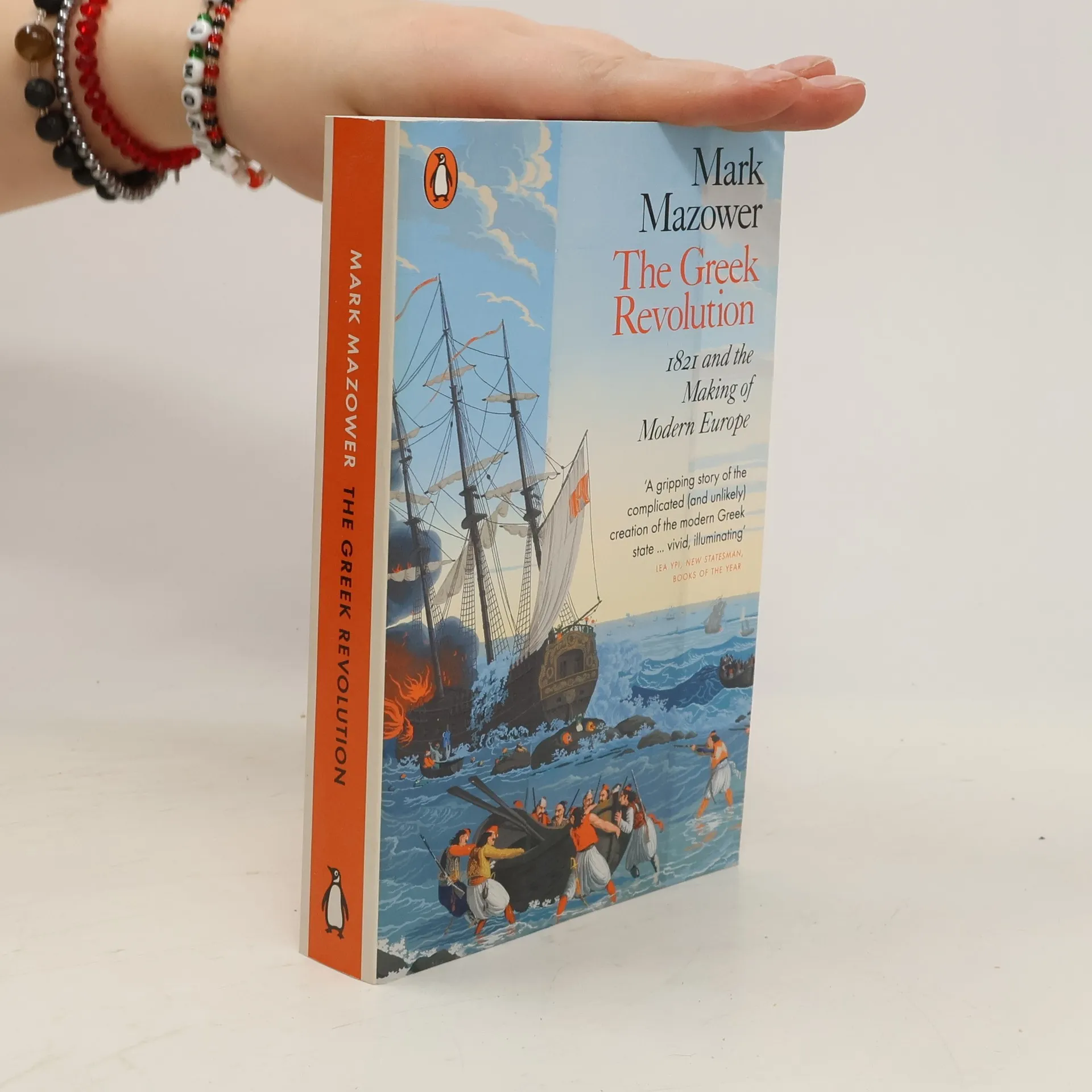
WINNER OF THE DUFF COOPER PRIZE 2021SHORTLISTED FOR THE RUNCIMAN AWARD 2022A NEW STATESMAN AND TIMES LITERARY SUPPLEMENT BOOK OF THE YEAR 2021'Deserves to remain the standard treatment of the subject in English for many decades to come' Roderick Beaton, Times Literary SupplementIn the exhausted, repressive years that followed Napoleon's defeat in 1815, there was one cause that came to galvanize countless individuals across Europe and the United States: freedom for Greece.Mark Mazower's wonderful new book recreates one of the most compelling, unlikely and significant events in the story of modern Europe. In the face of near impossible odds, the people of the villages, valleys and islands of Greece rose up against Sultan Mahmud II and took on the might of the imperial Ottoman armed forces, its Turkish cavalrymen, Albanian foot soldiers and the fearsome Egyptians. Despite the most terrible disasters, they held on until military intervention by Russia, France and Britain finally secured the kingdom of Greece.Mazower brilliantly brings together the different strands of the story. He takes us into the minds of revolutionary conspirators and the terrors of besieged towns, the stories of itinerant priests, sailors and slaves, ambiguous heroes and defenceless women and children struggling to stay alive amid a conflict of extraordinary brutality. Ranging across the Eastern Mediterranean and far beyond, he explores the central place of the struggle in the making of Romanticism and a new kind of politics that had volunteers flocking from across Europe to die in support of the Greeks. A story of how statesmen came to terms with an even more powerful force than themselves - the force of nationalism - this is above all a book about how people decided to see their world differently and, at an often terrible cost to themselves and their families, changed history.'Exquisite, impressive' The Times'Superbly subtle and thorough' Daily Telegraph
Mark Mazower Pořadí knih
Mark Mazower je uznávaný historik, jehož díla se zaměřují na moderní Evropu a mezinárodní historii. Jeho práce vyniká hlubokým vhledem do složitých historických procesů, zejména v kontextu 20. století. Mazower přistupuje k historii s důrazem na propojení jednotlivých kultur a společností a analyzuje, jak se utvářely představy o světovém řádu. Jeho psaní je ceněno pro svou erudovanost a schopnost podat komplexní témata srozumitelným a poutavým způsobem.


- 2021
- 2019
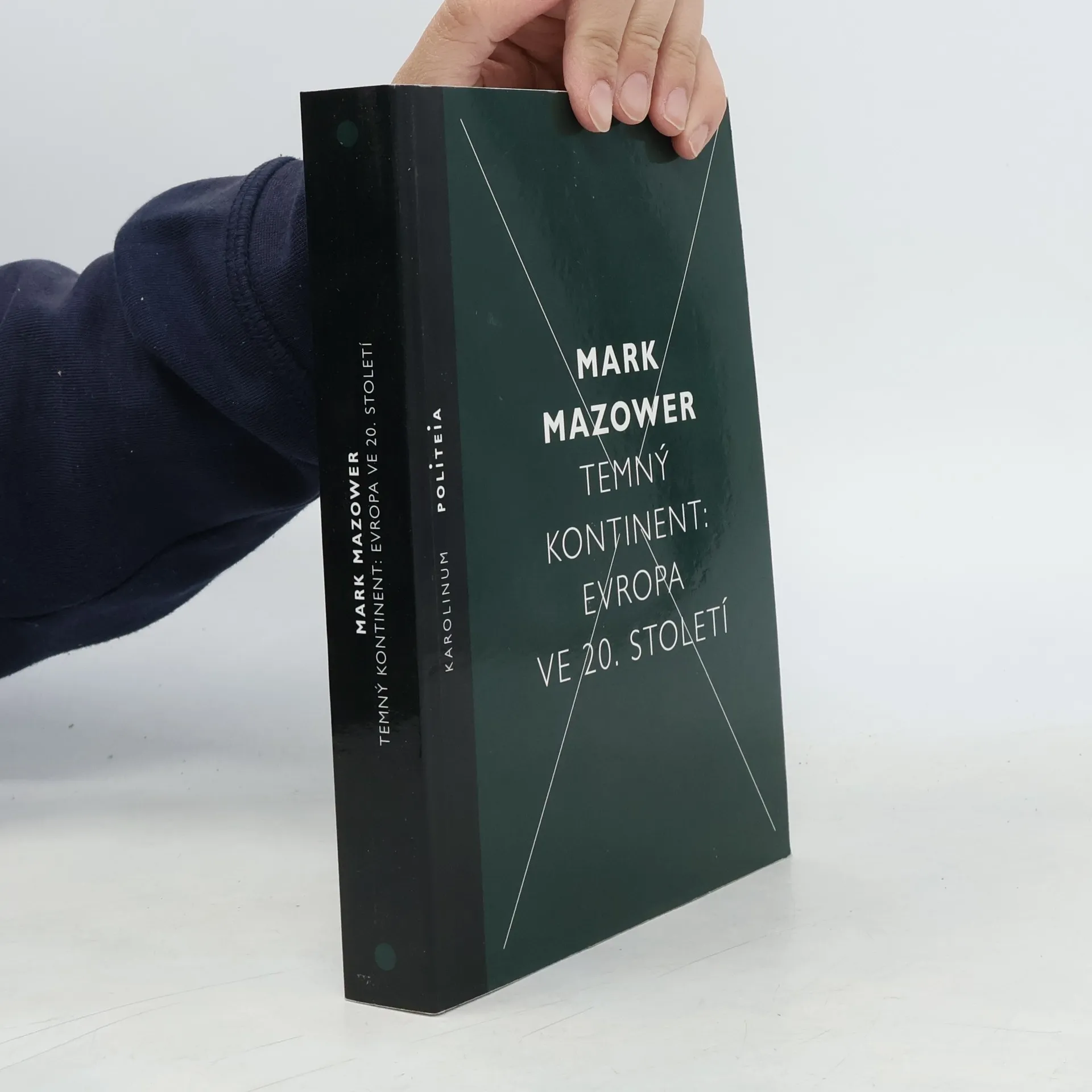
Temný kontinent: Evropa ve 20. století
- 508 stránek
- 18 hodin čtení
Evropa Marka Mazowera není kontinentem starých států a národů, ale v mnoha ohledech je velmi nová a v průběhu 20. století neustále "vynalézá" samu sebe prostřednictvím často bouřlivých a chaotických politických změn. Moderní demokracie a s ní úzce spojený národní stát je v zásadě výsledkem experimentování. Tři ideologie – liberální demokracie, komunismus a fašismus – se považovaly za předurčené přetvořit společnost, kontinent a svět v "nový řád lidstva". Jejich vzájemný boj o definici nové Evropy trval po většinu minulého století. Liberální demokracie ovládla Evropu po první světové válce, ale o dvě desetiletí později už tak říkajíc zmírala na úbytě. Rok 1989 znamenal vítězství demokracie nad komunismem, nicméně k tomuto vítězství by nedošlo, kdyby komunismus předtím neuštědřil všeobecnou a drtivou válečnou porážku nacionálnímu socialismu. Rozhodně tedy nebylo předurčeno osudem, že demokracie nakonec zvítězí nad fašismem i komunismem, stejně jako není stále zřejmé, jaký druh demokracie je Evropa schopná a ochotná budovat. "Temný kontinent" je napínavým příběhem s neočekávanými zvraty, nikoliv záznamem vývoje směřujícího neustále kupředu k nevyhnutelným vítězstvím.
- 2018
What You Did Not Tell : A Russian Past and the Journey Home
- 400 stránek
- 14 hodin čtení
Uncovering his family's remarkable and moving stories, Mark Mazower recounts the sacrifices and silences that marked a generation and their descendants. It was a family that fate drove into the siege of Stalingrad, the Vilna ghetto, occupied Paris, and even into the ranks of the Wehrmacht. His British father was the lucky one, the son of Russian Jewish emigrants who settled in London after escaping the civil war and revolution. Max, the grandfather, had started out as a socialist and manned the barricades against tsarist troops, but never spoke of it. His wife, Frouma, came from a family ravaged by the Great Terror yet somehow making their way in Soviet society. In the centenary of the Russian Revolution, What You Did Not Tell recounts a brand of socialism erased from memory - humanistic, impassioned, and broad-ranging in its sympathies. But it also explores the unexpected happiness that may await history's losers, the power of friendship, and the love of place that allowed Max and Fro
- 2018
Was du nicht erzählt hast
Meine Familie im 20. Jahrhundert
Als sein Vater stirbt und er die Bestattung seiner Großeltern erforschen möchte, beginnt Mark Mazower, als Historiker in Archiven nachzuforschen. Dabei wird ihm schnell bewusst, wie wenig er über seine eigene Familie weiß. Er taucht ein in die bewegten Biografien seiner Vorfahren, darunter sein Großvater Max, der als Mitglied des Allgemeinen Jüdischen Arbeiterbundes in Vilnius revolutionäre Schriften verbreitete und vor dem russischen Bürgerkrieg nach Großbritannien floh. Trotz seiner vier Sprachen verlor Max nie ein Wort über seine Vergangenheit. Auch das Leben von Max’ unehelichem Sohn André, dem schwarzen Schaf der Familie, wird beleuchtet. André wechselte mehrfach seine Nationalität, lebte zeitweise im faschistischen Spanien und verfasste eine verschwörungstheoretische Abhandlung über einen angeblichen jüdischen Geheimbund. Mit großer Einfühlsamkeit zeichnet Mazower die Lebenswege seiner Angehörigen nach, die über die historische Landkarte Europas verlaufen – von der Sowjetunion während des Großen Terrors bis ins besetzte Paris und schließlich in den Norden Londons. So gelingt ihm ein berührendes Familienmemoir, das gleichzeitig die wechselhafte Geschichte eines ganzen Jahrhunderts erzählt.
- 2016
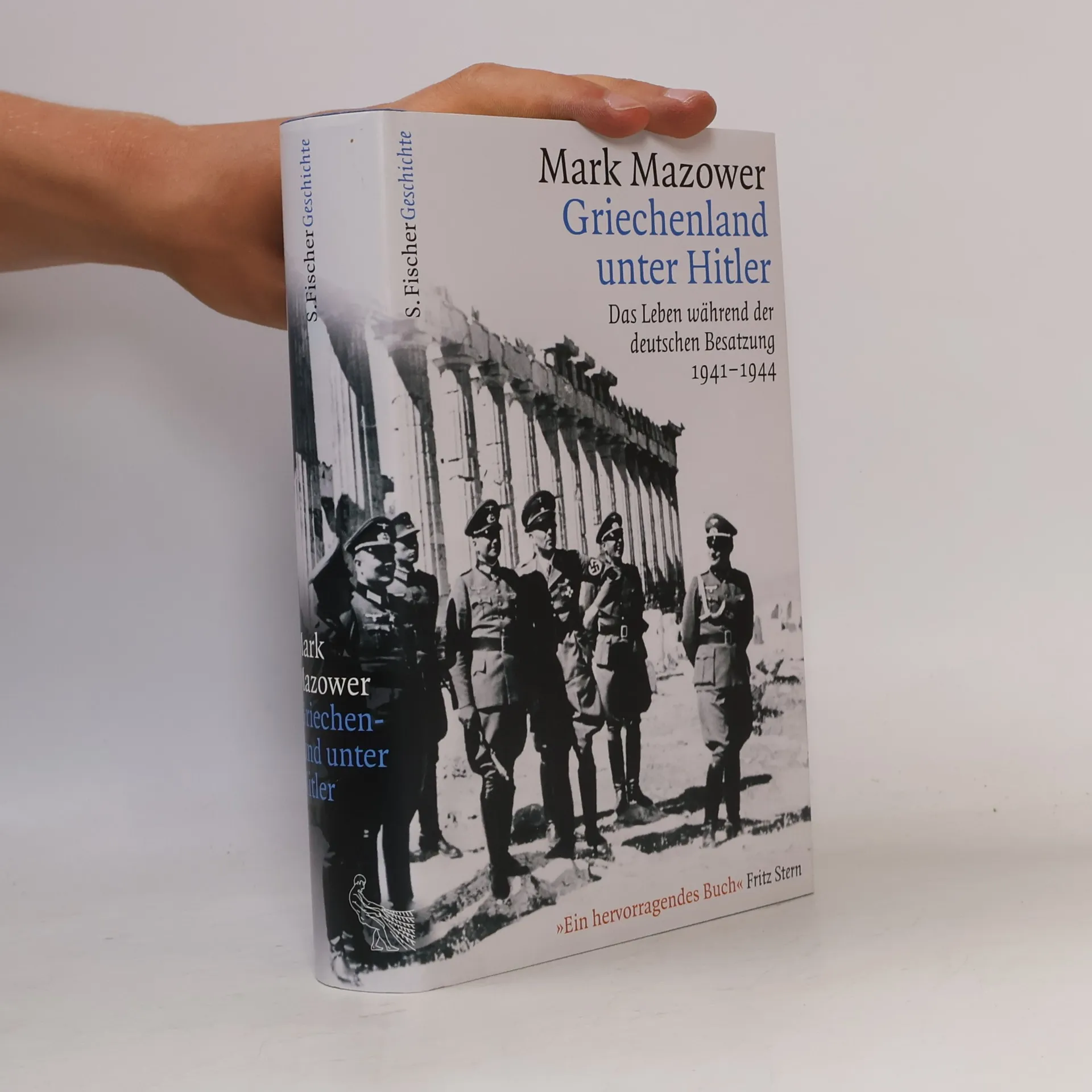
Die große Gesamtdarstellung Griechenlands im Zweiten Weltkrieg und der politischen und gesellschaftlichen Folgen der brutalen deutschen Besatzung. Von dem bekannten und vielfach ausgezeichneten Historiker Mark Mazower, Autor des Bestsellers ›Hitlers Imperium. Europa unter der Herrschaft des Nationalsozialismus‹. 1941 marschierte die deutsche Wehrmacht in Griechenland ein und führte bis 1944 ein brutales Besatzungsregime. Mark Mazower schildert diese Tragödie mit großer Intensität und in all ihren Aspekten. Er erzählt von den kämpfenden griechischen Partisanen, den deportierten Juden, den Opfern der durch die deutsche Besatzung ausgelösten Hungerkatastrophe und den von Deutschen verübten Massakern. Er schildert die Sicht der deutschen Soldaten und Gestapo-Offiziere und blickt ins Innerste des alltäglichen Wahnsinns. Ob Deutschland verpflichtet ist, eine Entschädigung an Griechenland zu leisten, ist noch ungeklärt. Mark Mazower liefert mit seinem grundlegenden Buch ›Griechenland unter Hitler. Das Leben während der deutschen Besatzung 1941-1944‹ und einem eigens für die deutsche Ausgabe verfassten Vorwort den nötigen Hintergrund.
- 2013
Governing the World
- 496 stránek
- 18 hodin čtení
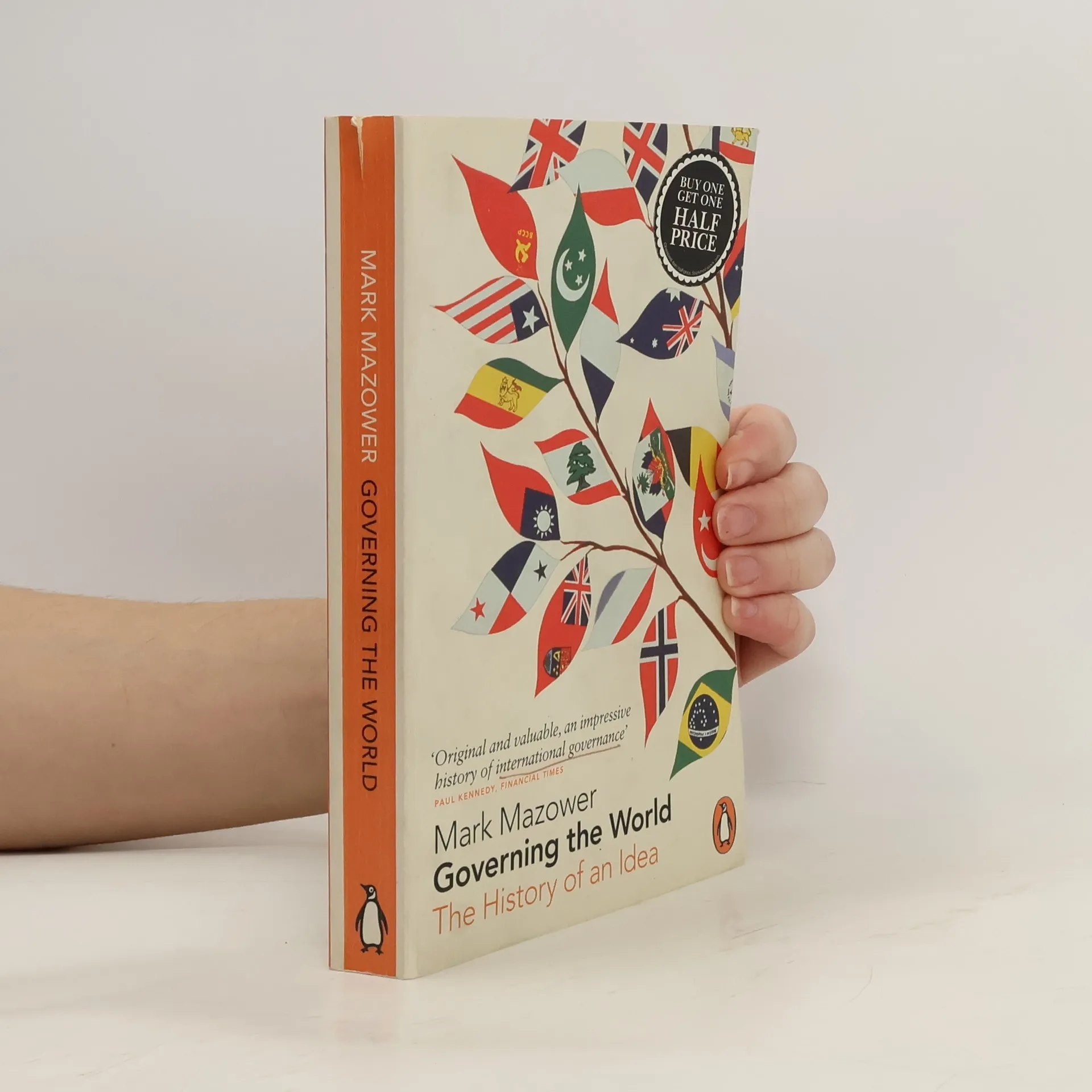
The compelling and provocative history of world government, from acclaimed author Mark Mazower Shortlisted for the RUSI 2013 Duke of Wellington Medal for Military LiteratureIn 1815 the shocked and exhausted victors of the decades of fighting that had engulfed Europe for a generation agreed to a new system for keeping the peace. Instead of independent states changing sides, doing deals and betraying one another, a new, collegial 'Concert of Europe' would ensure that the brutal chaos of the Napoleonic Wars never happened again.Mark Mazower's remarkable new book recreates two centuries of international government - the struggle to spread values and build institutions to bring order to an anarchic and dangerous state system.
- 2013
Wenn man die Idee eines Friedens zwischen den Völkern ernst nimmt, liegt die Gründung einer globalen Schiedsinstanz in Auseinandersetzungen nahe. Mark Mazowers Buch schildert das konfliktreiche Wechselspiel von völkerrechtlicher Idee und faktischen Machtverhältnissen seit 1815, als eine europäische Koalition versuchte, die napoleonische Machtausdehnung einzudämmen. Internationale Institutionen mit eigenen Machtbefugnissen wurden geschaffen, nach dem Ersten Weltkrieg der Völkerbund, nach dem Zweiten Weltkrieg die Vereinten Nationen. Aber es zeigte sich rasch, dass diese Institutionen nicht mehr Handlungsspielraum hatten, als ihnen die jeweiligen nationalen Supermächte zugestanden. Waren die United Nations in den 1960er Jahren noch eine nützliche Ergänzung der amerikanischen Dominanz, verschoben sich die Gewichte spätestens seit den 1980er Jahren auf andere internationale Institute wie Weltbank und IWF, wobei zunehmend die Etablierung eines Weltmarkts und nicht mehr die Konsensbildung unter demokratisch gewählten Regierungen im Vordergrund stand. Heute ist die Umsetzbarkeit der Idee einer Völkergemeinschaft ungewisser denn je - aber ist es in den letzten zweihundert Jahren je anders gewesen?
- 2008
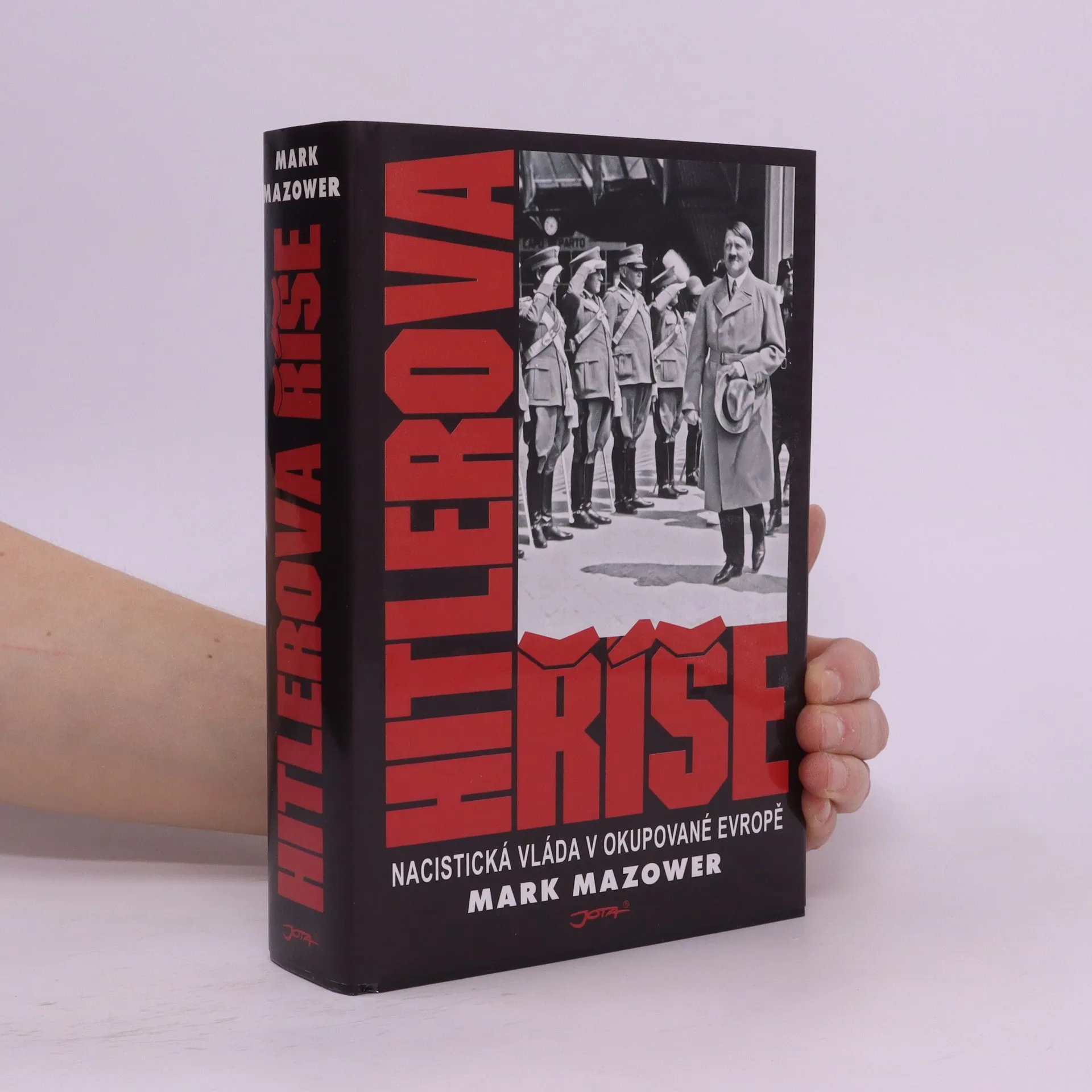
Nacistická vláda v okupované Evropě Německo usilovalo stát se nejmocnějším státem Evropy a nutilo všechny ostatní, aby uznali jeho nadřazenost. Hitlerova říše mapuje krajinu nacistické imperiální představivosti: od ekonomů, kteří snili o přeměně Evropy v obrovský trh pro německé podniky, přes Hitlerovy plány na nové transkontinentální dálnice, procházející etnicky vyčištěnými ruskými stepmi, až k diskusím o politické teorii, diktátorství a o právním řádu. Po počátečních vojenských triumfech byl debakl nacistických politických vizí v Evropě nevyhnutelný. Za nimi zůstal zničený a zbídačelý světadíl, truchlící nad oběťmi totální války a genocidy. Toto trauma poznamenává Evropu dodnes. Kniha Hitlerova říše nabízí novou rozsáhlou interpretaci této zkušenosti spojenou s myšlenkami o německé nadřazenosti, jež byly oporou nacistické vlády, která měla vydržet po staletí.
- 2006
The narrative delves into the rich tapestry of a once-thriving city under Ottoman rule, highlighting its extraordinary cultural diversity. It portrays a society where various ethnicities and religions coexisted, from Egyptian merchants to Spanish-speaking rabbis, creating a unique atmosphere of tolerance and shared spirituality. The book examines the dynamics of this vibrant community and the factors that led to its decline amidst the rise of modern nationalism, offering a poignant reflection on the interplay of history, culture, and identity.
- 2005
Salonica. City of Ghosts
- 352 stránek
- 13 hodin čtení
From the author of the greatly praised "Dark Continent" comes a richly textured social history of the Aegean seaport that has been a crossroads of civilization since the dawn of Byzantium. of photos, 8 in full color.