
Knihobot

David Lodge

    28. leden 1935

    David Lodge (* 28. ledna 1935, Londýn) je britský prozaik, dramatik, satirik a literární kritik. Jeho beletristické dílo většinou vychází z tzv. univerzitního románu. Ve svých prózách často paroduje klasiky moderní prózy.

    David Lodge
    Pěkná práce
    Prázdniny v Heidelbergu
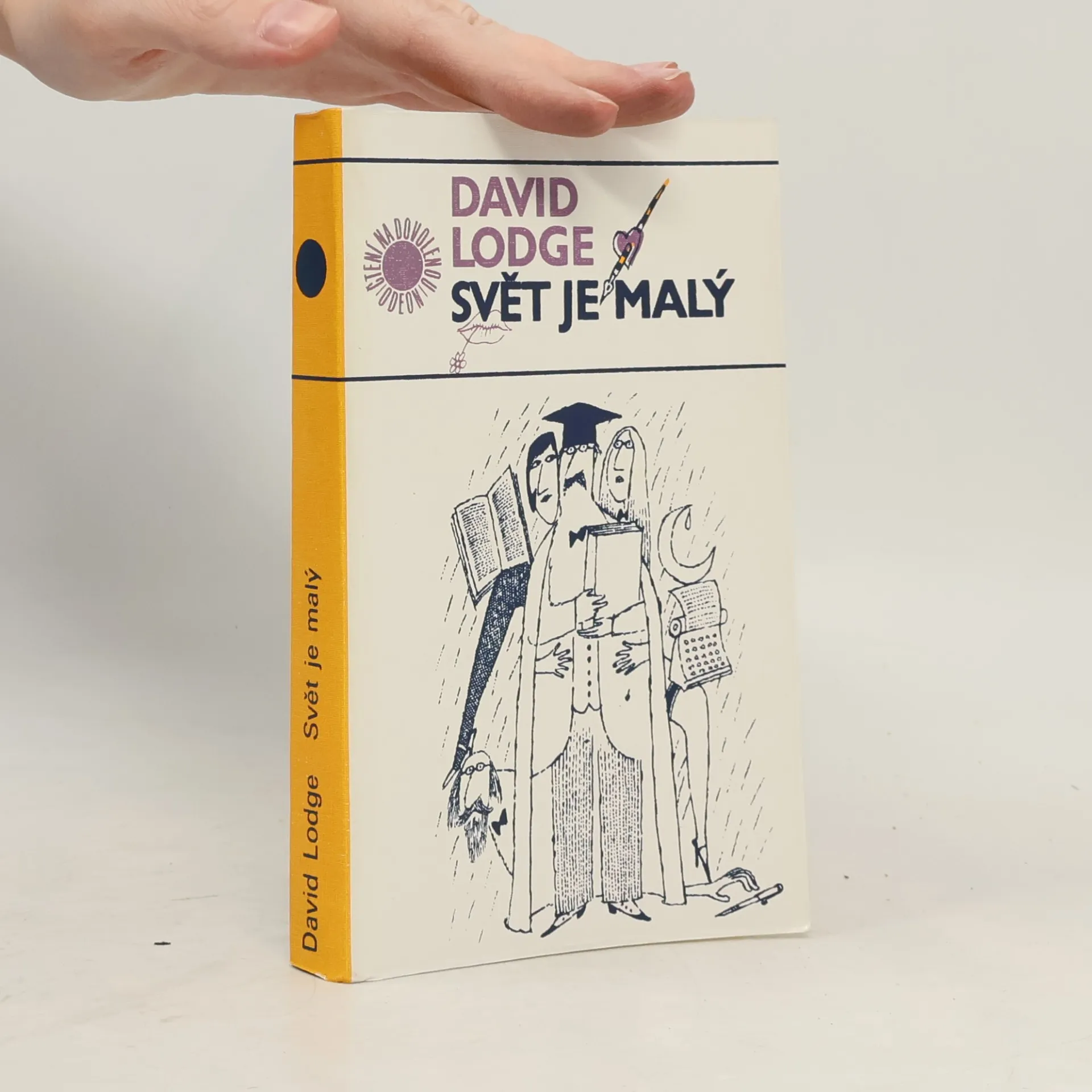
    Svět je malý
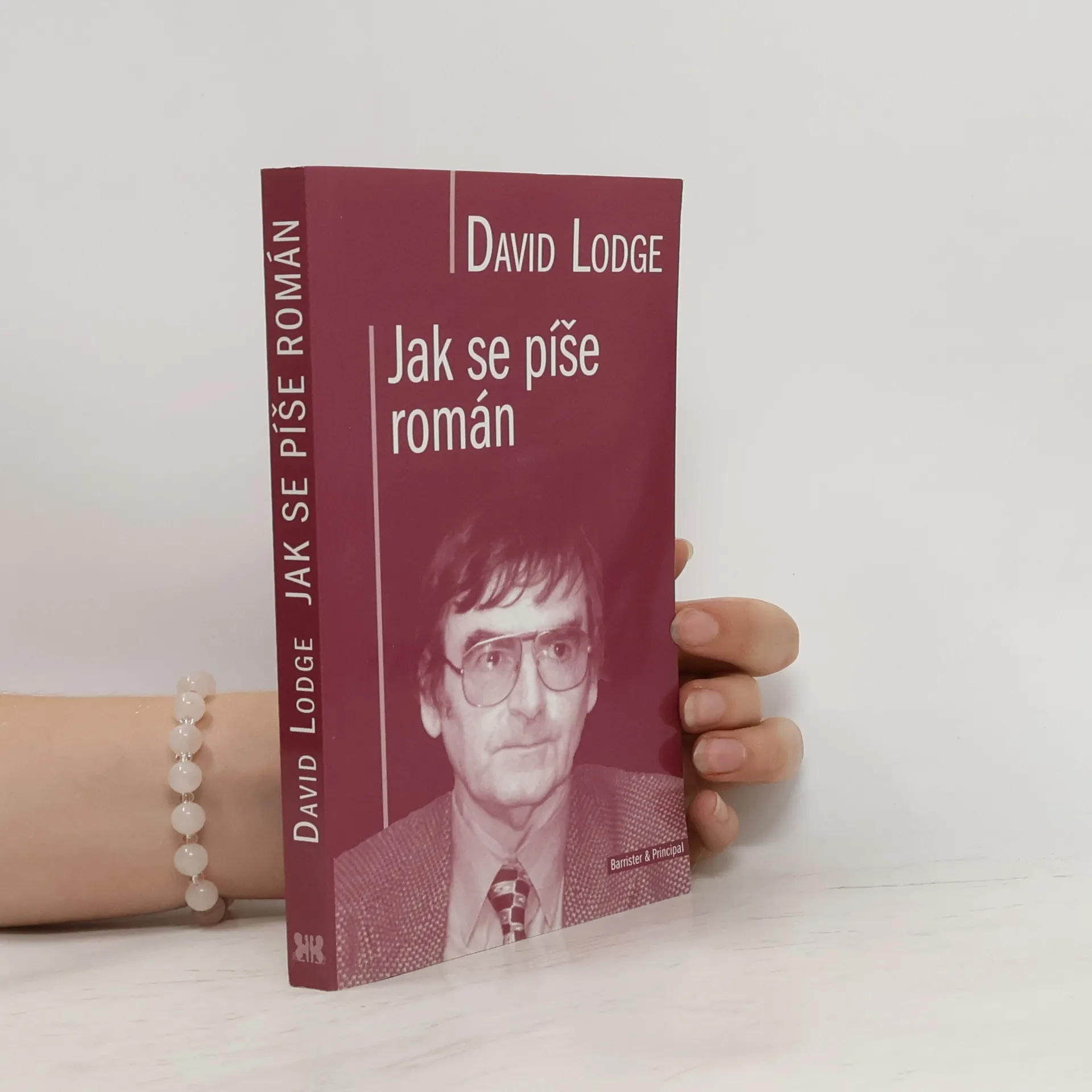
    Jak se píše román
    Zrzku, ty jsi blázen
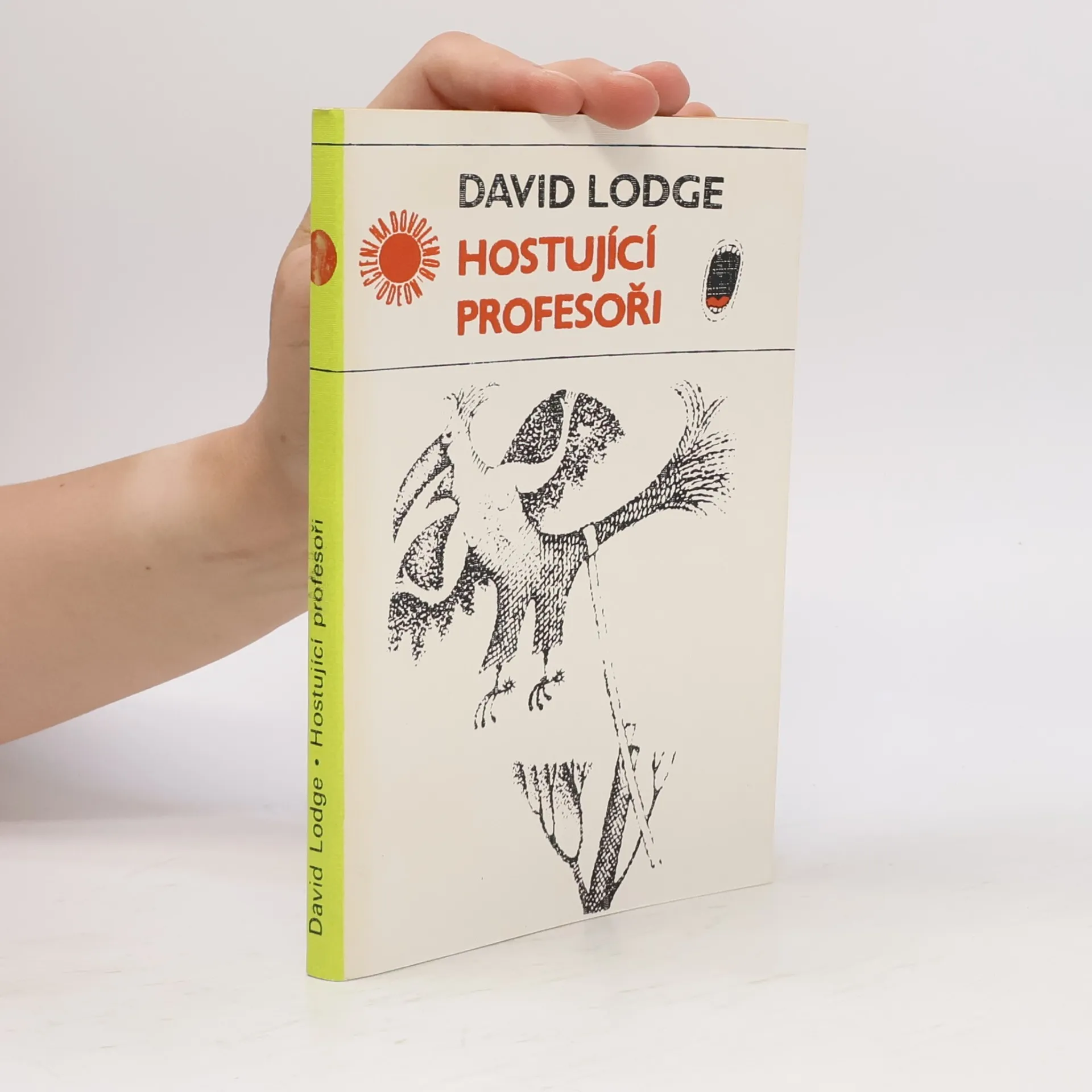
    Hostující profesoři
    • 2021

      In a career spanning six decades, David Lodge has been one of Britain's best-loved and most versatile writers. With Varying Degrees of Success he completes a trilogy of memoirs which describe his life from birth in 1935 to the present day, and together form a remarkable autobiography. His aim is to describe honestly and in some detail the highs and lows of being a professional creative writer in several different genres: prose fiction, literary criticism, plays for live theatre and screenplays for film and television. Few writers have excelled in so many different forms of the written word. Lodge's creativity, and his wonderful sense of humour, have made his work popular in translation in numerous countries, and his extensive travels around the world are recorded here. Each of the three memoirs has its own thematic focus. In this latest one it is on the hope and desire of writers to make a significant and positive impression on their readers and audiences. The elation of success, and the depression that follows disappointment, are familiar emotions to most writers in varying degrees. David Lodge describes these feelings with rare candour. Varying Degrees of Success provides the reader with a privileged insight into the working practices and the creative life of a major British novelist.

      Varying Degrees of Success
    • 2015
    • 2015

      Quite a good time to be born

      • 488 stránek
      • 18 hodin čtení
      3,8(20)Ohodnotit

      Born on January 28, 1935, in a lower-middle-class London family, David Lodge's artistic roots trace back to his musician father and Irish-Belgian Catholic mother. Growing up during World War II, he experienced significant social and cultural transformations that would later inform his writing. This memoir reflects on his life leading up to the publication of his breakthrough book, Changing Places. Lodge recalls his childhood and university years at University College London, where he met his future wife, Mary. After completing National Service and postgraduate research, he finally marries and becomes a father, facing the challenges of establishing himself as a novelist and academic. A fortunate opportunity at the University of Birmingham introduces him to Malcolm Bradbury, a colleague with similar aspirations. His promising career unfolds alongside a fulfilling marriage, offering chances for travel and engagement with new ideas and friends, while also presenting unexpected professional and personal hurdles. Candid, witty, and insightful, this memoir provides a compelling glimpse into a transformative era in British society and the development of a writer who has achieved classic status in his lifetime.

      Quite a good time to be born
    • 2011

      The Campus Trilogy

      Changing Places; Small World; Nice Work

      • 832 stránek
      • 30 hodin čtení
      4,0(97)Ohodnotit

      Set in the academic world, this collection features three humorous novels that explore the complexities of university life. In Changing Places, British lecturer Philip Swallow and American Morris Zapp swap roles, navigating cultural clashes in the late sixties. Small World follows their misadventures at international conferences, introducing a colorful ensemble of characters. Nice Work presents Dr. Robyn Penrose, who finds herself at odds with a local business director, highlighting the tensions between differing ideologies and lifestyles.

      The Campus Trilogy
    • 2011

      Nejnovější a nejšťavnatější román britského humoristy. H. G. Wells byl jedním z nejpronikavějších autorů, vizionářů a milovníků 20. století. Proslavil se nejen nejčastěji filmovanými romány z oblasti science fiction (Válka světů, Stroj času, Ostrov dr. Moreaua), ale také revolučními postoji v oblasti sociální politiky nebo třeba volné lásky. K jeho známým patřily nejvýznačnější osobnosti tehdejšího světa. Novelista a humorista David Lodge vypráví pravdivý příběh o lidské vášni a posedlosti, ztrátách pozdního života i humoru nadcházejícího konce. Za překlad románu Nejtišší trest obdržel Richard Podaný Magnesii Literu v kategorii Překlad.

      Výkvět mužství
    • 2008

      Vtipný, čtivý a velice lidský příběh profesora literatury Desmonda Batese, který se nechal předčasně penzionovat. Spokojený ale není: chybí mu univerzitní rutina a studenti. Zatímco mladší manželka prožívá ohromný kariérní úspěch, Desmond se pozvolna propadá do samoty, kterou provází i nastupující hluchota. Když ještě dobře slyšel, často toužil po tichu. Jenže teď ticho skoro nesnáší, protože kdo neslyší, tomu nikdo nenaslouchá. Neustále se stává, že přeslechne, co mu jeho protějšek sděluje a často odpovídá na úplně jiné otázky, než které byly položeny. Z tohoto základního rámce pak vyplývá tragikomičnost situací, do nichž se Desmond dostává a kouzelným způsobem také „vykroutí“. Nejnovější kniha britského romanopisce vypráví o nejdůležitějších lidských vlastnostech: schopnosti mluvit a naslouchat a tím také o krok uniknout blížící se smrti. Richard Podaný byl za překlad díla nominován na cenu Magnesia Litera, kterou také získal.

      Nejtišší trest
    • 2007

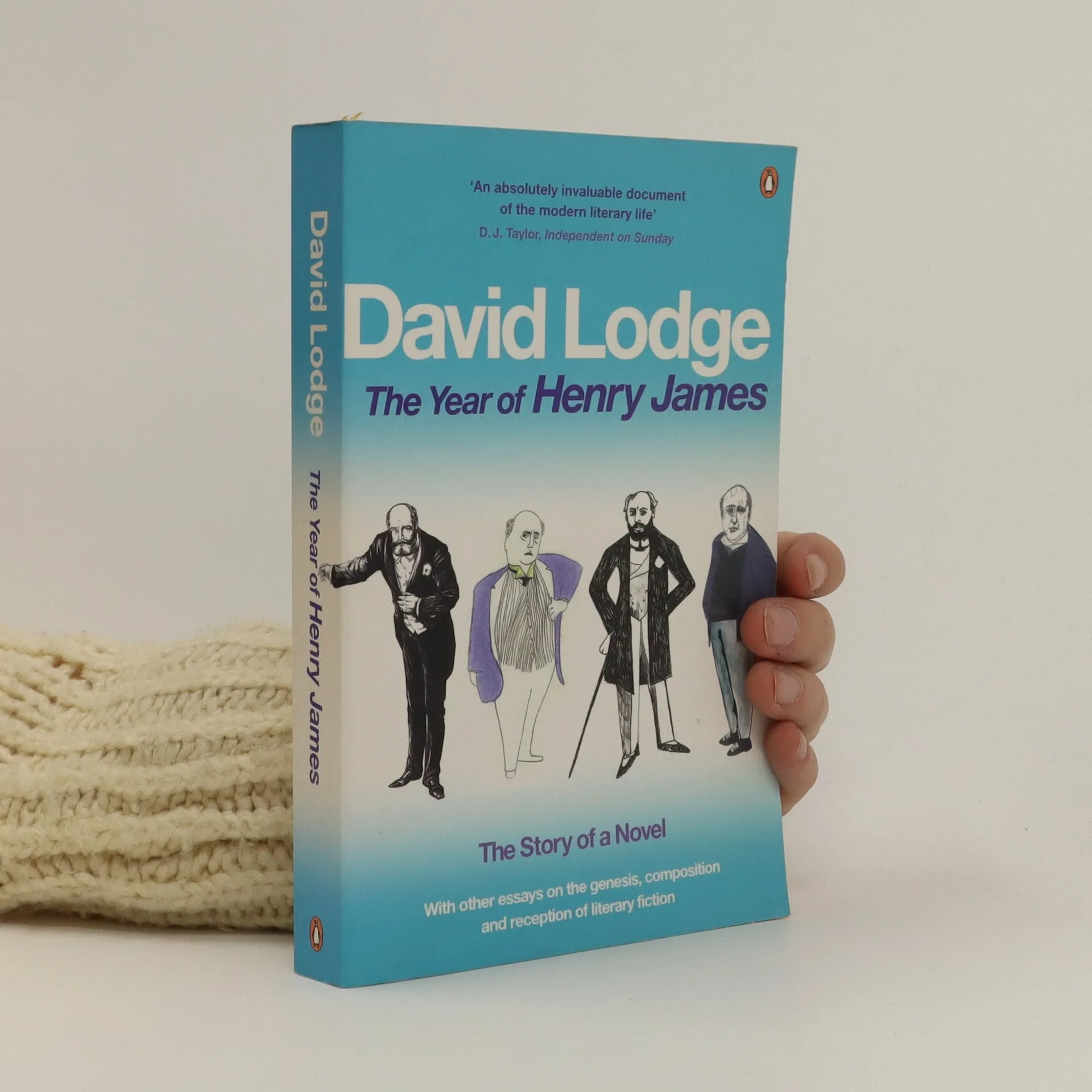
      Where do novelists get their ideas from? How do they develop an idea into a narrative with a specific and individual form? David Lodge traces the history of his novel about Henry James, from the very first mention of the basic idea, through the processes of research and writing, to the publication and reception of the finished book.

      The year of Henry James: the story of a novel
    • 2006

      Dieser Doppelband vereint die Bestseller „Therapie“ und „Denkt“ von David Lodge. „Therapie“ folgt Tubby Passmore, einem Sitcom-Autor, der durch Therapien und persönliche Krisen versucht, sein Leben zu ordnen. „Denkt“ erzählt von David Messenger, einem Direktor, dessen sexuelles Interesse an einer neuen Dozentin zu unerwarteten Wendungen führt.

      Therapie und Denkt. Zwei Romane in einem Band
    • 2004

      Dans le cadre de la mythique université de Gloucester, deux personnages sont engagés dans le jeu complexe de la séduction : Ralph Messenger, spécialiste des sciences cognitives, et Helen Reed, romancière fragilisée par son récent veuvage. A travers une succession d’événements et de retournements de situation, l’auteur confirme avec brio ce que soutient Messenger, à savoir qu’on ne peut jamais connaître avec certitude ce que pense l’autre.

      Rivages poche - Bibliothèque étrangère: Pensées secrètes
    • 2004

      Tascabili - 464: Quante volte, figliolo?

      • 300 stránek
      • 11 hodin čtení

      "Quante volte figliolo?" domandava una volta il sacerdote dalla grata del confessionale, dopo aver ascoltato l'elenco di tutti i peccati... Lo sguardo divertito di David Lodge si appunta questa volta su un gruppo di giovani studenti cattolici, di ognuno dei quali egli segue affettuosamente la storia a partire dalle prime esperienze sessuali - inevitabilmente vissute con senso di colpa - fino agli anni della maturità. Angela e Dennis, Ruth, Adrian, Violet e tutti gli altri si ritrovano in chiesa ogni giovedì mattina, si laureano, si amano, si sposano, lavorano, fanno figli nel contraddittorio travaglio dei mitici anni Sessanta e Settanta. E si interrogano sui dettami morali imposti dalla Chiesa cattolica romana, cui tutti appartengono. Con l'ironia che ben conosciamo Lodge alleggerisce - fino a sfiorare effetti di pura comicità - i toni di una materia che, di per sé, si avvicinerebbe di più al melodramma che alla commedia. Pubblicato direttamente in edizione economica, Quante volte, figliolo? (1980) è un romanzo fresco e divertente, la cui lettura regalerà senza dubbio momenti di grande serenità e piacevolezza.

      Tascabili - 464: Quante volte, figliolo?