

Knihobot

William Irvine

    William B. Irvine je profesor filozofie, který se ve své práci zabývá především antickým řeckým filozofem Epiktétem a jeho stoickým životním postojem. Irvine se snaží zpřístupnit stoické myšlení modernímu čtenáři a ukázat, jak mohou jeho principy pomoci k dosažení vnitřního klidu a naplněného života. Jeho přístup je praktický a zaměřuje se na rozvoj emocionální odolnosti a schopnosti zvládat životní výzvy.

    William Irvine
    Von der Herausforderung, ein Stoiker zu sein
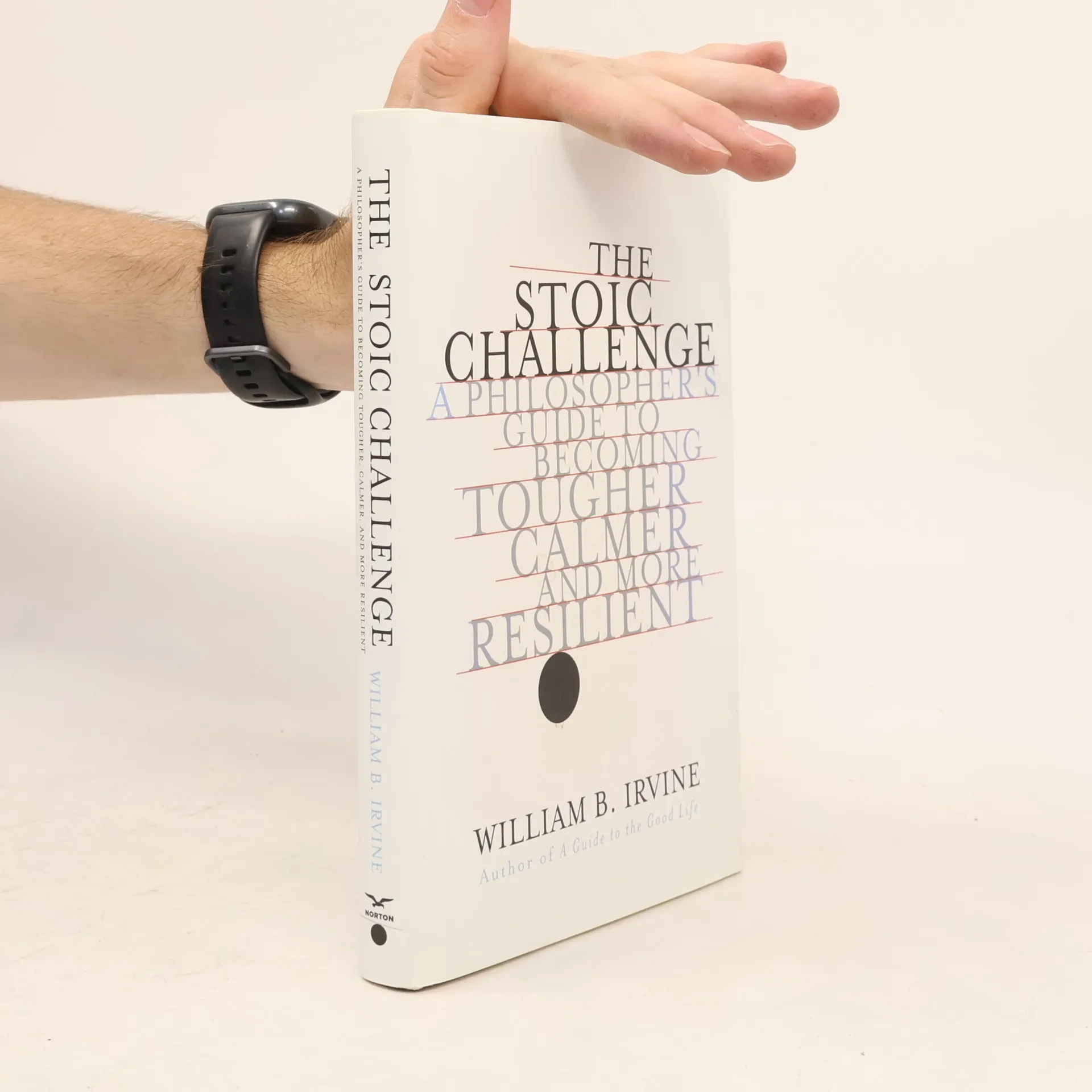
    The Stoic Challenge
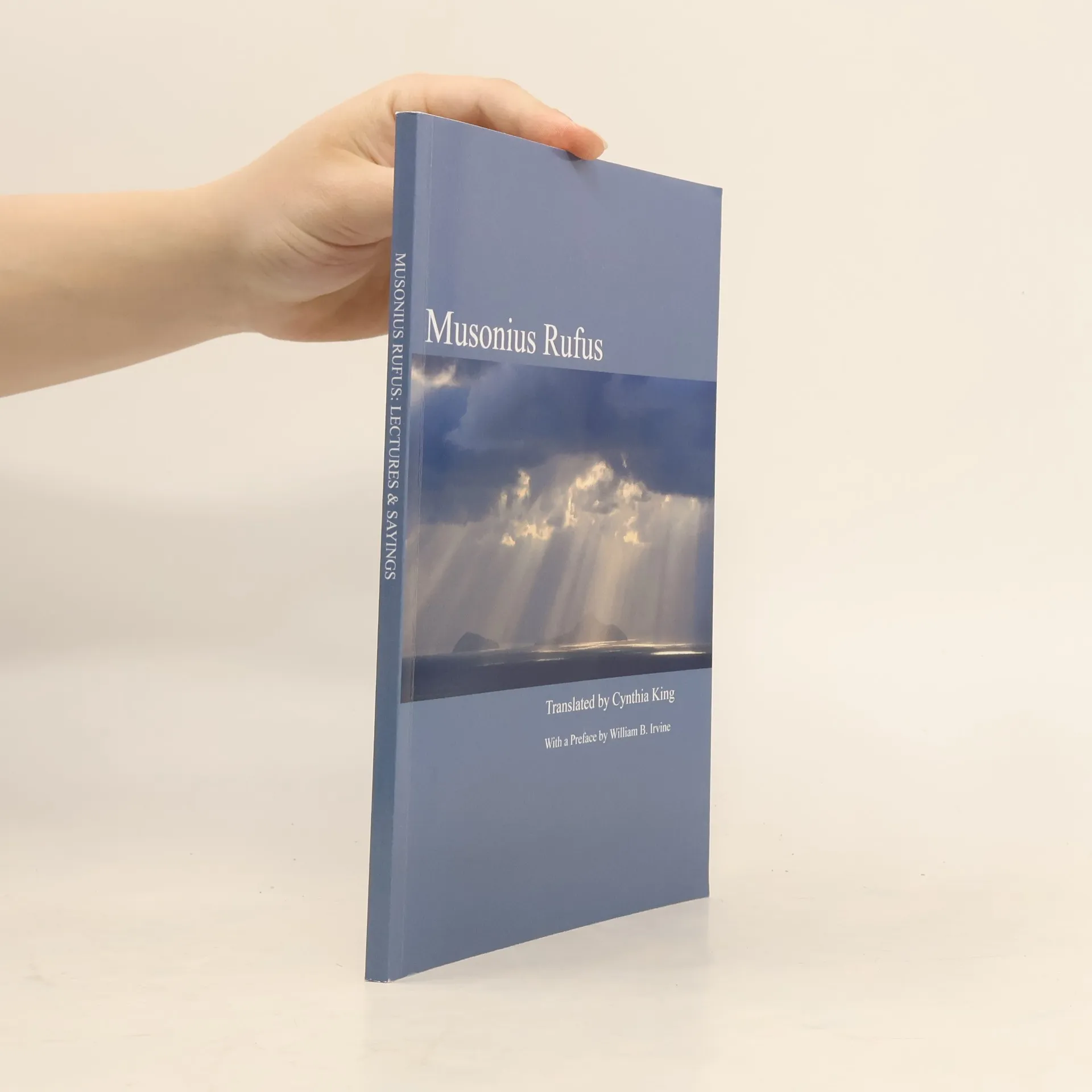
    Musonius Rufus
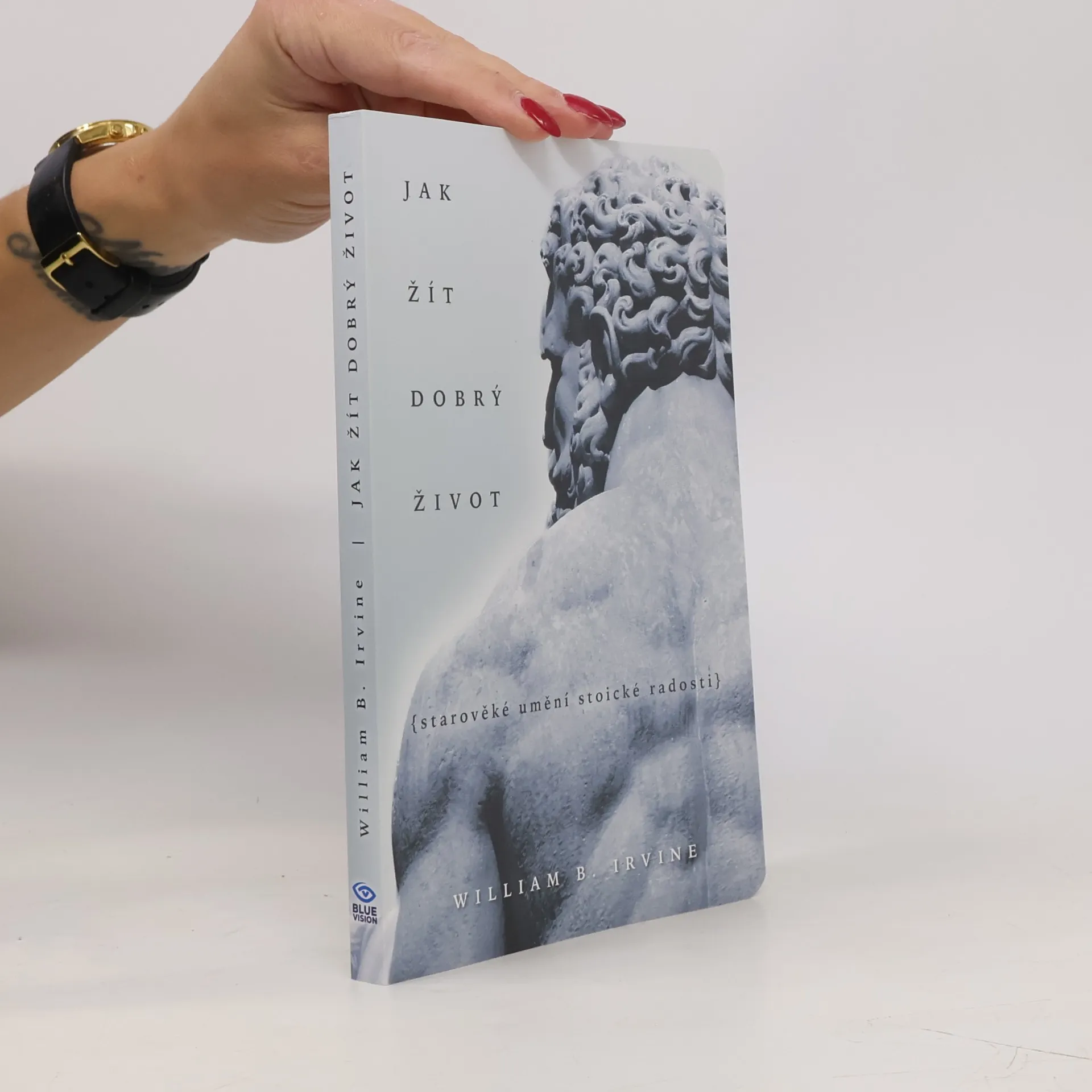
    Jak žít dobrý život: Starověké umění stoické radosti
    • Představte si, že sedíte se starším rodinným přítelem v kavárně a sdílíte své problémy – pracovní, osobní, zdravotní nebo dokonce existenciální. Váš moudrý přítel se zamyslí a doporučí vám pohled starých Stoiků. Posloucháte, přikyvujete a po cestě domů se vám jeho slova vrací do mysli, což vás uklidňuje. Seženete si doporučenou literaturu, čtete a postupně měníte perspektivu, aplikujete jeho rady a zjišťujete, že to funguje. Kniha profesora Williama B. Irvina není jen další self-help příručka, ale praktický manuál pro osobní transformaci a rozvoj. Je jasně a srozumitelně napsaná, přičemž nabízí laskavý přístup k filozofii pro 21. století. Irvinova kniha se stala bestsellerem a základem moderního stoicismu a praktické životní filozofie. Naučíte se jednoduché a okamžitě aplikovatelné metody, které vám pomohou dosáhnout duševního klidu a radosti ze života, získat psychickou i fyzickou odolnost a stát se lepším člověkem. Jak název slibuje, naučíte se, jak žít dobrý život.

      Jak žít dobrý život: Starověké umění stoické radosti
      4,2
    • Musonius Rufus

      Lectures and Sayings

      • 102 stránek
      • 4 hodiny čtení

      Musonius Rufus (c. AD 30-100) was one of the four great Roman Stoic philosophers, the other three being Seneca, Marcus Aurelius, and Musonius' pupil Epictetus. During his life, Musonius' Stoicism was put to the test, most notably during an exile to Gyaros, a barren island in the Aegean Sea. Because Stoicism was, for Musonius, not merely a philosophy but a prescription for daily living, he has been called "the Roman Socrates." MUSONIUS RUFUS: LECTURES AND SAYINGS will therefore be welcomed by those who seek insight into the practice of Stoicism. In this volume, readers will find Cynthia King's translation of Musonius' lectures, as recorded by his pupil Lucius; the sayings attributed to Musonius by ancient writers; an exchange of letters between Musonius and Apollonius of Tyana; and a letter from Musonius to Pankratides. This volume also includes a preface by William B. Irvine, author of A GUIDE TO THE GOOD LIFE: THE ANCIENT ART OF STOIC JOY.

      Musonius Rufus
      4,0
    • The Stoic Challenge

      A Philosopher's Guide to Becoming Tougher, Calmer, and More Resilient

      • 192 stránek
      • 7 hodin čtení

      Ancient Stoic insights combined with modern psychological research help us overcome—and even benefit from—everyday obstacles. Some people bounce back in response to setbacks; others break. We often think that these responses are hardwired, but fortunately this is not the case. Philosopher William B. Irvine combines key lessons from the ancient Stoics— thinkers including Marcus Aurelius and Seneca—with modern psychological techniques such as anchoring and framing to develop a surprisingly simple strategy for dealing with life’s unpleasant surprises. These include minor setbacks like being caught in a traffic jam or having a flight cancelled, as well as major setbacks, like those experienced by physicist Stephen Hawking, who slowly lost the ability to move, and surfer Bethany Hamilton, who lost an arm to a shark. By using the updated Stoic strategy, we can transform life’s setbacks into opportunities for becoming calmer, tougher, and more resilient. The Stoic Challenge is a practical guide to using centuries- old wisdom to help us better cope with the stresses of modern living.

      The Stoic Challenge
      3,7
    • Von der Herausforderung, ein Stoiker zu sein

      Ein philosophisches Handbuch für mehr Stärke, Seelenruhe und Resilienz

      Manche Menschen erholen sich scheinbar mühelos von Rückschlägen, andere zerbrechen daran. Wir denken oft, dass diese Reaktionen unvermeidlich sind, aber das ist zum Glück nicht der Fall. Der Stoizismus, eine der erfolgreichsten Denkschulen aus dem alten Rom, bietet einen alternativen Ansatz: Er lehrt uns, jede Herausforderung als Charaktertest zu betrachten und unsere emotionale Reaktion darauf bewusst zu steuern. Der renommierte Philosoph William B. Irvine kombiniert auf einzigartige Weise antike stoische Erkenntnisse zur Verbesserung der Lebensqualität mit Techniken, die von der zeitgenössischen psychologischen Forschung entdeckt wurden, wie z. B. Ankern und Framing. Das Ergebnis ist eine überraschend einfache Strategie für den Umgang mit unangenehmen und unerwarteten Herausforderungen im Leben – von kleinen Ärgernissen wie einem Stau auf der Autobahn bis hin zu großen Rückschlägen wie denen des Physikers Stephen Hawking, der langsam seine Bewegungsfähigkeit verlor, und des Schriftstellers Jean-Dominique Bauby, der unter dem Locked-in-Syndrom litt. Irvine zeigt, wie wir die Stolpersteine des Lebens in Gelegenheiten verwandeln können, um ruhiger, zäher und widerstandsfähiger zu werden. Wir können nicht nur alltägliche Hindernisse überwinden, wir können sogar von ihnen profitieren.

      Von der Herausforderung, ein Stoiker zu sein