Jacob Neusner Pořadí knih (chronologicky)
Tento autor proslul neuvěřitelným objemem své práce a hlubokým zkoumáním židovské tradice. Jeho spisy se vyznačují pedantskou precizností a snahou zpřístupnit komplexní náboženské a kulturní texty širšímu publiku. Skrze své rozsáhlé dílo se věnuje interpretaci a vysvětlování klasických židovských textů, čímž přispívá k jejich pochopení v moderním světě. Autorův přístup je charakteristický snahou o detail a akademickou rigoróznost.



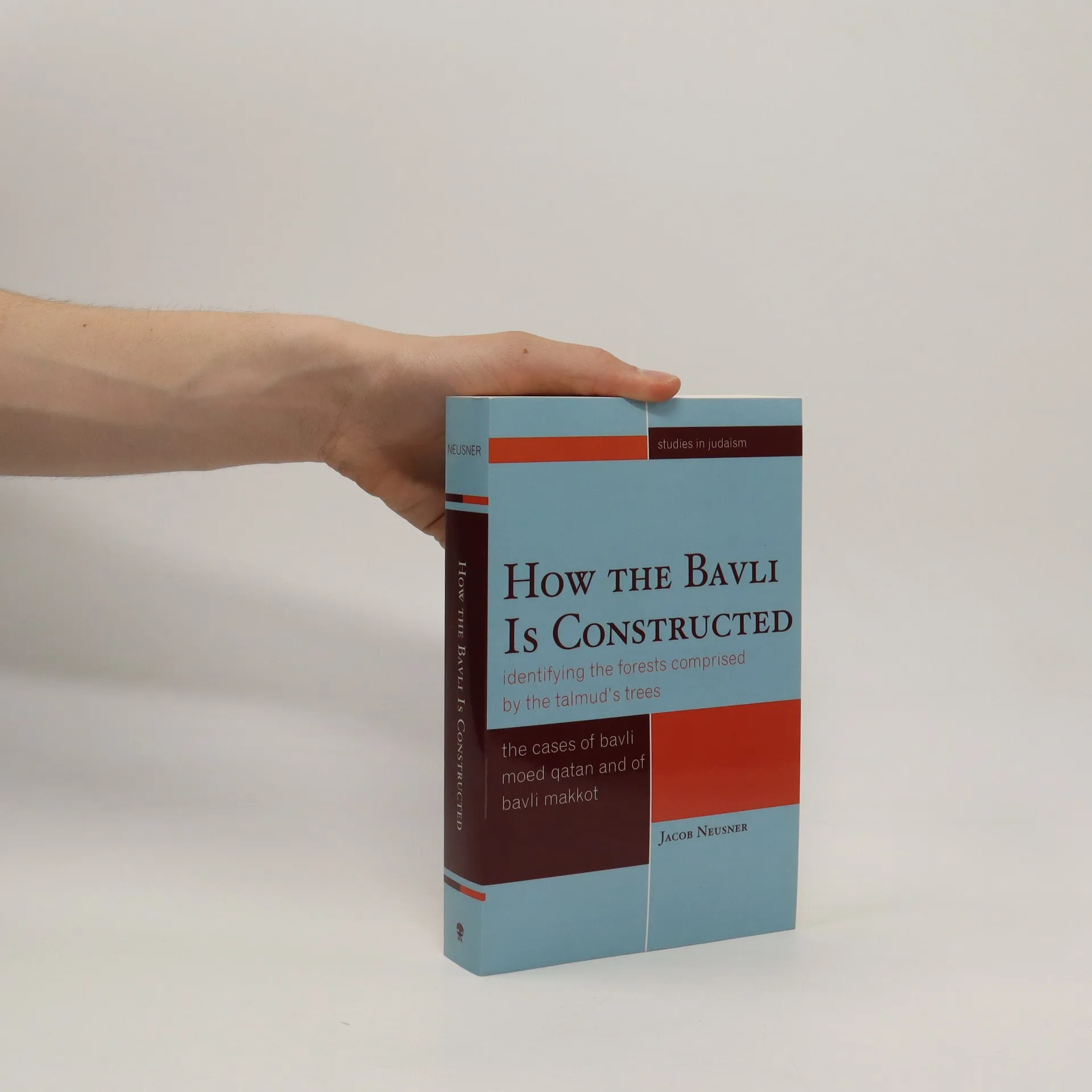
How the Bavli is Constructed
- 423 stránek
- 15 hodin čtení
In this Neusner book, he seeks to discern the Talmud's forests from its trees. By "trees" is meant episodic and free-standing statements, facts out of any larger context. By "forests" is meant whole paragraphs and still larger constructions of thought made out of sentences that in context and in sequence cohere. Accordingly, the issue here is how the Talmud transforms isolated facts into cogent and coherent constructions: the forests formed by the Talmud's trees. What is at stake is simply stated: What ignores the program of the Bavli in its composition and in the formation of its composites belongs in other, different documents from the Bavli and we can reconstruct through an act of imagination in response to the characteristics of the secondary composites of the Bavli the traits of those other, different documents.
The Talmud serves as a foundational text that unifies Jewish communities across diverse languages and cultures through a shared set of values, law, and theology. Jacob Neusner, a distinguished scholar, provides insights into the Talmud's historical context and significance, demonstrating its enduring relevance in contemporary society. Through his exploration, readers gain a deeper understanding of this pivotal work and its impact on Jewish identity and tradition.
Focusing on pivotal historical events, the book analyzes the destruction of the First and Second Temples and the Bar Kokhba revolt, emphasizing their significance in shaping Rabbinic Judaism. Through extensive textual evidence, it delves into the covenantal theology found in the Torah and Scripture, illustrating how these calamities influenced religious thought and practice. The exploration offers insights into the transformation of Jewish identity and belief systems following these critical moments in history.
The Mishnah
- 238 stránek
- 9 hodin čtení
A leading scholar of the formative age and writings of Judaism here formulates a theory of the Mishnah (one of the earliest dated sources of Judaism): what it is, how it should be read, and why it is of considerable interest in the study of religious conceptions of the social order. Each of the book's chapters are amply illustrated with texts that have been freshly translated by the author. The result is a relatively quick and easy entry into the sometimes difficult and complex world of the Mishnah and its laws concerning agriculture, appointed seasons, women and property, civil and criminal law, conduct of the cult and the Temple, and preservation of cultic purity in the Temple and under certain domestic circumstances, with special reference to the table and the bed. Any valid description of early rabbinic thought - and therefore of early Christianity - must begin with the Mishnah and must focus on the subjects the sages considered important. This book introduces the reader to the world of the Mishnah in a thoughtful, engaging, and spirited manner.
Judaism
- 198 stránek
- 7 hodin čtení
Judaism represents a tradition that goes back nearly 6,000 years. This book talks about the stories, beliefs and expressions of that tradition. The key topics covered include: the Torah; Israel - the state and its people; Passover; Reform Judaism, Orthodox Judaism and Zionism; and, the impact of the Holocaust.
The Mishnah (2 Vols)
- 270 stránek
- 10 hodin čtení
Exploring the Mishnah's connection to Scripture reveals its vital role in understanding Judaism. It examines how religious concepts evolved within their historical context and the significance of the Mishnah's language. Rather than merely documenting ancient rules, it reflects the lived experiences and social dynamics of Jewish life, offering insights into the religion's development and practices.
Jacob Neusner is Research Professor of Religion and Theology at Bard College.
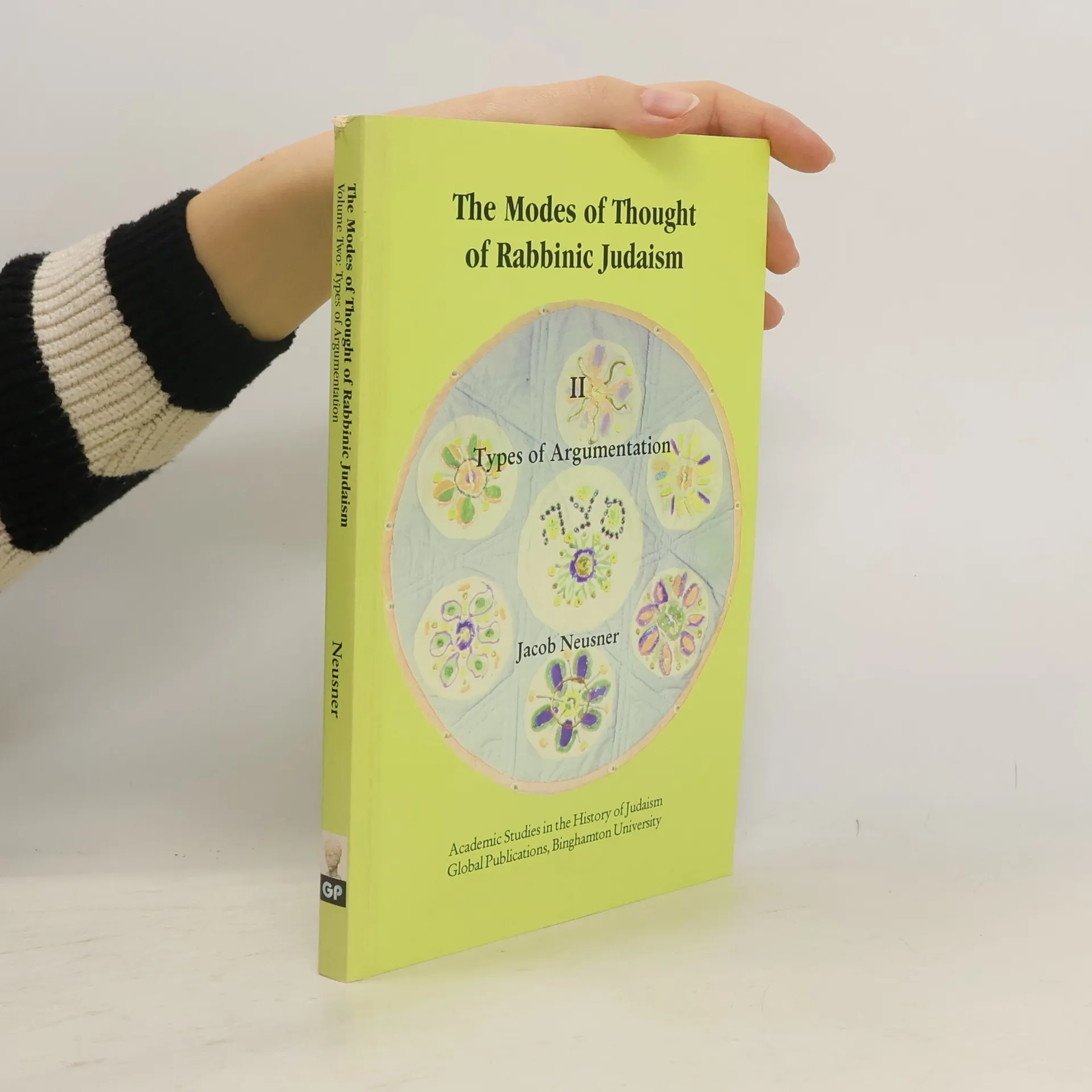
The Modes of Thought of Rabbinic Judaism
- 217 stránek
- 8 hodin čtení
Do ubiquitous modes of thought—types of analysis, types of argumentation—pervade the entire corpus of the Rabbinic writings of late antiquity and impart coherence to those diverse documents? Here the author reports on the results of a systematic probe of representative Halakhic and Aggadic documents in search of the answer to that question. The result is limited but one-sided: the answer is yes, they do. The inquiry proves urgent, because the bases for supposing the Rabbinic documents coalesce have diminished, and the differences between and among them have made their mark. For we now realize that each of the rabbinic documents of the formative age, from the Mishnah through the Talmud of Babylonia, ca. 200–600, exhibits indicative traits that distinguish that document from all others in the Rabbinic canon. If we characterize a document by reference to its governing program of topic, rhetoric, and logic of coherent discourse, none recapitulates the definitive qualities of any other. Some share traits of common forms or rhetoric; others appeal to a logic of coherent discourse that pertains beyond their limits; and still other sets of documents may go over the same topics of propositions at some determinate points. But the particular combination of [1] rhetorical forms, [2] topical issues, and [3] the logical media of coherence that define one document prove unique to that document.
Talmud of the Land of Israel
An Academic Commentary: Vol. XXVI, Tractate Abedah Zarah
- 221 stránek
- 8 hodin čtení
Focusing on the structure and logic of the Talmud, the author systematically analyzes its discourse units and their organization into larger composites. By delineating the sequence and governing principles of rationality, he reveals the Talmud's role as both a commentary on the Mishnah and an expansion of its laws. The work is presented in a graphic manner, making complex academic concepts accessible to a broader audience.
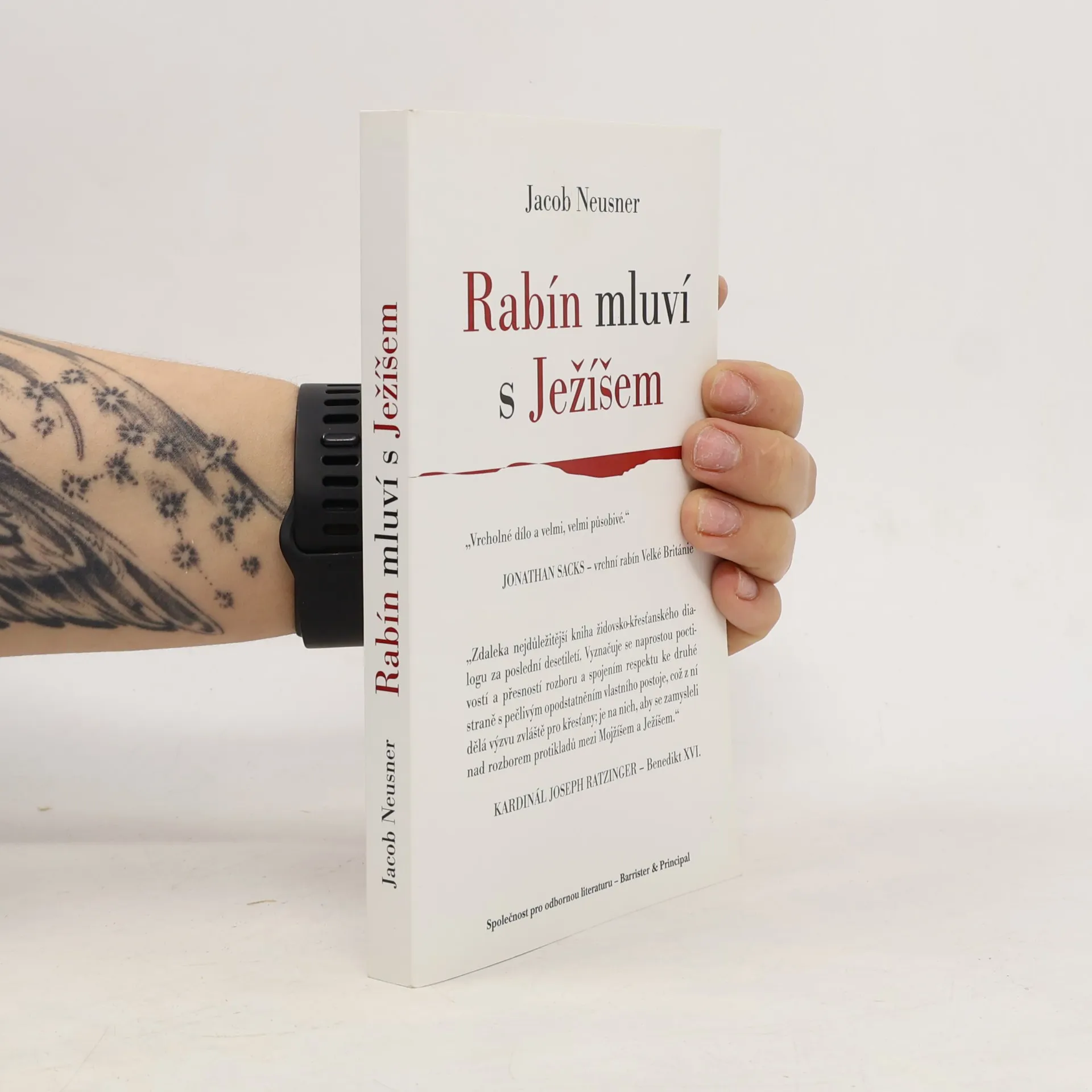
„Zdaleka nejdůležitější kniha židovsko-křesťanského dialogu za poslední desetiletí. Vyznačuje se naprostou poctivostí a přesností rozboru a spojením respektu ke druhé straně s pečlivým opodstatněním vlastního postoje, což z ní dělá výzvu zvláště pro křesťany; je na nich, aby se zamysleli nad rozborem protikladů mezi Mojžíšem a Ježíšem.“ KARDINÁL JOSEPH RATZINGER – Benedikt XVI. Představte si, že jste se přenesli v čase o dva tisíce let zpátky, do doby Ježíšova galilejského kázání na hoře. Vyslechli jste jeho slova – opustíte teď své náboženské přesvědčení a ideologii a půjdete za Ježíšem, nebo si ponecháte vlastní víru a půjdete svou cestou? Na takovouto duchovní pouť se vydává Jacob Neusner ve své knize Rabín mluví s Ježíšem.
The Talmud of the Land of Israel, an Academic Commentary
VI. Yerushalmi Tractate Sukkah
- 161 stránek
- 6 hodin čtení
Demonstrating that the Yerushalmi forms a systematic compilation of commentaries on the Mishnah, Neusner (religious studies, U. of South Florida; Bard College, NY) outlines the second-fourth divisions of this tractate in the Babylonian Talmud and compares and contrasts them with their counterparts in the Bavli. He focuses on the document's sense-units, how they take shape, and what makes them cohere. There is a vol. no. discrepancy between the CiP and listing elsewhere in the text. No index. Annotation copyrighted by Book News, Inc., Portland, OR
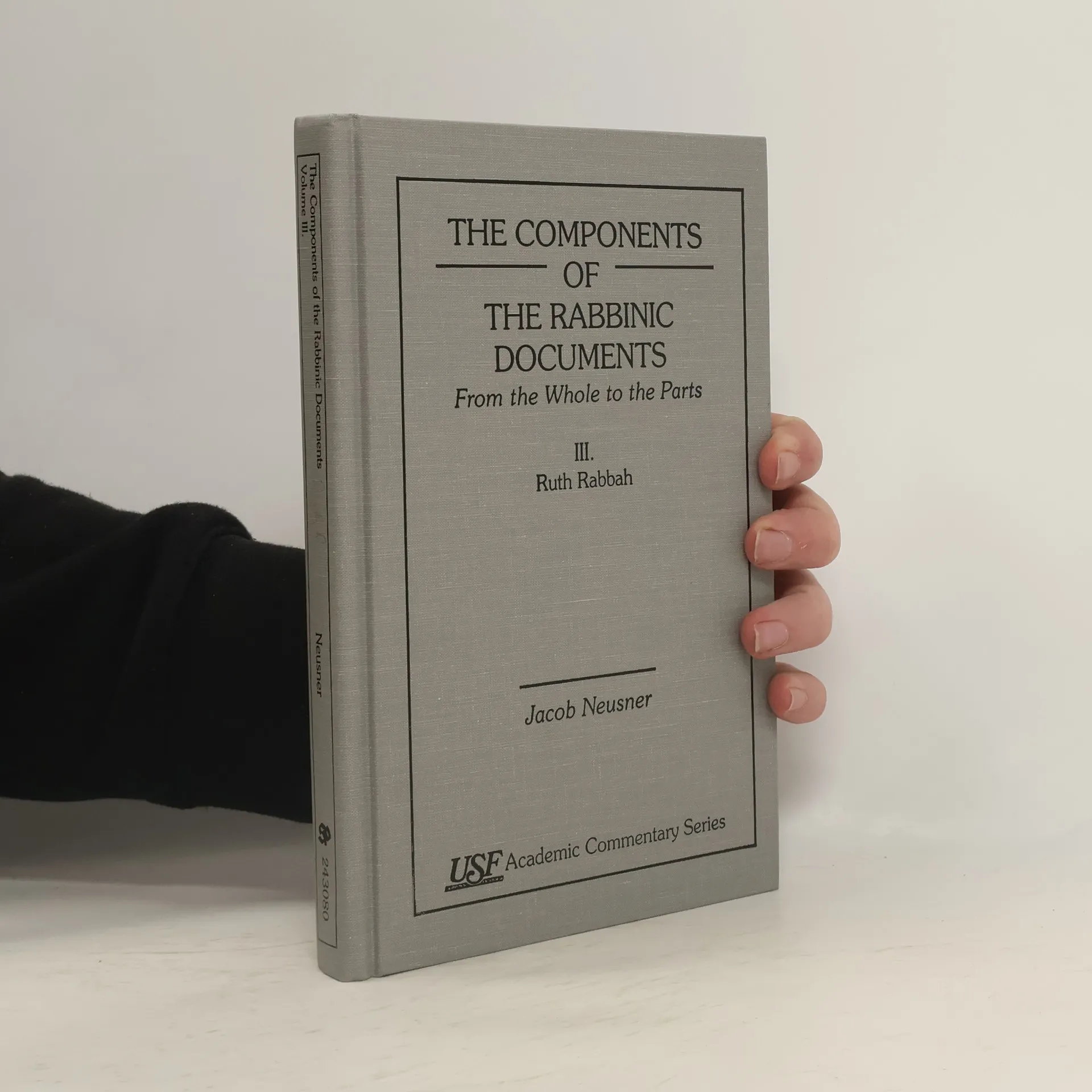
The Components of the Rabbinic Documents, from the Whole of the Parts
Vol. I, Sifra, Part I: Part 1-3, Chapters 1-98
- 440 stránek
- 16 hodin čtení
Hardback January 1997 224 6 1/2 x 9 By Jacob Neusner Academic Commentary
The Components of the Rabbinic Documents, from the Whole to the Parts
Vol. V, Song of Songs Rabbah, Part II
- 368 stránek
- 13 hodin čtení
Exploring the sexual history of a perplexed yet loving man, this award-winning novel delves into the sexual liberation of a city and the complex ambiguities inherent in human sexuality. Through its rich narrative, it captures the evolution of personal and societal desires, making it a profound reflection on intimacy and identity.
The Components of the Rabbinic Documents, from the Whole to the Parts
Vol. X, Leviticus Rabbah, Part III: Topical and Methodical Outline
- 288 stránek
- 11 hodin čtení
Exploring the complexities of sexuality, this award-winning novel delves into the experiences of a loving yet perplexed man against the backdrop of a city's sexual liberation. It examines the intricate nuances of human desire and the evolving nature of sexual identity, offering a profound commentary on the ambiguities that define human relationships.
The Two Talmuds Compared
Vol. II, Division of Women in the Talmud of the Land of Israel and the Talmud of Babylonia, Tractates Yebamot and Ketubot, a
- 494 stránek
- 18 hodin čtení
The Two Talmuds Compared
Vol. III, the Divisions of Damages in the Talmud of the Land of Israel and the Talmud of Babylonia, D
- 392 stránek
- 14 hodin čtení
The Two Talmuds Compared
Vol. I (F), Tractate Berakhot and the Division of Appointed Times in the Talmud of the Land of Israel and the Talmud of Babylonia, F
- 414 stránek
- 15 hodin čtení
The Two Talmuds Compared
Vol. III, the Divisions of Damages in the Talmud of the Land of Israel and the Talmud of Babylonia, B
- 476 stránek
- 17 hodin čtení
The Two Talmuds Compared
Vol. III, the Division of Damages in the Talmud of the Land of Israel and the Talmud of Babylonia, a
- 548 stránek
- 20 hodin čtení
The Two Talmuds Compared
Vol. III, the Division of Damages in the Talmud of the Land of Israel and the Talmud of Baylonia, C
- 424 stránek
- 15 hodin čtení
The Two Talmuds Compared
Vol. I (D), Tractate Berakhot and the Division of Appointed Times in the Talmud of the Land of Israel and the Talmud of Babylonia, D
- 322 stránek
- 12 hodin čtení
The Two Talmuds Compared
Vol. I (E), Tractate Barakhot and the Division of Appointed Times in the Talmud of the Land of Israel and the Talmud of Babylonia, E
- 363 stránek
- 13 hodin čtení
The Two Talmuds Compared
Vol. I (G), Tractate Berkhot and the Division of Appointed Times in the Talmud of the Land of Israel and the Talmud of Babylonia, G
- 310 stránek
- 11 hodin čtení
The Two Talmuds Compared
Vol. I (C), Tractate Berakhot and the Division of Appointed Times in the Talmud of the Land of Israel and the Talmud of Babylonia, C
- 292 stránek
- 11 hodin čtení
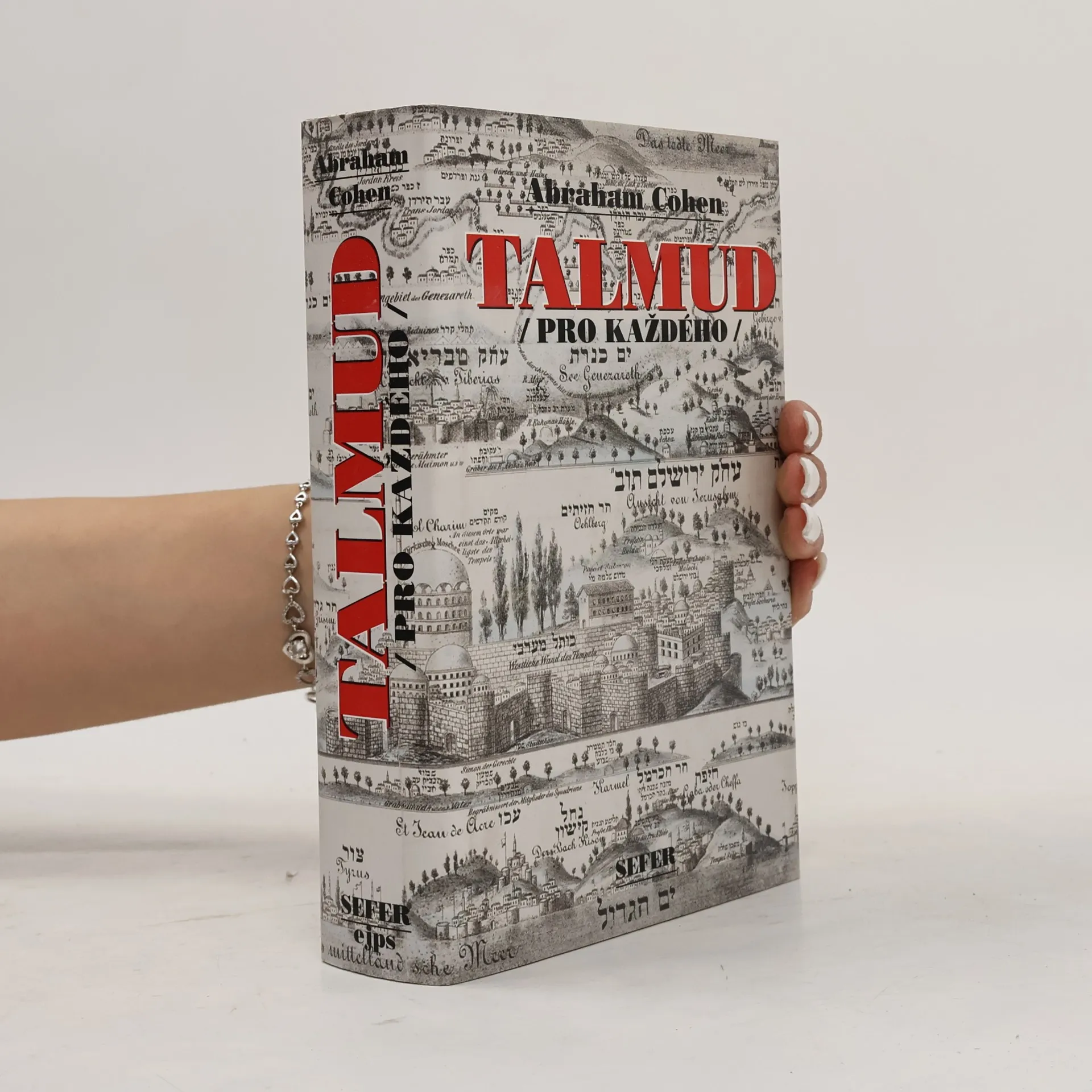
Kniha Talmud (pro každého) je první populárně-naučná práce v češtině, která dává celkovou představu o základním souboru židovského zákona a židovské tradice, o jeho rozmanitých podobách a tématech, a to v jazyce, jenž je díky autorově erudici textu originálu maximálně blízký (Cohen se podílel na překladu kompletního Babylonského talmudu do angličtiny). V úvodu jsou popsány historické okolnosti vzniku Talmudu a uvedeny všechny traktáty se stručnou charakteristikou. Kniha je rozdělena do jedenácti kapitol: (Učení o Bohu; Bůh a svět; Učení o člověku; Zjevení; Rodina; Společnost; Mravní život; Tělesný život; Folklor; Právo; Posmrtný život), každá z nich má několik dalších podkapitol. Autor představuje nejen agadickou část Talmudu, jež je čtenářsky vděčnější, ale také halachu – zákon a nejrůznější situace, na něž je aplikován. Tematicky uspořádané citáty z Talmudu doprovází Cohenův komentář, který čtenáře uvádí do historických souvislostí či tvoří přechod mezi ukázkami různorodých rabínských interpretací problémů. Text je bohatě doplněn poznámkami a vysvětlivkami.
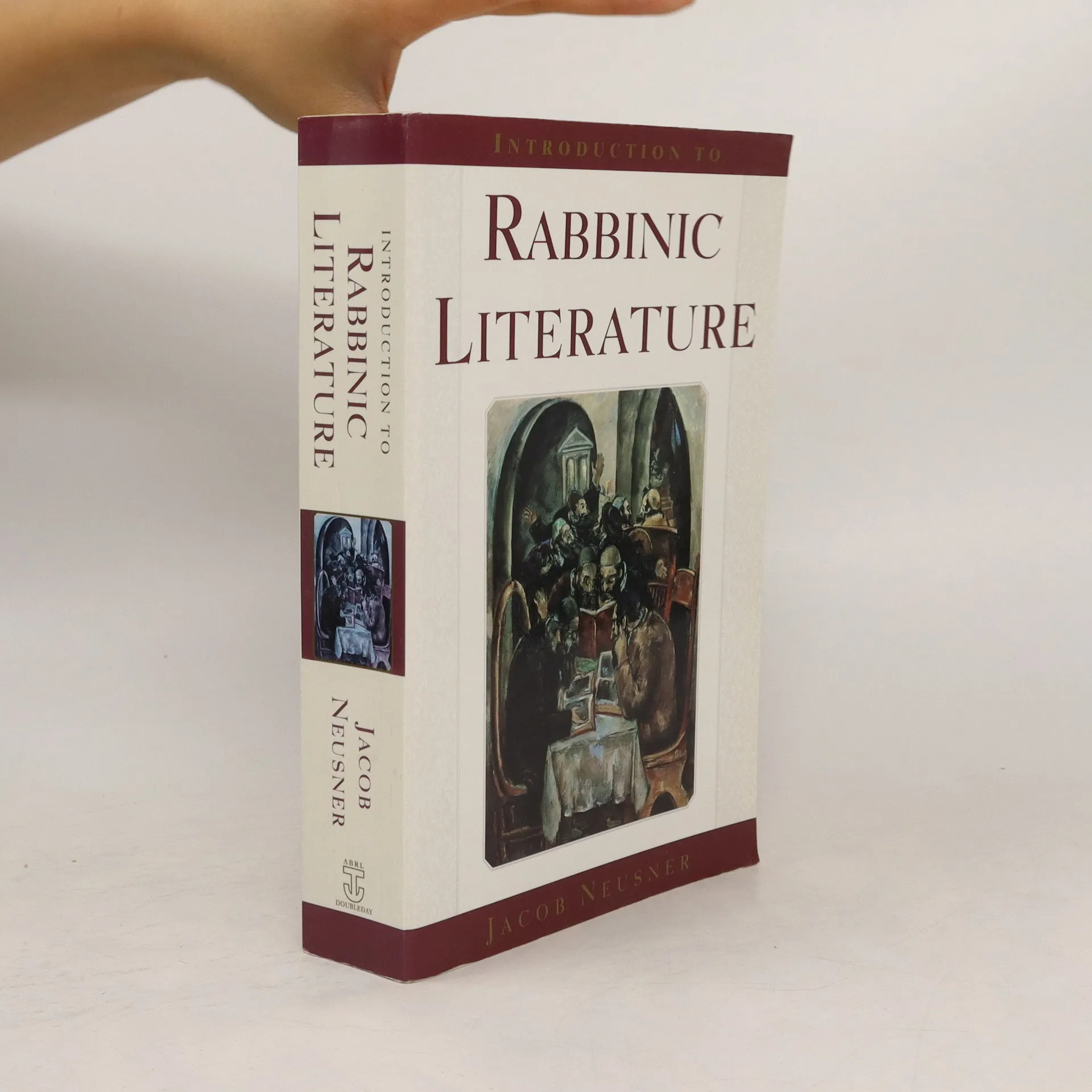
Introduction to Rabbinic Literature
- 752 stránek
- 27 hodin čtení
Nouwen's most immediate and personal work ever, offering courage and hope to htose who have suffered a loss.
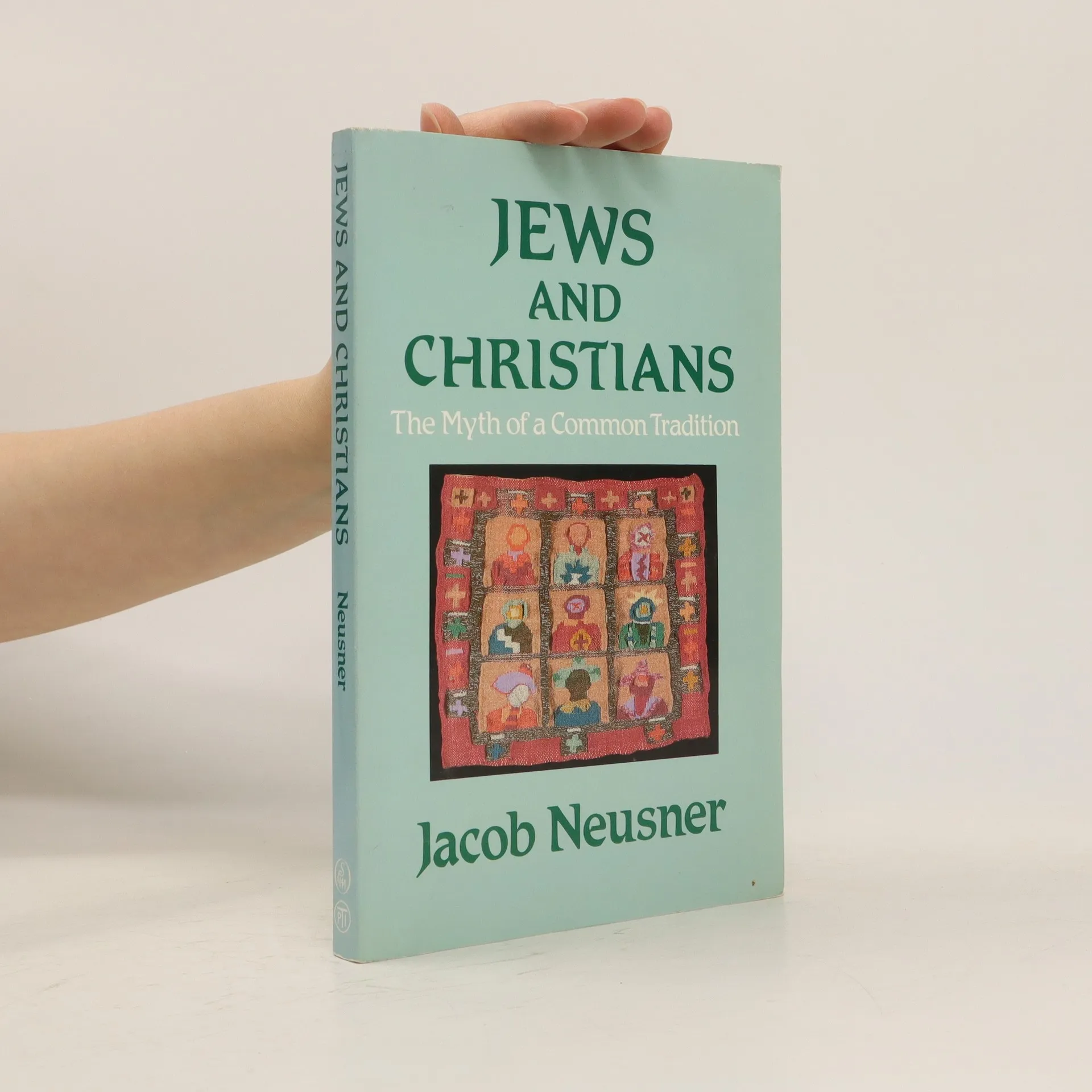
The author proposes that "there is not now, and there never has been, a dialogue between the religions of Judaism and Christianity." The first part of the book represents historical discourse through which Professor Neusner underscores that, from the very beginnings, the Judaic and Christian religious worlds scarcely intersected (with the exception of the fourth century). In the second part, Neusner spells out theological reasons underlying the "myth" of a Judeo-Christian tradition. He calls for an understanding of religions as systems so that each party can describe fully, honestly, and accurately the religion it proposes to bring into dialogue with the other. Only when both parties grasp what is meant in context can dialogue actually occur. Throughout this absorbing book, Professor Neusner summons readers to make an effort to treat as legitimate and authentic religions other than their own, and to value a religion's account of itself. Then genuine dialogue may be possible, and such dialogue is essential for world peace. Jacob Neusner is Graduate Research Professor of Humanities and Religious Studies at the University of South Florida, Tampa.
The Mishnah : A New Translation
- 1207 stránek
- 43 hodin čtení
The eminent Judaica scholar Jacob Neusner provides here the first form-analytical translation of the Mishnah. This path-breaking edition provides as close to a literal translation as possible, following the syntax of Mishnaic Hebrew in its highly formalized and syntactically patterned language. Demonstrating that the Mishnah is a work of careful…
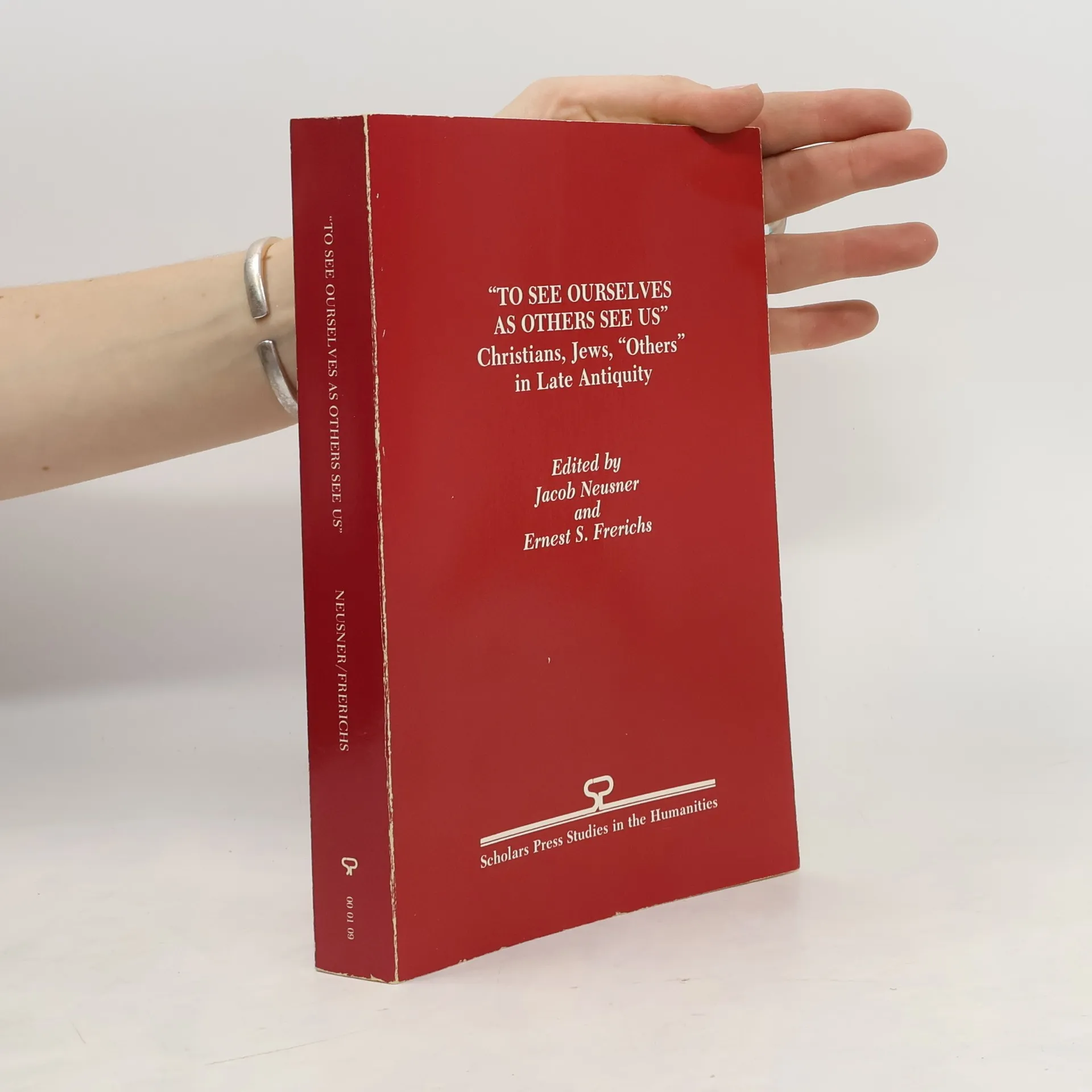
To See Ourselves As Others See Us
Christians, Jews, "Others" in Late Antiquity