

Tim Wu Pořadí knih (chronologicky)
1. leden 1972
Tim Wu je autor, jehož díla se zabývají technologií a jejími společenskými dopady. Jeho psaní často zkoumá hlubší důsledky technologických změn a jejich vliv na společnost. Wu se zaměřuje na analýzu toho, jak technologie formují náš svět a jak bychom k ní měli přistupovat. Jeho práce jsou oceňovány pro svou pronikavost a schopnost osvětlit složité problémy.


The Curse of Bigness
- 192 stránek
- 7 hodin čtení
We live in an age of extreme corporate concentration, in which global industries are controlled by just a few giant firms-big banks, big pharma, and big tech, just to name a few. But concern over what Louis Brandeis called the "curse of bigness" can no longer remain the province of specialist lawyers and economists, for it has spilled over into policy and politics, even threatening democracy itself. History suggests that tolerance of inequality and failing to control excessive corporate power may prompt the rise of populism, nationalism, extremist politicians, and fascist regimes. In short, as Wu warns, we are in grave danger of repeating the signature errors of the twentieth century. In The Curse of Bigness, Tim Wu, special assistant to President Biden for technology and competition policy, explains how figures like Brandeis and Theodore Roosevelt first confronted the democratic threats posed by the great trusts of the Gilded Age-but the lessons of the Progressive Era were forgotten in the last 40 years. He calls for recovering the lost tenets of the trustbusting age as part of a broader revival of American progressive ideas as we confront the fallout of persistent and extreme economic inequality
The Attention Merchants
- 432 stránek
- 16 hodin čtení
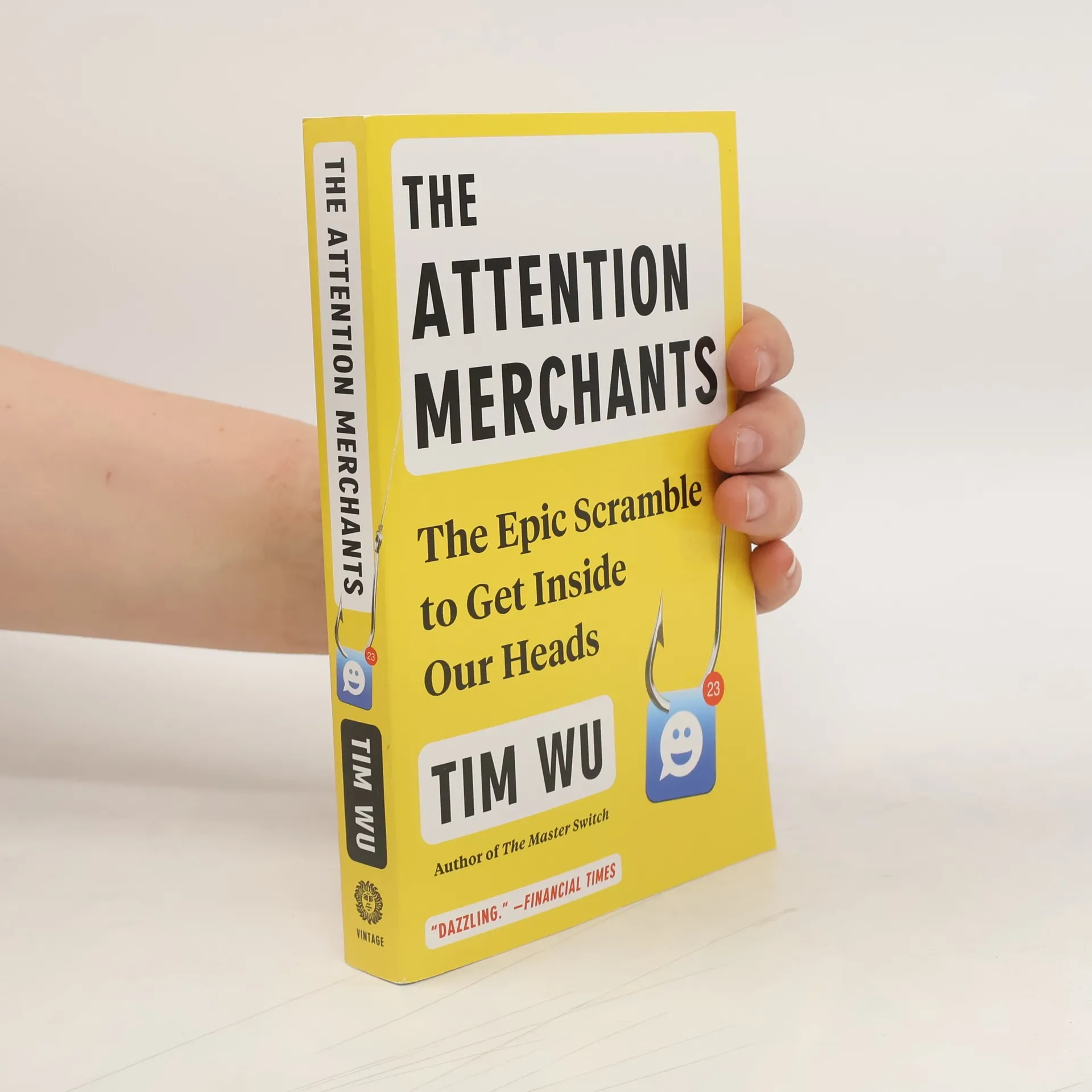
Vigorous and entertaining, this book explores how electronic media has turned human attention into a highly valuable commodity. It addresses the growing anxiety surrounding the information age, offering a bracing intellectual tour de force. Readers will encounter lesser-known ideas and episodes from media history, presented with elegance and clarity, akin to stepping into a meticulously organized closet. This examination reveals the commercial efforts to capture and commodify our attention, illustrating how we have become both consumers and producers, essentially selling ourselves to ourselves. The narrative includes sharp illustrations of those who have attempted to resist the encroachment of advertising in our lives, often with little success, dramatizing the ongoing struggle effectively. It provides an engaging history of the attention economy, revealing how our current conditions have developed over time. The timing of this exploration is impeccable, as it traces marketers' relentless advance into our daily lives. Overall, it offers an erudite, energizing, and thorough account of humanity's fundamental endeavor: getting others to care about what matters to us. This engaging and informative work is a must-read for anyone interested in the dynamics of attention in our modern world.
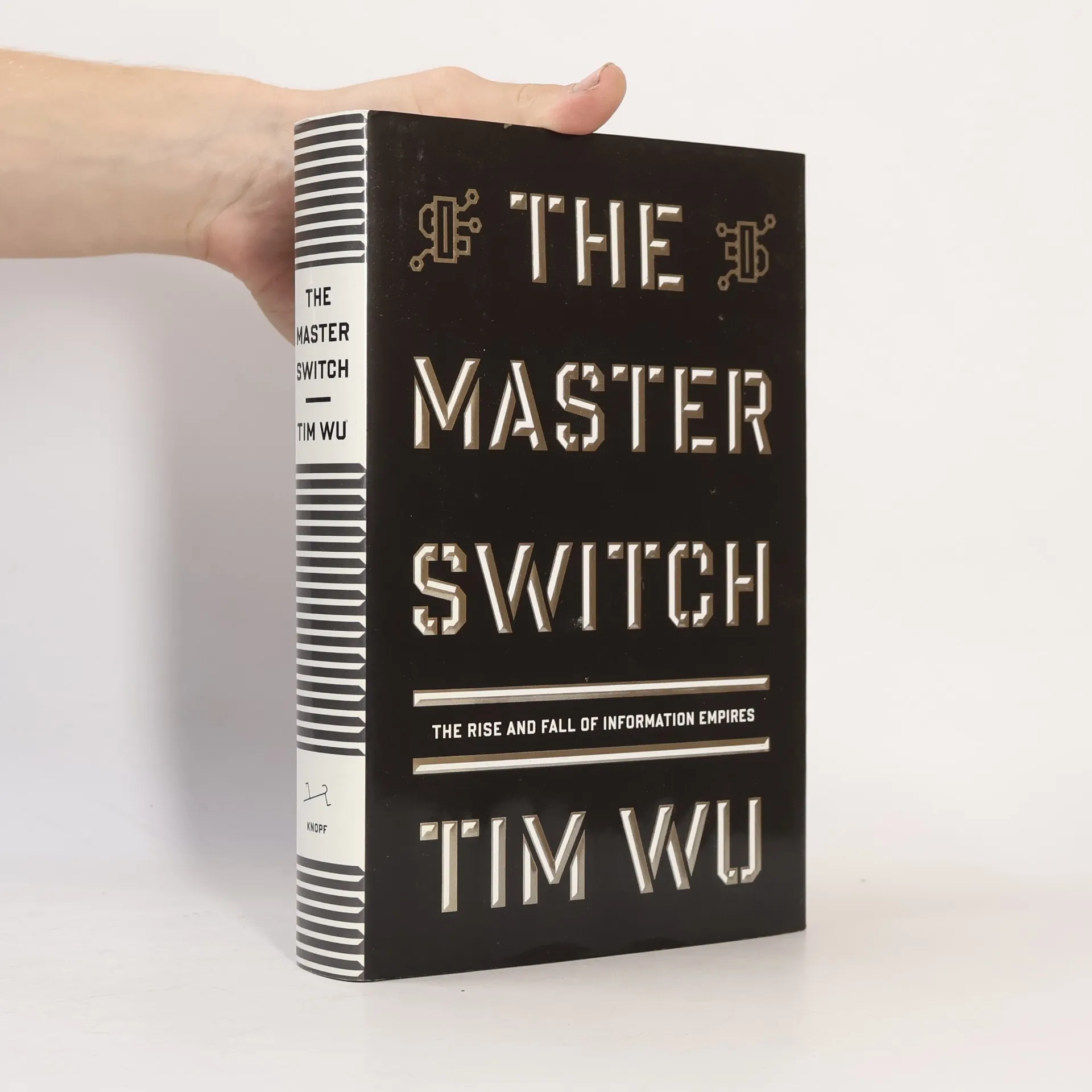
In the era of an open internet, it's easy to overlook how every American information industry, starting with the telephone, has ultimately fallen under the control of monopolies or cartels. With all media now converging on a single network, the potential for centralized control over American information is unprecedented. The author raises a critical question: could the internet, the lifeblood of American information, be dominated by a single corporate giant wielding "the master switch"? This pathbreaking work traces the history of twentieth-century media—radio, telephone, television, and film—each initially thriving in an open environment before being overtaken by powerful moguls. The author illustrates how innovation leads to industry, which in turn fosters empires, often with government support that stifles free expression and innovation. This pattern is evident in today's major information players, such as Apple, Google, and a resurgent AT&T. As a fierce battle for the internet's future looms, and with nearly every aspect of life reliant on this network, the stakes have never been higher. This book serves as both an industrial expose and a reflection on the freedoms necessary in the information age, shedding light on a drama that has unfolded for decades and carries alarming implications for our future.
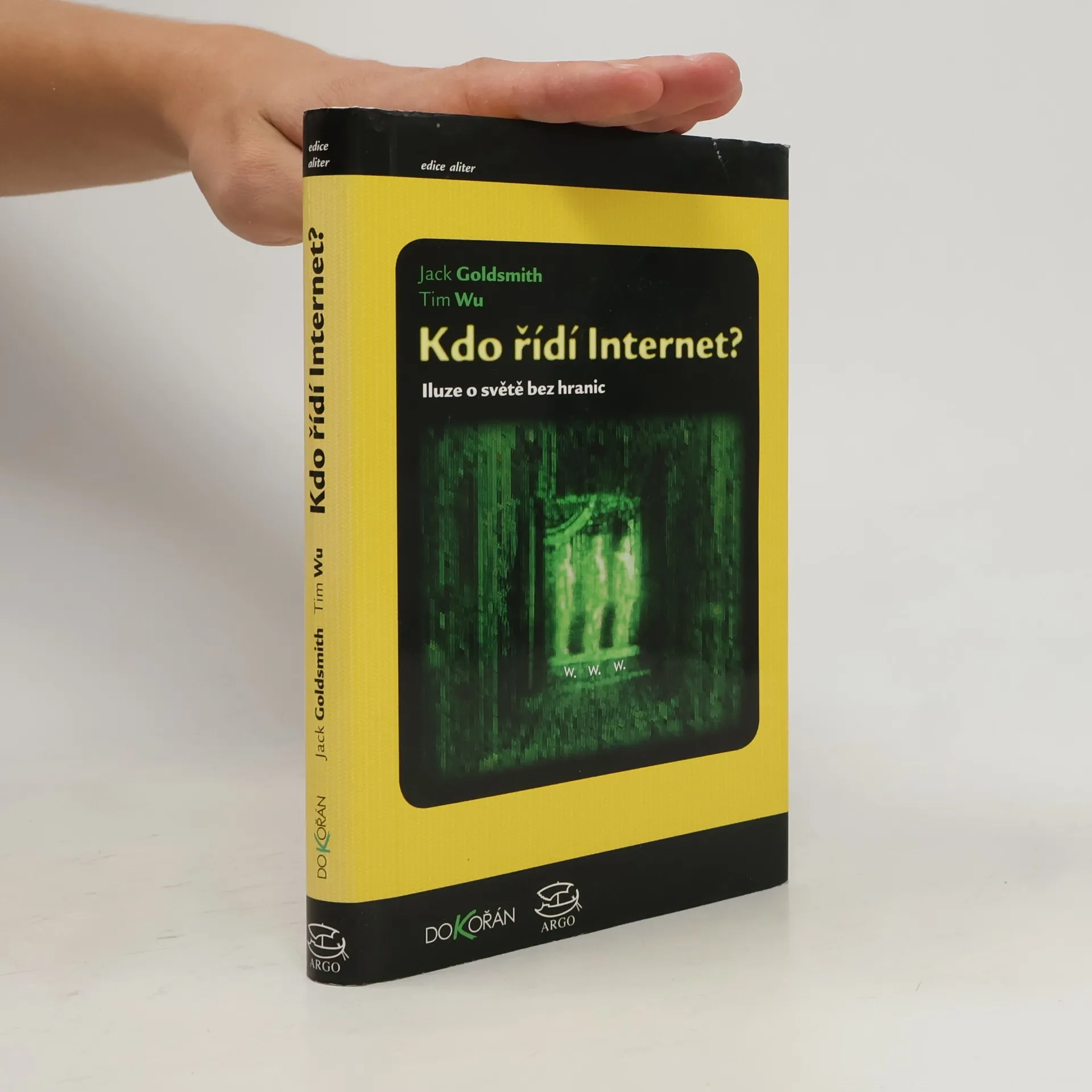
Iluze o světě bez hranic. V 90. letech 20. století akademici i ředitelé velkých firem považovali Internet za hnací motor nové globalizace, která podkope autoritu a význam klasického státu. Zdálo se, že příchod Internetu je předzvěstí nového způsobu uspořádání lidských záležitostí, který nás navždy vysvobodí z tyranie teritoriálních vládců. Tato kniha vypráví příběh o Internetu, který v 90. letech 20. století začal narušovat moc jednotlivých státních správ, a následném boji vlád o ovládnutí nového média. Je to příběh smrti snu o kyberkomunitách, které si vládnou samy, a jednou provždy tak uniknou zeměpisným omezením. Je to také příběh o zrození a prvních letech nového druhu Internetu - územně ohraničené sítě, kde regionální zákony, státní moc a mezinárodní vztahy mají stejný význam jako technická invence. Pohled autorů na vývoj Internetu ale není pesimistický. Ukazuje, že zeměpisně ohraničený Internet má řadu nedoceňovaných výhod, zohledňuje potřeby jednotlivých uživatelů i firem, které na Internetu podnikají.