Bill Manley is a distinguished Egyptologist whose extensive research and teaching have deeply enriched the study of ancient Egypt. His career has been dedicated to making complex historical and linguistic subjects accessible, evident in his influential work on Egyptian scripts and hieroglyphs. Through his engaging publications, he brings the wonders of ancient Egypt to a wide audience, revealing the mysteries and grandeur of this ancient civilization with clarity and insight.
A new translation of a philosophical and practical advice classic of the ancient world, The Teaching of Ptahhatp, written in Egypt four thousand years ago and still relevant for modern readers today.
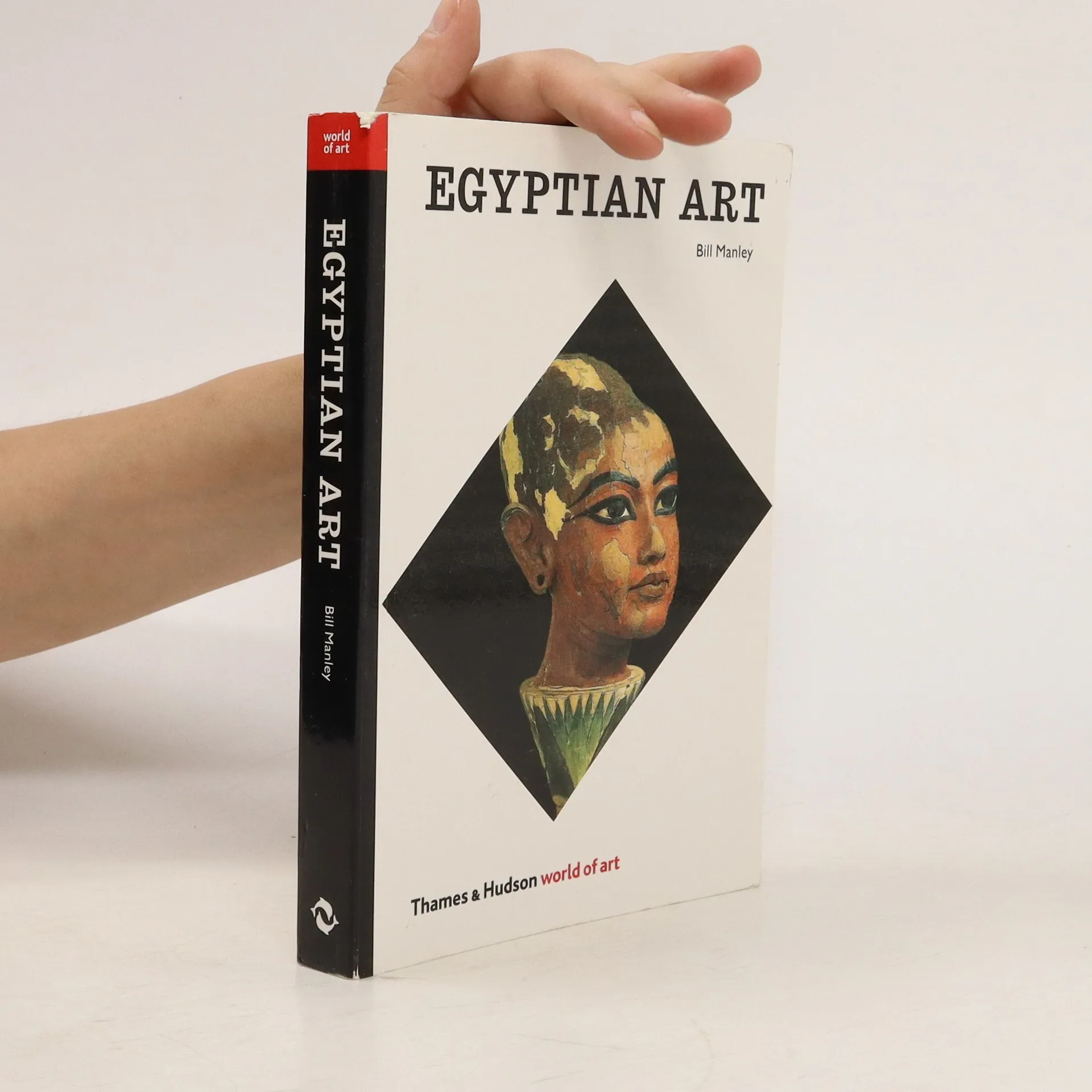
An insightful volume delving into the enduringly compelling art of ancient Egypt, from a new historical perspective The art and architecture of Egypt during the age of the pharaohs continue to capture the imagination of the modern world. Among the great creative achievements of ancient Egypt are a set of constant forms: archetypes in art and architecture in which the origins of concepts such as authority, divinity, beauty, and meaning are readily discernible. Whether adapted to fine, delicate jewelry or colossal statues, these forms maintain a human face—with human ideas and emotions. These artistic templates, and the ideas they articulated, were refined and reinvented through dozens of centuries, until scenes first created for the earliest kings, around 3000 BCE, were eventually used to represent Roman emperors and the last officials of pre-Christian Egypt. Bill Manley’s account of the art of ancient Egypt draws on the finest works through more than 3,000 years and places celebrated masterpieces, from the Narmer palette to Tutankhamun’s gold mask, in their original contexts in the tombs, temples, and palaces of the pharaohs and their citizens.
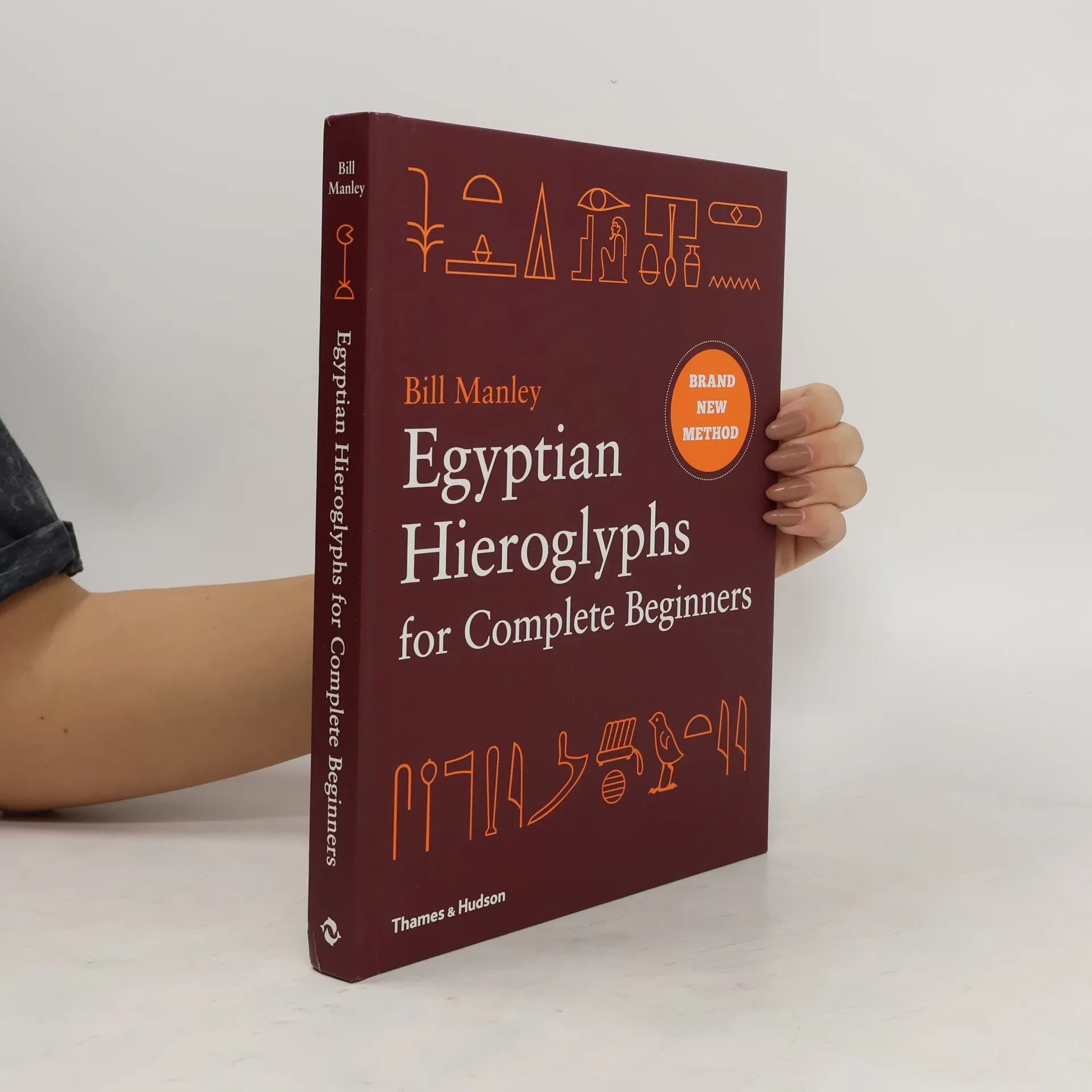
Presents a fresh approach to reading ancient Egyptian hieroglyphs, this
introduction assumes no previous knowledge of grammar or ancient languages,
but guides readers through the inscriptions, from simple to more complex,
supported by full explanations and translations. It explains the mysteries of
hieroglyphs without jargon or technical terms.
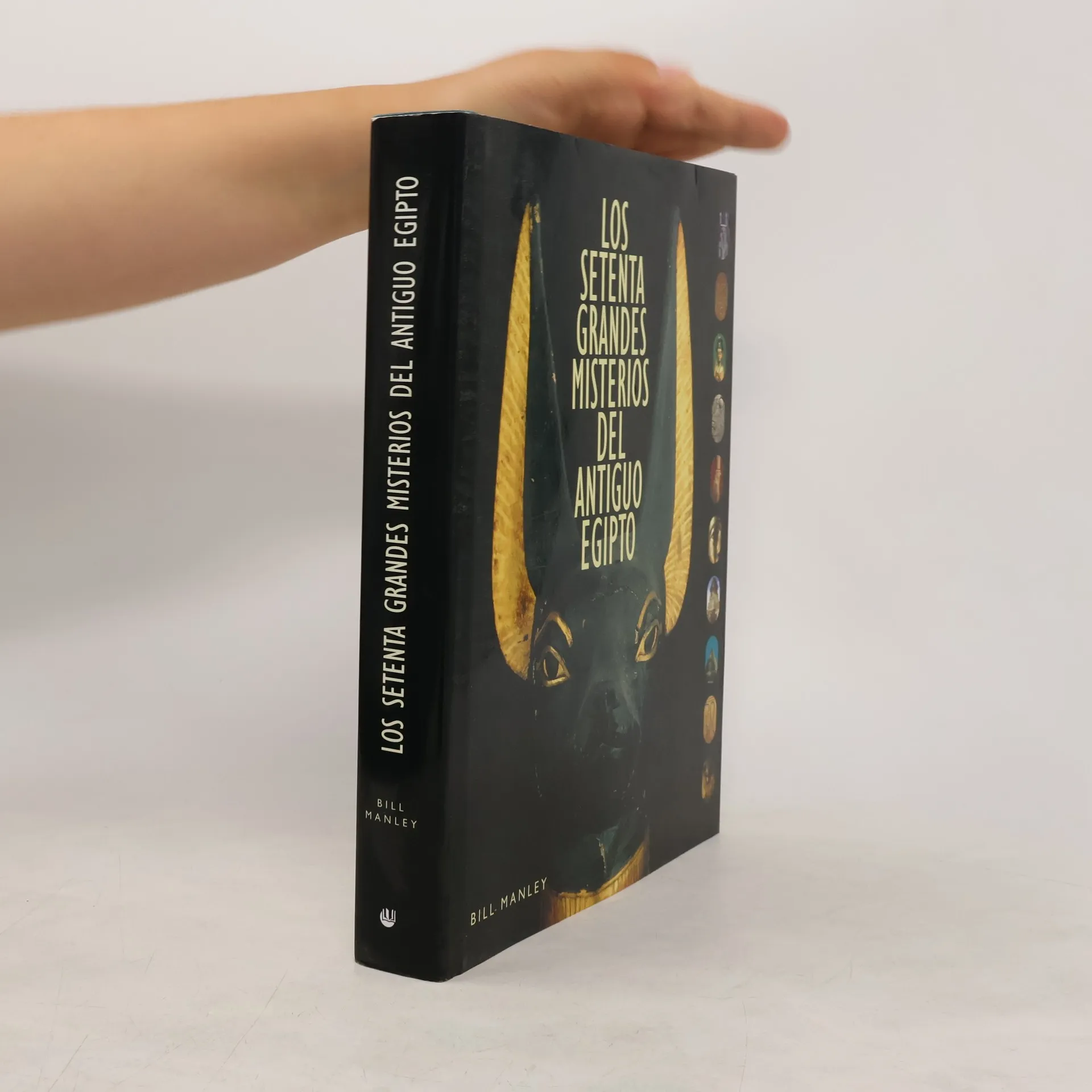
Ninguna otra cultura ha dejado testimonios tan diversos y espectaculares de tiempos tan remotos como la egipcia. A pesar de doscientos años de investigación arqueológica en el país de las pirámides, muchas preguntas sobre esta antigua civilización siguen sin respuesta. A través de las 70 preguntas más frecuentes, se abordan setenta temas relacionados con el antiguo Egipto de manera comprensible y detallada. La fascinación por esta milenaria cultura del Nilo y su estudio permanece intacta. Se tratan tanto grandes cuestiones científicas, como el origen de los antiguos egipcios, la invención de la escritura y el origen de las pirámides, como temas populares, como el misterio de Tutankamón, la creación de la Esfinge y la verdad sobre Cleopatra. En un lenguaje claro y accesible, se presenta el estado actual del conocimiento, se aclaran temas complejos y se retrata el debate académico sobre cuestiones controvertidas, manteniéndose siempre al día con la investigación y transmitiendo los enigmas de Egipto de manera tan emocionante que se despierta el deseo de convertirse en arqueólogo.
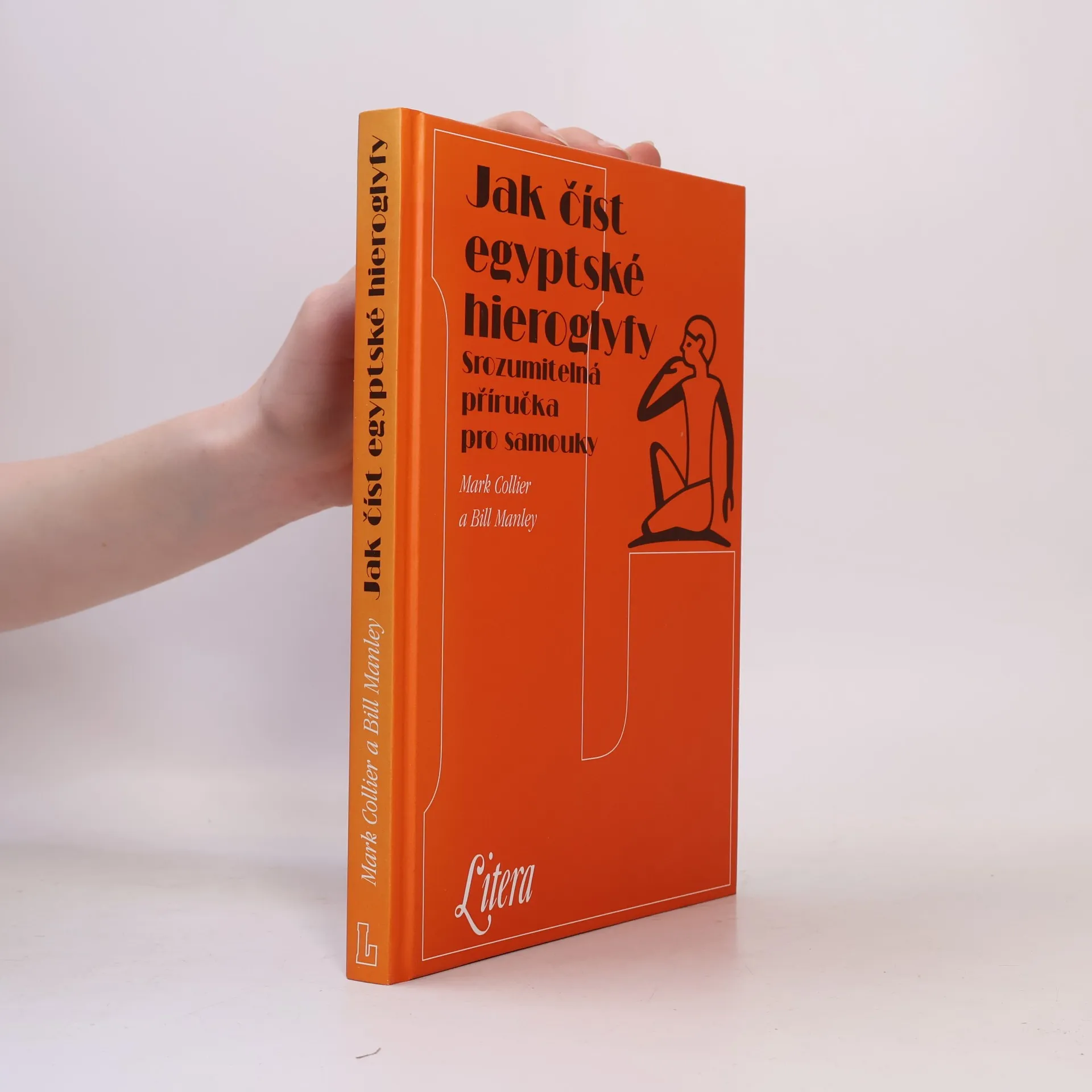
Have you ever wished that you could read the beautiful hieroglyphic script of ancient Egypt for yourself? Now you can, with the help of this practical step-by-step guide. It is suitable for complete beginners, or for anyone who would like to improve their knowledge of the language and culture of ancient Egypt. Mark Collier and Bill Manley have many years of experience teaching non-specialists at courses around the UK, so their approach is tried and tested. From the very beginning you will be introduced to genuine texts from ancient monuments. Each chapter introduces a new aspect of the ancient Egyptian language's hieroglyphic script and encourages you to develop your growing reading skills with practical exercises. The authors concentrate on a fascinating and rewarding group of monuments - funerary inscriptions, coffins and tomb scenes. The texts and supporting notes offer a first-hand insight into topics such as the pharaonic administration, family life in ancient Egypt, and ancient Egyptian approaches to death and the afterlife. With this book as your guide, you will be able to read with confidence the monuments reproduced in this book, and Egyptian monuments on display around the world.
Srozumitelná příručka pro samouky.
Přáli jste si někdy umět číst hieroglyfické písmo starověkého Egypta? Nyní je to s pomocí tohoto praktického průvodce možné. Hodí se pro naprosté začátečníky i pro ty, kteří si přejí zdokonalit své znalosti jazyka a kultury starověkého Egypta. Mark Collier a Bill Manley mají mnohaleté zkušenosti s výukou laické veřejnosti v kurzech po celé Velké Británii a jejich přístup je tedy dobře ověřený. V celé knize se budete zabývat skutečnými staroegyptskými texty. Každá kapitola postupně představuje jednotlivé rysy hieroglyfického písma a staroegyptského jazyka a nabízí čtenářům možnost zdokonalit své dovednosti v praktických cvičeních. Autoři zde představují nesmírně přitažlivou i zábavnou skupinu památek: zádušní nápisy, sarkofágy a výjevy z hrobek. Texty a doprovodné poznámky nabízejí přímý pohled na témata jako faraonská správa, rodinný život ve staroegyptské společnosti a její vnímání smrti. Díky této knize dokážete spolehlivě číst památky reprodukované v této knize i egyptské texty na předmětech v muzejních sbírkách celého světa.