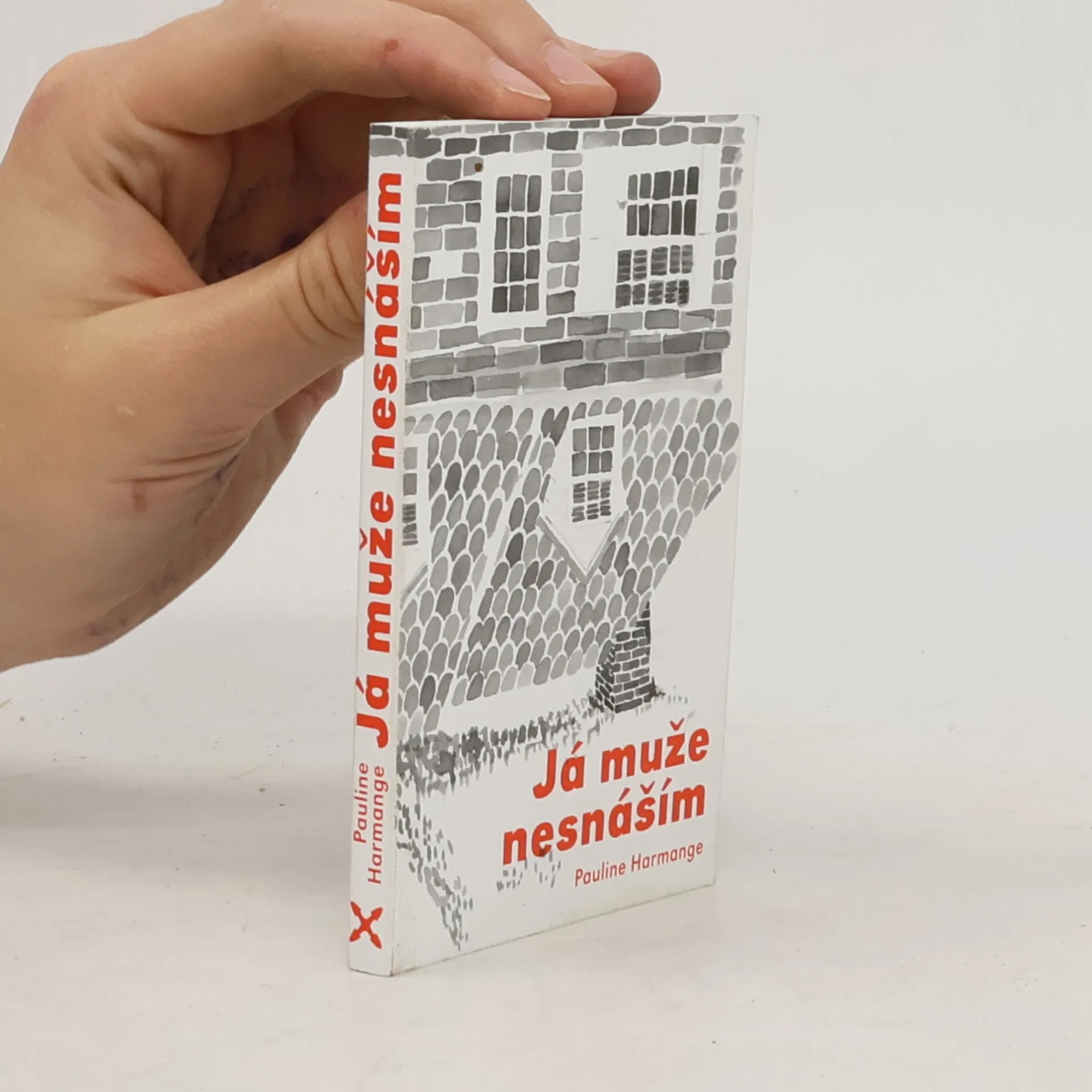
„Musíme mít právo nemít rády muže. Chápu, že to zní krutě, ale musíme mít možnost je nemilovat jako celek, ale udělat vyjímku u jednoho z nich,“ říká autorka textu, který chtěla francouzská vláda zakázat. Reakce oficiálních míst, následný skandál a potom obrovský zájem mladou spisovatelku Pauline Harmange okouzlil i vyděsil. „Myslela jsem, že z toho bude jen text pro blog, ne kniha.“ Na základě svého aktivistického blogu byla oslovena, aby napsala o misandrii a nenávisti k mužům. A takhle to dopadlo…
Pauline Harmange Knihy


From the author of I Hate Men, a personal and political reflection on abortion rights. Discussion about abortion and associated rights are often limited to either 'anti-abortion' or 'pro-choice', the latter of which focuses on the importance of having the right to choose, rather than on what that right means for real people. In this timely essay, Pauline Harmange provides an intimate, detailed account of her abortion. Reminiscent of Annie Ernaux's The Happening, Abortionis nuanced, complex, honest, and precise. Harmange gives voice to the emotions, reflections, and contradictions that someone could experience when they choose to terminate a pregnancy. At a time in which women's reproductive rights are being called into question around the world, Abortionis a clarion call, a powerful personal testimony, and a resolutely political vision: to restore power to our experiences, all our experiences, by sharing them, and to transform society for the better.
Feministyczna książka, której próbowano zakazać we Francji Kobiety, zwłaszcza feministki i lesbijki, od dawna są oskarżane o nienawiść do mężczyzn. Nasz instynkt każe nam za wszelką cenę temu zaprzeczyć (w końcu za przyznanie się do jakiejkolwiek nienawiści kobiety palono na stosie). Ale co jeśli brak zaufania do mężczyzn, nielubienie mężczyzn – i tak, może nawet nienawiść do mężczyzn – jest w rzeczywistości użyteczną reakcją na seksizm? Co jeśli taka odpowiedź oferuje drogę wyjścia z opresji, środek oporu? A jeśli nawet wskazuje drogę do radości, solidarności i braterstwa? W tym błyskotliwym eseju, równie złośliwym i prowokacyjnym, co starannym i poważnym, Pauline Harmange analizuje współczesne postawy wobec feminizmu i wzywa kobiety do odnalezienia większej miłości do siebie nawzajem – i do samych siebie.
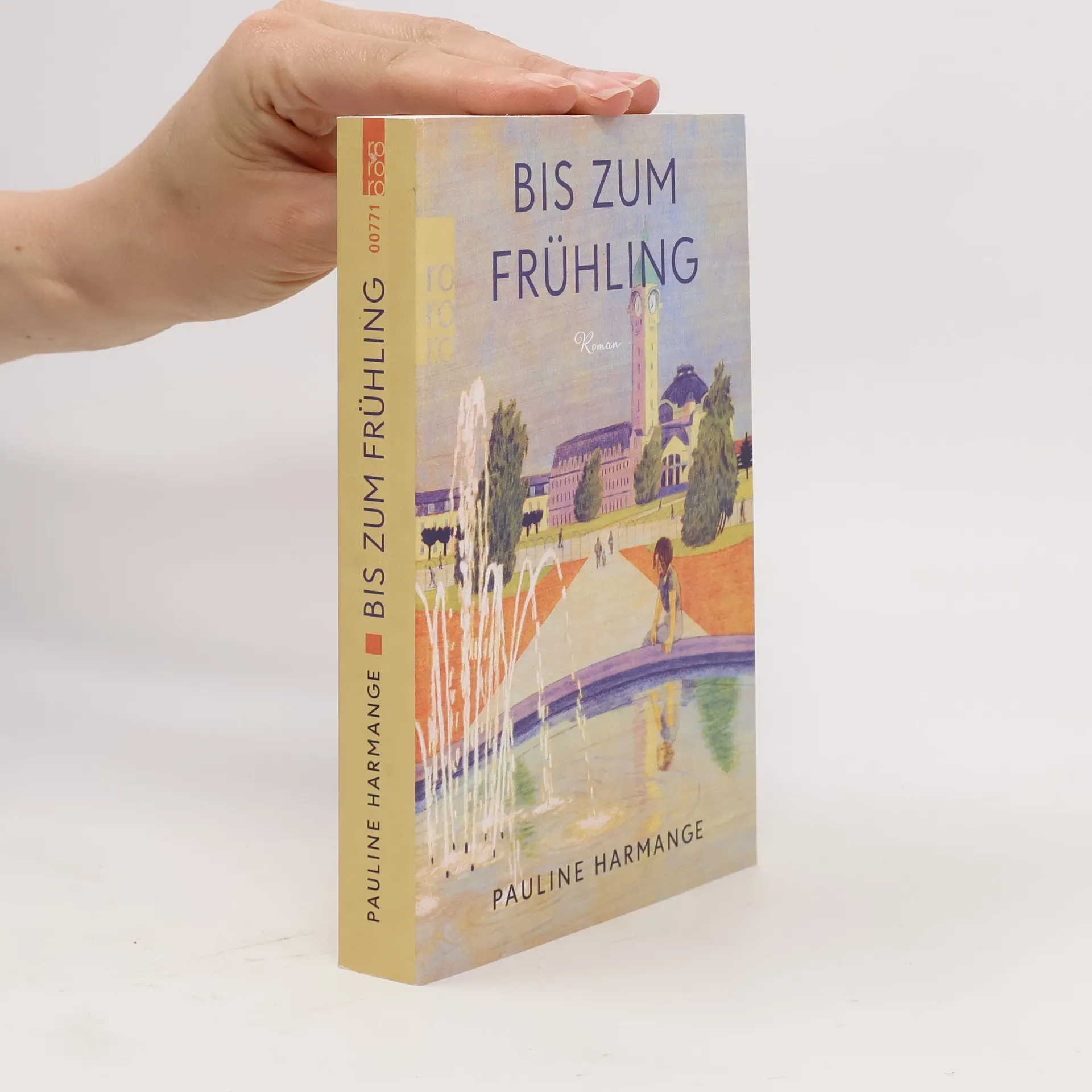
Die französische Skandalautorin schreibt einen Roman über die Liebe, zu den Männern, zu sich selbst. In Anaïs’ Leben läuft nichts rund. Ihr Freund hat sie verlassen, den Job hat sie verloren. Eigentlich hält Anaïs nichts mehr auf dieser Welt. Sie reist nach Limoges, angeblich ein guter Ort zum Sterben, und findet dort Unterkunft bei einer älteren Italienerin: Tiziana Conti bietet ihr an, in ihrem Palazzo zu wohnen, wenn sie dafür für sie kocht. Anaïs stimmt zu. Sie lernt Tizianas Freundinnen kennen und wird Teil einer großen Familie. Kann es sein, dass das Leben Schöneres für sie bereithält als bisher angenommen? Sie beginnt, sich selbst zu mögen. Nur als der Sohn von Tizianas bester Freundin auf den Plan tritt, ist Anaïs nicht begeistert. Aber der lässt sich davon nicht abschrecken.