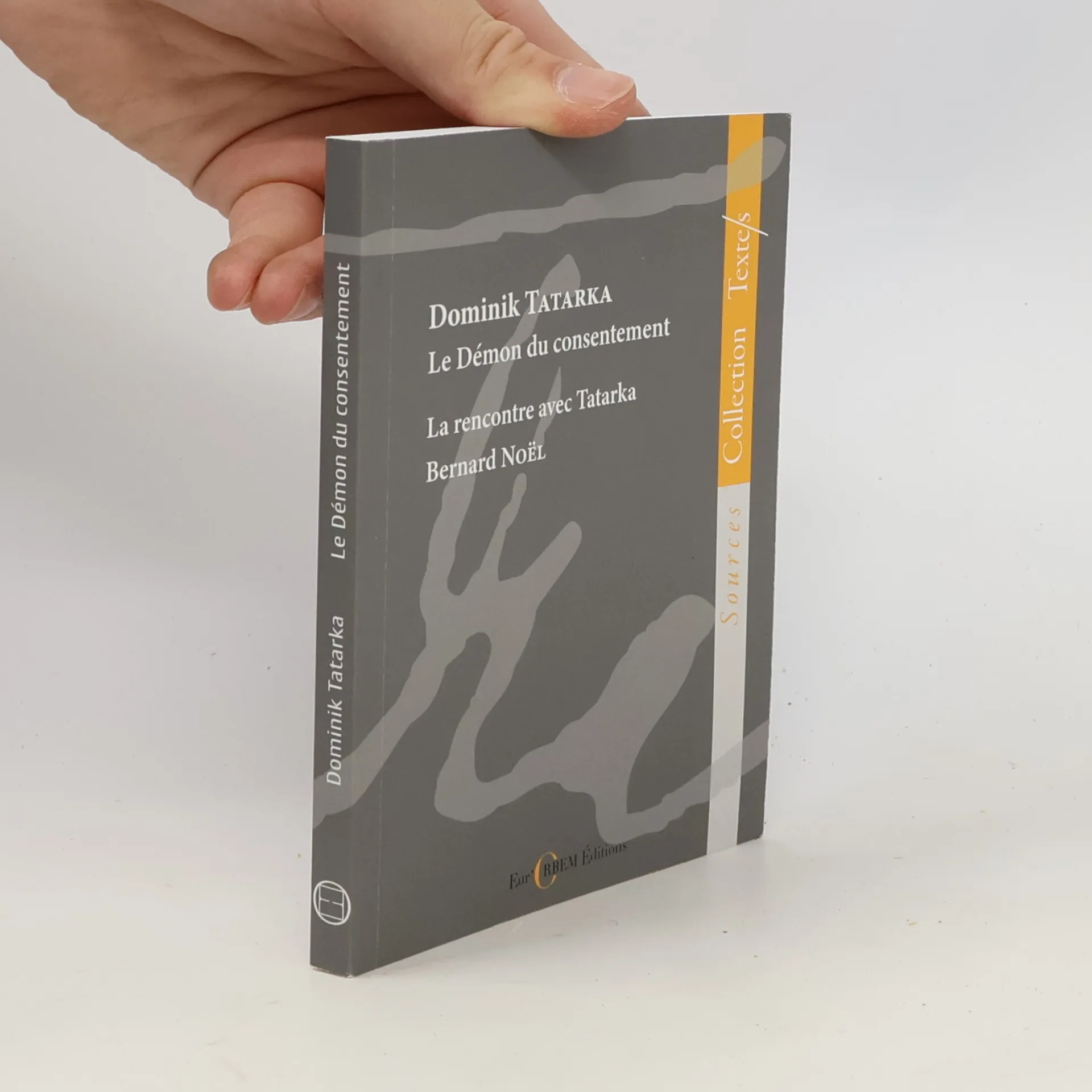
Collection Textes / Sources: Le démon du consentement
Et autres textes ; La rencontre avec Tatarka
- 186 stránek
- 7 hodin čtení


Bernard Noël je francouzský spisovatel a básník, jehož dílo prozkoumává hlubiny lidské existence. Jeho psaní se vyznačuje intenzivní introspekcí a poetickým jazykem, který odhaluje složitost emocí a myšlenek. Noël se zabývá tématy jako je paměť, čas a pomíjivost, přičemž jeho styl je často popisován jako evokativní a sugestivní. Jeho práce nabízí čtenářům jedinečnou perspektivu na stav bytí a výzvy, kterým lidé čelí.

Et autres textes ; La rencontre avec Tatarka
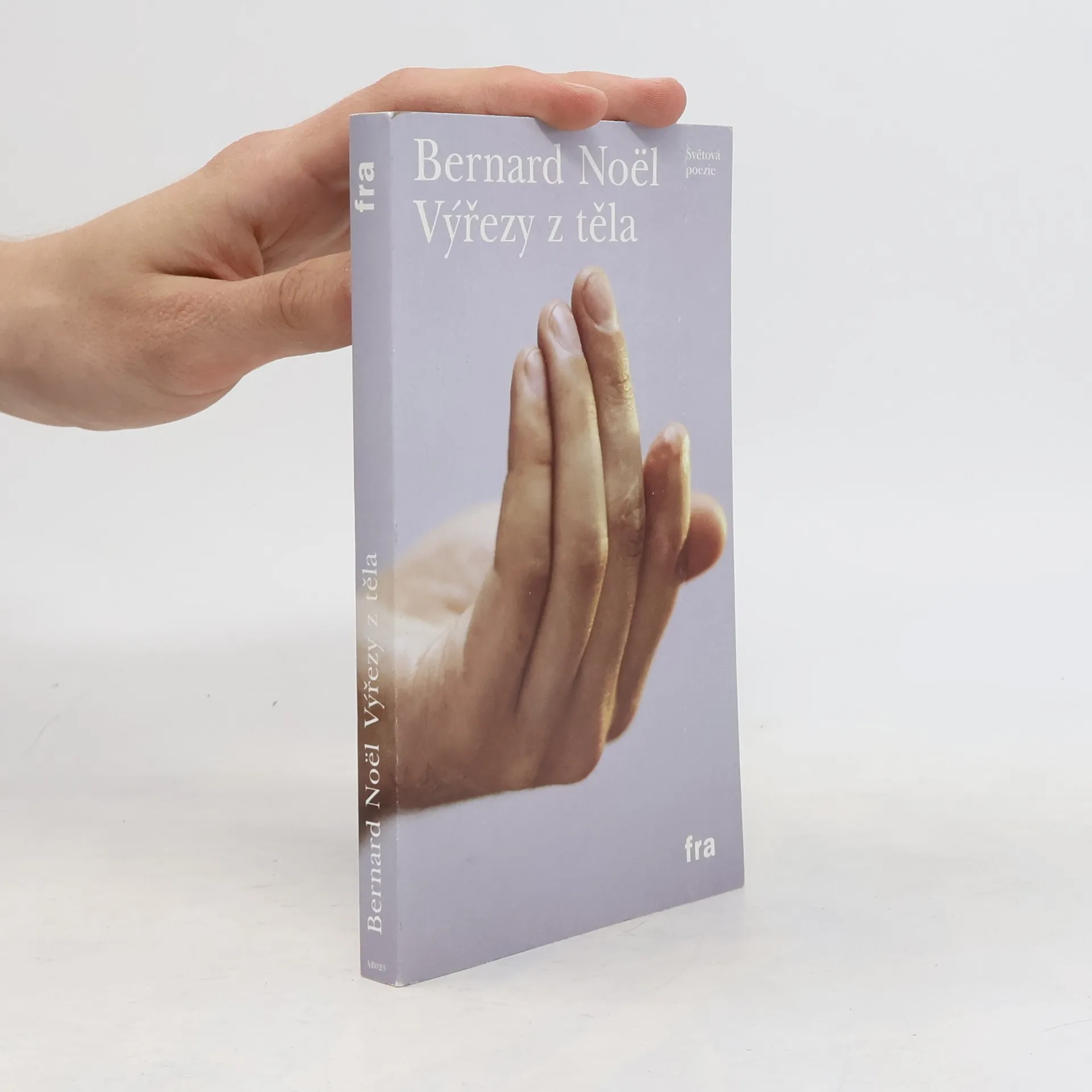
Co udělá tělo, když jím prošlehne ničivý milostný cit? A co udělá, když jím proběhne elektrický výboj při mučení? Zkroutí se do oblouku, který se klene mezi první a jednou z posledních sbírek Bernarda Noëla (1930). Od Výřezů z těla po Sonety smrti vystavuje tělo i slovo krajním situacím, ohledává, zbavuje podstaty. Mezi elektrickými póly jiskří básnická řeč, zařezává se do kůže a její světlo je někdy bolestivě oslepující. Kdo udrží oči otevřené, zvykne si na tu násilnou záři a dočte až do konce, pozná, že Noëlova poezie je především navýsost lidská.
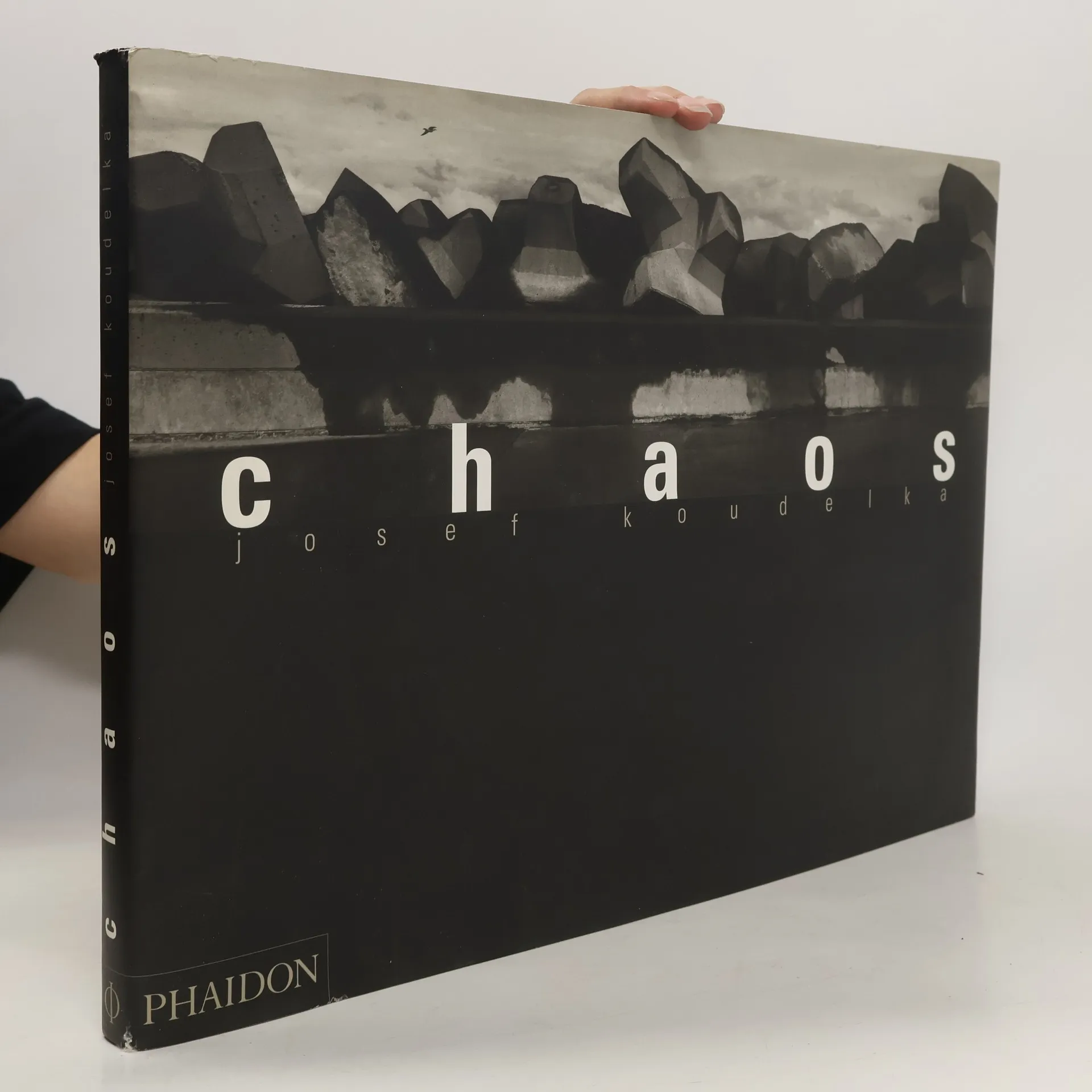
A collection of dramatic panoramic landscapes by a leading Magnum photographer.
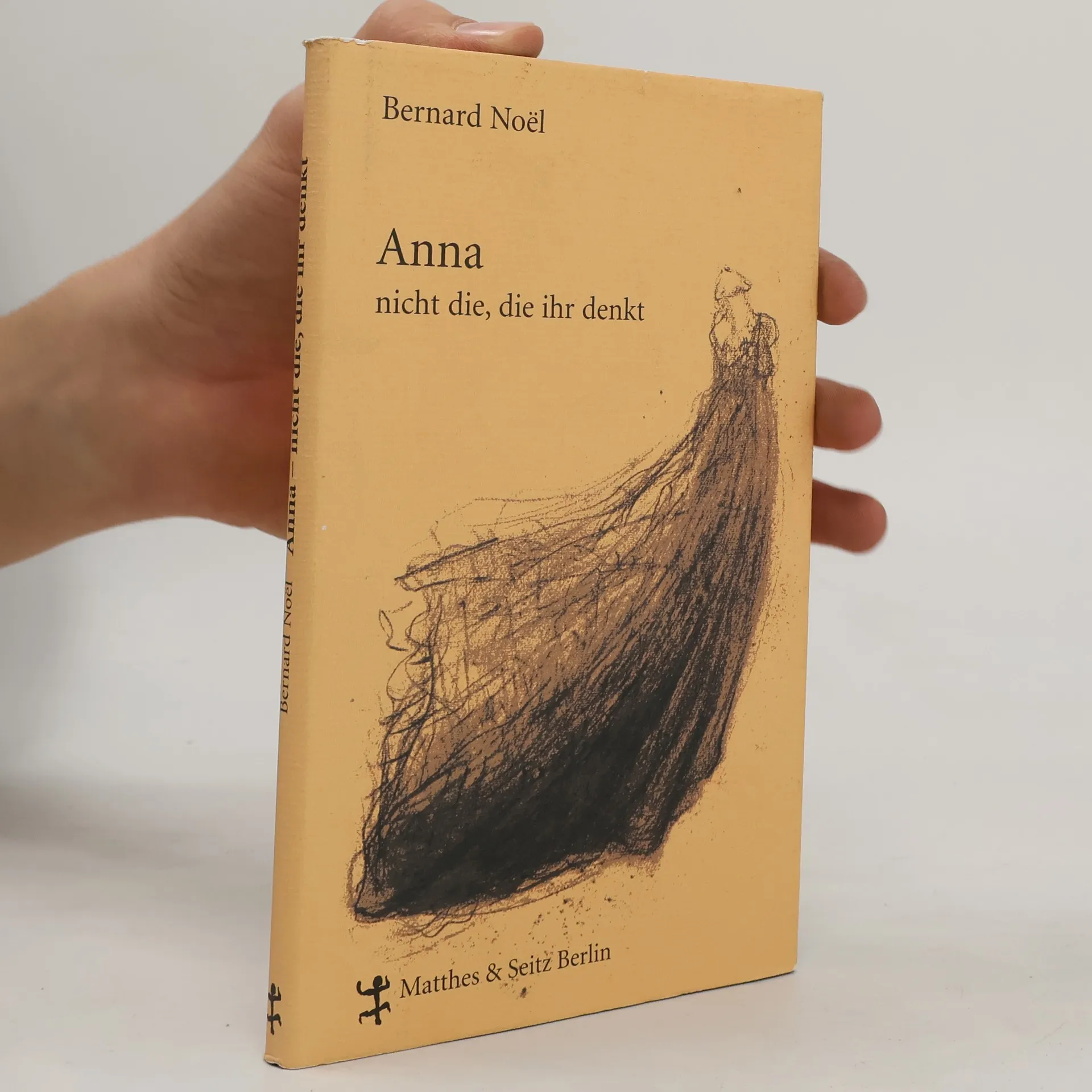
Bernard Noël erweckt in diesem fiktiven Monolog die Gedankenwelt der italienischen Schauspielerin Anna Magnani (1908-1973) zum Leben. Der Text von hoher poetischer Dichte und Intensität ist eine unablässige Selbstbefragung der Schauspielerin vor ihrem Tod. Anna spricht. Ein letztes Mal. Sie träumt, erinnert sich. Läßt den Bilderreigen ihres Lebens vor dem inneren Auge vorüberziehen. Sie reißt sich die Masken vom Gesicht und vertreibt so all ihre Doppelgängerinnen, die sie auf der Bühne und vor der Kamera verkörpert hat. Was hat der Ruhm aus ihr gemacht? Eine Diva? Eine Hydra? Ein Tausendschön? Noël entwirft kein biographisch-historisches Porträt der Schauspielerin, er streut nur vereinzelt Details über die Epoche des Neorealismus und ihre italienischen Regisseure in den Monolog ein. Es entsteht ein raffiniertes Geflecht aus Passagen zwischen Wirklichkeit und Fiktion, zwischen Erlebnis, Erinnerung und Phantasie, in dem sich das Konstrukt des menschlichen Ichs unendlich vervielfacht.
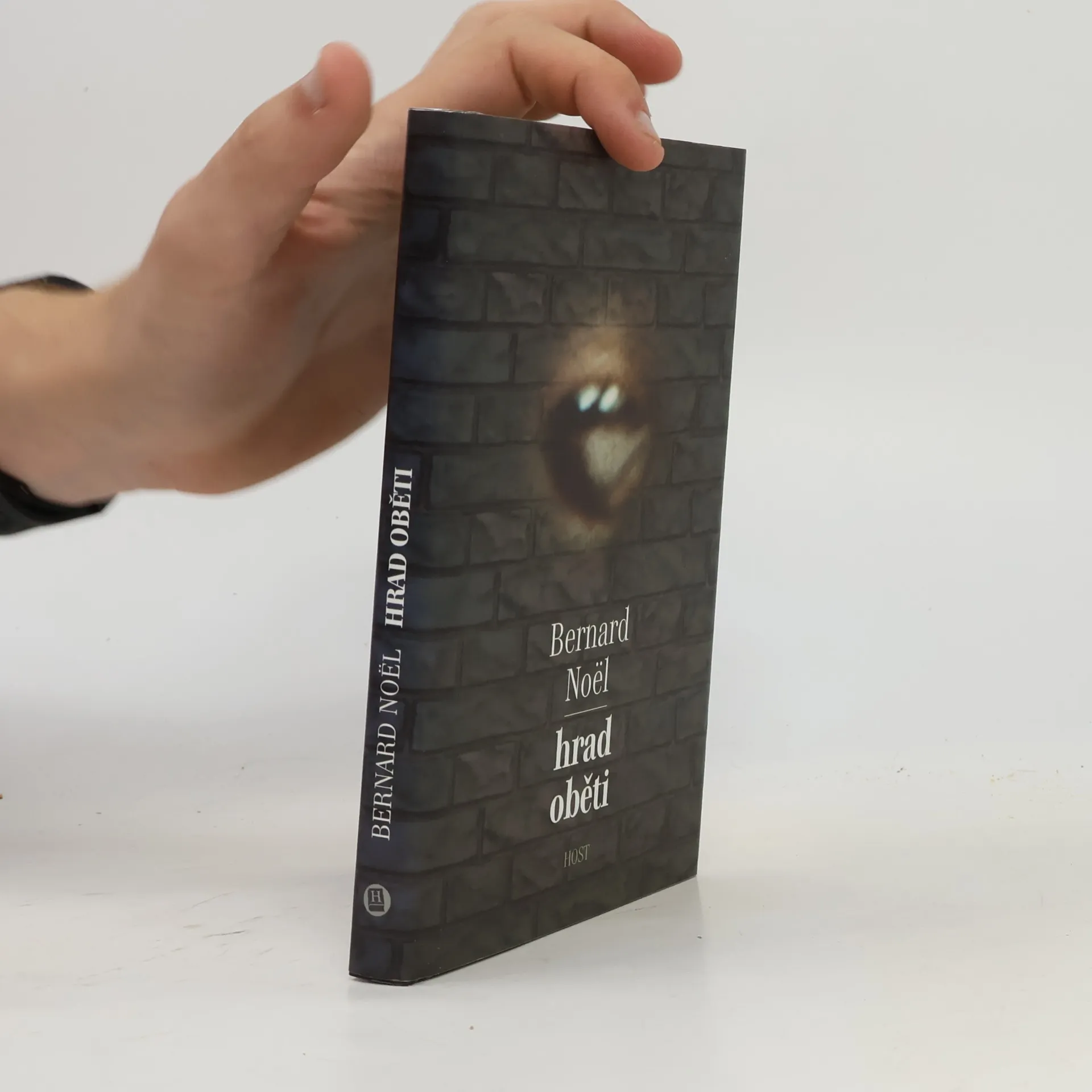
V roce 1969 vydal Bernard Noël pod pseudonymem Urbain z Orlhaku novelu, která se stala jedním z nejvýznamnějších děl francouzské erotické literatury. Příběh se odehrává na tajemném ostrově, kde hrdina prochází dlouhou sexuální iniciační cestou jako milenec Luny, a zažívá dantovskou výpravu utrpení a extáze. Vyvrcholením je obřad sexuálního očištění v Hradu oběti, popsaný poetickým jazykem, který je zároveň magický a vulgární. Intenzita díla odráží okolnosti jeho vzniku, kdy autor napsal knihu během tří týdnů jako reakci na politickou situaci ve Francii konce šedesátých let. Kvůli ní čelil soudnímu řízení za urážku dobrých mravů. Kniha obsahuje také fragmenty plánovaného pokračování a esej Zneuctění slov, v níž autor reflektuje neúspěšné pokusy francouzské vlády o její zákaz a zkoumá vztah mezi literaturou a cenzurou. Autor se zamýšlí nad tím, co znamená být neakceptovatelný, a zdůrazňuje, že psaní bylo pro něj okamžikem radosti a svobody. V současnosti se ptá, zda je kniha, kdysi souzená pro urážku mravů, dnes neškodná, nebo zda cenzura pouze změnila svou strategii, když upírá význam výstřelkům fantazie a racionálním hodnotám, čímž nás připravuje o jejich požitek.
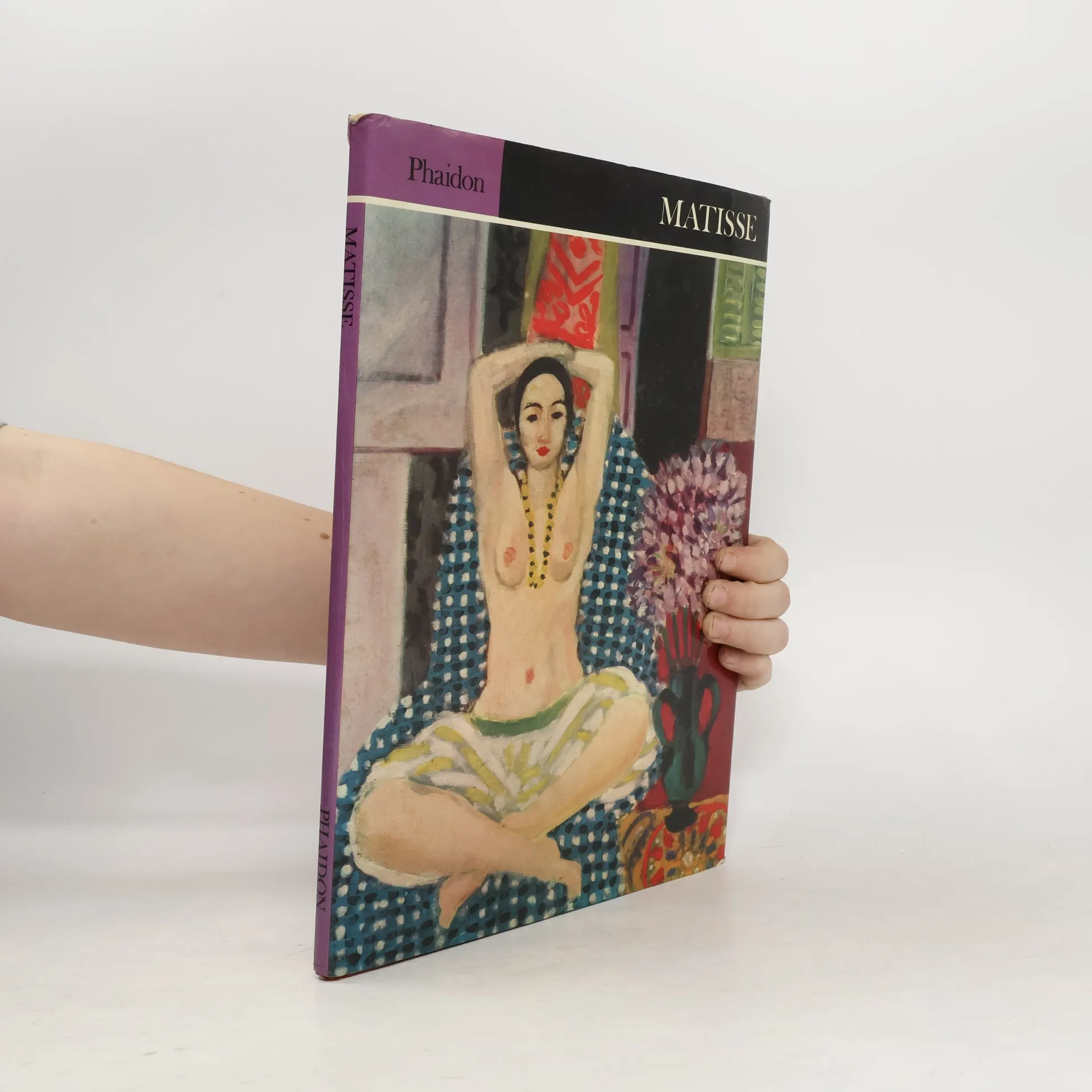
Henri Matisse is often regarded as one of the greatest painters of the twentieth century and a master of color. This oversized, lavishly illustrated volume provides an accessible introduction to his life and work. Nicholas Watkins chronicles Matisse's artistic journey, from the Fauvist paintings at the 1907 Salon d'Automne to his final paper cut-outs, culminating in the Vence Chapel. He explores the full spectrum of Matisse's creations, including paintings, sculpture, and illustrations, with visual sensitivity and a warm writing style. Watkins offers insightful analysis of specific masterpieces such as The Dinner Table, Le Bonheur de vivre, and Luce, calme et volupe, highlighting their complexity. He also examines Matisse's responses to the artistic, political, and social climate of his time, spanning movements from Cubism to the World Wars. The book features 225 illustrations, nearly 100 in color, showcasing the richness of Matisse's oeuvre while balancing key works with lesser-known pieces. Additionally, it includes illustrations of works by artists who influenced Matisse. Nicholas Watkins, a Senior Lecturer in the History of Art at Coventry Polytechnic, regularly contributes to leading art journals.
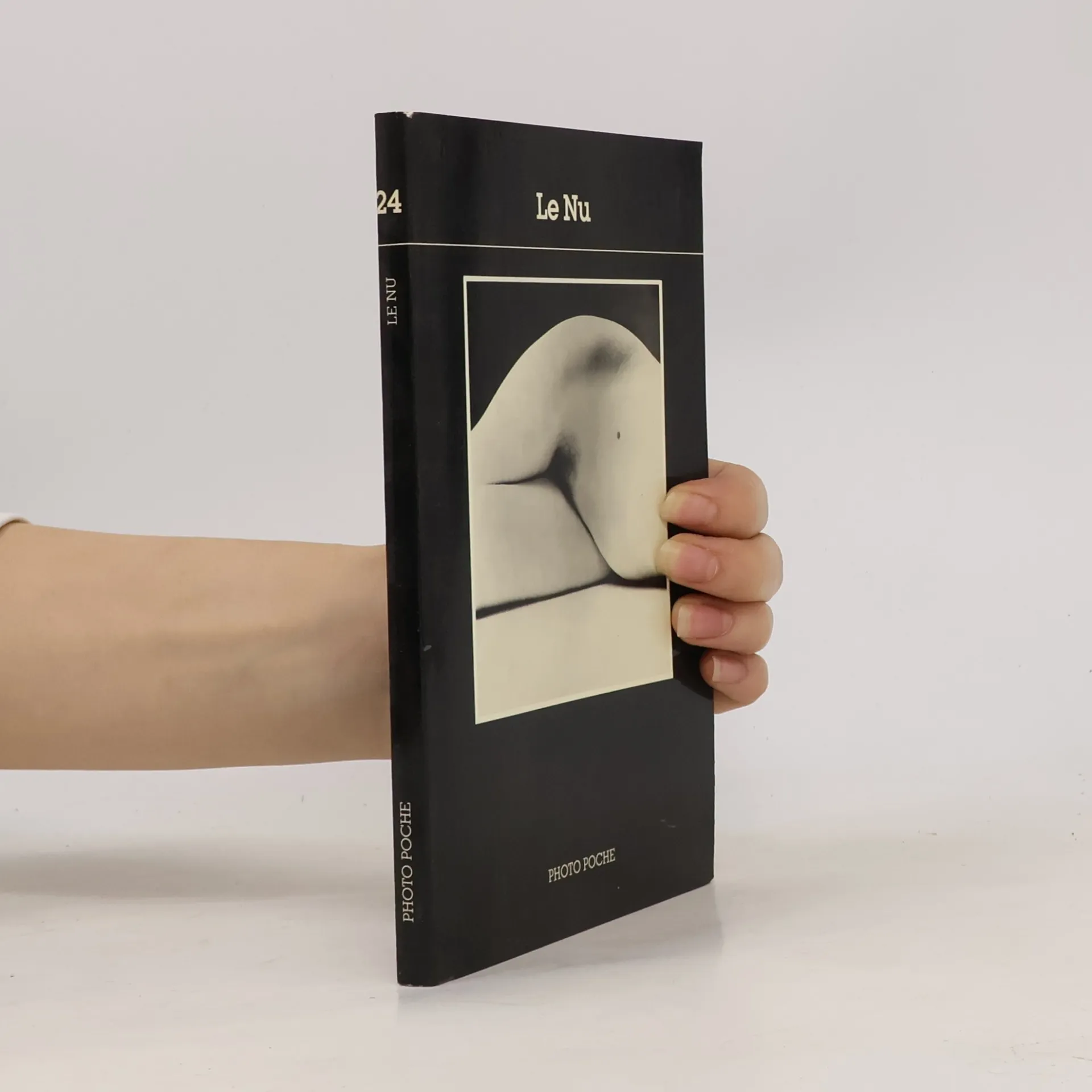
Book by Centre national de la photographie (France)
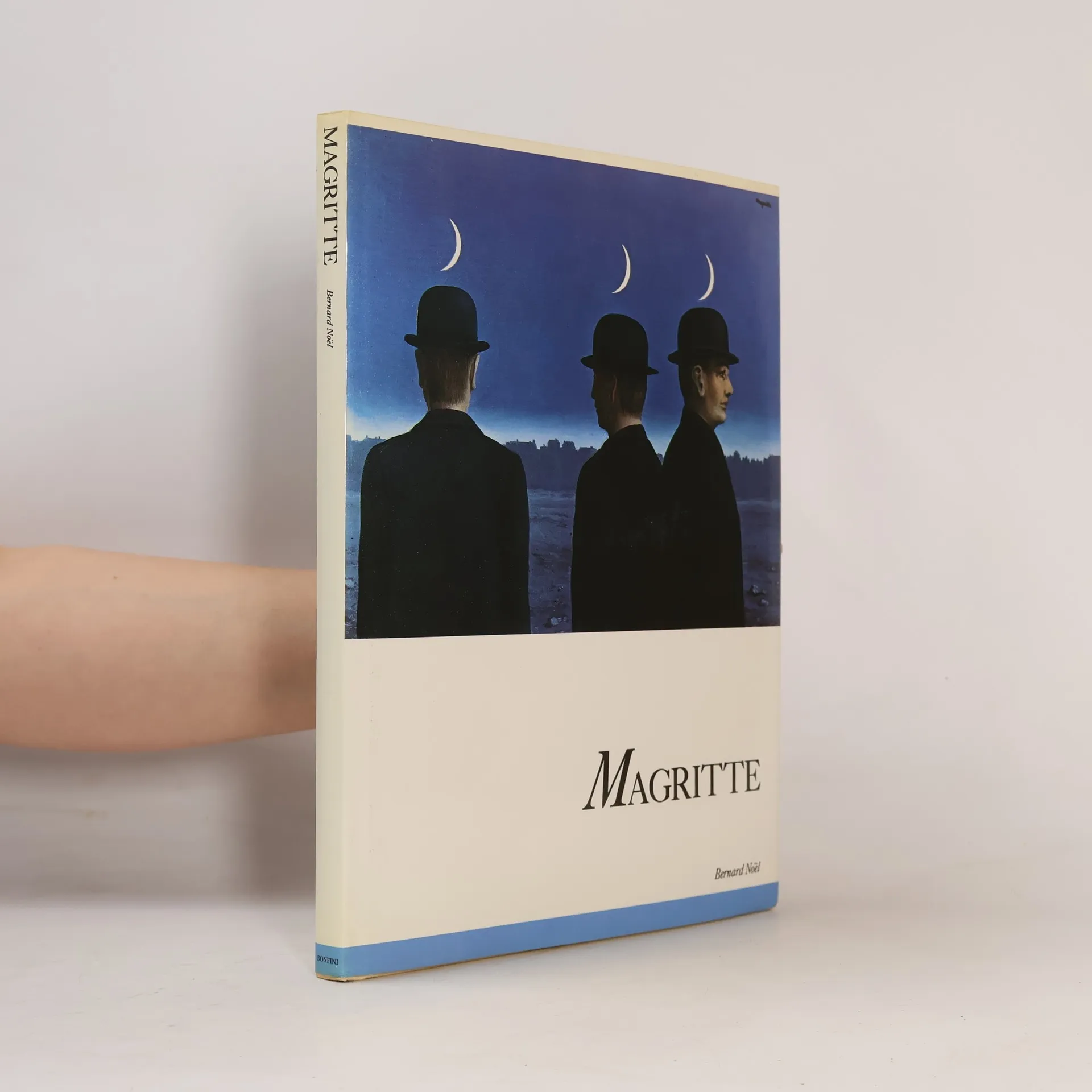
This installation of the Modern Master series surveys the work of Rene Magritte, one of the most enigmatic artists of the 20th century and an important figure in the surrealist movement. He combined the commonplace with the fantastic to become the master of "magic realism." Cloud-filled skies, bowler-hatted men, and oversized household objects are in abundance in the more than 60 full-color reproductions included in this volume.