
Knihobot

Nicholas Victor Sekunda

    Nicholas Sekunda je historik, který se specializuje na starověkou historii a archeologii, s obzvláštním zaměřením na starověké válečnictví. Jeho výzkum se opírá o rozsáhlé terénní práce a archeologické vykopávky v různých zemích. Sekundova práce se ponořuje do detailů vojenských strategií a technologií starověkých civilizací a přináší čtenářům hluboké porozumění minulým konfliktům. Jeho publikace jsou ceněny pro svou akademickou přísnost a vhled do vojenské historie.

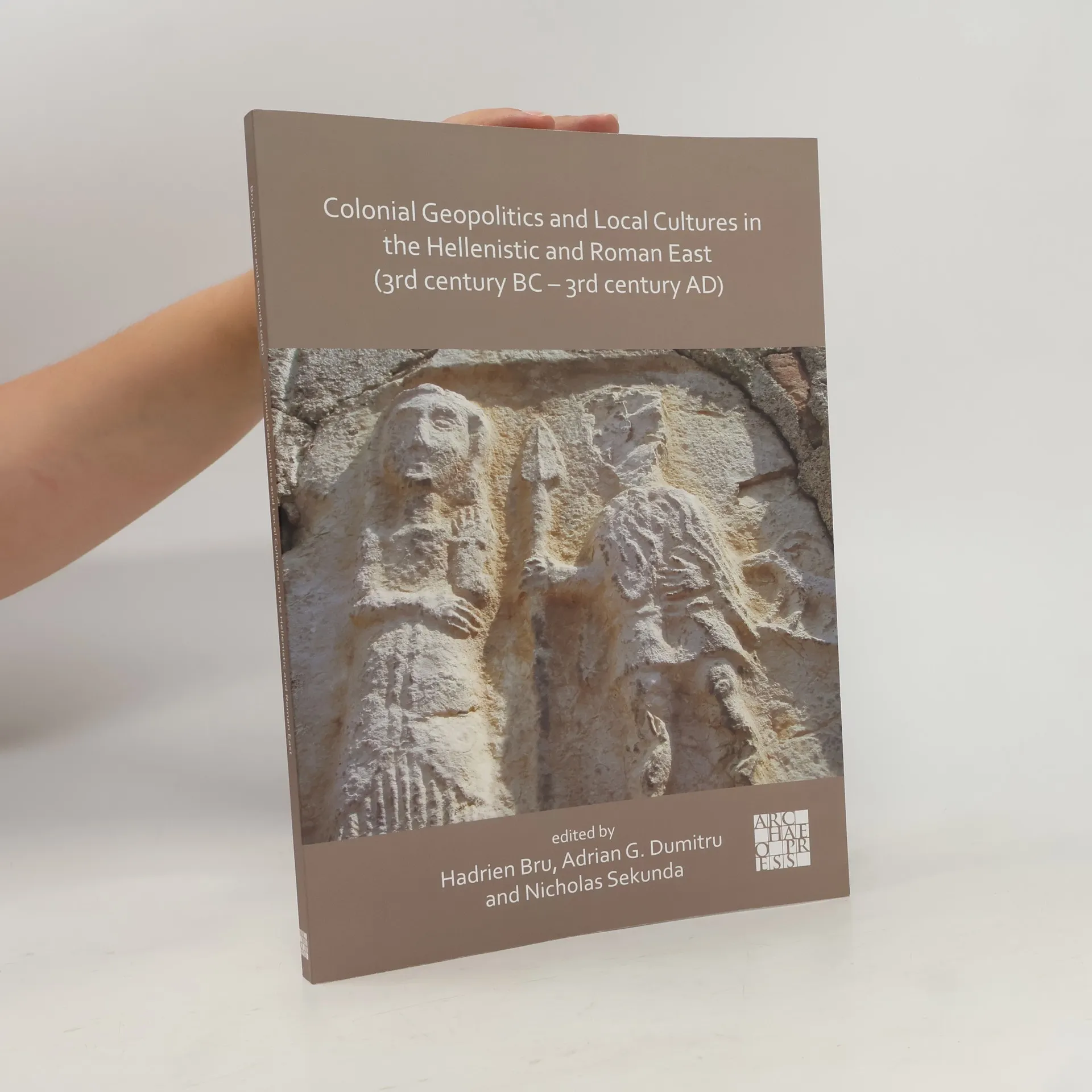
    Colonial Geopolitics and Local Cultures in the Hellenistic and Roman East (3rd Century BC - 3rd Century AD)
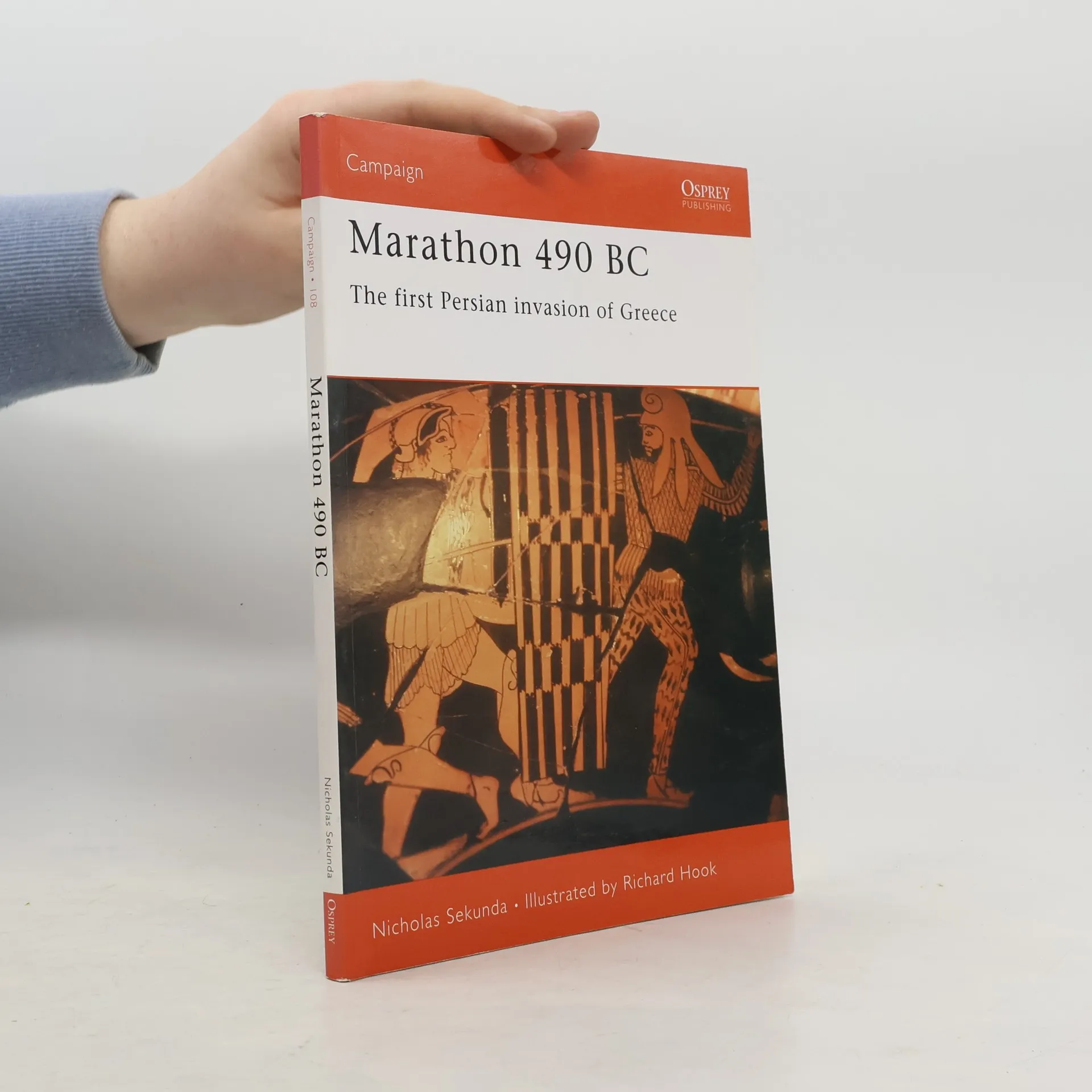
    Campaign - 108: Marathon 490 BC
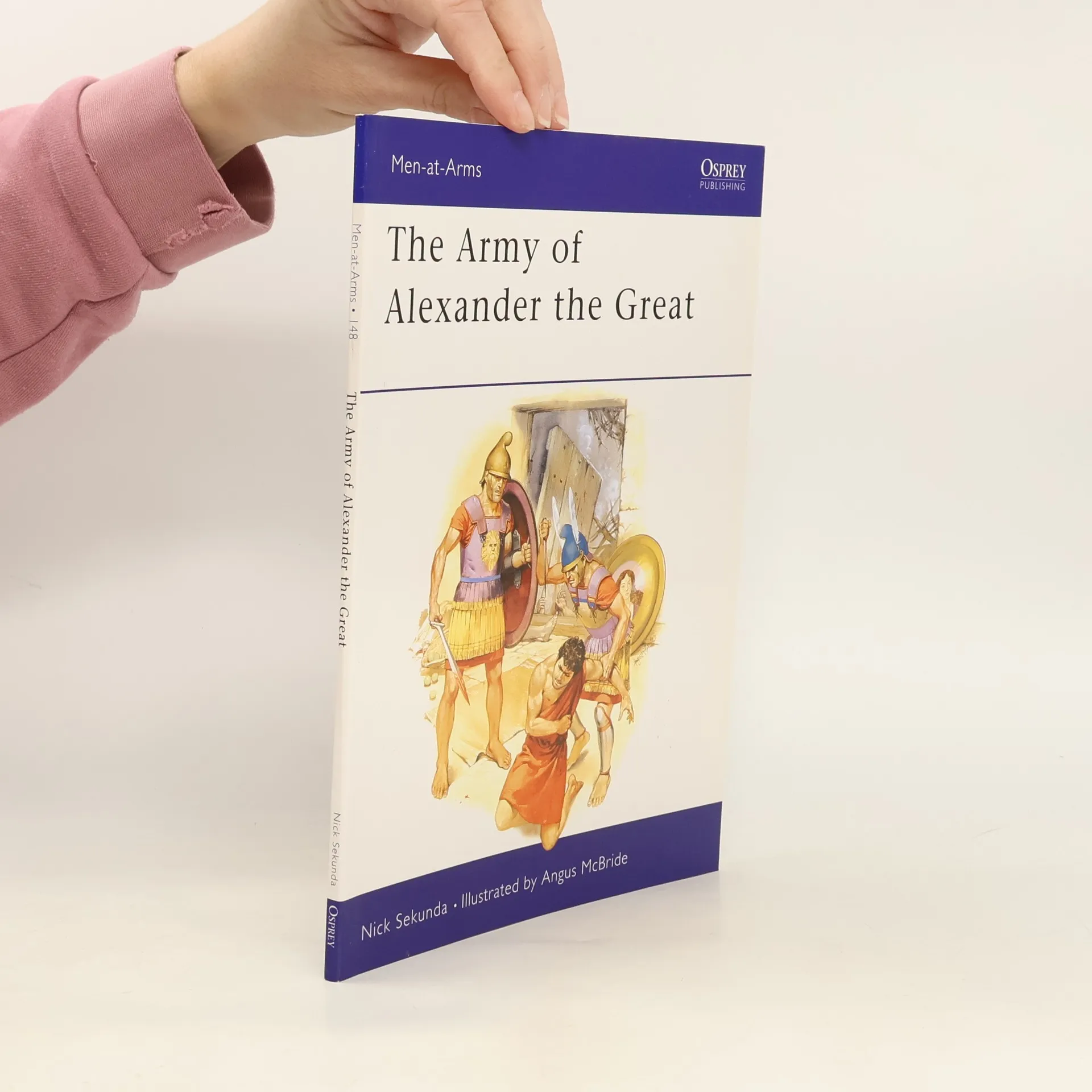
    The Army of Alexander the Great
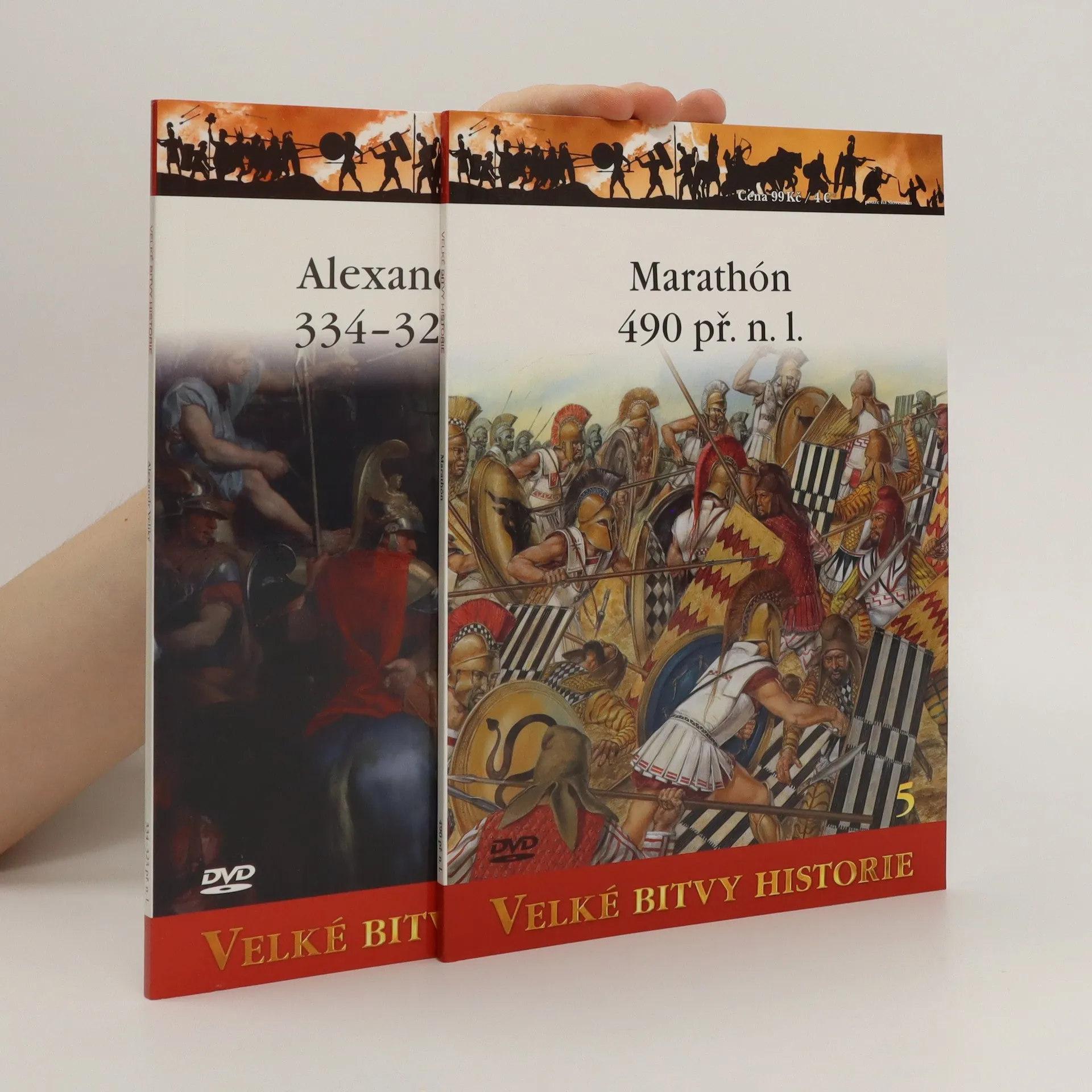
    Velké bitvy historie. Alexandr Veliký 334-323 př.n.l., Marathón 490 př.n.l.
    Marathón 490 př.n.l. - První perská invaze do Řecka
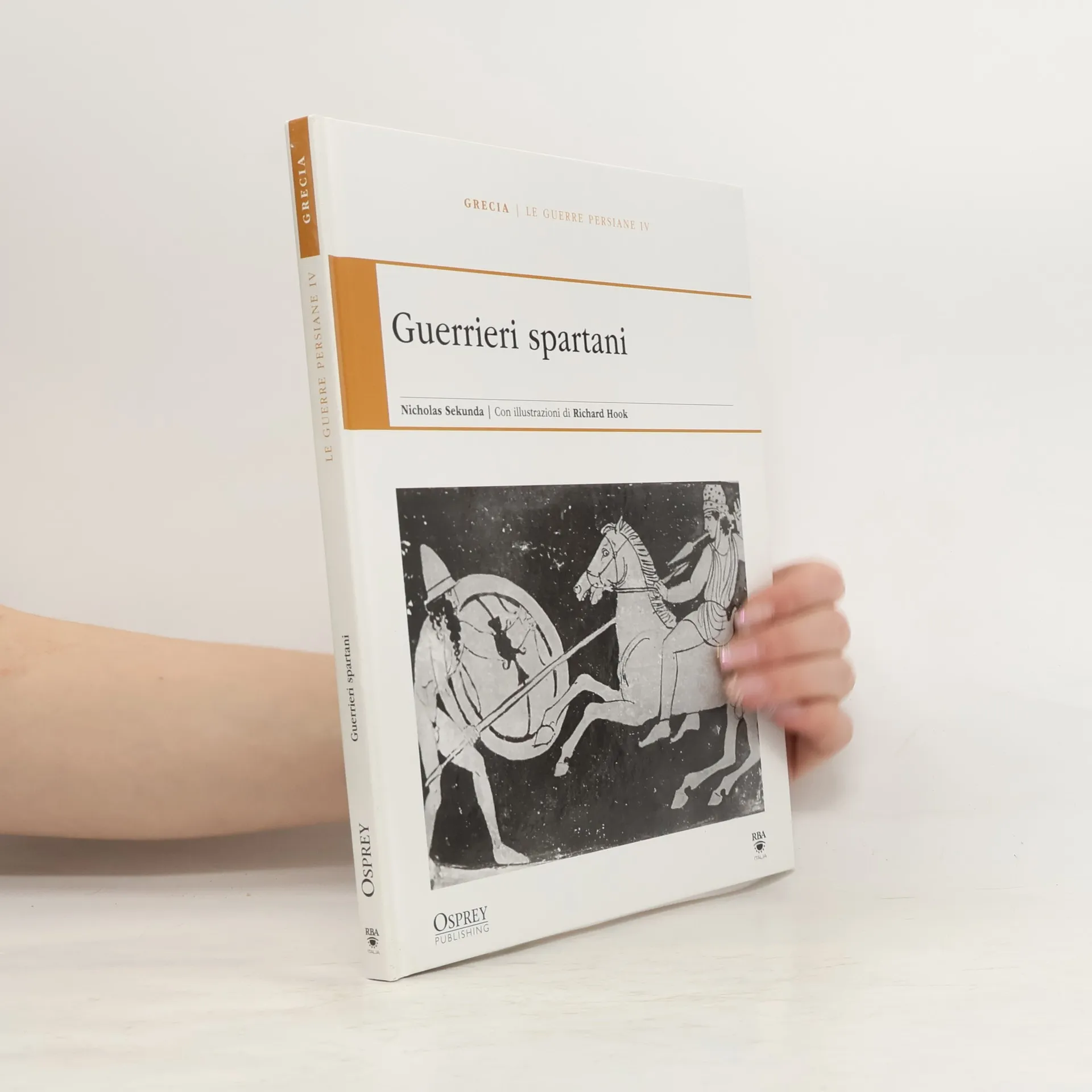
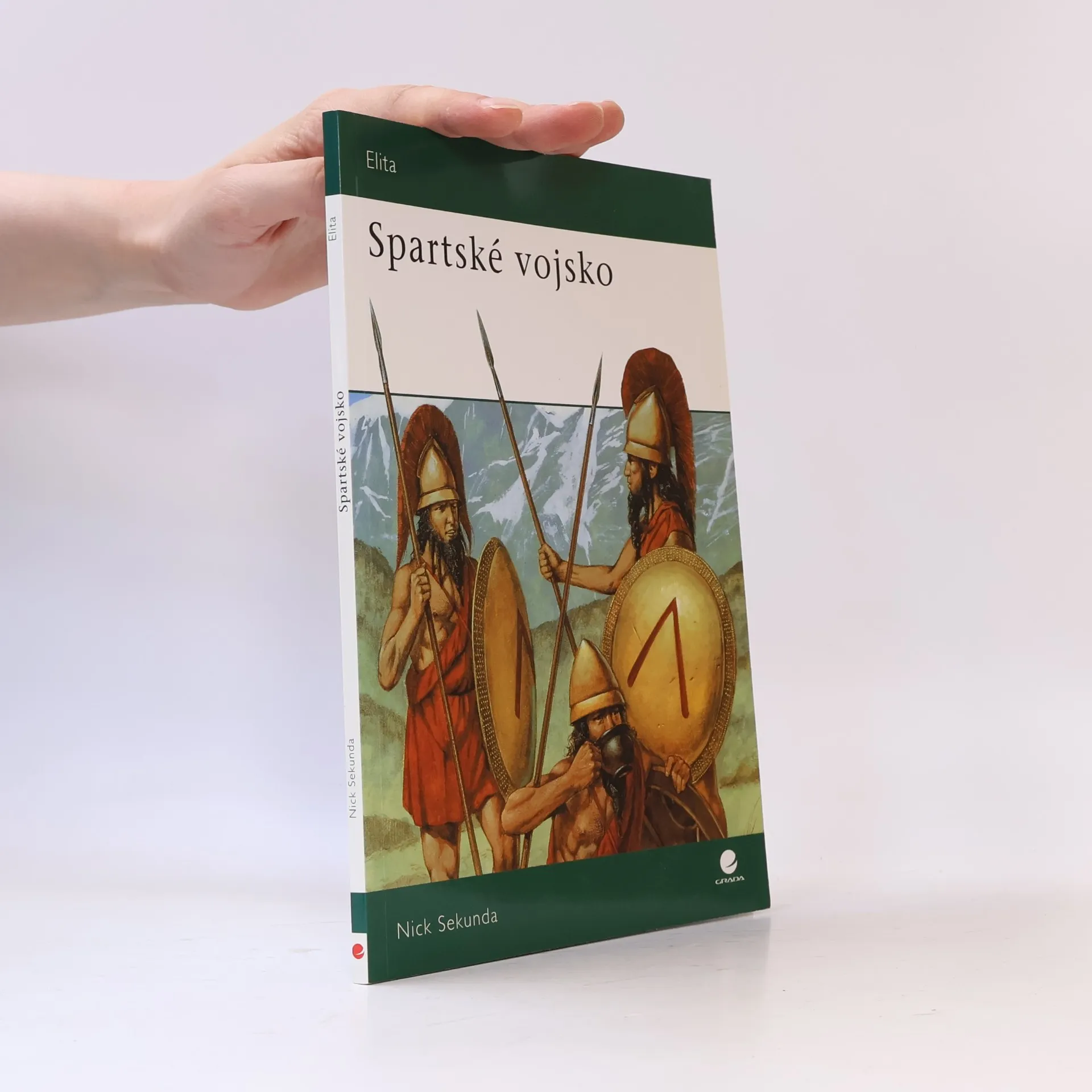
    Spartské vojsko
    • Colonial Geopolitics and Local Cultures in the Hellenistic and Roman East (3rd Century BC - 3rd Century AD)

      Géopolitique Coloniale et Cultures Locales Dans l'Orient Hellénistique et Romain

      • 228 stránek
      • 8 hodin čtení

      Colonial Geopolitics and Local Cultures in the Hellenistic and Roman East (3rd century BC - 3rd century AD) presents contributions taken in the main from a panel held during the Celtic Conference in Classics 2014 (Edinburgh, Scotland, June 25-28th 2014), but also incorporates a number of papers given previously at another panel which convened at Mamaia (Romania, September 23-27th, 2012). What changes in the material culture can we observe, when a state is overwhelming a local population with soldiers, katoikoi, and civil officials or merchants? One of the main concerns of local geopolitics was the central question of how agricultural land was distributed to the Greek or Roman colonists after it had been seized from the native population? In what way did the state watch over and administer the colonised territories? What were the exact social, legal, cultural and political relationships between the natives and the newcomers? Did the language of the colonists dominate the local vernacular language or not, and in what way? Did onomastics change or not in particular regions over centuries? What were the mutual influences between native and colonial cultures? This collection addresses these questions, focusing on the Hellenistic and Roman East.
      Colonial Geopolitics and Local Cultures in the Hellenistic and Roman East (3rd Century BC - 3rd Century AD)2021
    • Spartské vojsko

      • 64 stránek
      • 3 hodiny čtení

      Vybavení, výzbroj a organizace starověkého spartského vojska. Polský historik N. Sekunda věnoval svou práci popisu starověkého spartského vojska. Čerpal z řady historických pramenů a také dochovaných bronzových a kamenných sošek, stél, reliéfů i jiných archeologických nálezů. Popisuje výcvik spartských chlapců, organizaci hoplítského vojska, vojenský oděv, obuv i účes. Zvláštní pozornost je věnována výzbroji vojáků - kopím, štítům, přilbám, mečům. Výklad doprovázejí fotografie archeologických nálezů a ilustrace (historické rekonstrukce) spoluautora knihy R. Hooka. V závěru literatura a rejstřík.

      Spartské vojsko2008
      4,4
    • Historie marathónského válečného tažení představuje významnou epopej antického světa. Když v roce 499 př.n.l. povstali iónští Řekové proti nadvládě Peršanů, poskytly jim pomoc města Athény a Eretria. Perský král Dáreios přísahal odplatu a v roce 490 př.n.l. vyslal 600 lodí plných vojáků, aby se Athéňanům pomstil. Tato kniha podrobně popisuje, jak Řekové drtivě porazili Peršany v bitvě u Marathónu a zahnali je na útěk zpět na jejich lodě. Morální efekt tohoto vítězství byl obrovský - poprvé v dějinách řecká armáda porazila Peršany a prokázala taktickou převahu hoplítů.

      Marathón 490 př.n.l. - První perská invaze do Řecka2008
      4,3
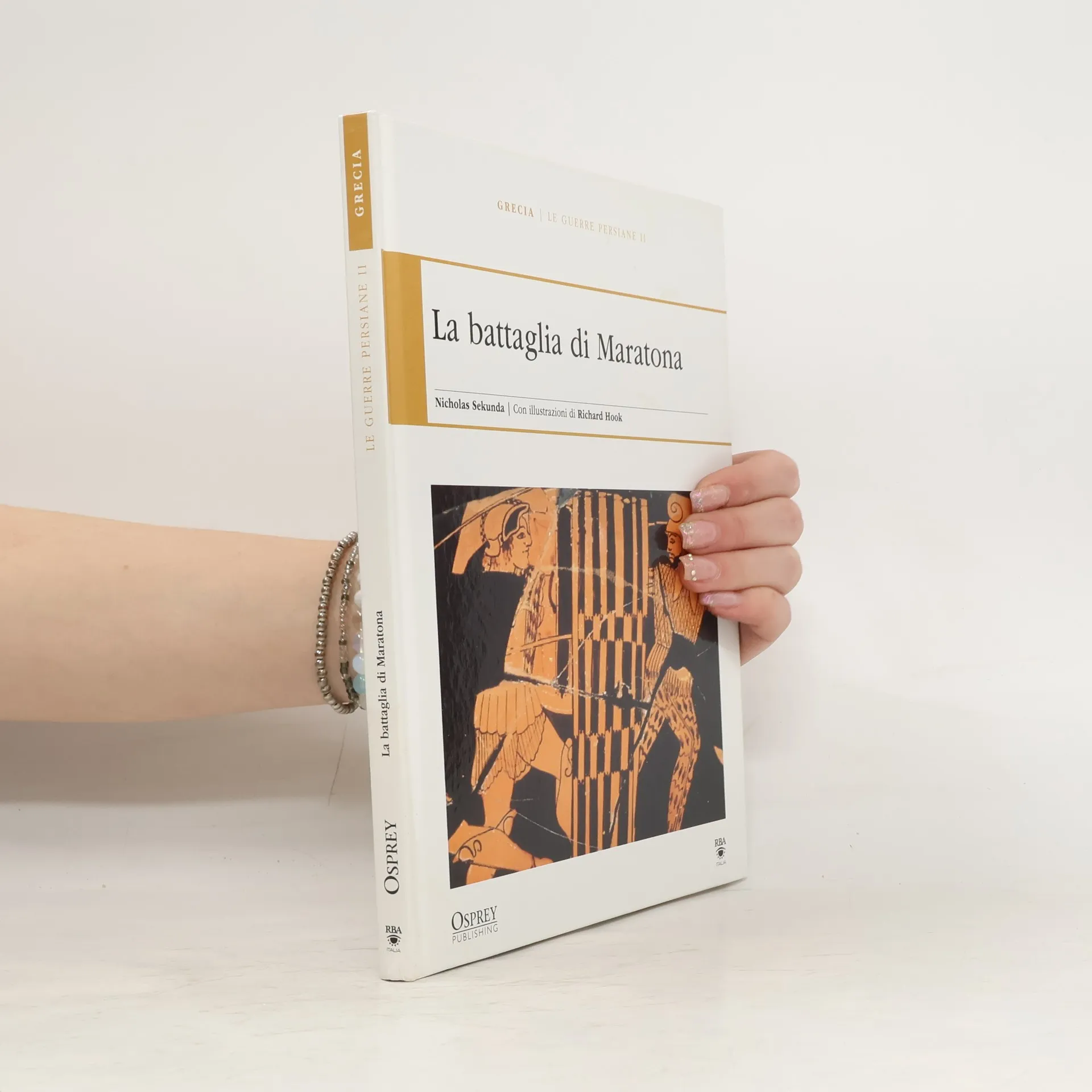
    • Campaign - 108: Marathon 490 BC

      The First Persian Invasion of Greece

      • 96 stránek
      • 4 hodiny čtení

      Osprey's study of the first Persian invasion of Greece in 490 BC. The story of the Marathon campaign is an epic of the Ancient World. When the Ionian Greeks revolted against their Persian overlords in 499 BC, the cities of Athens and Eretria came to their aid. The Persian King Darius swore vengeance and in 490BC a fleet of 600 ships packed with troops was sent to take revenge on the Athenians. At Marathon the Greeks met the Persians in battle and drove them in rout back to their ships. The moral effect of this victory was enormous – for the first time a Greek army had defeated the Persians and demonstrated the superiority of hoplite tactics.

      Campaign - 108: Marathon 490 BC2002
      3,8
    • When Philip II ascended the throne in 359 BC, Macedonia was in danger of being engulfed by wild barbarian tribes to the north and wily Greek cities to the south. Philip had to expand the power of the throne or be swallowed up: the creation of a powerful army was imperative. When his son, Alexander, inherited his kingdom at the age of 20, he also inherited an army which was truly unrivalled. The Macedonians were veterans of battle, well equipped and eager for conquest. Add to this Alexander's supreme gifts as military commander and it is little wonder they achieved so much.

      The Army of Alexander the Great1992
      3,9