


Knihobot

Patrick Deneen

    21. červenec 1964

    Patrick J. Deneen se zaměřuje na politické myšlení, americké politické myšlení, náboženství a politiku a literaturu a politiku. Jeho díla zkoumají vztah mezi politickými teoriemi, náboženskými přesvědčeními a literárními díly. Jeho přístup kombinuje hluboké znalosti politické filozofie s vášní pro literární analýzu. Jeho psaní nabízí čtenářům pronikavý pohled na průsečík těchto klíčových oblastí lidského života.

    Patrick Deneen
    The Odyssey of Political Theory
    Regime Change
    Democratic Faith
    Proč selhal liberalismus
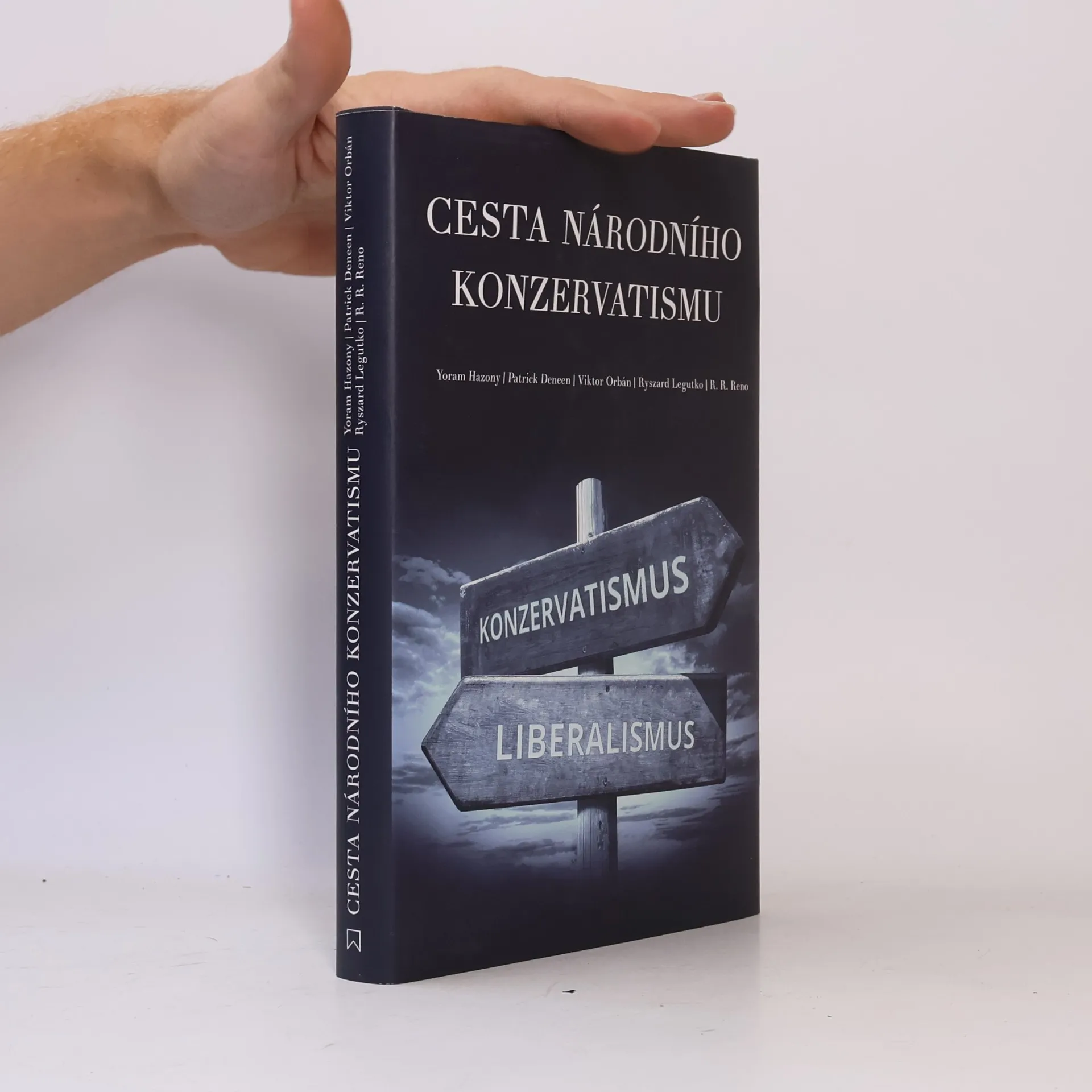
    Cesta národního konzervatismu
    Jak vyvést Evropu z krize? Takto!
    • Jak vyvést Evropu z krize? Takto!

      • 48 stránek
      • 2 hodiny čtení
      5,0(1)Ohodnotit

      Dostáváte do rukou překlad projevu maďarského premiéra Viktora Orbána z podzimu 2023. Orbán čelí v České republice dlouhodobé vlně nenávisti a dezinformačních kampaní. Jeho popularita klesá zejména mezi eurohujery, kteří preferují zájmy Západu, přičemž Orbán hájí zájmy Maďarska v EU a světové politice. Česká republika pod vedením Petra Fialy čelí ekonomickým problémům, zatímco Maďarsko dosahuje rekordních investic, zaměstnanosti a vývozu, i když je pod finančními sankcemi EU. Orbán upozorňuje, že Maďarsko, ačkoliv je na 96. místě podle počtu obyvatel, se umisťuje na 31. místě v objemu vývozu. V letech 2022 a 2023, kdy se světová ekonomika otřásla, Maďarsko prosperovalo. Orbán také zdůrazňuje důležitost spolupráce mezi Maďary a Slováky, bez ohledu na politické rozdíly. Je důležité znát názory Orbána, který formuje politiku Maďarska již několik desetiletí, a inspirovat se jeho pohledem na možné cesty z krize, v níž se EU nachází. Jak Orbán říká, zájmem politiků by mělo být blaho jejich vlastního národa, což platí i pro Čechy, Moravany a Slezany. Tento projev je součástí série projevů významných světových státníků, které naše nakladatelství vydává.

      Jak vyvést Evropu z krize? Takto!
    • Myšlenky autorů směřují ke dvěma cestám: cestě liberalismu a cestě národního konzervatismu. Cesta liberalismu má svůj počátek na konci 17. století v myšlenkách Johna Locka a končí snahami nadnárodních finančních a mocenských elit o vybudování světa bez hranic a národů. Cesta národního konzervatismu je cestou světa svobodných národních států, kulturně zakotvených v národní, židovsko-křesťanské tradici. V knize vás autoři seznamují s důvody, proč jsou tyto dva směry neslučitelné, a zdůvodňují, proč je národní konzervatismus zřejmě jedinou cestou, na které jsou národy schopné udržet si svou svobodu a existenci.

      Cesta národního konzervatismu
    • Proč selhal liberalismus

      • 180 stránek
      • 7 hodin čtení
      3,9(2297)Ohodnotit

      Ze tří ústředních ideologií 20. století – fašismu, komunismu a liberalismu – přežila jen ta poslední. Došlo tak k podivné situaci, kdy zastánci liberalismu mají ve zvyku zapomínat, že se také jedná o ideologii, a nikoli o přirozené a konečné vyústění politického vývoje lidské společnosti. Jak ve své provokativní knize připomíná její autor, Patrick Deneen, liberalismus je založen na protikladech: bije na poplach v boji za rovná práva, a přitom zároveň pomáhá prohlubovat materiální nerovnost; jeho legitimita je založena na společenském konsenzu, a přitom svým důrazem na soukromé záležitosti odrazuje od plnění občanských závazků; ve svém tažení za autonomii jednotlivce dal vzniknout nejrozsáhlejšímu a nejkomplexnějšímu státnímu systému v historii lidstva. Deneen zde čtenáře konfrontuje se znepokojivým varováním, že dostředivé síly, které dnes působí na naši politickou kulturu, nejsou povrchovými vadami, ale základními rysy systému, jehož úspěch zároveň plodí jeho selhání.

      Proč selhal liberalismus
    • Democratic Faith

      • 388 stránek
      • 14 hodin čtení
      4,4(6)Ohodnotit

      The book critiques the belief among democratic supporters that human beings must be transformed to align with democratic ideals. Patrick Deneen explores the tension between the aspiration for selfless commitment and the reality of self-interest, highlighting the "transformative impulse" often expressed in religious terms, such as political "redemption." This examination reveals a paradox where the call for transformation coexists with a condemnation of traditional religious beliefs, prompting a deeper analysis of the foundations of democratic theory.

      Democratic Faith
    • Classical liberalism promised to overthrow the old aristocracy, creating an order in which individuals could create their own identities and futures. To some extent it did--but it has also demolished the traditions and institutions that nourished ordinary people and created a new and exploitative ruling class. This class's economic libertarianism, progressive values, and technocratic commitments have led them to rule for the benefit of the "few" at the expense of the "many," precipitating our current political crises. In Regime Change, Patrick Deneen proposes a bold plan for replacing the liberal elite and the ideology that created and empowered them. Grass-roots populist efforts to destroy the ruling class altogether are naive; what's needed is the strategic formation of a new elite devoted to a "pre-postmodern conservatism" and aligned with the interest of the "many." Their top-down efforts to form a new governing philosophy, ethos, and class could transform our broken regime from one that serves only the so-called meritocrats. Drawing on the oldest lessons of the western tradition but recognizing the changed conditions that arise in liberal modernity, Deneen offers a roadmap for these changes, offering hope for progress after "progress" and liberty after liberalism.

      Regime Change
    • The Odyssey of Political Theory

      The Politics of Departure and Return

      • 286 stránek
      • 11 hodin čtení
      4,0(6)Ohodnotit

      Focusing on original insights into The Odyssey, this book enhances the reader's understanding of classical literature, including the works of Plato, Rousseau, Vico, Horkheimer, and Adorno. It explores the connections and themes that resonate through these influential texts, offering a fresh perspective on their significance and impact.

      The Odyssey of Political Theory
    • In the early 21st century, opinions about America have shifted dramatically, with around 70% of Americans believing the country is on the wrong path and half feeling its best days are behind it. Many fear their children will face diminished prosperity and opportunities. The political system appears broken, and the social fabric is fraying, exacerbated by a widening gap between the wealthy and the disadvantaged, a growing divide between the faithful and secular, and ongoing disagreements about America's global role. Wealthy individuals increasingly isolate themselves in gated communities, while many Christians draw parallels between contemporary America and the late Roman Empire, contemplating a retreat into modern forms of monasticism. This collection of essays by Notre Dame political theorist Patrick Deneen explores whether there is anything worth conserving in America and if the nation can achieve conservation. It questions whether a country founded on revolutionary ideals can maintain and transmit the virtues that elevate society, or if it is inherently inclined to prioritize the new over the old, license over ordered liberty, and hedonism over self-governance. Ultimately, it asks if America can preserve what is essential to remain—or evolve into—a true Republic.

      Conserving America? - Essays on Present Discontents
    • Regime Change: Toward a Postliberal Future

      • 288 stránek
      • 11 hodin čtení

      From a Notre Dame professor and author comes a provocative call to replace the self-serving liberal elite with conservative leaders who align with the working class's interests. While classical liberalism aimed to dismantle the old aristocracy and empower individuals to shape their identities, it has also eroded the traditions and institutions that supported ordinary people, creating a new exploitative ruling class. This class, characterized by economic libertarianism and progressive values, has governed for the benefit of the few, exacerbating current political crises. The author proposes a bold plan to replace the liberal elite and the ideology that sustains them. He argues that grassroots populist efforts to dismantle the ruling class are naive; instead, a strategic formation of a new elite committed to a "pre-postmodern conservatism" is essential. This new elite would focus on developing a governing philosophy and ethos that serves the many rather than the meritocrats. By drawing on the timeless lessons of the Western tradition while acknowledging the realities of liberal modernity, the author provides a roadmap for transformative change, offering hope for progress beyond liberalism.

      Regime Change: Toward a Postliberal Future