

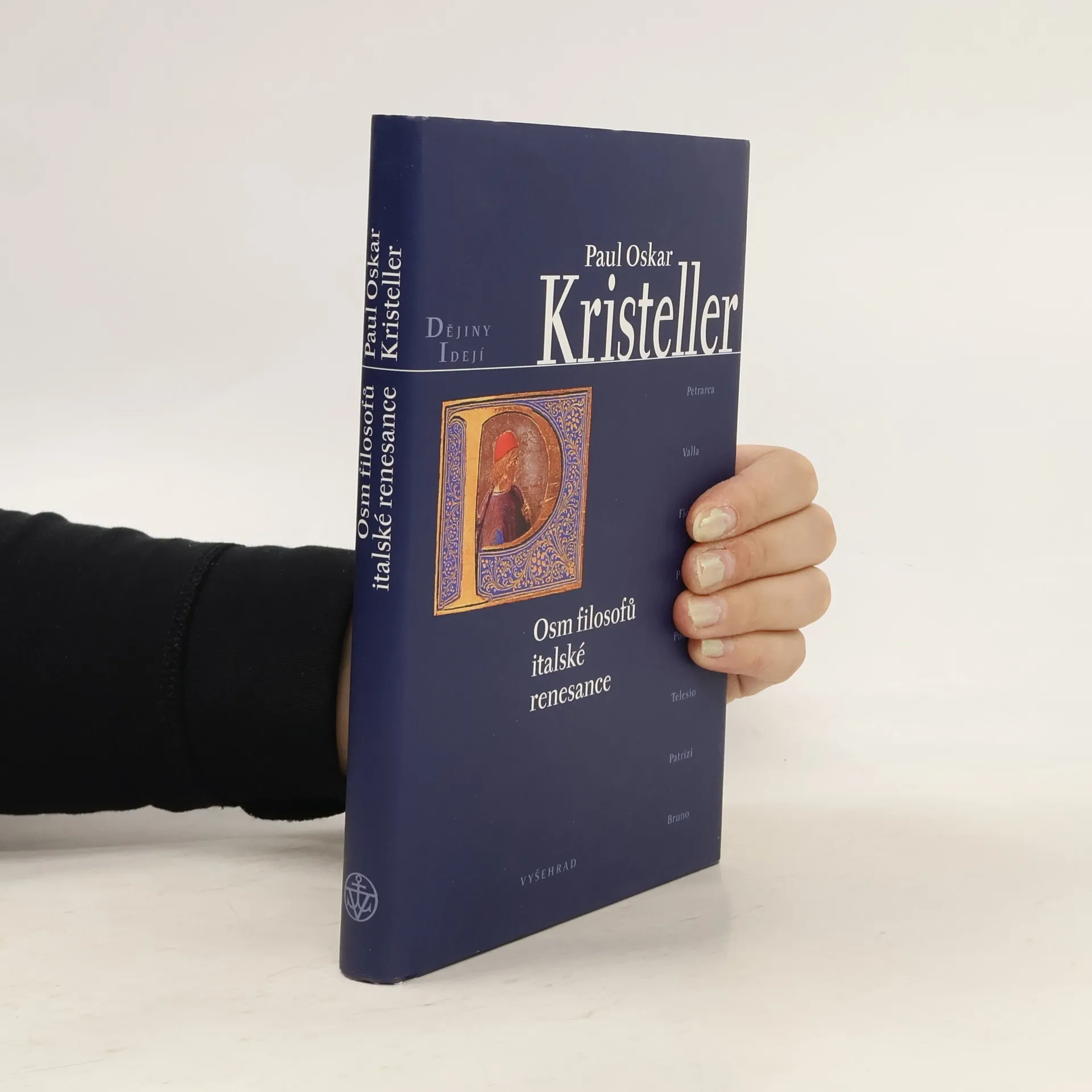
Renesanční humanismus na pozadí portrétů významných dobových myslitelů Čtivé přiblížení myšlenkového světa osmi velkých postav italské renesanční filosofie – Petrarky, Lorenza Vally, Marsilia Ficina, Pika della Mirandola, Telesia, Patriziho a Bruna – a jejich prostřednictvím i vývoje celého renesančního myšlení. Tuto linii doplňuje studie o středověkých předchůdcích renesančního humanismu. Z anglického originálu přeložil a doslovem opatřil Tomáš Nejeschleba.
Paul Oskar Kristeller Knihy
22. květen 1905 – 7. červen 1999
Paul Oskar Kristeller byl významným badatelem renesančního humanismu, jehož práce se soustředila na filozofii tohoto období. Jeho výzkum se zabýval klíčovými postavami renesanční filozofie a jeho rozsáhlé dílo, zejména popis nepublikovaných rukopisů, představuje neocenitelný přínos pro studium renesanční kultury. Kristellerův vliv přesahoval i do filozofie umění a jeho eseje se staly klasickým čtením v této oblasti. Byl také hlavním iniciátorem projektu, který mapuje osudy klasických děl v průběhu středověku a renesance.




Features essays that deal with Renaissance humanism and philosophy, and also with Renaissance theories of art. This title focuses on topics such as humanist learning, humanist moral thought, the diffusion of humanism, Platonism, music and learning during the early Renaissance, and the modern system of arts in relation to the Renaissance.
Greek Philosophers of the Hellenistic Age
- 191 stránek
- 7 hodin čtení
This volume treats a fascinating but much neglected period in the history of ancient philosophy between the third and first centuries BC.
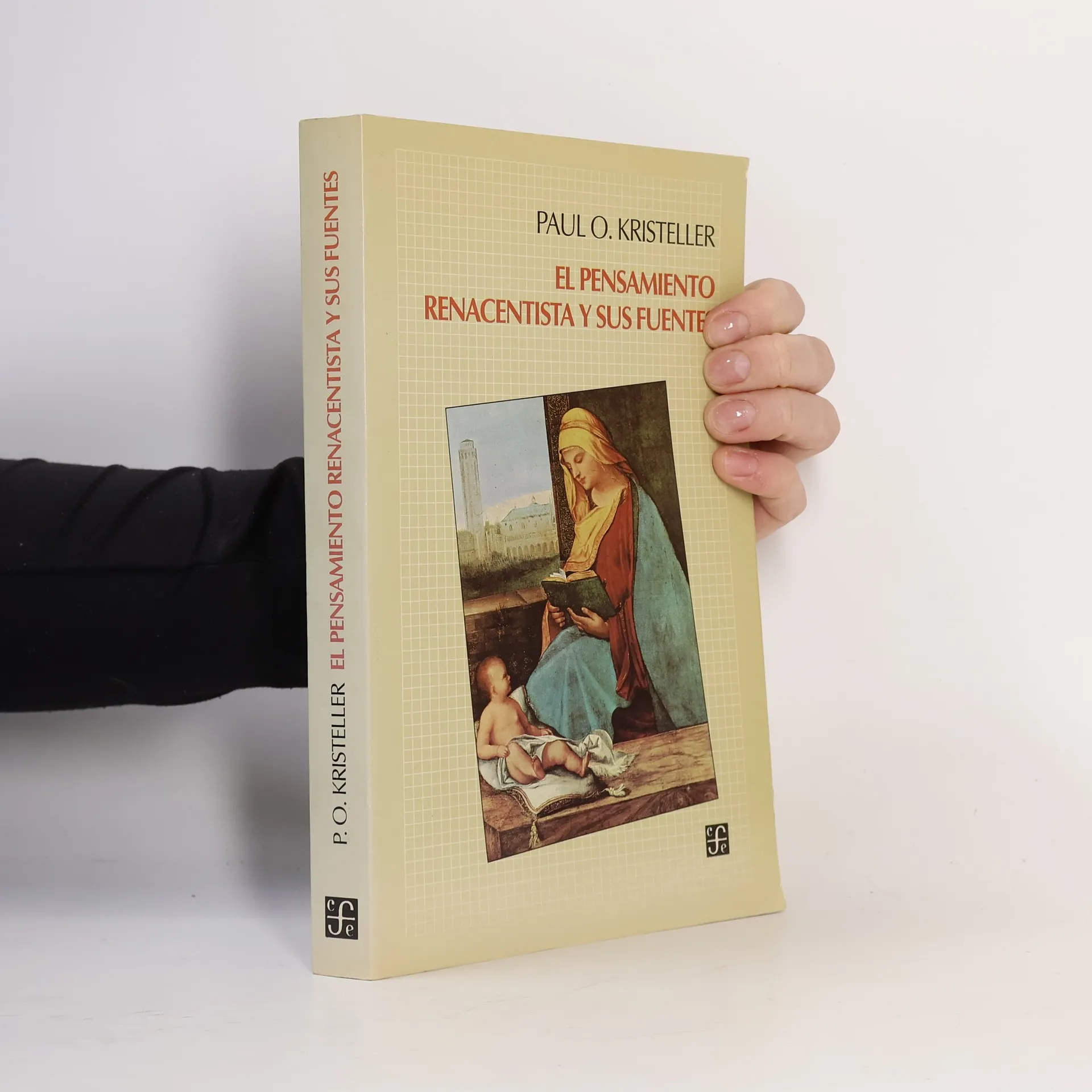
El pensamiento renacentista y sus fuentes
- 368 stránek
- 13 hodin čtení
Madrid. 23x15 cm. 368 p. Encuadernación en rúst. de editorial. Colección 'Sección de obras de filosofía'. Traducido del Inglés. Traducido por Patán López, Federico .. Este libro es de segunda mano y tiene o puede tener marcas y señales de su anterior propietario. 978-84-375-0358-5; 84-375-0358-2