

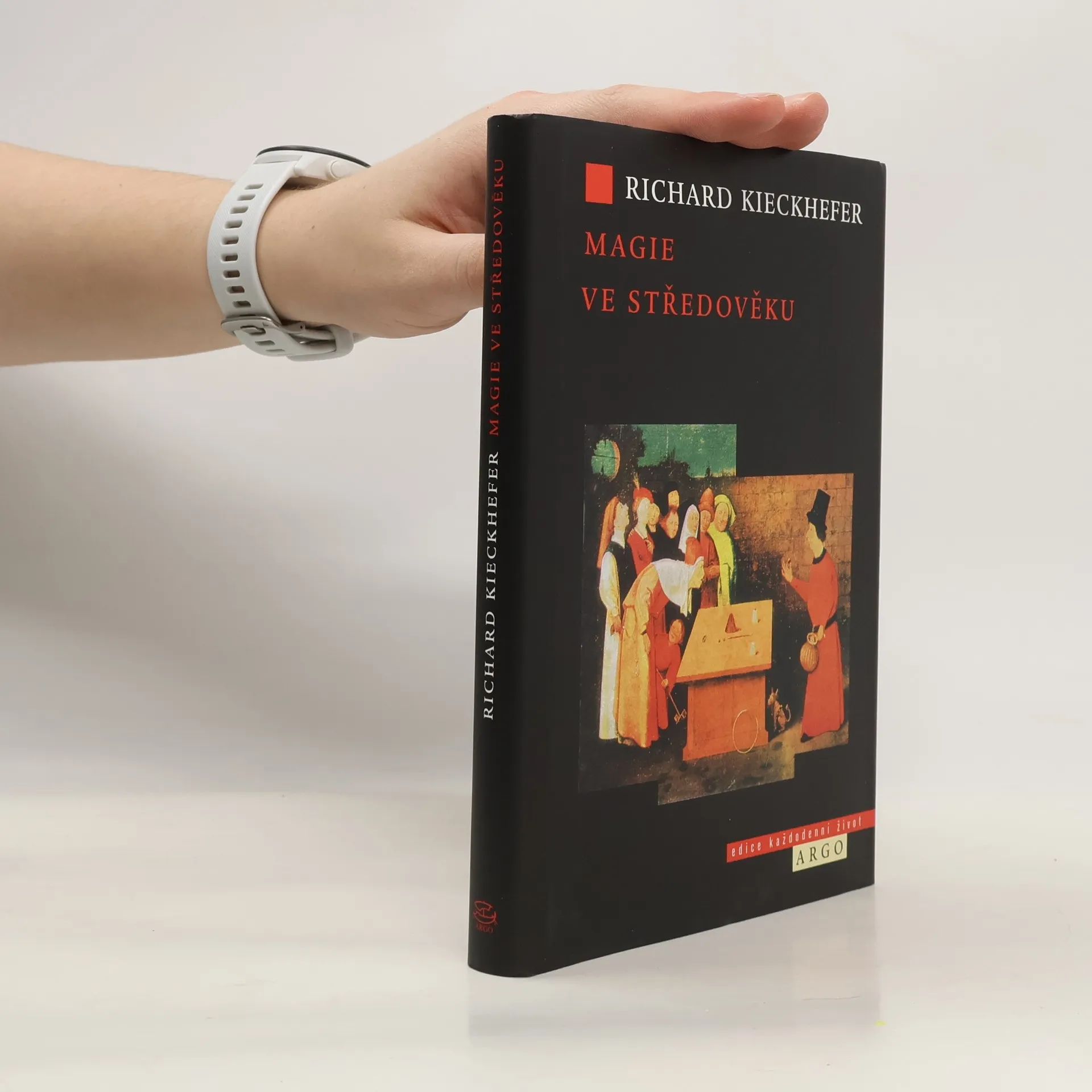
Autor se zaměřuje na pozdní středověk, s hlubokým zájmem o církevní architekturu a historii čarodějnictví a magie. Jeho práce zkoumá, jak komunity vytvářejí a udržují sdílenou kulturu navzdory rozdílům a sporům. Věnuje se propojení běžné a mimořádné zbožnosti, sdílené náboženské kultury a výjimečných náboženských zkušeností. Zkoumá také spolupráci a konflikty při tvorbě monumentálních staveb, které symbolizují zájmy komunity.
This title is part of UC Press's Voices Revived program, which commemorates University of California Press’s mission to seek out and cultivate the brightest minds and give them voice, reach, and impact. Drawing on a backlist dating to 1893, Voices Revived makes high-quality, peer-reviewed scholarship accessible once again using print-on-demand technology. This title was originally published in 1976.
This textbook deals with magic, both natural and demonic, within the broad context of medieval culture. Covering the years c. 500 to 1500, with a chapter on antiquity, it invesigates the way magic relates to the many other cultural forms of the time, such as religion and science, literature and art. The book begins with a full discussion of the social history of magic and of the ways in which magical beliefs borrowed from a diversity of cultures. Thereafter, within a wider study of the growth and development of the phenomenon, the author shows how magic served as a point of contact between the popular and elite classes, how the reality of beliefs is reflected in the fiction witchcraft led to changes in the law. The chapter on medieval literature, and how the permagicalsecution of magic and er on necromancy is the most original, based largely on unpublished manuscripts and arguing for a new interpretation of the material. Adopting an interdisciplinary approach Professor Kieckhefer has taken magic from its cultural isolation and placed it firmly at the crossroads of medieval culture, as a focal point for our understanding of many other aspects of medieval history.
Ve své nejvýznačnější práci autor sleduje vývoj magie od jejích předkřesťanských kořenů, přes její křesťansko-pohanskou podobu v období vrcholného a pozdního středověku až po její okultistické vyústění v 15. a 16. století. V centru jeho zájmu nestojí pouze magické praktiky křesťanské Evropy, ale stejně tak i učenecké představy o magii arabských středověkých intelektuálů a jejich vlivu na renesanční okultismus. Tuto knihu je rovněž možné číst jako středověký dialog mezi pověrečností, počátky přírodních věd a pokusů propojit lidovou zbožnost s ortodoxními náboženskými představami, s vědomím, že laici nemohou většinu teologických subtilit pochopit a že je pro ně třeba věrouku zjednodušit a částečně i zpohanštět.