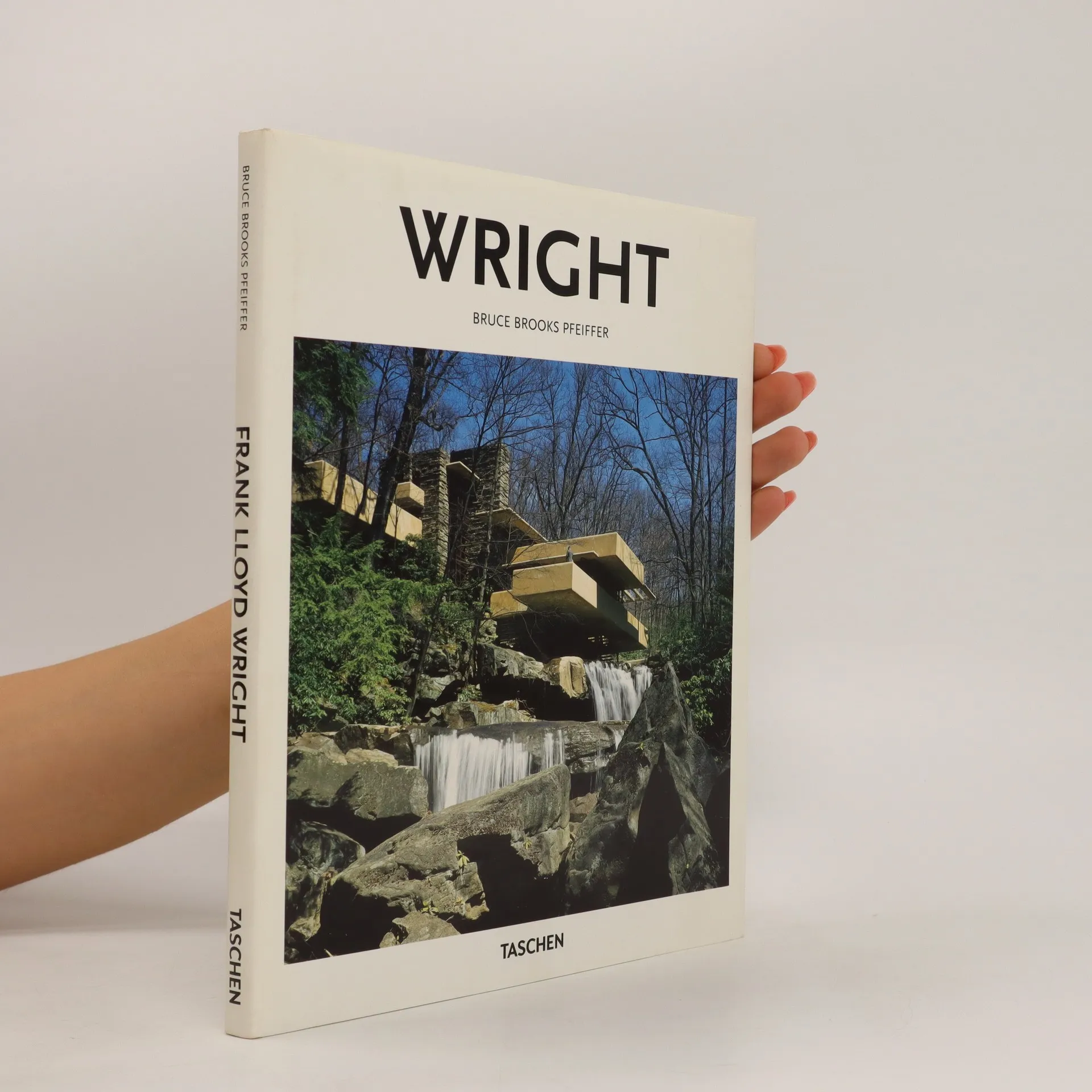
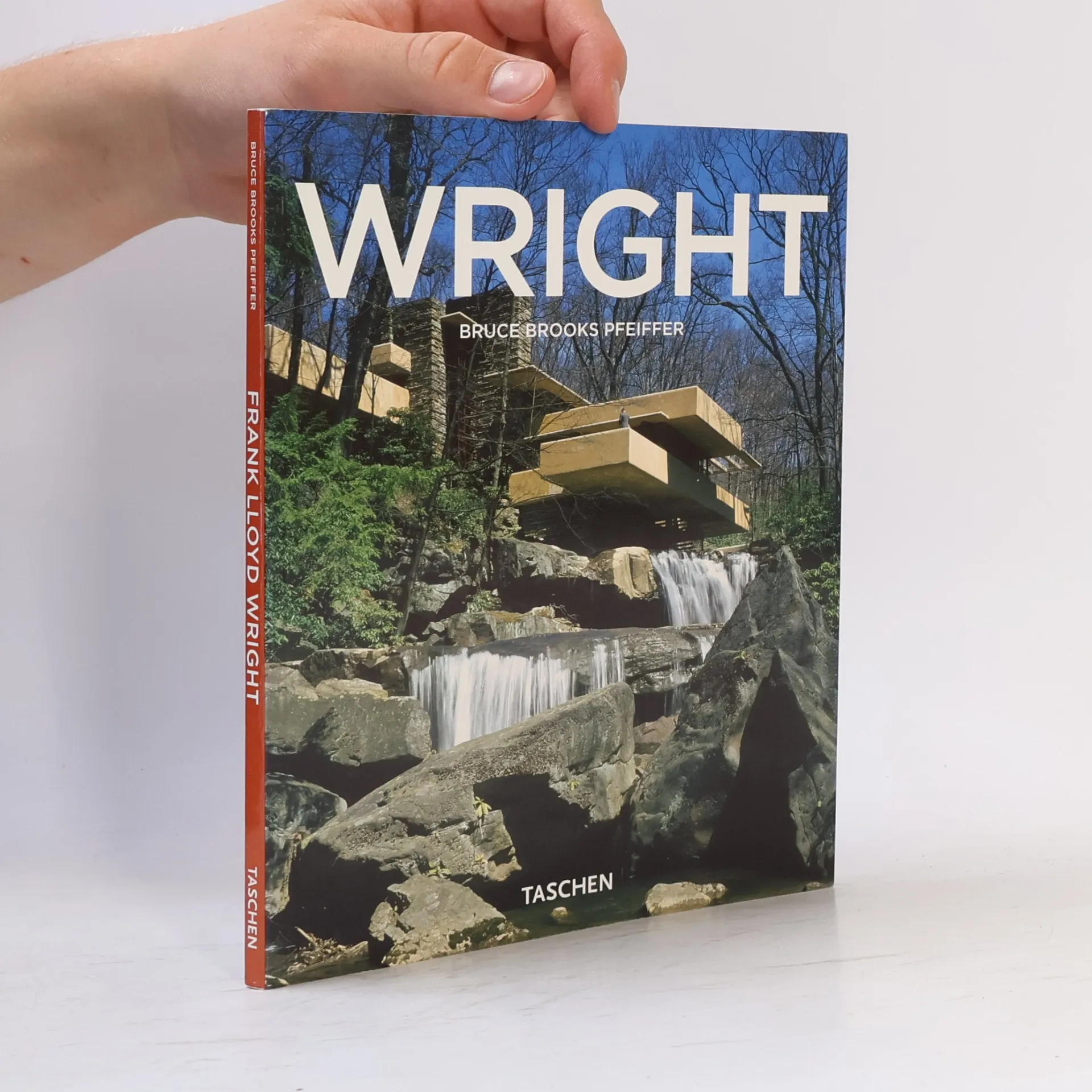
Kniha vychází v populární edici o umělcích a uměleckých stylech světového významu. Monografie věnovaná architektovi světového jména F. L. Wrightovi představuje jeho celoživotní tvorbu i jednotlivé stavby.
Bruce Brooks Pfeiffer Knihy
4. srpen 1930 – 31. prosinec 2017


Zezulkova Tvůrčí čtyřka vytváří časoprostor včetně posloupnosti časové, které můžeme říkat kauzalita. Zde jsme u předmětu této knihy, který se zamýšlí nad vztahem tří a čtyřrozměrného prostoru v jeho praktickém vzájemném projevu v kterékoliv části Tvůrčího díla.
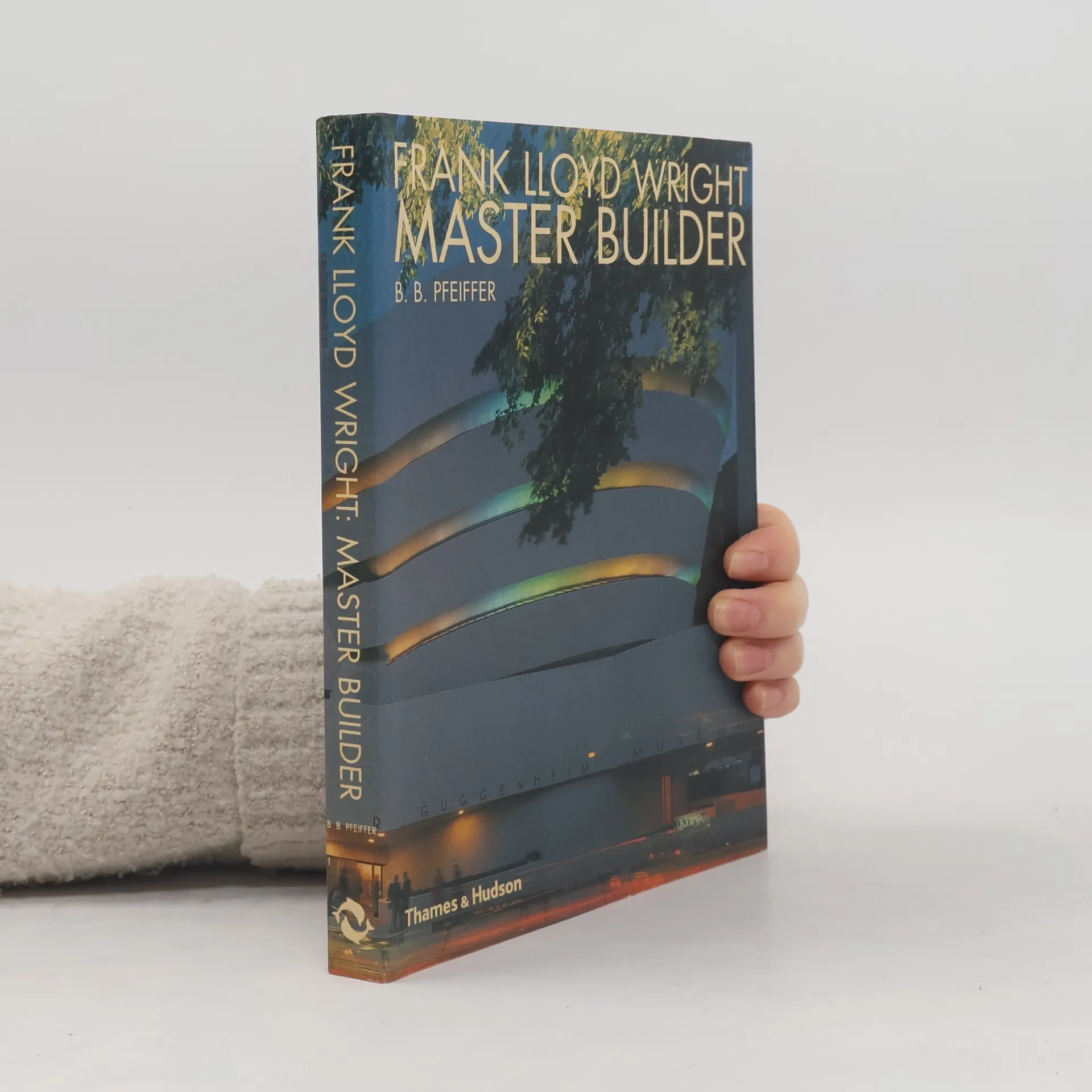
“One hundred years from now, people will look at his ideas, his principles, his forms, and see—with wonder and amazement—that those ideas are still fresh, vibrant, applicable, and intensely prophetic.” —Olgivanna Lloyd Wright (1969). Nearly twenty years later, this exhibition of Frank Lloyd Wright’s principles and forms validates Mrs. Wright’s prophecy, showcasing the foundation of his achievement. Part 1, prepared by Bruce Brooks Pfeiffer, features four sections defined by Wright’s own words: “The Destruction of the Box: The Freedom of Space”; “The Nature of the Site”; “Materials and Methods”; and “The Architecture of Democracy.” It includes 150 illustrations (86 in full color), presenting dazzling visions of architectural treasures—some realized, some planned but never built, and others that continue to enrich our society. Accompanying quotes from Wright illustrate how his ideas manifested in his designs. Part 2 comprises five essays that enhance our understanding of Wright’s contributions: Jack Quinan on the Chicago context in 1893; Aaron Green discussing organic architecture; E. T. Casey on structure in organic architecture; Narciso Menocal on Wright’s architectural democracy; and Bruce Brooks Pfeiffer on Wright’s second career from 1924 to 1959. An appendix provides detailed descriptions of the works featured in Part 1, including notes on media, methods, and measurements.
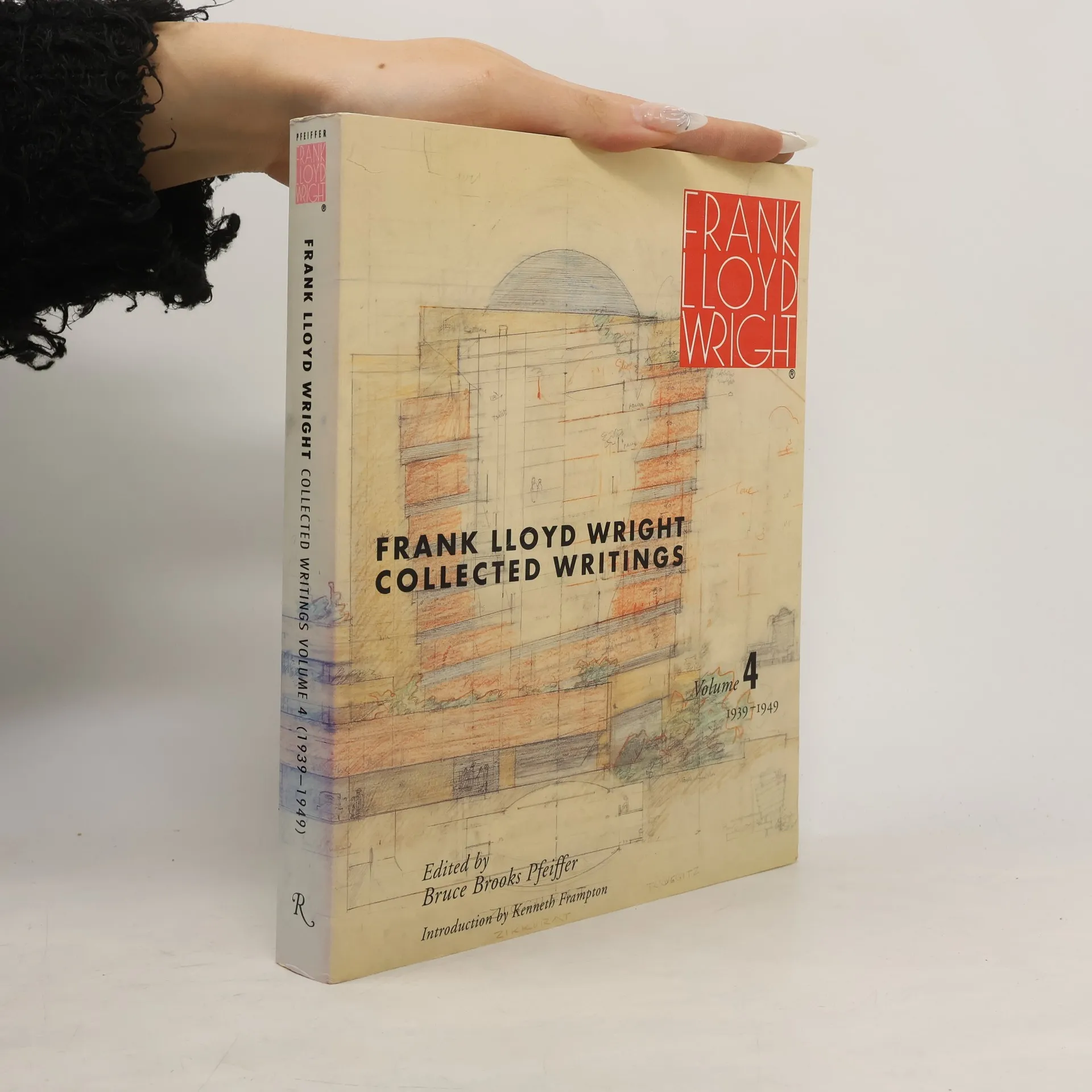
This is the fourth volume in the highly acclaimed series of Wright's written works, most of which are out of print and have never before been systematically compiled for publication. Arranged chronologically, Volume IV includes the years of world conflict and postwar recovery--a rich, prolific period during which Wright created designs for some of his best-known buildings.
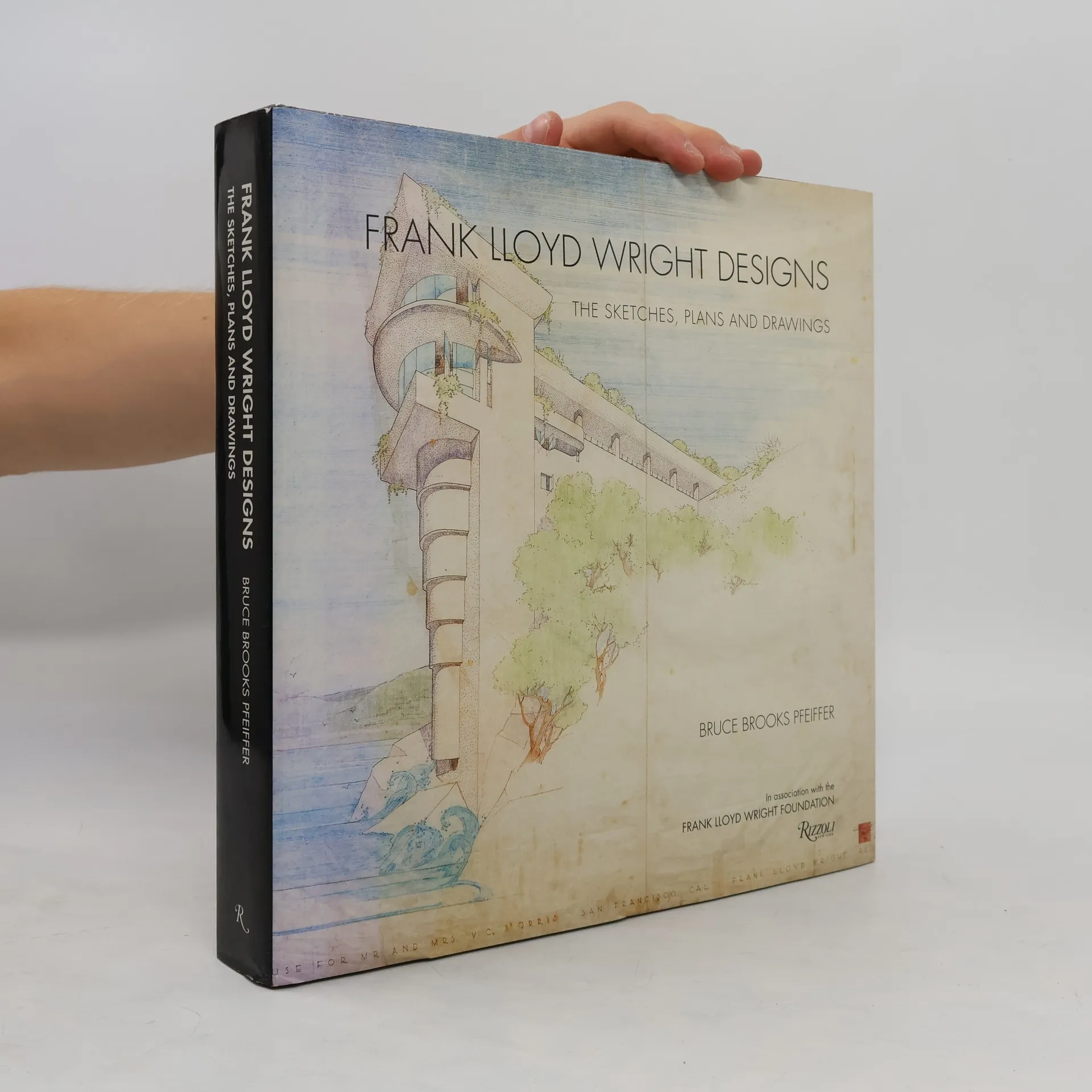
The first major presentation in decades of the visionary drawings of the artist-architect and master designer. Frank Lloyd Wright was an architect of vast and unprecedented vision, whose work is not only still admired by the critics and carefully studied by historians but is also widely beloved. Comfortable spaces, humanly scaled, with extraordinary attention to detail-as seen in a range of architectural forms-are at the center of Wright’s enduring appeal. This vision and attention is nowhere more evident than in the drawings. It has been said that had Wright left us only drawings, and not his buildings as well, he would still be celebrated for his brilliant artistry, and this is borne out here. Even more significant, and shown here as never before, are the magical first moments of invention and inspiration-Wright’s earliest sketches, some never before published-which offer unique insight into the mind of the master architect. Frank Lloyd Wright Designs is the most important and comprehensive book to be published on the drawings, designs, conceptual sketches, elevations, and plans of Wright, with particular emphasis on the development of certain important projects. It includes the best-known and beloved projects-like Fallingwater, The Coonley House, Midway Gardens, the Guggenheim, the Imperial Hotel-as well as a range of intriguing, unfamiliar, and previously unpublished drawings by Wright.
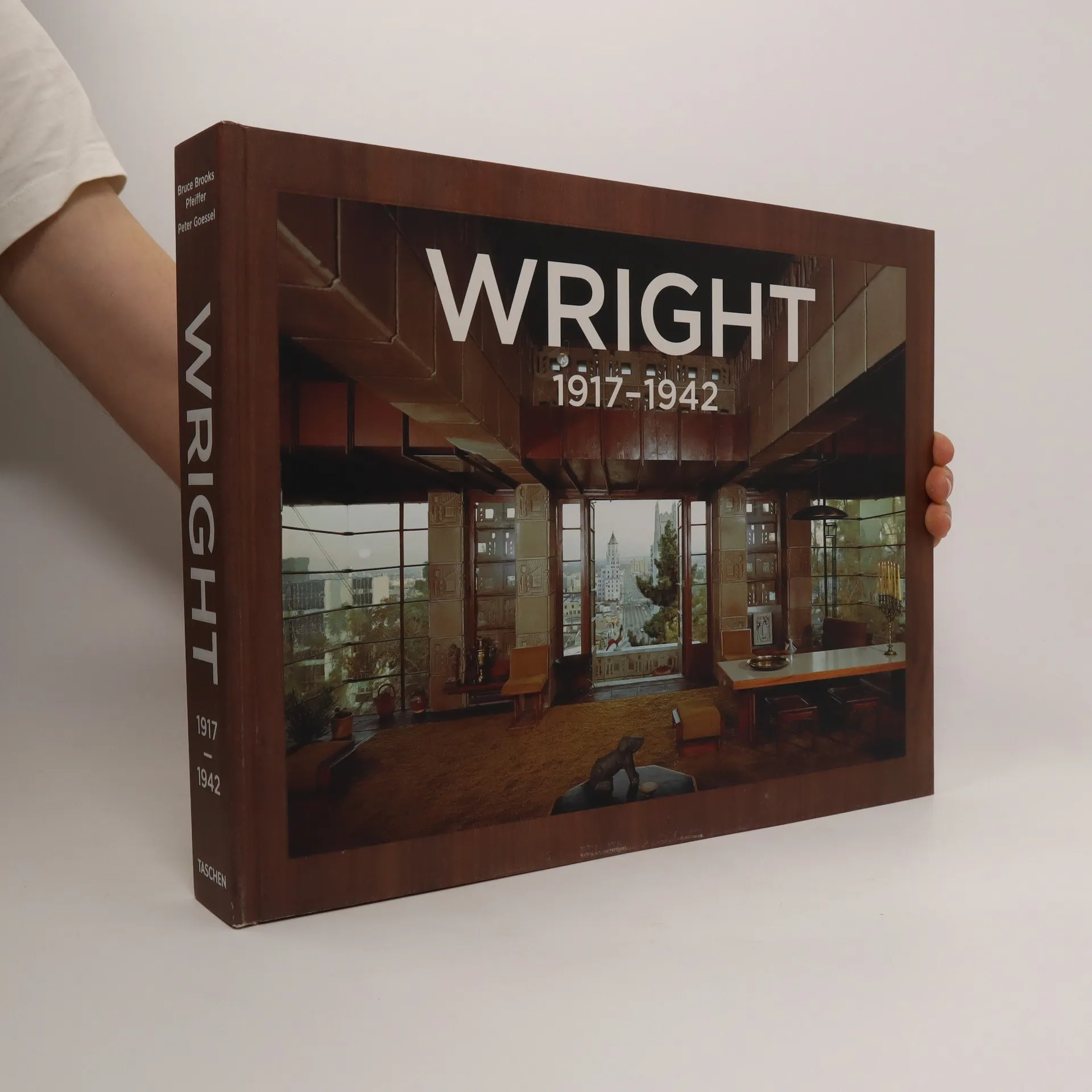
Frank Lloyd Wright (1867–1959) is celebrated as America's greatest architect, whose influential work marked the dawn of modern architecture. TASCHEN's three-volume monograph explores his life and extensive oeuvre, including around 1,100 designs. The first volume focuses on his early years in Chicago and the Prairie Houses, showcasing his innovative approach to residential design.
Frank Lloyd Wright: Complete Works 1917-1942
- 485 stránek
- 17 hodin čtení
Frank Lloyd Wright (1867–1959) gilt als der bedeutendste amerikanische Architekt und hat mit seinem einflussreichen Werk die Moderne geprägt. TASCHEN widmet ihm eine dreibändige Monographie, die alle seine rund 1.100 realisierten und unrealisierten Entwürfe behandelt. In Zusammenarbeit mit den Frank Lloyd Wright Archives in Taliesin, Arizona, wird Wrights bemerkenswertes Leben und Werk gewürdigt. Der Band beginnt mit Wrights Jahren in Japan, insbesondere am Imperial Hotel, gefolgt von persönlichen Turbulenzen. 1922 ließ er sich von seiner ersten Frau Catherine scheiden und heiratete Miriam Noel, die ihn jedoch bald darauf verließ. In dieser schwierigen Phase belastete ein Feuer in Taliesin seine bereits angespannte finanzielle Situation, was zu Zwangsvollstreckungen führte. Um seinen Lebensunterhalt zu sichern, begann Wright, Zeitungsartikel zu schreiben und veröffentlichte 1932 seine gefeierte Autobiografie. Trotz der Weltwirtschaftskrise und unvollendeter Entwürfe entwickelte er neue Konzepte, darunter die Blockbauweise, die zu einzigartigen Werken wie dem Ennis-Haus führte. 1936 vollendete er das Herbert-Jacobs-Haus mit seinen usonischen Techniken, die erschwingliches Wohnen für Familien ermöglichen sollten. Nach seinem Umzug nach Arizona schuf er mit seinen Studenten Taliesin West und erlebte eine Wiederbelebung seines Schaffens, die in den ikonischen Fallingwater und Johnson Buildings gipfelte. Seine usonischen Häuser rev
This is an insight into the career of 20th-century architect Frank Lloyd Wright. It features photographs, drawings and floorplans for more than 20 of his buildings, including his home and studio in Illinois and the Guggenheim Museum in New York. Each house is introduced with quotes from Wright.
Frank Lloyd Wright on Architecture, Nature, and the Human Spirit
A Collection of Quotations
- 95 stránek
- 4 hodiny čtení
The architect of the Guggenheim Museum, Fallingwater, the Robie House, and the Johnson Wax Administration Building, Frank Lloyd Wright once said, ";You do not learn by way of your successes. No one does."; Just as he flouted convention in a series of astonishing buildings, so did Wright go against the grain in his career as a writer and lecturer. On subjects as diverse as McCarthyism and cement blocks, he produced countless lectures and articles, a half-dozen books, and a remarkable series of informal talks delivered to his apprentices on Sunday mornings.Bruce Brooks Pfeiffer, the author of several collections of Wright’s writings and Director of the Frank Lloyd Wright Archives, has culled more than two hundred quotations from a wide range of sources, drawing heavily on transcripts of the Sunday talks. The themes to which Wright returned most often serve as the book’s the value of architecture takes precedence, but topics such as government and the ge
F. L. Wright
- 96 stránek
- 4 hodiny čtení
From prairie houses to skyscrapers and the Guggenheim Museum, explore the life and work of one of the greatest pioneers in the history of architecture, Frank Lloyd Wright. Sketches, plans, and photographs chronicle all of Wright's major works, celebrating his organic architecture philosophy, innovative use of industrial materials, and vision...
Frank Lloyd Wright. 40th Ed.
- 512 stránek
- 18 hodin čtení
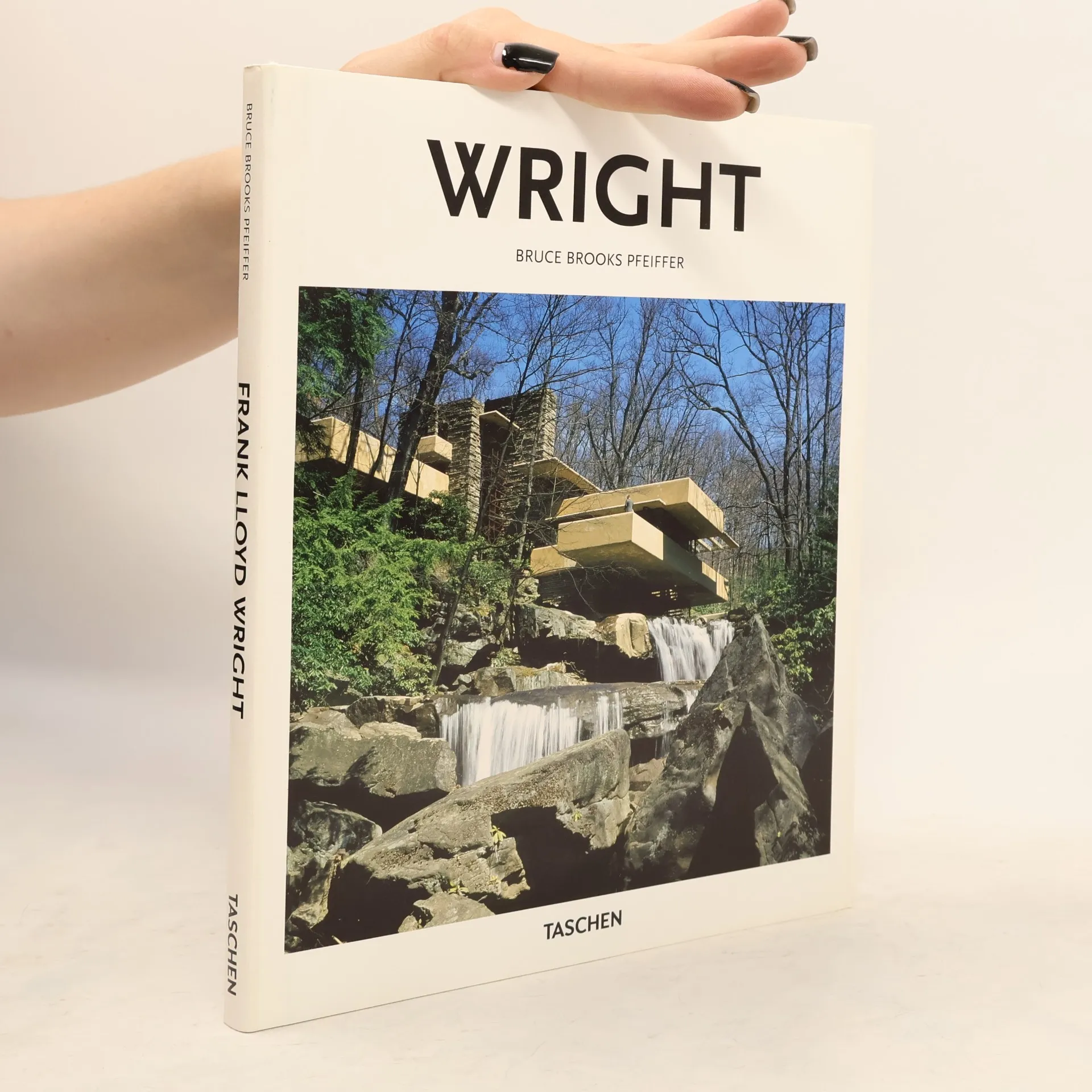
Focusing on the groundbreaking projects of Frank Lloyd Wright, this overview encapsulates the architect's entire career, showcasing his most ingenious works in a concise format. It draws from TASCHEN's earlier monograph and benefits from unrestricted access to the Frank Lloyd Wright Archives, offering a comprehensive look at his innovative designs and contributions to architecture.
Frank Lloyd Wright 1867-1959 - building for ...
- 96 stránek
- 4 hodiny čtení
Frank Lloyd Wright (1867-1959), der 'Vater der Wolkenkratzer', war ein Architekt der Hoffnung, der der amerikanischen Mittelschicht einen passenden architektonischen Rahmen bieten wollte. Sein Idealismus erstreckte sich über den Kontinent, von Einfamilienhäusern und Kirchen bis hin zu Büros, Wolkenkratzern und dem gefeierten Guggenheim Museum. Wrights Arbeiten zeichnen sich durch Menschenfreundlichkeit und Harmonie mit der Umgebung aus. Diese Philosophie, die er als organische Architektur bezeichnete, fand exemplarische Umsetzung in Fallingwater, einem in Pennsylvania gelegenen Haus, das vom American Institute of Architects als 'beste Arbeit amerikanischer Architektur aller Zeiten' anerkannt wurde. Zu seinen Markenzeichen gehören der Einsatz von Industrie-Werkstoffen und der einfache T- oder L-Grundriss seines Prairie House, das zum Prototyp ländlicher Bauweise in den USA wurde. Wright kümmerte sich oft auch um die Innenausstattung seiner Gebäude, einschließlich Möbel und Buntglas-Elemente, und strebte ein ausgewogenes Verhältnis zwischen individuellen Bedürfnissen und kommunalen Belangen an. Dieser Band untersucht Wrights Bestrebungen, die amerikanische Gesellschaft durch Architektur zu verbessern und bietet eine prägnante Einführung zu seiner technologischen sowie romantischen Antwort auf die praktischen Herausforderungen des Lebens der amerikanischen Mittelschicht.
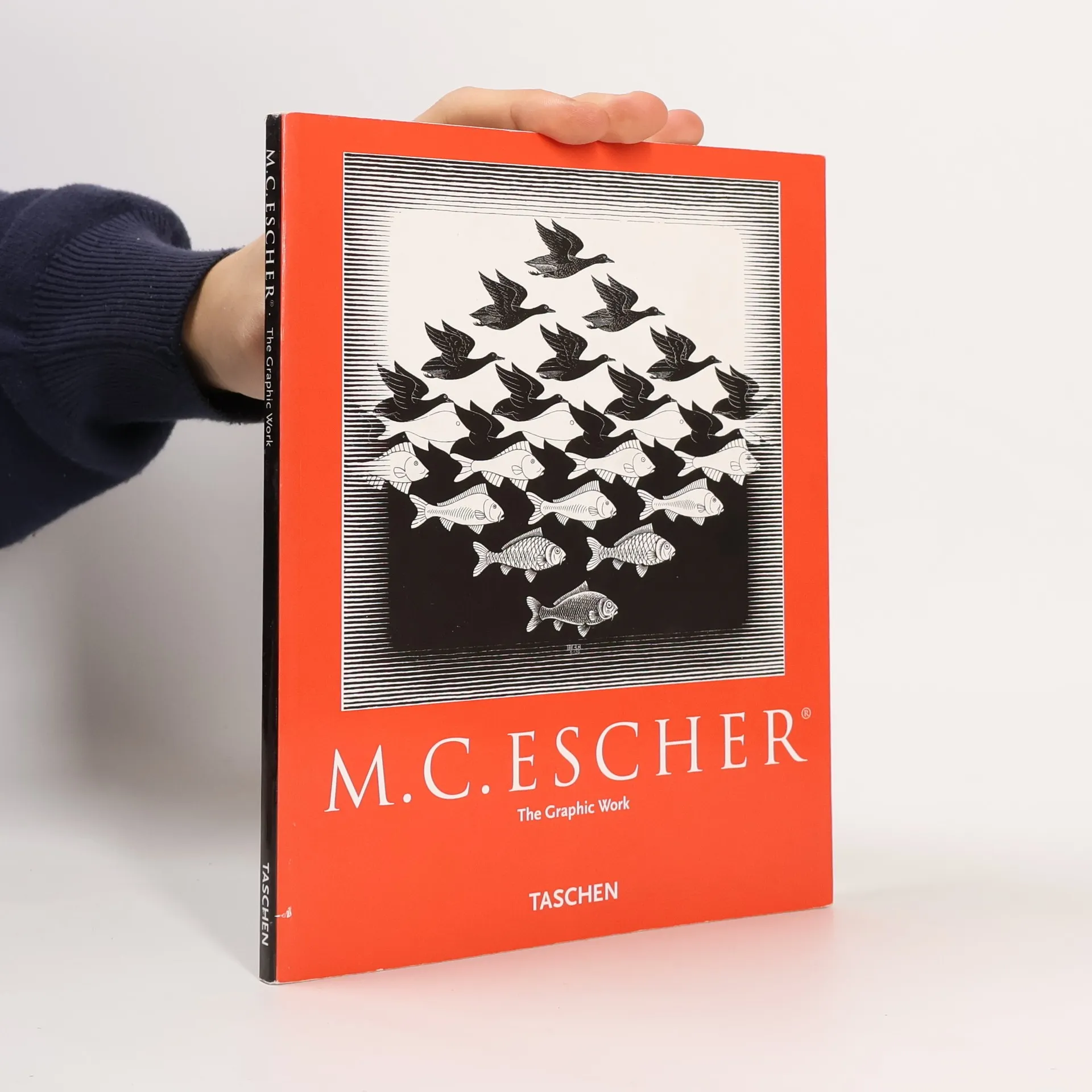
Escher
- 96 stránek
- 4 hodiny čtení
Dieses Buch zeigt das Werk von M.C. Escher, einem Architekten unmöglicher Welten, der strukturell Unvorstellbares als Naturgesetz darstellt. Die daraus entstehenden dimensionalen und perspektivischen Illusionen konfrontieren uns mit den Grenzen unserer Sinneswahrnehmung.
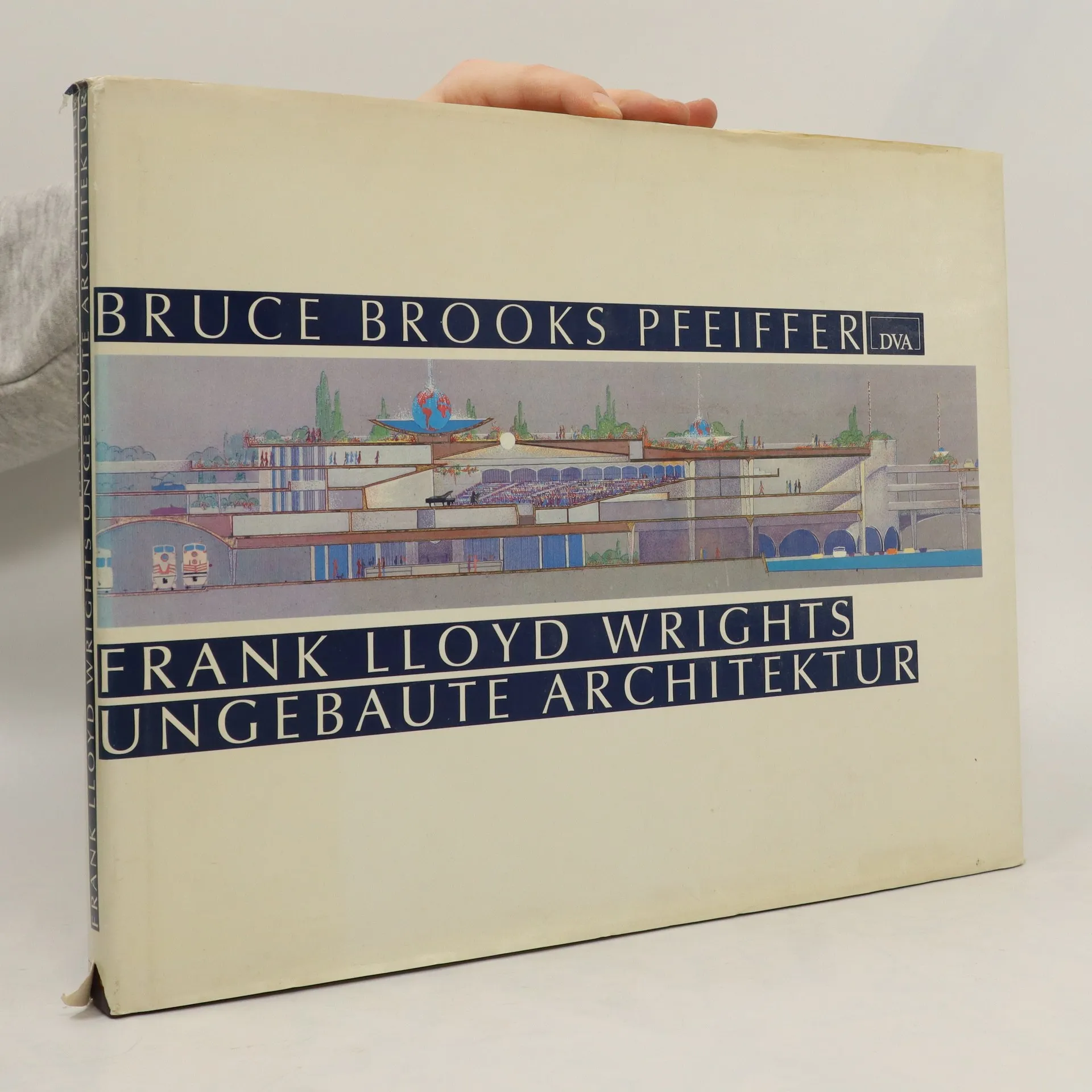
Frank Lloyd Wrights ungebaute Architektur
- 162 stránek
- 6 hodin čtení