


Knihobot

Michael Hanlon

    20. prosinec 1964 – 9. únor 2016

    Tento autor se zaměřuje na analýzu obranných a zahraničněpolitických otázek. Jeho dílo se vyznačuje hlubokým porozuměním komplexním mezinárodním vztahům. Prostřednictvím svého psaní nabízí čtenářům pronikavý pohled na strategické výzvy současného světa. Jeho přístup je založen na pečlivé analýze a důrazu na praktická řešení.

    Michael Hanlon
    Per Anhalter durch die Galaxis - im Licht der Wissenschaft
    Military History for the Modern Strategist
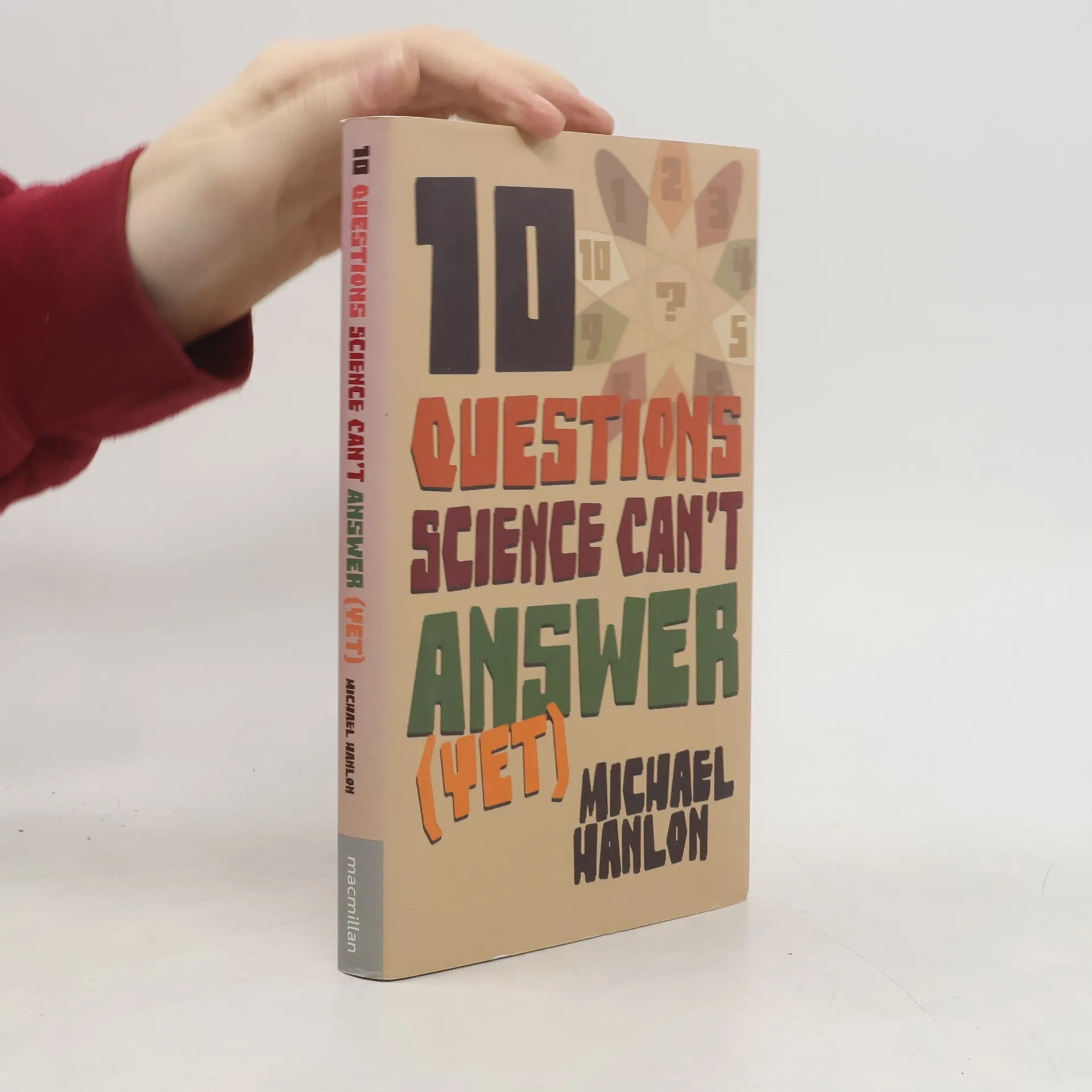
    10 questions science can't answer (yet)
    Art of War in an Age of Peace
    Defense 101
    Stopařův průvodce galaxií a věda
    • 2023

      In this timely book, military expert Michael O'Hanlon examines America's major conflicts since the mid-1800s: the Civil War, the two World Wars, Korea, Vietnam, Iraq, and Afghanistan. O'Hanlon looks for overarching trends and themes, along with the lessons for the military strategists and political leaders of today and tomorrow.

      Military History for the Modern Strategist
    • 2021

      Defense 101

      • 282 stránek
      • 10 hodin čtení
      5,0(1)Ohodnotit

      In Defense 101 , a concise primer for understanding the United States' $700+ billion defense budget and rapidly changing military technologies, Michael O'Hanlon provides a deeply informed yet accessible analysis of American military power. After an introduction in which O'Hanlon surveys today's international security environment, provides a brief sketch of the history of the US military, its command structure, the organization of its three million personnel, and a review of its domestic basing and global reach, Defense 101 provides in-depth coverage of four critical areas in military • Defense Budgeting and Resource detailed budget and cost breakdowns, wartime spending allocations, economics of overseas basing, military readiness, and defense budgeting versus US grand strategy• Gaming and Modeling wargaming, micro modeling, nuclear exchange calculations, China scenarios, and assessments of counterinsurgency missions• Technological Change and Military use of computers, communications, and robotics, cutting-edge developments in projectiles and propulsion systems• The Science of War, military uses of space, missile defense, and nuclear weapons, testing, and proliferation For policy makers and experts, military professionals, students, and citizens alike, Defense 101 helps make sense of the US Department of Defense, the basics of war and the future of armed conflict, and the most important characteristics of the American military.

      Defense 101
    • 2021

      An informed modern plan for post-2020 American foreign policy that avoids the opposing dangers of retrenchment and overextension "A masterful examination of past American grand strategy and foreign policies. A compelling, thoughtful, and thought-provoking proposal of a new grand strategy by one of America's foremost writers and thinkers on U.S. defense, foreign policy, and geopolitics." --General David Petraeus, U.S. Army (Ret.) Russia and China are both believed to have "grand strategies"--detailed sets of national security goals backed by means, and plans, to pursue them. In the United States, policymakers have tried to articulate similar concepts but have failed to reach a widespread consensus since the Cold War ended. While the United States has been the world's prominent superpower for over a generation, much American thinking has oscillated between the extremes of isolationist agendas versus interventionist and overly assertive ones. Drawing on historical precedents and weighing issues such as Russia's resurgence, China's great rise, North Korea's nuclear machinations, and Middle East turmoil, Michael O'Hanlon presents a well-researched, ethically sound, and politically viable vision for American national security policy. He also proposes complementing the Pentagon's set of "4+1" pre-existing threats with a new "4+1" biological, nuclear, digital, climatic, and internal dangers.

      Art of War in an Age of Peace
    • 2016

      Stopařův průvodce galaxií a věda

      • 196 stránek
      • 7 hodin čtení
      4,6(5)Ohodnotit

      „Za debatu o paralelních vesmírech už vás z baru Fyzikální společnosti nevykopnou – naopak, koupí vám tam rundu...“ Chcete-li zjistit proč, vydejte se s uznávaným popularizátorem vesmíru Michaelem Hanlonem na zábavnou a fundovanou procházku prorockou klasikou žánru sci-fi. Text navazuje na velmi populární knižní řadu D. Adamse souhrnně nazývanou Stopařův průvodce Galaxií. S nadhledem a s úsměvem rozvádí jeho fikci. Zajímavé čtení ukazuje, že i věda může být zábavná. Vždyť věda vážná a seriózní je zde podávána chytře a velice živou formou. Nejen pro čtenáře příběhů Arthura Denta a jeho přítele Forda Prefecta to bude určitě velmi milé překvapení. Kniha jistě uspokojí i ty, které zajímá současný pohled na problematiku možnosti existence různých mimozemských forem života, velkého třesku, černých děr, paraleních světů, cestování časem apod., dotkneme se dokonce i otázky existence Boha.

      Stopařův průvodce galaxií a věda
    • 2007

      10 questions science can't answer (yet)

      • 192 stránek
      • 7 hodin čtení
      3,4(116)Ohodnotit

      From the author of the bestselling The Science of the Hitchhiker's Guide to the Galaxy comes another incredible trip to an even more mysterious terrain. Michael Hanlon identifies ten scientific questions that we simply can't seem to answer and explains why these compelling mysteries will remain unsolved for years to comeHow did life begin? Why are there two sexes? Where did language originate? In Hanlon's characteristically witty style, he ponders the ways these questions have persisted in frustrating the best minds and asks what might be needed to get to the bottom of it all. From politics to lack of technology, each question has its own set of circumstances holding it back. By exploring these unanswerable questions, Hanlon exposes some of science's greatest failings and missteps--and charts a hopeful direction for getting science back on the road to discovery.

      10 questions science can't answer (yet)
    • 2005