Nicolas Bourriaud Pořadí knih (chronologicky)
Nicolas Bourriaud je přední kurátor a teoretik umění, který definoval klíčové umělecké trendy. Jeho vlivná kniha Relational Aesthetics se stala zásadním textem pro generaci evropských umělců 90. let. Bourriaud zkoumá současné umění skrze koncepty jako je „postprodukce“ a popisuje umělce, kteří pracují s již existujícími kulturními formami. Zabývá se také vznikem globální modernity založené na překladu a nomádských formách, čímž staví proti postmoderním estetikám založeným na identitách.

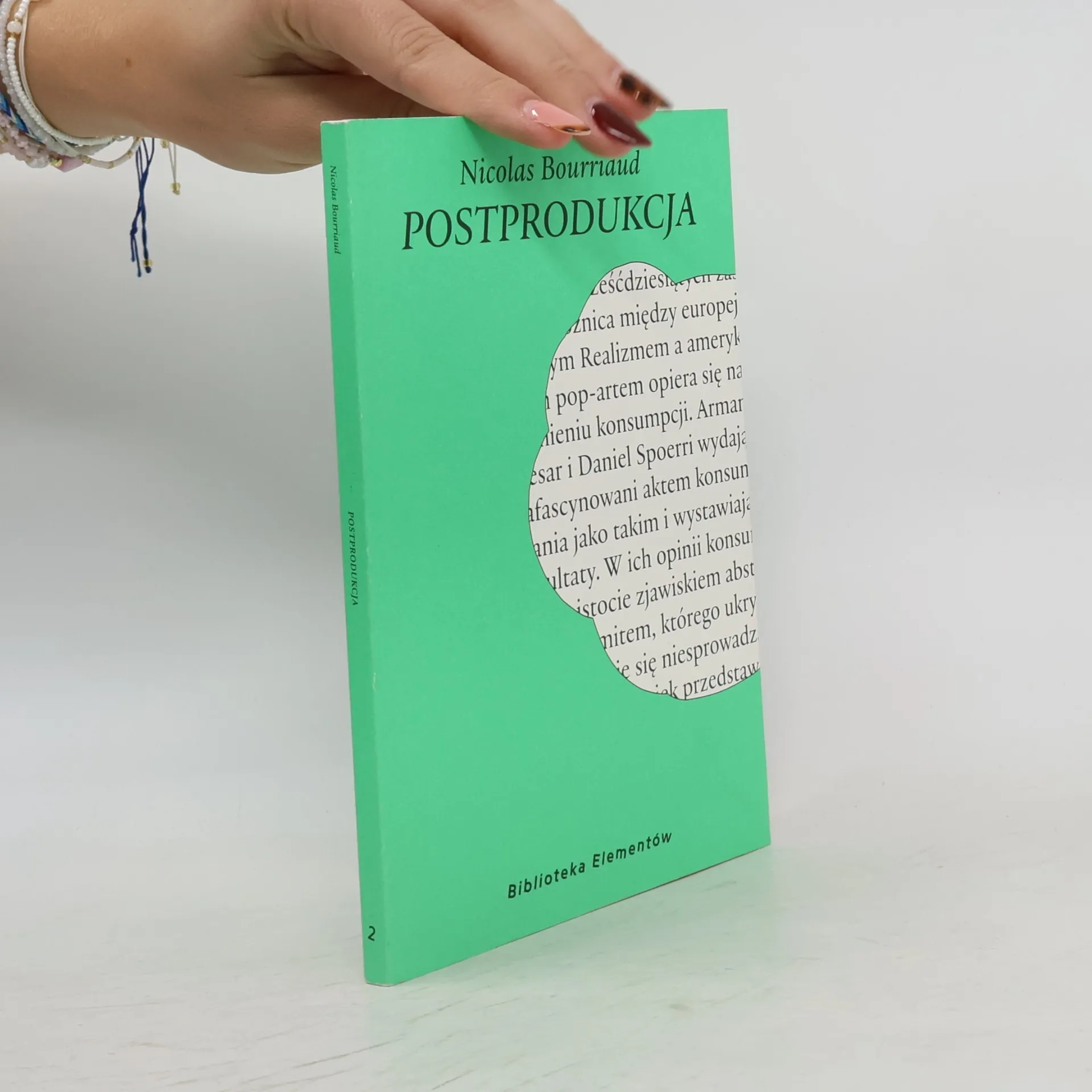
Biblioteka Elementów - 2: Postprodukcja
Kultura jako scenariusz - jak sztuka przeprogramowuje współczesny świat
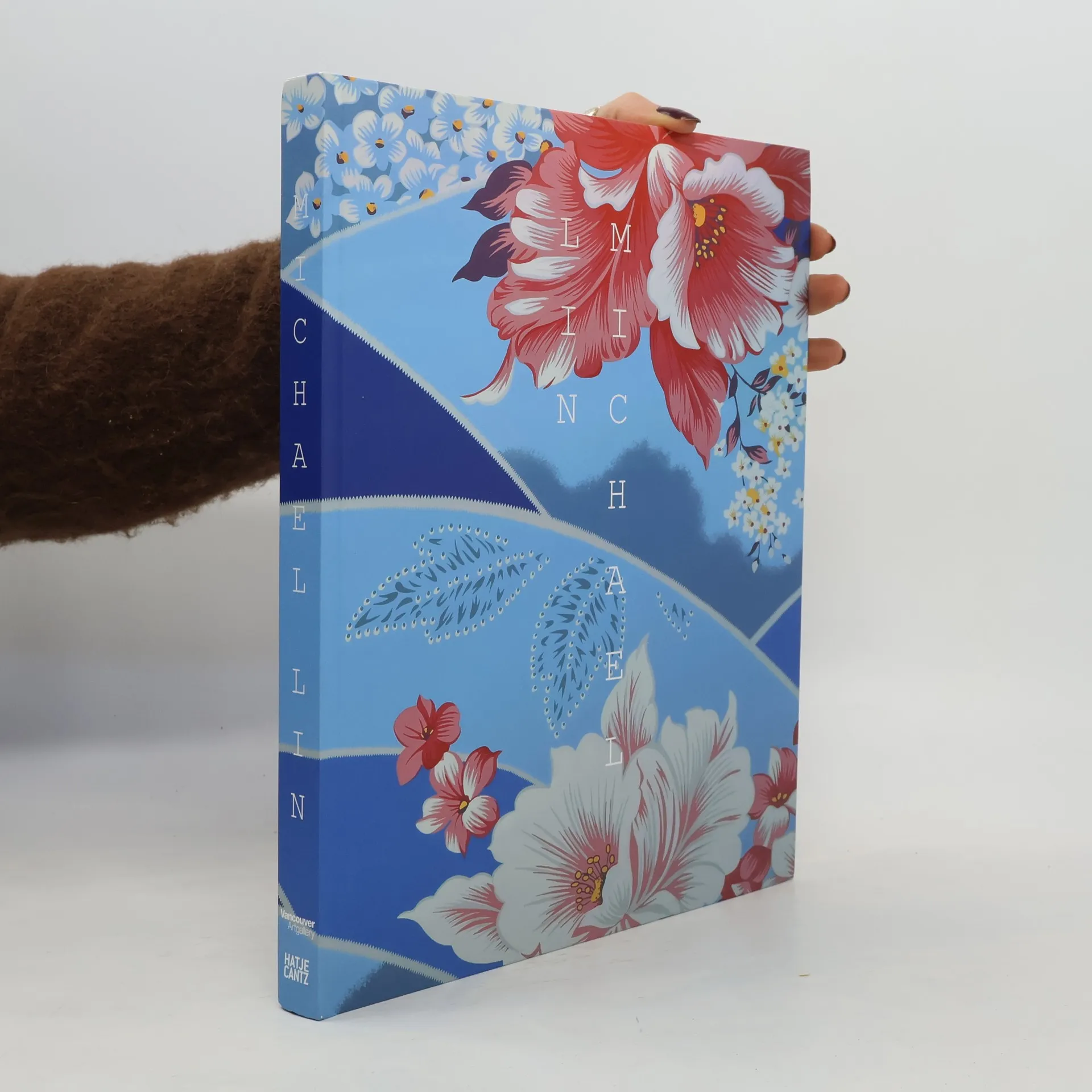
Michael Lin
- 200 stránek
- 7 hodin čtení
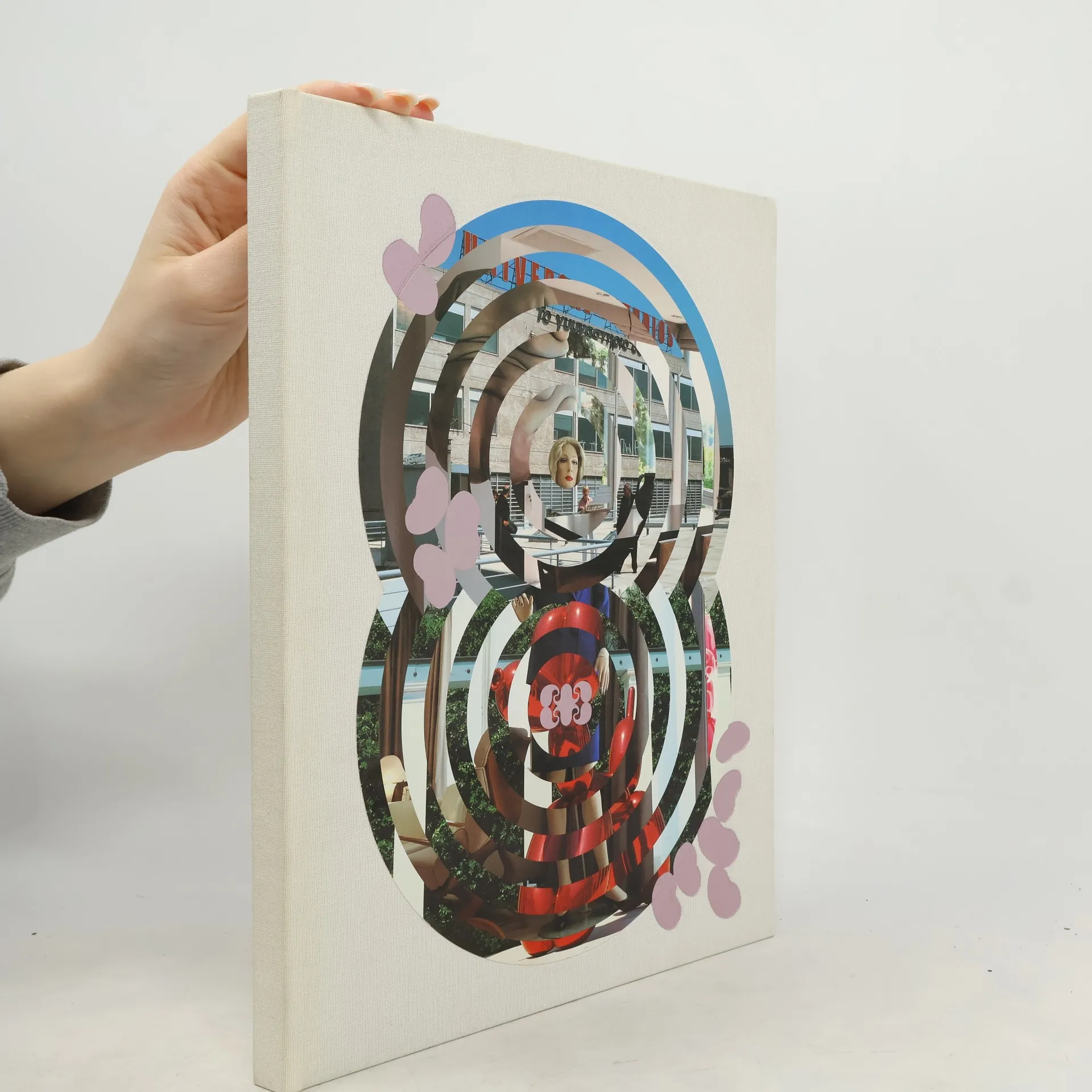
"My work has moved away from the idea of a painting as an object," Michael Lin (born 1964) observes. "I'm more interested in creating a painting as a space to occupy." Lin makes painted installations that reconfigure institutional spaces with designs appropriated from Taiwanese textiles. This publication is the first comprehensive overview of his work.
The radicant
- 192 stránek
- 7 hodin čtení
If modernity warrants a return to the origin of art, then French curatorand art critic Nicolas Bourriaud is right when he claims that this is thetime to redefine the concept of -what is modern. Our century'smodernity will be invented, precisely, in opposition to all radicalism,claims Bourriaud. So then, being radicant - from the Latin origin of- roots - means setting one's roots in motion, transplanting behaviors,and exchanging ideas rather than imposing them. Looking at the worldthrough his globalized prism of art, Bourriaud sketches a world artcriticism in which works are in constant dialog with the context fromwhich they reproduced.
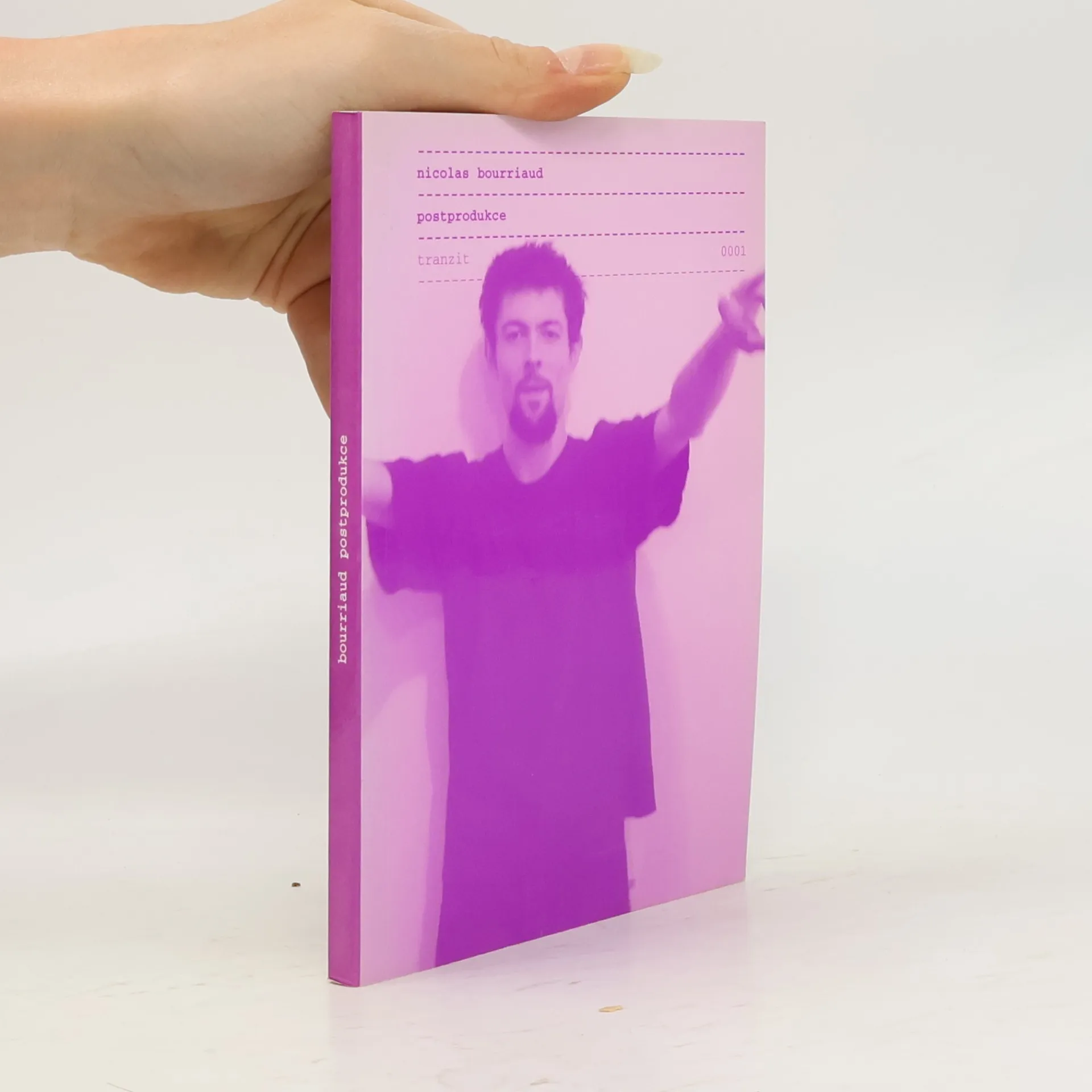
Postprodukce. Kultura jako scénář. Jak umění nově programuje současný svět
- 106 stránek
- 4 hodiny čtení
Autor sleduje činnost tvůrců konce 20. a začátku 21. století, kteří vkládají své umělecké dílo do již existující sítě znaků a významů ("kultura užití").Z existujících věcí, děl a produktů vybírají jeden nebo i více a znovu ji použijí nebo ji s určitým záměrem přetvoří. Umělci postprodukce vynalézají nové způsoby užití uměleckých děl. Do svých vlastních výtvorů vkládají různé zvukové či vizuální formy převzaté z minulosti.
Frequencies [Hz]
audiovisuelle Räume = Frequencies (Hz) : audio-visual spaces
- 208 stránek
- 8 hodin čtení
Beyond the scope of the defining non-material characteristics of sound, sound becomes a formal material, a kind of audible sculpture accompanied by discourse on its constructive, societal, philosophical, and emotional aspects. At least, it does for the contemporary artists represented in Frequencies [HZ], each of whom works with sound within the context of visual art--Angela Bulloch, Farmersmanual, Ryoji Ikeda, Daniel Pflumm, Ultra-red, Mika Vainio, and others. With an audio CD ingeniously integrated into the book's cover design, and reproductions of sculptural and visual art, as well as specific, often minimalistic installations and interventions which employ sound or electronic experiments with sound, Frequencies [HZ] explores how sound impacts upon the perception of architecture and otherwise influences the components of individual experience. Participating artists reflect on the institutional context and the situation that evolves between the work of art and the viewer.
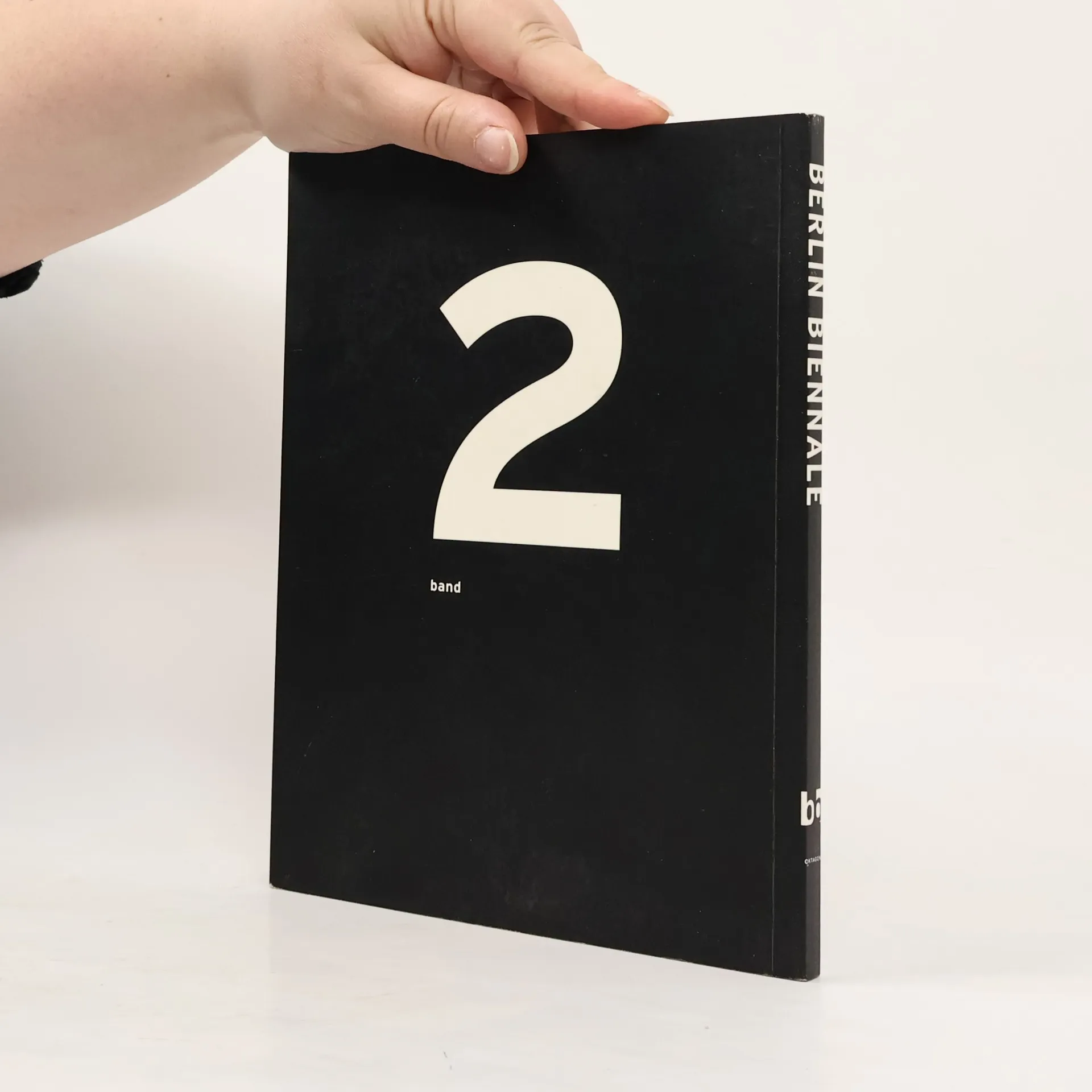
2. Berlin-Biennale 2001
- 484 stránek
- 17 hodin čtení
This two-volume catalog offers essays, artist texts, and interviews, as well as documentation of every installation included in the Berlin Biennale. Featured artists include Carlos Amorales, Joseph Grigely, Inka Essenhigh, Aernout Mik, Jonathan Ocampo, Surasai Monk, Alicia Framis, Liam Gillick, and Renee Green.Edited by Saskia Bos. Essays by Daniel Birnbaum, Saskia Bos, Nicolas Bourriaud and Annie Fletcher. Artists Carlos Amorales, Fiona Banner, Parastou Forouhar, Alicia Framis, Kendell Geers, Liam Gillick, Renee Green, Joseph Grigely, Christian Jankowski, Aernout Mik, Adi Rosenblum, Manuel Ocampo, Tsuyoshi Ozawa, Dan Peterman, Rosangela Renno, Anri Sala and Fred Tomaselli. 15 x 10.25 in.160 color illustrations
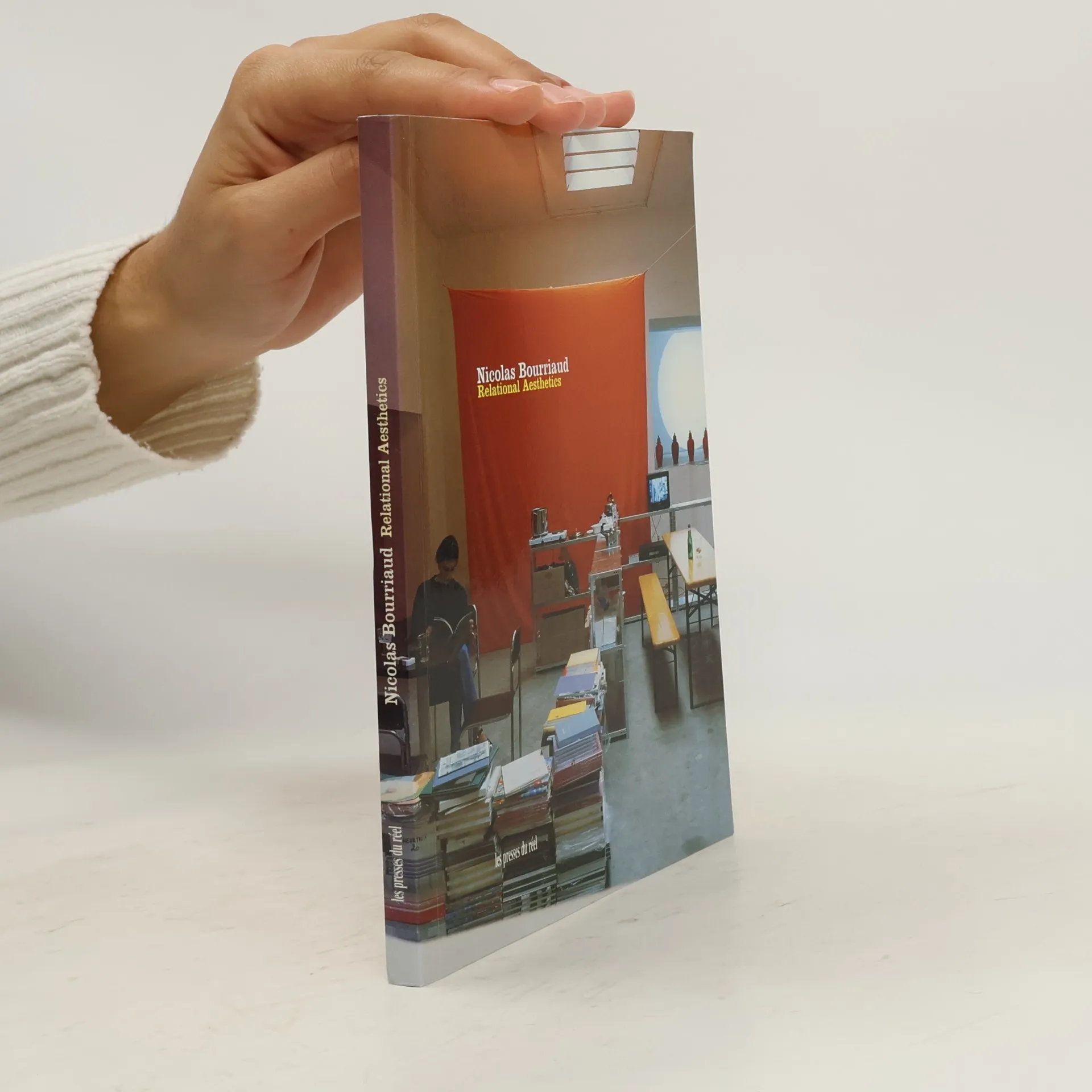
Relational Aesthetics
- 125 stránek
- 5 hodin čtení
Where does our current obsession for interactivity stem from? After the consumer society and the communication era, does art still contribute to the emergence of a rational society? Nicolas Bourriaud attempts to renew our approach toward contemporary art by getting as close as possible to the artists' works, and by revealing the principles that structure their thoughts: an aesthetic of the inter-human, of the encounter; of proximity, of resisting social formatting. The aim of his essay is to produce the tools to enable us to understand the evolution of today's art. We meet Felix Gonzalez-Torres and Louis Althusser, Rirkrit Tiravanija or Félix Guattari, along with most of today's practising creative artists.