Knihobot

Karl Kerényi

    19. leden 1897 – 14. duben 1973

    Károly Kerényi byl jedním ze zakladatelů moderního bádání v oblasti řecké mytologie. Jeho práce se vyznačuje hlubokým porozuměním archetypálním silám a symbolickým významům, které se v mýtech skrývají. Kerényiho přístup osvětluje nadčasové lidské otázky prostřednictvím starověkých příběhů a odhaluje jejich trvalý vliv na lidskou psychiku a kulturu. Jeho inovativní studie nadále inspirují a formují způsob, jakým chápeme a interpretujeme klasické mýty.

    Karl Kerényi
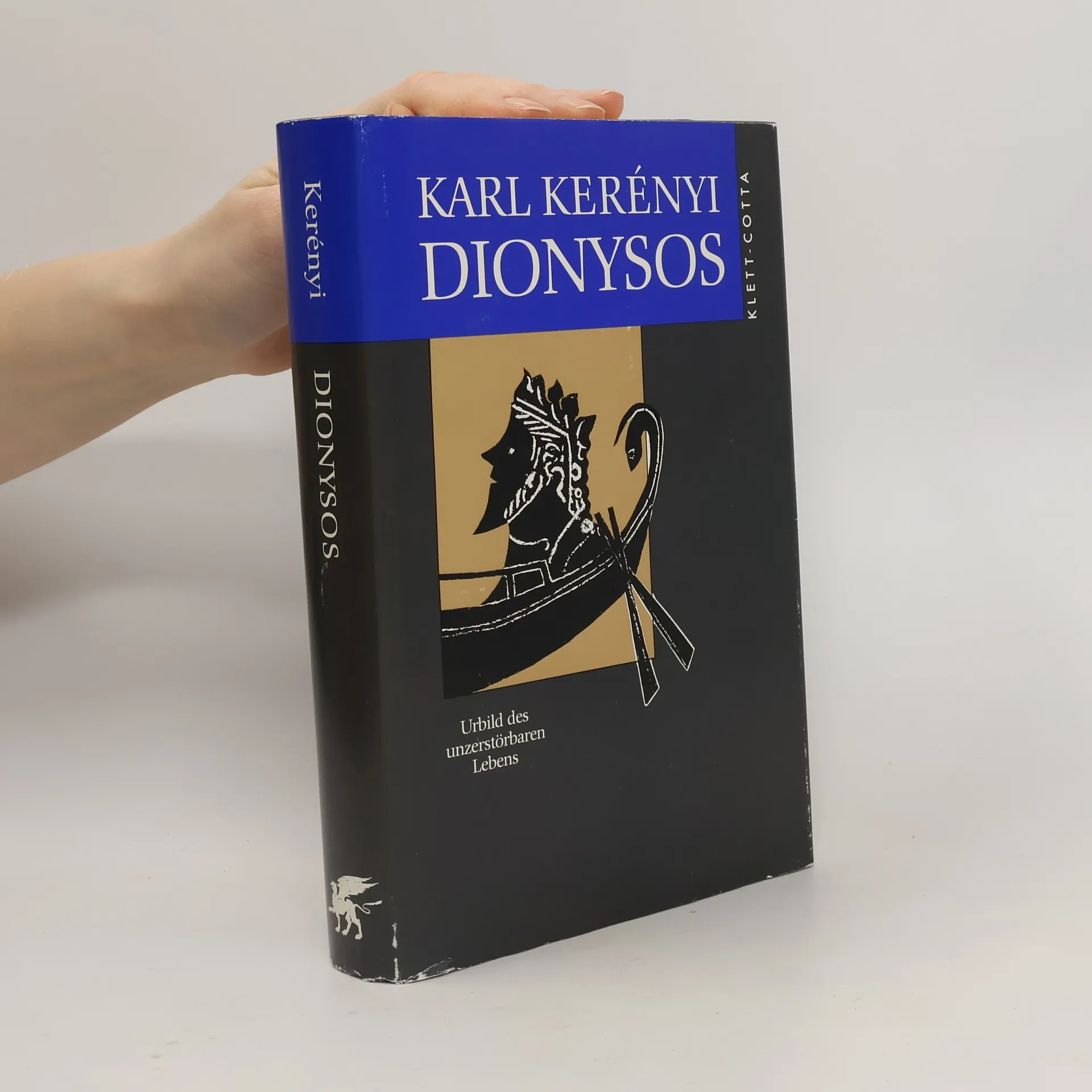
    Dionysos
    Mytologie Řeků I + II
    Věda o mytologii
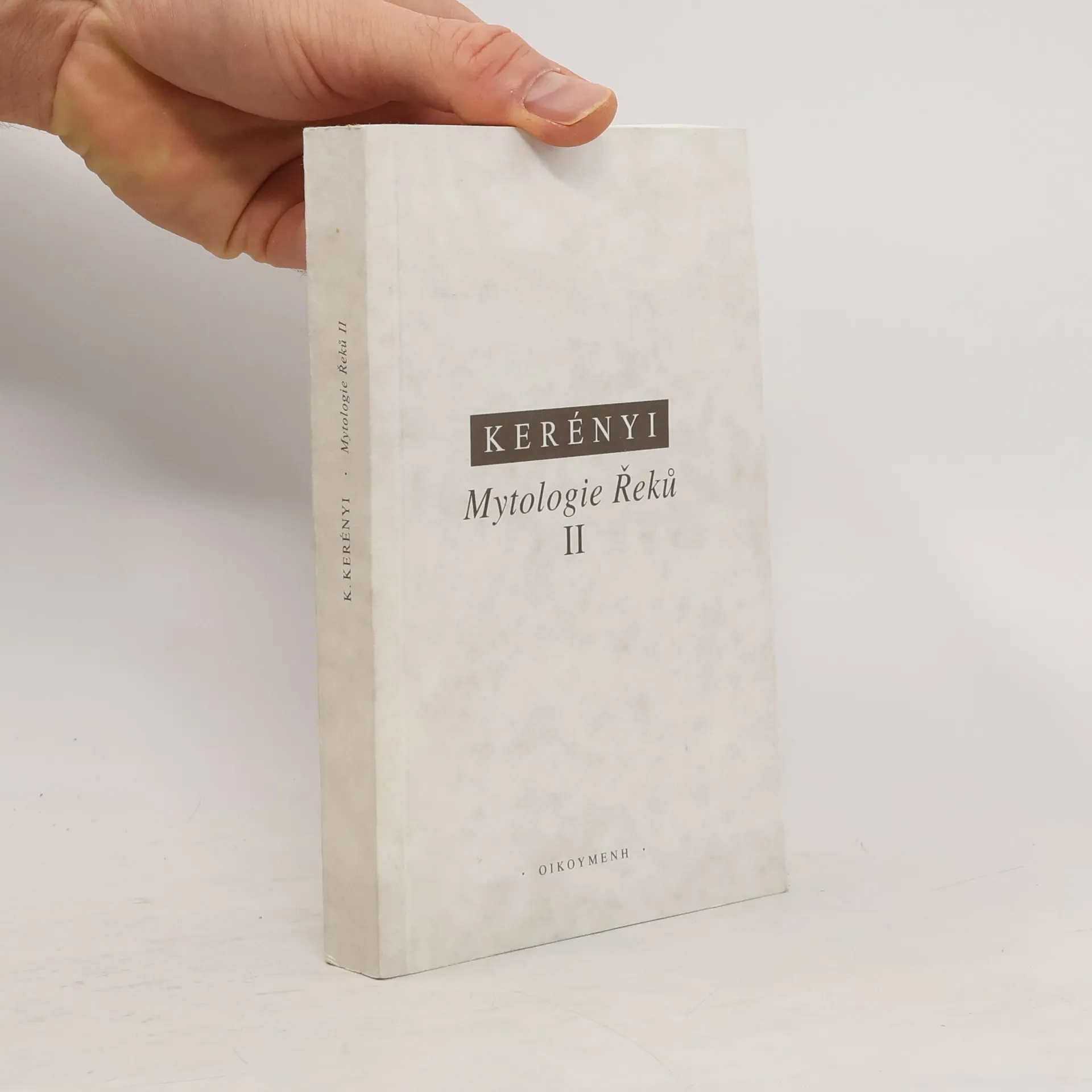
    Mytologie Řeků II
    Trickster: Mýtus o Šibalovi
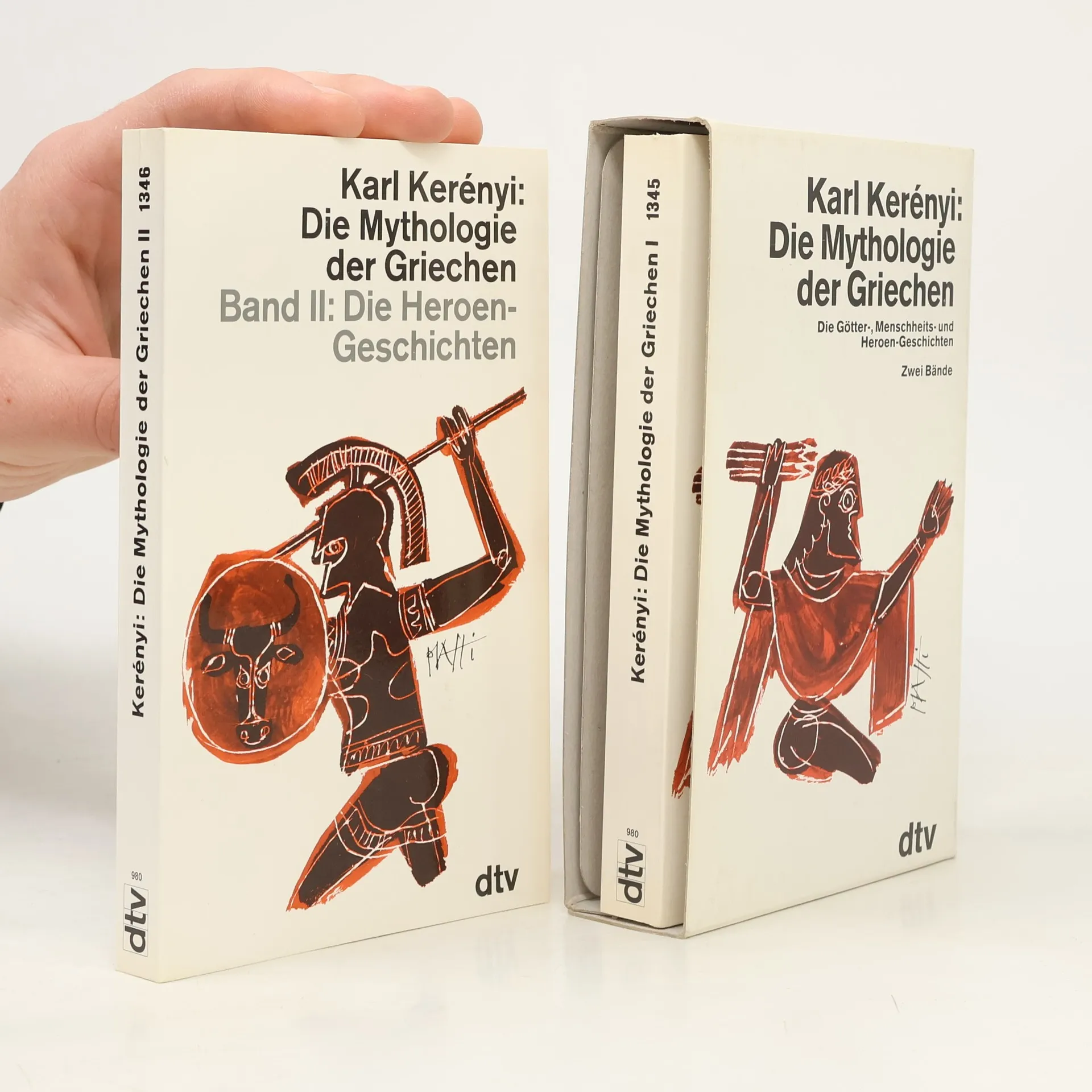
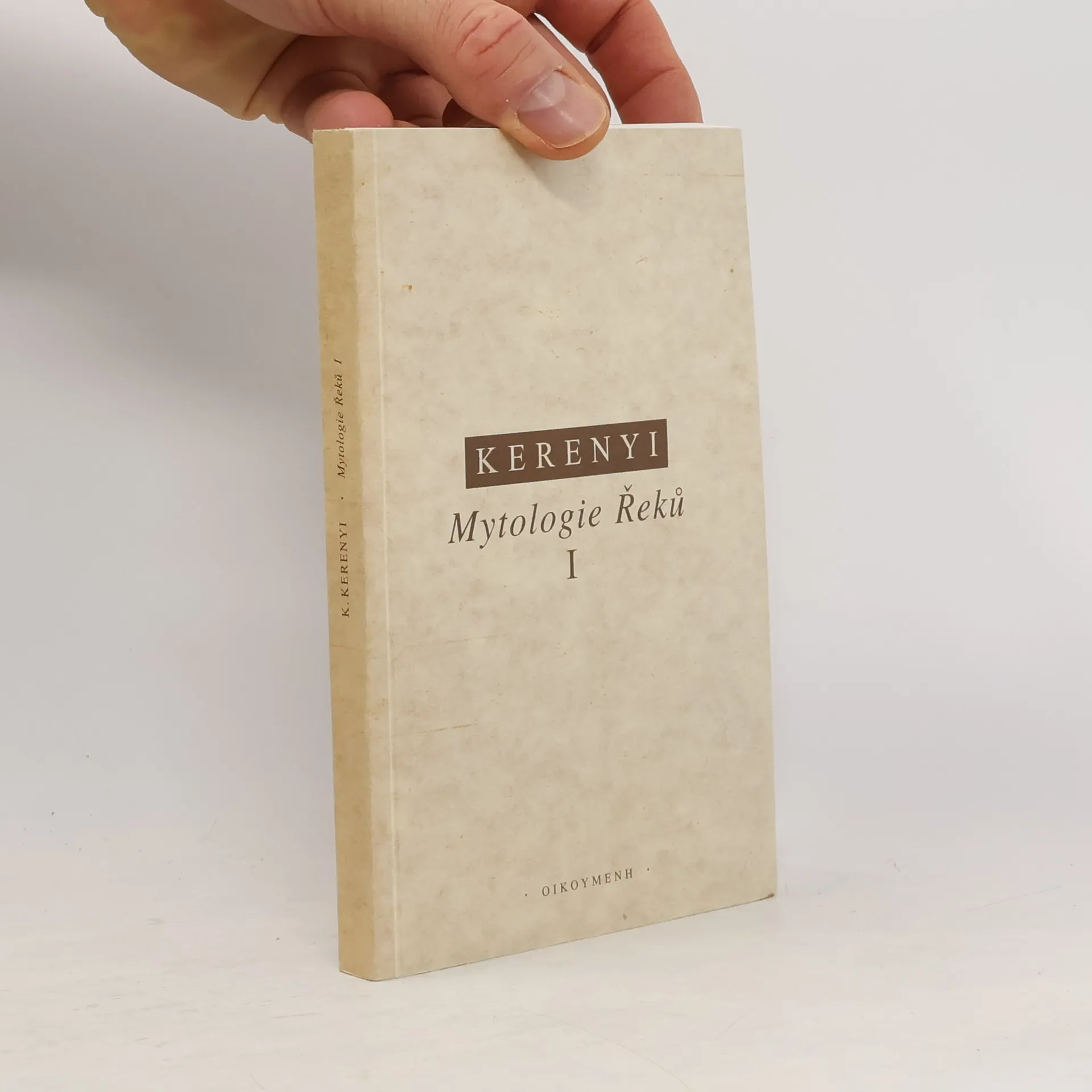
    Mytologie Řeků. I, Příběhy bohů a lidí
    • První svazek řecké mytologie. O této knize jednoho z velkých historiků řeckého náboženství napsal Thomas Mann: "Je to pravý poklad, překypující příběhy, které zde se vší přesností a ve všech jejich variantách podává znalec, jakého hned tak nenajdete."

      Mytologie Řeků. I, Příběhy bohů a lidí
      4,6
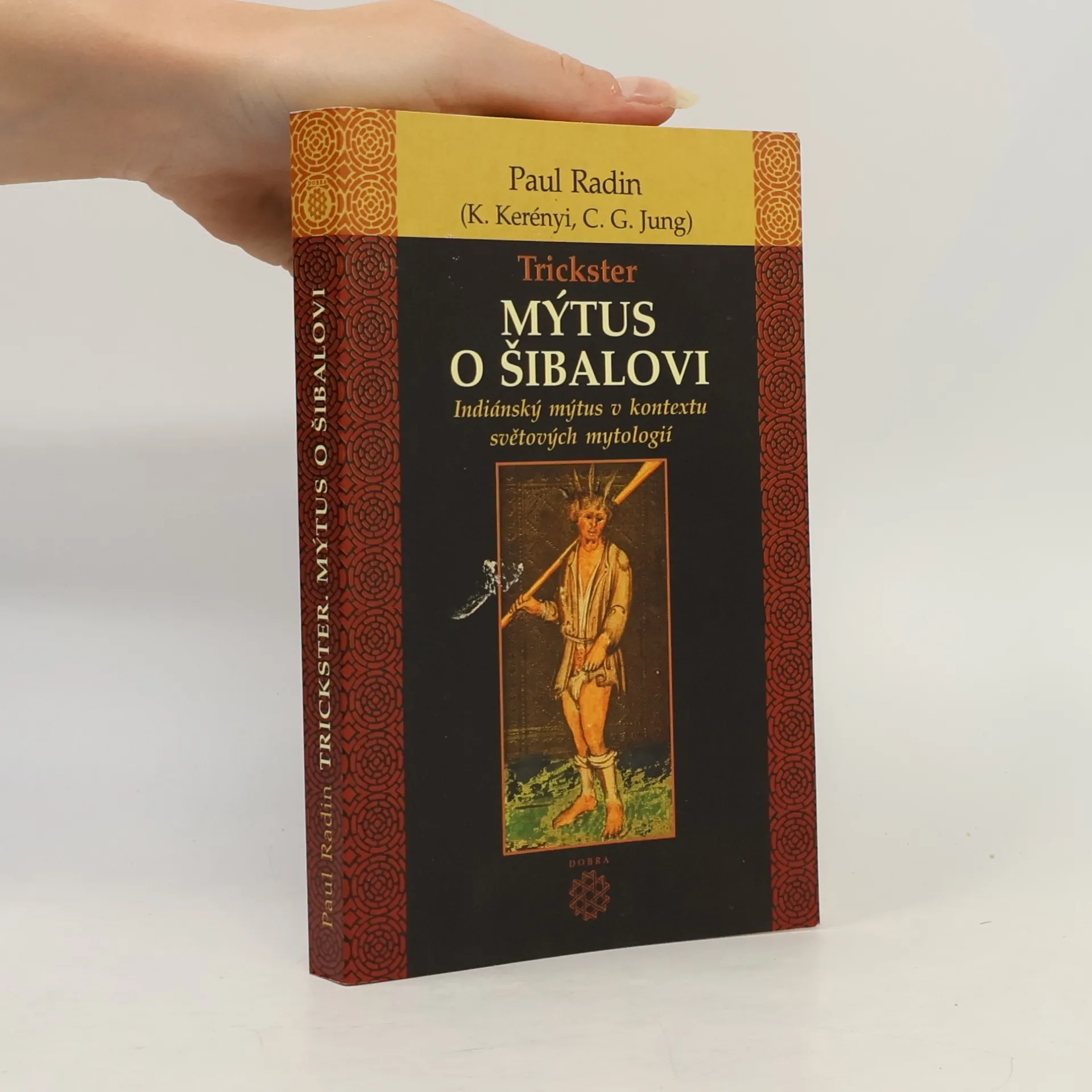
    • Trickster: Mýtus o Šibalovi

      • 217 stránek
      • 8 hodin čtení

      Mýtus o Šibalovi, který je jak tvořitelem, tak ničitetelem, jak podvodníkem, tak podváděným, jak podčlověkem, tak nadčlověkem - je jedním z nejstarších a nejuniverzálnějších vyjádření člověka. Původní indiánské mýty týkající se archetypické postavy Šibala či Blázna, jsou obsahem jedinečné studie indiánské mytologie se zaměřením na tuto postavu, její srovnání s postavami antické mytologie a její psychologický rozbor. Autor je jedním z vůdčích antropologů zabývajících se indiány. Je pravděpodobně nejlepším znalcem indiánských mýtů.
      Trickster: Mýtus o Šibalovi
      4,5
    • Mytologie Řeků II

      • 349 stránek
      • 13 hodin čtení

      Interpretace, která odhaluje v řeckých mýtech kulturní pralátku lidské civilizace.

      Mytologie Řeků II
      4,6
    • Věda o mytologii

      • 255 stránek
      • 9 hodin čtení

      Kniha obsahuje dva příspěvky mytologa Karla Kerényiho: Prvotní dítě v prvotních dobách a Koré, a dvě práce C. G. Junga: Psychologie archetypu dítěte a Psychologické aspekty Kory. Karl Kerényi se zabývá mytologématy božského dítěte a panny v řecké, finské a indické mytologii, C. G. Jung analyzuje projev odpovídajících archetypů v duši moderního člověka.

      Věda o mytologii
      3,8
    • Dionysos

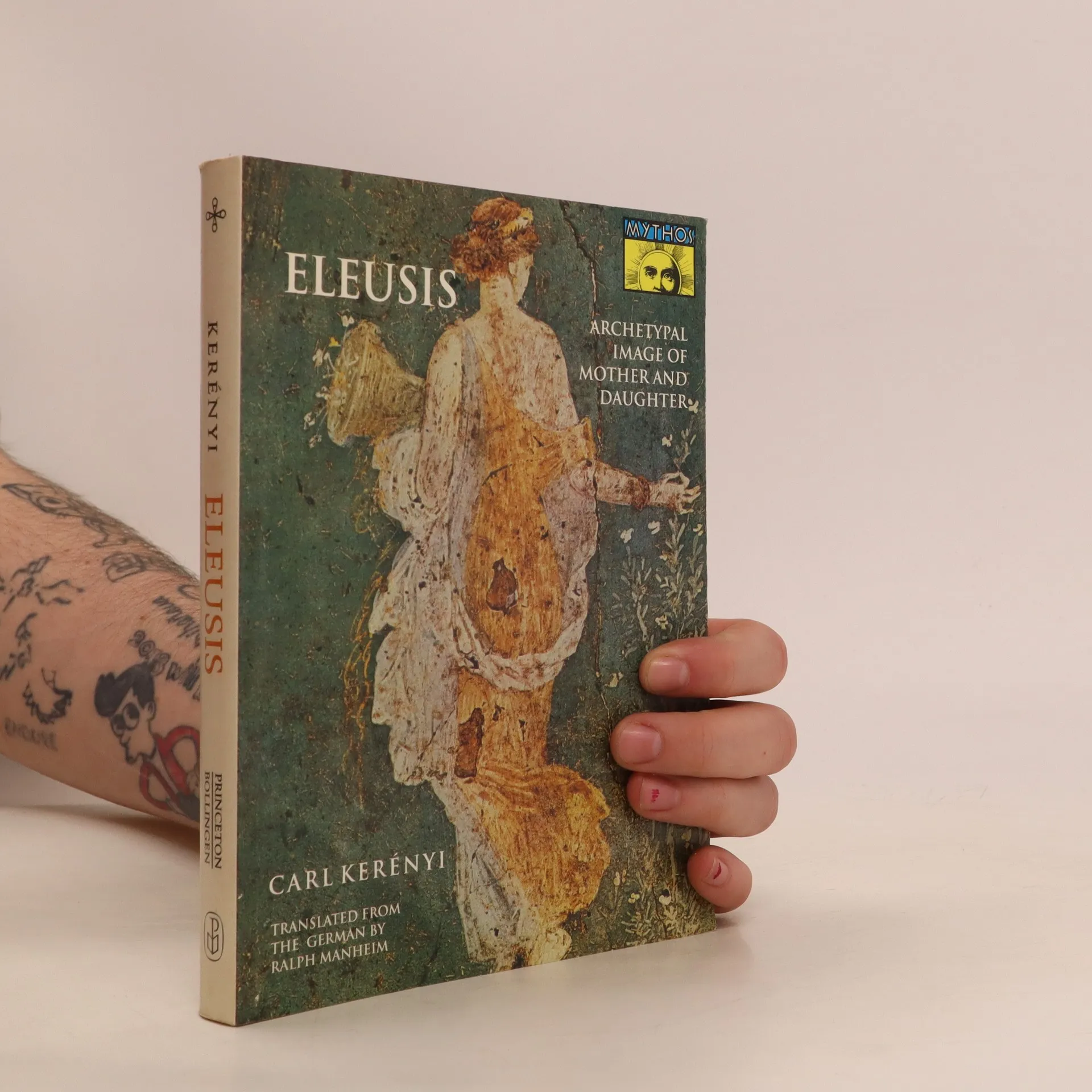
      Archetypal Image of Indestructible Life

      • 606 stránek
      • 22 hodin čtení

      Dionysos is deeply embedded in the cultural and natural landscape of Greece and Italy, representing the essence of life through myth and ritual. Carl Kerényi, a prominent mythologist, explores the evolution of Dionysian religion from its Minoan origins to its transformation into a universal faith during late antiquity under Roman influence. Drawing from extensive Greek literary and archaeological sources, he illustrates the rich tapestry of Dionysian worship, emphasizing the foundational role of myth in understanding this ancient tradition.

      Dionysos
      4,5
    • Prometheus

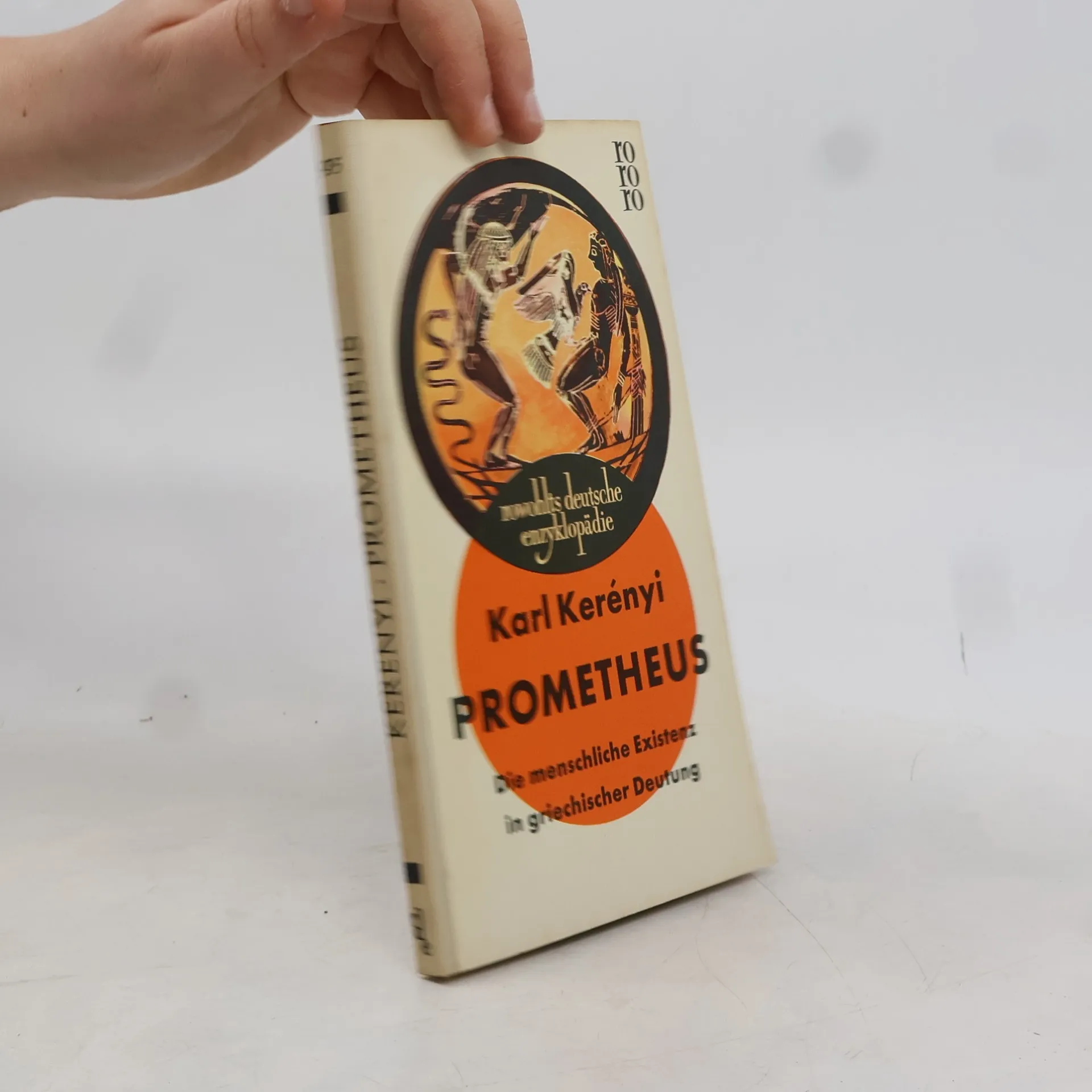
      Archetypal Image of Human Existence

      • 196 stránek
      • 7 hodin čtení

      Exploring the myth of Prometheus, this work delves into the themes of suffering and transformation, illustrating how the tale reflects profound truths about human existence. Carl Kerényi traces the evolution of the myth from ancient Greek sources like Hesiod and Aeschylus to its reinterpretation in Romantic poetry by figures such as Goethe and Shelley. Additionally, the analysis incorporates Jungian psychology, presenting Prometheus as an archetype of human daring and the journey from pain to sacrifice, highlighting its lasting impact on Western thought.

      Prometheus
      4,3
    • The Gods of the Greeks

      • 304 stránek
      • 11 hodin čtení

      Drawing on a wealth of sources, from Hesiod to Pausanias and from the Orphic Hymns to Proclus, Professor Kerényi provides a clear and scholarly exposition of all the most important Greek myths. After a brief introduction, the complex genealogies of the gods lead him from the begettings of the Titans and from Aphrodite under all her titles and aspects, to Apollo, Hermes and the reign of Zeus, touching upon the Affairs of Pan, nymphs, satyrs, cosmogonies and the birth of mankind, until he reaches the ineffable mystery of Dionysos. The lively and highly readable narrative is complemented by an appendix of detailed references to all the original texts and a fine selection of illustrations taken from vase paintings. 26 black-and-white illustrations

      The Gods of the Greeks
      4,1
    • Heroes of the Greeks.

      • 440 stránek
      • 16 hodin čtení

      Records the histories of ancient warriors and demi-gods depicted in classical mythology and art treasures

      Heroes of the Greeks.
      4,1
    • A deeper, richer portrait of Oedipus, the most famous figure in all of Greek tragedy and the (unconscious?!) hero of the basic myth of psychoanalysis by two giants in the fields of mythology and psychology: the eminent mythographer Karl Kerényi and the founder of archetypal psychology, James Hillman. Kerényi widens the Oedipus myth's cultural context by introducing unusual dramatic versions that played in Rome, Paris, Vienna, and London. His authoritative and detailed essays release wonderful insights for even the most casual reader. Hillman takes on Father Freud and his Oedipus complex (i.e., every son wants to kill his father and marry his mother). He inverts the emphasis and asks, Why do fathers kill their sons? Hillman brilliantly proposes that the madness of Oedipus may lie less in his overt crimes than in his-and therapy's-single-minded focus upon "figuring out" one's true identity through a remembering of the past. This relentless search for Oedipus to "know himself" is still with us, still blinds us, still tries to turn people in therapy into Oedipus. Yet Hillman also shows us that, in addition to the curse, murder, incest, and disease, the myth of Oedipus contains beauty, blessing, love, and loyalty.

      Oedipus Variations: Studies in Literature and Psychoanalysis
    • Hermes conductor de almas

      • 113 stránek
      • 4 hodiny čtení

      Focusing on Hermes, traditionally known as the messenger of the gods, this study of Greek mythology and religion offers new interpretations of his character. The first section of the book is dedicated to examining Hermes’s role in classic Greek works—the Iliad , the Odyssey , and ancient hymns—beyond that of the messenger god to that of a guide, helping to uncover new pathways and hidden meanings. The second half of the book deals with Hermes’s relationship with life and death, viewing the former as something that stems from the darkness of the latter. Written in Karl Kerényi’s known analytical style, this volume sheds light on some of the mysteries of the ancient world. Enfocándose sobre Hermes, conocido tradicionalmente como el mensajero de los dioses, este estudio de la mitología y la religión griega ofrece nuevas interpretaciones de su carácter. La primera parte del libro se dedica a examinar el papel de Hermes en las obras griegas clásicas—la Iliada , la Odisea y los Himnos— más allá del dios mensajero al papel de un guía que permite descubrir nuevos caminos y símbolos no percibidos. La segunda mitad del libro trata sobre la relación entre Hermes y la vida y la muerte, mirando a la primera como algo que surge de la oscuridad de la última. Escrito en el estilo analítico conocido de Karl Kerényi, este volumen arroja luz sobre algunos de los misterios del mundo antiguo.

      Hermes conductor de almas
      4,3
    • Die Götter, Göttinnen und Heroen des griechischen, römischen und germanischen Pantheons sind immer noch allgegenwärtig in der europäischen Kultur: Wir sehen sie auf Gemälden, antiken Vasen und lesen Anspielungen in literarischen Werken. Doch kaum jemand kennt mehr die genauen Hintergründe. Peterich und Grimal stellen sie einzeln dar und skizzieren Parallelen und Unterschiede zwischen Griechen, Römern und Germanen.

      Die Mythologie der Griechen (I. a II. díl, 2 svazky)
      3,0
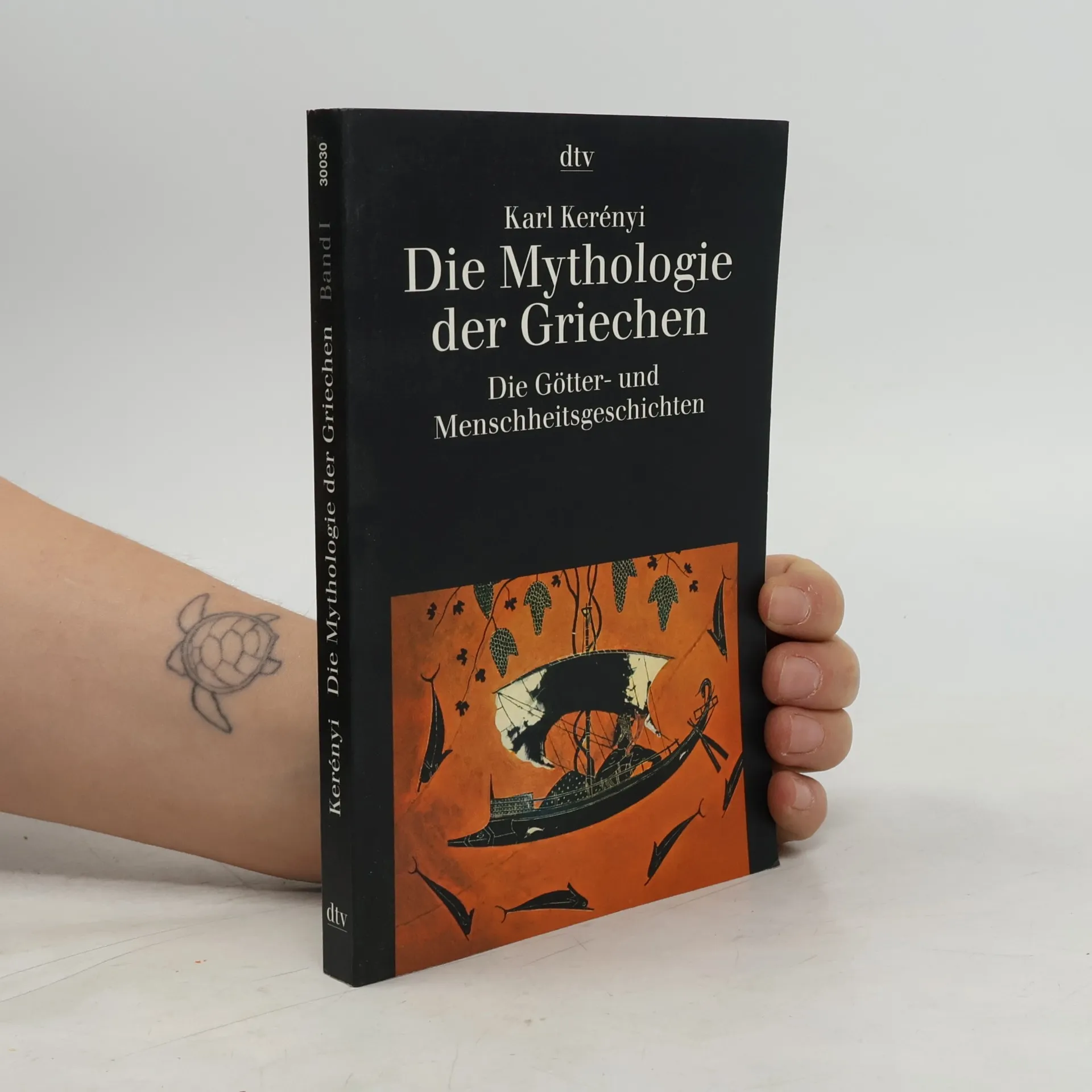
    • Die Mythologie der Griechen 1

      Die Götter- und Menschheitsgeschichten

      »Es ist ein wahrer Schatz, überquellend von Geschichten, die hier von einem Kenner, wie es nicht leicht einen zweiten gibt, in aller Genauigkeit, in allen ihren Varianten dargeboten werden.« Thomas Mann

      Die Mythologie der Griechen 1
      3,8
    • Die Götter, Göttinnen und Heroen des griechischen, römischen und germanischen Pantheons sind immer noch allgegenwärtig in der europäischen Kultur: Wir sehen sie auf Gemälden, antiken Vasen und lesen Anspielungen in literarischen Werken. Doch kaum jemand kennt mehr die genauen Hintergründe. Peterich und Grimal stellen sie einzeln dar und skizzieren Parallelen und Unterschiede zwischen Griechen, Römern und Germanen.

      Die Mythologie der Griechen 1. Die Götter- und Menschheits- geschichten
      3,7
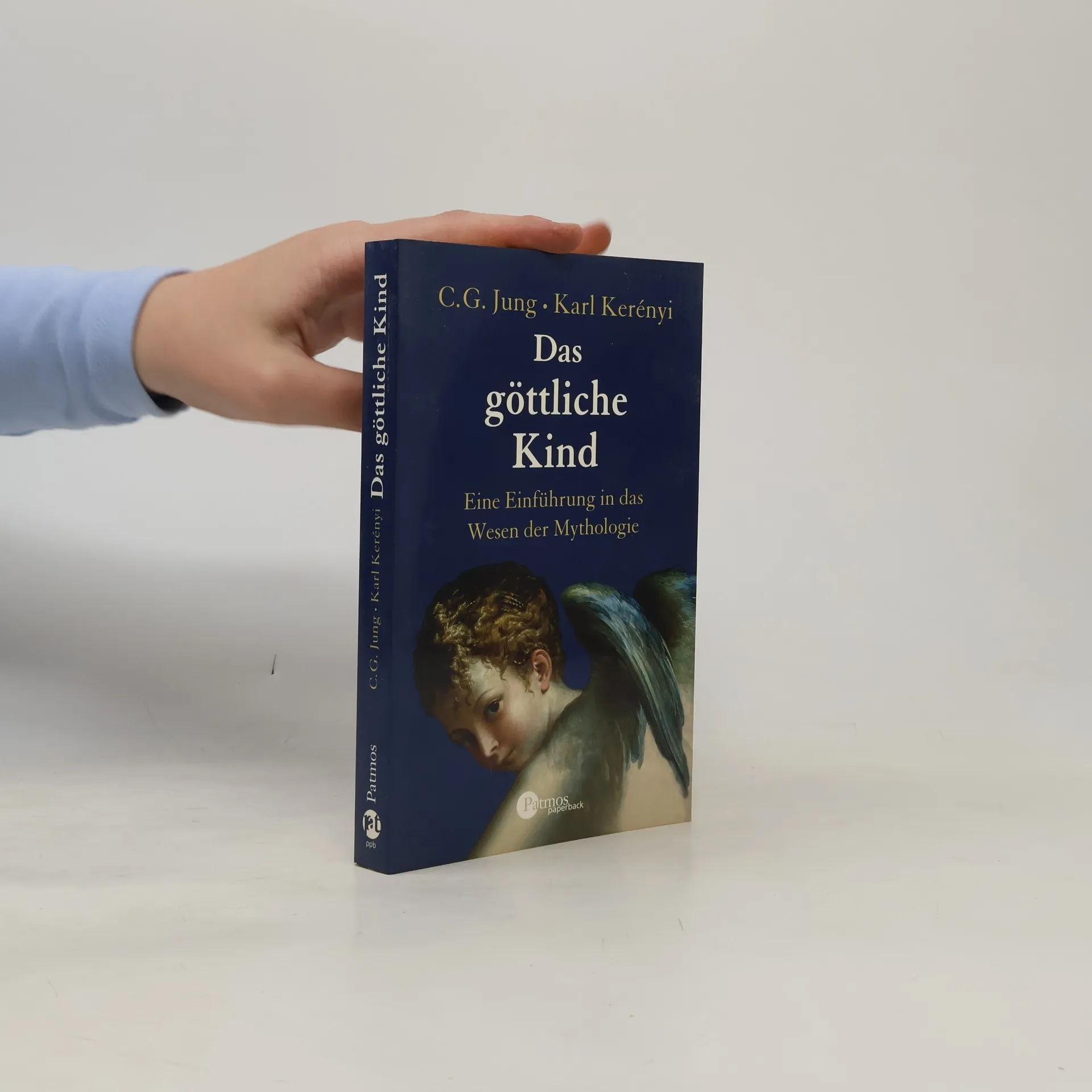
    • s/t: Das göttliche Kind. Das göttliche Mädchen When Carl Gustav Jung and Karl Kerényi got together to collaborate on this book, their aim was to elevate the study of mythology to a science. Kerényi wrote on two of the most ubiquitous myths, the "Divine Child" and "The Maiden", supporting the core "stories" with both an introduction and a conclusion. Jung then provided a psychological analysis of both myths. He defined myth as a story about heroes interacting with the gods. Having long studied dreams and the subconscious, Jung identified certain dream patterns common to everyone. These "archetypes" have developed through the centuries, and enable modern people to react to situations in much the same way as our ancestors. From nuclear annihilation to AIDS and Ebola, we continue to engage the gods in battle. "Science of Mythology" provides an account of the meaning and the purpose of mythic themes that is linked to modern life: the heroic battles between good and evil of yore are still played out, reflected in contemporary fears.

      Einführung in das Wesen der Mythologie. Das göttliche Kind. Das göttliche Mädchen.
    • Lebendige Mythologie wird gelebt, sie ist eine Ausdrucks-, Denk- und Lebensform. Karl Kerényis Antike Religion markiert einen Neuanfang im Schreiben über Religion. Antike Religion spannt, aus der sinnlichen Tradition der Antike heraus, Bezüge bis in die Gegenwart.

      Antike Religion
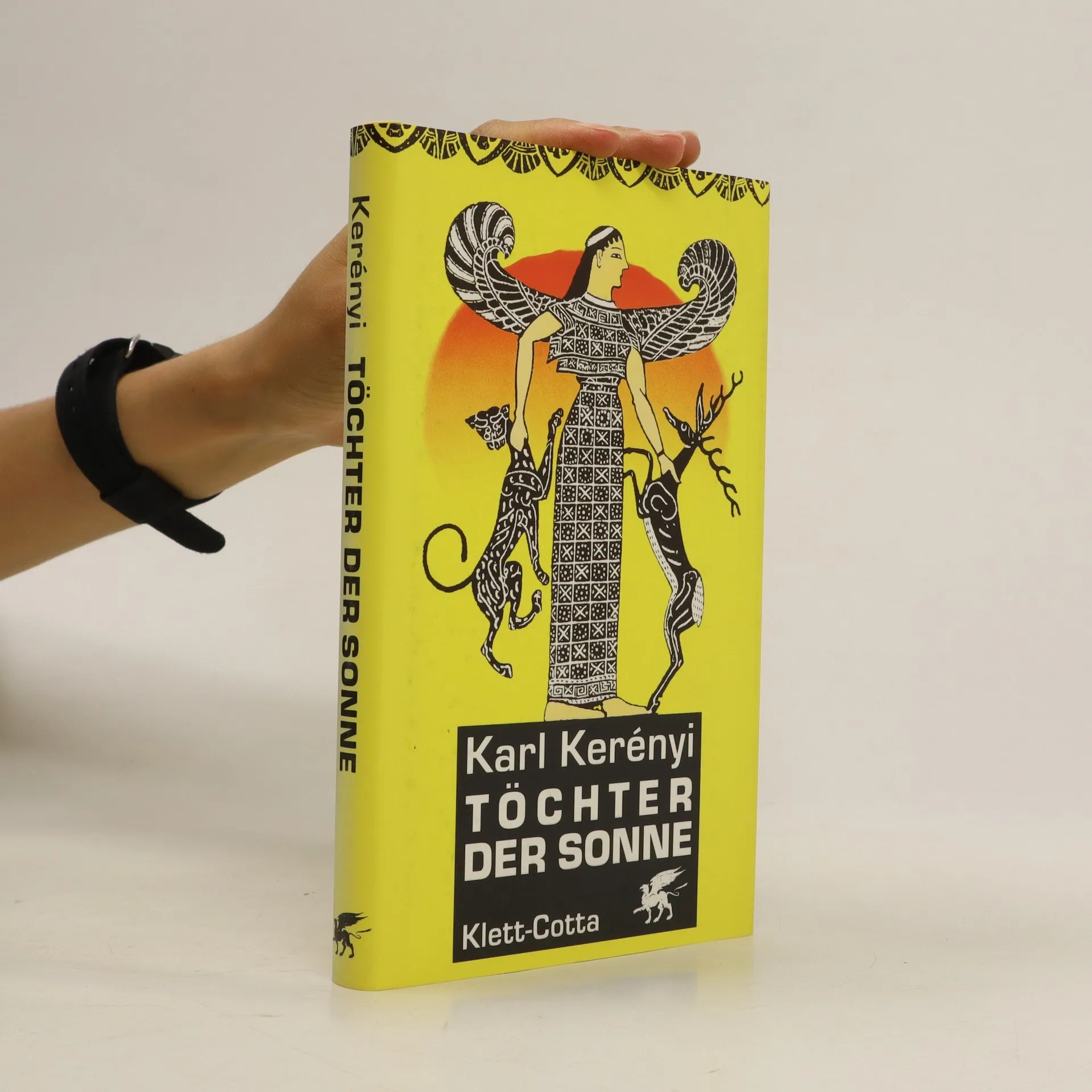
    • Töchter der Sonne

      • 179 stránek
      • 7 hodin čtení

      Zauberische dunkle Frauen wie Kirke, Medea und Nemesis auf der einen Seite. Lichtgestalten wie Aphrodite und Hera auf der anderen: Es ist nicht Zeus, zeigt der Mythologe Karl Kerényi, entlang dessen Achse sich das Weltbild der Griechen aufspannt - es sind Helios und Hades. Paradoxien von Tod und Leben, Nacht und Tag, Gut und Böse: Kerényis einfühlsame Prosa folgt den mythischen Frauen durch ein Labyrinth kultureller Bezüge. Ein aufregendes Buch über die Frauenfiguren Griechenlands, die verborgene Logik ihrer Taten, die strenge und doch zauberische Systematik des mythischen Denkens.

      Töchter der Sonne
    • Werkausgabe / Dionysos

      Urbild des unzerstörbaren Lebens

      • 336 stránek
      • 12 hodin čtení

      »Stier, Schlange, Efeu und Wein«: vom kretischen Kern des Mythos ausgehend, verfolgt der Religionswissenschaftler und klassische Philologe Karl Kerényi einen Kult durch seine Hallräume: Athen, Delphi und Theben, die kretisch-minoischen Schichten der ägäischen Kultur, das olympische Pantheon. Dionysos wirkt auf uns widersprüchlich und fremd. Oft wendet er sich dem Menschen und der Natur freundlich zu. Erst über Tragödie, Komödie und Bildkunst wurde er zum gängigen Motiv in der europäischen Kultur. Das besondere Verdienst Kerényis ist dabei, die lebensnahen Mythen der Griechen zurückzuführen auf ihre ursprünglichen Kontexte. Karl Kerényi legt Bedeutungen frei in der Figur eines Gottes, der nach dem Humanismus zu musealem Bildungsgut verkam. Aus dem Inhalt: Erster Teil: Das Kretische Vorspiel: Minoische Visionen - Licht und Honig - Der kretische Kern des Dionysosmythos. Zweiter Teil: Der griechische Mythos und Kultus: Die Mythen der Ankunft - Dionysos Trieterikós - Gott der Zweijahresperiode - Der Dionysos der Athener und seiner Verehrer in griechischen Mysterien »Konsistent und kohärent musste ein Mythos sein, wenn man fast ein Jahrtausend lang noch danach lebte und starb. Man lebte und starb nach dem Mythos, weil der Gott selbst lebte und starb: Man erfuhr Dionysos in sich - Männer und Frauen auf die intimste Weise des eigenen Geschlechts.«

      Werkausgabe / Dionysos