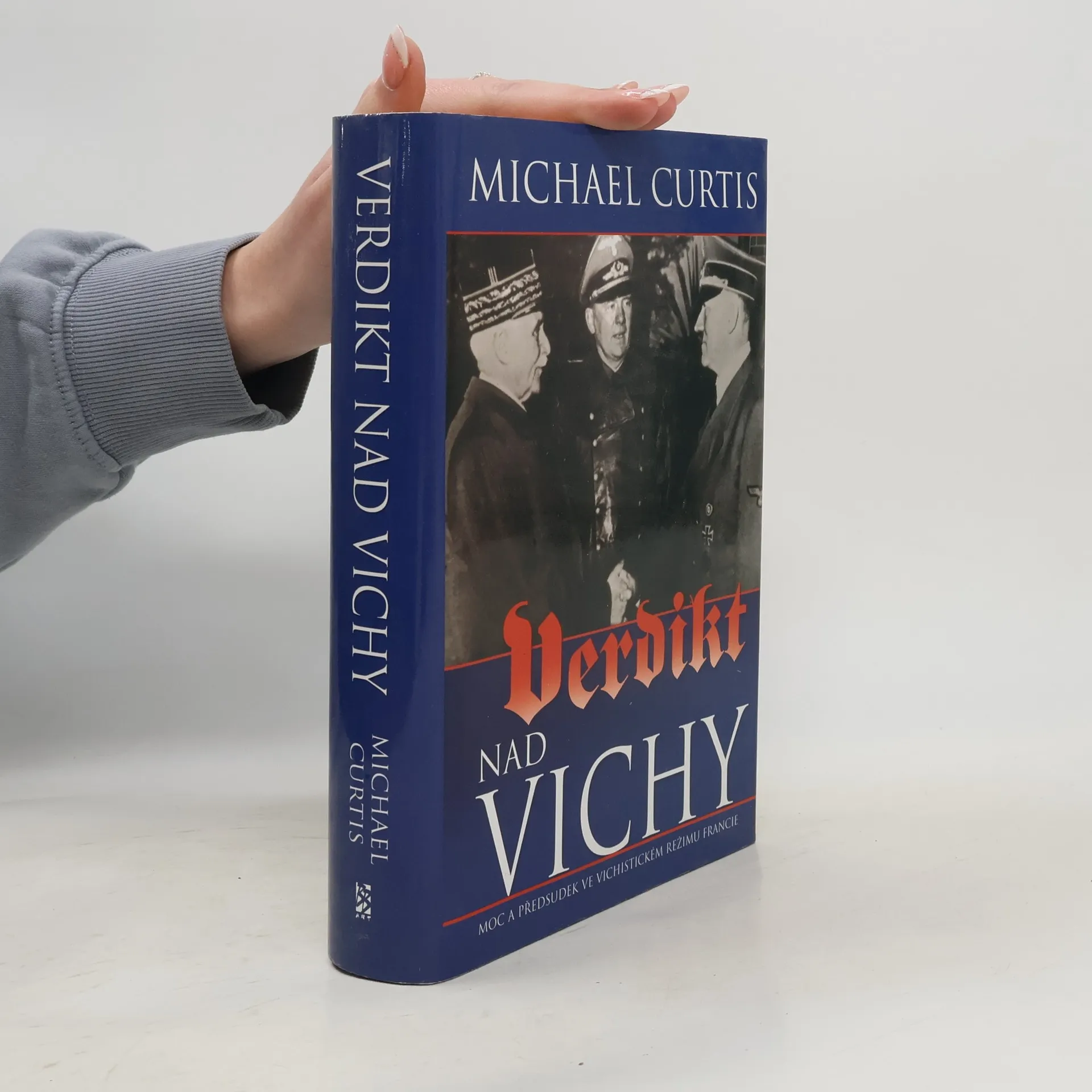
Kniha je prvním zásadním přehodnocením povahy vichistického režimu nastoleného ve Francii za druhé světové války, jež vyšlo za posledních dvacet let. Autor se opírá o výsledky nejnovějšího bádání a na jeho základě zkoumá, do jaké míry ministři a další vedoucí představitelé režimu, justičního a správního aparátu, katolické církve i jednotlivci působící na různých úrovních veřejného života kolaborovali s nacistickým Německem, jež v letech 1940 až 1944 obsadilo nejprve část Francie a poté okupovalo celou zemi. Curtis zvažuje životní dráhy, obžaloby a tresty prominentních postav režimu, jež je postihly za zločiny proti lidskosti, kterých se dopustili za války, a podrobně analyzuje dvojznačnou roli Francoise Mittéranda v době, kdy byl vysoce postaveným představitelem vichistického režimu. Kniha se rovněž zabývá rozborem nových oficiálních zpráv týkajících se komplikovaného procesu arizace a rovněž zabavování židovského jmění a majetku.
Michael Curtis Knihy

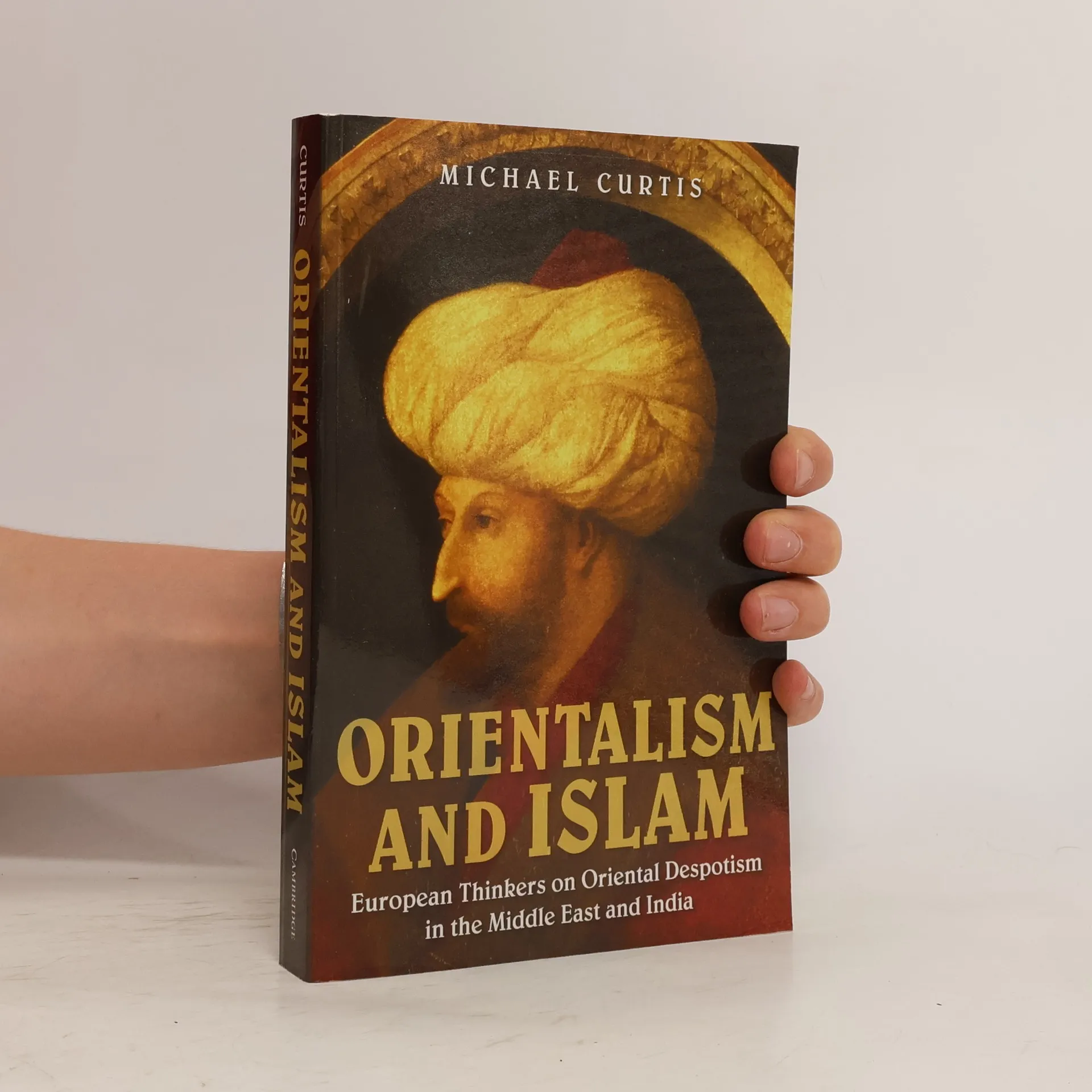
Through an historical analysis of the theme of Oriental despotism, Michael Curtis reveals the complex positive and negative interaction between Europe and the Orient. The book also criticizes the misconception that the Orient was the constant victim of Western imperialism and the view that Westerners cannot comment objectively on Eastern and Muslim societies. The book views the European concept of Oriental despotism as based not on arbitrary prejudicial observation, but rather on perceptions of real processes and behavior in Eastern systems of government. Curtis considers how the concept developed and was expressed in the context of Western political thought and intellectual history, and of the changing realities in the Middle East and India. The book includes discussion of the observations of Western travelers in Muslim countries and analysis of the reflections of six major thinkers: Montesquieu, Edmund Burke, Tocqueville, James and John Stuart Mill, Karl Marx, and Max Weber.
This carefully selected compilation of the significant writings of the great political philosophers, scientists, and thinkers has long been an invaluable guide to the general reader as well as to the serious student of history, political science, and government. Such essential forces as revolution, idealism, and nationalism are examined in detail and expounded by their leading exponents. Professor Curtis has written running commentary that places the extracts and their authors in the sequence of modern history. Amon the authors in this volume: Rosseau, Kant, Burke, Paine, Hegel, Smith, Bentham, Mill, Marx, De Tocqueville, Hitler, Nietzsche, Bakunin, Lenin, Trotsky, Gramsci, Weber, Schumpeter, and Rawls
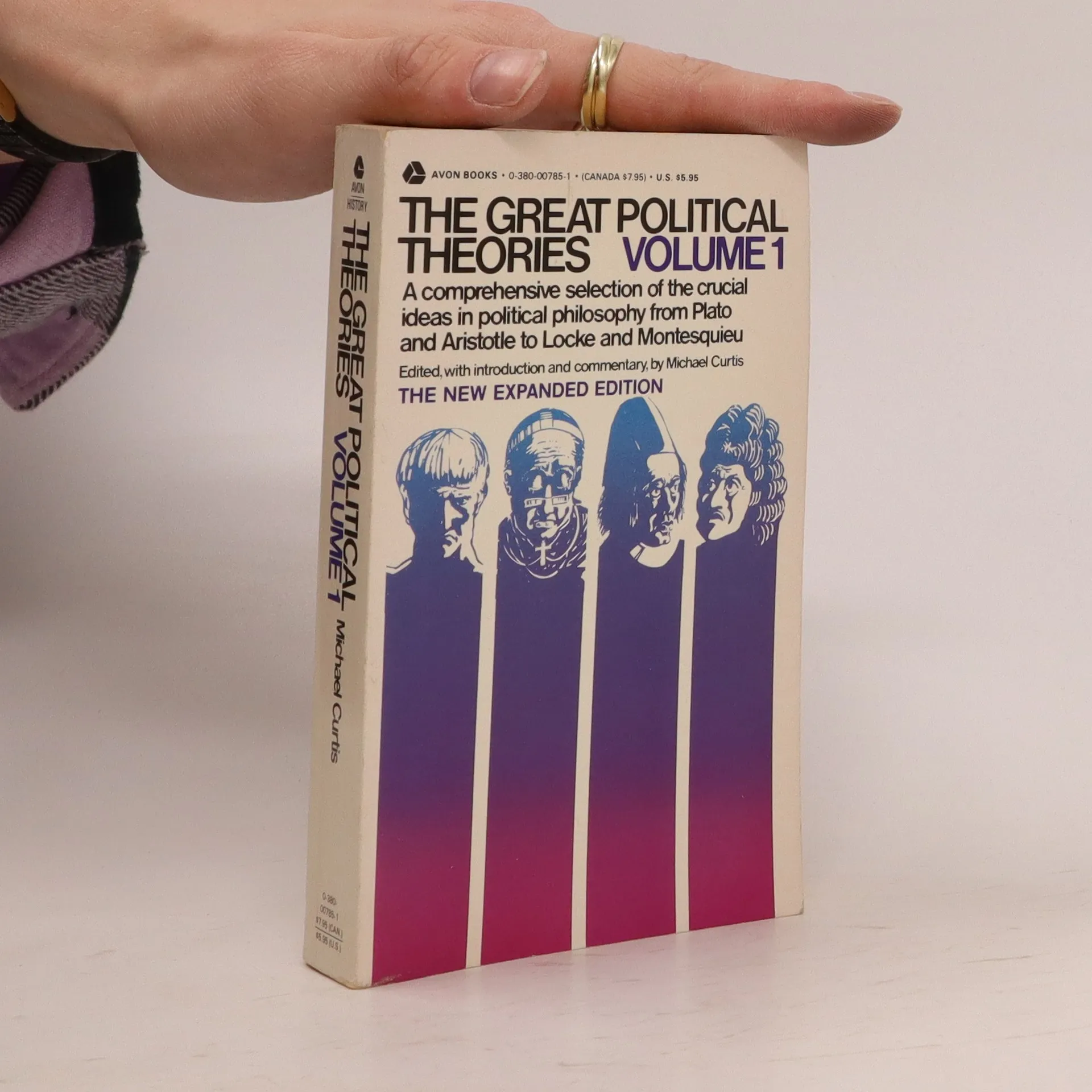
The Great Political Theories
- 464 stránek
- 17 hodin čtení
Volume 1 of the classic anthology of political a comprehensive selection of the crucial ideas in political philosophy from Plato and Aristotle to Locke and Montesquieu As an introduction to political theory and science, this standout collection of writings by the great philosophers is a must for readers of philosophy. It also forms a basic textbook for students of government and political theory. Such fundamental concepts as Democracy, the Rule of Law, Justice, Natural Rights, Sovereignty, Citizenship, Power, the State, Revolution, Liberty, Reason, Materialism, Toleration, and the Place of Religion in Society are traced from their origins, through their development and changing patterns, to show how they guide political thinking and institutions today. Among the authors in this Sophocles, Plato, Artistotle, Seneca, Marcus Aurelius, Cicero, St. Augustine, Aquinas, Machiavelli, Martin Luther, Calvin, Hobbes, Spinoza, Locke, and Montesquieu.
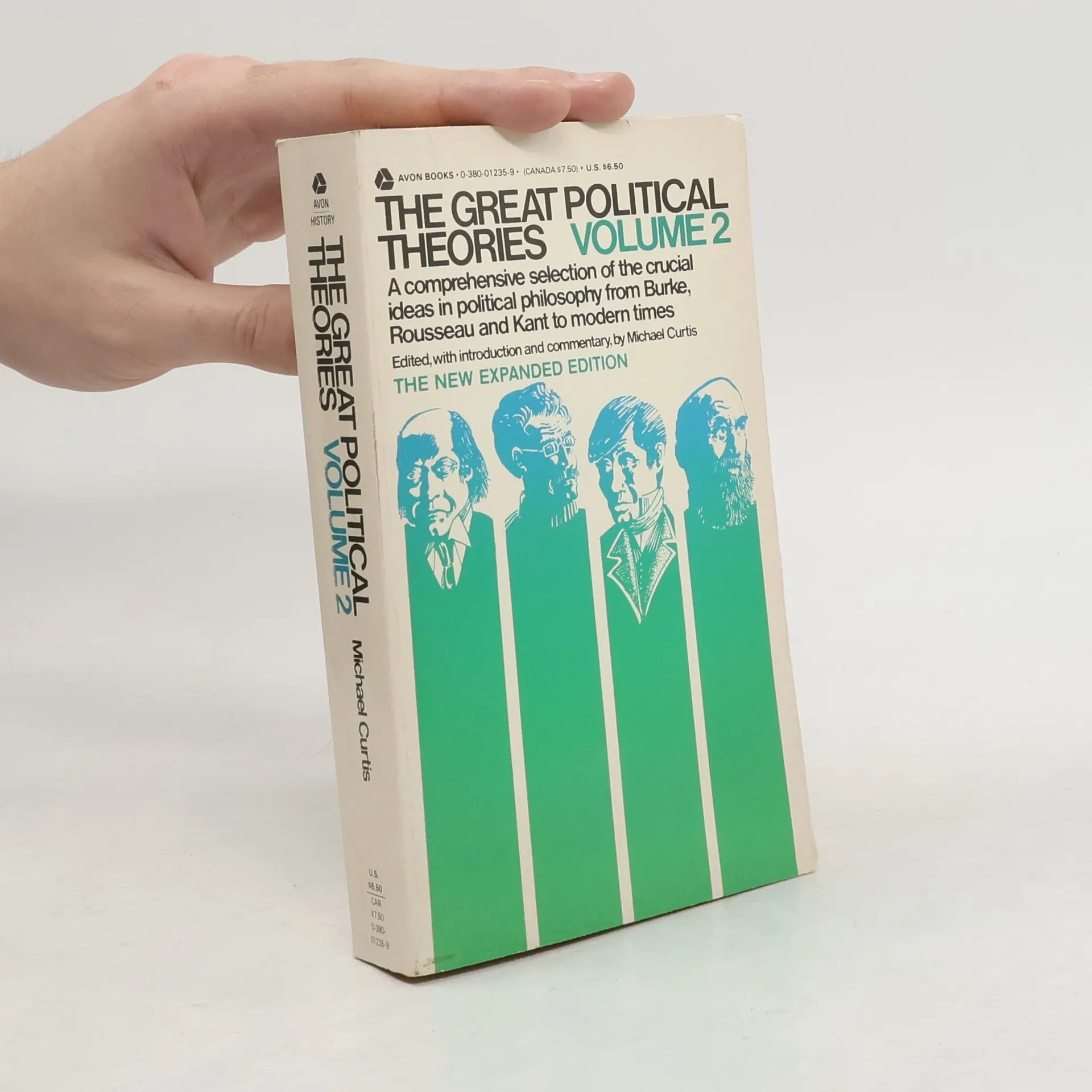
The Great Political Theories V.2
- 496 stránek
- 18 hodin čtení
The philosophy of politics This carefully selected compilation of the significant writings of the great political philosophers, scientists, and thinkers will be an invaluable guide to the general reader as well as to the serious student of history, political science, and government. Such essential forces as Revolution, Romanticism, Marxism, Anarchy, Utilitarianism, Theology, Idealism, and Nationalism are examined in detail and expounded by their leading exponents. Professor Curtis has written running commentary that places the extracts and their authors in the sequence of modern history. And newly added for this edition are studies of selected works by, John Stuart Mill, Alexander Herzen, Antonio Gramsci, Sebastian de Grazia, and John Rawls. Also new are a table of contents and an updated, comprehensive bibliography -- each clear and concise for easy reference. Together with the first volume, also available in a Discus edition, which covers political thought from Plato and Aristotle to Locke and Montesquieu, The Great Political Theories offers an unparalleled view of political thought in Western civilization.
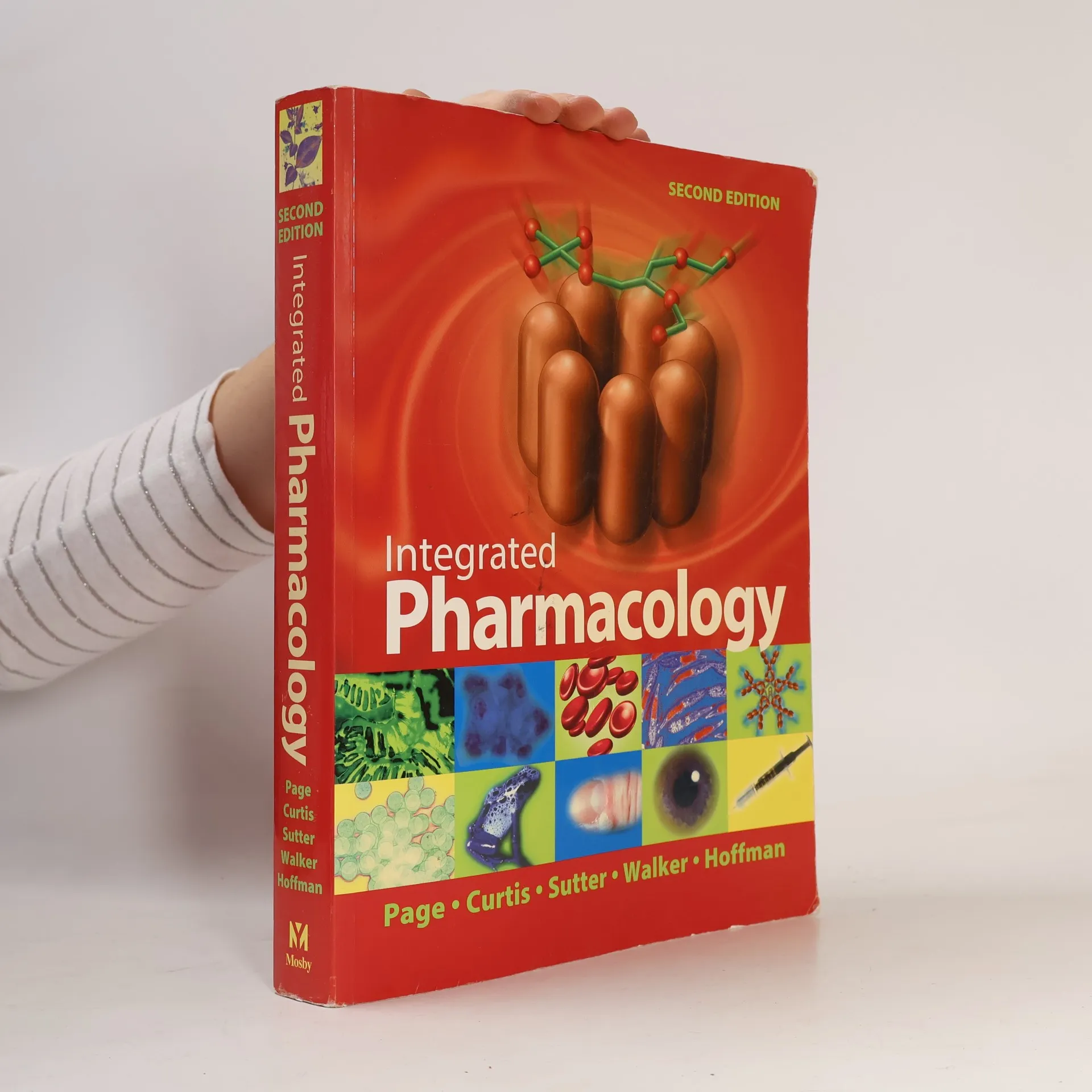
INTEGRATED PHARMACOLOGY, 2ND EDITION takes a unique approach to pharmacology, considering drugs in the context of the diseases they are used to treat -- all within a body system framework. Drug action is clearly explained at the molecular, cellular, tissue, and organ levels. The basic principles underlying pharmacology are presented, providing a strong foundation for the system-based chapters that follow. Each body system chapter addresses the common diseases affecting a system before comprehensively discussing the drug classes and specific drugs used to treat the diseases. A superb, full-color illustration program helps the reader understand the complex ways in which modern drugs are used to treat diseases.
Classic Metamorphosis Alpha - Sammlerausgabe
- 144 stránek
- 6 hodin čtení
La Francia ambigua 1940-1944
- 454 stránek
- 16 hodin čtení
Milano, Corbaccio, 2004, 16mo cartonato, pp. 454, alcune foto fuori testo.
Abschied
Briefe und Aufzeichnungen von Epikur bis in unsere Tage