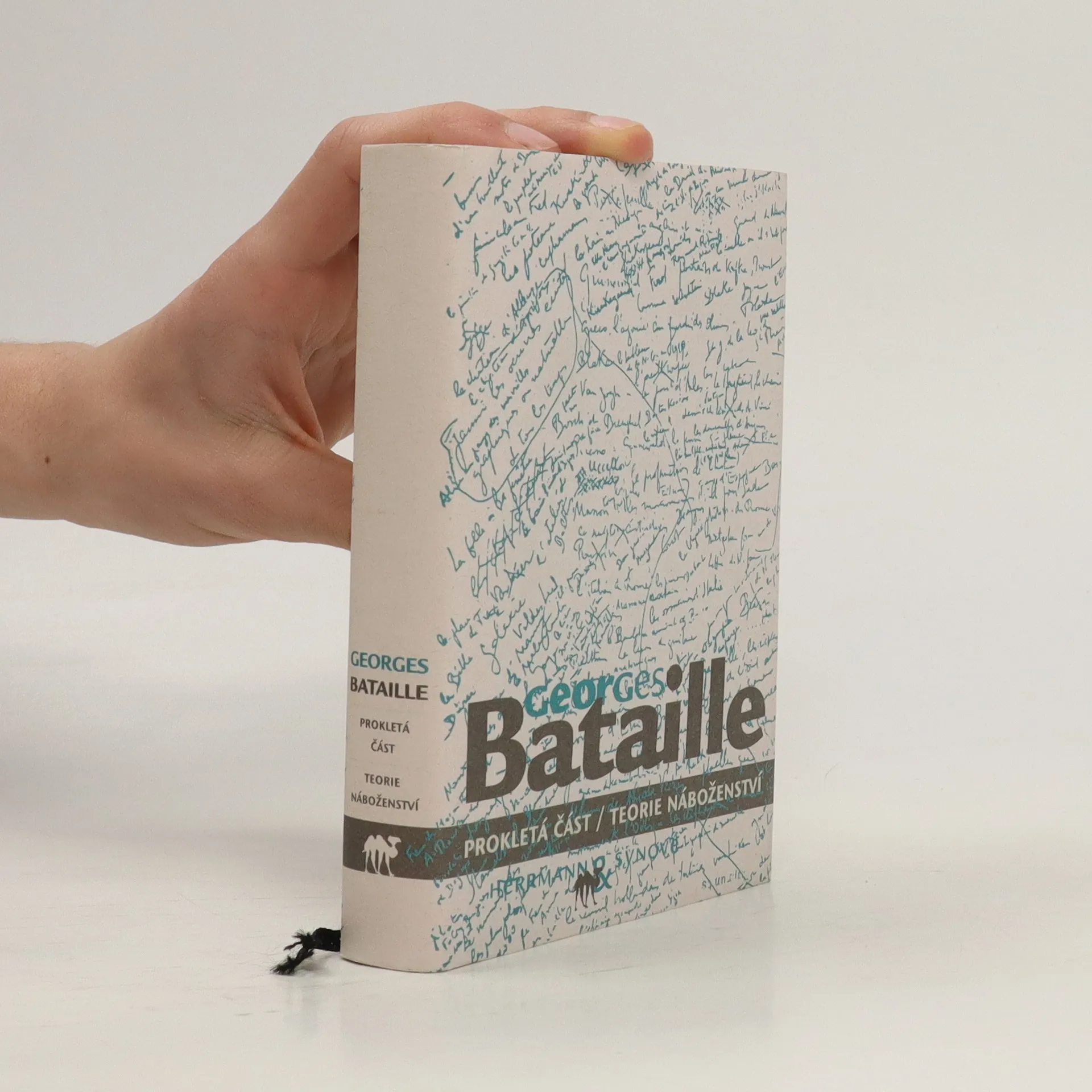
Dva filosofické eseje (Prokletá část, 1949; Teorie náboženství, 1973; psáno 1948) kultovní postavy francouzského myšlení, v nichž promýšlí principy obecné ekonomie a její „prokleté části“ – trvalého přebytku energie, který vytváří každá společnost.
Georges Bataille Knihy
10. září 1897 – 9. červenec 1962
Georges Bataille byl francouzský esejista, filozofický teoretik a prozaik, známý jako „metafyzik zla“. Zajímalo ho spojení sexuality, smrti, úpadku a obscenity, které zkoumal s cílem překonat hranice tradiční literatury. Bataille věřil, že konečným cílem veškeré lidské činnosti je zánik racionálního jedince v transcendentním aktu spojení. Jeho dílo inspirovalo a ovlivnilo mnoho významných myslitelů a spisovatelů.

Svrchovanost
- 298 stránek
- 11 hodin čtení
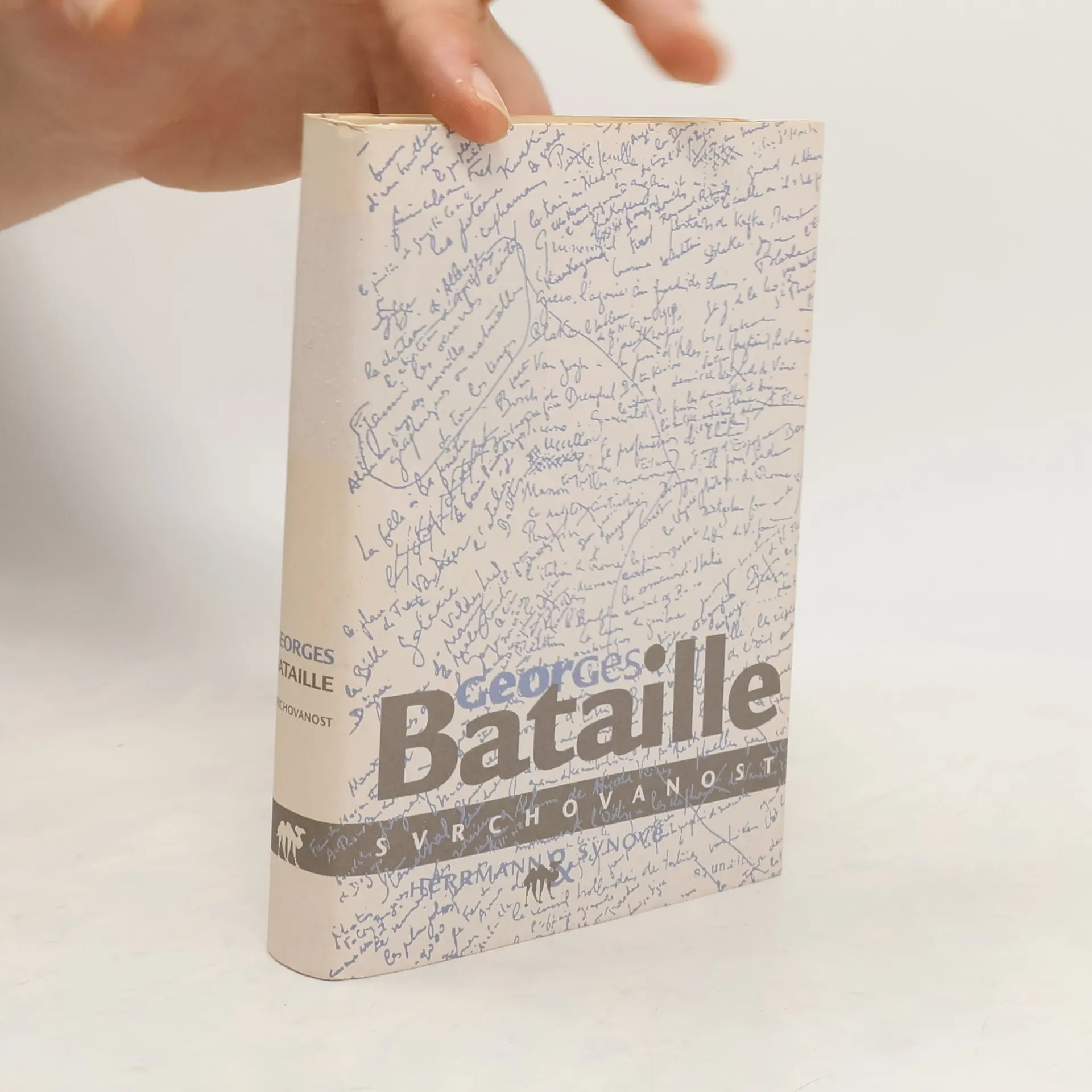
Ve Svrchovanosti odhaluje Bataille rozpory a spojitosti mezi světem praktického užití a světem svrchovaným, mezi služebností a posvátnem, mezi otrockou prací a okázalým přepychem, mezi bezuzdnou akumulací a neutilitární spotřebou, mezi zákazem a jeho překročením. Skrze pojem svrchovanosti nám předkládá nový pohled na roli, kterou v moderních dějinách hrál fenomén komunismu, i na postavení náboženství či vědy ve službách výroby....
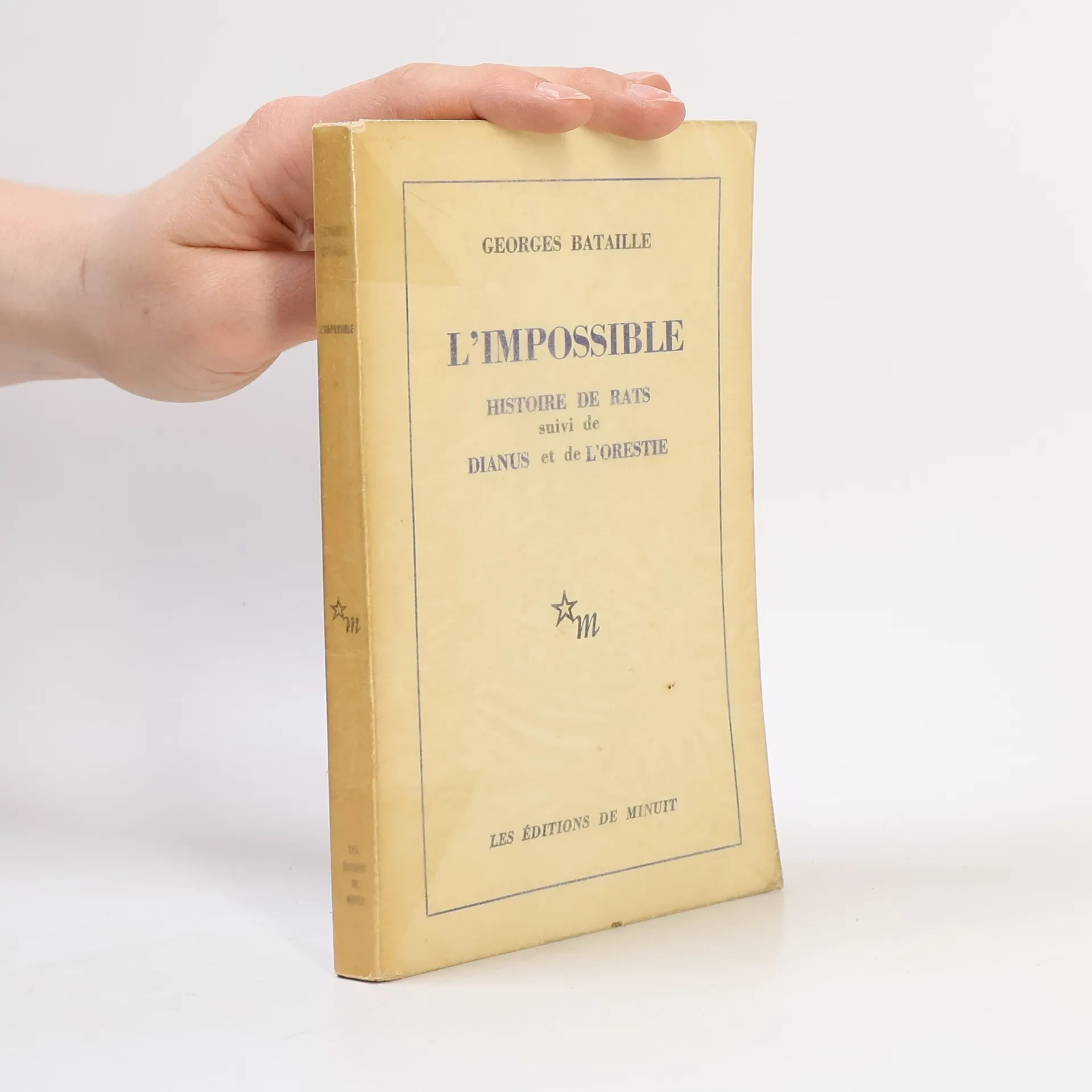
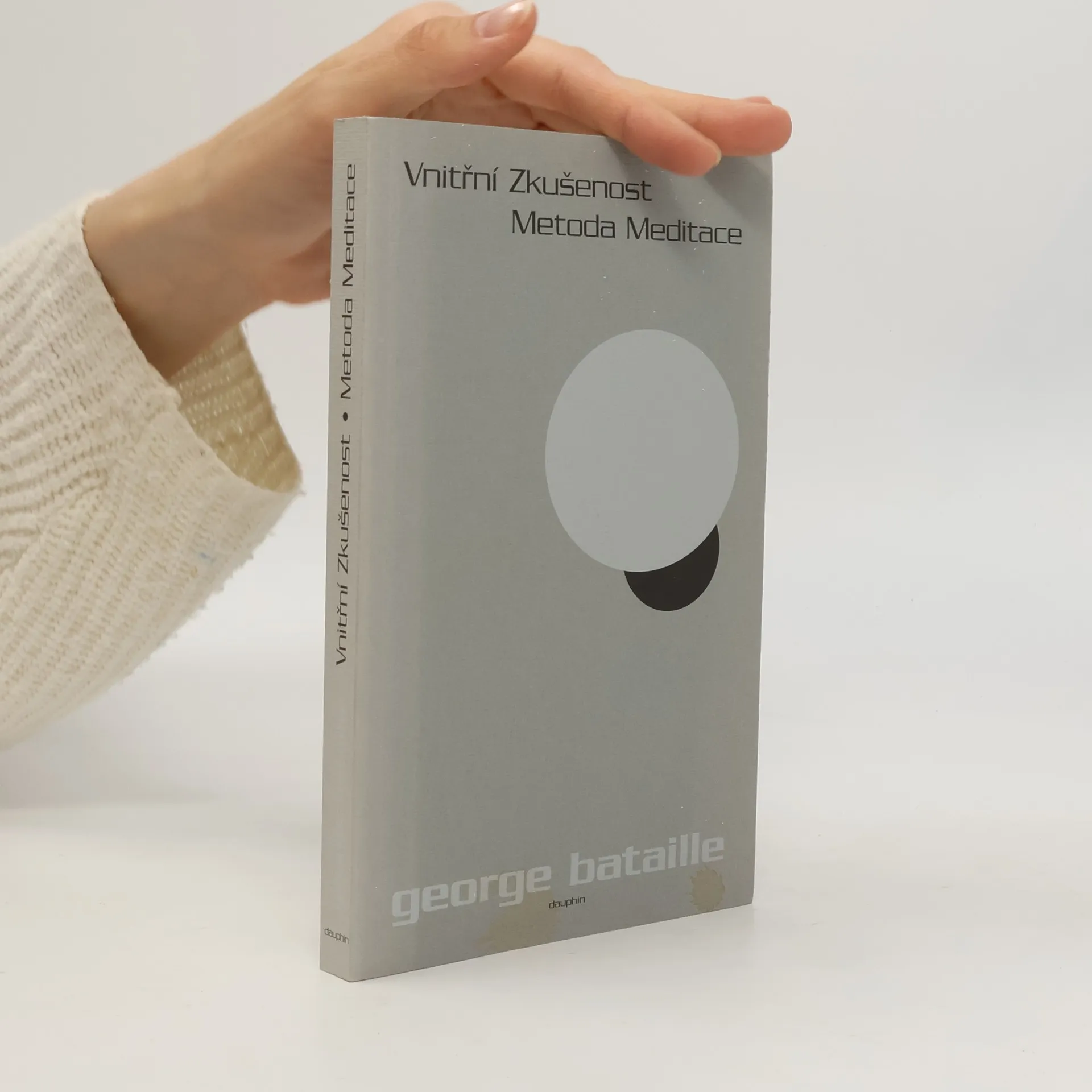
Georges Bataille zaujímá v kontextu francouzské literatury osobité místo. Má pověst autora skandálních literárních textů, ale také originálního myslitele, který s vědecko-poetickou důkladností promýšlí základní předpoklady a možnosti lidského vědomí, odhaluje skryté zákonitosti ekonomického fungování velkých společenských systémů, zamýšlí se nad podstatou náboženství, nad genezí uměleckého chápání světa i nad mezemi moderní filozofie. Jeho dílo plné erotiky, smutku a smrti, v němž prosazuje osvobození lidské individuality, výrazně ovlivnilo některé postoje Foucaulta a Derridy. A jeho vliv ani dnes nepřestává růst. Georges Bataille se ve Vnitřní zkušenosti (1943) a Metodě meditace (1947) soustřeďuje na otázky krajnosti a suverenity v rovině osobní zkušenosti a v mnohém zde navazuje na svá studia Nietzscheho a na mystickou tradici.
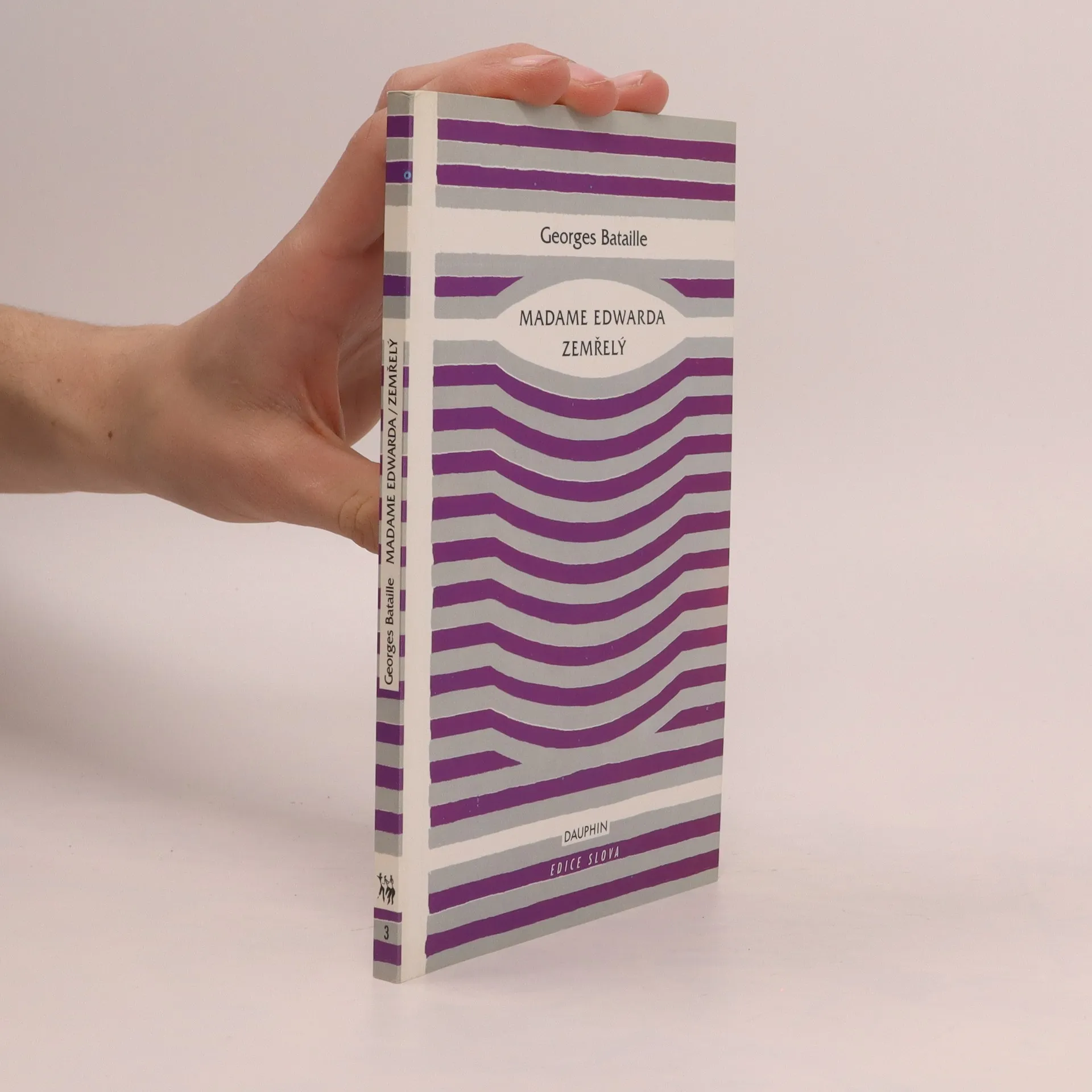
Dvě novely (Madam Edwarda, 1941; Zemřelý, 1964) kontroverzního francouzského autora.
V knize zkoumá Georges Bataille, veden svým smyslem pro komplexnost světa, jeden ze základních projevů vnitřního života, který má ovšem hlubokou souvislost s životem vnějším, tělesným a společenským.
Nebeská modř
- 155 stránek
- 6 hodin čtení
Kontroverzní a fascinující novela Nebeská modř nás vtahuje do politicky a sociálně napjaté Evropy třicátých let. Protagonista Troppmann, zmítaný apatií a destruktivními impulzy, postupně prochází Paříží, Vídní nebo Barcelonou, až nakonec sezná nemožnost uniknout vlastnímu osudu. Je fascinován smrtí, erotikou a absurditou, sleduje rozklad vlastní identity i společnosti kolem sebe. Násilím prostoupená touha jej unáší do míst, v nichž zuří občanské nepokoje, dochází k atentátům nebo se schyluje k válce. A představa smrti, její dechberoucí blízkost, znamená jediný způsob, jak takovou touhu ukojit. Setkání s ní nevede ke zbabělému ponížení - naopak se překlápí v bezbřehé přitakání životu, které Troppmann zakouší v náručích svých tří osudových milenek. Dílo vzniklé v polovině třicátých let, avšak vydané až roku 1957, vyniká kombinací svrchované obraznosti, existenciálních úvah a provokativního, často až tabuizovaného obsahu. A nejen že odráží krizi meziválečné Evropy, ale zároveň nutí i dnešní čtenáře konfrontovat temné a iracionální aspekty lidské povahy.
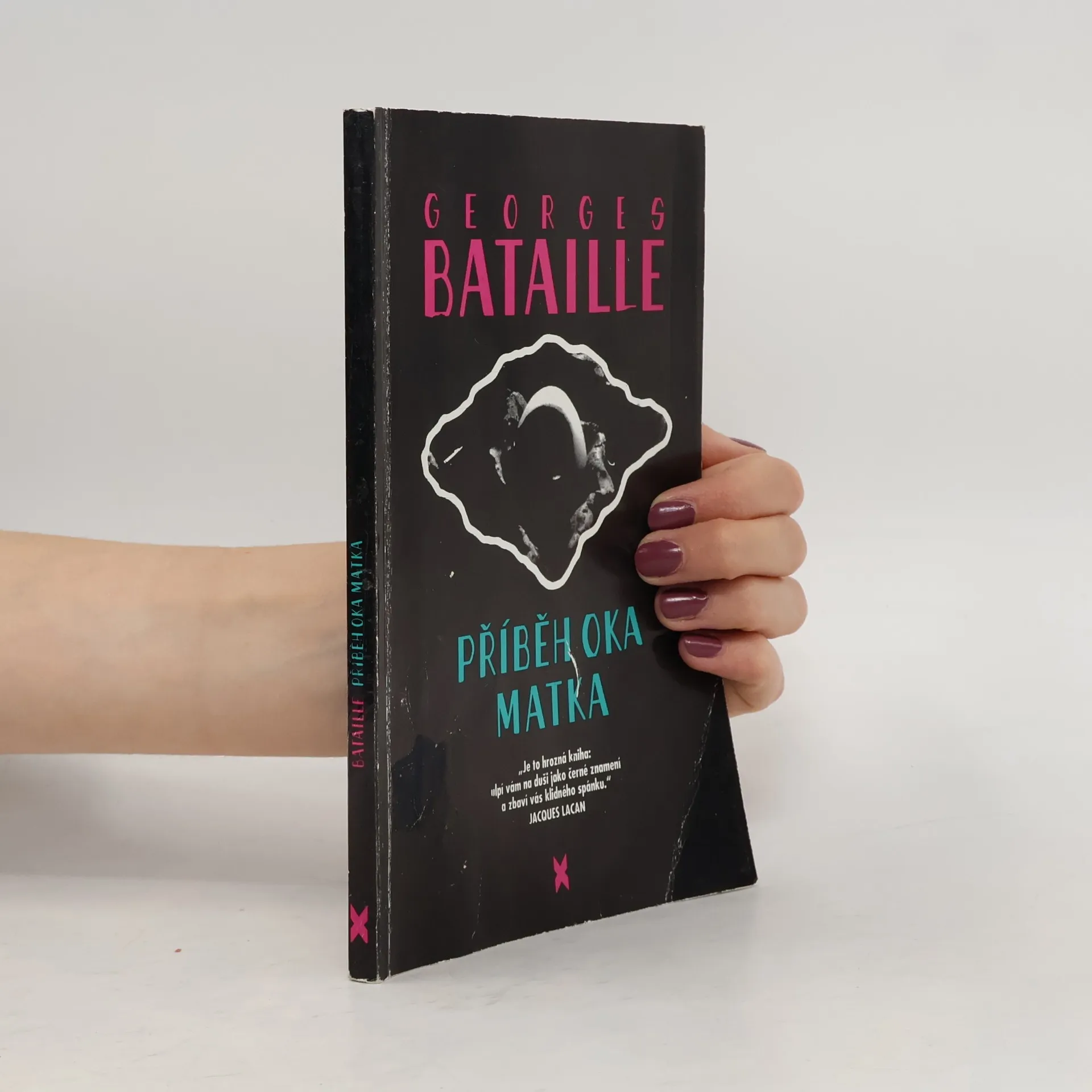
Dvě novely francouzského autora. Základem Bataillovy etiky je idea pokračování zákazů, které si společnost během svého vývoje zavedla a tato transgrese je projevem svobody jednotlivce. Erotika je v jeho podání suverénní forma lidské vůle a spontánní přitakání životu ze strany člověka, odsouzeného žít v konzumní společnosti. V první próze (Příběh oka, 1928) jde o překračování sexuálních a společenských konvencí trojicí mladých lidí, druhá próza (Matka, posmrtně 1966) je věnována incestnímu vztahu matky a syna. Pro většinu soudobé francouzské kritiky je autorovo dílo vrcholem moderního myšlení; od jeho smrti (1962) se jeho pracím dostává stále více pozornosti.
Themes & Movements: The Artist's Body
- 304 stránek
- 11 hodin čtení
Tracing artists' increasing use of their bodies as subject and actual material of their artworks, this title charts the rise of new forms of expression such as Body Art, Happenings, Performance and Live Art.
The Sacred Conspiracy
- 480 stránek
- 17 hodin čtení
Having spent the early thirties in far-left groups opposing Fascism, in 1937 Georges Bataille abandoned this approach so as to transfer the struggle onto the mythological plane, founding two groups with this aim in mind. The College of Sociology gave lectures attended by major figures from the Parisian intelligentsia - intended to reveal the hidden undercurrents within a society that appeared to be bordering on collapse. The texts in this book comprise lectures given to the College; essays from the Acephale journal and a large cache of the internal papers of the secret society of Acephale.
Exploring the depths of surrealism, this collection of essays by George Bataille offers a thought-provoking analysis that challenges conventional perspectives. Renowned for his controversial views, Bataille delves into the intersection of art, philosophy, and the human experience, making a significant contribution to the understanding of surrealism. His incisive writing invites readers to confront complex themes and embrace the provocative nature of the surrealist movement.
Since the publication of Visions of Excess in 1985, there has been an explosion of interest in the work of Georges Bataille. The French surrealist continues to be important for his groundbreaking focus on the visceral, the erotic, and the relation of society to the primeval. This collection of prewar writings remains the volume in which Batailles's positions are most clearly, forcefully, and obsessively put forward. This book challenges the notion of a "closed economy" predicated on utility, production, and rational consumption, and develops an alternative theory that takes into account the human tendency to lose, destroy, and waste. This collection is indispensible for an understanding of the future as well as the past of current critical theory.Georges Bataille (1897-1962), a librarian by profession, was founder of the French review Critique. He is the author of several books, including Story of the Eye, The Accused Share, Erotism, and The Absence of Myth.
Georges Bataille's postwar writings reflect his quest to navigate the moral and political challenges of his time. Through the journal Critique, which he founded in 1946, he explored the sacred's role in modernity and critiqued existing moral frameworks, advocating for a new hyper-morality that embraces excess. This collection features essays addressing influential figures like Samuel Beckett and themes such as American politics, existentialism, and the nature of play. Bataille's work challenges readers to reconsider societal limitations on expression and human experience.
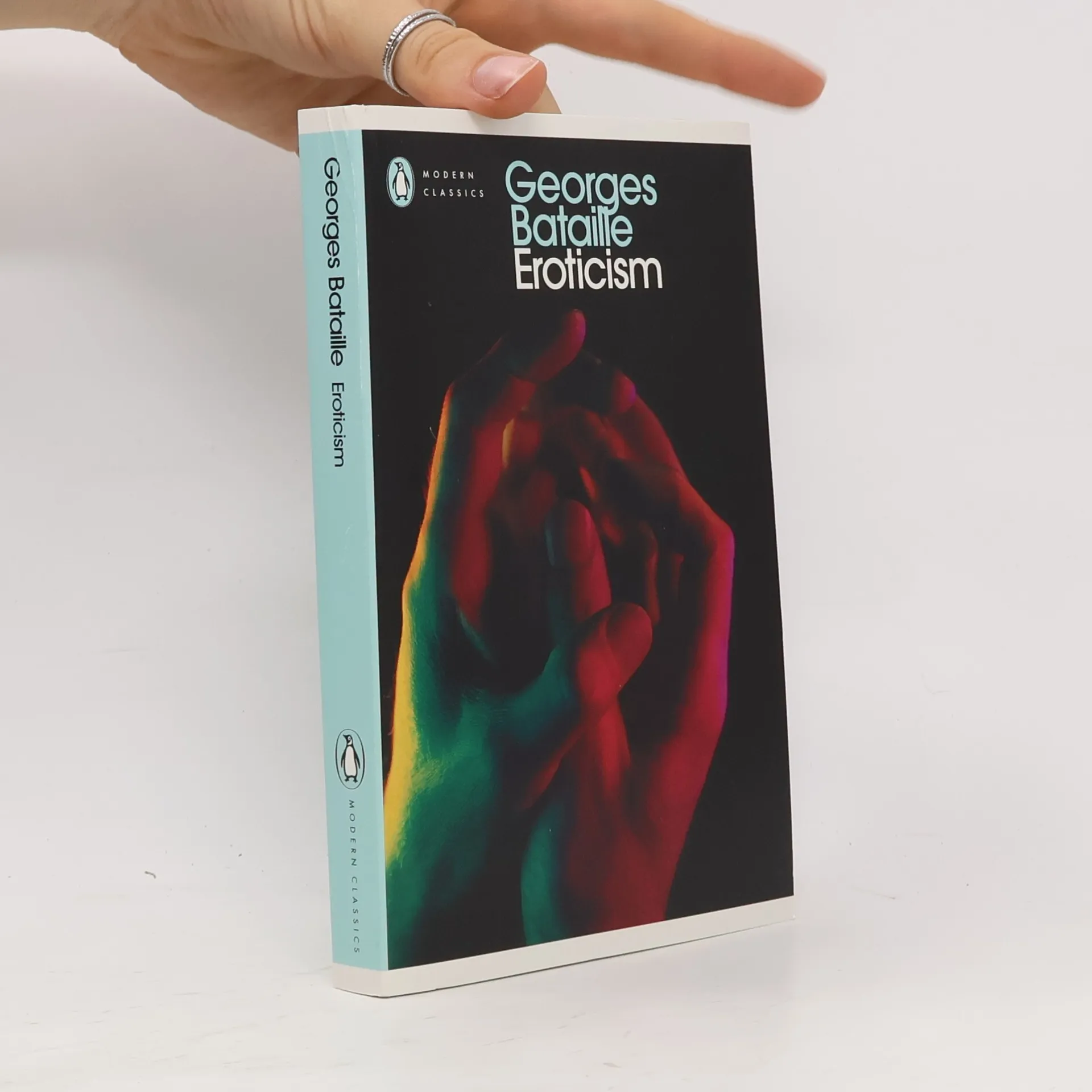
Erotism: Death and Sensuality
- 188 stránek
- 7 hodin čtení
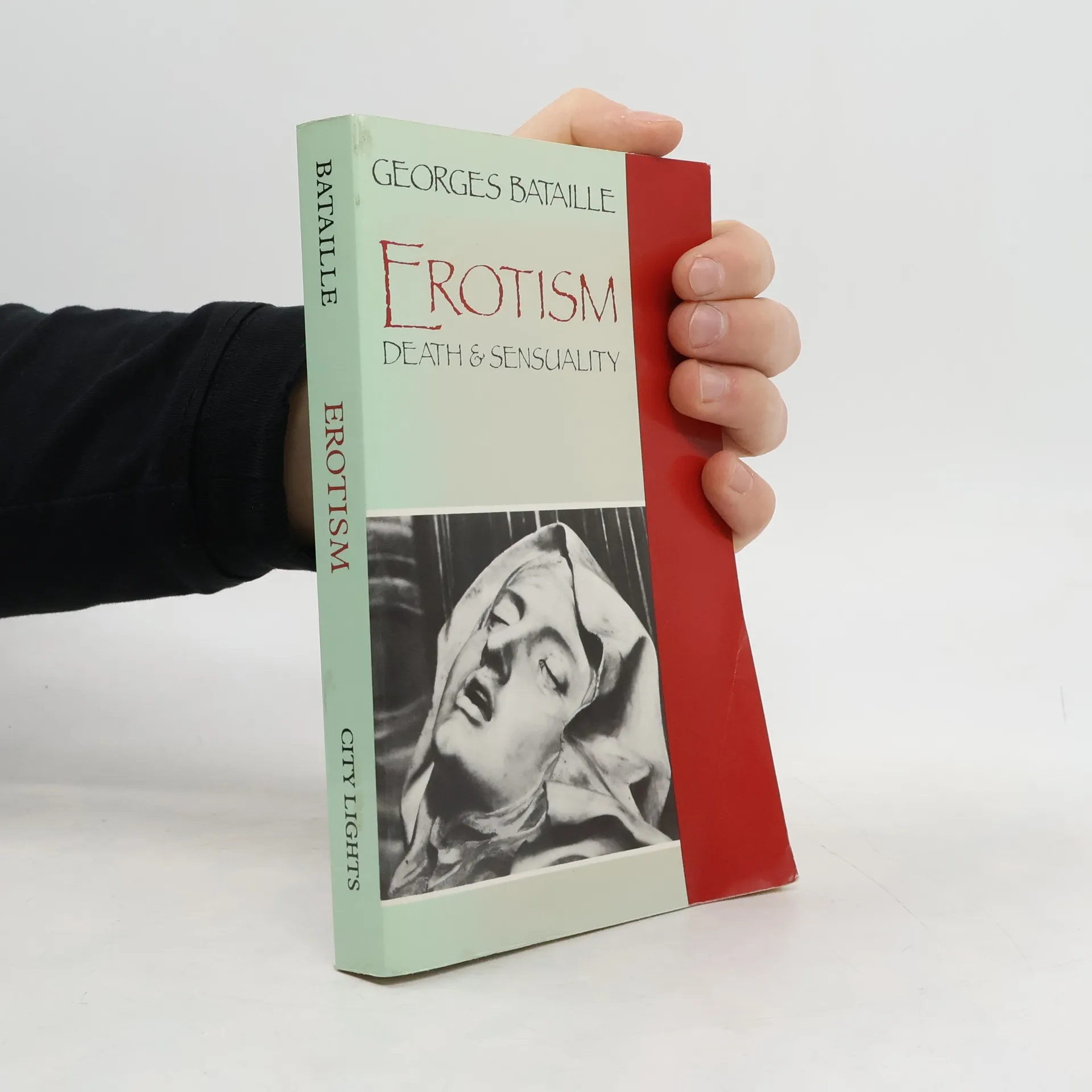
Taboo and sacrifice, transgression and language, death and sensuality—Georges Bataille pursues these themes with an original, often startling perspective. He challenges any single discourse on the erotic. The scope of his inquiry ranges from Emily Bronte to Sade, from St. Therese to Claude Levi-Strauss, and Dr. Kinsey; and the subjects he covers include prostitution, mythical ecstasy, cruelty, and organized war. Investigating desire prior to and extending beyond the realm of sexuality, he argues that eroticism is "a psychological quest not alien to death."
The Accursed Share provides an excellent introduction to Bataille the philosopher.
Literature and Evil
- 224 stránek
- 8 hodin čtení
”Literature is not innocent,” Bataille declares in the preface to this unique collection of literary profiles. “It is guilty and should admit itself so.” The word, the flesh, and the devil are explored by this extraordinary intellect in the work of eight outstanding authors: Emily Bronte, Baudelaire, Blake, Michelet, Kafka, Proust, Genet and De Sade.Born in France in 1897, Georges Bataille was a radical philosopher, novelist, and critic whose writings continue to exert a vital influence on today's literature and thought.
The Tears of Eros
- 232 stránek
- 9 hodin čtení
The Tears of Eros is the culmination of Georges Bataille's inquiries into the relationship between violence and the sacred. Taking up such figures as Giles de Rais, Erzebet Bathory, the Marquis de Sade, El Greco, Gustave Moreau, Andre Breton, Voodoo practitioners, and Chinese torture victims, Bataille reveals their common obsession: death. This essay, illustrated with artwork from every era, was developed out of ideas explored in Erotism: Death and Sexuality and Prehistoric Painting: Lascaux or the Birth of Art. In it Bataille examines death--the ""little death"" that follows sexual climax, the proximate death in sadomasochistic practices, and death as part of religious ritual and sacrifice. Georges Bataille was born in Billom, France, in 1897. He was a librarian by profession. Also a philosopher, novelist, and critic he was founder of the College of Sociology. In 1959, Bataille began The Tears of Eros, and it was completed in 1961, his final work. Bataille died in 1962.
The Cradle of Humanity
- 210 stránek
- 8 hodin čtení
A radically interdisciplinary inquiry into the origins of human consciousness, community, and potential.
Critical Essays - Volume 1, 1944-1948
- 400 stránek
- 14 hodin čtení
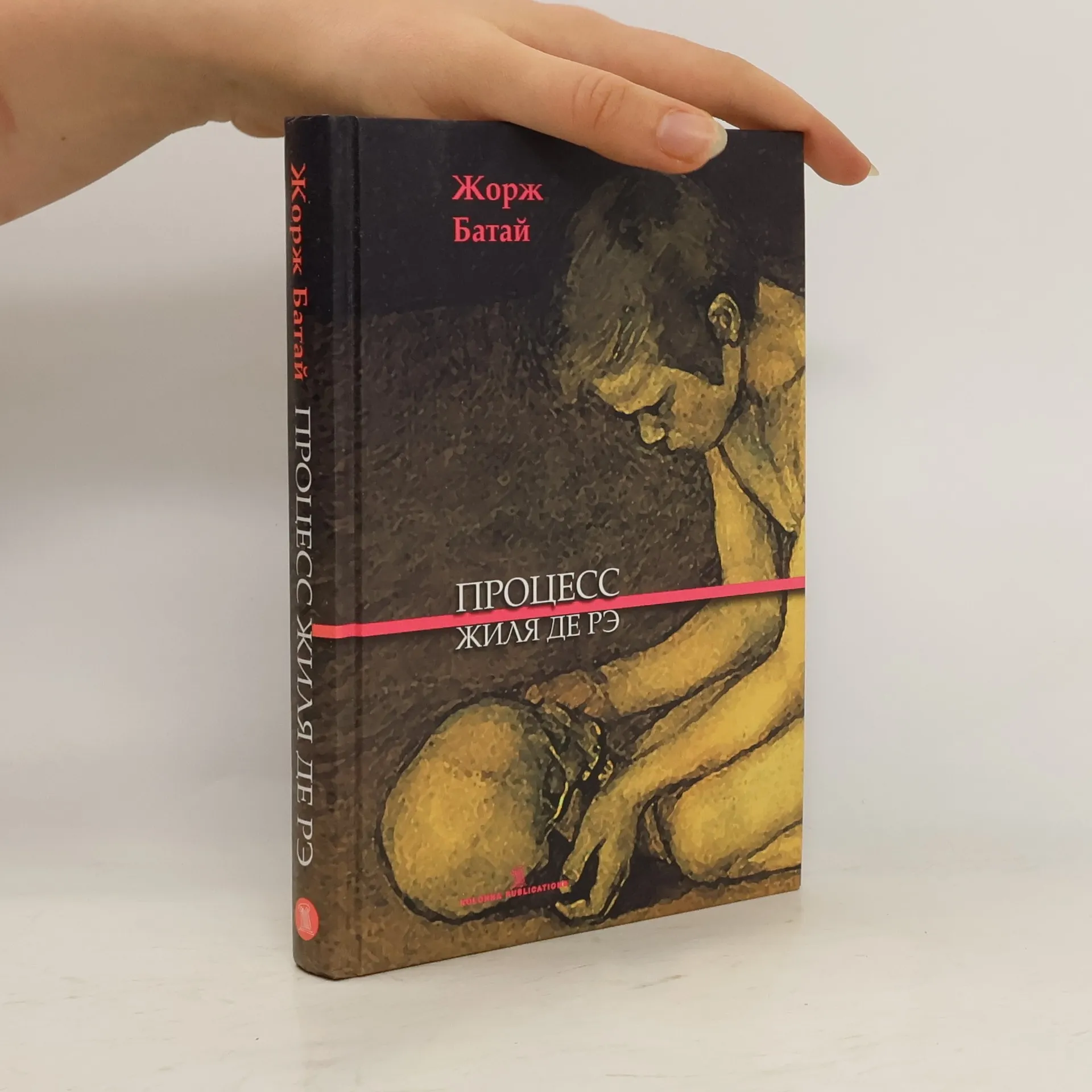
Trial Of Gilles De Rais
- 285 stránek
- 10 hodin čtení
Georges Bataille presents the case of the most infamous villain of the Middle Gilles de Rais. Fascinated with the depths of human experience―the meeting points of sexuality, violence, ritual, spirituality, and death―Bataille examines with dispassionate clarity the legendary crimes, trials and confessions of this grotesque and still-horrifying 15th-century child-murderer, sadist, alchemist, necrophile and practitioner of the Black Arts.Gilles de Rais began his remarkable career as lieutenant to the devout martyr and saint Joan of Arc; after her execution, he fled to his estates in the countryside of France, where he began to ritually slaughter hundreds of children. After his arrest and subsequent trials, he was hanged and burned at Nantes, France on October 25, 1440. The latter section of The Trial of Gilles de Rais consists of the actual ecclesiastical and secular trial transcripts, annotated by Bataille, and translated from the ecclesiastical Latin by Pierre Klossowski.
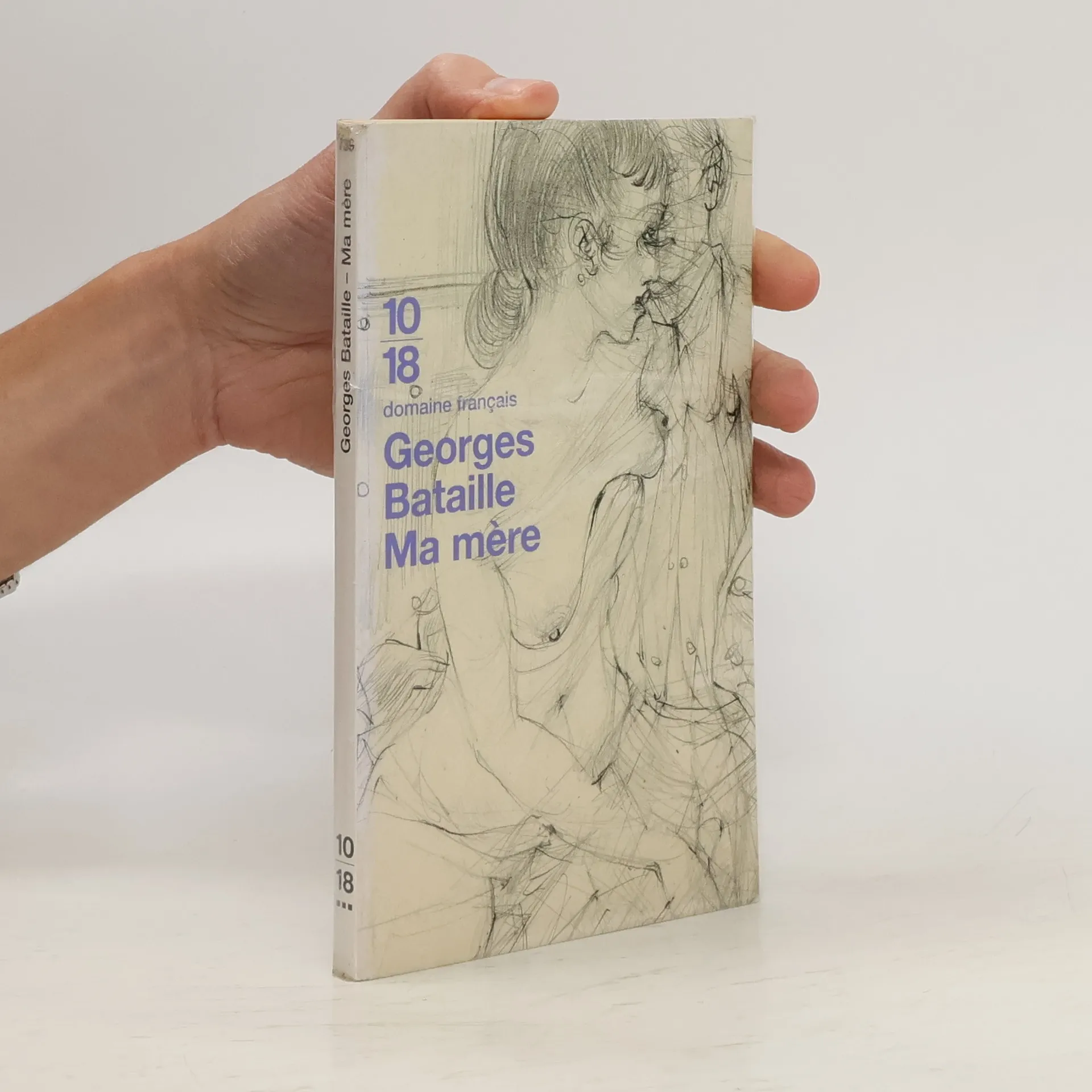
My Mother, Madame Edwarda, The Dead Man
- 208 stránek
- 8 hodin čtení
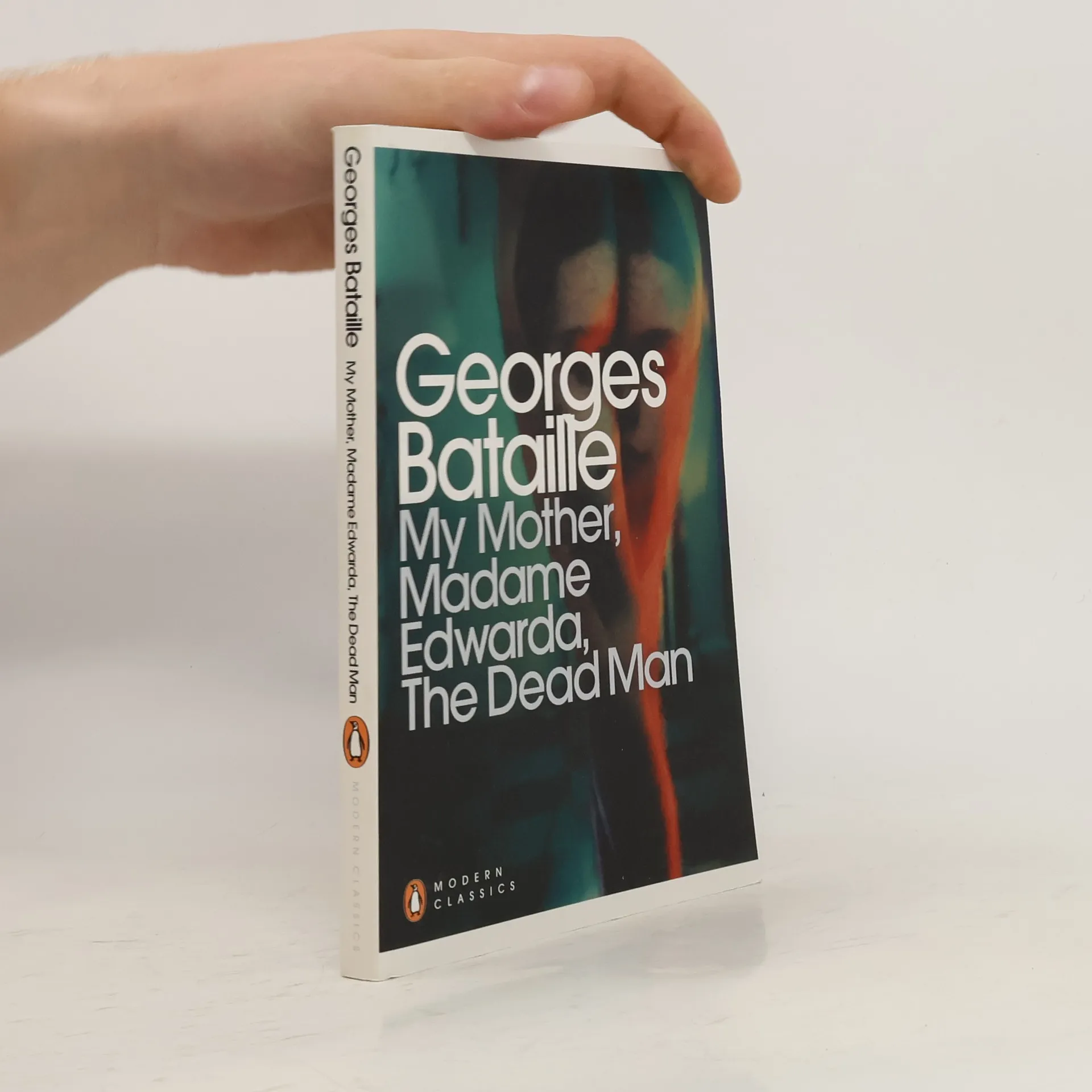
The narrative explores a young man's journey through sexual initiation and the complex relationship with his mother, blurring the lines between the profane and the sacred. It delves into themes of corruption and intense experiences as means to transcend societal and moral boundaries, offering a provocative examination of desire and taboo.
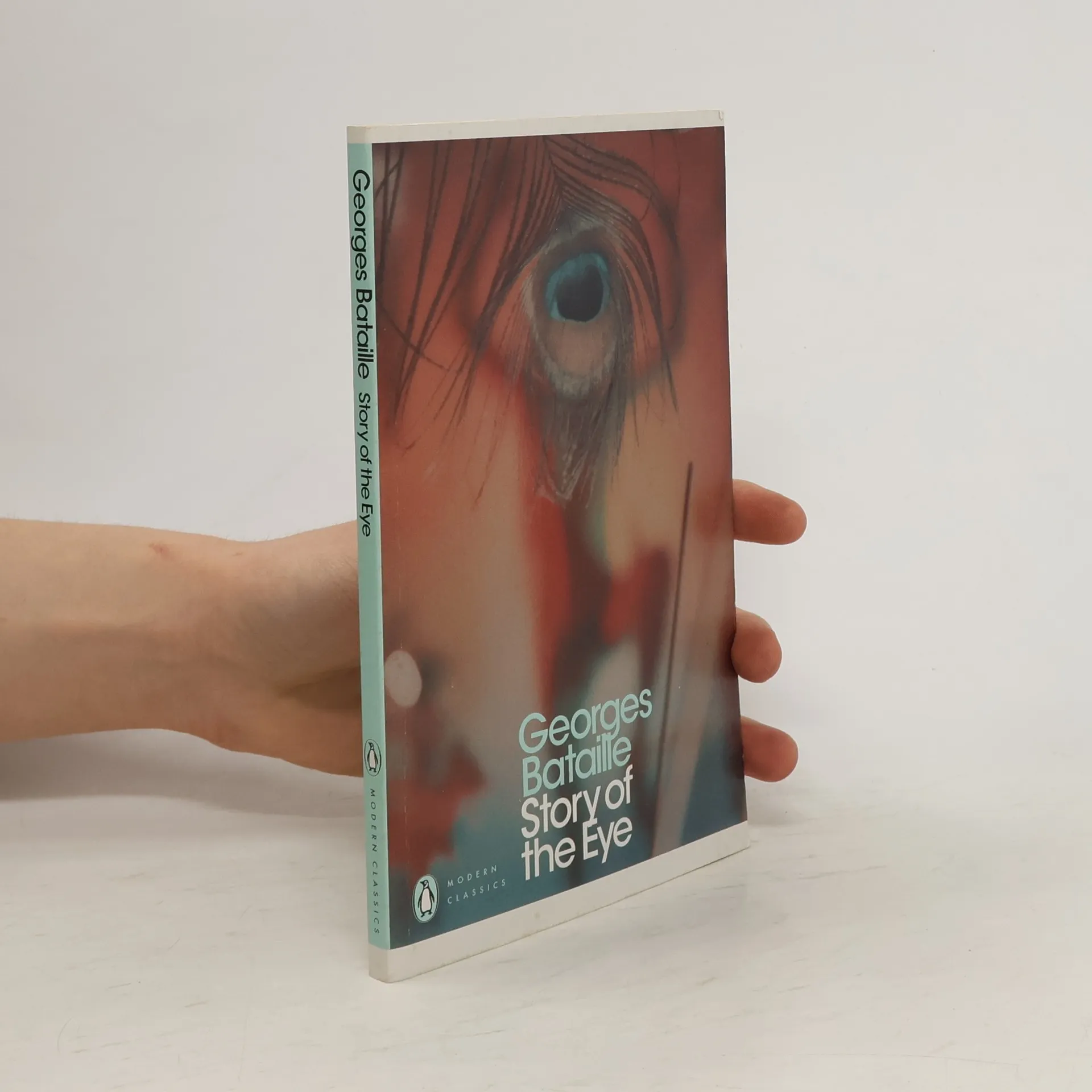
Story of the eye
- 127 stránek
- 5 hodin čtení
Bataille's first novel, published under the pseudonym 'Lord Auch', is still his most notorious work. In this explicit pornographic fantasy, the young male narrator and his lovers Simone and Marcelle embark on a sexual quest involving sadism, torture, orgies, madness and defilement, culminating in a final act of transgression. Shocking and sacrilegious, Story of the Eye is the fullest expression of Bataille's obsession with the closeness of sex, violence and death. Yet it is also hallucinogenic in its power, and is one of the erotic classics of the twentieth century. This edition also includes Susan Sontag's superb study of pornography as art, 'The Pornographic Imagination', as well as Roland Barthes' essay 'The Metaphor of the Eye'.Georges Bataille (1897-1962), French essayist and novelist, was born in Billom, France. He converted to Catholicism, then later to Marxism, and was interested in psychoanalysis and mysticism, forming a secret society dedicated to glorifying human sacrifice. Leading a simple life as the curator of a municipal library, Bataille was involved on the fringes of Surrealism, founding the Surrealist magazine Documents in 1929, and editing the literary review Critique from 1946 until his death. Among his other works are the novels Blue of Noon (1957) and My Mother (1966), and the essays Eroticism (1957) and Literature and Evil (1957).
Correspondence - Georges Bataille and Michel Leiris
- 312 stránek
- 11 hodin čtení
Including a number of short essays by Bataille and Leiris on aspects of the other's work as well as excerpts on Bataille from Leiris' diaries, this collection of correspondence throws new light on two of Surrealism's most radical dissidents. In the autumn of 1924, just before André Breton published the Manifeste du surréalisme, two young men met in Paris for the first time. Georges Bataille, 27, starting work at the Bibliothèque Nationale; Michel Leiris, 23, beginning his studies in ethnology. Within a few months, they were both members of the Surrealist group, although their adherence to Surrealism (unlike their affinities with it) would not last long: in 1930 they were among the signatories of "Un cadavre," the famous tract against Breton, the "Machiavelli of Montmartre," as Leiris put it. But their friendship would endure for more than 30 years, and their correspondence, assembled here for the first time in English, would continue until the death of Bataille in 1962.
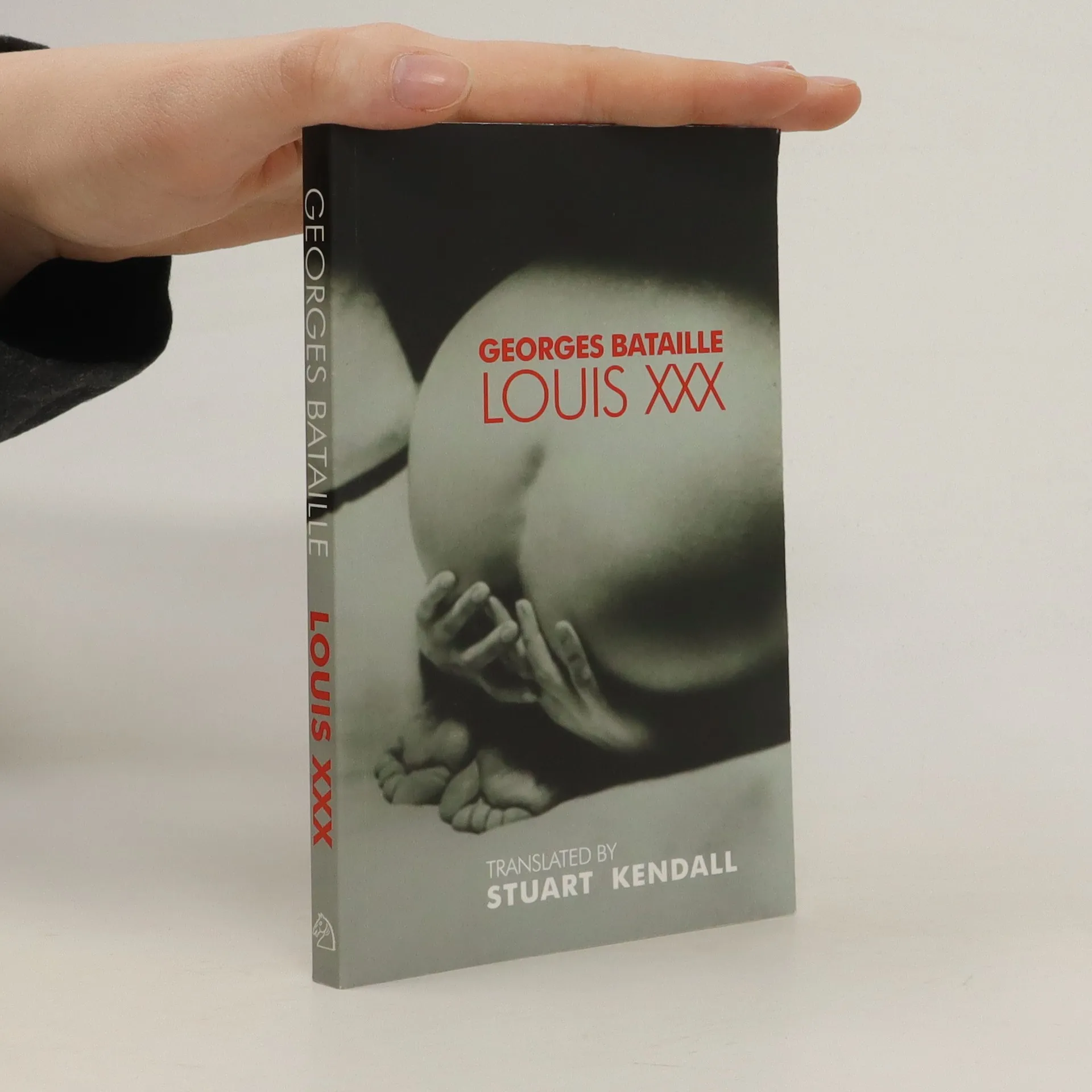
Louis XXX
- 144 stránek
- 6 hodin čtení
Modern Classics: Eroticism
- 320 stránek
- 12 hodin čtení
This book delves into the complexities of sexuality, examining societal taboos and cultural attitudes that shape our understanding of sex. Through a thought-provoking analysis, it challenges conventional beliefs and encourages readers to reconsider their perspectives on intimacy and desire. By blending personal anecdotes with academic insights, the author creates a compelling narrative that invites open dialogue about the often stigmatized aspects of human sexuality.
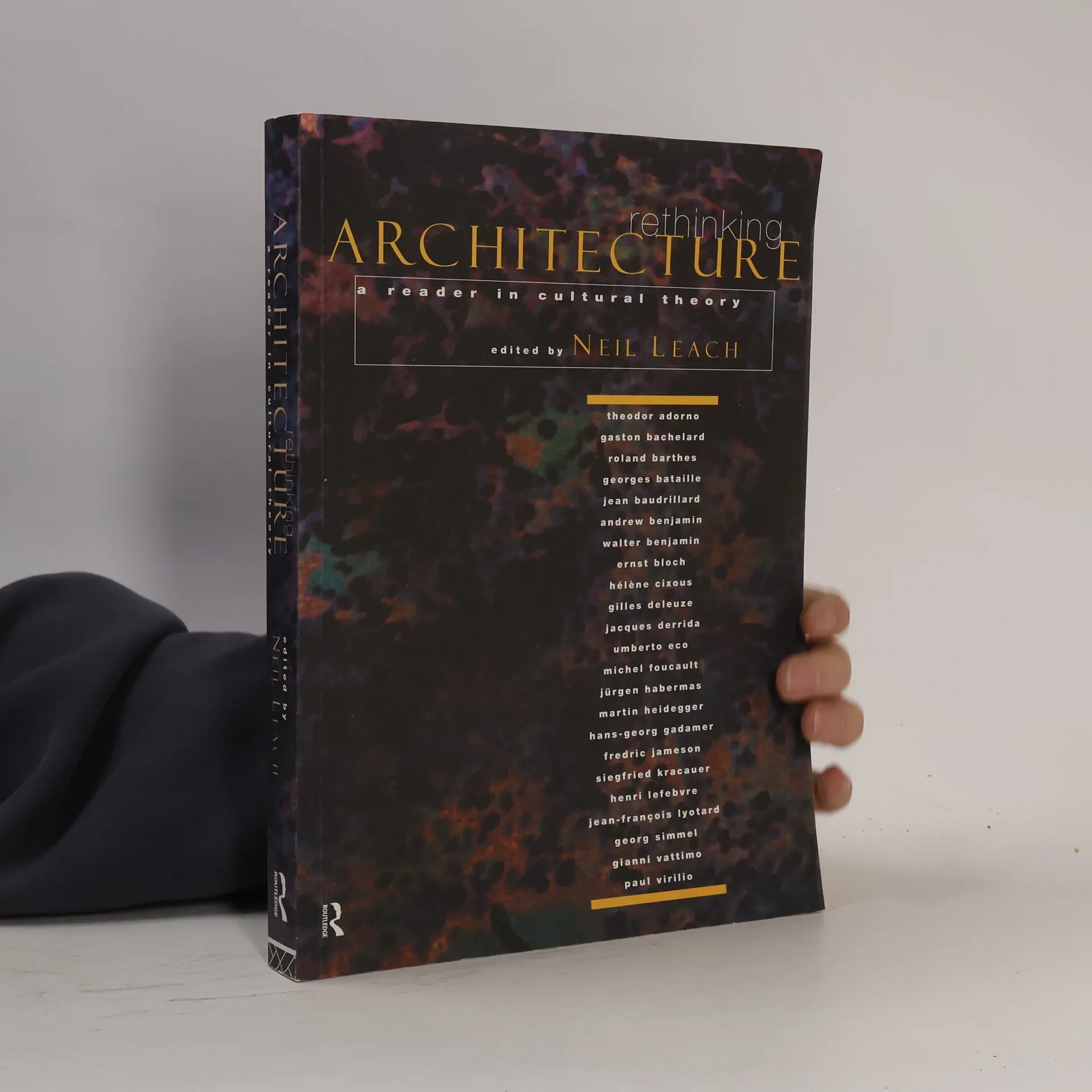
The collection features essential writings from influential philosophers and cultural theorists of the twentieth century, exploring the foundational ideas that have shaped urban environments and architectural experiences. It delves into the theoretical frameworks that underpin contemporary architecture, offering insights into the cultural and philosophical contexts that inform our understanding of space and design. This compilation serves as a critical resource for those interested in the intersection of architecture, philosophy, and urban theory.
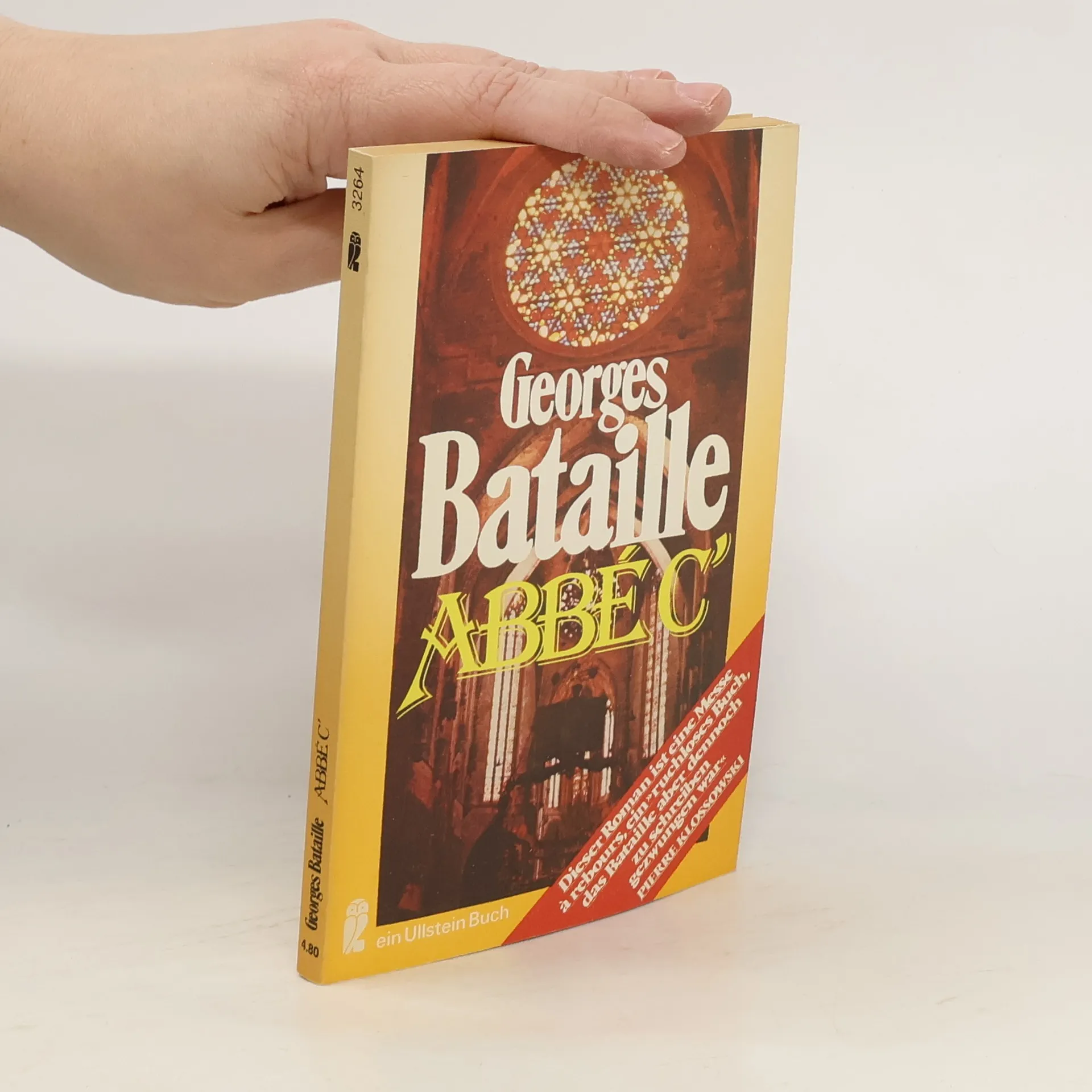
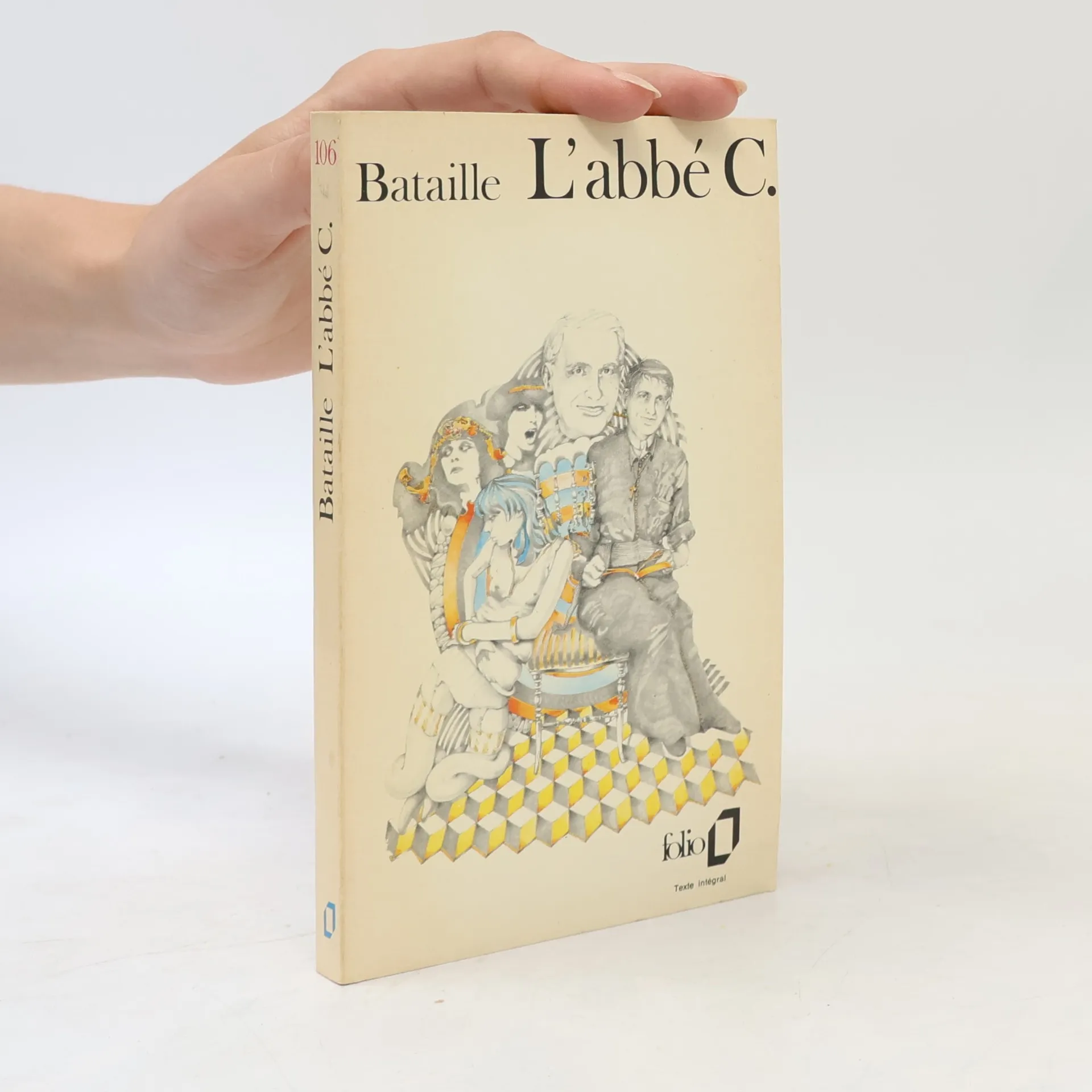
Abbé C ist der Roman über einen gewissen Abbé C und zugleich das ABC einer bestimmten Methode, die Form des Buches selbst, d.h.seine Romanstruktur, die zwischen diesen beiden Erzählebenen die gleiche Rolle spielt wie der Körper zwischen Erfahrung und Reflexion. Der Text ist auf diese Weise ein Organismus, der agiert und reagiert, während die Erfahrungen, zu denen der Schriftsteller ihn und sich zwingt, ihn in einen äußeren Zustand zu versetzen, der sie ganz und gar offenlegt.
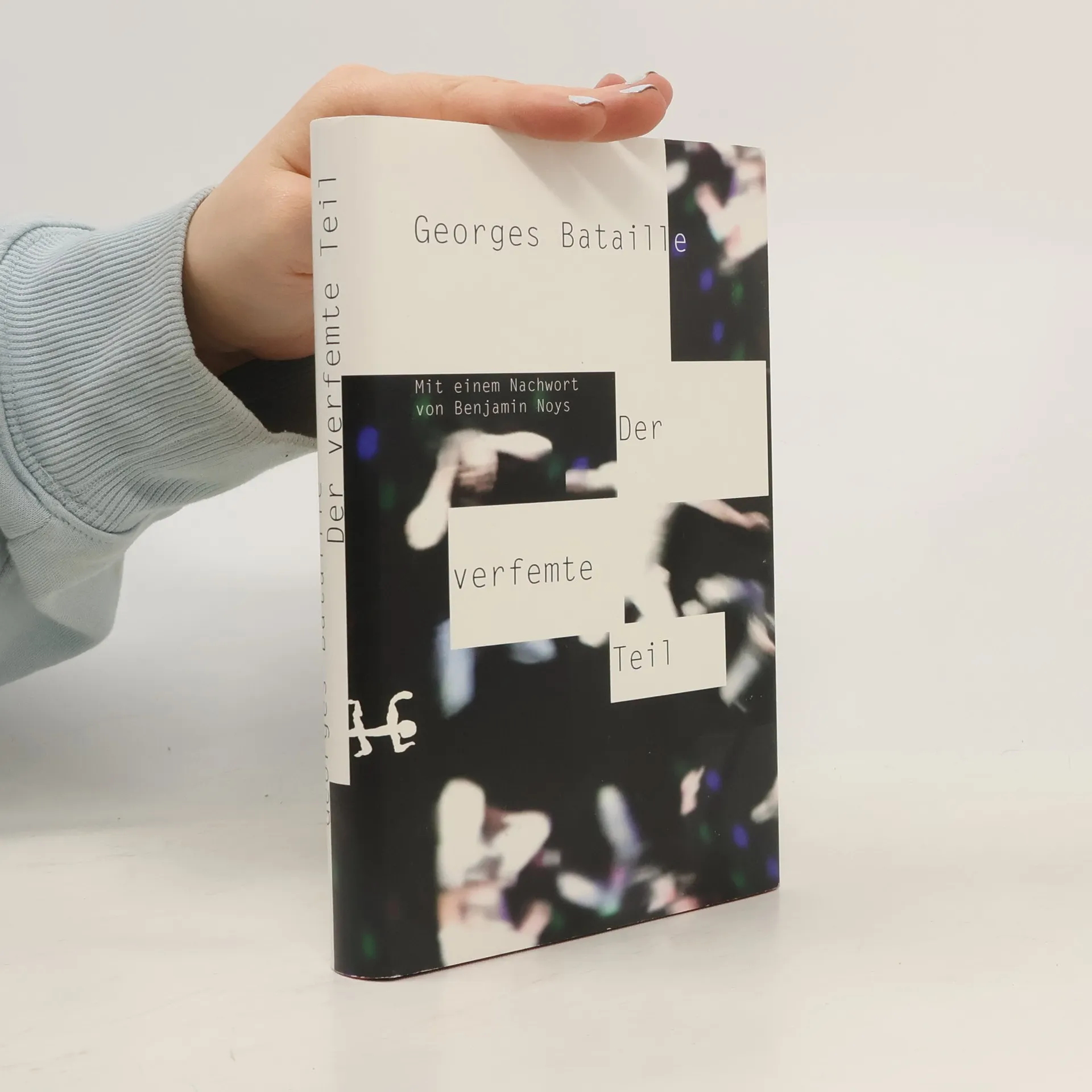
Der verfemte Teil
- 254 stránek
- 9 hodin čtení
s/t: George Bataille, Das theoretische Werk containing: Der Begriff der Verausgabnug Der verfemte Teil Kommunismus & Stalinismus
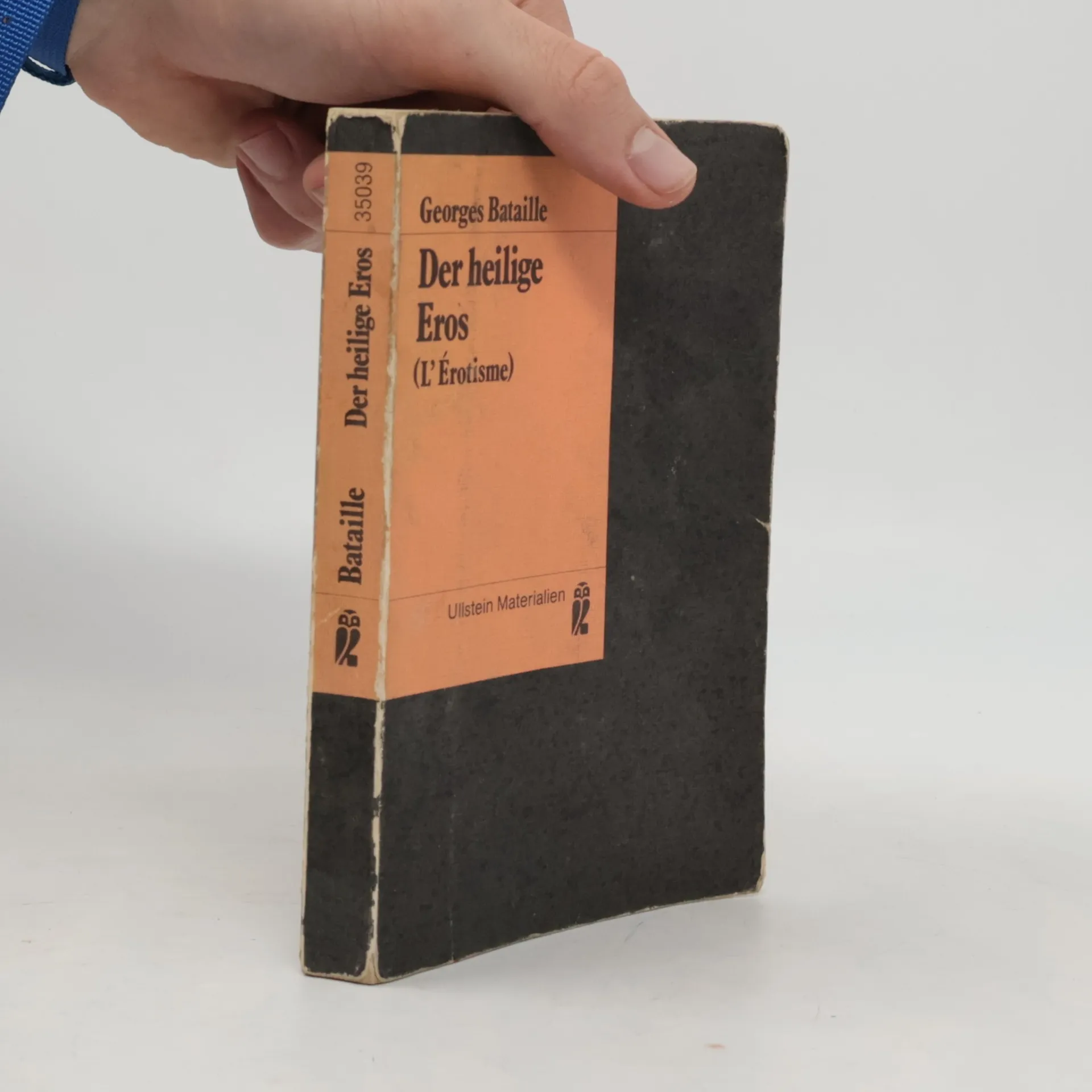
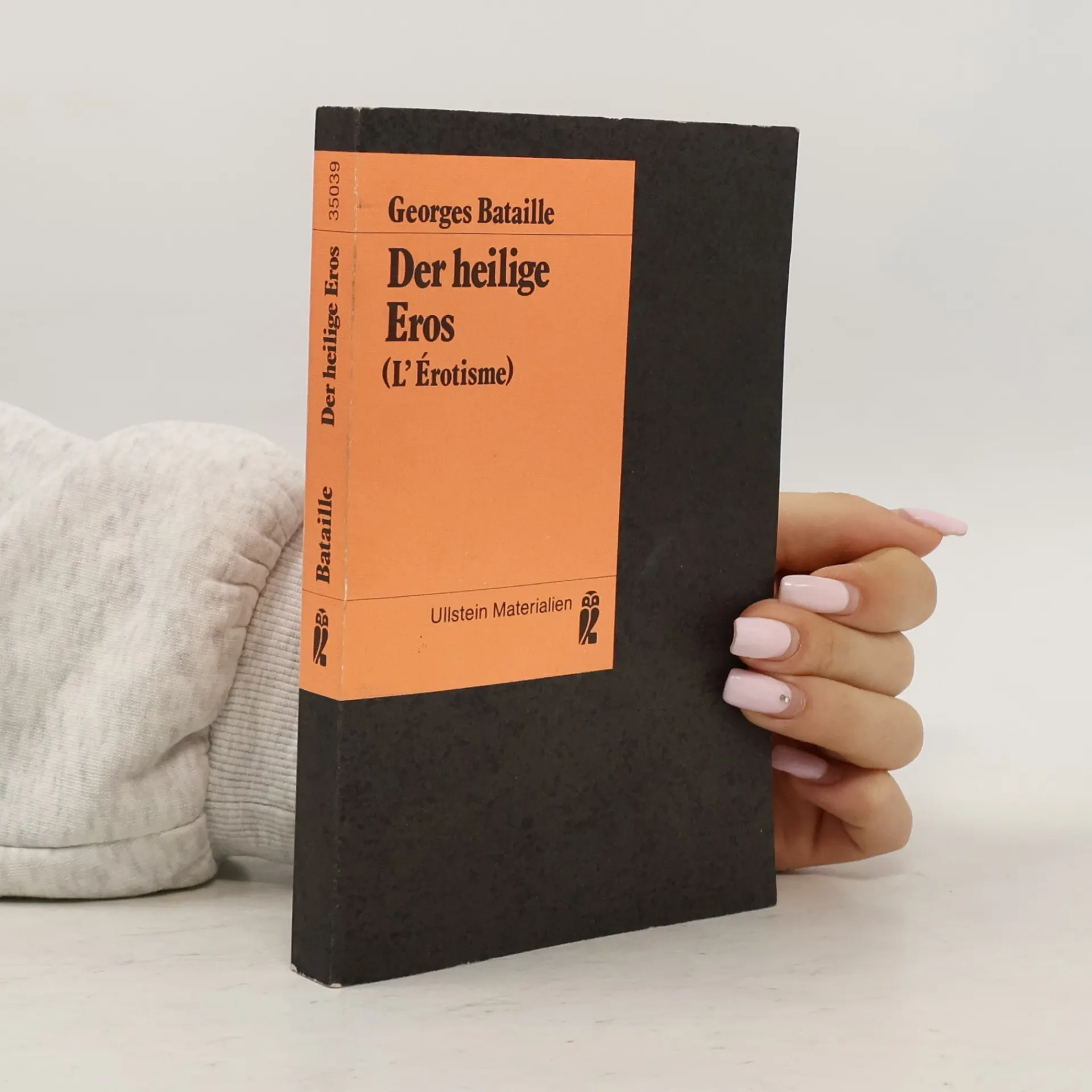
Der heilige Eros
- 278 stránek
- 10 hodin čtení
Tabu und Opfer, Transgression und Sprache, Tod und Sinnlichkeit - Georges Bataille verfolgt diese Themen mit einer originellen, oft überraschenden Perspektive. Er stellt jede einseitige Diskussion über das Erotische in Frage. Der Umfang seiner Untersuchung reicht von Emily Brontë bis Sade, von St. Therese bis Claude Lévi-Strauss und Dr. Kinsey; die behandelten Themen umfassen Prostitution, mythischen Ekstase, Grausamkeit und organisierten Krieg. Er untersucht das Verlangen vor und über den Bereich der Sexualität hinaus und argumentiert, dass Erotik "eine psychologische Suche ist, die dem Tod nicht fremd ist."
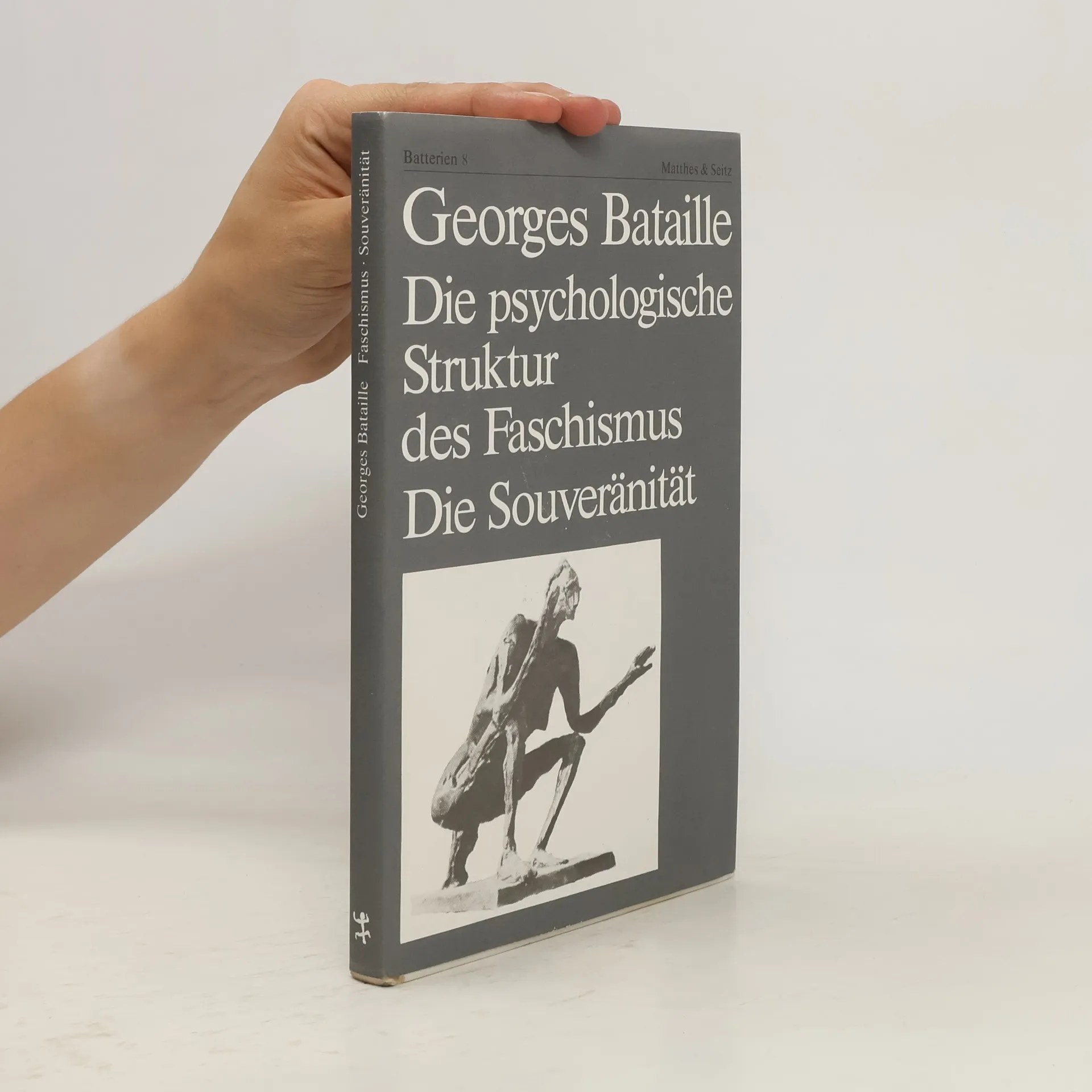
Die psychologische Struktur des Faschismus
- 119 stránek
- 5 hodin čtení
Das Geheimnis des Faschismus Dieser Artikel versucht am Beispiel des Faschismus ein genaues, wenn nicht vollständiges Bild vom sozialen Überbau und seinen Beziehungen zum sozialen Unterbau zu geben. Allerdings handelt es sich um ein Fragment, das in einen größeren Zusammenhang gehört. Ich habe mich auf die Darstellung von Fakten beschränkt. Hingegen fordert die bloße Struktur des Faschismus, dass einleitend die soziale Struktur als ganze beschrieben werden musste. Es versteht sich von selbst, dass diese Beschreibung des Überbaus die des Unterbaus voraussetzt, wie sie vom Marxismus geleistet wurde.
Das Collège de Sociologie
- 875 stránek
- 31 hodin čtení
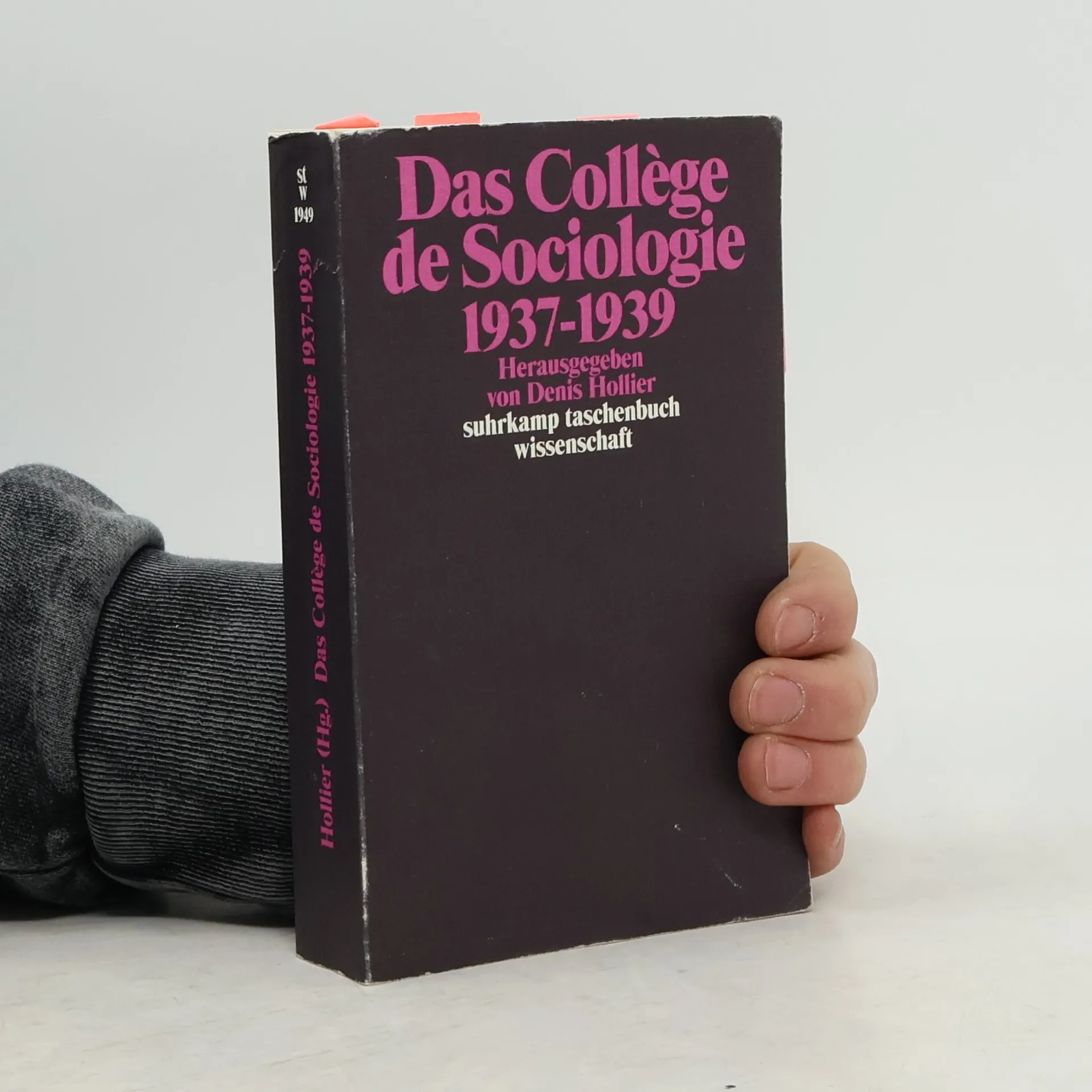
Kaum eine intellektuelle Gruppierung des 20. Jahrhunderts hat eine vergleichbare Wirkung und Faszinationskraft entfaltet wie das Collège de sociologie, das 1937 von Georges Bataille zusammen mit Roger Caillois und Michel Leiris gegründet wurde. Den Mitgliedern des Collège geht es im Anschluß an die Religionssoziologie von Durkheim und Mauss um die Etablierung einer Soziologie des Sakralen, das aus seinen religionswissenschaftlichen und ethnologischen Bezügen gelöst und für eine allgemeine Wissenschaft moderner Gesellschaften fruchtbar gemacht werden soll. Einer sich rapide individualisierenden Gesellschaft, deren atomistischer und anomischer Zustand sie besonders anfällig für faschistische Propaganda macht, setzen die Collègiens die Schaffung frei wählbarer Gemeinschaften entgegen, die durch Erfahrungen der kollektiven Ekstase, von Festen und Mythen zusammengehalten werden. Die reich kommentierte Edition von Denis Hollier hat den Diskussionszusammenhang des Collège de sociologie erstmals erschlossen und zeitlich nachvollziehbar gemacht. Zahlreiche Texte sind nur in dieser Ausgabe zugänglich; nun liegt sie erstmals in vollständiger deutscher Übersetzung vor. Editorisch bearbeitet und mit einem Nachwort von Irene Albers und Stephan Moebius.
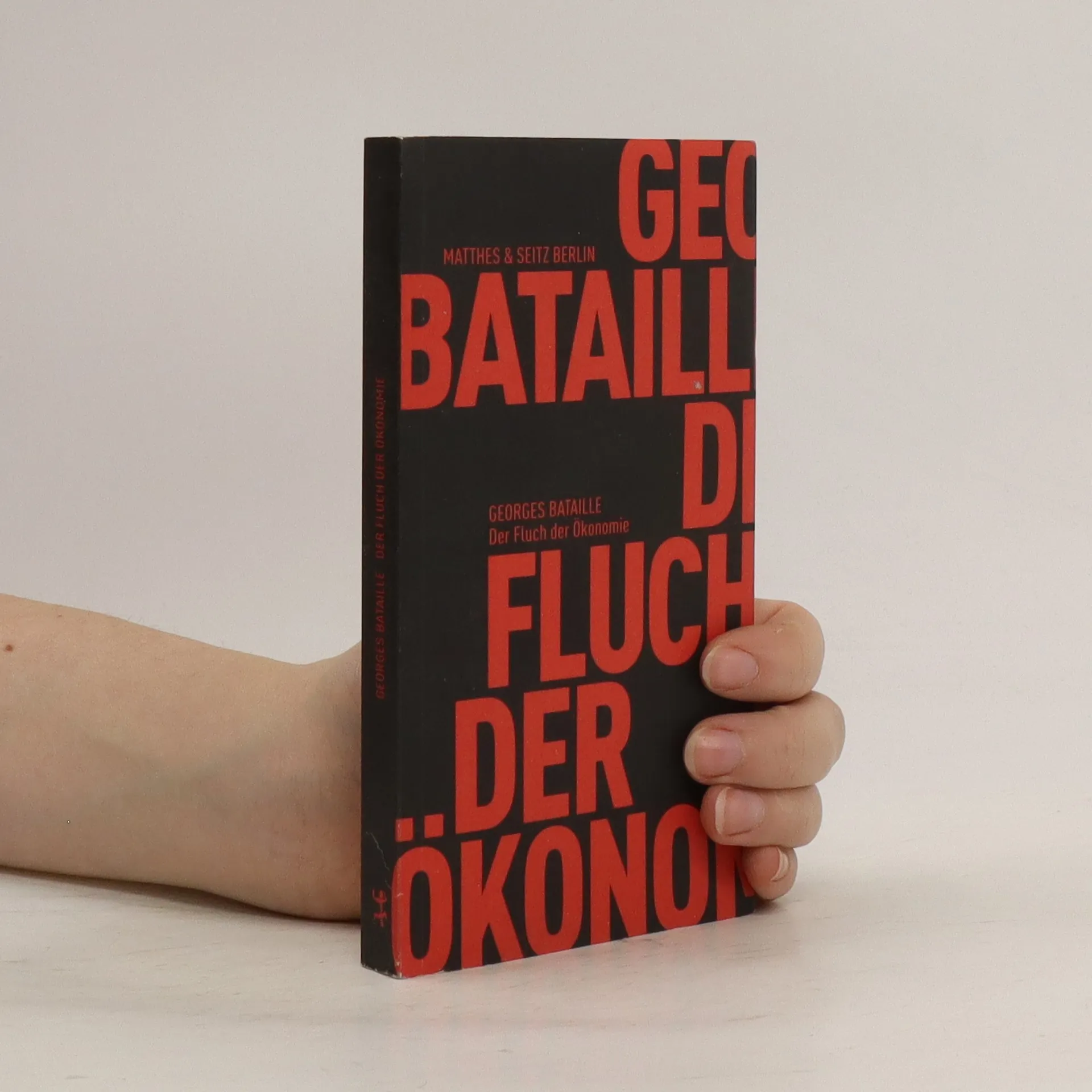
Der Fluch der Ökonomie versammelt Georges Batailles Texte zur Ökonomie, angefangen mit dem radikal verschwenderischen Aufsatz »Das verschwundene Amerika« von 1928 über die Opferriten der Azteken bis zu »Was ist Universalgeschichte« von 1956, seinem Versuch zum enzyklopädischen Schreiben, der hier erstmals auf Deutsch vorgelegt wird. Die programmatischen Essays präsentieren in ihrer Gesamtheit Batailles Versuch, »die Perspektiven einer Ökonomie zu umreißen, die nicht am Wachstum ausgerichtet ist«. Ein beispielloser Angriff auf die metaphysischen Grundlagen der Ökonomie.
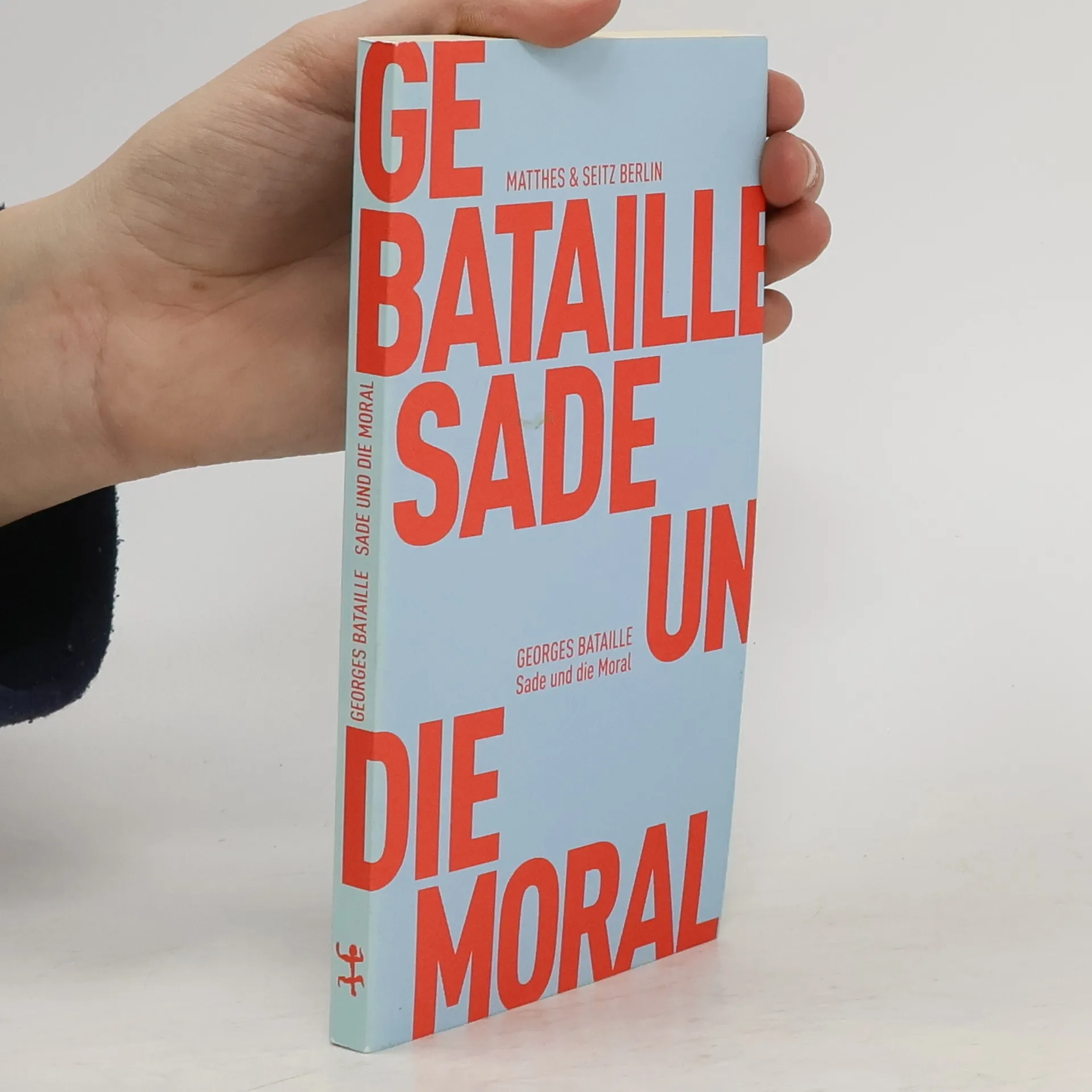
D. A. F. de Sade war für Georges Bataille, den Denker der Entgrenzung, ein entscheidender Autor. Das Ergebnis seiner lebenslangen Auseinandersetzung mit dem philosophischsten aller Pornographen ist in den vier hier vorliegenden, von Rita Bischof versammelten Texten konzentriert. Neben Fragen der Moral behandelt er darin Sades Einfluss auf unsere Zeit und was wir heute von Sade lernen können. Im Lichte seiner Überlegungen zum Autor von »Justine und Juliette« stellt sich Batailles eigenes Werk neu zur Disposition.
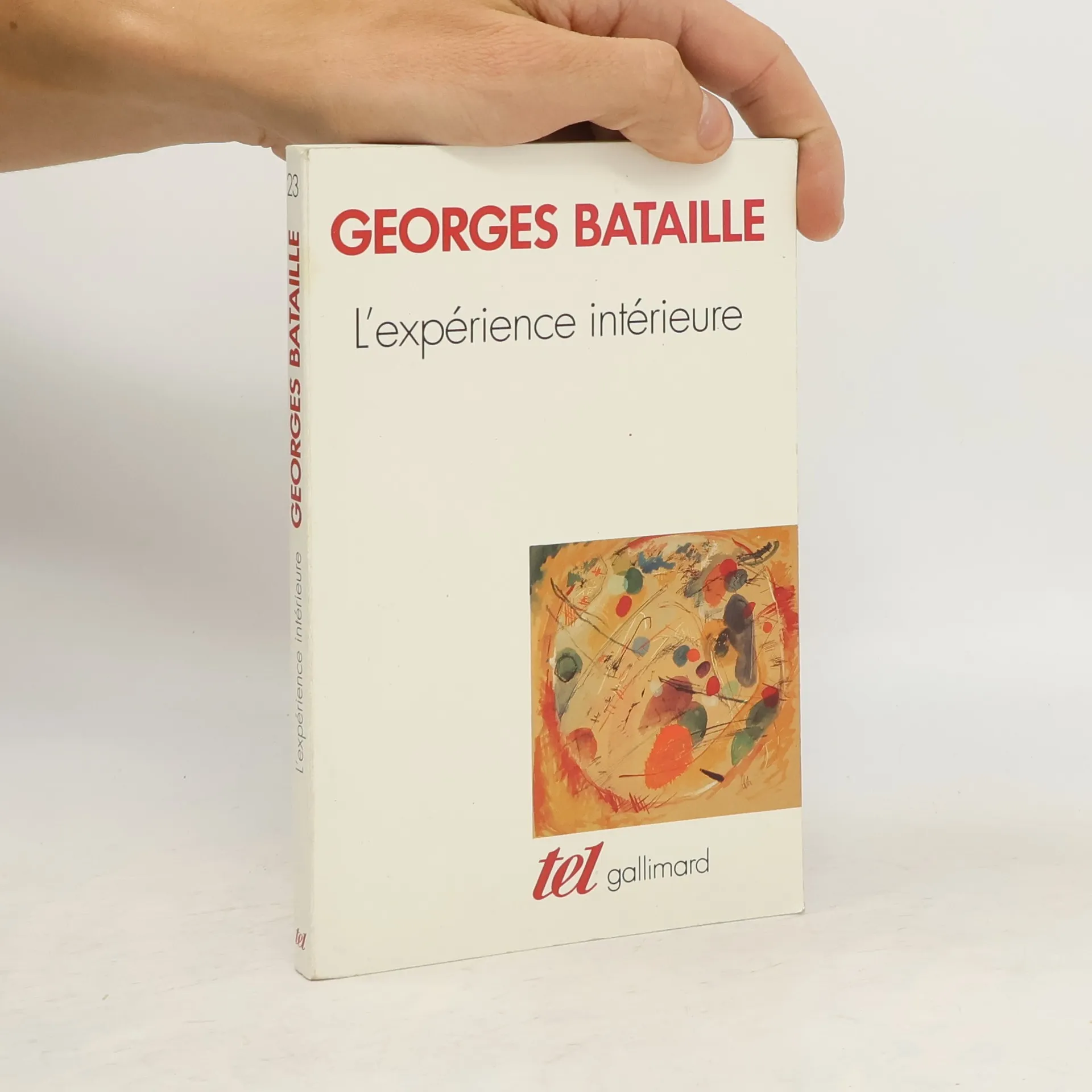
"Expérience intérieure", paradoxalement nommée, puisqu'elle culmine dans une fusion de l'intérieur et de l'extérieur, du sujet et de l'objet, l'inconnu comme "objet" communiquant en elle avec un "sujet" abandonné au non-savoir, Bataille en décrit ainsi le mouvement : "c'est jouer l'homme ivre, titubant, qui, de fil en aiguille, prend sa bougie pour lui-même, la souffle, et criant de peur, à la fin, se prend pour la nuit". L'itinéraire profondément désordonné de Georges Bataille (1897-1962), qu'il soit spirituel, politique ou littéraire, répond, par-delà les limites du convenu, à la volonté de révéler une vue souveraine, dégagée des servitudes qu'impose la vie.
Les essais rassemblés dans ce volume montrent la capacité maîtresse de Bataille à relier poésie, fiction narrative et réflexion philosophique. Les thèmes des essais sont également typiques de son œuvre : mort, désir, folie, débauches, pureté, ivresse, peur et chute.
Dopis otci = Brief an den Vater
- 192 stránek
- 7 hodin čtení
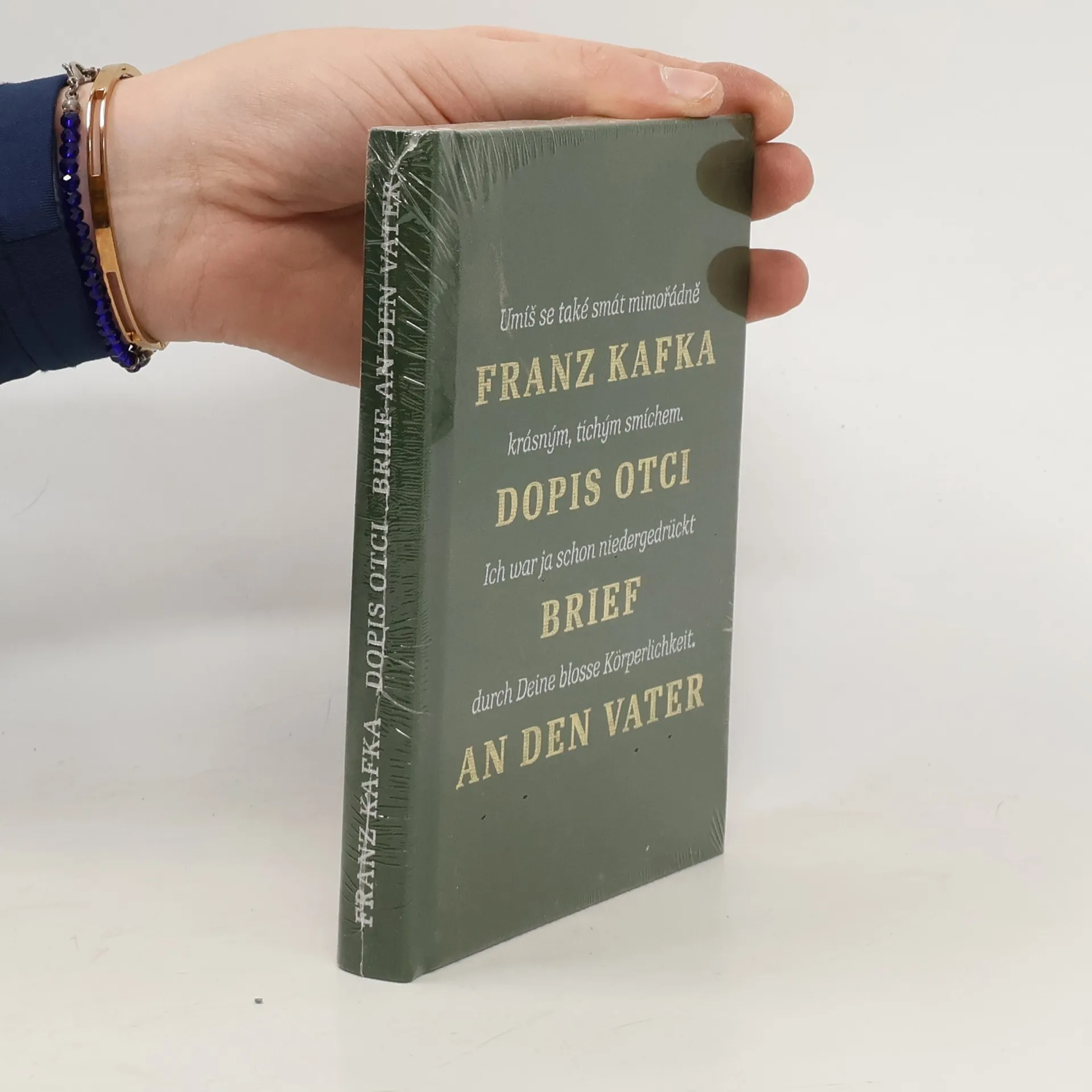
Kafkův dopis otci, který nikdy nebyl ani odeslán, ani doručen, představuje jednu z nejosobitějších autobiografických zpovědí světové literatury. Vydává ho Nakladatelství Franze Kafky v překladové české a původní německé verzi. Knihu ilustroval Jiří Slíva. Svým rozsahem asi sedmdesáti stran dopis přesahuje rámec epistolární literatury. Kafka ho napsal při svém pobytu v Želízech v listopadu 1919 svému otci Hermannu Kafkovi. Nakladatelství Franze Kafky dokončilo v roce 2007 třináctidílné vydání spisů Franze Kafky v českém překladu. Spisy byly řazeny tematicky a chronologicky, Dopis otci je součástí svazku Dopisy rodině. Nakladatelství Franze Kafky vydává novou edici, která z Kafkových spisů vybírá a postupně vydává jednotlivé skvosty tak, aby se autor ještě více přiblížil čtenářům. Dosud vyšly dva svazky, Leopardi v chrámu (výbor Kafkových myšlenek) a Isabella (výbor méně známých povídek) a nyní připravujeme dvojjazyčné vydání Dopisu otci. Cílem nakladatelství je vydávat nejen hodnotnou literaturu, ale také udržet si vysokou úroveň knižní kultury. Proto spolupracujeme s předním českým typografem prof. Zdeňkem Zieglerem a ilustrátorem Jiřím Slívou.
La part maudite: précédé de la notion de dépense
- 231 stránek
- 9 hodin čtení
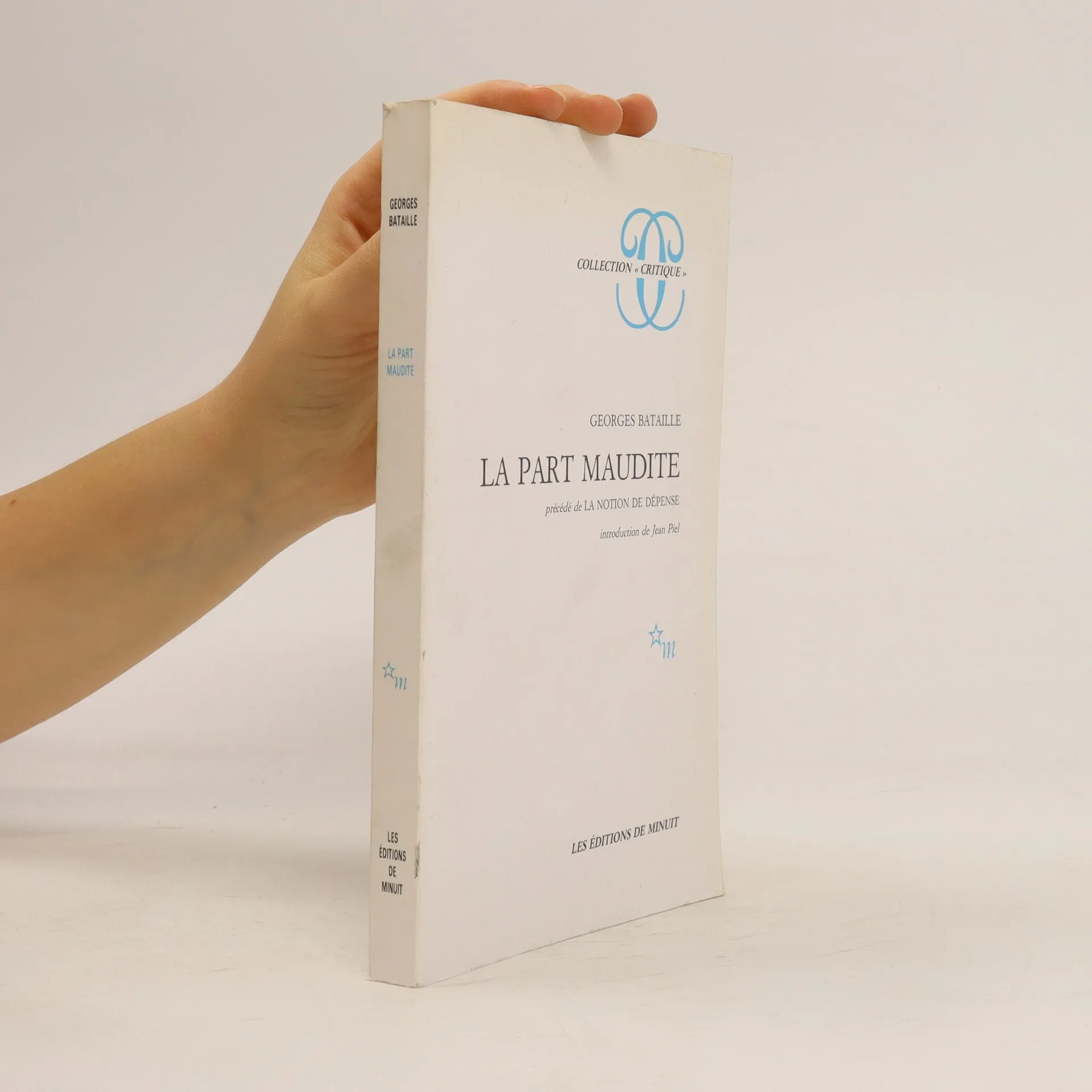
La «part maudite» est l'espace irrémédiablement autre, sinistre, «maudit», dans lequel l'homme, au-delà des conceptions "raisonnables" qui tendent à réduire l'homme à «chose», se "déchaîne" de la servitude, cherche la liberté qui seule peut le conduire à la «conscience de soi». À travers l'analyse des institutions primitives, la naissance du monde bourgeois, le stalinisme, la guerre froide, la puissance américaine, Bataille cherche à constituer cet espace dans lequel s'inscrivent l'économie, la poésie, la réflexion philosophique, toutes les pratiques de la communication humaine. Cet espace est la négation de l'espace social fermé de la pensée bourgeoise ("la personne du bourgeois moderne apparaît comme la forme la plus mesquine que l'humanité ait assumée") couverte et dissimulée par le masque d'une fausse liberté ("servile", asservie à la réduction de l'homme à chose). L'homme de Bataille, contre la lucide aberration de la raison instrumentale, choisit la nuit, cette nuit changeante, infiniment suspecte qui, dans le sommeil de la raison, engendre les monstres de la folie : l'homme de Bataille choisit la part maudite, «la part de l'homme».
Das obszöne Werk
- 237 stránek
- 9 hodin čtení
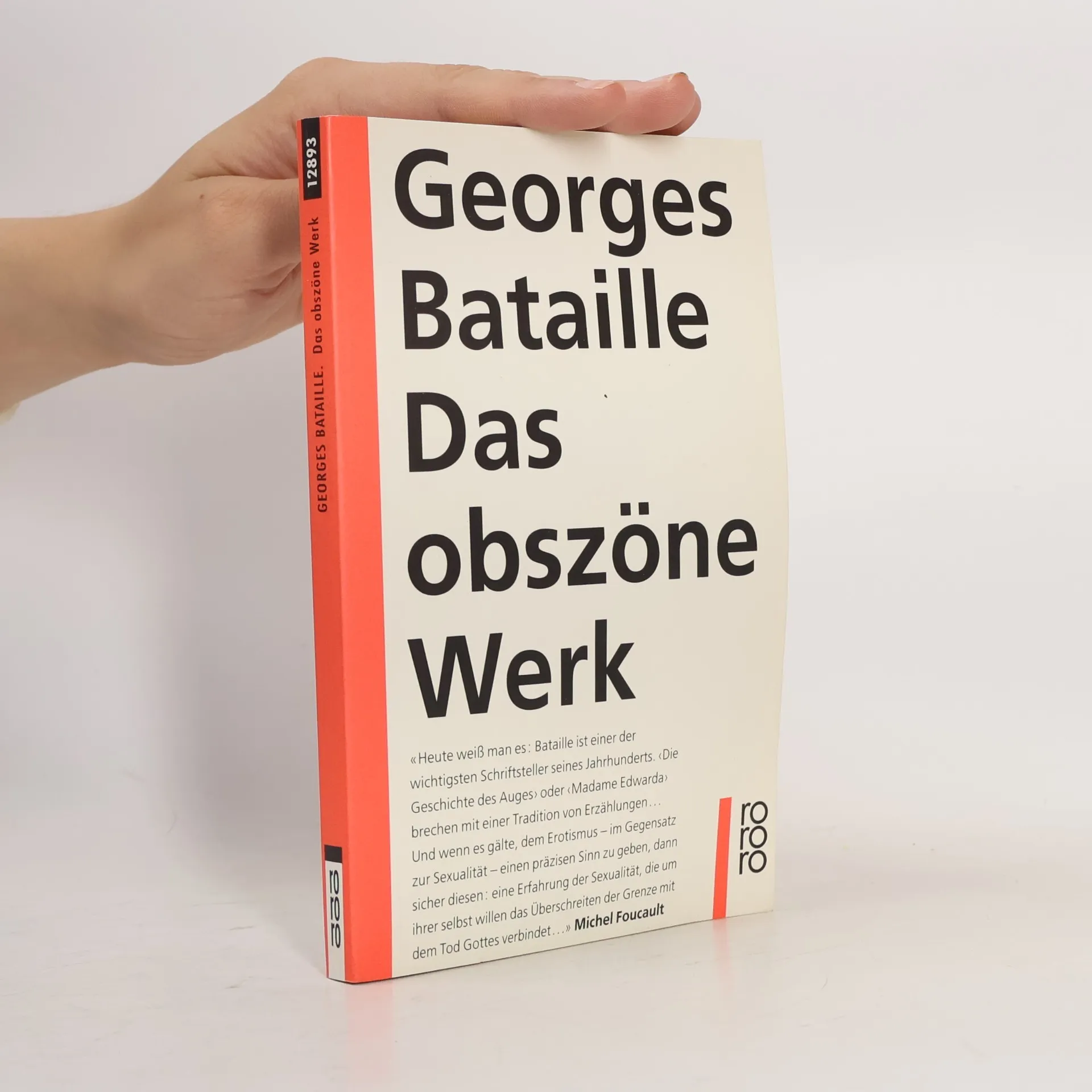
Die unter dem Titel "Das obszöne Werk" (deutsch erstmalig 1972 bei Rowohlt) zusammengefaßten Erzählungen Batailles apostrophierte Susan Sontag als "Kammermusik der pornographischen Literatur". Für die neuere intensive französische Rezeption Batailles - für Roland Barthes, Michel Foucault, Pierre Klosowski oder Philippe Sollers - gehen seine erotischen Schriften bei weitem nicht in diesem Genre auf. Bataille faßt die Wahrheit der Erotik tragisch: im bewußten Gegensatz sowohl zur gesellschaftlichen Verdammung wie zur hygienischen Sterilisierung der Sexualität identifiziert er sie mit dem Schrecken, dem Entsetzen, dem Tod.
«Toute la mise en œuvre de l'érotisme a pour fin d'atteindre l'être au plus intime, là où le cœur manque.»Georges Bataille.
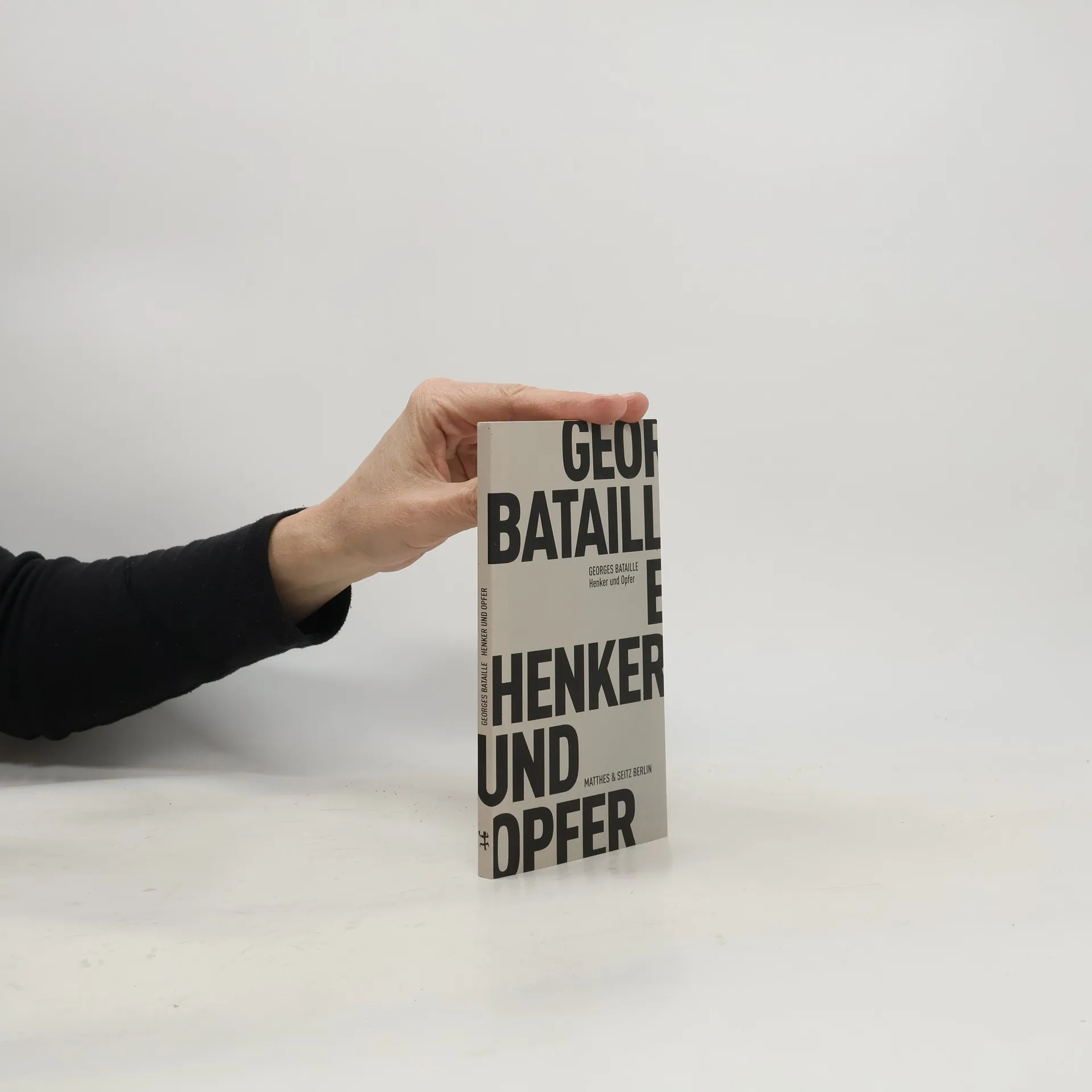
Die hier versammelten Essays kreisen u. a. um die Frage nach der Möglichkeit von Literatur über den Holocaust und um die Nützlichkeit von Literatur überhaupt. »Wir können nicht menschlich sein, ohne in uns die Fähigkeit zum Schmerz, auch die zur Gemeinheit wahrgenommen zu haben. Aber wir sind nicht nur die möglichen Opfer der Henker: Die Henker sind unseresgleichen. Wir müssen uns auch noch fragen: Gibt es nichts in unserem Wesen, das so viel Entsetzliches unmöglich macht? Und wir müssen uns wohl die Antwort geben: tatsächlich, es gibt nichts. Tausend Hindernisse stellen sich in uns dem entgegen … Trotzdem ist dies nicht unmöglich. Wir sind also nicht bloß zum Schmerz, sondern auch zur Raserei des Folterns fähig.«
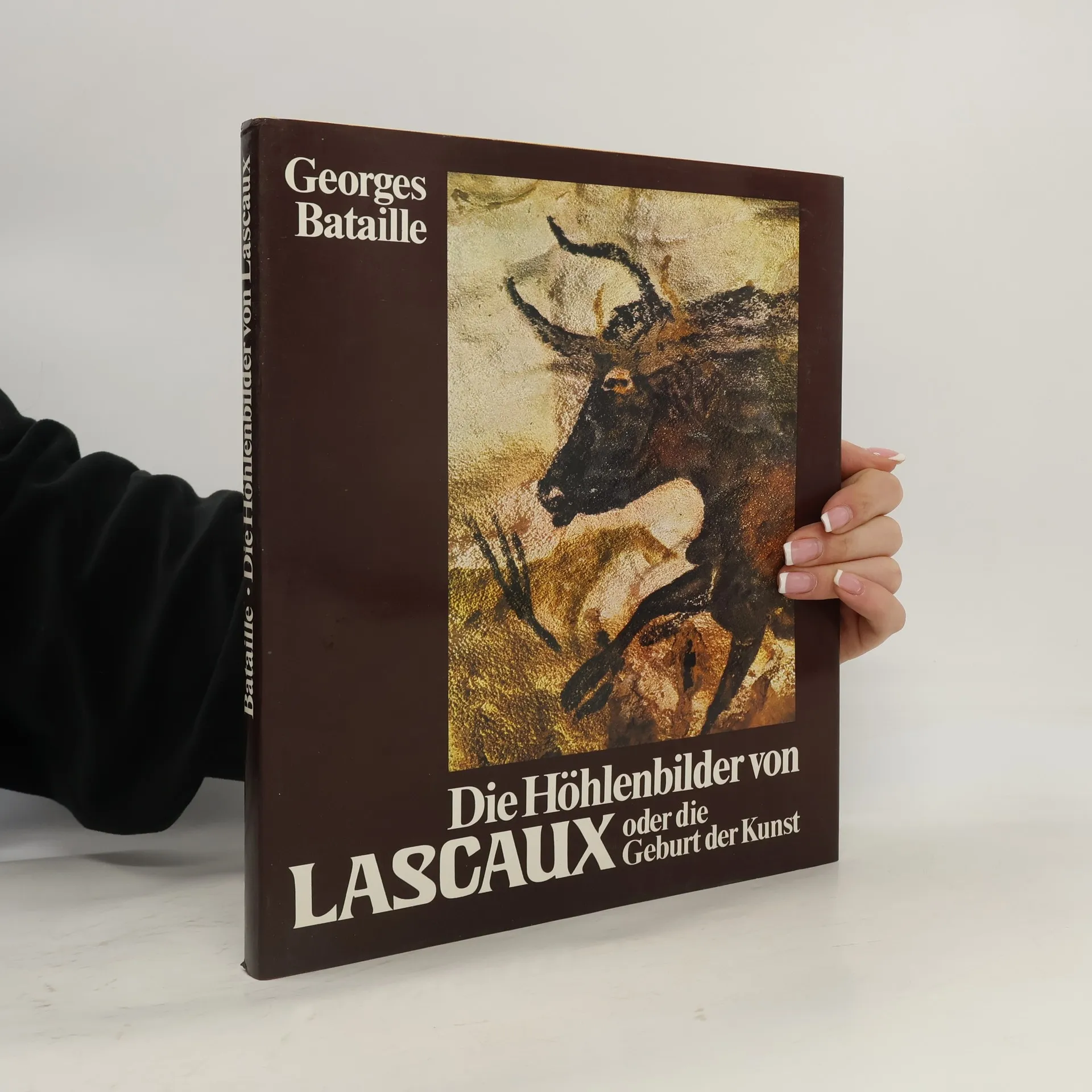
Lascaux
- 151 stránek
- 6 hodin čtení
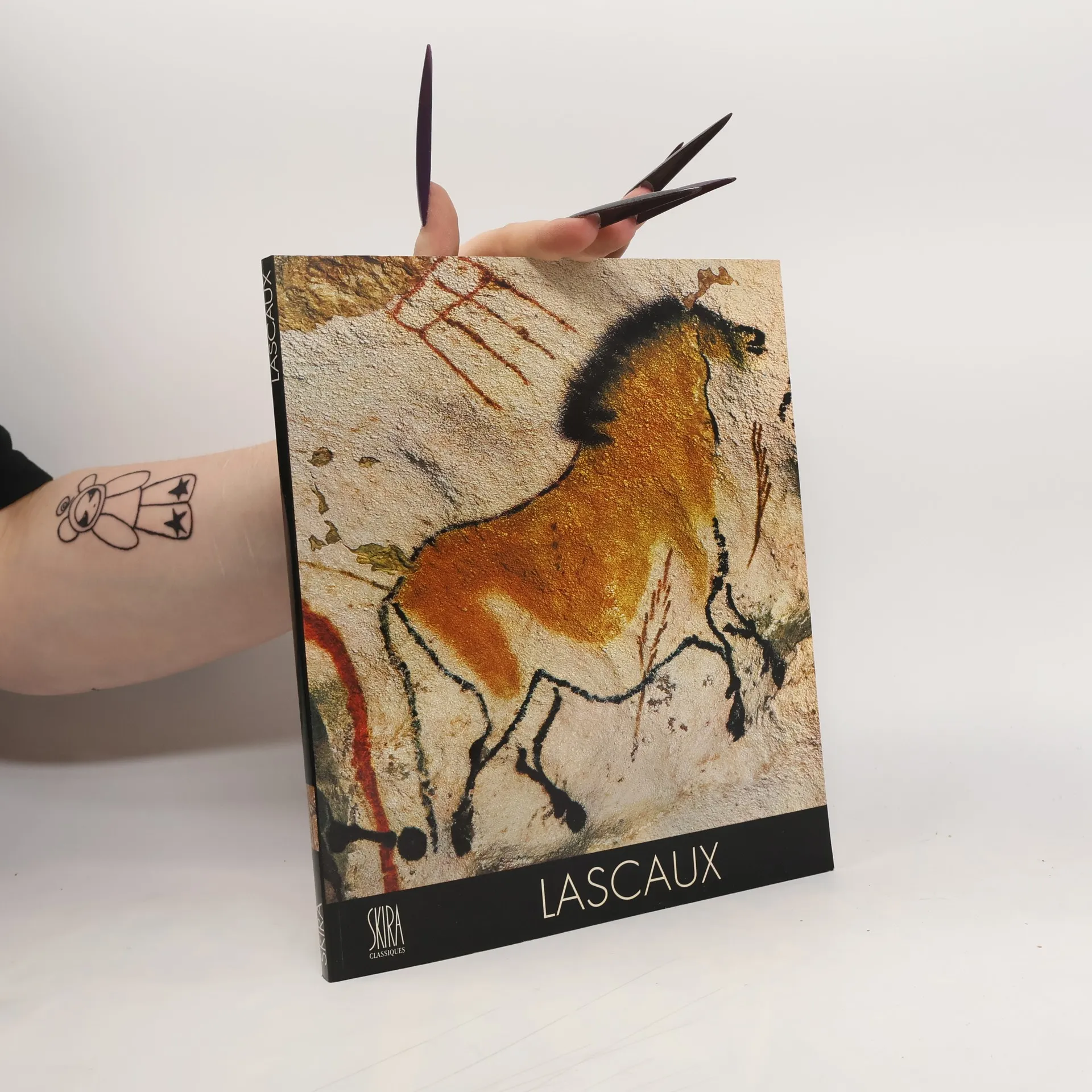
1994 151 S. Softcover/Paperback Editions d'Art Albert Skira SA,
Le Bleu du Ciel
- 184 stránek
- 7 hodin čtení
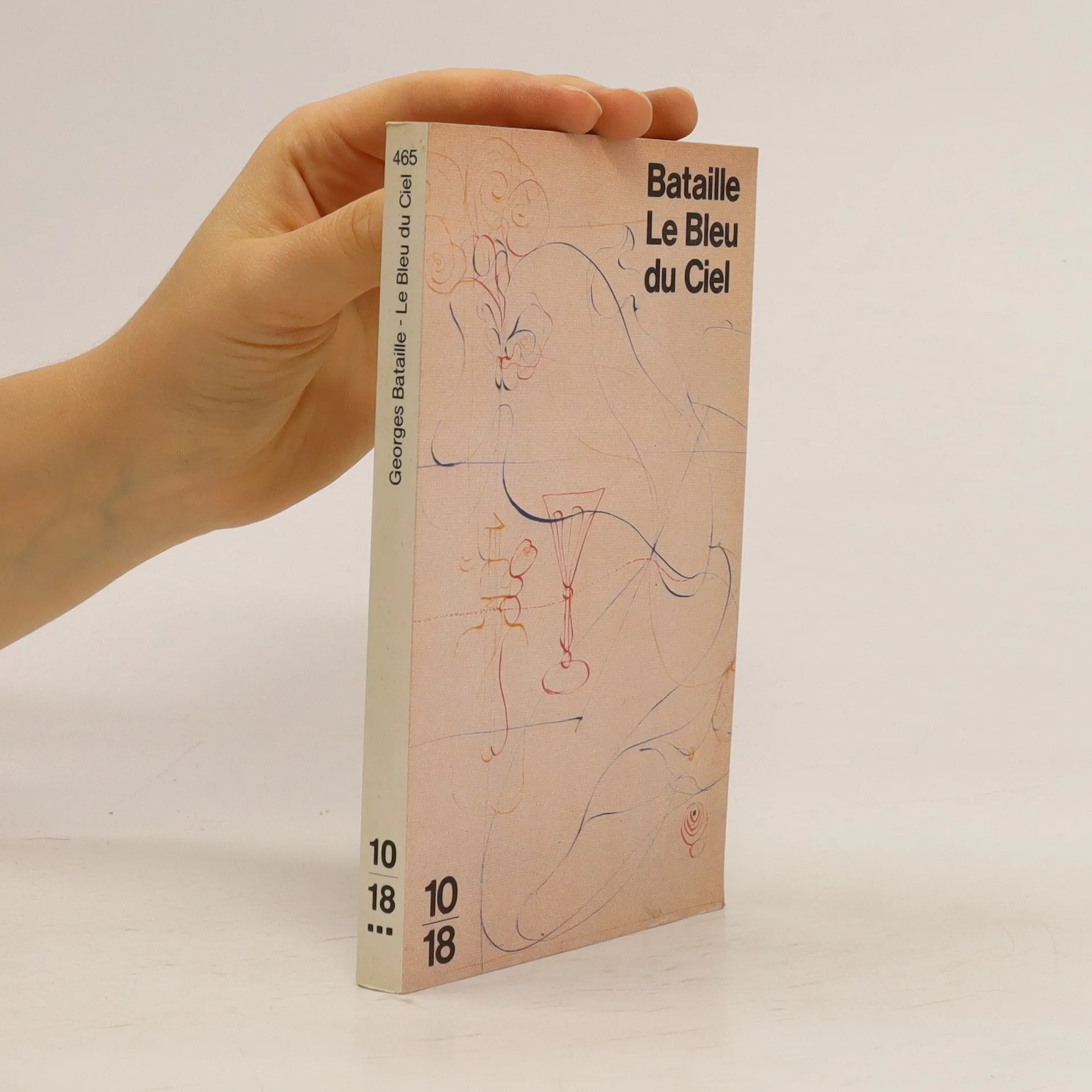
Ici se déroule l'incroyable histoire d'un homme tourmenté qui, alors que le national-socialisme entraîne l'Ancien Monde vers la catastrophe, parcourt l'Europe, de Londres à Trèves, de Paris à Barcelone, de Prüm à Vienne, « presque à bout de souffle à cause de l'alcool, des nuits blanches et des aventures amoureuses. Cette dépense volontaire et systématique est une méthode qui transforme la perte en connaissance et découvre le ciel dans le bas ». Avec ce roman bouleversant, qui n'en est guère un, commence la littérature de notre temps. « Un désir très vif : que les jeunes osent parler de Bataille à notre place, qu'ils osent ce que nous n'avons pas osé. »
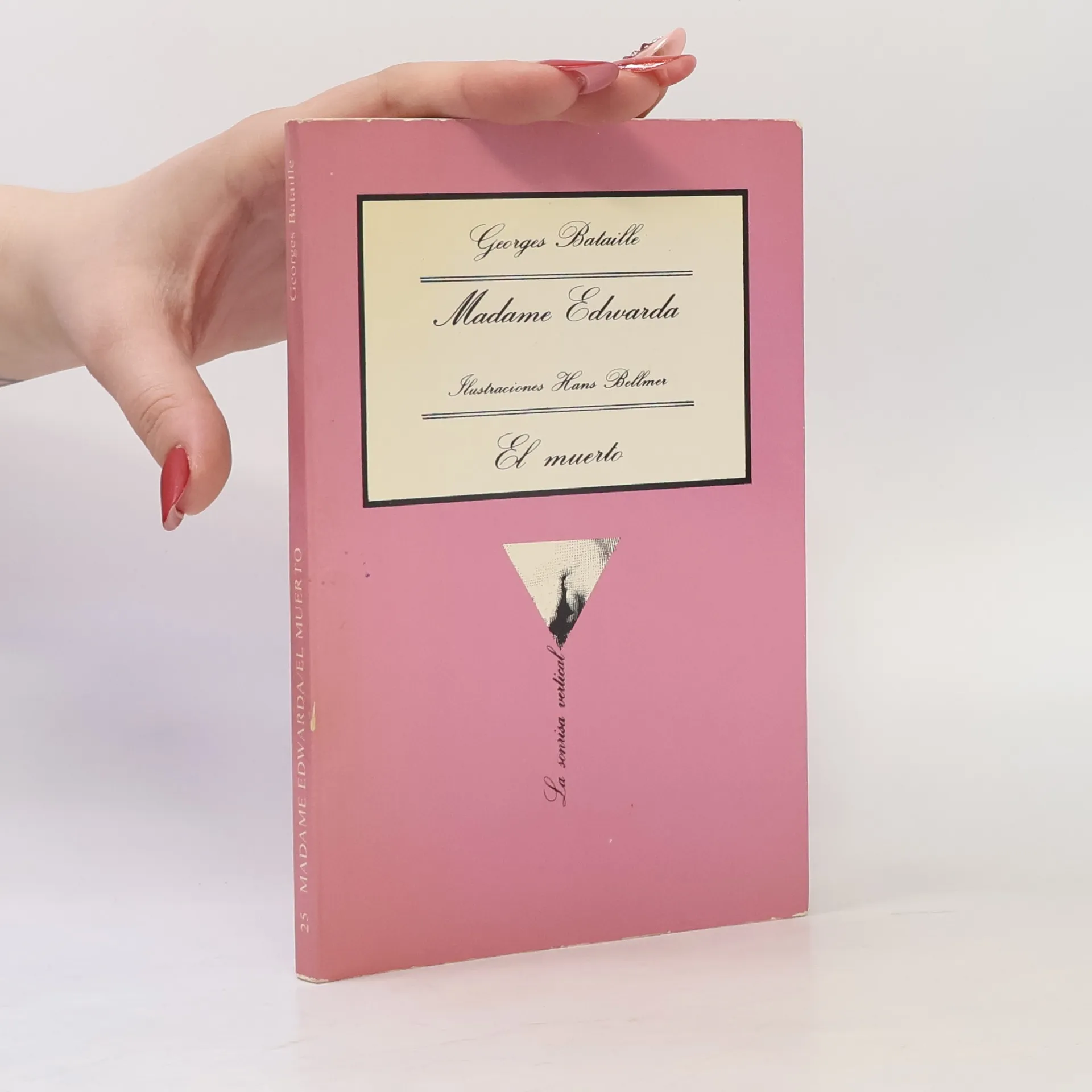
La Sonrisa Vertical - 25: Madame Edwarda seguido de El muerto
- 132 stránek
- 5 hodin čtení
Georges Bataille, bajo el seudónimo de Pierre Angélique, publicó en 1941 y 1945 ediciones clandestinas de Madame Edwarda. En 1956, entregó el texto a su editor, J.-J. Pauvert, para su primera publicación comercial, manteniendo el seudónimo pero añadiendo un prefacio con su nombre real. Diez años después de su muerte, se lanzó la edición definitiva con el nombre del autor. Bataille había planeado un volumen que incluyera Madame Edwarda, Mi madre y otros textos, pero estos fueron publicados por separado. Debido a la brevedad de Madame Edwarda y de El muerto, que no formaba parte del proyecto original, se decidió reunirlos en un solo volumen en la edición española, con la autorización del editor francés. Madame Edwarda representa a la mujer transgresora, que, surgiendo del Mal, se convierte en Dios por su poder sobre su vida, sexo y muerte. El hombre que la sigue, atrapado en un miedo primitivo, encuentra en ella la realización del Deseo. El muerto, publicado póstumamente en 1967, consta de veintiocho breves escenas que relatan las últimas horas de una mujer cuyo amante ha fallecido en sus brazos. Este coito interruptus la lleva a un intenso viaje erótico en busca de su amante en la muerte. Ambos textos son tesoros literarios que encantarán a los amantes de la Literatura y el Erotismo.
Menant une enfance religieuse, Pierre est amené par sa mère à l'age de dix sept ans vers une vie de débauche et de perversion. Partagé entre le plaisir et la honte, il respectera sa mère jusqu'à sa mort
Процесс Жиля де Рэ
- 298 stránek
- 11 hodin čtení
Sternenesser. Verstreute Texte zur Kunst
- 160 stránek
- 6 hodin čtení
L'Histoire de l'érotisme
- 240 stránek
- 9 hodin čtení
Taboo and sacrifice, transgression and language, death and sensuality-Georges Bataille pursues these themes with an original, often startling perspective. He challenges any single discourse on the erotic. The scope of his inquiry ranges from Emily Bronte to Sade, from St. Therese to Claude Levi-Strauss and Dr. Kinsey; and the subjects he covers include prostitution, mythical ecstasy, cruelty, and organized war. Investigating desire prior to and extending beyond the realm of sexuality, he argues that eroticism is "a psychological quest not alien to death.
In seinem wohl wichtigsten Buch, das hier in einer Neuauflage erscheint, versucht Georges Bataille - geschult an Kierkegaard, Nietzsche und Hegel, die christlichen Mystiker dabei immer im Sinn - das Unausdrückbare auszudrücken, bis an die Grenzen der Selbstentblößung zu gehen, um in das Innere des Selbst vorzudringen. In unendlich erhellenden Gedankenblitzen, fragmentarisch und jegliche Systematisierung verweigernd, versucht er eine tiefere Erkenntnis 'erfahrbarer' zu machen, als jede Philosphie es könnte. Dieses unklassifizierbare Buch zwischen Bekenntnis und Reflexion, Poesie und Wissenschaft ist ein exzessives Abenteuer. Ich verstehe unter innerer Erfahrung das, was man gewöhnlich mystische Erfahrung nennt : die Zustände der Ekstase, der Verzückung oder wenigstens einer meditativen Gemütsbewegung. Aber ich denke weniger an die glaubensmäßige Erfahrung, an die man sich bisher halten musste, als an eine entblößte Erfahrung, die selbst ihrer Herkunft nach von Bindungen an einen beliebigen Glauben frei ist.
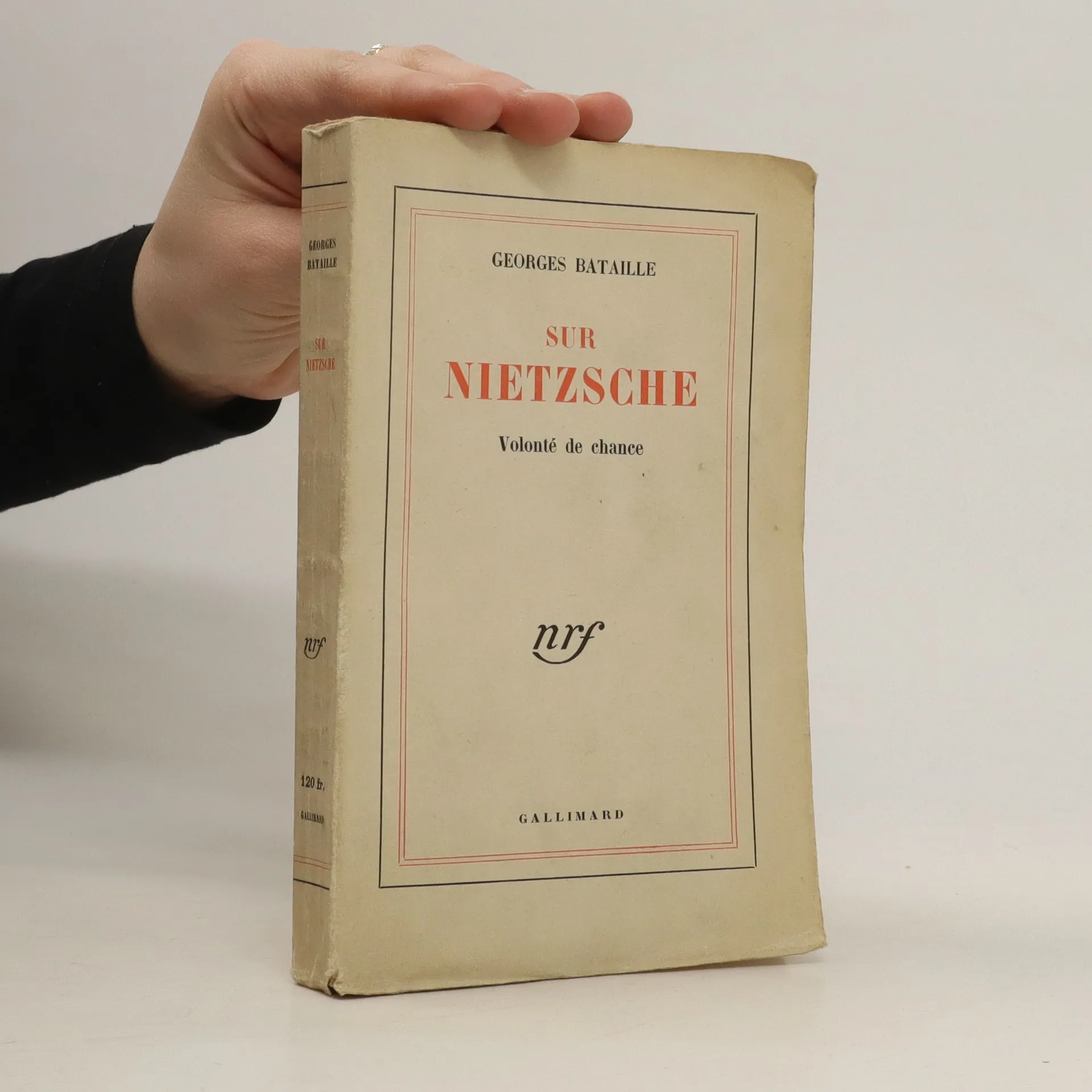
Das Nietzsche-Memorandum Ich bestimme dieses Buch für lange, langsame Meditationen. Die übliche Lektüre ist eher ein Mittel, die Konsequenzen zu vertagen, zu vermeiden. „Wer den Leser kennt“, sagte Nietzsche, „der tuth Nichts mehr für den Leser.“ Ich habe diese Texte für den gesammelt, der DIE KONSEQUENZEN ZU ZIEHEN SUCHT. (...) Ich denke, dass kein Buch es mehr verdient hat, meditiert zu werden- meditiert, endlos durchgekäut. Keine Meditation, die konsequenzreicher ist.
Charlotte d'Ingerville
- 80 stránek
- 3 hodiny čtení
Nietzsche aus Frankreich
- 251 stránek
- 9 hodin čtení
Die hier vereinten Texte der führenden Köpfe des französischen Poststrukturalismus machen mit einer bis heute ungewohnten Herangehensweise an das schwer zu fassende OEuvre Friedrich Nietzsches bekannt. Die Autoren dieser Sammlung stellen insgesamt die Legitimität in Frage, Nietzsches Werk nach der Logik des Gegensatzes von Metaphysik und Nicht-Metaphysik, Aufklärung und Gegenaufklärung, Philosophie und Literatur zu bestimmen. Das Buch lässt eine Diskussion des »guten« oder »bösen« Nietzsche hinter sich, stattdessen führen die hier versammelten Lektüren Denkbewegungen vor, die zeigen, wie fruchtbar Nietzsches Schriften für ein Denken der Vielfalt und Differenz zu machen ist und welche Impulse auch heute noch von seinen Schriften ausgehen. Hamachers Sammlung will Nietzsche aus ideologisierenden Festschreibungen lösen und dazu beitragen, Nietzsche erneut zu lesen.
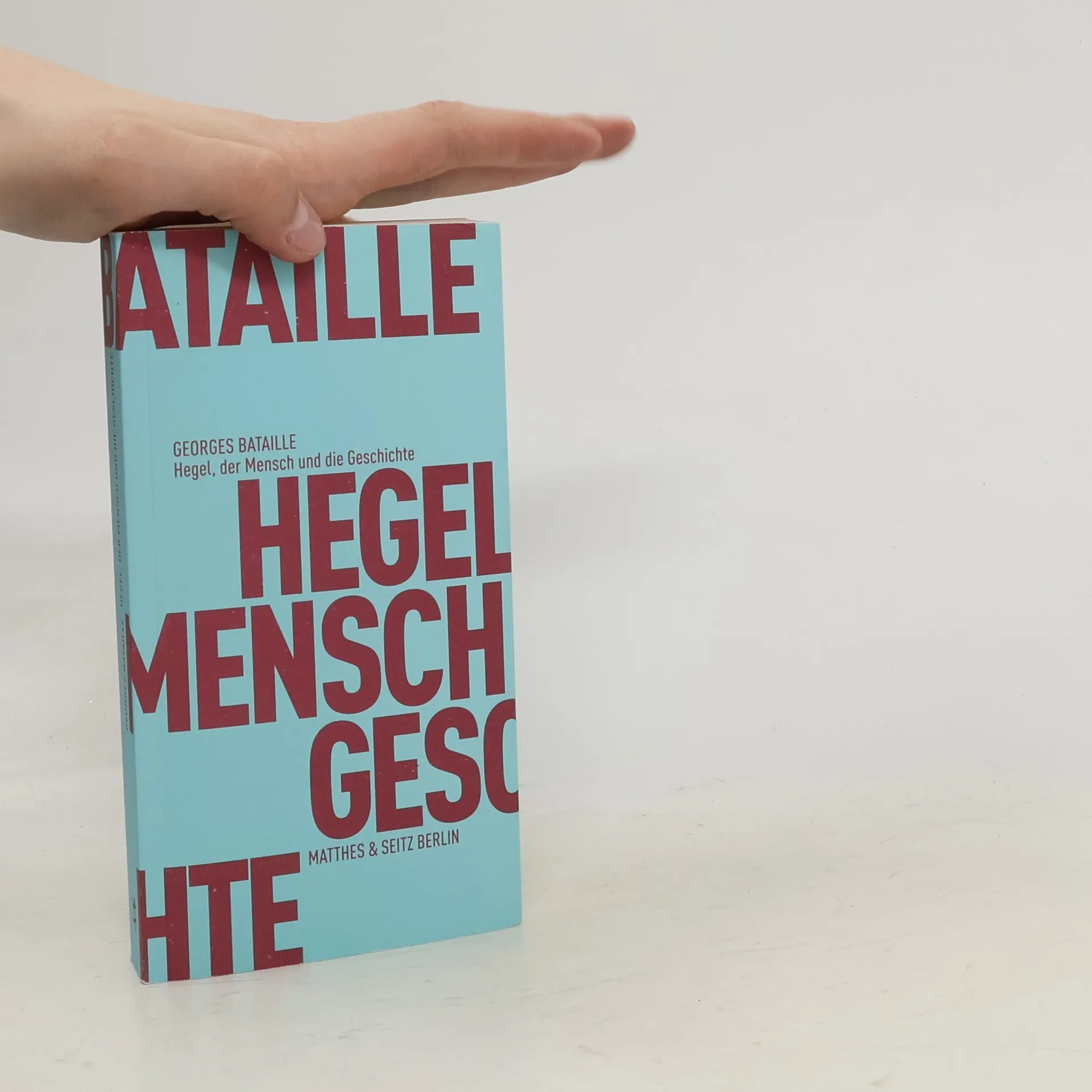
Georges Batailles hier erstmals auf Deutsch vorliegende Essays zu Hegel sind nur der sichtbare Teil einer lebenslangen, oft unterschwelligen Beschäftigung mit dessen Philosophie. Es sind Bruchstücke eines ununterbrochenen Dialogs, denn Hegel war einer von Batailles ständigen philosophischen Wegbegleitern, ohne den sich sein Denken nur bedingt verstehen lässt. Noch ein Jahr vor seinem Tod schreibt er an Alexandre Kojève, dass er etwas der Introduction à la lecture de Hegel Vergleichbares schaffen möchte, »aber das müsste unendlich willkürlicher sein und hauptsächlich auf dem Bestreben beruhen, das zu interpretieren, was Hegel nicht gewusst oder unbeachtet gelassen hat (so die Vorgeschichte, die Gegenwart, die Zukunft etc.).«
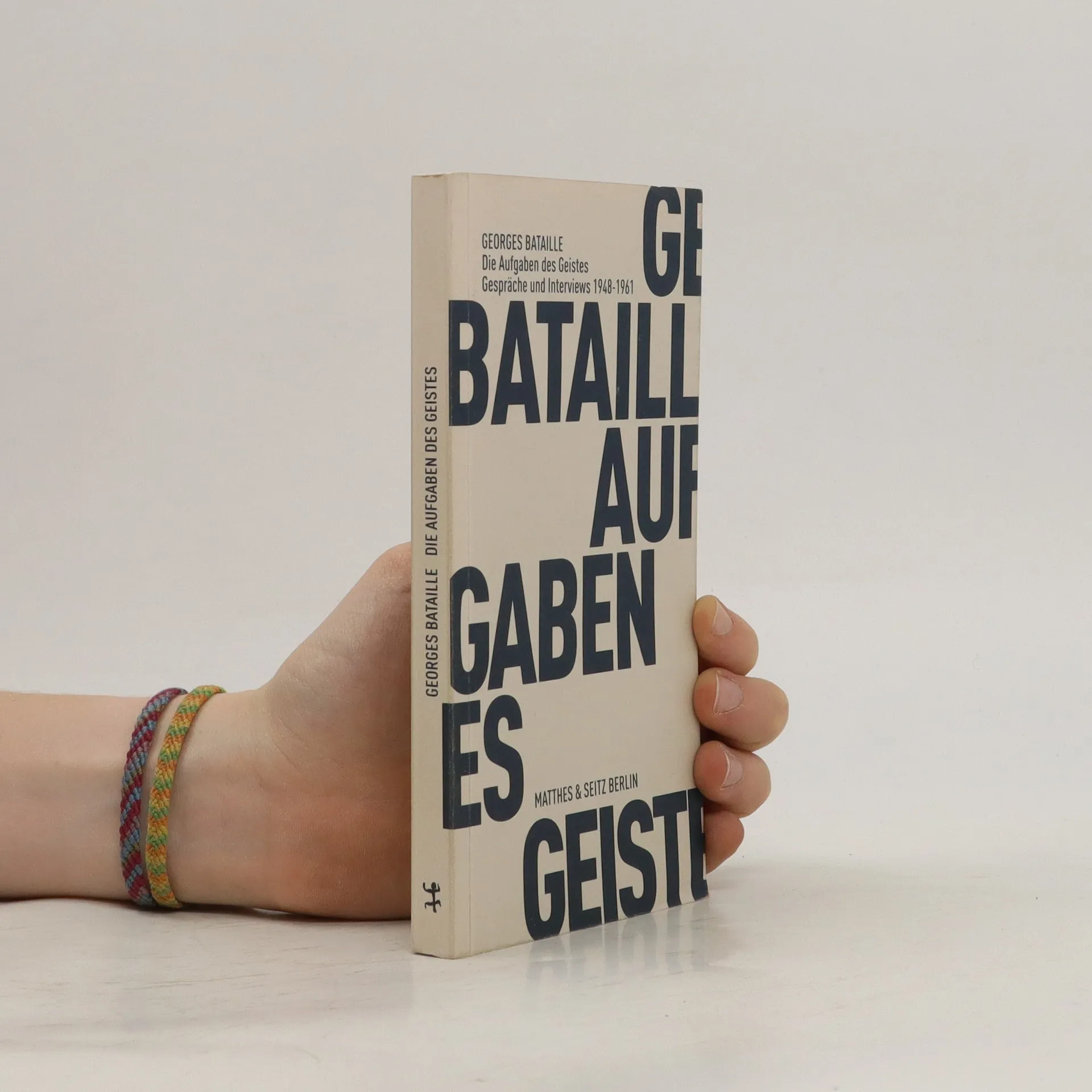
Dieser Band versammelt alle Gespräche und Interviews mit Georges Bataille, die nun erstmals auf Deutsch zu lesen sind. Sie vermitteln Batailles wesentliche Fragestellungen und Positionen in einer ungekannten und faszinierenden dialogischen Direktheit und ergänzen darüber hinaus unser Bild Batailles um eine andere, unbekannte Seite.
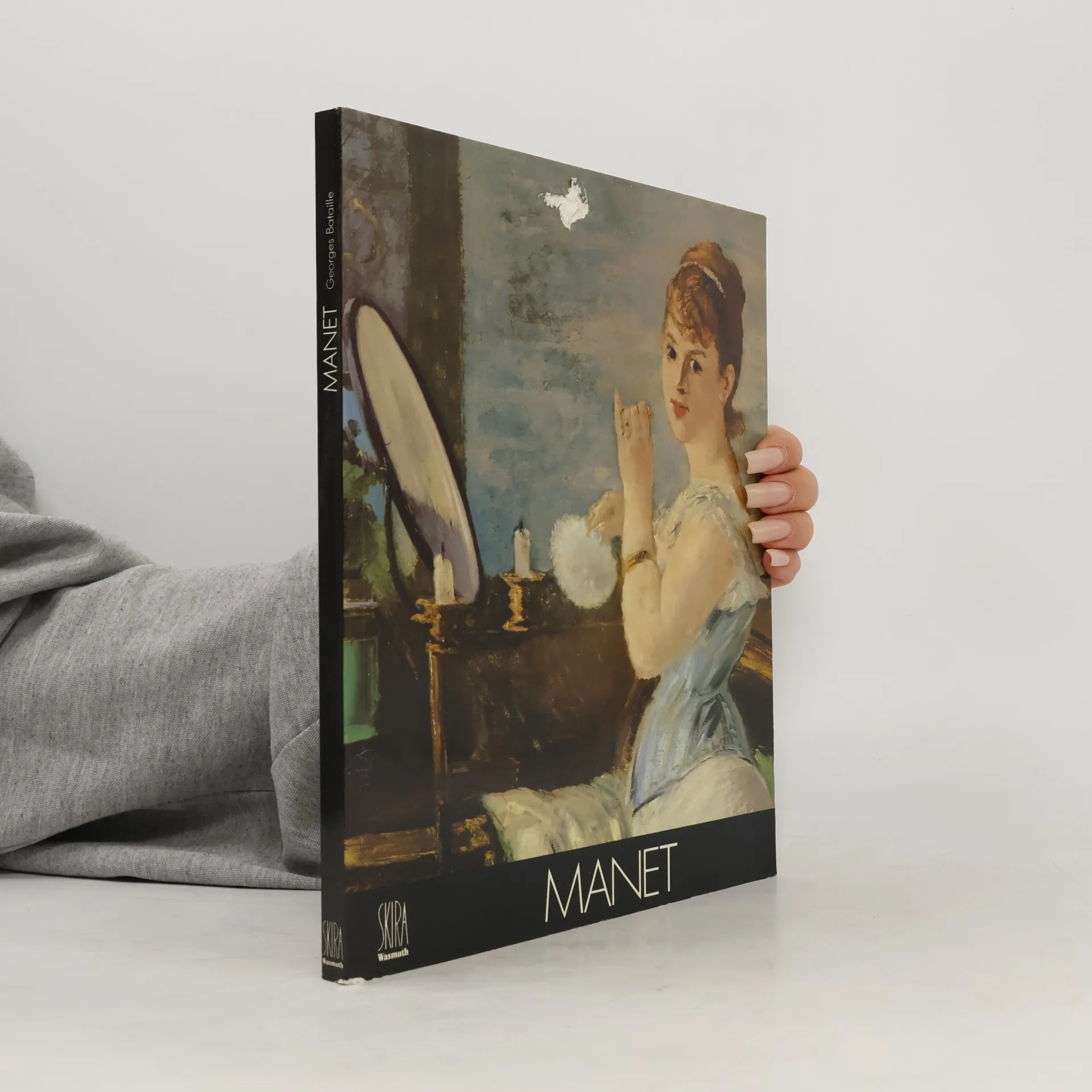
Manet
- 139 stránek
- 5 hodin čtení
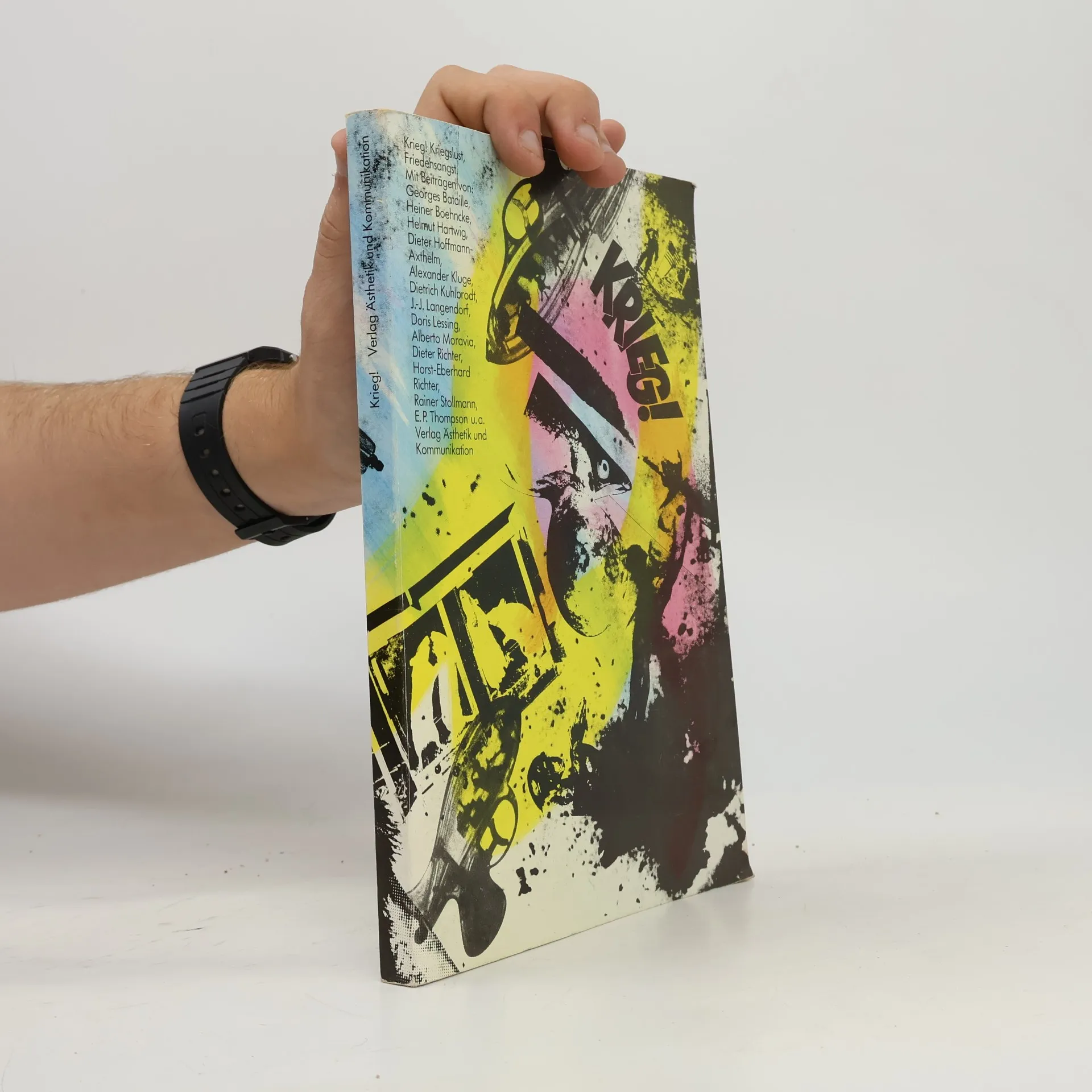
Krieg - Friedensangst, Kriegslust
- 191 stránek
- 7 hodin čtení
Libro usado en buenas condiciones, por su antiguedad podria contener señales normales de uso
Ullstein Materialien: Der heilige Eros
L'Érotisme: mit einem Entwurf zu einem Schlußkapitel
- 278 stránek
- 10 hodin čtení
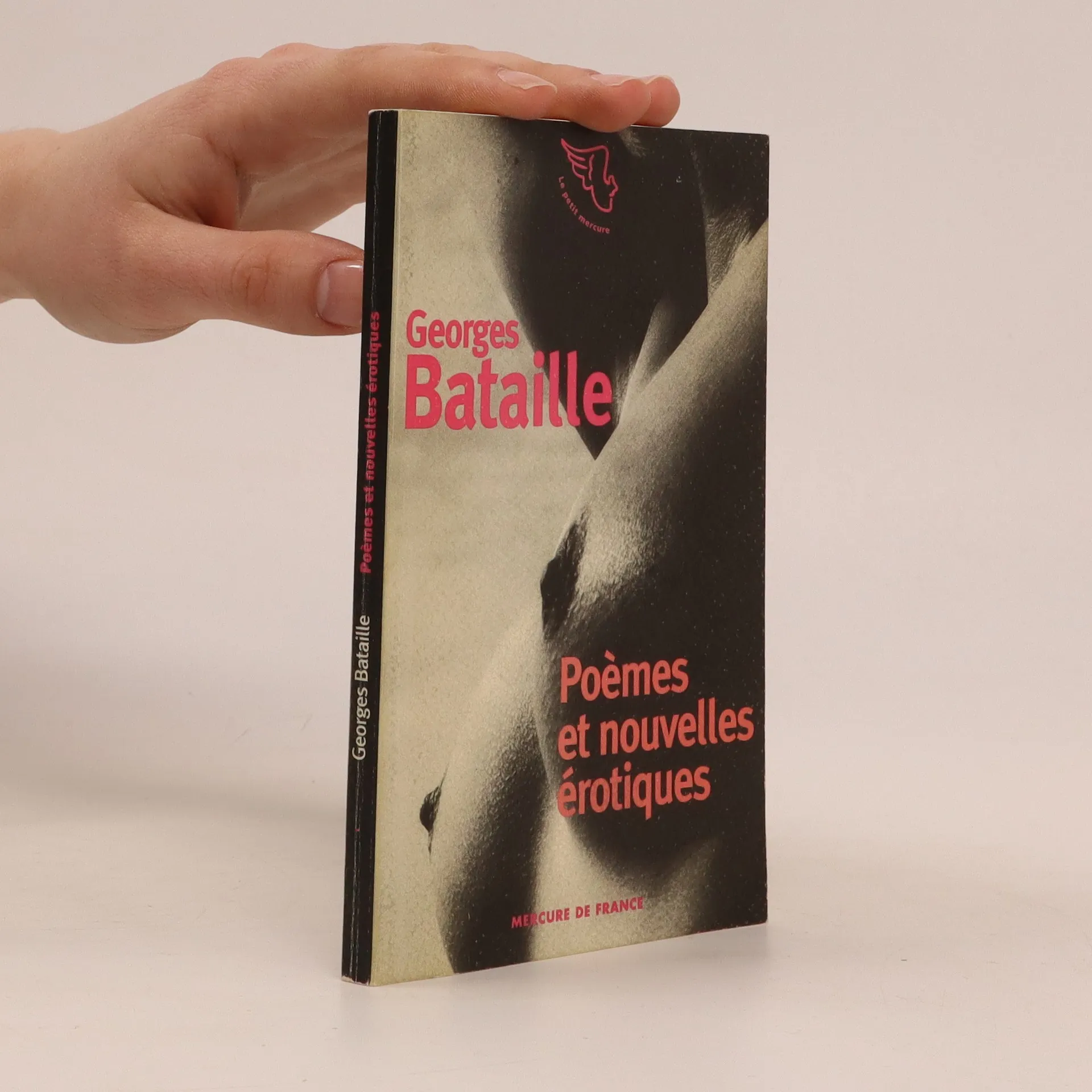
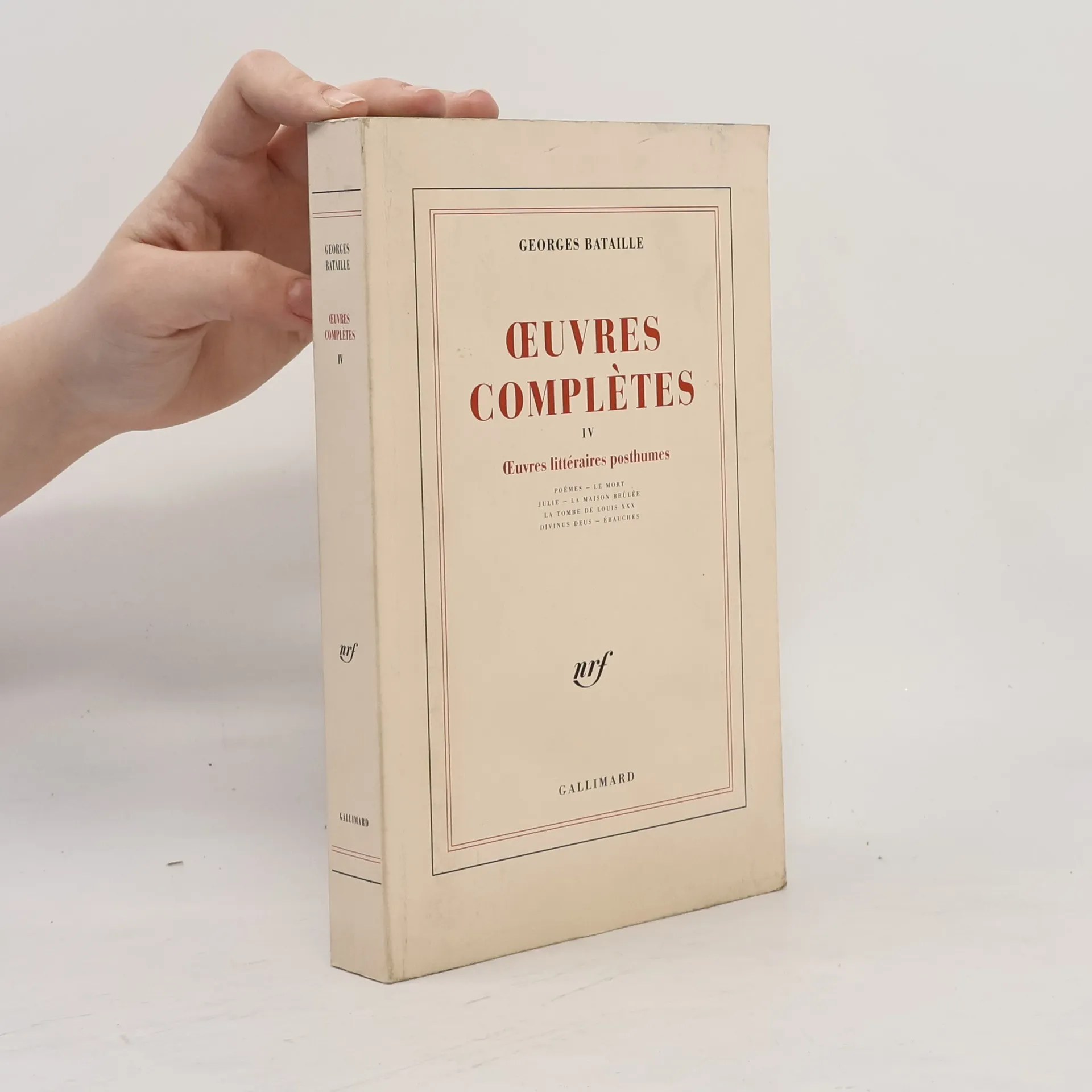
La 4ème de couv. indique :"Les manuscrits qu'ordonne ici une chronologie approximative (1942-1957) furent retrouvés après sa mort dans les dossiers de l'auteur. Il n'avait pu les publier ni même, pour la plupart, les achever: découragement, maladie, censure, contretemps... sont des raisons qu'on peut avancer: restent ces reliefs. Les Poèmes rassemblent, à côté de strophes éliminées de l'œuvre éditée, des vers érotiques, d'une crudité de boucherie: Le Mort, scandaleux " chemin de croix ", décrit le calvaire d'une femme que la mort de son amant précipite dans une nuit d'orageuse débauche: La Tombe de Louis XXX, dont le titre et la composition renvoient au Petit, s'inscrit sur le moule lubrique, parmi les récits de " l'expérience ". Outre ces textes, dont il projeta la publication. Bataille avait conservé plusieurs brouillons abandonnés. Ainsi, Julie, ébauche d'un roman qui devait peut-être annexer Le Mort, un scénario de film. Ma Maison brûlée, et surtout Divinus Deux où, faisant suite à Madame Edouarda, Ma Mère et Charlotte d'Ingerville composent une sorte d'autobiographie de Pierre Angélique (pseudonyme utilisé pour Madame Edouarda). Divinus Deus se complète d'un récit inachevé. Sainte, qui apparaît comme une première version de Charlotte d'Ingerville et l'exquise d'une postface. Paradoxe sur l'érotisme. Enfin les ébauches regroupent quantité de fragments, plans ou débuts de romans de nouvelles pièces de théâtre."
Georges Batailles Diskussion über die Sünde gehört zu den eigentümlichsten Dokumenten des intellektuellen Lebens im besetzten Paris: Im März 1944 diskutieren Bataille, der Jesuit Jean Daniélou, Jean‑Paul Sartre und andere prominente Stimmen über Sünde, Schuld und das Verhältnis von Gut, Böse und Kommunikation – mitten im Krieg, jenseits jeder unmittelbaren »Résistance«-Agenda. Das Buch präsentiert Batailles Eröffnungsvortrag »Der Gipfel und der Niedergang«, Daniélous Erwiderung sowie die anschließende Debatte und macht die spannungsreiche Konstellation von Mystik, Existenzialismus und katholischer Theologie erstmals in dieser Geschlossenheit zugänglich. In seiner Einleitung rekonstruiert Michel Surya die biografischen und intellektuellen Hintergründe – von Batailles Nähe zu Laure und Marcel Moré über Nietzsche, Dostojewski und Schestow bis zu den Versuchen, das Christentum im Angesicht von Gottes Tod und moderner Erfahrung neu zu denken. So entsteht ein vielschichtiges Panorama einer Debatte, in der Sünde als privilegierter Zugang zum Sakralen erscheint und radikal die Frage nach einer »Gipfelmoral« jenseits bloßer Lebensregeln gestellt wird.
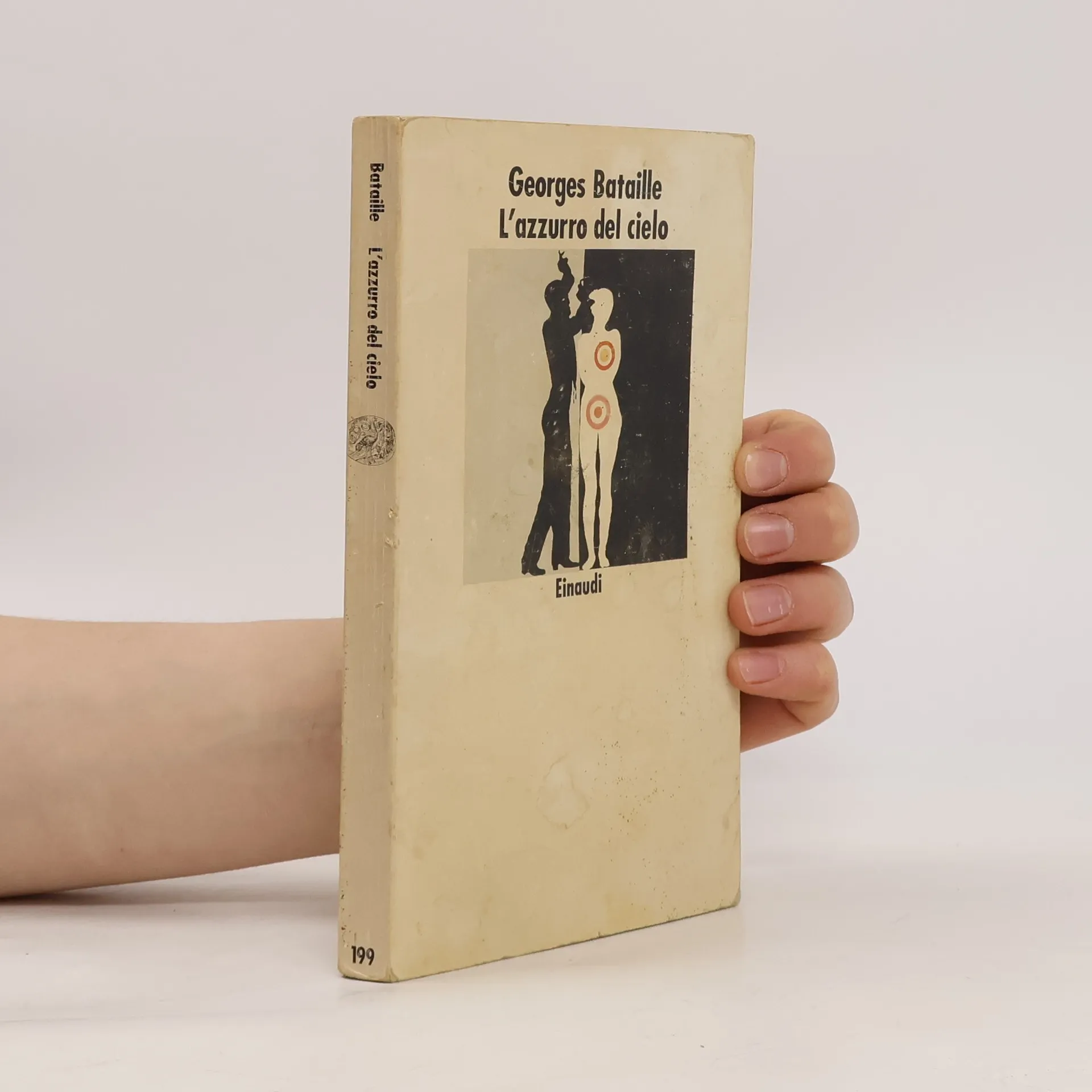
Nuovi Coralli - 199: L'azzurro del cielo
- 171 stránek
- 6 hodin čtení
Kritisches Wörterbuch. 'Documents'
- 148 stránek
- 6 hodin čtení
1929 gründete Georges Bataille die Zeitschrift 'Documents', die ein Experimentierfeld für künstlerische und wissenschaftliche Avantgarde war. Das "Kritische Wörterbuch" darin umfasst vielfältige Lemmata und betont, dass ein Wörterbuch den Fokus auf die Verrichtung der Wörter legen sollte, nicht nur auf ihren Sinn.