

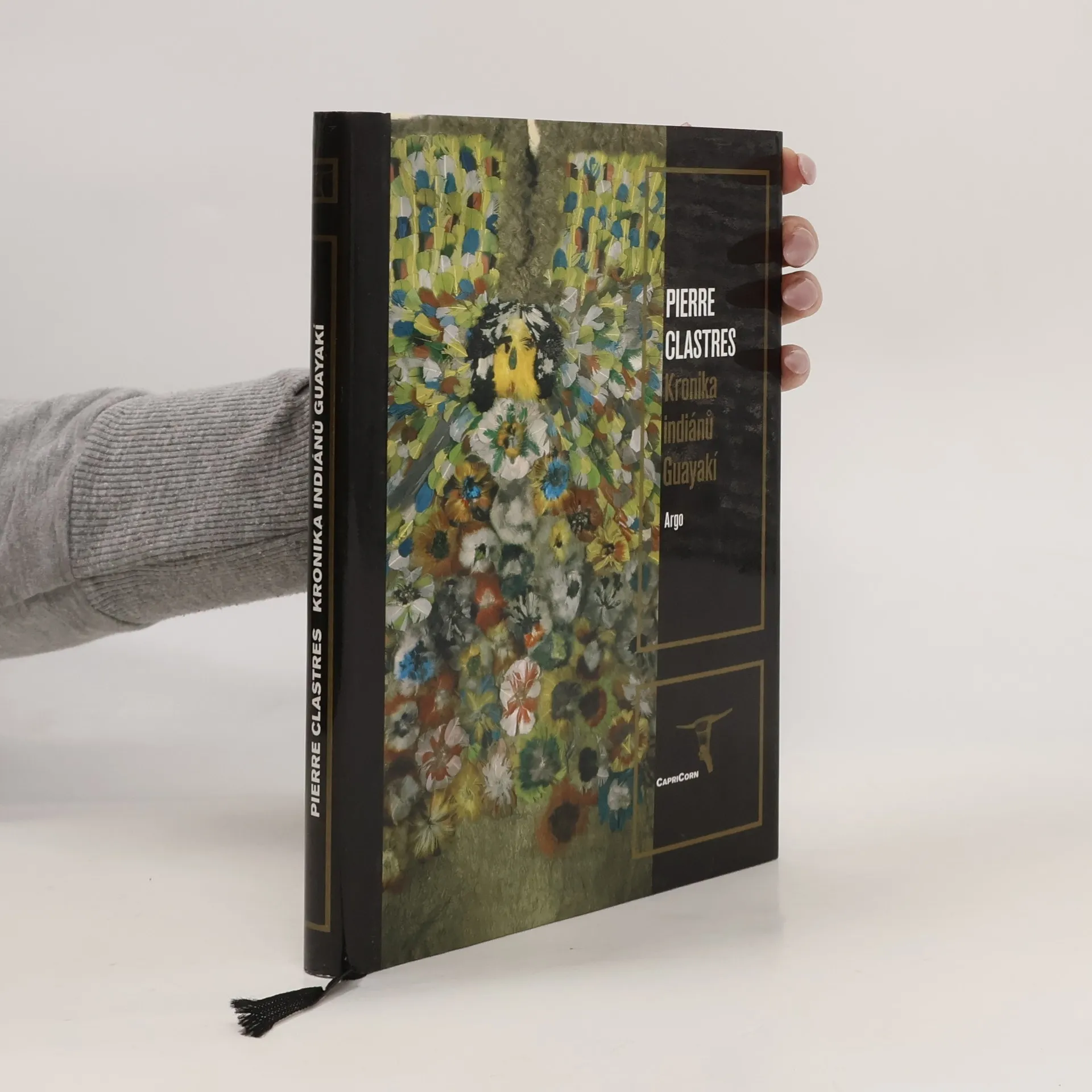
Duchovní svět indiánských kočovníků očima francouzského etnologa. Autor, přední znalec araguayských kultur, strávil rok na východě země mezi příslušníky kmene Guayaquí a o svém pobytu napsal mimořádně výstižnou knihu. Všímá si v ní všech aspektů života zmíněného společenství, od narození dítěte až po projevy kanibalismu. Hluboký psychologický vhled se prolíná s líčením materiálních podmínek života kmene.Perokresby v textu.
Pierre Clastres Knihy
17. květen 1934 – 29. červenec 1977
Pierre Clastres byl francouzský antropolog a etnograf, který se proslavil svým terénním výzkumem mezi indiány Guayaki v Paraguayi a svou teorií o bezstátních společnostech. Ve svém nejznámějším díle kritizuje evoluční představu, že stát je konečným cílem všech společností, i rousseauovský mýtus o vznešeném divochovi. Tvrdil, že touha po svobodě je v lidské přirozenosti, a proto se společnosti organizují pomocí zvyků, které aktivně brání vzniku despotské moci. Stát vnímá jako specifickou hierarchickou mocenskou strukturu, která se objevuje ve společnostech, jež ztratily mechanismy bránící oddělení moci od společnosti. Jeho teorie tak představuje kritiku marxistického ekonomického determinismu, neboť Clastres považoval politiku za autonomní sféru, která v bezstátních společnostech aktivně brání vzniku autority.


Archäologie der Gewalt
- 125 stránek
- 5 hodin čtení
Der Anthropologe und Ethnologie Pierre Clastres widmete sich zeit seines Lebens der Genealogie der Gewalt in primitiven Gesellschaften. In einer Reihe bahnbrechender, bislang nicht ins Deutsche übersetzter Essays entwickelt er die These, dass Stammesgesellschaften Gewalt systematisch praktizieren, gerade um zu verhindern, dass in ihrem Inneren das »kalte Monster« des Staates sich erhebt. Weder ist der Krieg hervorgegangen aus der Jagd (Leroi-Gourhan) noch ist er die Folge einer missglückten Handelsbeziehung (Lévi-Strauss). Nein: »Die primitive Gesellschaft ist eine Gesellschaft im permanenten Kriegszustand«, nur durch einen dauernden Schwebezustand der Feindschaft lässt sich jedwede politische Fusion verhindern und sich die Autonomie jeder (Klein-)Gruppe garantieren. Denkt man diese staatenlose Gesellschaft als »eine Vielzahl von Gruppen, von denen jede jeder anderen gleichgestellt ist, wobei jede einzelne, einer Logik der Fliehkraft folgend, nach einer Ausdehnung ihres Wirkungskreises strebt«, dann muss man den Krieg als das Mittel begreifen, welches das Fortbestehen dieser Logik garantiert, indem er unablässig Verstreuung und Zerstückelung generiert. »Nicht der Krieg ist Effekt von Segmentierung, die Segmentierung ist der Effekt des Krieges.« Im Kontext nicht endender Kriege bietet das Denken Pierre Clastres heute noch immer einen äußerst fruchtbaren Ansatz zum Verständnis der Ursachen und Motive von Gewalt.
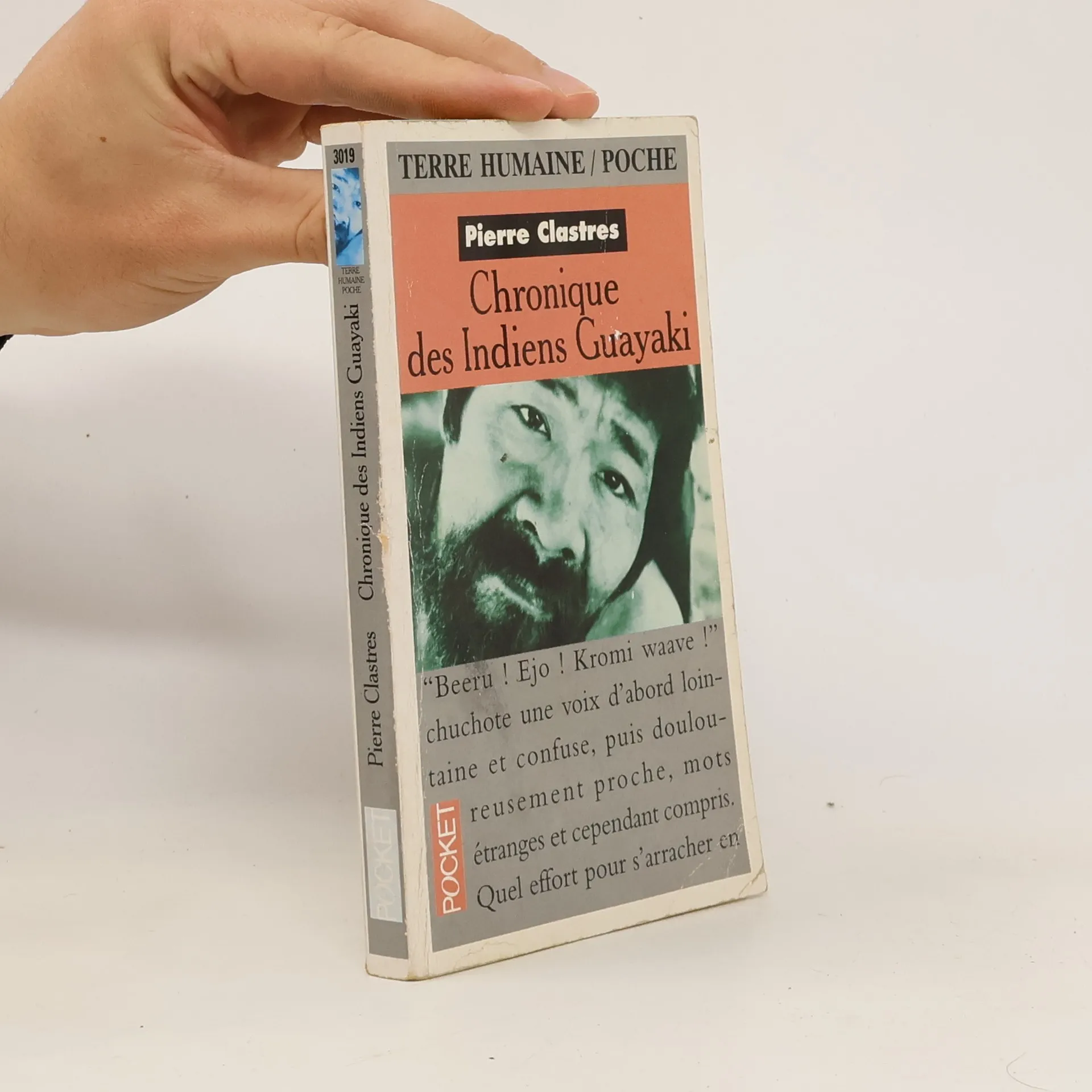
Chronique des Indiens Guayaki
- 286 stránek
- 11 hodin čtení
On les appelle Guayaki, « Rats féroces ». Eux-mêmes se dénomment Aché, « les Personnes ». Silencieux et invisibles, ces nomades parcourent la forêt tropicale à l'est du Paraguay. C'est ce qui leur a permis d'échapper si longtemps au sort de leurs voisins sédentaires : esclavage, mort, disparition. L'auteur a vécu un an dans leur intimité... Les incidents et anecdotes cocasses ou tragiques tracent peu à peu le portrait de ces Guayaki, paillards quand ils peuvent, graves lorsqu'il le faut : fêtes du miel, de l'amour, conflit au sein des bandes, meurtres, sacrifices, anthropophagie (ils se libèrent de leurs défunts en les mangeant). À la douceur succède la cruauté. Cette culture disparue repose sur la fidélité des Indiens à leurs anciens rites, et, au-delà, aux mythes de leur origine et de leur destin, qui suscitent en nous d'étranges échos. Ce livre est une chronique qui n'esquive aucun des problèmes que pose à l'ethnologie cette population indienne. De l'écologie très particulière d'une société de chasseurs à la logique la plus secrète de leur pensée, c'est le tout d'un univers culturel inconnu qui se révèle ici, sous le regard d'un des grands ethnologues français.
Staatsfeinde
Studien zur politischen Anthropologie