

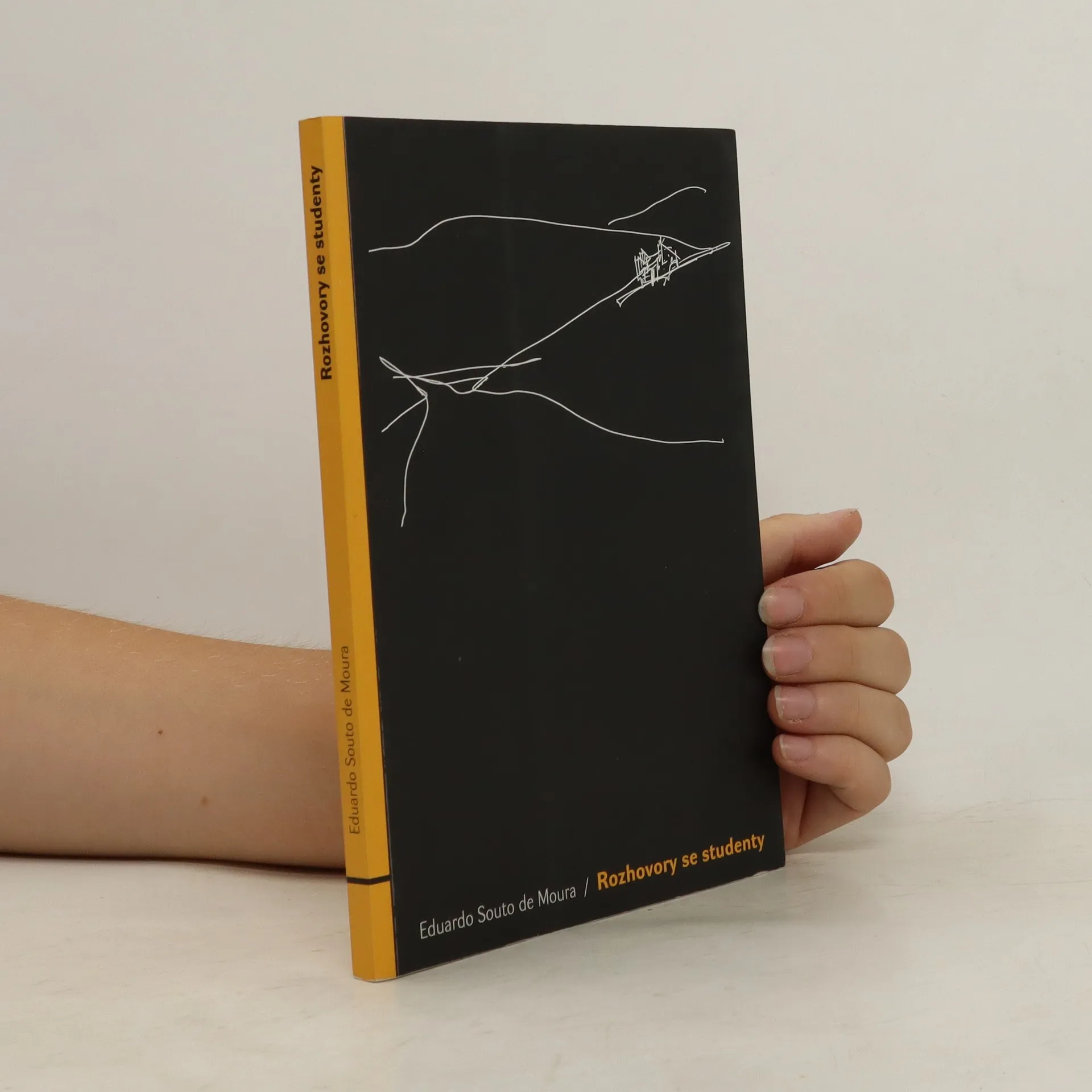
Kniha sestává z přednášky a rozhovorů, jež Eduardo Souto de Moura vedl se studenty architektury z Polytechnické univerzity v Miláně. Tento portugalský architekt se v neobyčejně didaktické atmosféře vyjadřuje k důležitým tématům, jež se týkají současné profesní praxe, jako je vztah díla ke kontextu či diachronický způsob interpretace místa, kdy se místo abstrahuje rituálně pečlivou prací s kontextem. Dalším z probíraných témat je rekuperace lokální stavební tradice, k níž dochází díky některým detailům, domácím rituálům či použití materiálů z daného místa, které se později formalizují jako variace tónů, jež přerušují vyváženost abstraktních formálních her.
Eduardo Souto de Moura Knihy
25. červenec 1952

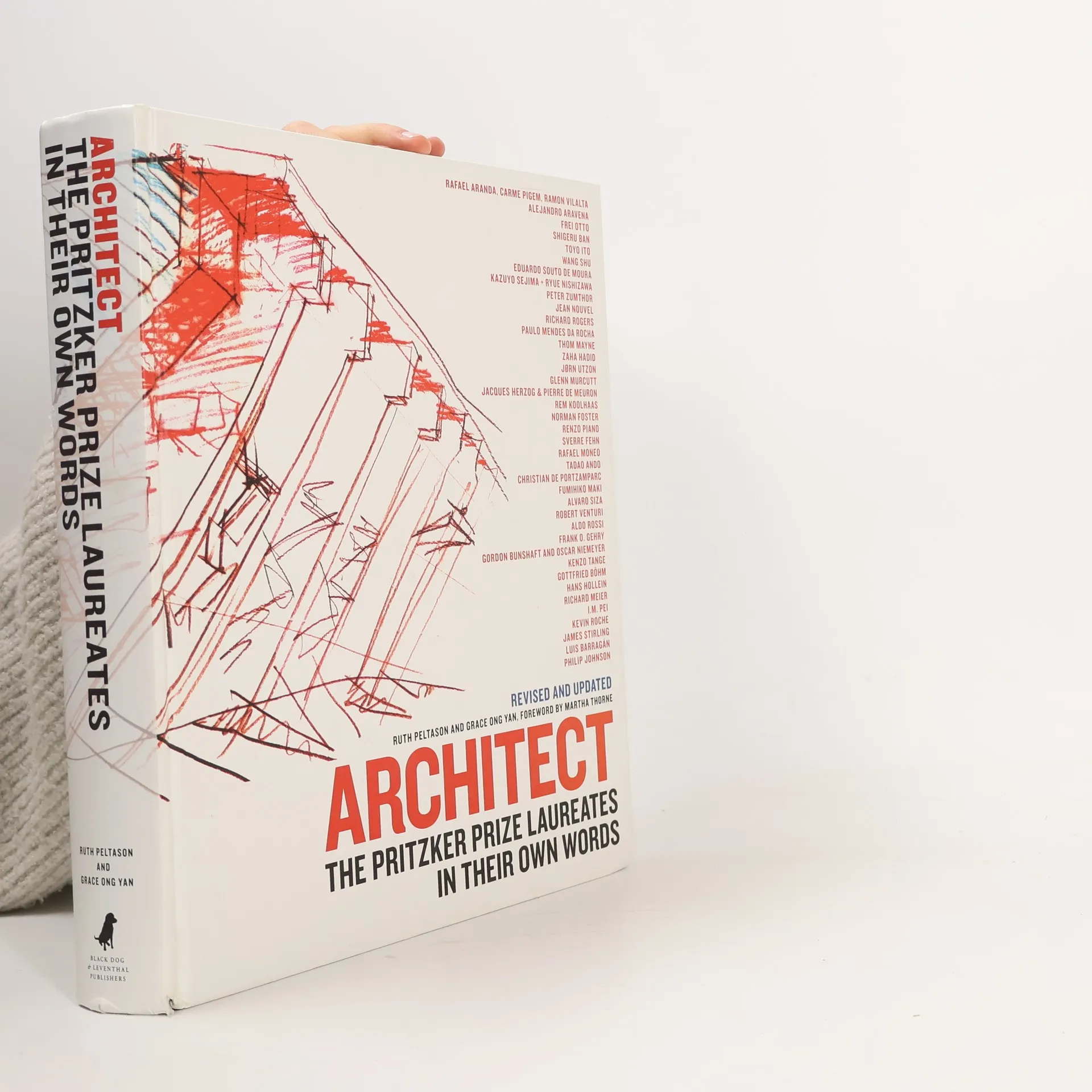
Architect
The Pritzker Prize Laureates in Their Own Words - Revised and Updated
- 464 stránek
- 17 hodin čtení
In this completely revised and up-to-date edition, the world's most accomplished architects -- Gehry, Pei, Meier, Nouvel, Piano, and 37 more-express their views on creativity, inspiration, and legacy in this visually stunning, one-of-a-kind collection. The Pritzker Prize is the most prestigious international prize for architecture. Architect includes all 42 recipients of the Pritzker Prize, and captures in pictures and their own words their awe-inspiring achievements. Organized in reverse chronological order by laureate each chapter features four to six of the architect's major works, including museums, libraries, hotels, places of worship, and more. The text, culled from notebooks, interviews, articles, and speeches illuminates the architects' influences and inspirations, personal philosophy, and aspirations for his own work and the future of architecture. The book includes More than 1000 stunning photographs, blueprints, sketches, and CAD drawings. Architect offers an unprecedented view into the minds of some of the most creative thinkers, dreamers, and builders of the last three decades and reveals that buildings are political, emotional, and spiritual.
Vatican Chapels. Ediz. inglese
- 372 stránek
- 14 hodin čtení
In occasione della prima partecipazione della Santa Sede alla Biennale Architettura di Venezia (26 maggio - 25 novembre 2018), Electaarchitettura pubblica il catalogo del Padiglione della Santa Sede "Vatican chapels", situato sull'isola di San Giorgio Maggiore. Curato da Francesco Dal Co, il progetto si ispira alla Skogskapellet, la Cappella nel bosco progettata da Erik Gunnar Asplund nel 1918 a Stoccolma. Un'area espositiva iniziale è dedicata a questo capolavoro, con un plastico e riproduzioni dei disegni originali. Il tema di una cappella come luogo di orientamento e incontro è stato proposto a dieci architetti di diverse provenienze, invitati a progettare cappelle nell'area alberata dell'isola. Come la Skogskapellet, anche queste cappelle sono immerse in un ambiente naturale astratto, simbolo del peregrinare della vita. "Vatican Chapels" si presenta come un padiglione composito, percorribile in un percorso che funge da pellegrinaggio spirituale, sia religioso che laico. Il catalogo, curato da Francesco Dal Co e con testi di Gianfranco Ravasi, Francesco Dal Co ed Elisabetta Molteni, documenta l'intero processo di ideazione e realizzazione del padiglione. Include schizzi inediti, elaborati di progetto, fotografie dei cantieri e delle cappelle concluse, oltre a una campagna fotografica di Alessandra Chemollo e Ginevra Formentini, offrendo una visione dettagliata di questo ambizioso progetto. Edizione in lingua inglese.