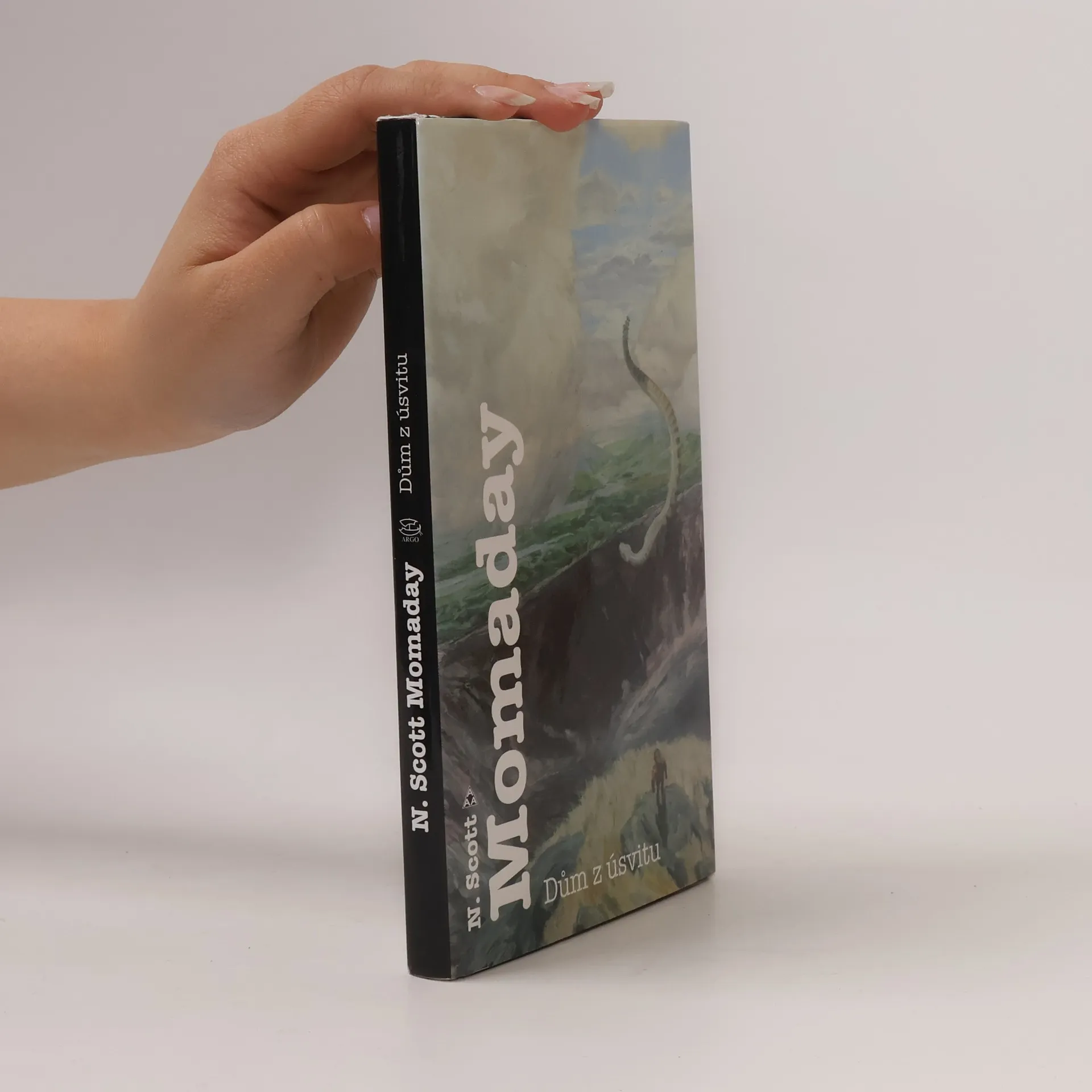
N. Scott Momaday je autor, jehož hlas přenáší posluchače napříč prostorem a časem do posvátné, rudé země kmene Kiowa. Jeho dílo, často popisované jako jeden souvislý příběh, zkoumá jedinečnou identitu domorodých Američanů a naléhavou potřebu zachovat jejich tisícileté tradice. Momaday se ponořuje do střetávání moderního a tradičního světa a jeho psaní čerpá z bohaté tapisérie americké a evropské literatury i z hlubokých, ústně předávaných příběhů domorodých kmenů. Jeho spisy nejsou pouhým vyprávěním, ale oživenými realitami, které mají být věřeny a uchovány pro budoucí generace.
Reproduces nearly two hundred photographs of Native Americans taken by Edward Sheriff Curtis in the early 1900s, with essays that discuss aspects of life common to all tribes, including spirituality, ceremony, arts, and daily activities.
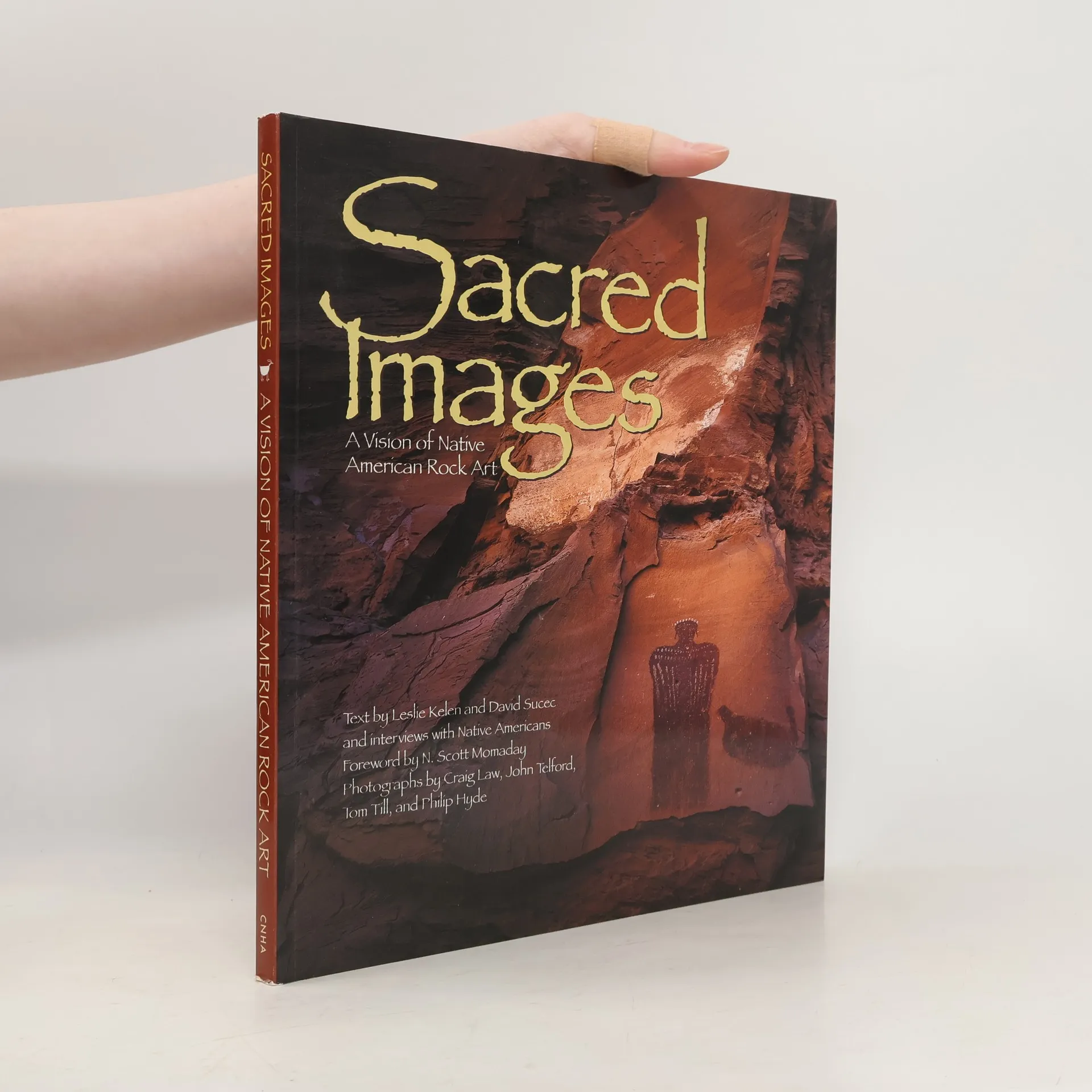
Sacred A Vision of Native American Rock Art brings together the talents of four Utah wilderness photographers and the storytelling skills of its indigenous peoples to present the visionary power of Utah rock art. Photographers Craig Law, John Telford, Tom Till, and Philip Hyde reveal prehistoric and historic rock art images on boulders, cliff faces, and overhangs.
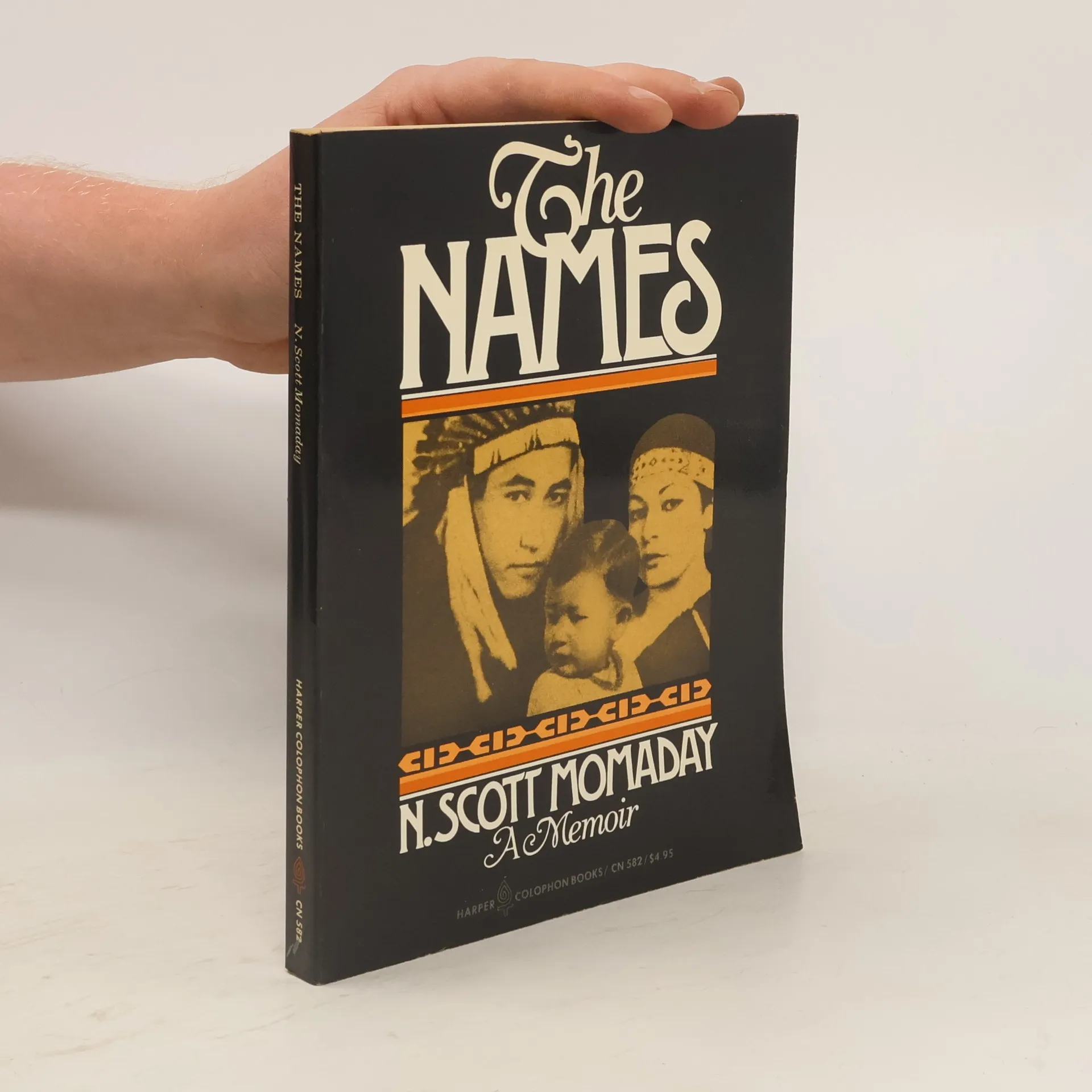
Of all of the works of N. Scott Momaday, The Names may be the most personal. A memoir of his boyhood in Oklahoma and the Southwest, it is also described by Momaday as "an act of the imagination. When I turn my mind to my early life, it is the imaginative part of it that comes first and irresistibly into reach, and of that part I take hold."Complete with family photos, The Names is a book that will captivate readers who wish to experience the Native American way of life.
Indiánský autor z Nového Mexika získal za svůj román Dům celý z úsvitu z roku 1968 prestižní Pulitzerovu cenu. Kniha se stala nejvýznamnějším dílem moderní indiánské literatury, byla také první knihou psanou o Indiánech Indiánem, která se prosadila celonárodně. Životní osud Indiána Abela, mladého navažského hrdiny, je vylíčením konkrétního lidského života, ale zároveň je symbolem historického osudu všech Indiánů na území Ameriky. Román vyznívá jako obžaloba americké civilizace, která ničí životadárné spojení člověka s Přírodou.
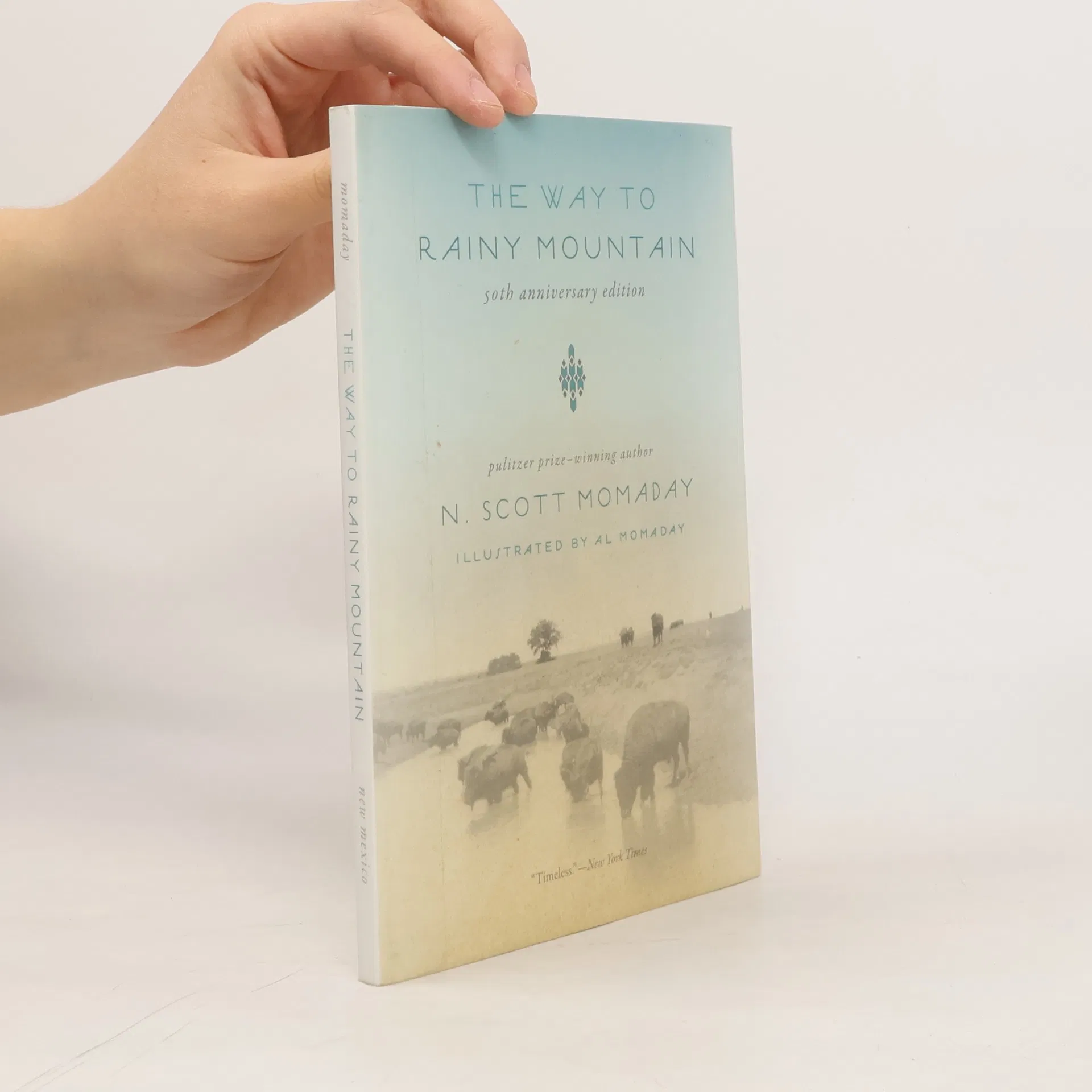
The Way to Rainy Mountain recalls the journey of Tai-me, the sacred Sun Dance doll, and of Tai-me's people in three unique voices: the legendary, the historical, and the contemporary. It is also the personal journey of N. Scott Momaday, who on a pilgrimage to the grave of his Kiowa grandmother traversed the same route taken by his forebears and in so doing confronted his Kiowa heritage. It is an evocation of three things in particular: a landscape that is incomparable, a time that is gone forever, and the human spirit, which endures. Celebrating fifty years since its 1969 release, this new edition offers a moving new preface and invites a new generation of readers to explore the Kiowa myths, legends, and history with Pulitzer Prize-winning author N. Scott Momaday.