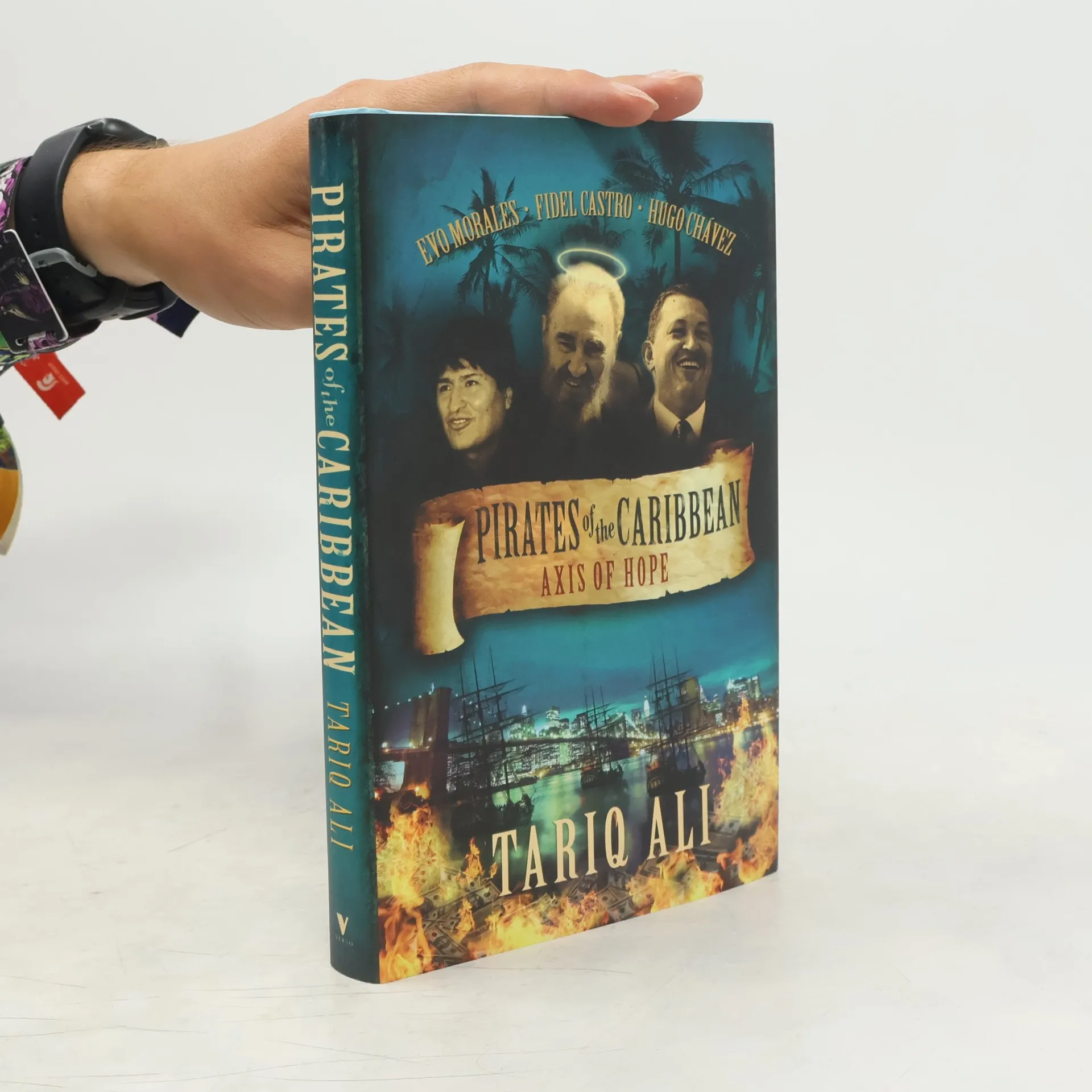
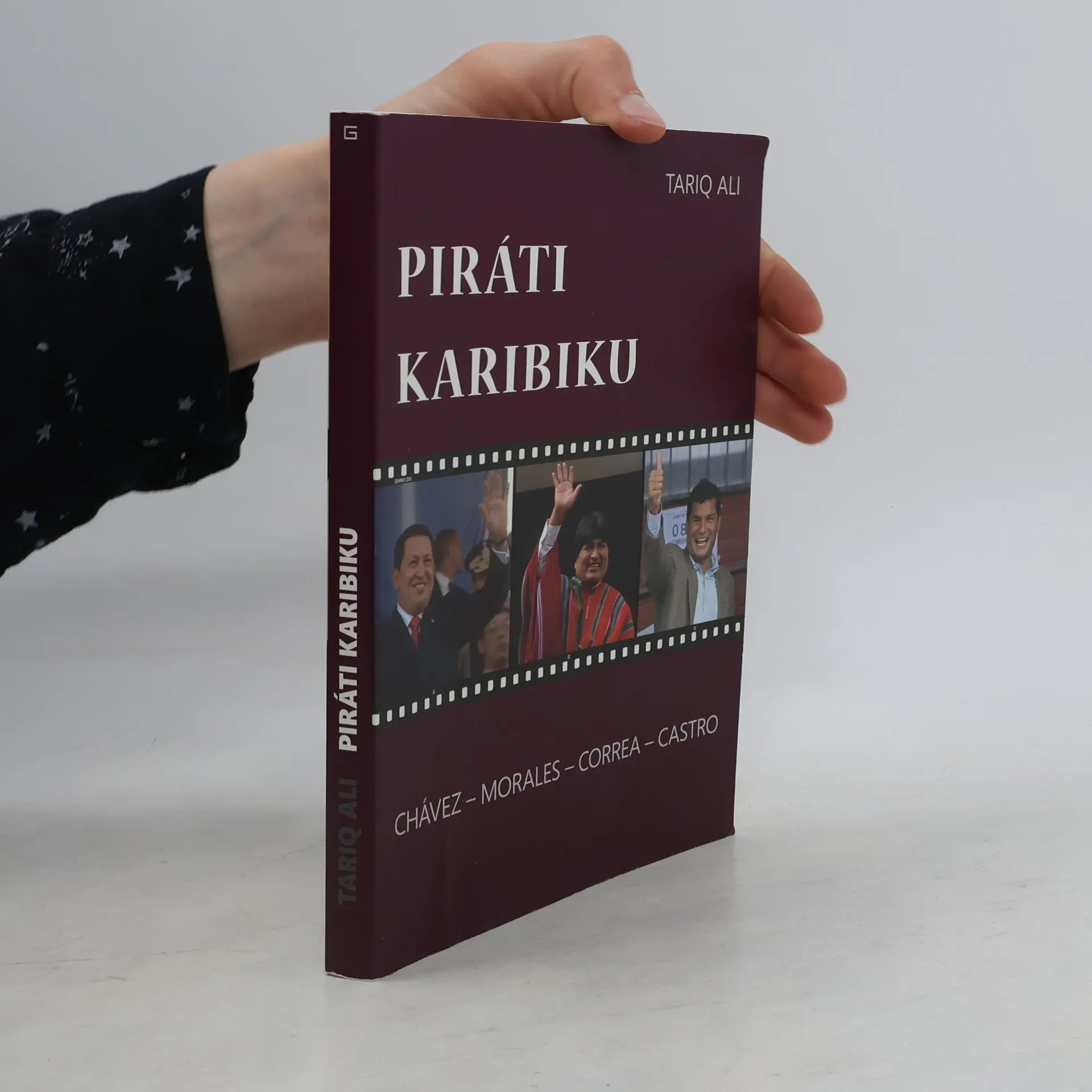
Bolívarská revoluce ve Venezuele obrátila světovou pozornost k Hugu Chávezovi jako čelnému vyzyvateli neoliberalismu a americké zahraniční politice. Tariq Ali – někdejší dopisovatel Guardianu, čerpající své informace z první ruky a osobních setkání s Chávezem – ukazuje, jak Chávezův pohled polarizoval Latinskou Ameriku, a zkoumá americké nepřátelství vůči jeho vládě. Ali srovnává kubánský a venezuelský revoluční proces, pojednává o výrazném vlivu Fidela Castra na Huga Cháveze, bolívijského prezidenta Eva Moralese a – v tomto aktualizovaném vydání – také na ekvádorského prezidenta Rafaela Correu. Piráti Karibiku, obohaceni četnými odkazy na kulturu Jižní Ameriky, nás provázejí světem ostře rozděleným na privilegované a chudé, kontinentem, který je znovu na pochodu...
Tariq Ali Knihy
Tariq Ali je britsko-pákistánský historik a spisovatel, který se ve své práci zabývá především politickými a historickými tématy. Jeho romány a publicistické texty se vyznačují pronikavou analýzou současných světových událostí a hlubokým porozuměním historickým souvislostem. Aliho styl je známý svou kritickou ostrostí a schopností propojovat komplexní společenské jevy s osobními příběhy. Jeho díla podněcují k zamyšlení nad podstatou moci, ideologií a mezinárodních vztahů.

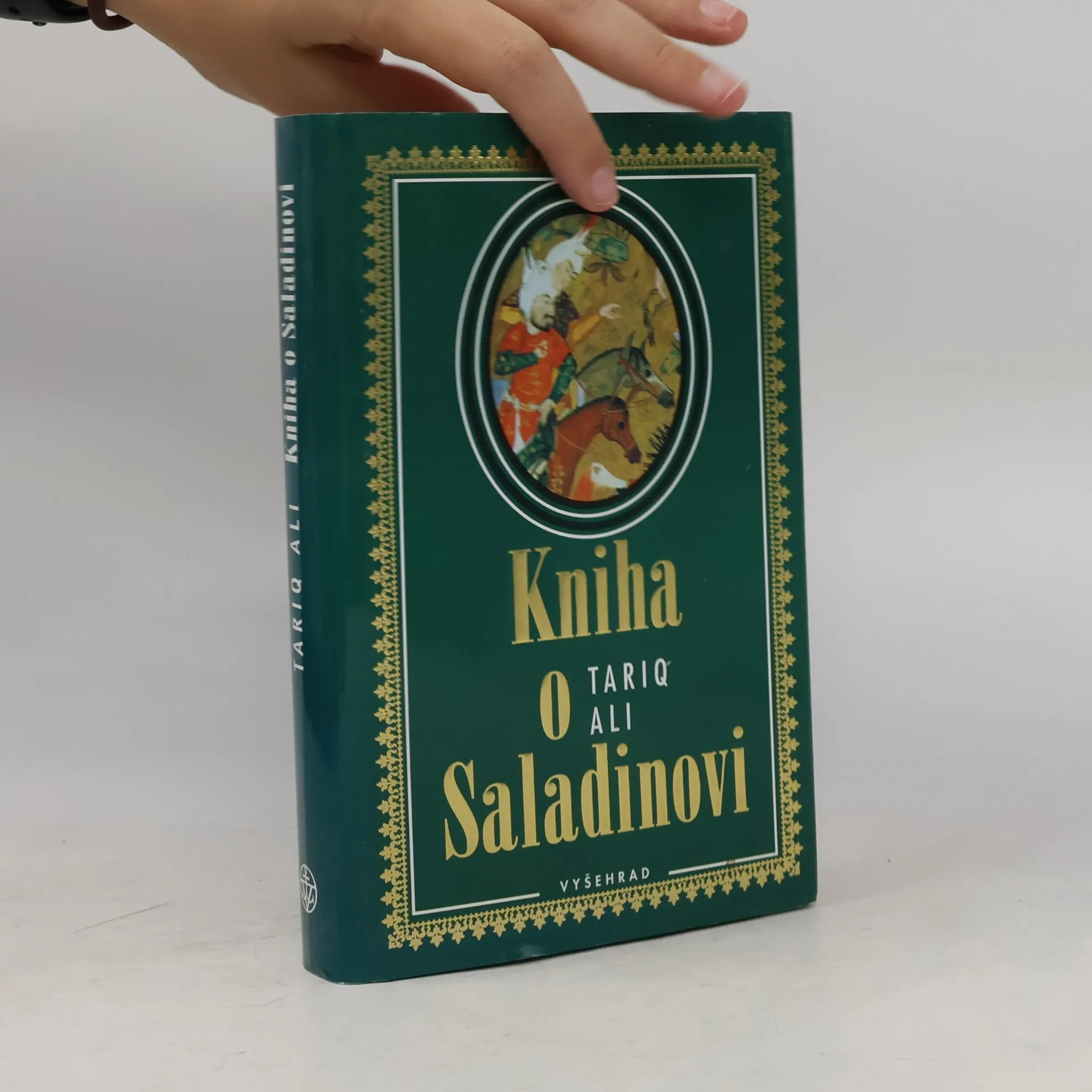
Kniha o Saladinovi
- 319 stránek
- 12 hodin čtení
V barvitém historickém románu autor vypráví příběh velké osobnosti islámského světa, významného státníka a válečníka, sultána Saladina. Saladin, který žil v létech 1138-1193, sjednotil islámskou říši, upevnil své pozice v Egyptě a především v roce 1187 porazil křižáky v bitvě u Hattínu, čímž dobyl nazpět od křesťanů Jeruzalém. Barvité příběhy vypráví autor prostřednictvím Saladinova písaře Ibn Ja´kúba, který se posléze stává i sultánovým důvěrníkem a přítelem. Román zavede čtenáře na válečná pole, do harémů, i na orientální tržiště rušných měst Damašku, Káhiry a Jeruzaléma, kde se prolínají islámská, křesťanská a židovská kultura, do exotického světa eunuchů, rytířů, krásných žen a otroků. Nepřeberný sled nejrůznějších historek, z nichž některé připomínají příběhy Tisíce a jedné noci, je vyprávěním na pozadí historických skutečností a nabízí čtivý a poutavý pohled na nerůznější osudy lidí, kteří Saladina obklopovali, i na něho samotného.
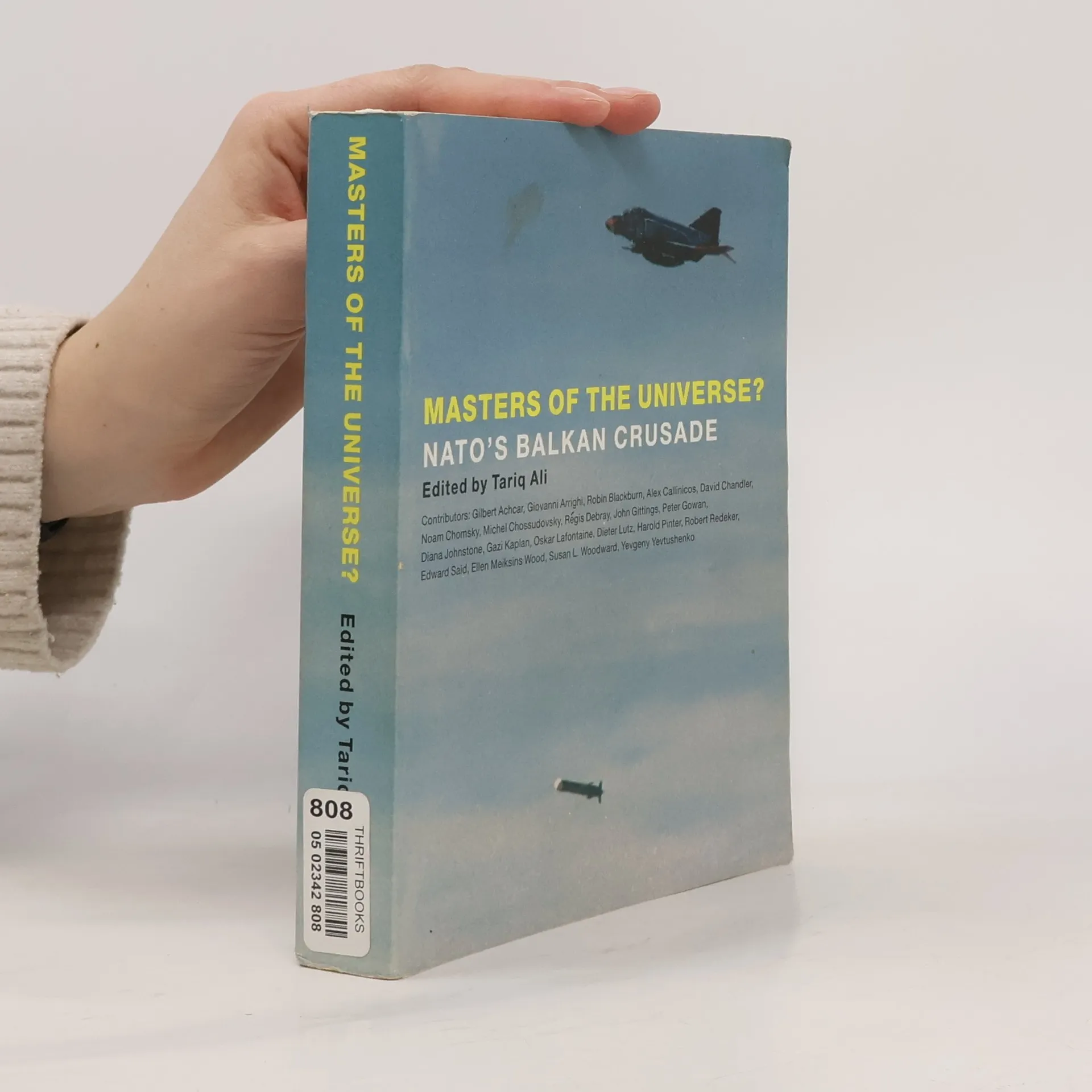
Masters of the Universe? NATO's Balkan Crusade
- 240 stránek
- 9 hodin čtení
NATO’s war on Yugoslavia in the spring of 1999 was unleashed in the name of democracy and human rights. This view was challenged by the world’s three largest countries, India, China and Russia, who saw the bombing of Serbia and Kosovo as a naked attempt to assert US dominance in an unstable world.In the West, media networks were joined by substantial sectors of left/liberal opinion in supporting the war. Nonetheless, a wide variety of figures emerged to challenge the prevailing consensus. Their work, gathered here for the first time, forms a collection of key statements and anti-war writings from some of democracy’s most eloquent dissidents—Noam Chomsky, Harold Pinter, Edward Said and many others—who provide carefully researched examinations of the real motives for the US action, dissections and critiques of the ideology of ‘humanitarian warfare’, and chartings of the unnecessary tragedy of a region laid to waste in the pursuance of Great Power politics.This reader presents some of the most important texts on NATO’s Balkan crusade and forms a major intervention in the debate on global geo-political strategy after the Cold War.
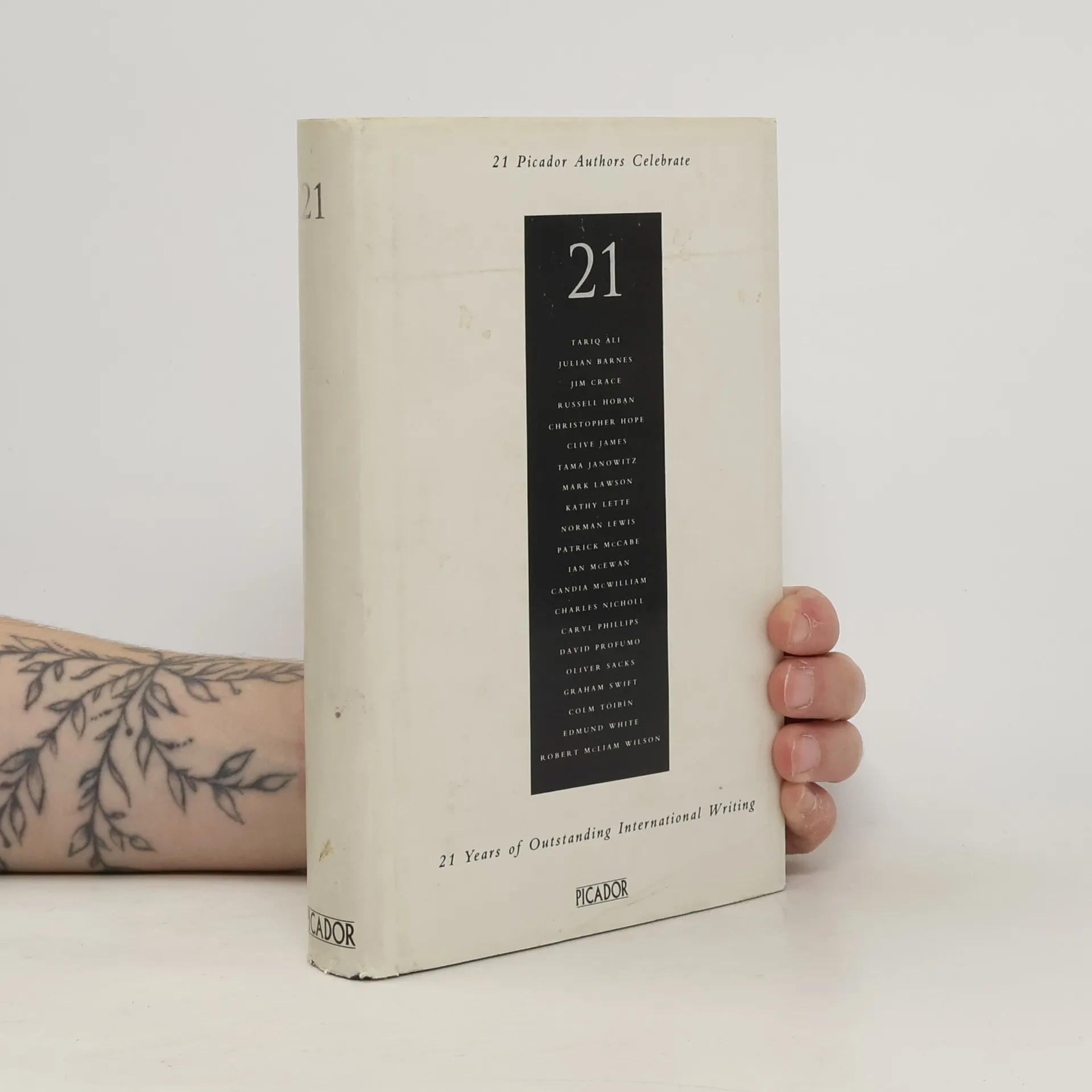
In 1993 Picador celebrated its 21st anniversary. This book marks the event by including 21 authors, each of which looks at a year between 1972 and 1992. Thus Oliver Sacks chose 1972, the year his mother died and he wrote "Awakenings" while the book ends with Tariq Ali writing about cricket in 1992.
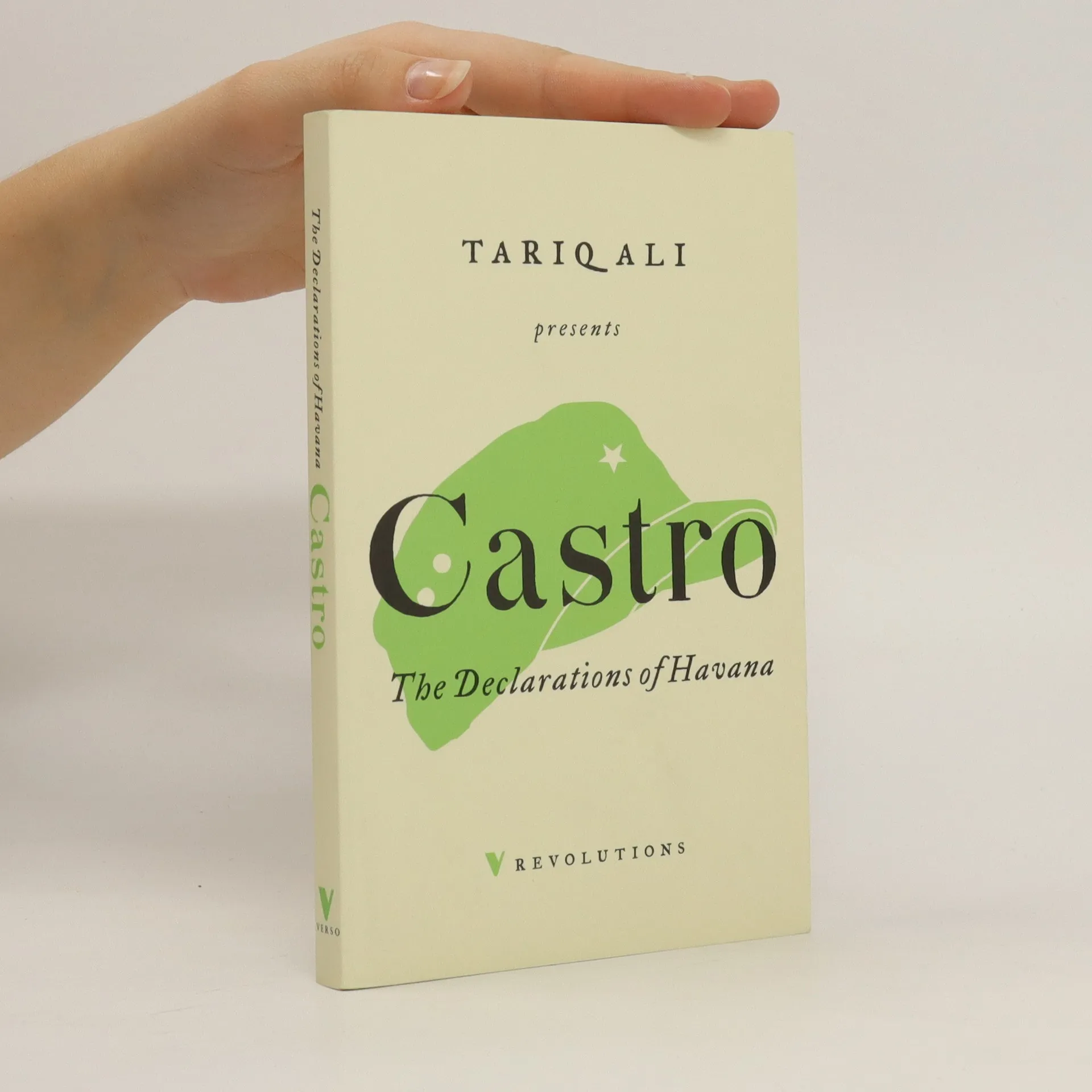
The Declarations of Havana
- 160 stránek
- 6 hodin čtení
In response to the American administration’s attempt to isolate Cuba, Fidel Castro delivered a series of speeches designed to radicalize Latin American society. As Latin America experiences more revolutions in Venezuela and Bolivia, and continues to upset America’s plans for neo-liberal imperialism, renowned radical writer and activist Tariq Ali provides a searing analysis of the relevance of Castro’s message for today.
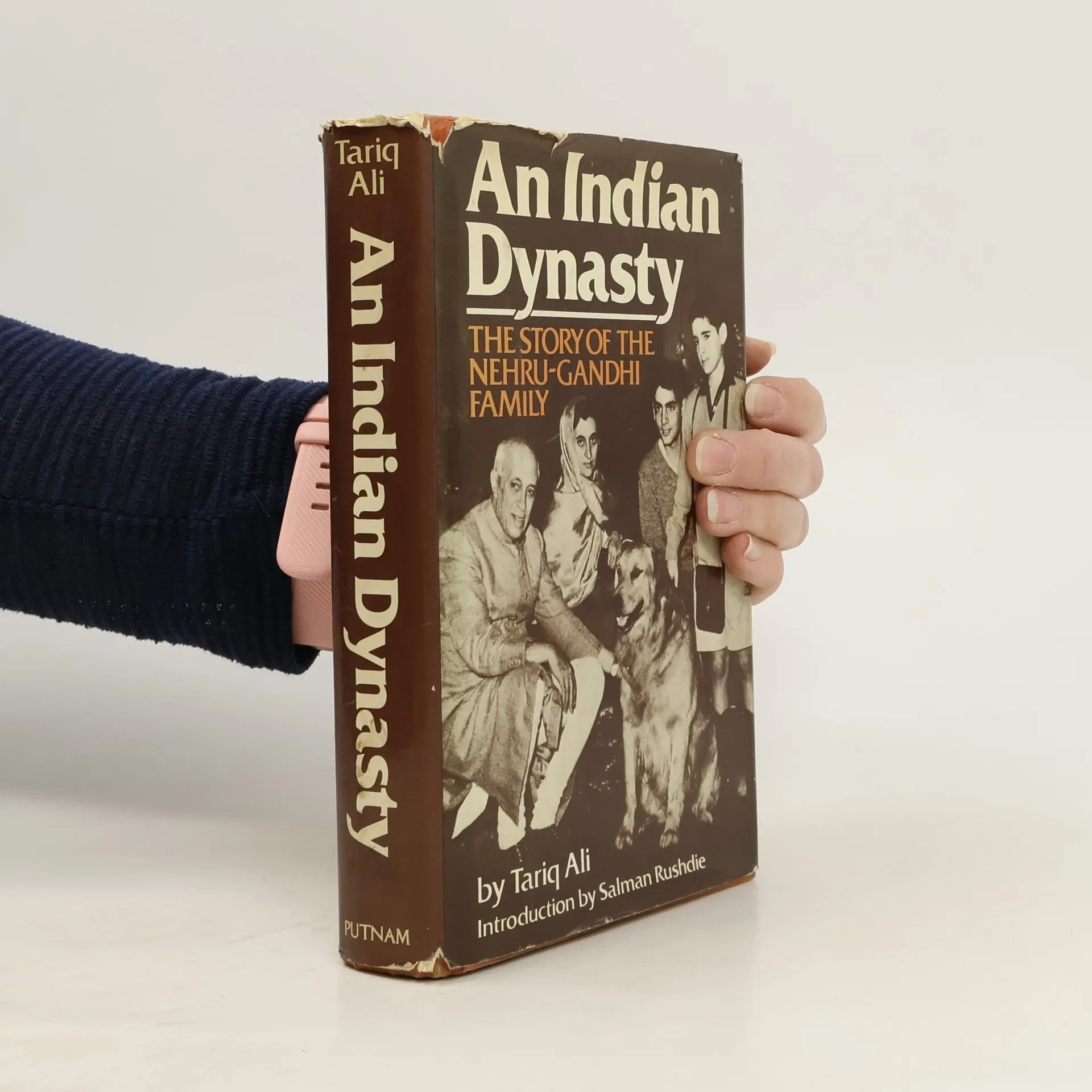
An Indian Dynasty
- 318 stránek
- 12 hodin čtení
The Nehrus are a dynasty without precedent in the modern world; nowhere else and at no other time in recent history has a single family wielded such enduring and pervasive power over the country and the electorate they serve. From Jawaharlal Nehru to his daughter, Indira Gandhi, and from there, via Sanjay and Rajiv to most recently Sonia, this remarkable family have consistently established both the parameters and rhetoric of India's political development. In the eighties, Tariq Ali made several trips to India, meeting a wide range of political and public figures, including Mrs Gandhi, and leaders of both the Congress and Opposition parties. The Nehrus and the Gandhis, first published in 1985, was the result. Now updated to include the most recent chapters in India's political history, it remains as relevant as ever, offering an intricate and revealing portrait of power, seen through the continued rise and eyes of one family.
Tariq Ali tells us the story of the aftermath of the fall of Granada by narrating a family saga of those who tried to survive after the collapse of their world. Ali is particularly deft at evoking what life must have been like for those doomed inhabitants, besieged on all sides by intolerant Christendom. "This is a novel that have something to say, and says it well." --"The""Guardian"
The history of Ottoman offical Iskander Pasha's family mirrors the decline of the empire they have served for hundreds of years
The clash of fundamentalisms: crusades, jihads and modernity
- 342 stránek
- 12 hodin čtení
The aerial attacks on the Pentagon and the World Trade Center, a global spectacle of unprecedented dimensions, generated an enormous volume of commentary. The inviolability of the American mainland, breached for the first time since 1812, led to extravagant proclamations by the pundits. It was a new world-historical turning point. The 21st century, once greeted triumphantly as marking the dawn of a worldwide neo-liberal civilization, suddenly became menaced. The choice presented from the White House and its supporters was to stand shoulder-to-shoulder against terrorism or be damned.Tariq Ali challenges these assumptions, arguing instead that what we have experienced is the return of History in a horrific form, with religious symbols playing a part on both ‘Allah’s revenge,’ ‘God is on Our Side’ and ‘God Bless America.’ The visible violence of September 11 was the response to the invisible violence that has been inflicted on countries like Afghanistan, Pakistan, Iraq, Saudi Arabia, Egypt, Palestine and Chechnya. Some of this has been the direct responsibility of the United States and Russia. In this wide-ranging book that provides an explanation for both the rise of Islamic fundamentalism and new forms of Western colonialism, Tariq Ali argues that many of the values proclaimed by the Enlightenment retain their relevance, while portrayals of the American Empire as a new emancipatory project are misguided.
Examines the increasing violence and political turmoil affecting Pakistan, the only Islamic state in possession of nuclear weapons and America's closest ally in its battle against terrorism, as well as prospects for peace and stability in the region.
Ali encourages the reader to take a fresh look at Lenin's choices in the context of a repressive autocracy, the poverty and misery of the bulk of the population under tsarism and the industrialised slaughter of the first world war. What underpins his book is the view that October was an 'innocent and utopian birth' that was subsequently 'twisted' into Stalinism by three devastating years of civil war. -Daniel Beer, Guardian [The Dilemmas of Lenin] aims to rescue Lenin from both liberal caricature and Soviet hagiography by recovering the realism and dynamism of his political thought. -David Sessions, New Republic Reading this book on your vacation will make your life better and your mind broader. -Branko Milanovic A powerful tool for those wanting to understand the real Lenin and therefore the real politics behind those revolutionaries who fought so hard but ultimately failed in their goal. -Lindsey German, Counterfire An incredibly powerful, panoramic, and insightful study of the central revolutionary figure of the twentieth century ... The Dilemmas of Lenin helps attentive readers comprehend something of what happened in history, the realities of our time, and how the future could unfold if we approach it with understanding and commitment. -Paul Le Blanc, International Socialist Review
The life and crimes of the last, great Imperialist
The Protocols of the Elders of Sodom
- 294 stránek
- 11 hodin čtení
Presents essays on the giants of world literature that explore the links between literature, history and politics. This title discusses common themes as well as polarities, impressions and re-readings, contextualizing the text in the political and historical milieu of its creation. It highlights the frustrations and pleasures of world literature.
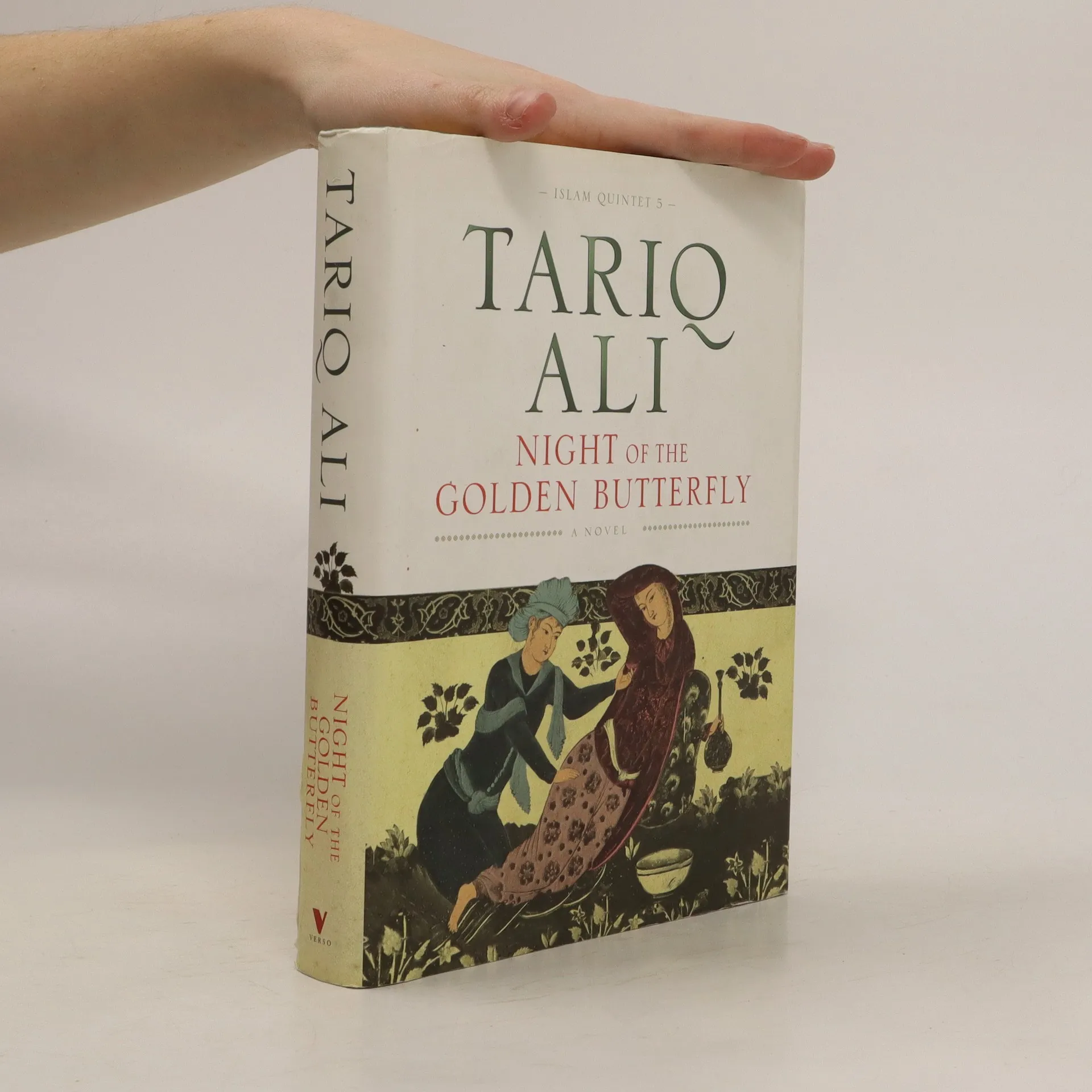
Night of the Golden Butterfly (Vol. 5) (The Islam Quintet)
- 288 stránek
- 11 hodin čtení
The final installment of the Islam Quintet, this novel weaves a rich tapestry of historical and contemporary narratives across cities like Lahore, London, Paris, and Beijing. The story begins when the narrator receives a call reminding him of a debt owed to Mohammed Aflatun, or Plato, a talented yet irritable painter in a Pakistan where human dignity has deteriorated. Plato seeks to have his life story documented, prompting a journey through his connections. Among them is Alice Stepford, a prominent music critic in New York, and Mrs. Naughty Latif, an Islamabad housewife whose attraction to military figures propels her to Paris, where she gains recognition as a leading intellectual voice in the Islamic world. The narrative also introduces Jindie, the Golden Butterfly, who represents the narrator's first love. Her family's tumultuous history is intertwined with the tale, featuring her ancestor Dù Wénxiù, who led a Muslim rebellion in nineteenth-century Yunnan and ruled Dali as Sultan Suleiman. This novel showcases the author's imaginative prowess, blending satire with profound insights into contemporary life and history.
Pirates of the Caribbean: Axis of Hope
- 244 stránek
- 9 hodin čtení
The author provides a firsthand account of Venezuela and insights from meetings with Hugo Chavez, highlighting how his ideologies have sharply divided Latin America. The narrative explores the intense opposition faced by his administration, offering a critical examination of the political landscape and the implications of Chavez's leadership on regional dynamics.
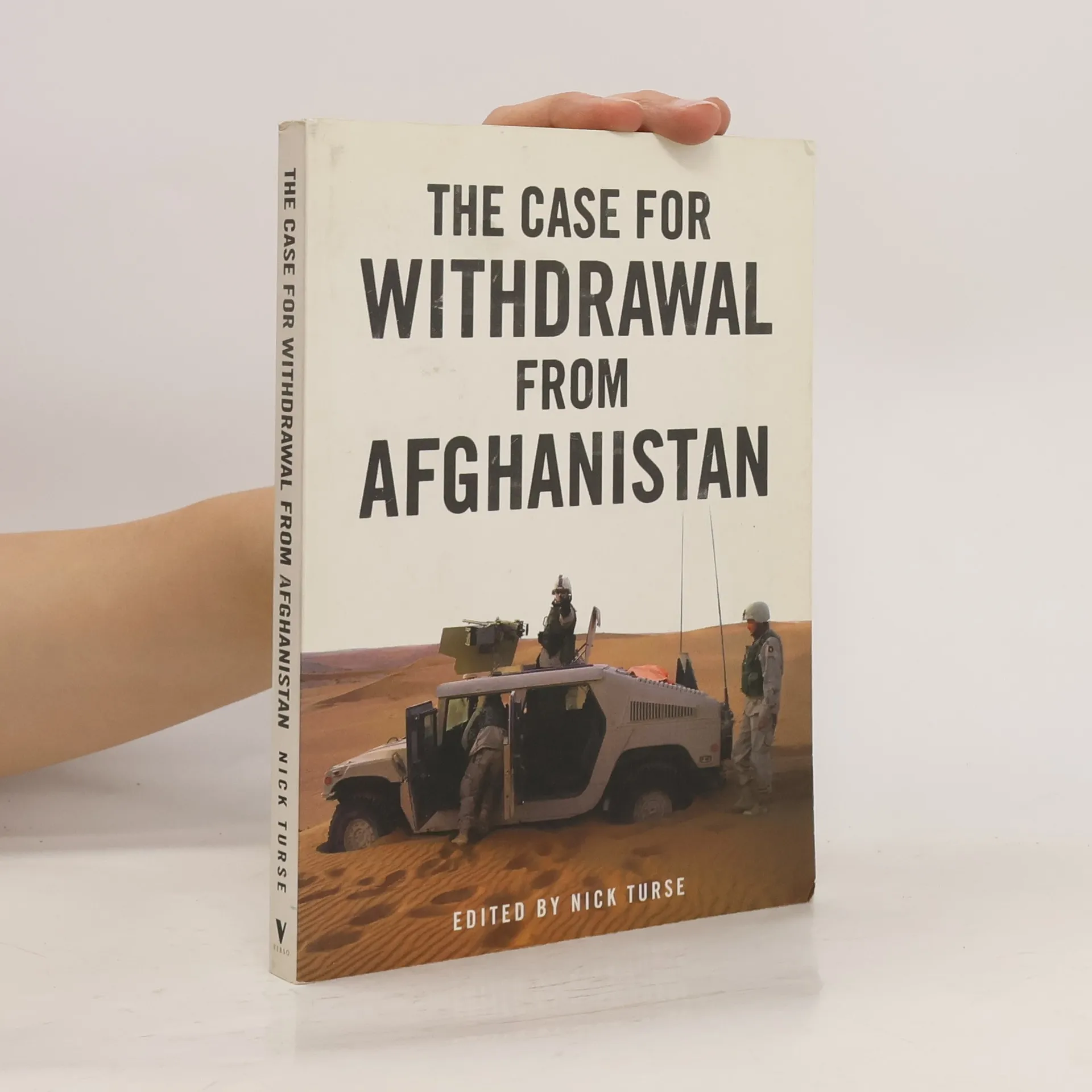
The Case for Withdrawal from Afghanistan
- 208 stránek
- 8 hodin čtení
The book features insights from leading commentators who analyze the complexities of the Afghan conflict, drawing parallels with earlier British and Soviet occupations. It delves into the strategic missteps, cultural misunderstandings, and the broader implications of foreign interventions in Afghanistan, providing a comprehensive overview of the historical context and lessons learned from these military endeavors.
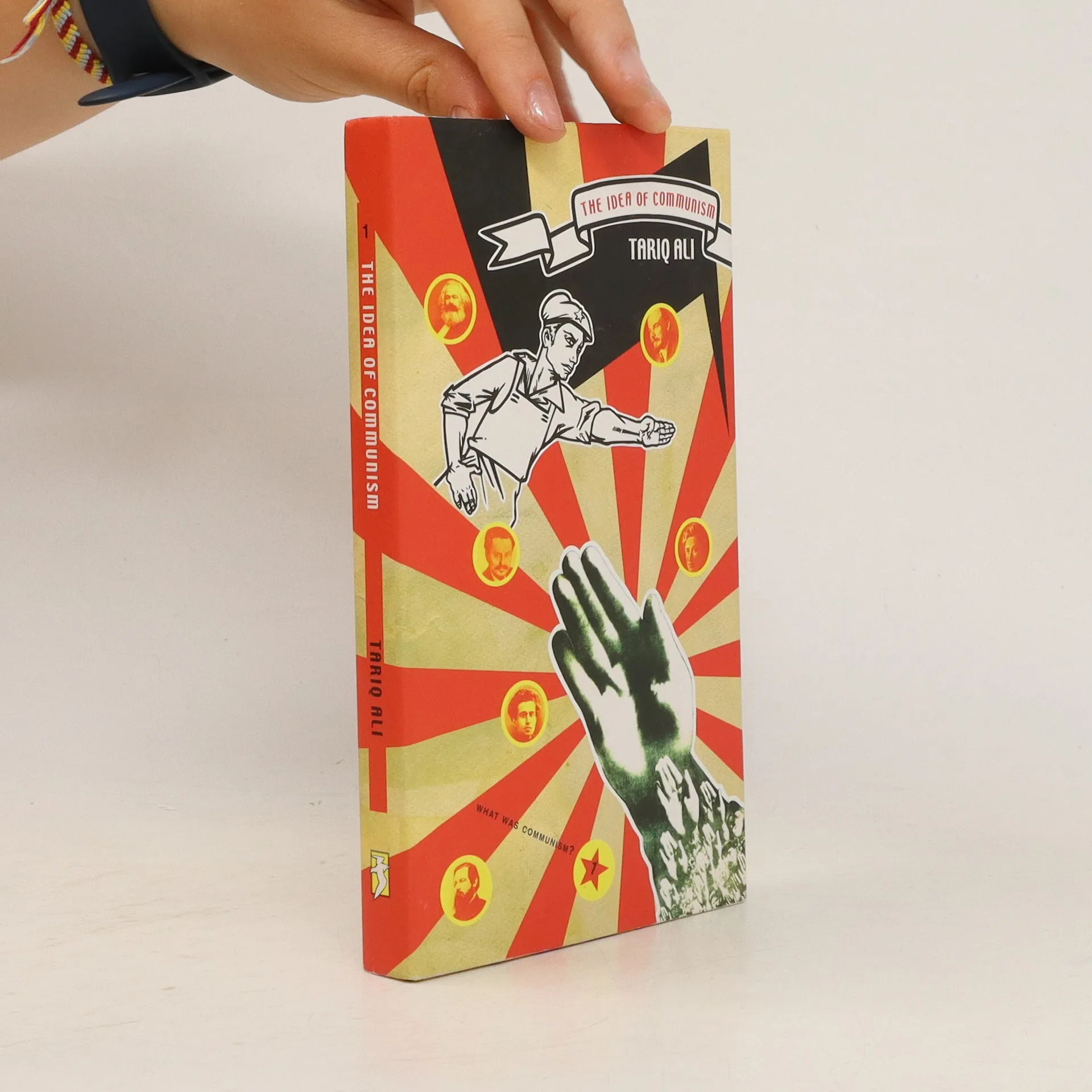
November 9, 2009 will mark 20 years since the fall of the Berlin Wall, the monumental event that signaled the beginning of the end of Communism in the former Soviet Union. Yet, why was this collapse of Communism considered final, but the many failures of capitalism are considered temporary and episodic? In The Idea of Communism, Tariq Ali addresses this very question.The idea of Communism, argues Ali, was simple and noble. The Communist Manifesto, which advocated the creation of a society based on the principle of “from each according to his ability, to each according to his need” rather than a system based on greed and profit, appealed to millions all over the globe. However, Ali argues that the vision of society adumbrated by the founders of Communism was a far cry from what became known as actually existing socialism in the Soviet Union and China. The Communist system that developed ignored Engels’s belief that a workers’ movement and its victory were inconceivable without freedom of the press and assembly. This freedom, Engels insisted, “is the air it needs to breathe.Here, in a thought-provoking re-evaluation, Ali argues that a new form of socialism and global planning is vital to save the planet from capitalist and environmental degradation.
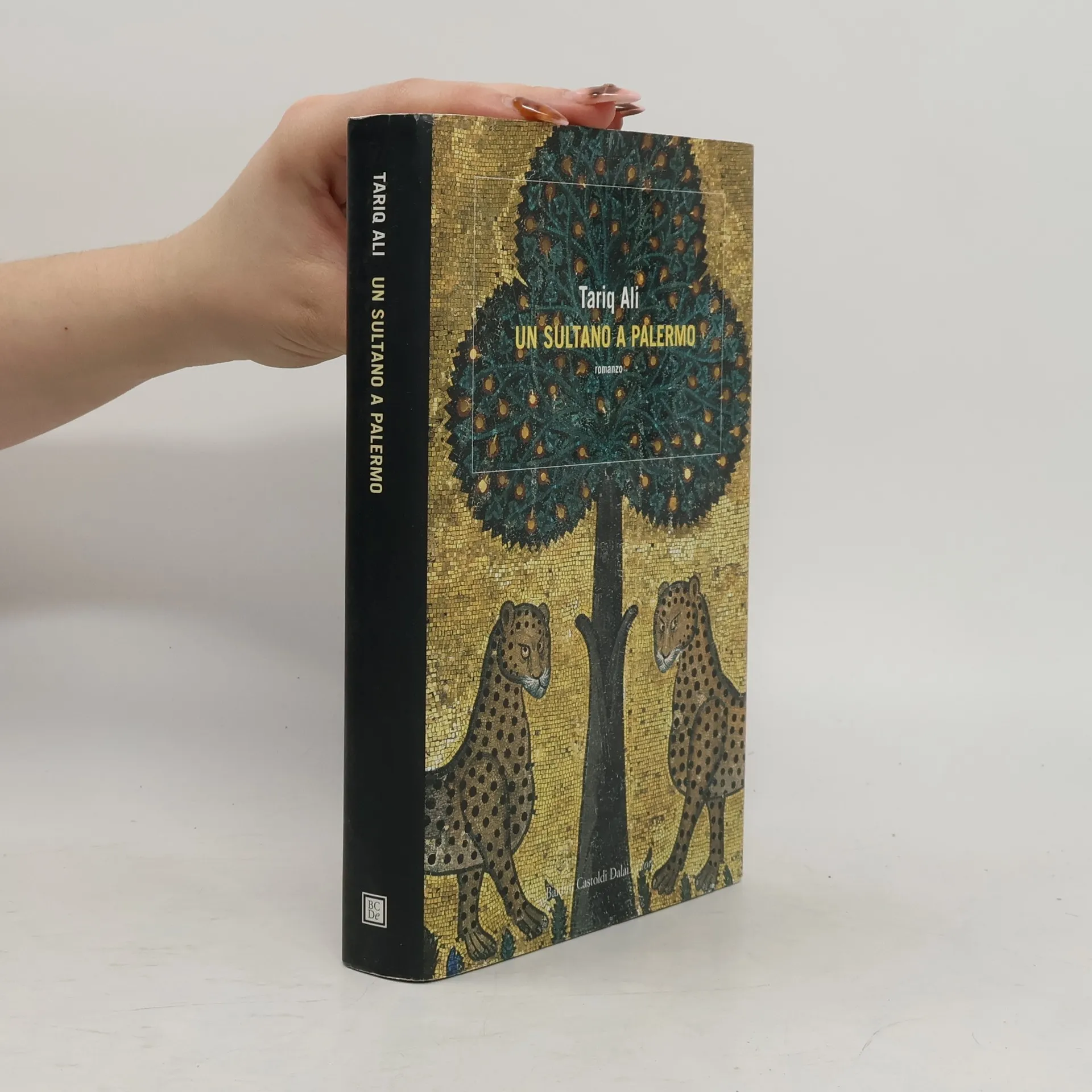
A Sultan in Palermo
- 256 stránek
- 9 hodin čtení
The year is 1153. The Normans are ruling Siqqiliya, but Arab culture and language dominate the island and the court. Sultan Rujari surrounds himself with Muslim intellectuals, several concubines, and an administration presided over by gifted eunuchs. This fourth novel in Tariq Ali's Islam Quintet is set in medieval Palermo, a Muslim city.
Die extreme Mitte
Wer die westliche Welt beherrscht. Eine Warnung
Nach dem Fall des Eisernen Vorhangs im Jahr 1989 fegte ein kapitalistischer Sturm über die Welt. Was mit Ronald Reagan und Margaret Thatcher begonnen hatte, erfasste schließlich ganz Europa: das Ende des Sozialstaats, eine umfassende Privatisierungswelle und die weitgehende Selbstausschaltung parlamentarischer Opposition. Die Sozialdemokratie beging Selbstmord, indem sie sich dem neoliberalen Ansturm fügte, und die Grünen wurden zu Helfershelfern imperialistischer Kriege. Das war die Geburtsstunde der „extremen Mitte“, der Parteien an der Macht und ihrer wirtschaftlichen Antreiber.
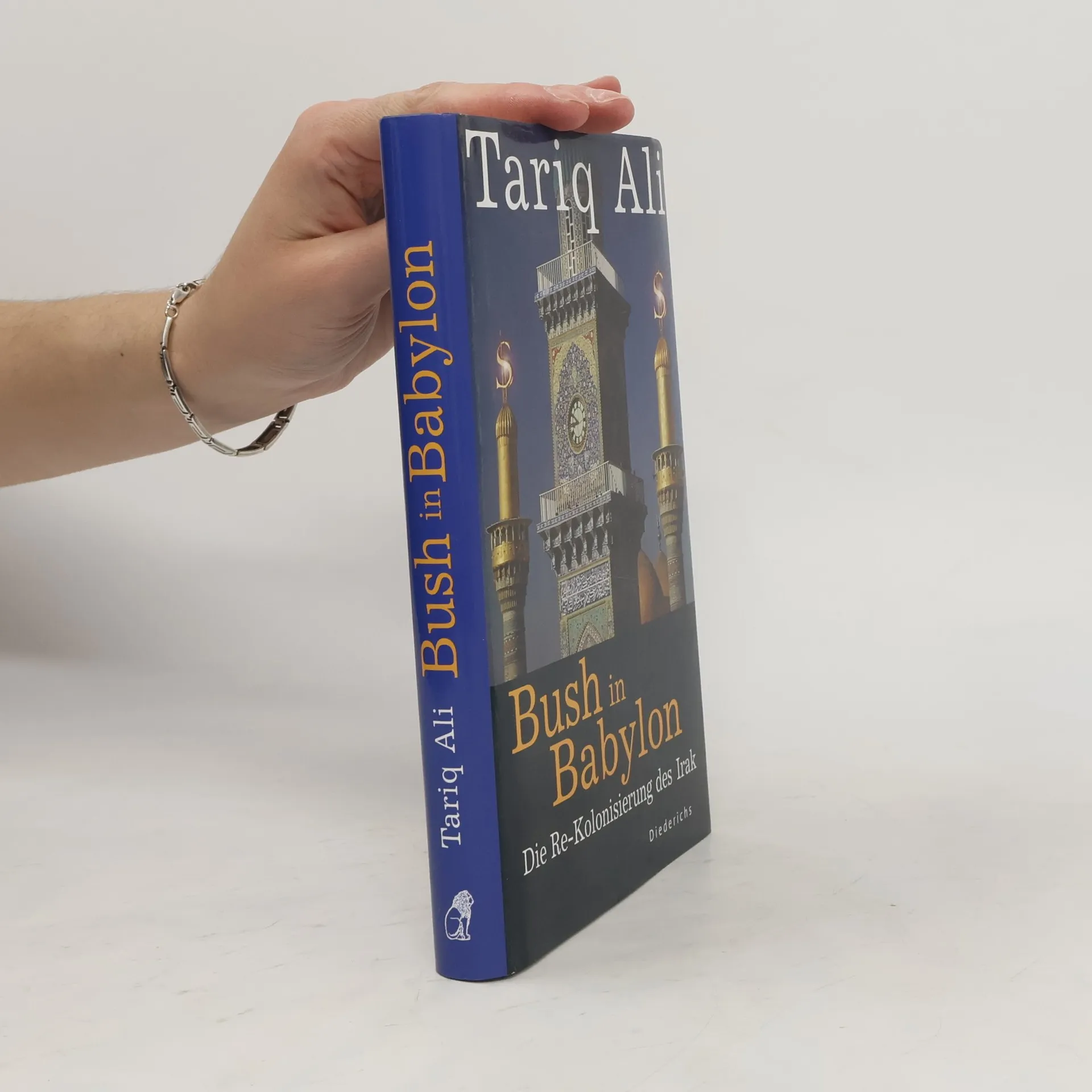
Bush in Babylon
- 144 stránek
- 6 hodin čtení
Die Besetzung des Irak dient einzig und allein den Interessen der USA und Großbritanniens. Doch die Iraker haben die Geschichte ihres Landes als Spielball der Weltreiche nicht vergessen, so der international renommierte Publizist Tariq Ali. Sie werden sich den neuen Besatzern nicht ohne Widerstand als Kolonie unterordnen. Eine provokante Streitschrift gegen Krieg und Besetzung als Mittel der Politik und eine Hommage an die Menschen im Irak sowie die unbeugsamen Dichter und Denker der arabischen Welt.
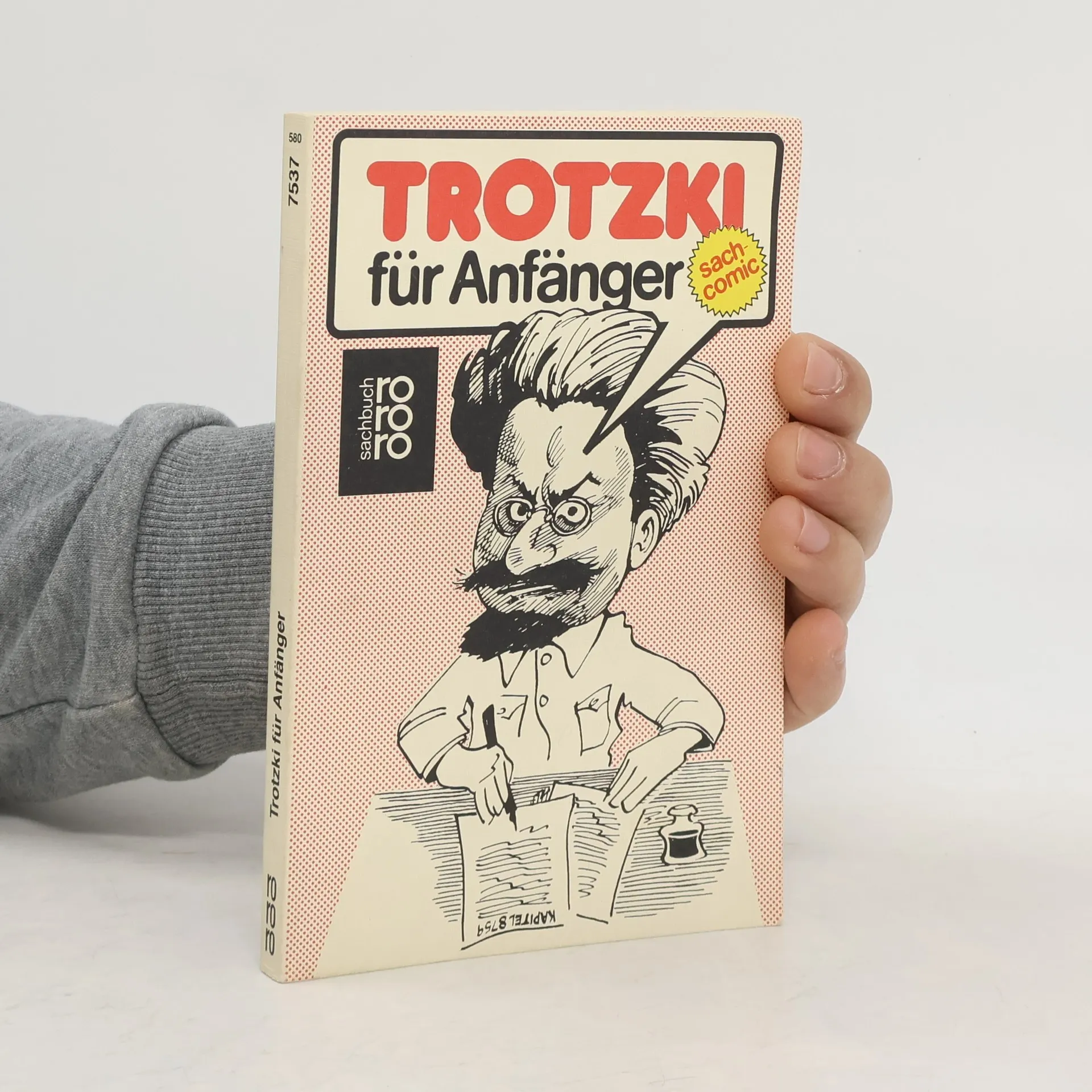
Trotzki für Anfänger*innen
Ein Sach-Comic
Zusammen mit Lenin war Trotzki einer der Architekten der Russischen Revolution. Ein großartiger Redner, ein geschickter militärischer Taktiker, ein begabter Historiker und ein unberechenbarer Kulturtheoretiker, wurde Trotzki durch innerparteiliche Fraktionen gestürzt, ins Exil geschickt und dann von Stalin hingerichtet. Die Einführung in Trotzki und den Marxismus zeigt, wie Trotzkis prophetische Einsichten den Aufstieg Hitlers voraussahen und den Preis, den die Menschheit zu zahlen hatte.