

James McBride se ve své tvorbě zaměřuje na bohatou tapisérii lidských zkušeností, často s osobitým pohledem na americkou společnost. Jeho psaní se vyznačuje živým jazykem a hlubokým porozuměním pro postavy, které zkoumá. McBride mistrně proplétá humor, sociální komentář a emocionální rezonanci, aby vytvořil díla, která jsou zároveň poutavá i podnětná. Jeho jedinečný styl nabízí čtenářům pronikavý pohled na složitost identity a komunity.
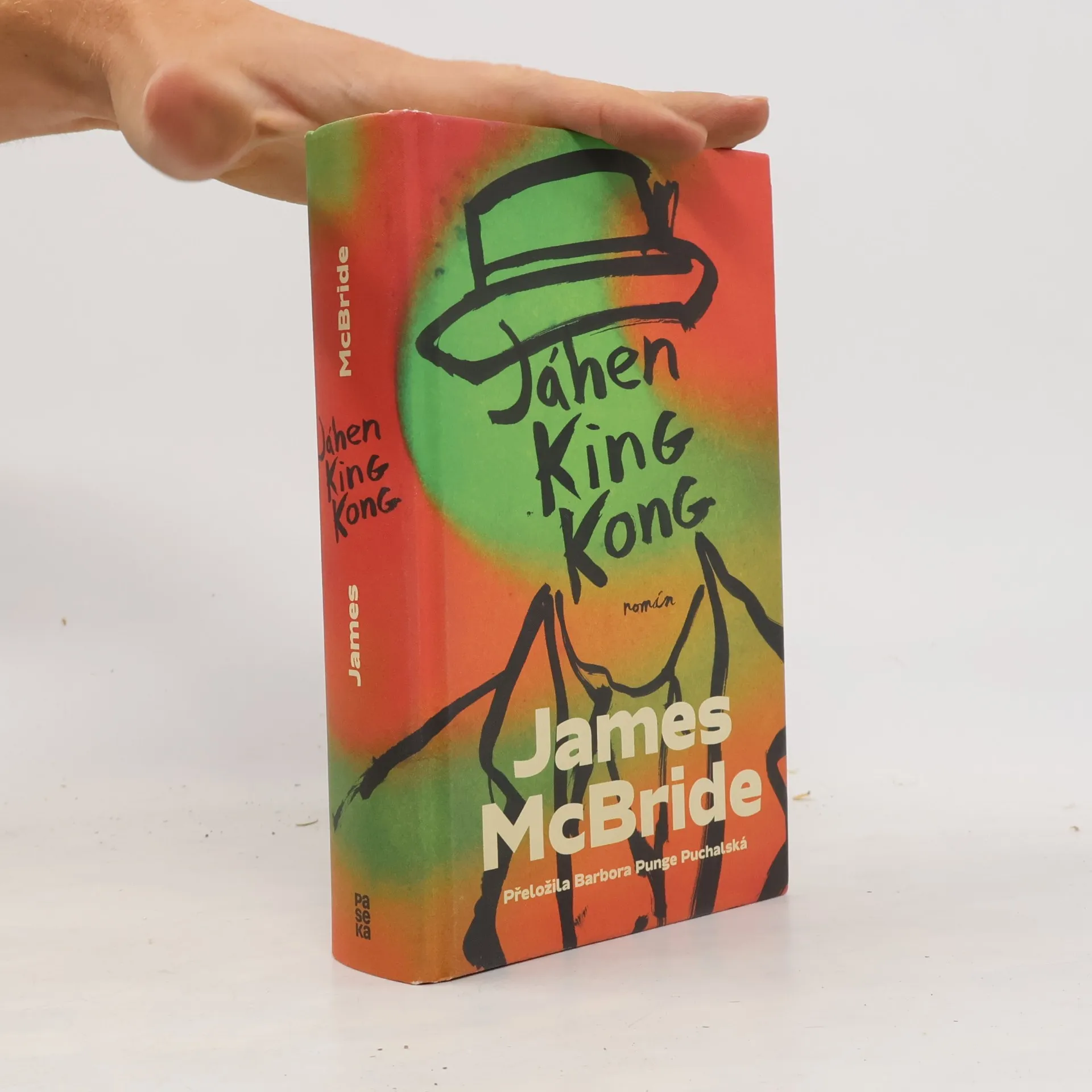
Brooklyn, konec 60. let. Starý svérázný jáhen jednoho dne nakráčí před místního dealera, kterého ještě nedávno učil hrát baseball, a postřelí ho. Spustí tak kaskádu událostí, jež změní život nejen jim dvěma, ale celé různorodé komunitě žijící ve „špatné čtvrti“. Sociální problémy, rasismus a nepokoje jsou spíše pozadím živelného příběhu, který postupně nabírá parametry pátrání ve stylu Indiana Jonese. Americký klasik James McBride, jenž vychází v češtině vůbec poprvé, zde ukazuje jak mistrovské vypravěčské schopnosti, tak svou trvalou víru v lidstvo. Jáhen King Kong voní atmosférou New Yorku a jazzu, potěší milovníky gangsterek a podivínských hrdinů a je povzbudivou zprávou o tom, že láska a víra žije i v tom nejposlednějším darebákovi.

Henry Shackleford is a young slave living in the Kansas Territory in 1857; the region is a battleground between anti- and pro-slavery forces. When John Brown, the legendary abolitionist, arrives in the area, an argument between Brown and Henry's master quickly turns violent. Henry is forced to leave town with Brown, who believes he's a girl.
A vivid portrait of growing up, this haunting meditation on race and identity serves as a lyrical tribute from a son to his mother. Ruth McBride Jordan, a "light-skinned" woman who evades her ethnicity, fiercely loves her twelve black children. James McBride, her son, explores her past and his own heritage in a poignant debut. Growing up in the chaotic environment of Red Hook, Brooklyn, McBride and his eleven siblings were raised by a protective mother who guided them to cultural events, demanded academic excellence, and commanded respect. Initially, he viewed her as a source of embarrassment, only later uncovering the truth of her early life and struggles. Ruth, born Rachel Shilsky in Poland, fled to America with her family, facing anti-Semitism and racial tensions in Virginia. Her narrative reveals a loveless marriage, a cruel father, and the family she left behind. After moving to New York City at seventeen, she married a black minister and established the New Brown Memorial Baptist Church. Ruth taught her children that "God is the color of water," believing values transcend race. Despite facing adversity and racism, she ensured her children received college educations, earning her own degree at 65. Interwoven with his mother’s story, McBride shares his journey as a mixed-race child, his struggles, and eventual success. This work resonates with readers of all backgrounds.
'A formidable free-style book that isn't straight biography but a mix of history, street-level investigative reporting, hagiography, Deep South sociology, music criticism, memoir and some fiery preaching' Rolling Stone magazine A Guardian best music book of 2016 The music of James Brown was almost a genre in its own right, and he was one of the biggest and most influential cultural figures of the twentieth century. But the singer known as the 'Hardest Working Man in Show Business' was also an immensely troubled, misunderstood and complicated man. Award-winning writer James McBride, himself a professional musician, has undertaken a journey of discovery in search of the 'real' James Brown, delving into the heartbreaking saga of Brown's childhood and destroyed estate, and uncovering the hidden history of Brown's early years.
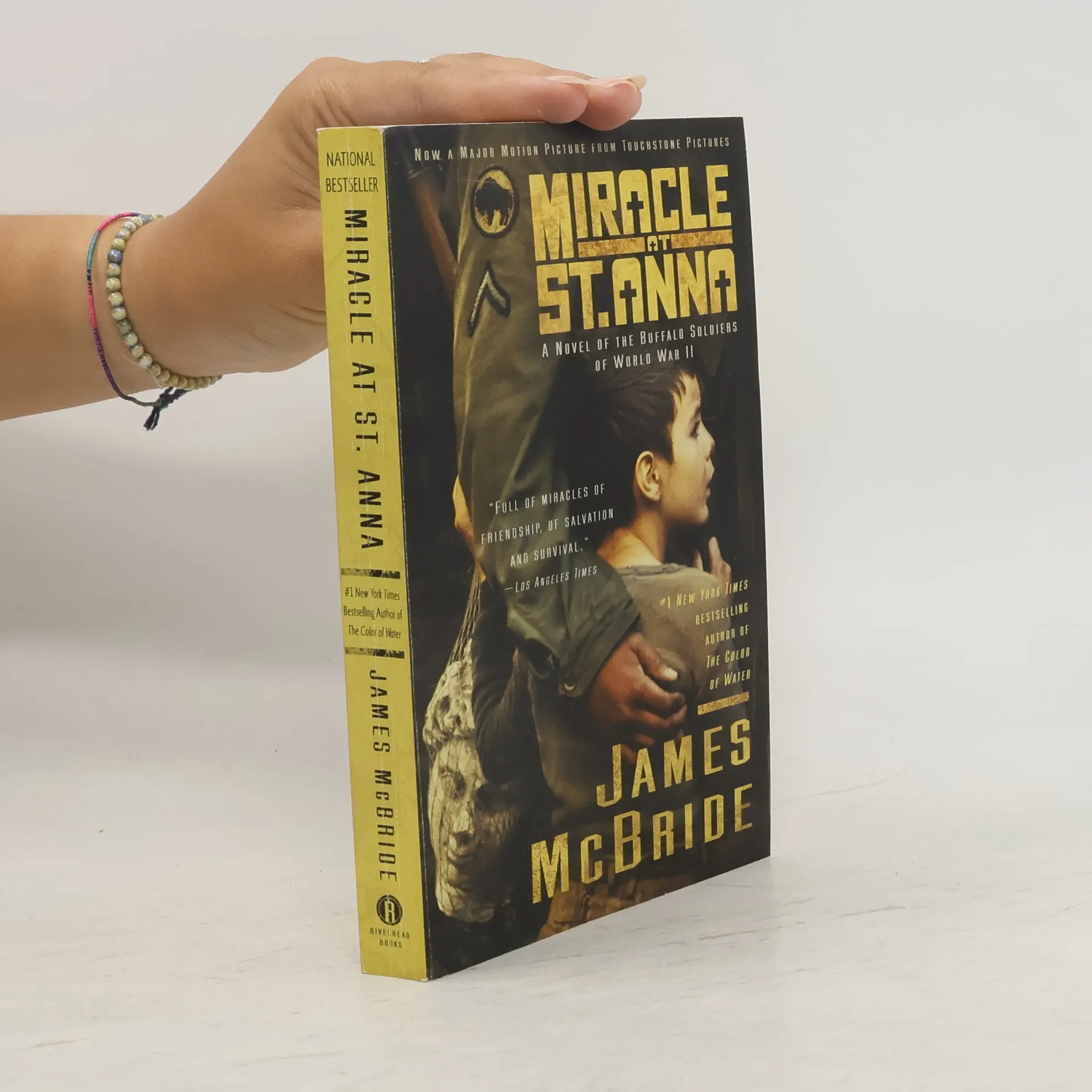
"Inspired by a historical incident that took place in the village of St. Anna di Stazzema in Tuscany and by the experiences of the famed Buffalo Soldiers of the 92nd Division in Italy during World War II, Miracle at St. Anna is a singular evocation of war, cruelty, passion, heroism, and love. It is the story of four American soldiers, the villagers among whom they take refuge, a band of partisans, and an Italian boy, all of whom encounter a miracle - though perhaps the true miracle lies in themselves."--BOOK JACKET.
In 1972, when workers in Pottstown, Pennsylvania, were digging the foundations for a new development, the last thing they expected to find was a skeleton at the bottom of a well. Who the skeleton was and how it got there were two of the long-held secrets kept by the residents of Chicken Hill, the dilapidated neighborhood where immigrant Jews and African Americans lived side by side and shared ambitions and sorrows. Chicken Hill was where Moshe and Chona Ludlow lived when Moshe integrated his theater and where Chona ran the Heaven & Earth Grocery Store. When the state came looking for a deaf boy to institutionalize him, it was Chona and Nate Timblin, the Black janitor at Moshe's theater and the unofficial leader of the Black community on Chicken Hill, who worked together to keep the boy safe. As these characters' stories overlap and deepen, it becomes clear how much the people who live on the margins of white, Christian America struggle and what they must do to survive. When the truth
»Ein Erzählband wie ein Flipperautomat: James McBride in Bestform.« New York Times Book Review Ein Spielzeug-Sammler, der im Haus eines armen Predigers eine sensationelle Entdeckung macht. Ein Waisenjunge, der über die Schlachtfelder des amerikanischen Bürgerkriegs wandert und glaubt, der Sohn Abraham Lincolns zu sein. Fünf junge Musiker einer Band aus einem Vorort von Pittsburgh, die feststellen müssen, dass überall in ihrem Viertel dunkle Geheimnisse lauern. Ein Löwe im Zoo, der eine plötzliche Ahnung bekommt von der Schönheit des Lebens. Ein Schwergewichtsboxer, der boxt wie Muhammad Ali, als es darum geht, den Torwächter der Hölle zum Kampf gegen die ewige Verdammnis herauszufordern… Was macht den Mensch zum Menschen? James McBride erzählt von Krieg und Geschichte, von Herkunft und Identität, vom Versuch, die Welt zu verstehen und sich selbst – fantasievoll, skurril, berührend und immer überraschend.
Touches readers of all colors as a vivid portrait of growing up, a haunting meditation on race and identity, and a lyrical valentine to a mother from her son. Who is Ruth McBride Jordan? A self-declared "light-skinned" woman evasive about her ethnicity, yet steadfast in her love for her twelve black children. James McBride, journalist, musician and son, explores his mother's past, as well as his own upbringing and heritage, in a poignant and powerful debut, The Color Of Water: A Black Man's Tribute to His White Mother. The son of a black minister and a woman who would not admit she was white, James McBride grew up in "orchestrated chaos" with his eleven siblings in the poor, all-black projects of Red Hook, Brooklyn. "Mommy," a fiercely protective woman with "dark eyes full of pep and fire," herded her brood to Manhattan's free cultural events, sent them off on buses to the best (and mainly Jewish) schools, demanded good grades and commanded respect. As a young man, McBride saw his mother as a source of embarrassment, worry, and confusion--and reached thirty before he began to discover the truth about her early life and long-buried pain. In The Color of Water, McBride retraces his mother's footsteps and, through her searing and spirited voice, recreates her remarkable story. The daughter of a failed itinerant Orthodox rabbi, she was born Rachel Shilsky (actually Ruchel Dwara Zylska) in Poland on April 1, 1921. Fleeing pogroms, her family emigrated to America and ultimately settled in Suffolk, Virginia, a small town where anti-Semitism and racial tensions ran high. With candor and immediacy, Ruth describes her parents' loveless marriage; her fragile, handicapped mother; her cruel, sexually-abusive father; and the rest of the family and life she abandoned. At seventeen, after fleeing Virginia and settling in New York City, Ruth married a black minister and founded the all-black New Brown Memorial Baptist Church in her Red Hook living room. "God is the color of water," Ruth McBride taught her children, firmly convinced that life's blessings and life's values transcend race. Twice widowed, and continually confronting overwhelming adversity and racism, Ruth's determination, drive and discipline saw her dozen children through college--and most through graduate school. At age 65, she herself received a degree in social work from Temple University. Interspersed throughout his mother's compelling narrative, McBride shares candid recollections of his own experiences as a mixed-race child of poverty, his flirtations with drugs and violence, and his eventual self-realization and professional success. The Color of Water touches readers of all colors as a vivid portrait of growing up, a haunting meditation on race and identity, and a lyrical valentine to a mother from her son.