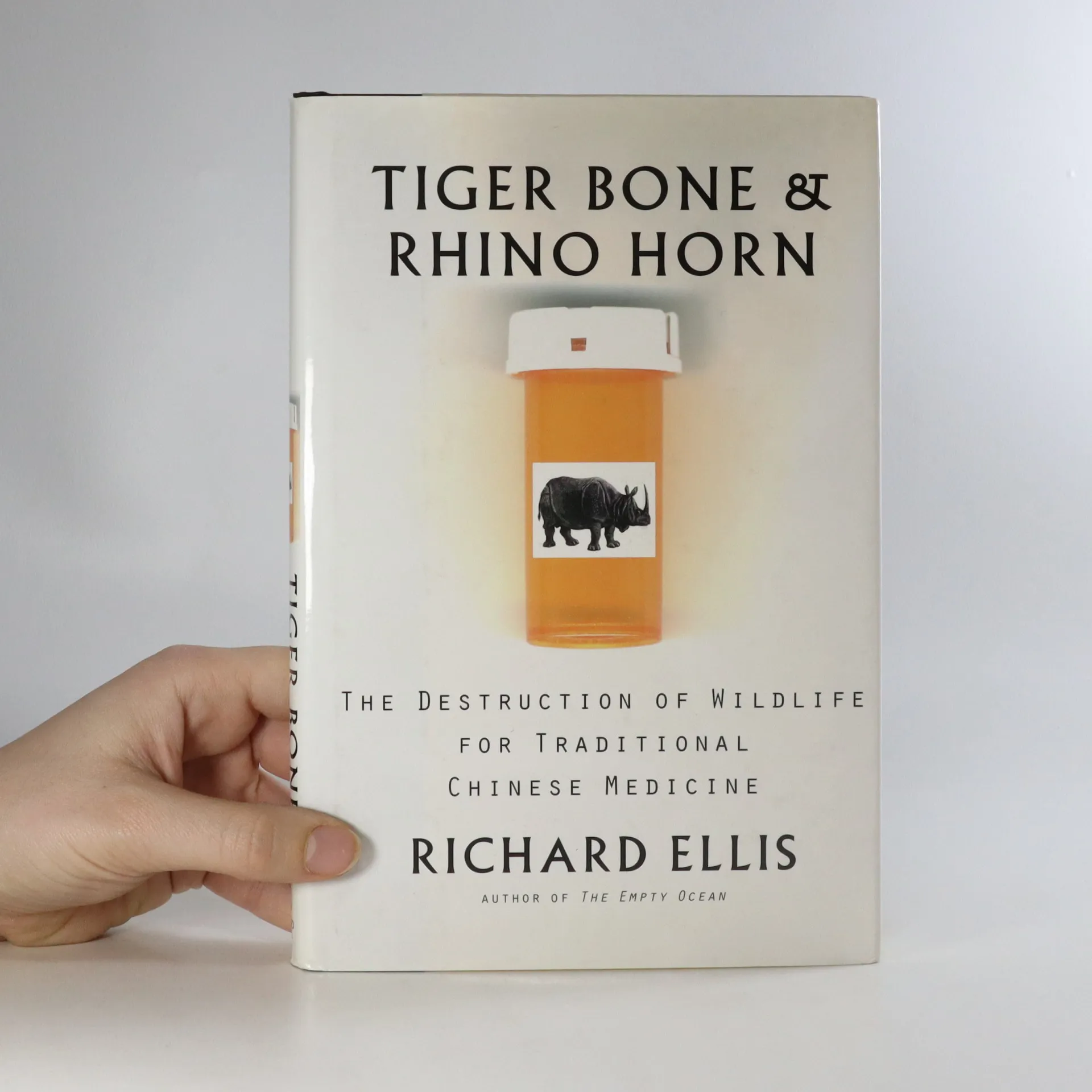
Richard Ellis je oceňovaným autorem, který se specializuje na mořský život a je považován za předního amerického umělce zobrazujícího mořské živočichy. Jeho díla byla vystavována po celém světě a jeho rozsáhlá tvorba zahrnuje devět knih, které prozkoumávají fascinující svět oceánů a jejich obyvatel. S hlubokým porozuměním mořské biologie a jedinečným uměleckým talentem Ellis přináší čtenářům a návštěvníkům galerií poutavé pohledy na podmořský svět. Jeho práce se zaměřuje na podstatu mořského života, od největších kytovců po tajemné hlubiny a legendární tvory, a zachycuje jejich krásu i tajemství.
More than 2,500 years after it was written, Symposium remains a key text for
philosophers, historians, writers, artists and politicians. Plato imagines
seven important historical figures, including the philosopher Socrates,
debating eros (human love and desire).
Blickt der Mensch aufs Meer, sieht er lediglich das Dach eines gewaltigen Gebäudes, das der faszinierendsten Tierwelt dieses Planeten ein Zuhause bietet. Richard Ellis hebt das Dach dieses Gebäudes an. Mehr noch: Er führt durch Räume, die der Mensch noch nie betreten hat, erklärt anschaulich und unterhaltsam die komplexe Lebenswelt der Ozeane und macht an alarmierenden Beispielen deutlich, welchen Wert die Meeresbewohner für den Menschen darstellen – und zwar von den mikroskopisch kleinen Diatomeen bis hin zu den uns scheinbar so vertrauten Walen, den größten Tieren, die unser Planet jemals hervorgebracht hat. Ellis berichtet vom Schicksal des Großalks, des Urvaters der Pinguine, der einst Nordamerika bevölkerte; er erzählt von Seepferdchen, die in China seit Jahrhunderten zu Medizin verarbeitet werden; von der gierigen Rippenqualle, die pro Tag das Zehnfache ihres eigenen Gewichts verzehrt – und macht eindringlich den unschätzbaren Wert der Korallen begreiflich. Der lebendige Ozean ist die Quintessenz des Schaffens eines der wichtigsten Meeresforscher unserer Zeit. Dabei lag es für Richard Ellis – der auch einen Namen als Maler mariner Themen hat – auf der Hand, dieses Buch selbst zu illustrieren. Über sein leidenschaftlich vermitteltes Wissen lässt uns Ellis das unergründliche Meer verstehen. „Dieses Buch wird Ihr Bild vom Meer für immer verändern.“ National Geographic Society
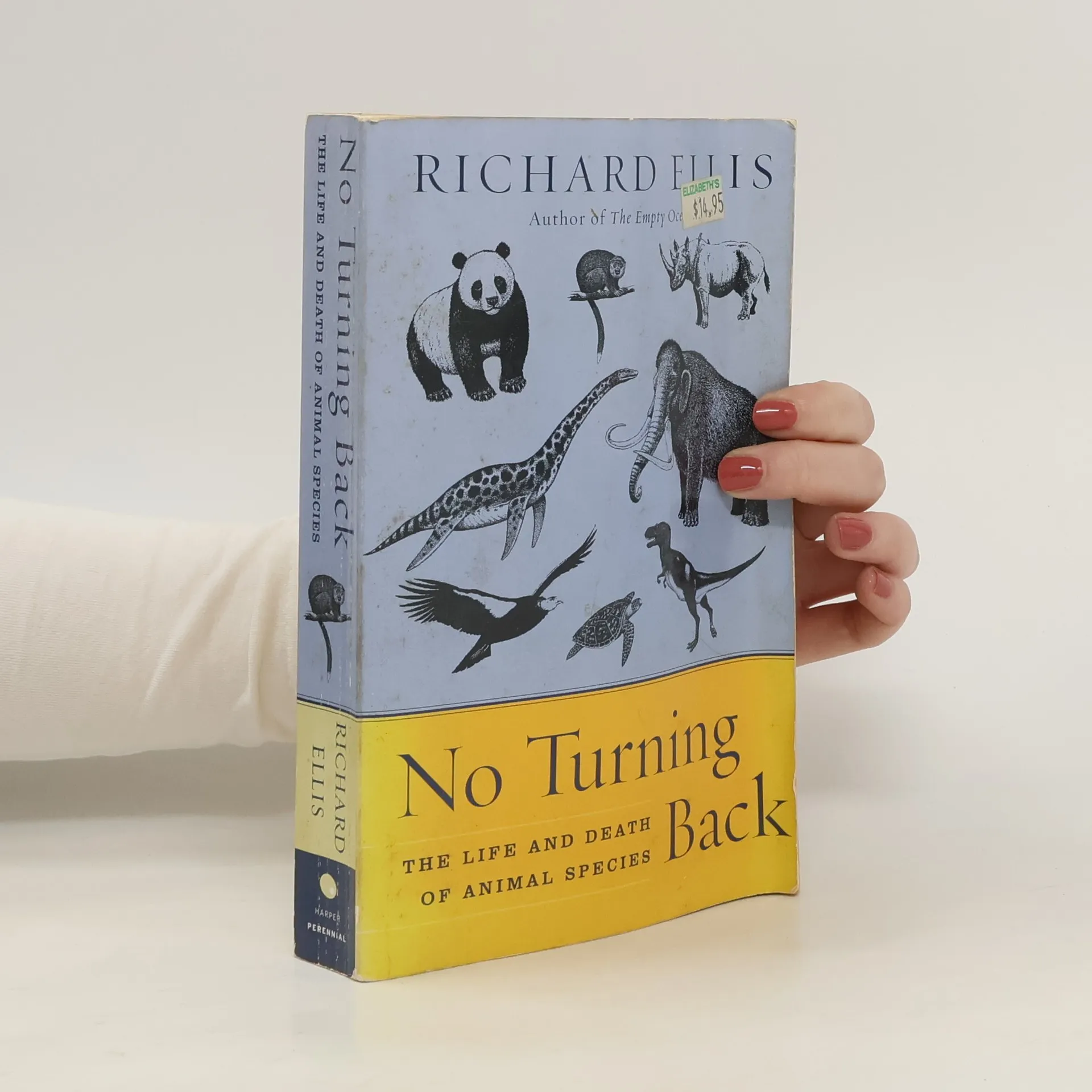
Nearly every species that has lived on earth is extinct. The last of the dinosaurs was wiped out after a Mount Everest-sized meteorite slammed into the earth 65 million years ago. The great flying and marine reptiles are no more. Before humans crossed the Bering Land Bridge some 15,000 years ago, North America was populated by mastodons, mammoths, saber-toothed tigers, and cave bears. They too are MIA. The passenger pigeon, once the most numerous bird in North America, is gone forever. In No Turning Back, renowned naturalist Richard Ellis explores the life and death of animal species, immortalizing creatures that were driven to extinction thousands of years ago and those more recently. He documents those that were brought back from the brink, and most surprisingly, he reveals animals not known to exist until the twentieth century -- an antidote to extinction.
In The Empty Ocean , acclaimed author and artist Richard Ellis tells the story of our continued plunder of life in the sea and weighs the chances for its recovery. Through fascinating portraits of a wide array of creatures, he introduces us to the many forms of sea life that humans have fished, hunted, and collected over the centuries, from charismatic whales and dolphins to the lowly menhaden, from sea turtles to cod, tuna, and coral. Rich in history, anecdote, and surprising fact, Richard Ellis’s descriptions bring to life the natural history of the various species, the threats they face, and the losses they have suffered. Killing has occurred on a truly stunning scale, with extinction all too often the result, leaving a once-teeming ocean greatly depleted. But the author also finds instances of hope and resilience, of species that have begun to make remarkable comebacks when given the opportunity. Written with passion and grace, and illustrated with Richard Ellis’s own drawings, The Empty Ocean brings to a wide audience a compelling view of the damage we have caused to life in the sea and what we can do about it. "
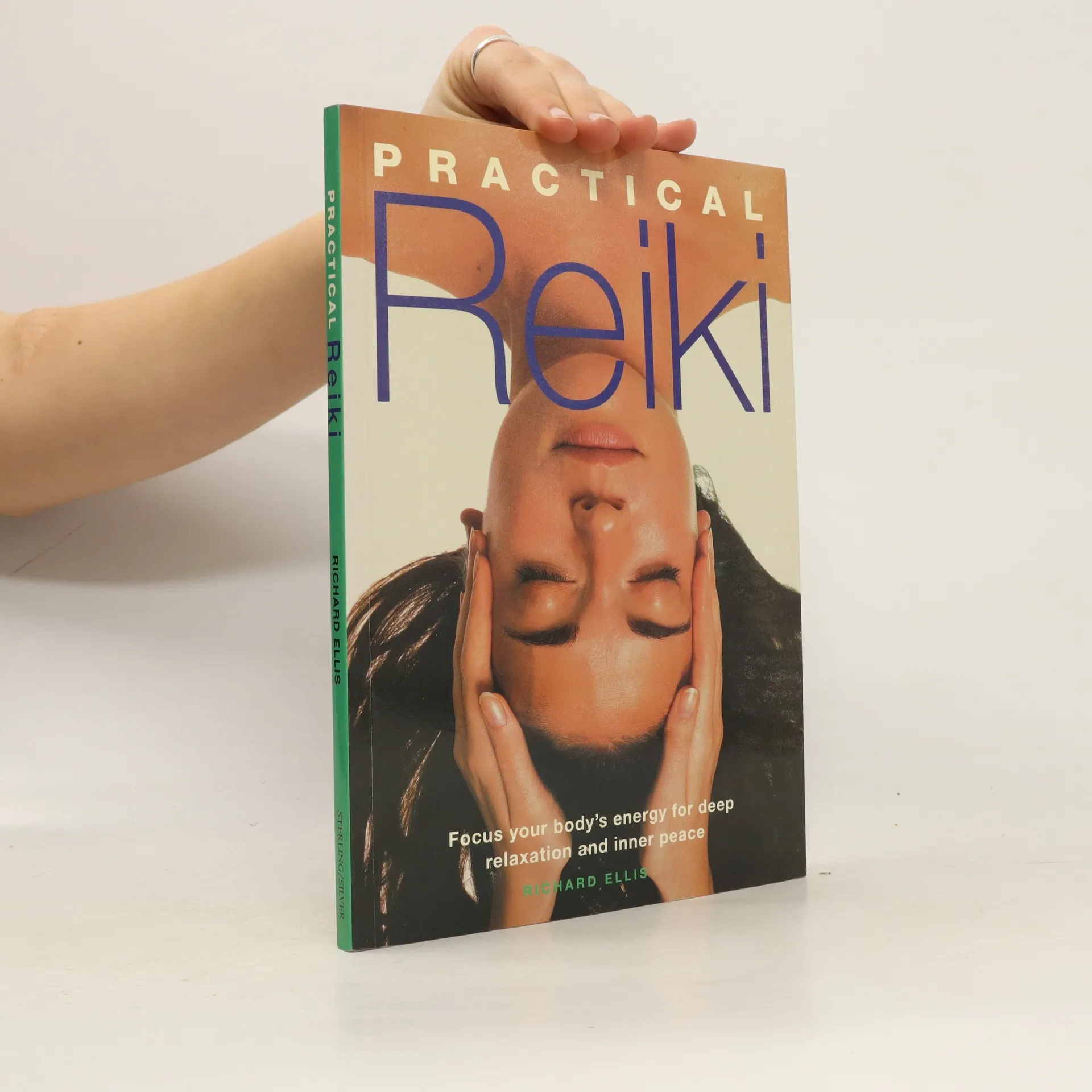
Reiki is a unique system of healing that allows you to harness and transmit
energy through your hands, restoring balance and harmony within the body and
bringing relief to a wide range of physical and emotional problems.
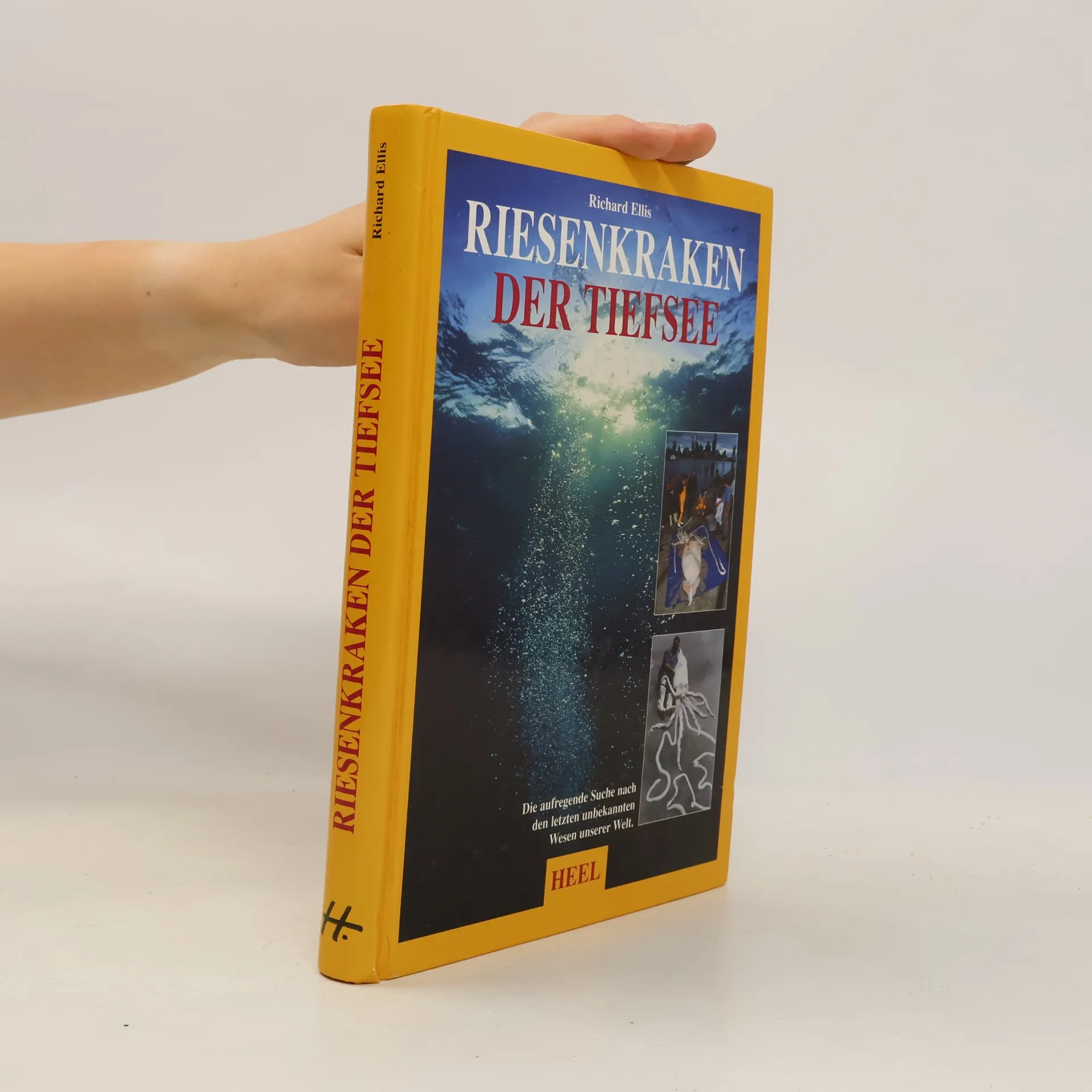
Richard Ellis ist es gelungen, eine beeindruckende Menge an Material über eines der am wenigsten bekannten Tiere der Welt zusammenzutragen. Wie ein moderner Sherlock Holmes deckt er alles auf, was über den Riesenkraken bekannt ist und legt Fakten und Fiktionen dar, die sich um diese bemerkenswerte Bestie ranken, die in den Tiefen des Ozeans lauert. Das Furcht erregende See-Ungeheuer hat Ausmaße, die einem den Atem verschlagen: Die Vorstellung eines Monsters von gut 18 Metern Länge, bei einem Gewicht von mehr als einer Tonne, versetzten nicht nur schon die Menschen im Mittelalter in Angst und Schrecken, auch heute noch bringen Filmemacher oder Buchautoren das Ungeheuer als Hauptattraktion in Horrorstories. Ellis bietet eine gründliche Mischung aus historischen Fakten, Mythen und biologischen Erkenntnissen und illustriert seinen Text durch eine Menge faszinierender Bilder. Ein Buch für alle, die an den letzten Mysterien dieser Erde interessiert sind: vom Monster-Liebhaber bis hin zum Wi ssenschaftler.
La più recente e più accurata indagine sul mistero dell'isola scomparsa
430 stránek
16 hodin čtení
Quando è nato il mito di Atlantide? Il continente perduto, la favolosa isola inghiottita dal mare costituisce, insieme all'enigma delle piramidi e alle visite degli UFO, uno degli argomenti più cari agli amanti del mistero, dai tempi antichi fino ad oggi. Il primo a parlarne fu Platone: oggi, 2500 anni e circa 2000 libri dopo, non ne sappiamo ancora quasi nulla. Richard Ellis riesamina qui la tortuosa storia di questo mito, prendendo in esame le principali teorie sulla leggenda di Atlantide.
Reiki kan helpen bij het verbeteren van fysieke en emotionele symptomen, van kleine klachten tot ernstigere aandoeningen. Een Reiki-beoefenaar fungeert als een kanaal voor energie, die via zijn handen naar de ontvanger wordt doorgegeven, waardoor het natuurlijke vermogen van het lichaam om zichzelf te genezen wordt geactiveerd. Op deze manier wordt het natuurlijke evenwicht van de patiënt hersteld, zowel fysiek als mentaal. Het is belangrijk dat potentiële patiënten en studenten de aard van deze therapie leren, wat ze ervan kunnen verwachten en hoe ze het zelf kunnen leren. Dit boek behandelt al deze onderwerpen en legt met behulp van meer dan 200 illustraties uit wat Reiki is en hoe het wordt onderwezen, geleerd en beoefend.
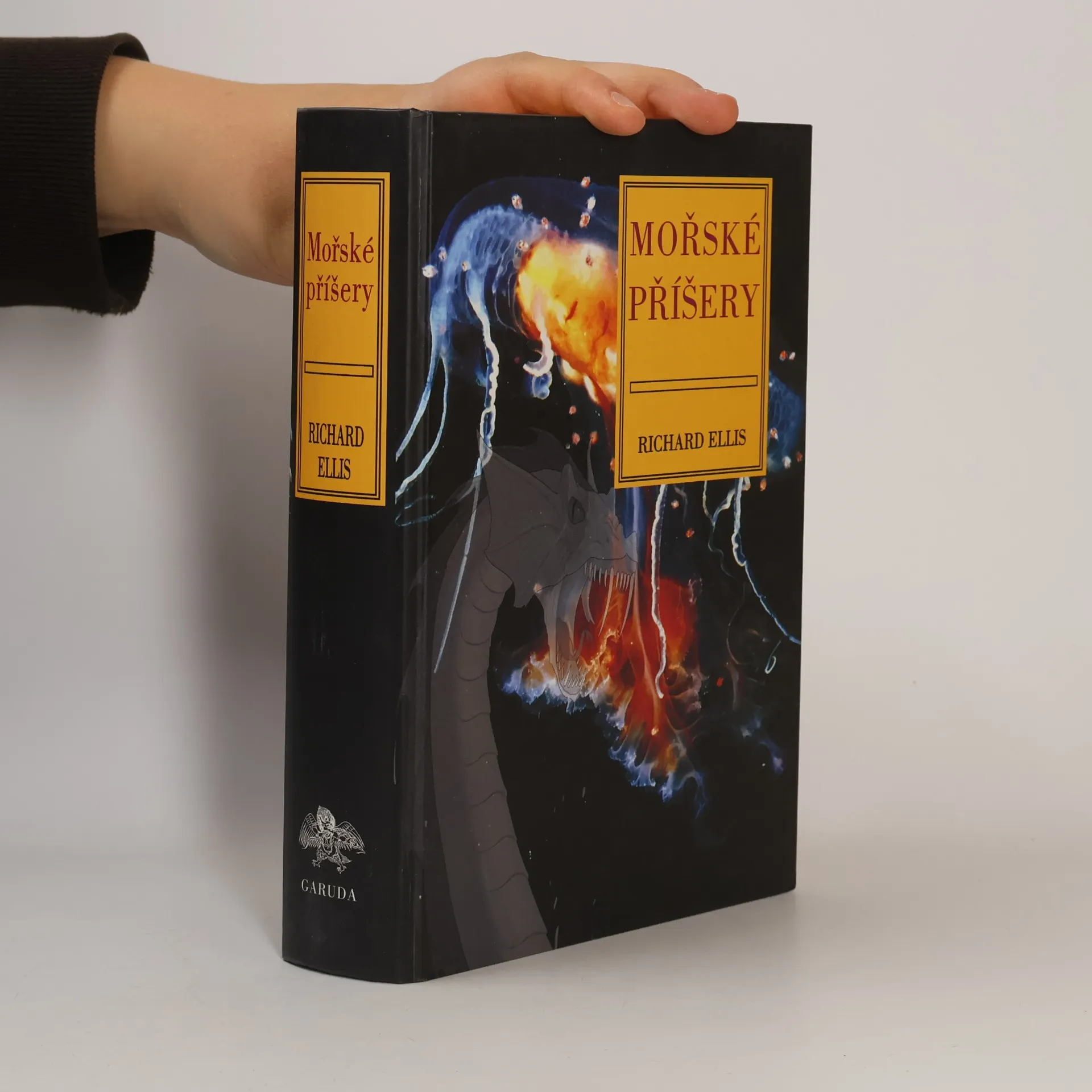
Mýty a fakta o tajemných a nebezpečných mořských zvířatech.
Autor poutavě vypráví o žralocích, velrybách, chobotnicích, krakaticích, kapustňácích a mořských hadech – zvířatech, která byla dříve považována za draky, krakeny, mořské panny, sirény a další mytologické mořské obludy. Vypráví o historii jednotlivých příšer, doplňuje ji úryvky z bájí, námořnických příběhů a vědecko-fantastických románů a ukazuje, jak se lidské představy postupně zhmotňovaly v souvislosti s prokazováním jejich skutečné existence. Vyprávění je doplněno i biologickými popisy zvířat a jejich způsobu života a chování.
The Biology and Mythology of the World's Most Elusive Sea Creature
336 stránek
12 hodin čtení
The most mysterious and elusive of all sea creatures, the giant squid—at least sixty feet long and weighing more than a ton—is also one of the largest. With two whip-like tentacles, eight arms studded with toothed suckers, and two lidless eyes the size of dinner plates, Architeurthis has inspired myths and movies, nightmares and religious conversions. Yet it has never been studied while alive.Marin biologist, explorer, and artist Richard Ellis delves into myth, literature, and science to bring readers face-to-face with this remarkable creature as it terrifies sailors ad fishermen throughout history and battles for its life against the great sperm whale. Ellis continues his exploration into the modern era, when scientists rush to study a rare carcass, and the giant squid is a staple on the big screen.Interweaving his narrative with a wralth of illustrations and photographs, Ellis gives us the first scientific and cultural history of the only living creature that can still truly be called a sea monster.
Reiki, the simple laying-on of hands, can channel life-empowering energy and heal physical and emotional ailments! By focusing on the seven chakras--powerful centers throughout the body that interact with an ocean of energy--the ancient art of Reiki activates the body's natural ability to cure itself and restores its natural balance. Rise through the three levels of Reiki, at each stage passing through initiations and encountering sacred symbols. Learn how energy travels through the hands and how to perform a foundation treatment that consists of 16 positions--or treat someone to a shorter, quicker version. Use thought as energy to work on conflicts at home or the office, and develop a deeper sense of empathy. With information on curing specific conditions, guidance on meditation and exercises to raise self-awareness, and ideas for creating a healing space, you'll be well on your way to a life-altering experience. 128 pages, 7 1/2 x 10 1/2.
Balene und Meeresschlangen, gigantische Tintenfische und rätselhafte Sirenen, enorme Killerhaie und friedliche Manatis. Und auch teuflische Mantas, Quastenflosser, zwanzig Meter lange Kalmare, Seekühe, furchterregende Aale und schwer fassbare Wasser-Dinosaurier, ganz zu schweigen von den Globstern, den übergroßen Massen von "lebender Gelee", die mehr als einmal an den Stränden gestrandet sind. Richard Ellis, ein erfahrener Meeresbiologe, bietet uns spannende Porträts der geheimnisvollsten und flüchtigsten Kreaturen der Tiefsee. Indem er Wissenschaft und Mythos, Naturgeschichte und erstaunliche Berichte vermischt, erzählt er alles über die Monster, die die Tiefen des Meeres und die Fantasien der Menschen bevölkern.
Reich illustrierte Darstellung der Geschichte des Walfangs von den Anfängen bis zur Gegenwart; mit zahlreichen Beiträgen über die Biologie des Wales, Wale in der Dichtung u.a.m.- Standardwerk.
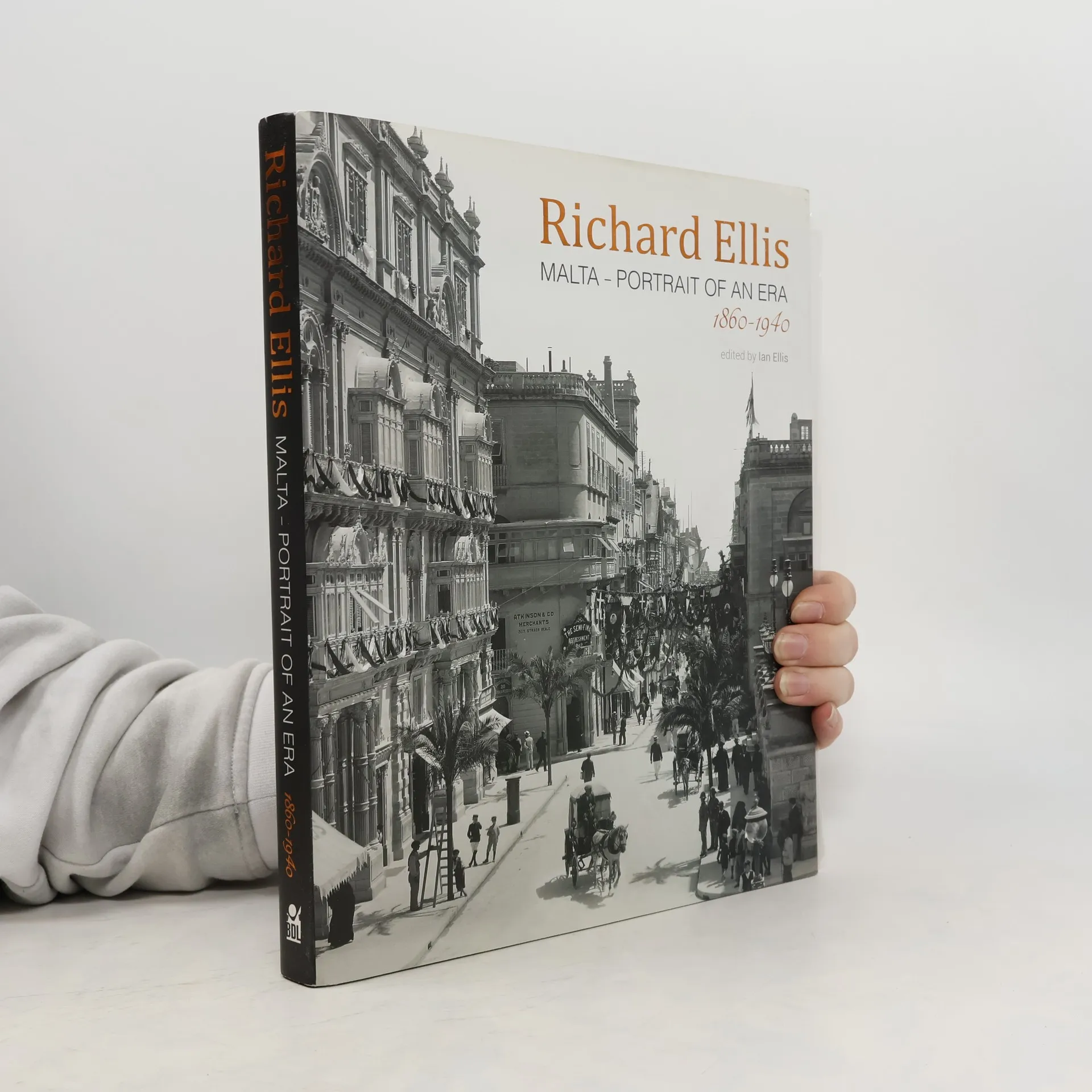
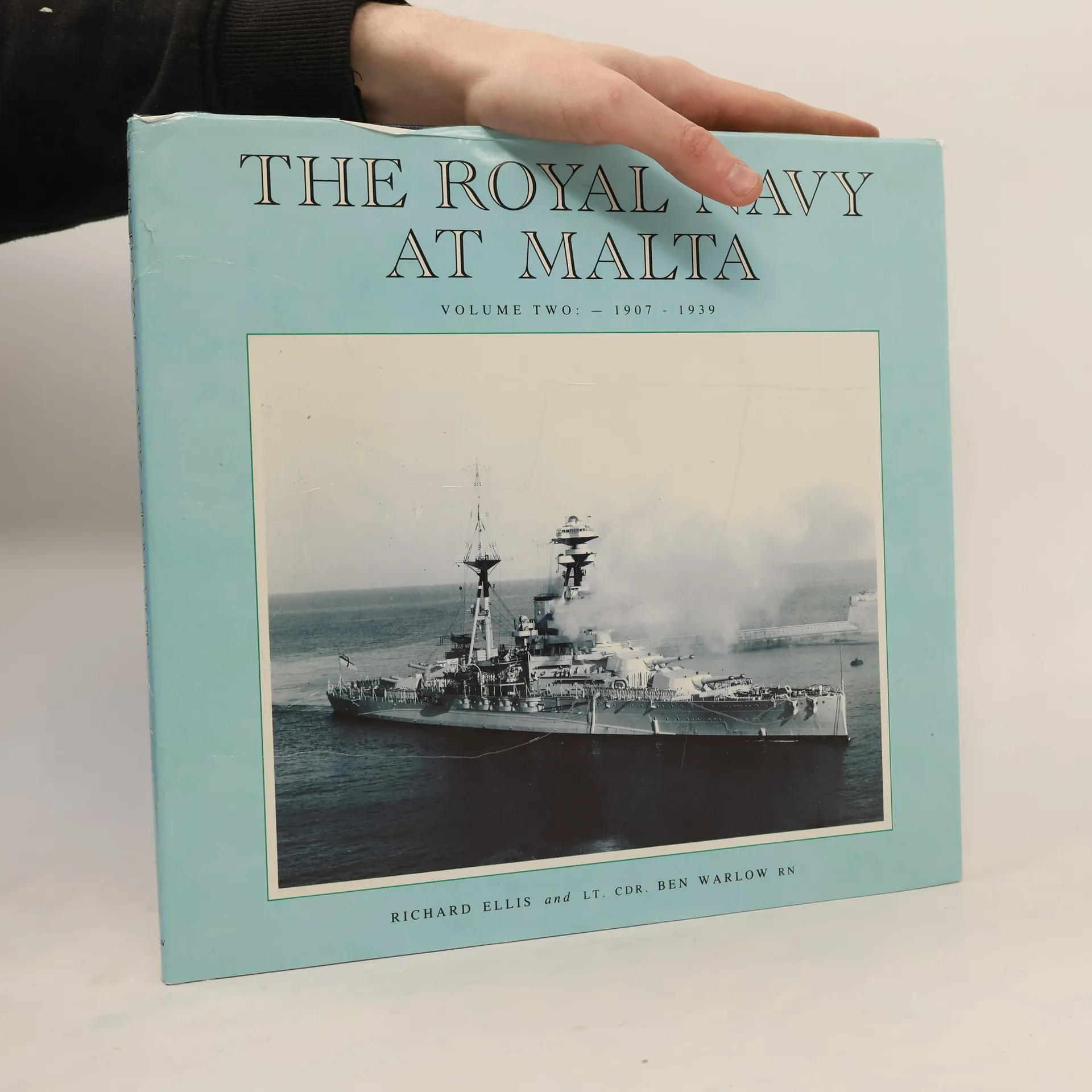
This second volume of photographs is a selection from those taken by the Ellis family of Malta during the period from the turn of the century until the outbreak of the Second World War. The photographs have been printed from glass negatives which miraculously survived the heavy bombing suffered by Malta during the war.