The book features a collection of 260 devotional verses by N_g_rjuna, a pivotal figure in Buddhist philosophy and co-founder of the Madhyamaka school of Mah_y_na Buddhism alongside his disciple _ryadeva. These verses explore profound themes in Buddhism, reflecting N_g_rjuna's influential ideas and teachings that have shaped Buddhist thought.
Nágárdžuna Pořadí knih (chronologicky)
1. leden 0150 – 1. leden 0250

This regrettably neglected text comprises 112 stanzas introduced by a brief prologue in prose. None of Nagarjuna's other works exhibit such a well-balanced and coherent structure as the Bodhicittavivarana. This is to some extent a natural consequence of the fact that the theme is at once simple and comprehensive: bodhicitta. It has a relative aspect consisting in the desire for the bodhi (awakening) of all living beings, and an absolute consisting in the unlimited cognition of shunyata (emptiness). The Bodhicittavivarana thus provides us with a compendium of the practice and theory of Mahayana Buddhism. This book consists of an introduction, the English translation of Bodhicittavivarana, the Tibetan transcription, Sanskrit fragments, additional notes and a new essay about the Greek roots of Buddhism.
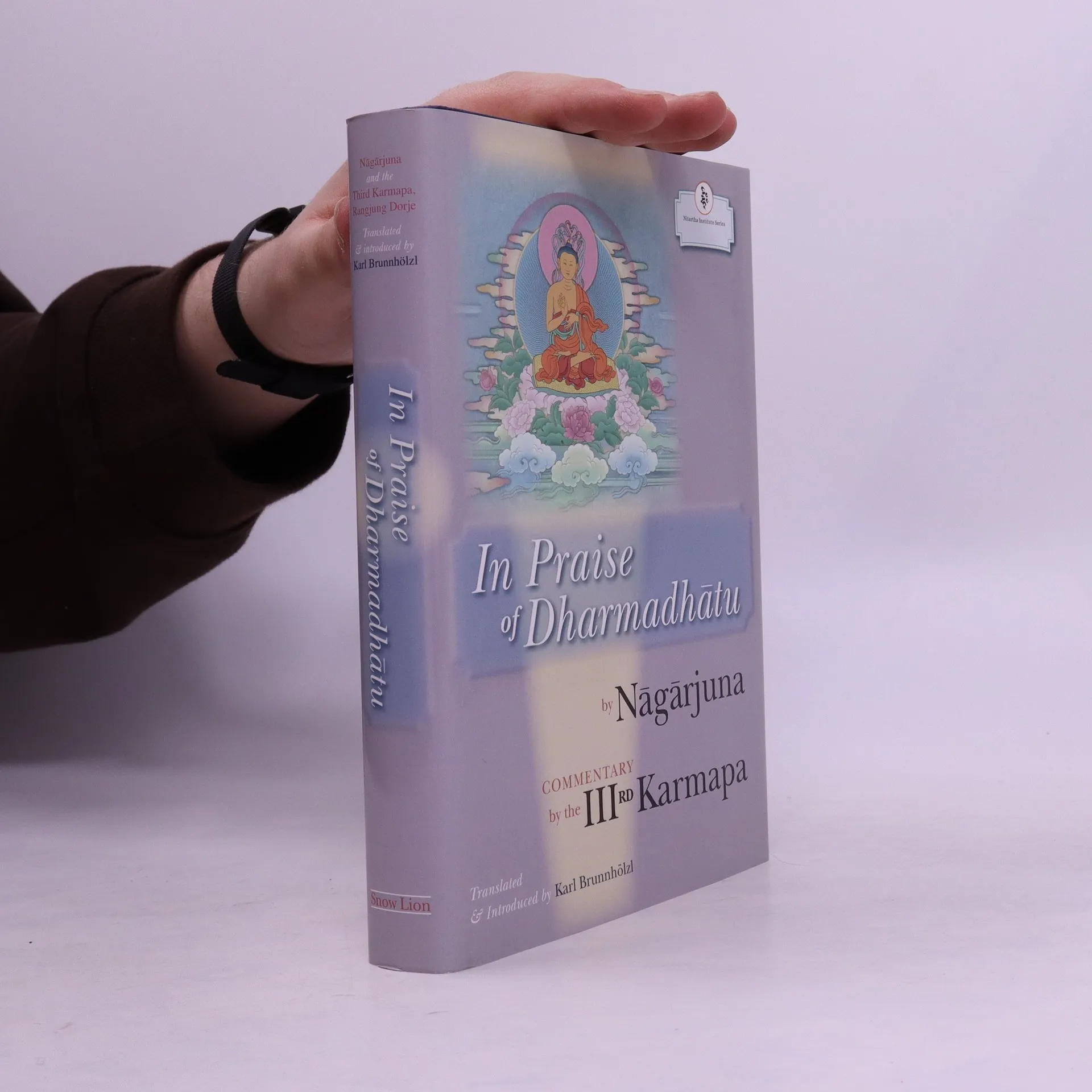
All beings have the potential to recognize their true nature, their buddha nature, explicated here by Nagarjuna, Buddhism's single most important philosopher, with commentary from an eminent fourteenth-century sage.
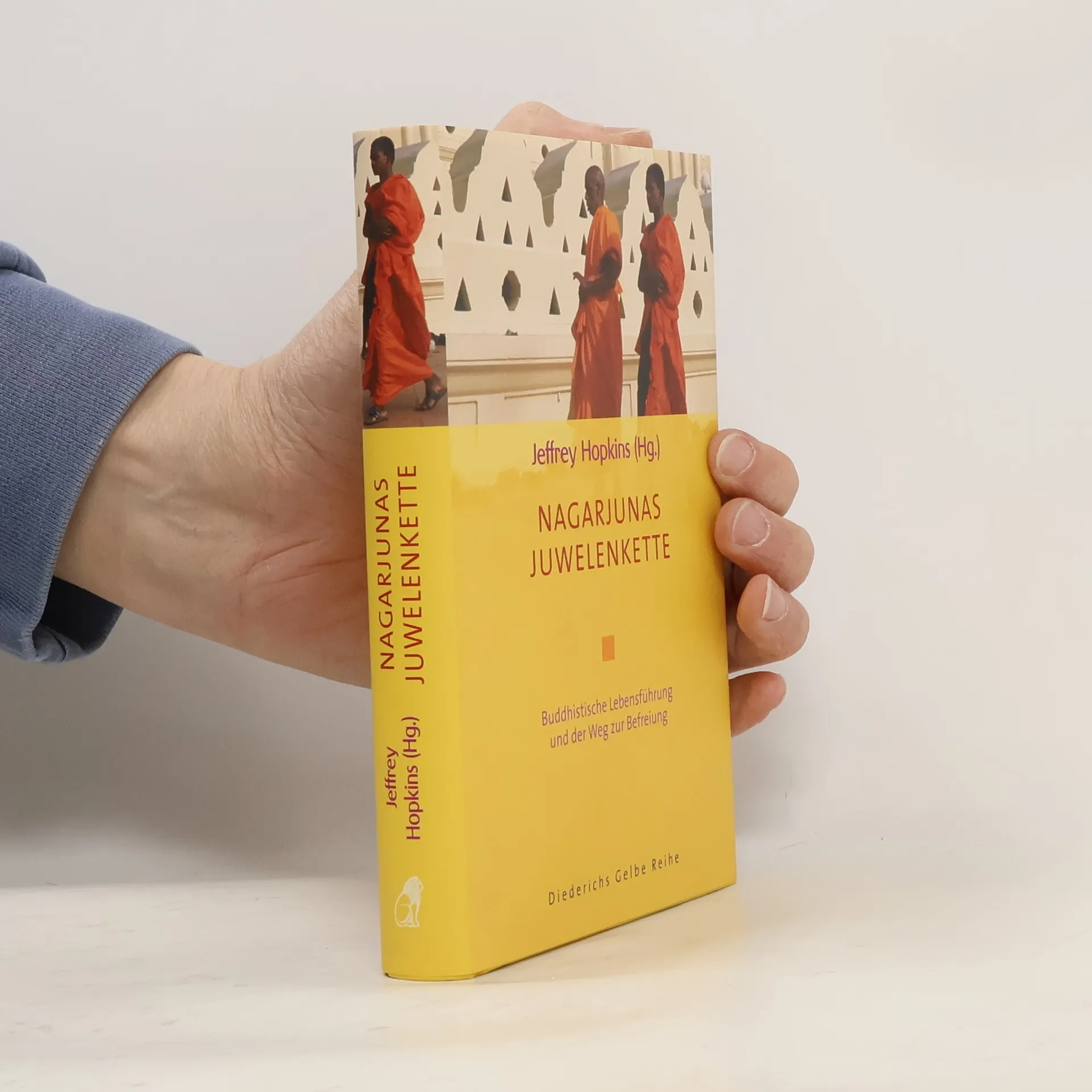
Nagarjunas Juwelenkette
Buddhistische Lebensführung und der Weg zur Befreiung
- 288 stránek
- 11 hodin čtení
Der indische Meister Nagarjuna gilt nach dem Buddha als der größte Lehrer des Buddhismus. Seine Weisheitsschrift Die Juwelenkette ist das Grundlagenwerk der buddhistischen Lebensführung, auf dem spätere Meister wie Shantideva aufbauen und aus dem der Dalai Lama heute oft zitiert. Jeffrey Hopkins macht den Klassiker von Nagarjuna in seiner ursprünglichen Kraft erstmals für den Westen zugänglich. Nagarjuna lebte im 2. Jahrhundert n. Chr. in Südindien und begründete die wichtige buddhistische Lehre von der Leerheit. In Die Juwelenkette vermittelt er das Ideal des ethischen Lebens: Liebe, Mitgefühl, die Lehre vom Nicht-Schaden und von der gegenseitigen Hilfe. Er zeigt, wie positiv sich Mitgefühl und Weisheit auf das Zusammenleben der Menschen auswirken. Eine Perle der buddhistischen Literatur endlich in deutscher Übersetzung.
Nāgārjuna's Ratnāvalī 3
- 260 stránek
- 10 hodin čtení
Conjugal love in India
- 336 stránek
- 12 hodin čtení
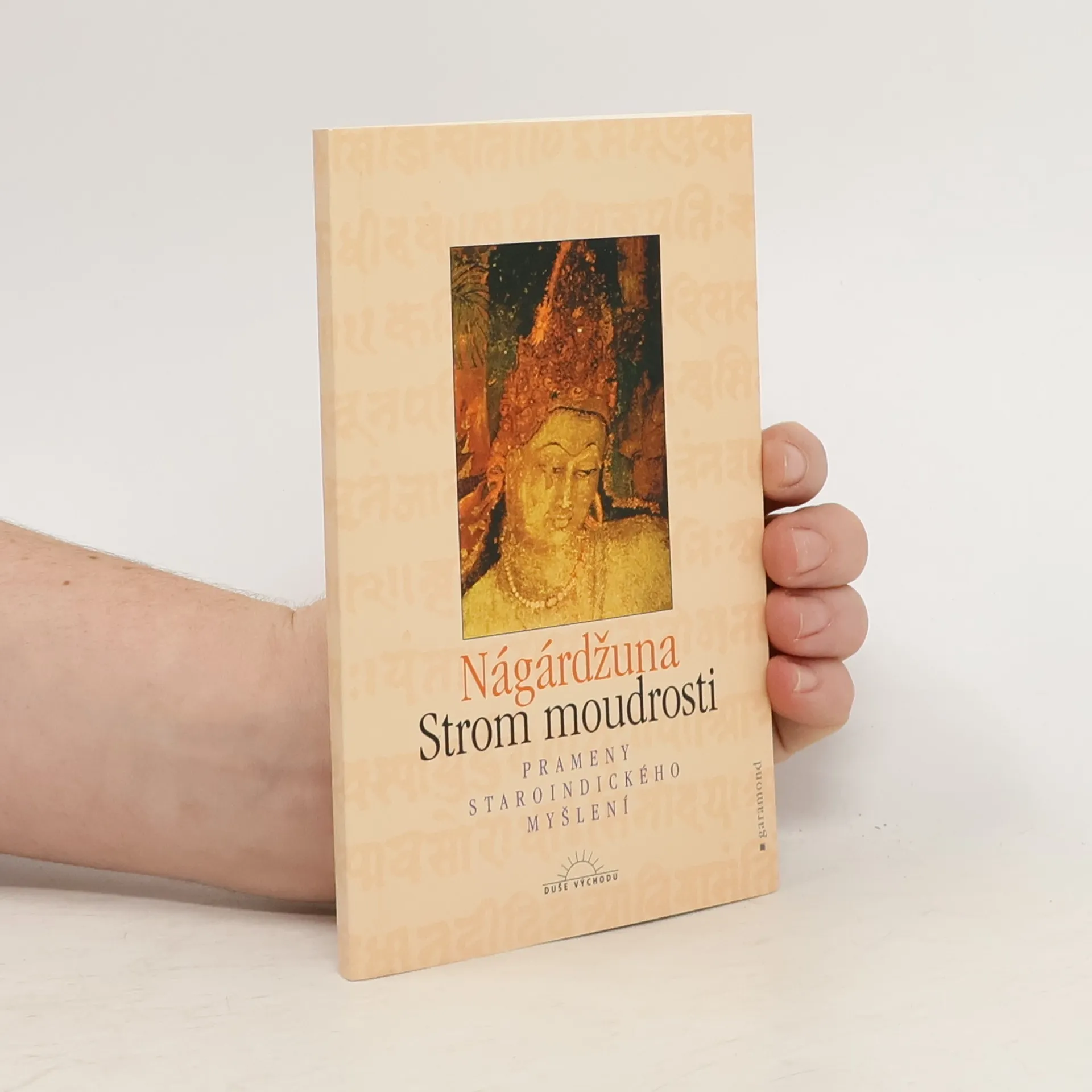
Spis datovaný do 2. století n. l. přibližuje prameny staroindického myšlení. Je připisován jednomu z největších filozofů Indie, učenci, lékaři a alchymistovi Nágárdžunovi. Ten je prvním myslitelem, který je uváděn do souvislosti s mahájámovým buddhismem a pro mahájisty představuje hloubkou myšlení největší autoritu po Buddhovi.
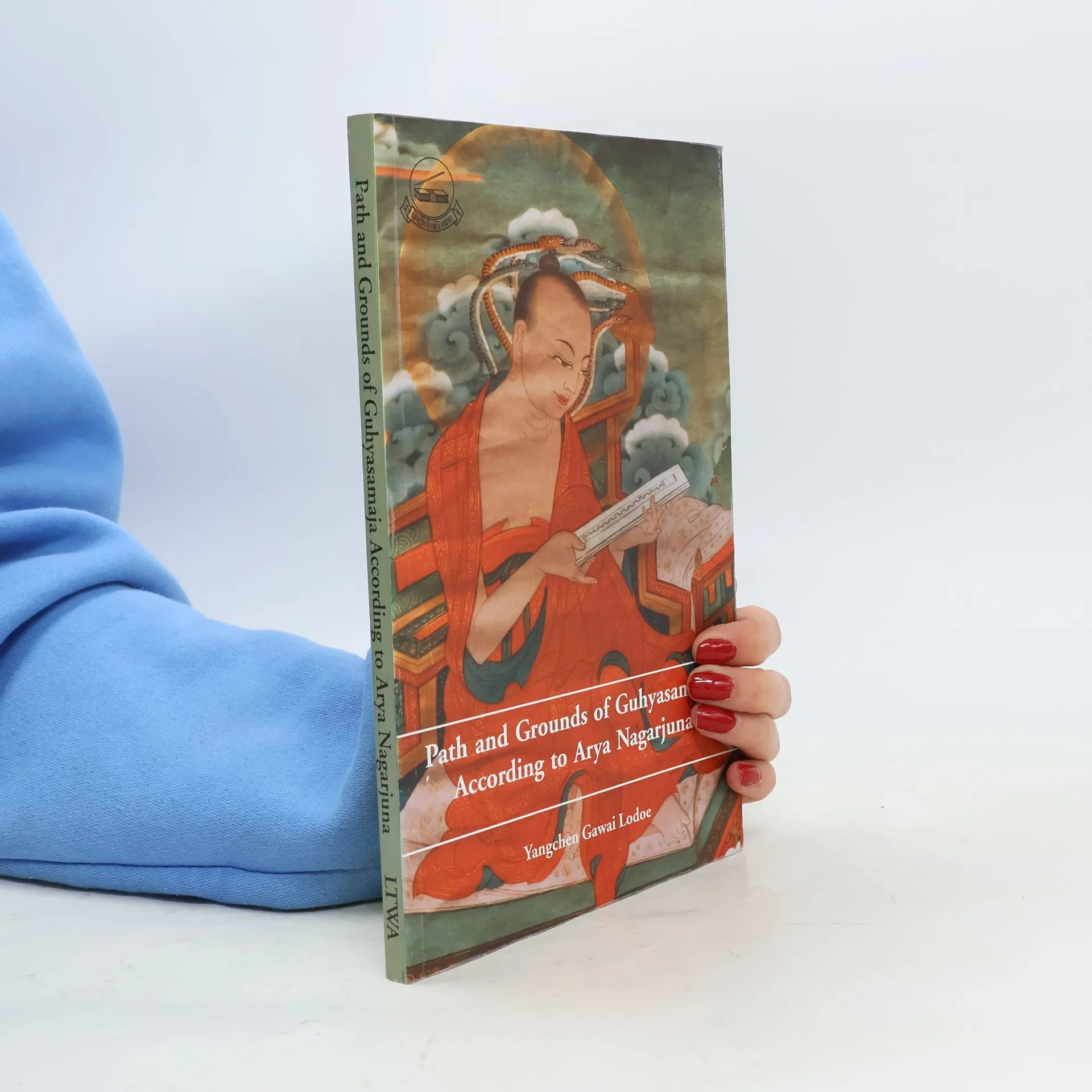
Paths and Grounds of Guhyasamaja According to Arya Nagarjuna
- 164 stránek
- 6 hodin čtení
English (translation)Original Tibetan
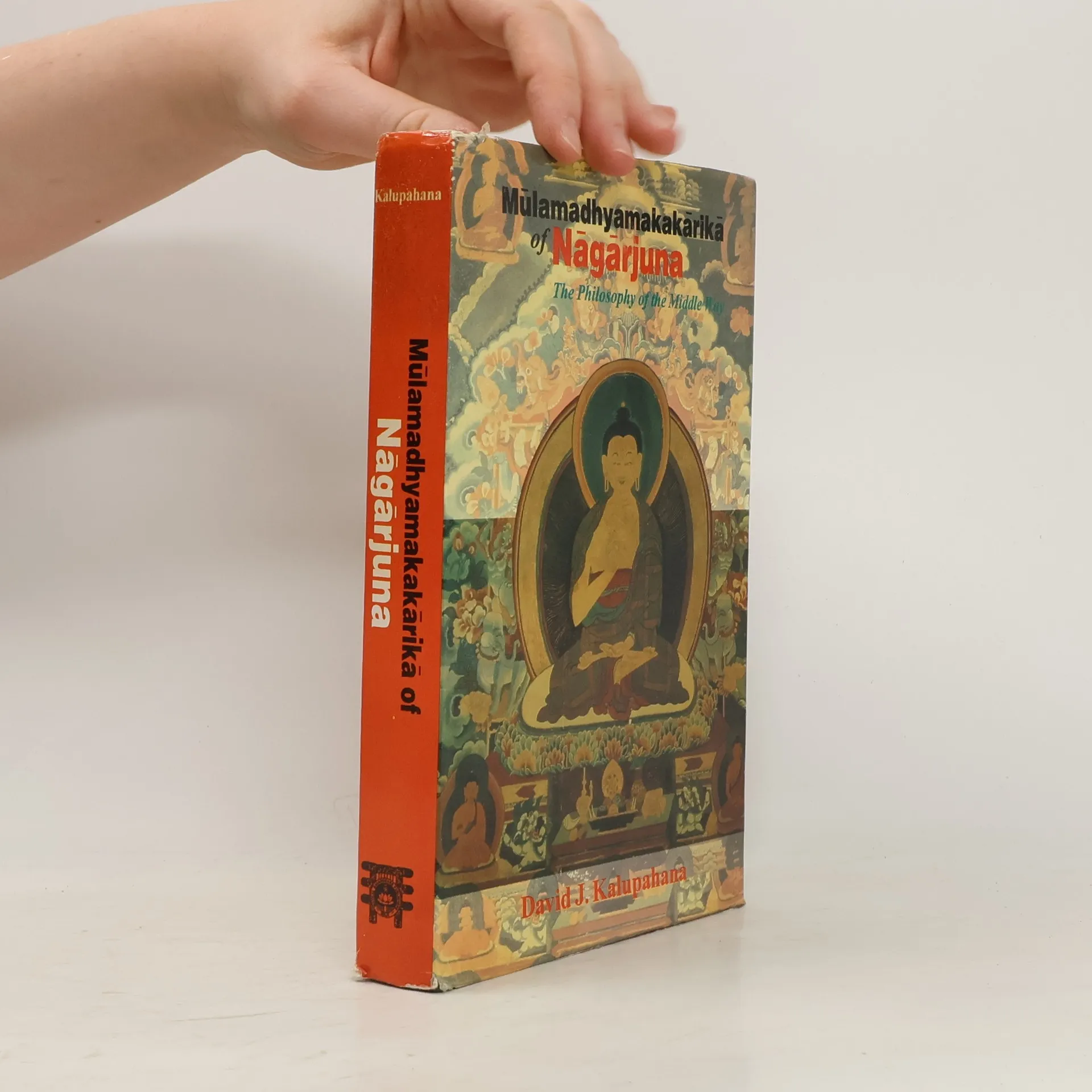
This is a completely new translation of Nagarjuna`s major work the Mulamadhyamakakarika, accompanied by a detailed annotation of each of the verses. The annotation identifies the metaphysical theories of the scholastics criticized by Nagarjuna, and traces the source material and the arguments utilized in his refutation back to the early discourses of the Buddha. The Introduction presents a completely new hypothesis about the nature of treatise. The work is a grand commentary on the Buddha's "Discourse to Katyayana" (Kaccayanaqotta-sutta). The concluding part of the Introduction compares the teaching of the Buddha and Nagarjuna in regard to epistemology, ontology, ethics and philosophy of language indicating how the latter was making a determined attempt to reconstruct the Buddha's teachings in a very faithful manner, avoiding the substantialist metaphysics of the scholastics. The book shows that Nagarjuna`s ideas are neither original nor are they an advancement from the early Buddhist period. Nagarjuna is not a Mahayanist.
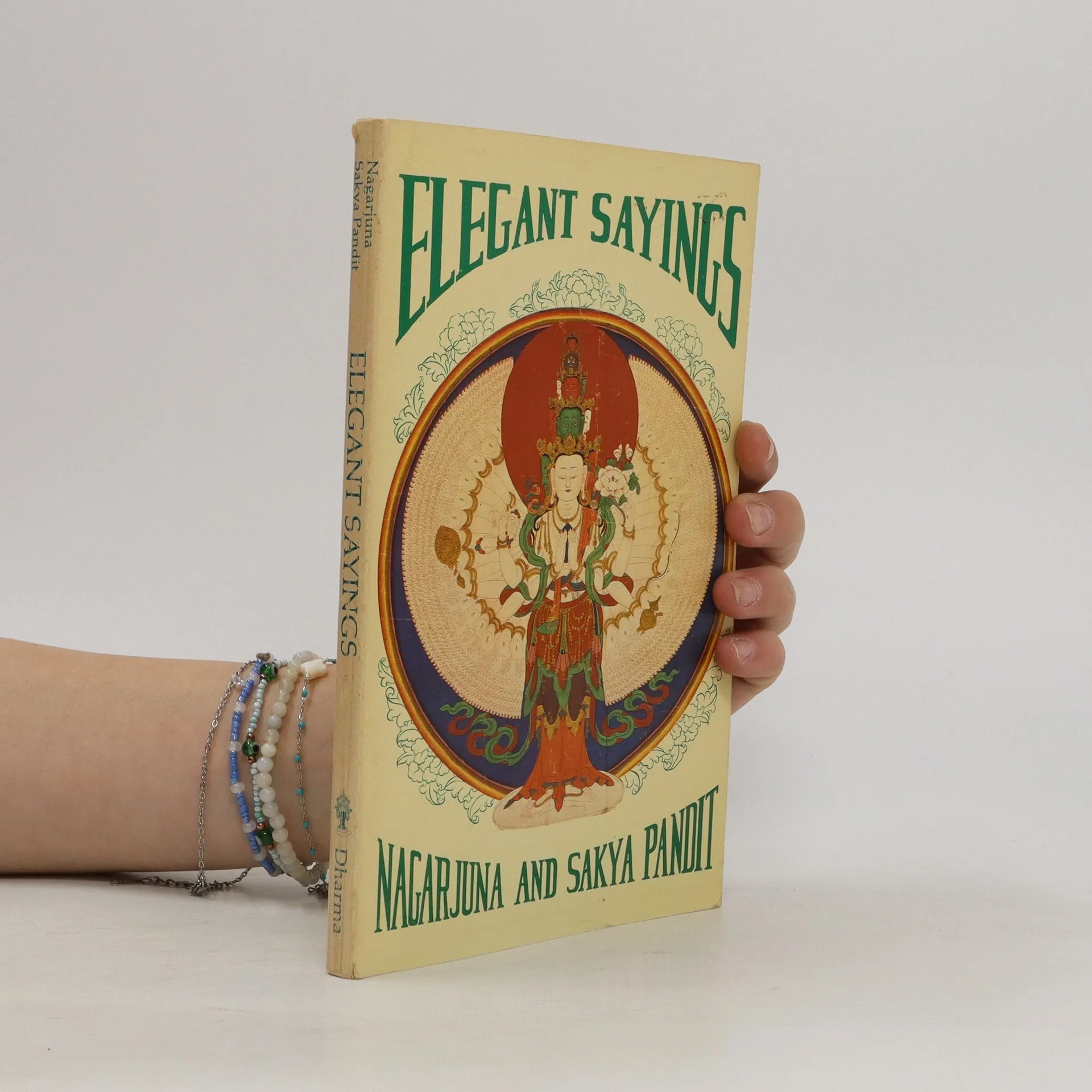
Elegant Sayings
- 122 stránek
- 5 hodin čtení
There is no ornament like virtue, no misery like worry, no protection like patience, and no friend equal to generosity. In The Staff of Wisdom, the Indian Mahayana master Nagarjuna offers the practical wisdom of the Dharma in witty, thought-provoking, and uplifting verses that apply to all types of life situations. Expressing universal truths that remind us of basic human values, Tibetan scholar Sakya Pandita's Treasury gives profound advice for daily life in truly elegant sayings that remain readily in the mind.
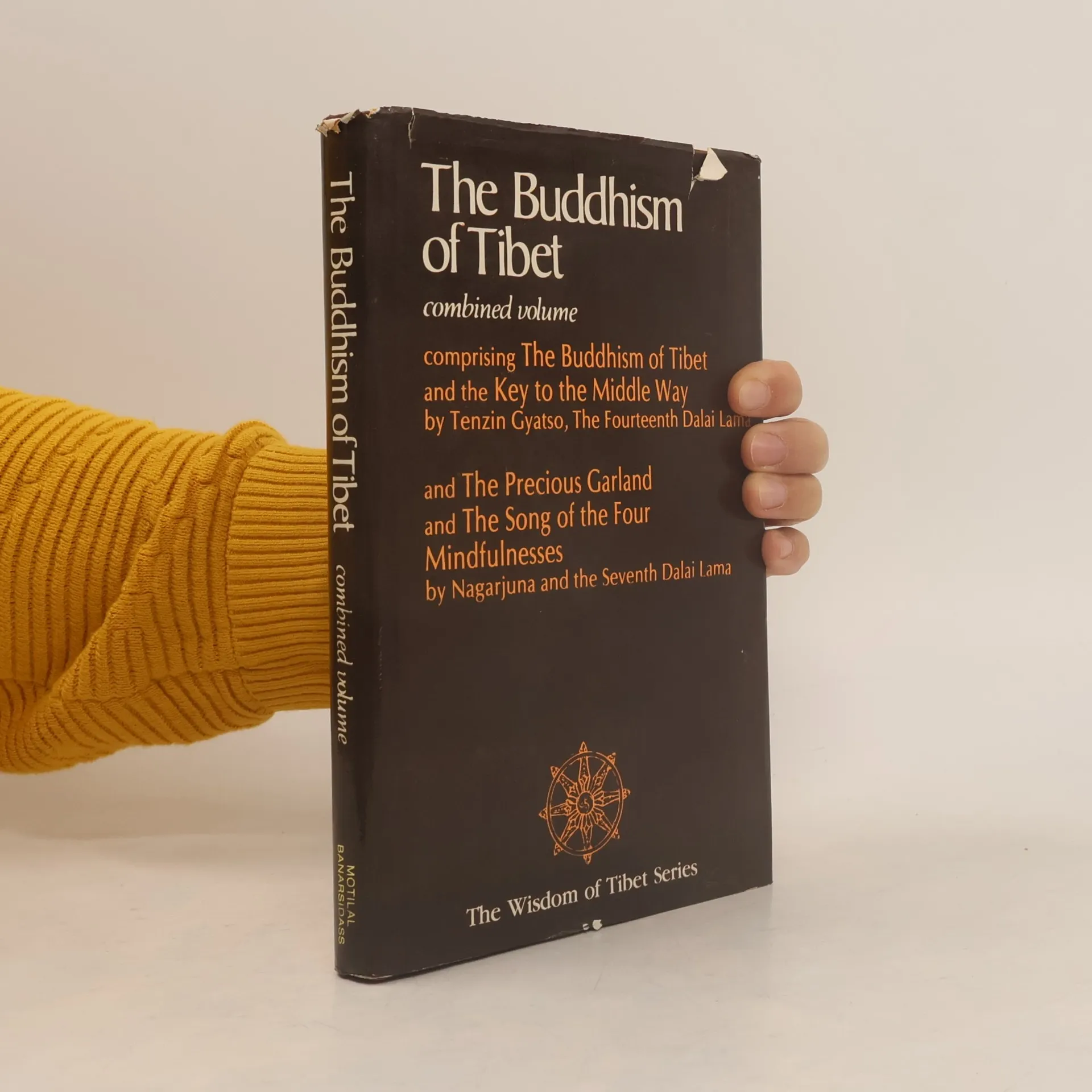
The Buddhism of Tibet
combined volume
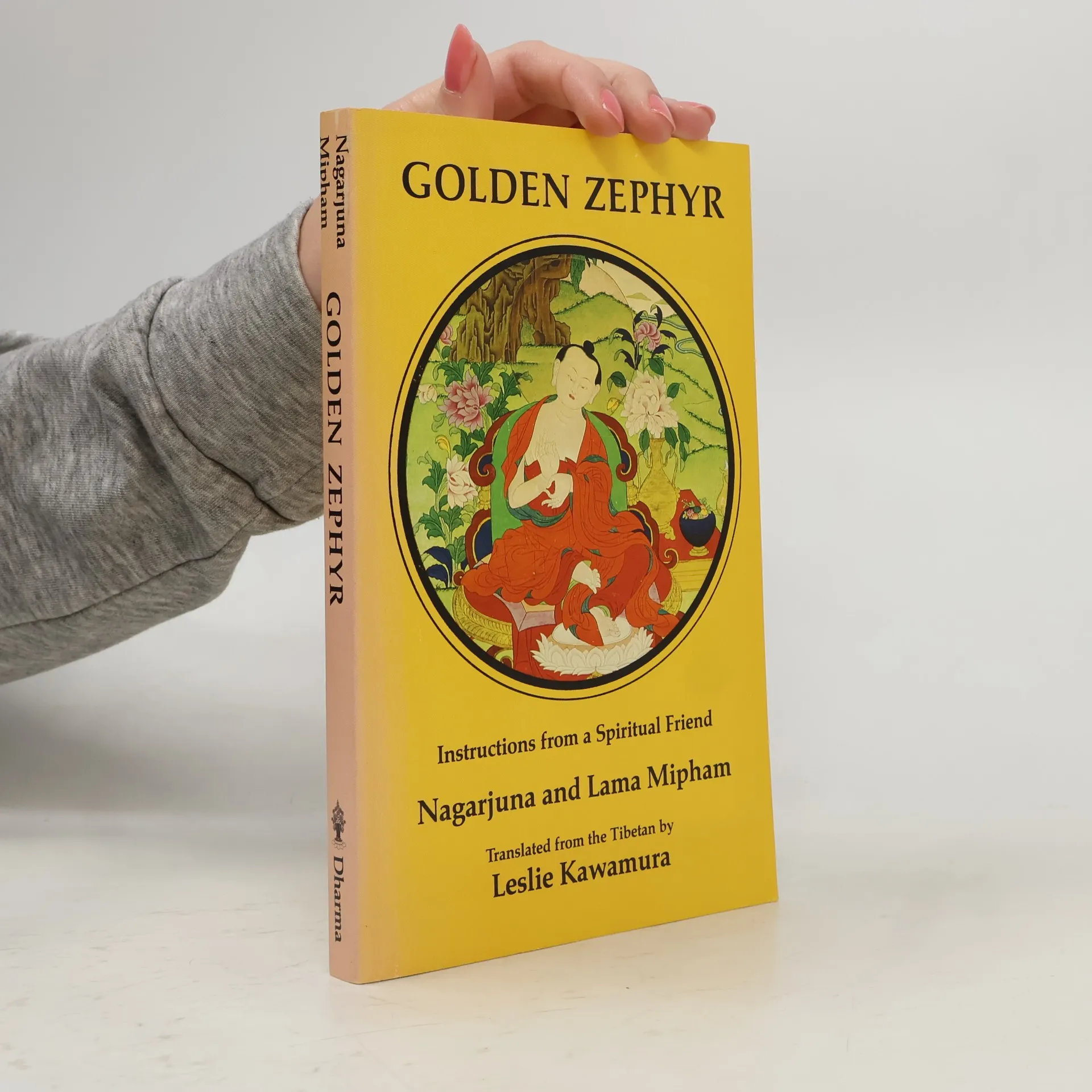
Golden Zephyr
- 185 stránek
- 7 hodin čtení
Writing to encourage a dear friend to practice the Dharma, the great Mahayana master Nagarjuna offers concise and common-sense instructions on how to begin training oneself in ethics, meditation, and wisdom in Letter to a Friend (Suhrllekha). Lama Mipham's commentary, composed for his own students in the nineteenth century, expands each point with memorable examples and provides an analytical outline of the text. Excellent introduction to the Buddhist path for lay Dharma students. Translated by L. Kawamura. Includes an essay on the literature on the Letter to a Friend, a line index in Tibetan transliteration, glossary of Tibetan terms, analyses by Lama Mipham and Sakya Pandita.