If These Stones Could Talk
- 400 stránek
- 14 hodin čtení
A unique history of Christianity in the British Isles, told through its sacred buildings - from ancient, wooden churches to lofty cathedrals





A unique history of Christianity in the British Isles, told through its sacred buildings - from ancient, wooden churches to lofty cathedrals
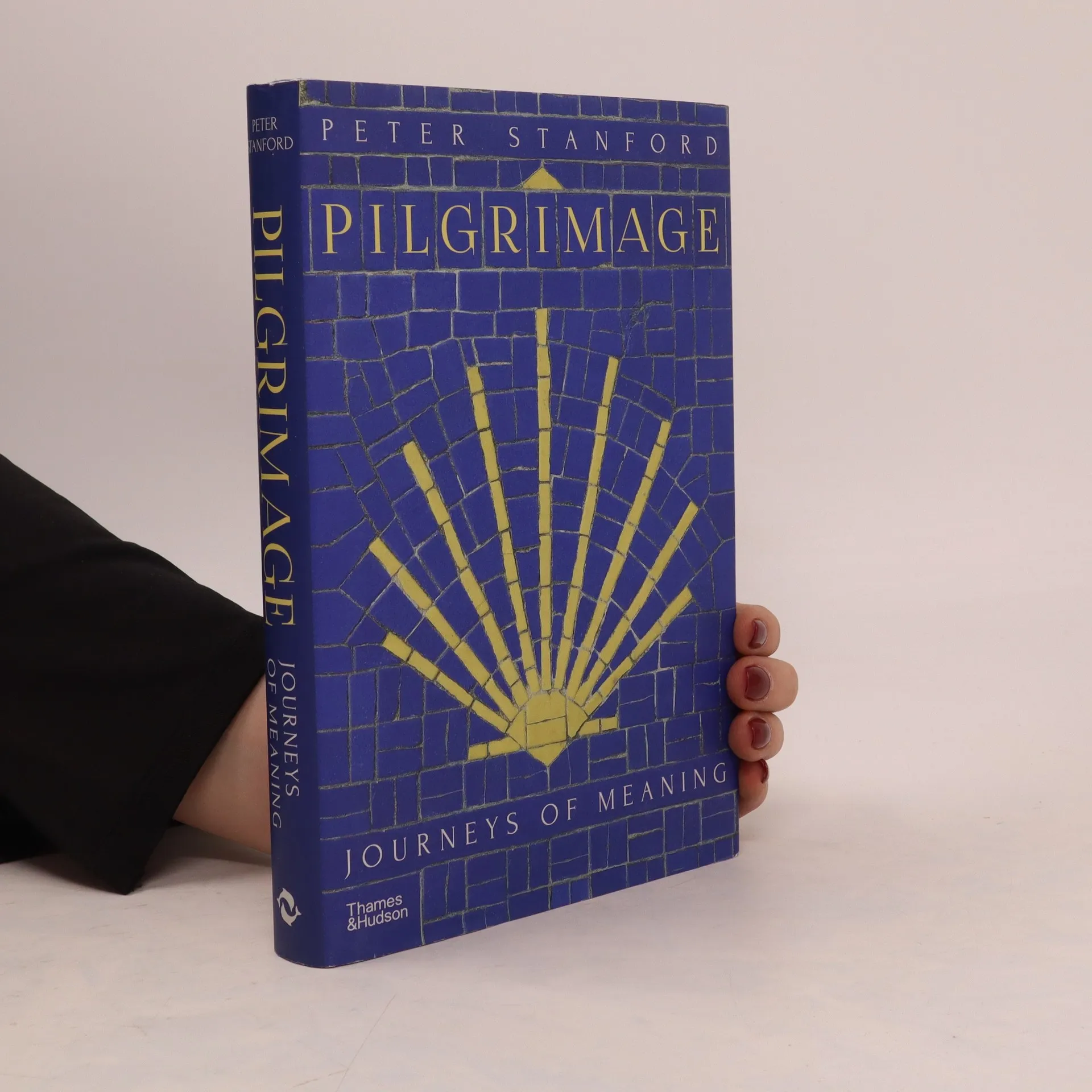
A thought-provoking reflection on the practice and history of pilgrimage, and a compelling exploration of its relevance today. Pilgrimage, a global ritual embraced by nearly all faiths, is one of civilization’s most enduring traditions. In this compelling book, author and journalist Peter Stanford reflects on the reasons people have walked along the same sacred paths through the ages. Through this history, Stanford explores how the experiences of the first pilgrims to Jerusalem, Mecca, and Santiago de Compostela compare to the millions of people who embark on life-changing physical and spiritual journeys today. Pilgrimage traverses sacred landscapes around the world, from the Basilica of Our Lady of Guadalupe in Mexico City to the monolithic rock-cut churches of Lalibela, Ethiopia and the riverbanks of the Kumbh Mela in India. Stanford explores the historical and spiritual significance of these places of healing and reflection and discusses their roles as crossroads., Although pilgrimage is usually viewed as an individual’s escape from the everyday to refocus the mind and soul, institutional and national struggles for power have always had an impact on the way pilgrims experience their own personal journey. Guiding readers through the global history of pilgrimage, this thought- provoking book educates a new generation that may seek solace, clarity, and wonder by following in the footsteps of travelers from the past.
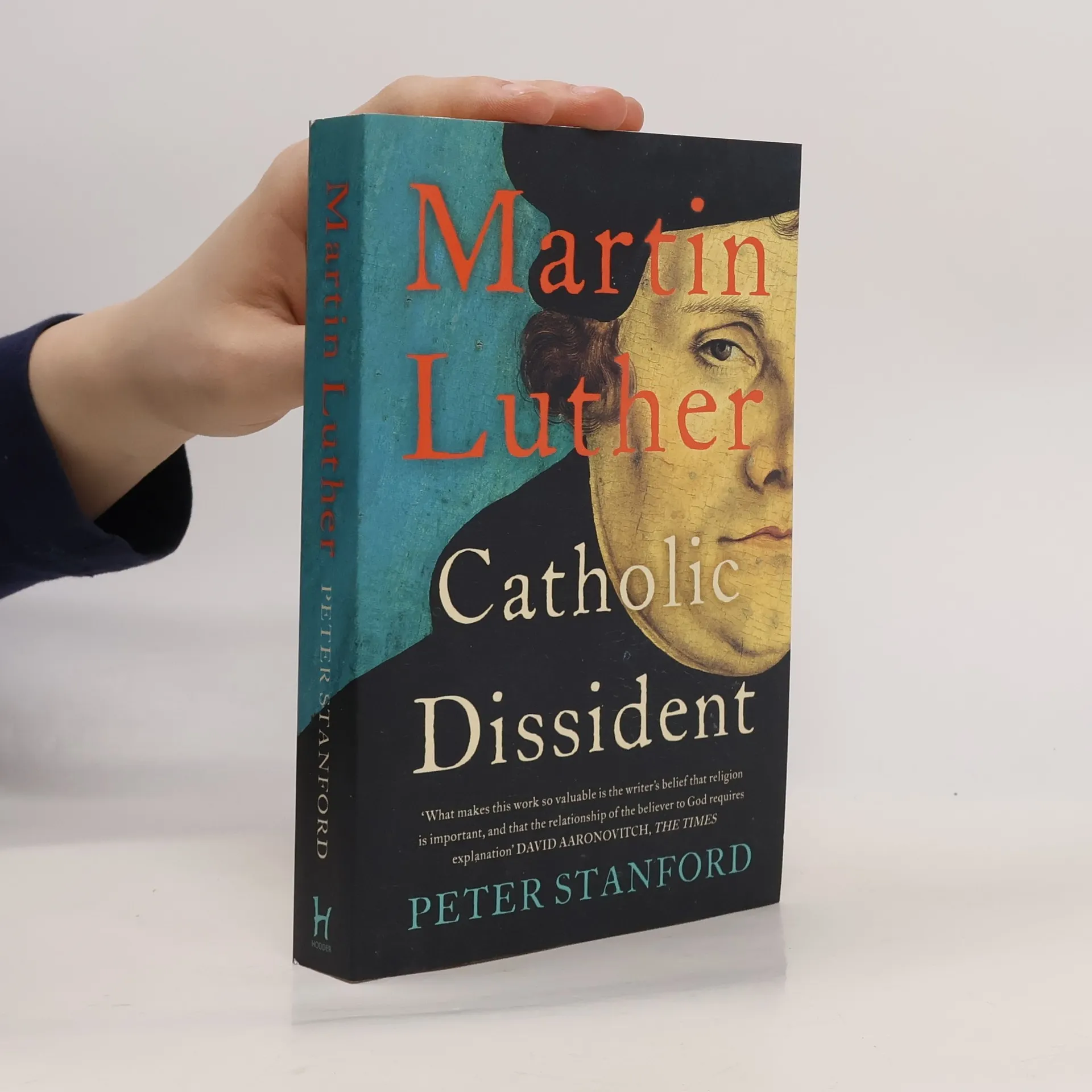
A new appraisal of theological firebrand Martin Luther, on the 500th anniversary of the religious revolution he triggered - the Protestant Reformation.
This title addresses the rarely discussed topic of child death, offering perspectives from parents, siblings, grandparents, and godparents. It is aimed at those who have experienced the shock and loss associated with such tragedies.
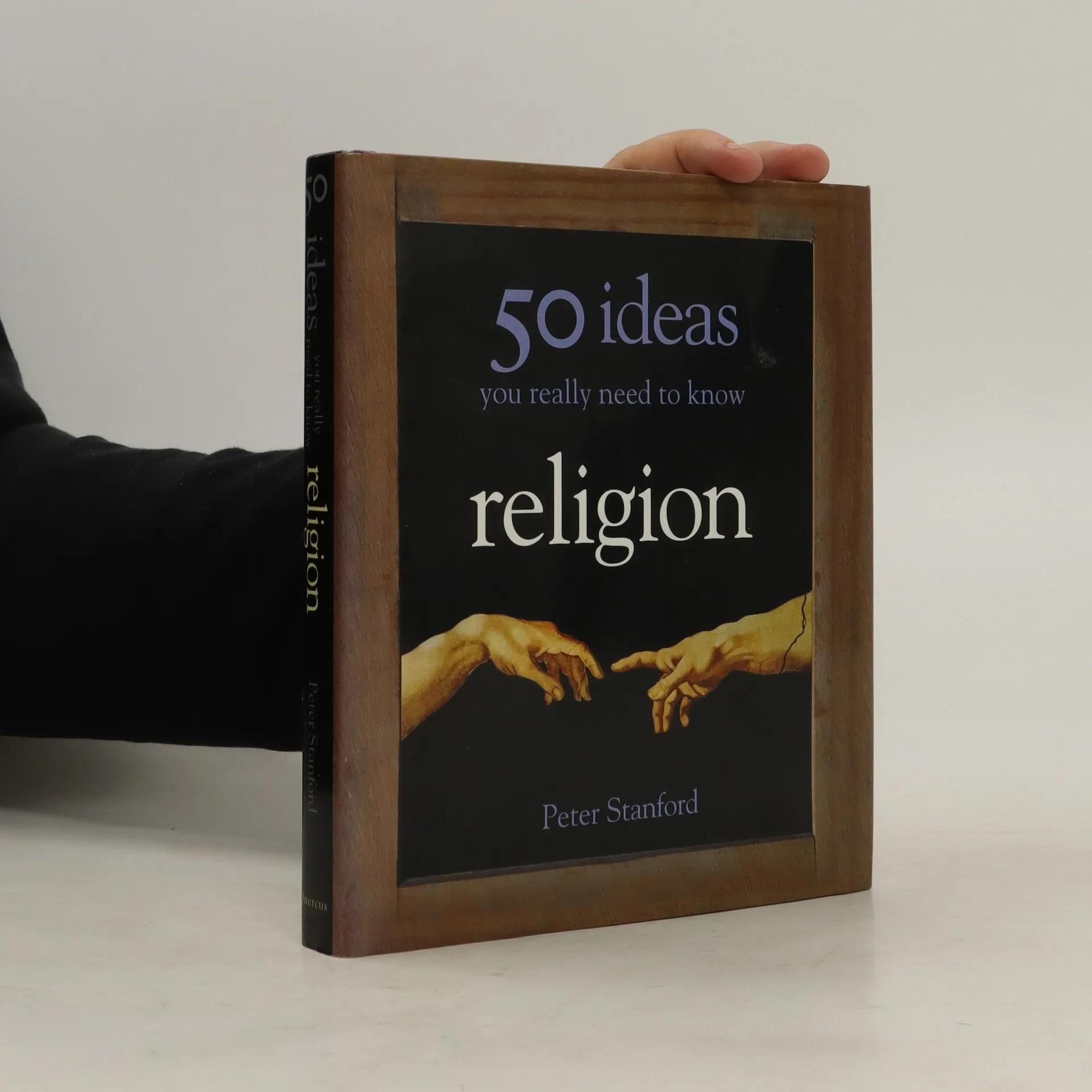
The ultimate guide to the most important ideas in world religion.
Peter Stanford untersucht die Existenz des Teufels und seine Entwicklung in Religion, Literatur und Kunst. Er beschreibt, wie der Teufel von den alten Kulturen bis zur christlichen Kirche als Symbol des Bösen geformt wurde. Trotz des wissenschaftlichen Fortschritts bleibt der Glaube an den Teufel in der modernen Gesellschaft präsent, auch in Aberglauben und okkulten Praktiken.
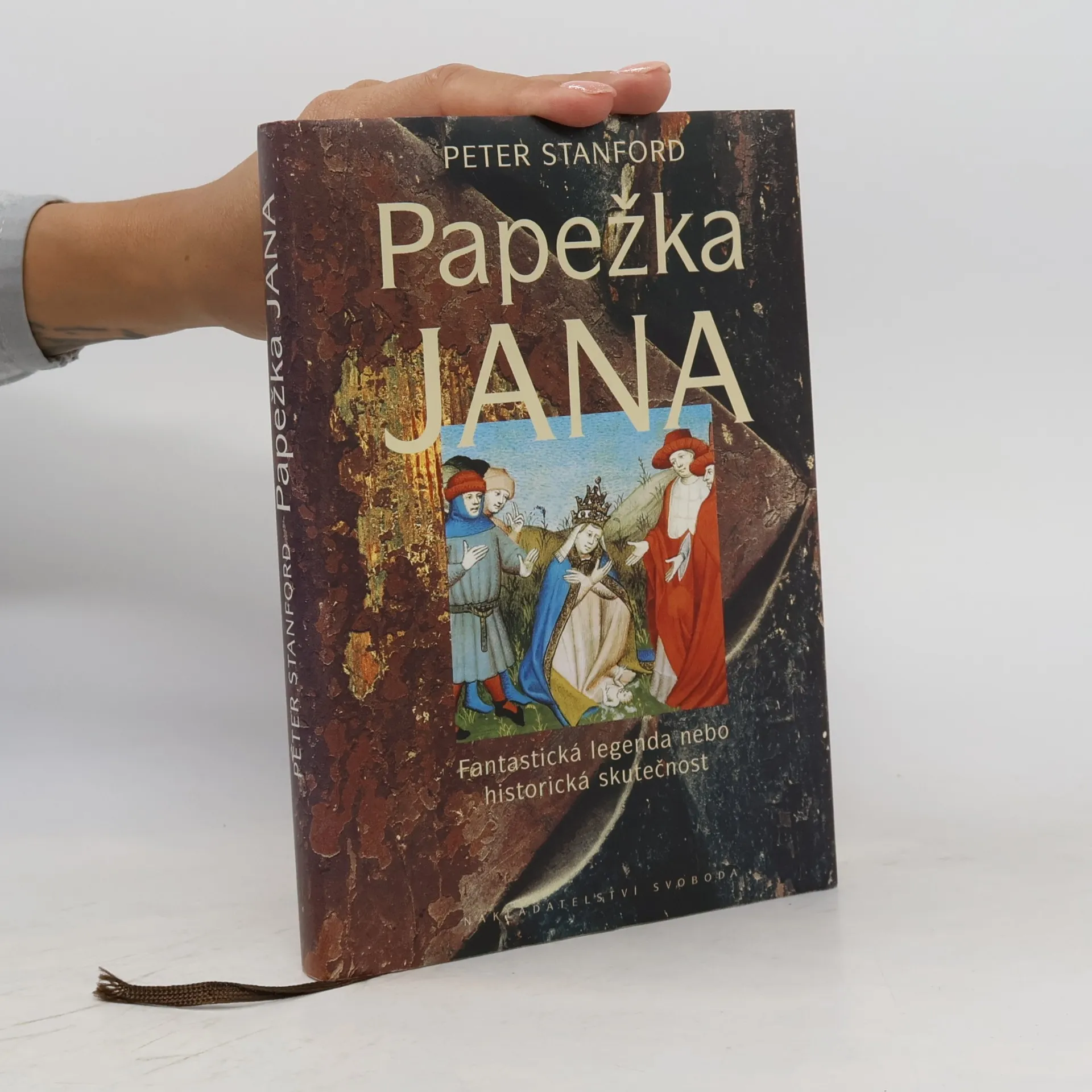
Kniha se zabývá legendou o papežce Janě, která měla usednout na papežský stolec v 9. století. Sleduje historické záznamy tohoto příběhu a snaží se nalézt odpověď na otázku, do jaké míry jde o smyšlenku a kolik je v něm pravdy. Zahrnuje také reflexy této legendy v beletrii a dramatu. Autor čtenáři poskytne přehled historického vývoje postavení a role žen v církvi.