Rudolf Koch byl vizionářský typograf a kaligraf, jehož práce zásadně ovlivnila umění písma. Věnoval se nejen tvorbě originálních fontů, ale také výuce a šíření povědomí o kaligrafii jako umělecké formě. Jeho přístup spojoval řemeslnou preciznost s hlubokým porozuměním pro estetiku písma. Kochovy inovace nadále inspirují designéry a umělce po celém světě.
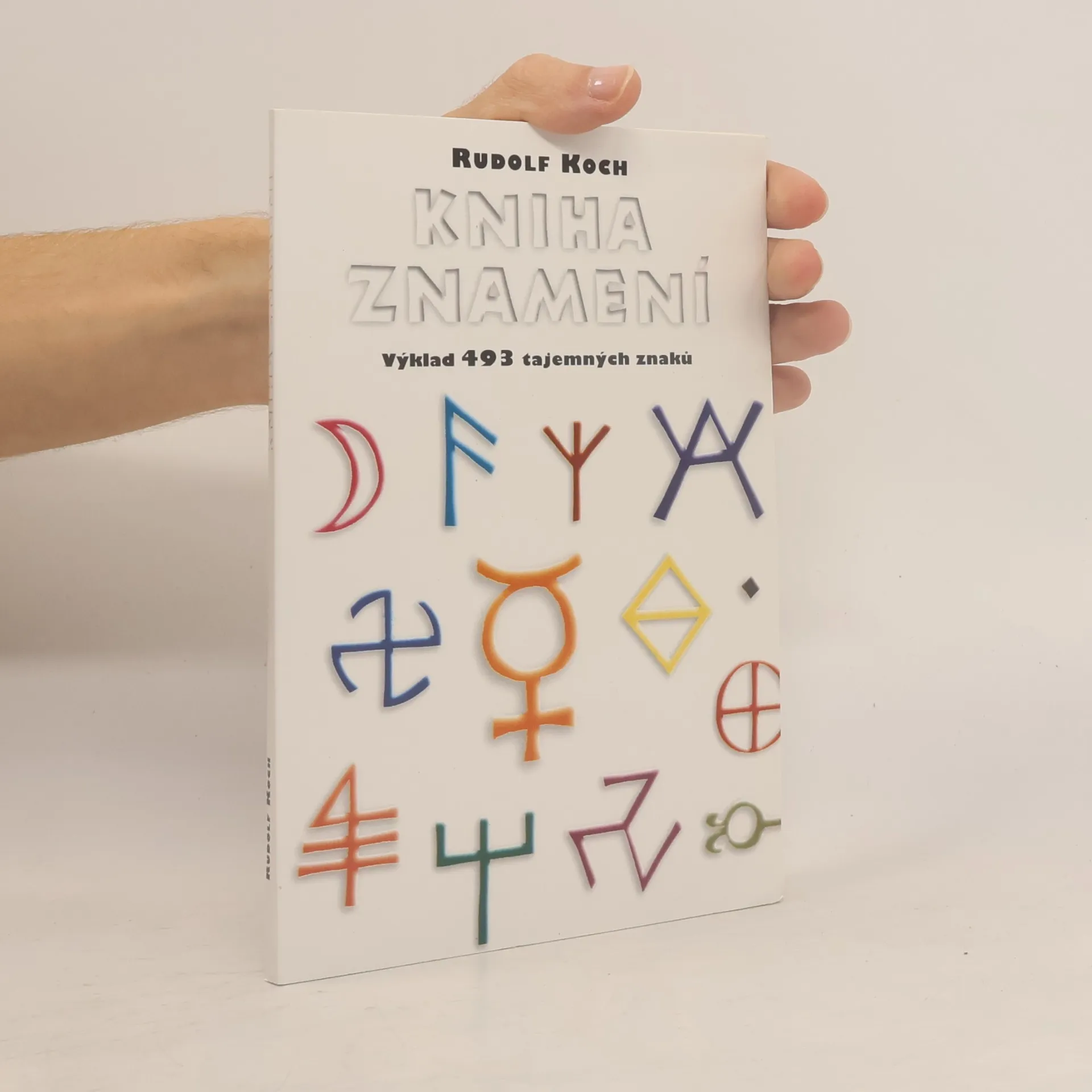
Podtitul: Výklad 493 tajemných znaků. Kniha obsahuje znaky, které jsou rozděleny do 14 kategorií: obecné znaky, znaky kříže, středověké, zednářské znaky, astronomické a astrologické znaky, botanické a chemické znaky, runy a mnoho dalších.
2016 Reprint of 1930 Edition. Full facsimile of the original edition, not reproduced with Optical Recognition Software. Rudolf Koch (1876 - 1934) was a German type designer. He was also a master of lettering, calligraphy, typography and illustration. Commonly known for his typefaces created for the Klingspor Type Foundry, his most widely used typefaces include Neuland and Kabel. Koch's "Book of Signs," translated into English in 1930, illustrates, with short explanations, 493 old-world symbols, monograms and runes. Provides a rich repository of signs divided into the following categories: General Signs The Cross Monogram of Christ or Chrismon Other Christian Signs The Monogram Stonemason's Signs The Four Elements Astronomical Signs Astrological Signs Botanical Signs Chemical Signs House and Holdings marks Signs from Various Sources Runes
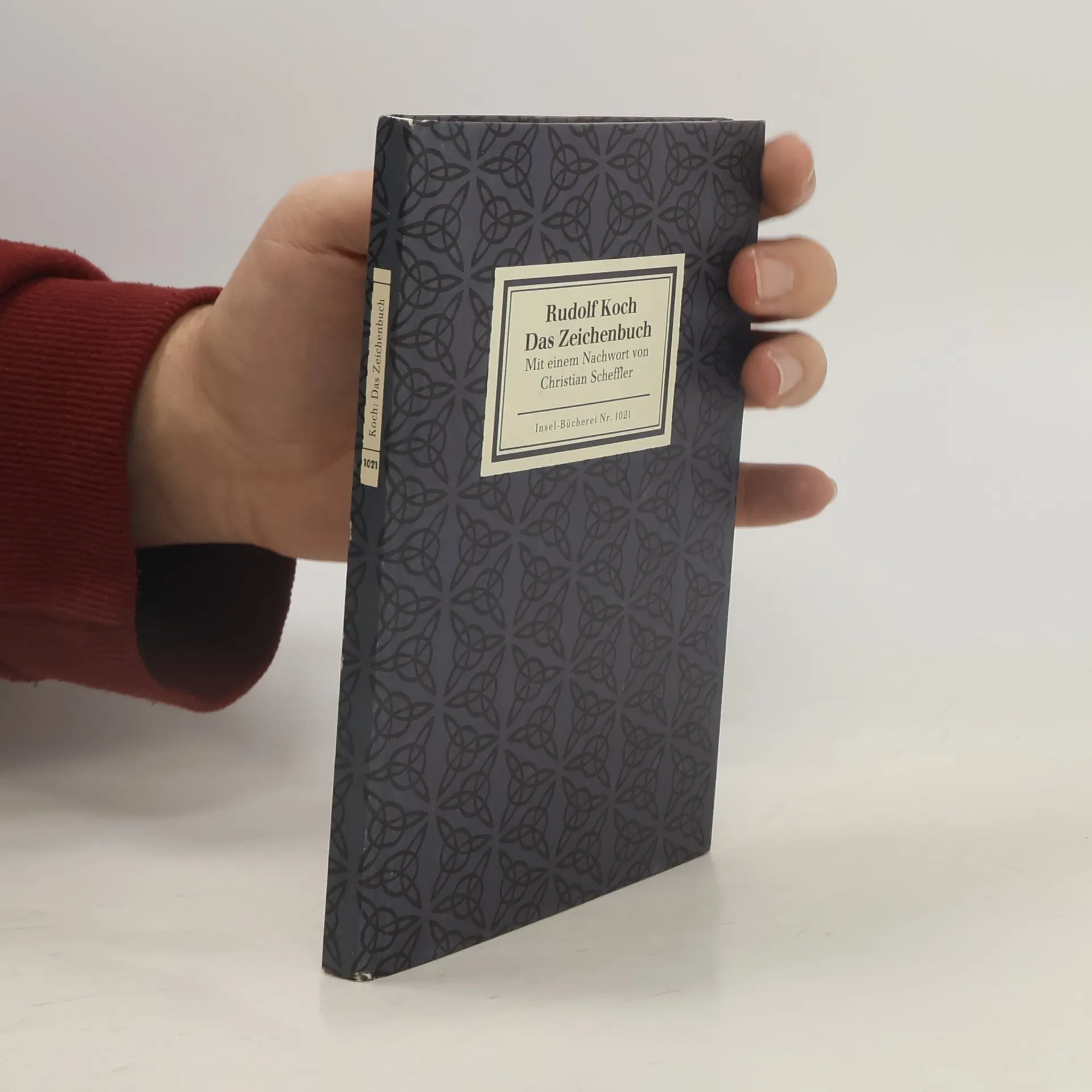
Als Band der Insel-Bücherei erschien 1933 eine Auswahl mit 58 Zeichnungen, der im Laufe der Jahre eine Gesamtauflage von nahezu einer halben Million erreichte. Dieser Band der Insel-Bücherei, der längere Zeit vergriffen war, wurde zum fünfzigsten Todesjahr Rudolf Kochs neu aufgelegt. Die Blumenbilder – Schneeglöckchen und Kratzdistel, Feldrittersporn und Kuckuckslichtmelke, Wiesenschaumkraut und Klatschmohn, Ackerwinde und Augentrost und all die anderen – gehören zu den schönsten Arbeiten, die uns Rudolf Koch hinterlassen hat. Dieser Band ist eine unnummerierte Sonderausgabe der Insel-Bücherei und textidentisch mit IB281.