

Jak je to vlastně s Biblí: Kdo napsal tento první světový bestseller? Jaký význam má Starý zákon - pro křesťany a pro židy? O čem pojednává Nový zákon? Právě tady najdete jasný přehled a přesné informace o nejnovějších výsledcích bádání. Všechno, co jste chtěli vědět o Bibli - zde jsou odpovědi.
Gerlinde Baumann Knihy
1. leden 1962

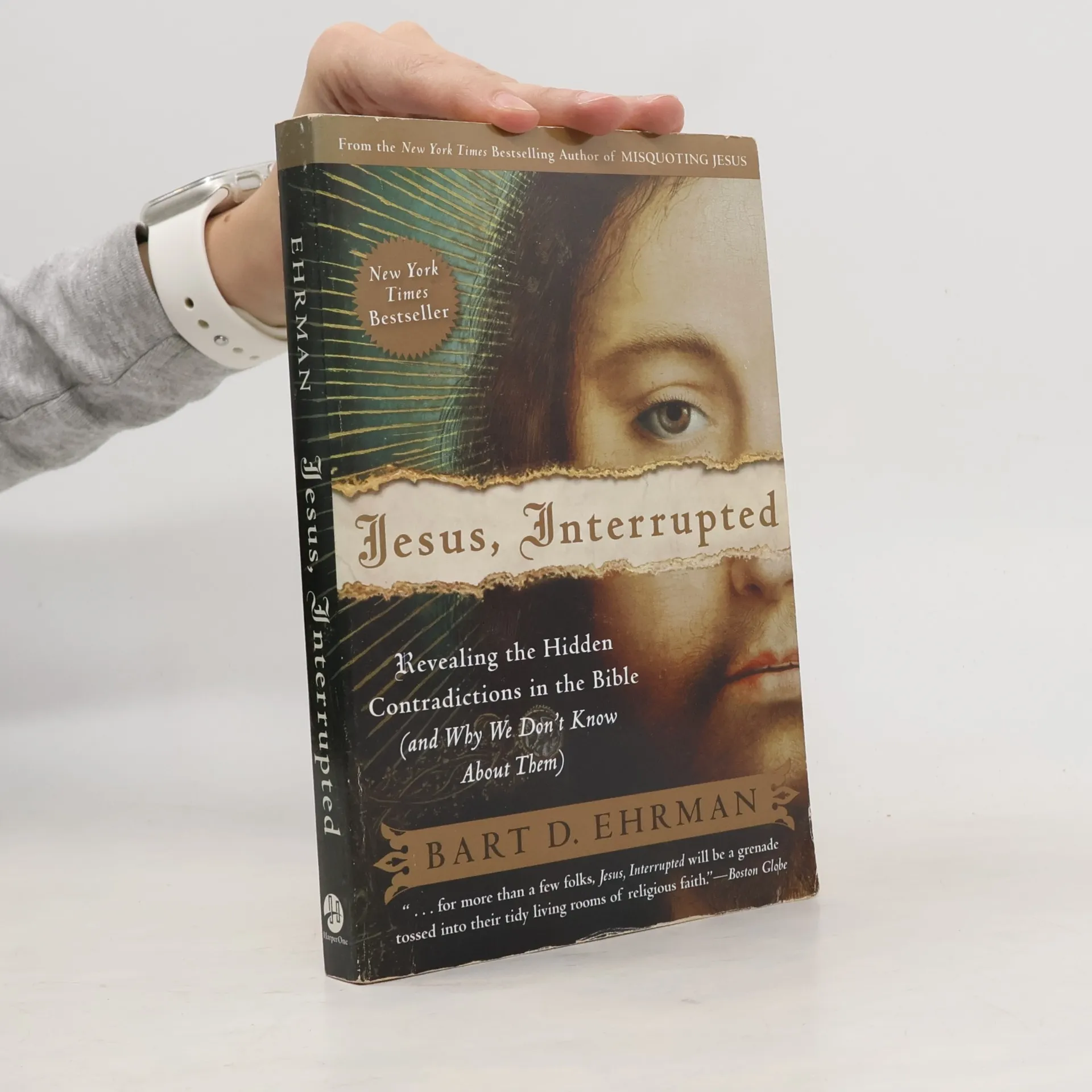
Jesus, Interrupted
- 304 stránek
- 11 hodin čtení
The Human Story Behind the Divine Book In this New York Times bestseller, leading Bible expert Bart Ehrman skillfully demonstrates that the New Testament is riddled with contradictory views about who Jesus was and the significance of his life. Ehrman reveals that many of the books were written in the names of the apostles by Christians living decades later, and that central Christian doctrines were the inventions of still later theologians. Although this has been the standard and widespread view of scholars for two centuries, most people have never learned of it. Jesus, Interrupted is a clear and compelling account of the central challenges we have when attempting to reconstruct the life and meaning of Jesus.
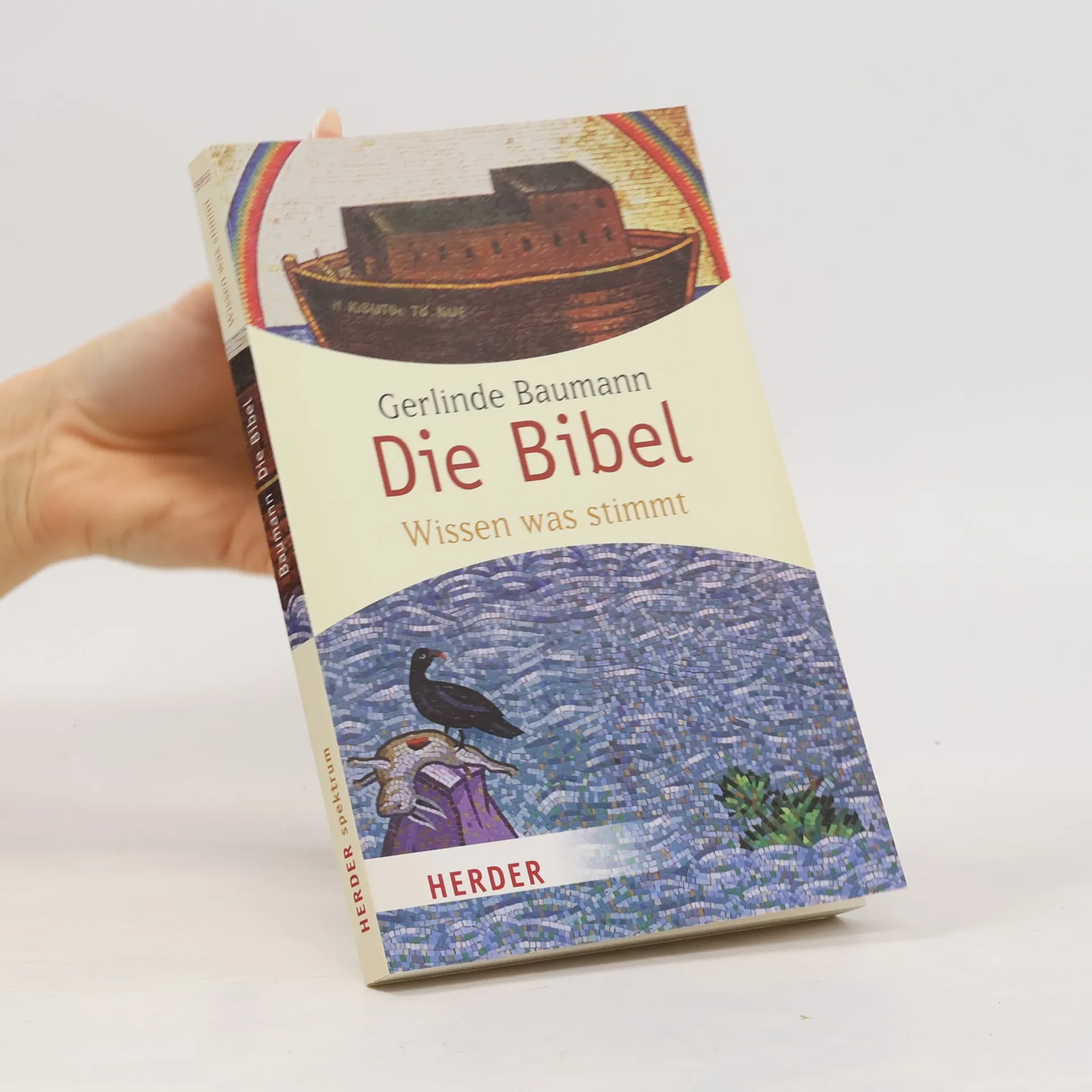
Die Bibel
- 128 stránek
- 5 hodin čtení
Ist die Bibel ein von Gewalt strotzendes Buch? Kann sie nur von Fachleuten verstanden werden? Ist ein Christ nur, wer sich wörtlich an die Bibel hält? Für Gläubige und Ungläubige: Antworten auf die wichtigsten Fragen zum Bestseller Bibel.
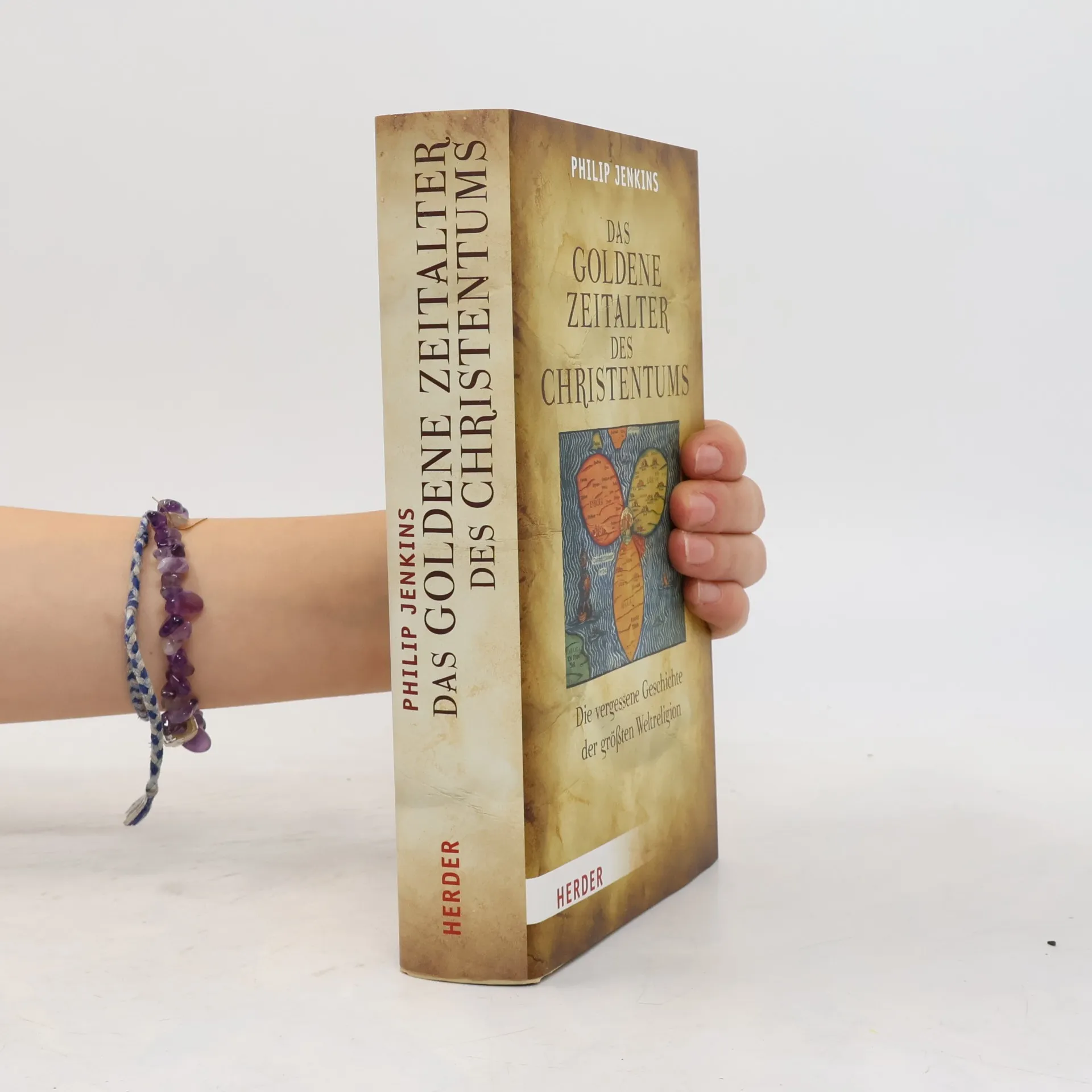
Das goldene Zeitalter des Christentums
Die vergessene Geschichte der größten Weltreligion
- 379 stránek
- 14 hodin čtení
In this groundbreaking work, renowned scholar Philip Jenkins reveals a lost history, showing that for centuries, Christianity's center was in the Middle East, Asia, and Africa, with communities extending to China. The book uncovers a vast network of influential Christian churches that thrived east of the Roman Empire, where their leaders played key roles in the Middle East and became prominent figures in the emerging Muslim empire. Jenkins recounts the shocking decline of these churches, which had the closest ties to Jesus and the early church. He challenges the prevailing view that alternative Christianities vanished in the fourth and fifth centuries due to a new hierarchy under Constantine that sought to eliminate unorthodox beliefs. Instead, Jenkins argues that the largest churches, often labeled as “heretics,” were the most influential Christian groups in Asia, maintaining their significance for an additional thousand years beyond their supposed extinction. This exploration provides a fresh perspective on contemporary issues in the Middle East, Asia, and Africa. Understanding this lost history is crucial for grasping our collective religious past and recognizing the surprising revitalizations of Christianity today, reaffirming its status as a true world religion.