

Albertus Magnus Knihy
Albertus Magnus byl německý dominikánský mnich, katolický biskup a významný filozof a teolog středověku. Proslul svou univerzálností a hlubokými znalostmi, což mu vyneslo tituly jako doctor universalis a doctor expertus. Je považován za jednoho z největších myslitelů své doby, jehož práce ovlivnila teologické i filozofické myšlení. Katolická církev ho ctí jako jednoho z 35 církevních učitelů.



O primknutí sa k Bohu
- 83 stránek
- 3 hodiny čtení
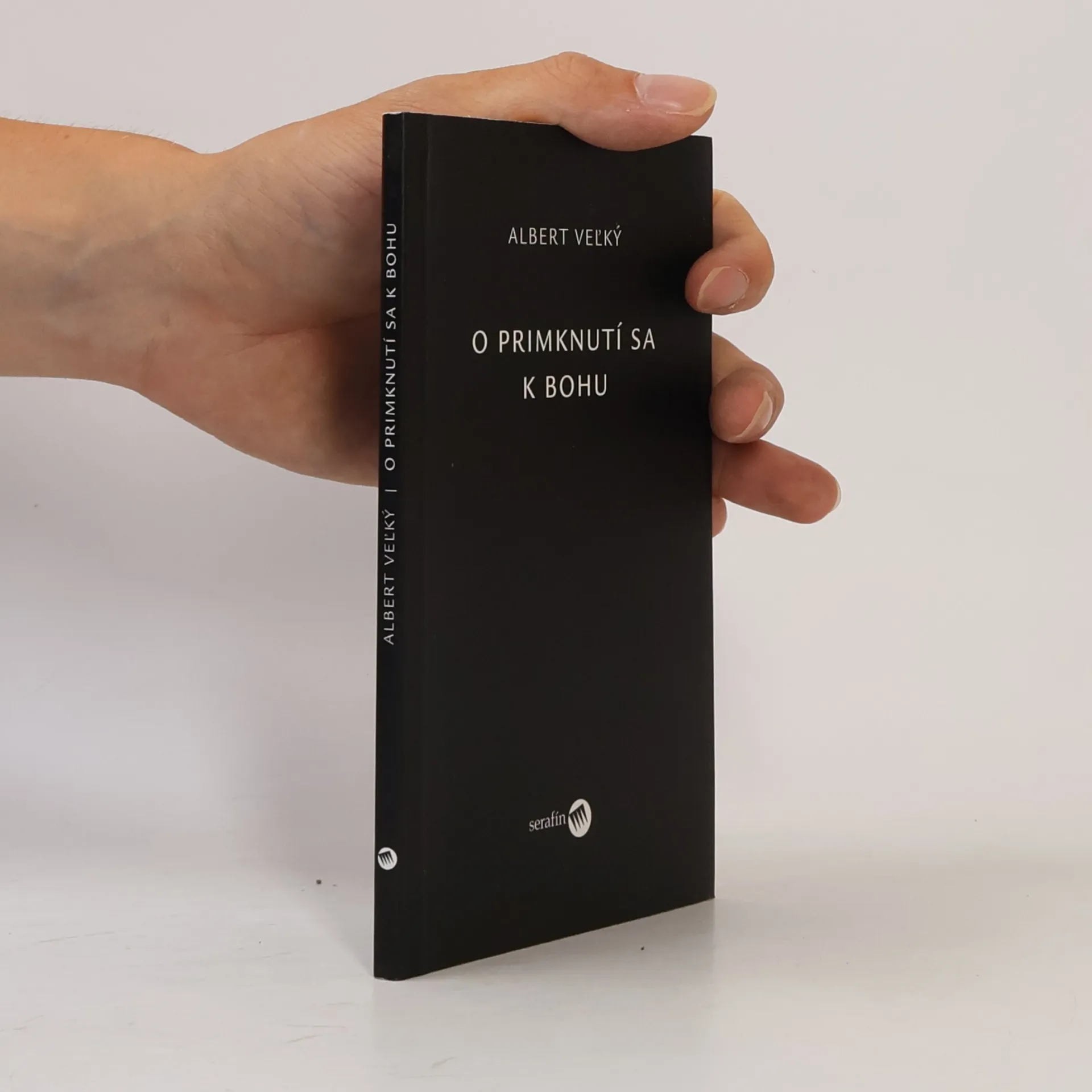
Nemecký filozof, teológ a prírodovedec, dominikán Albert Veľký sa pri tvorbe svojho filozoficko-teologického systému opieral o Aristotelovu filozofiu. Je známy svojimi komentármi k Dionýzovi, čo sa odráža v prvých deviatich kapitolách tohto diela, ktoré obsahujú dionýzovské témy. Ďalšie kapitoly sa venujú všeobecnejším témam kresťanskej duchovnosti.
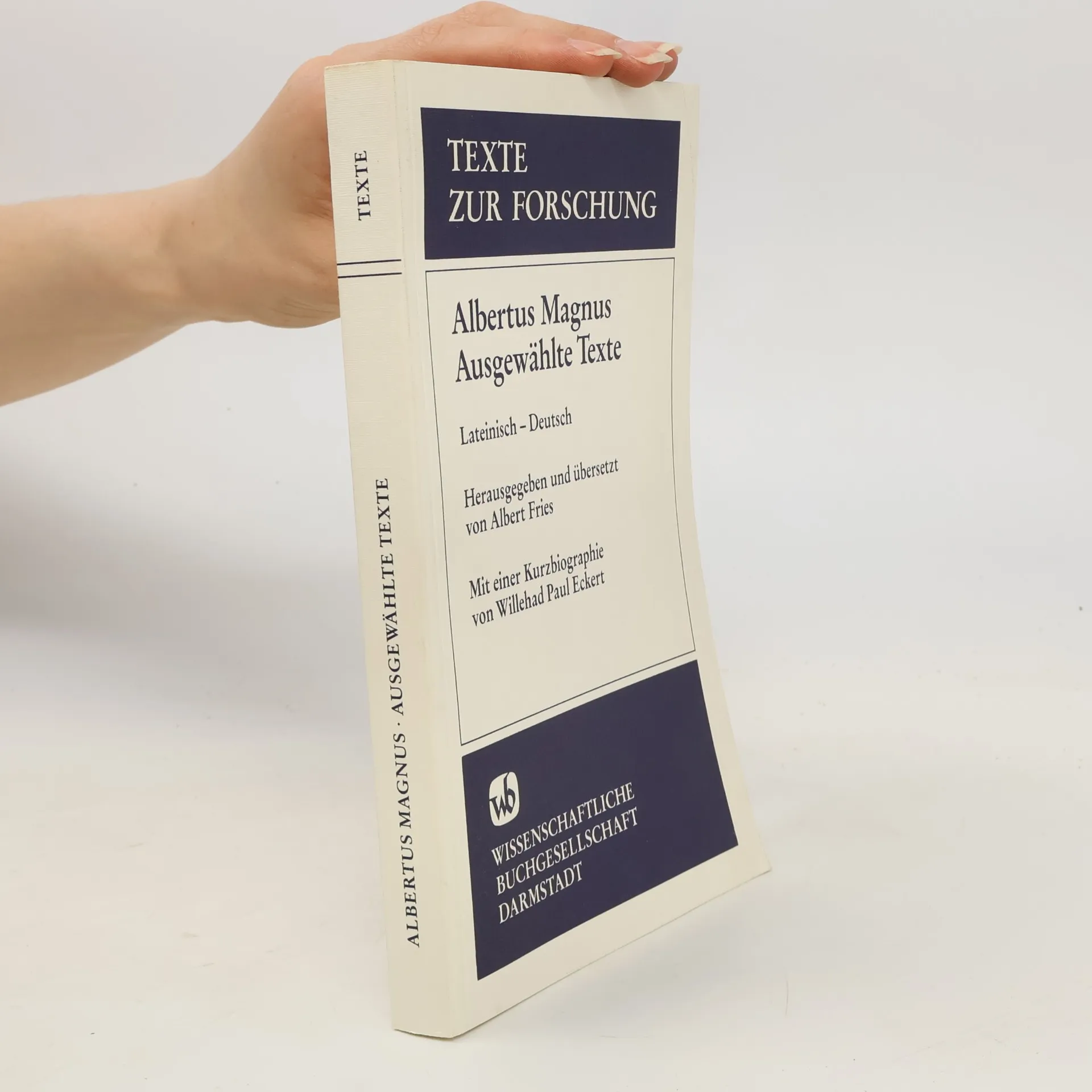
Die Sammlung bietet eine textkritisch bearbeitete und zweisprachige Auswahl der zentralen Texte aus Albertus Magnuss Frühwerk »De homine« (Über den Menschen). Diese Ausgabe basiert auf den überlieferten Handschriften und ermöglicht einen tiefen Einblick in die anthropologischen Überlegungen des Autors. Die zweisprachige Präsentation erleichtert das Verständnis und die Auseinandersetzung mit den philosophischen und wissenschaftlichen Themen, die für die Entwicklung der Menschheitsauffassung im Mittelalter von Bedeutung sind.
Texte zur Forschung: Ausgewählte Texte
- 265 stránek
- 10 hodin čtení